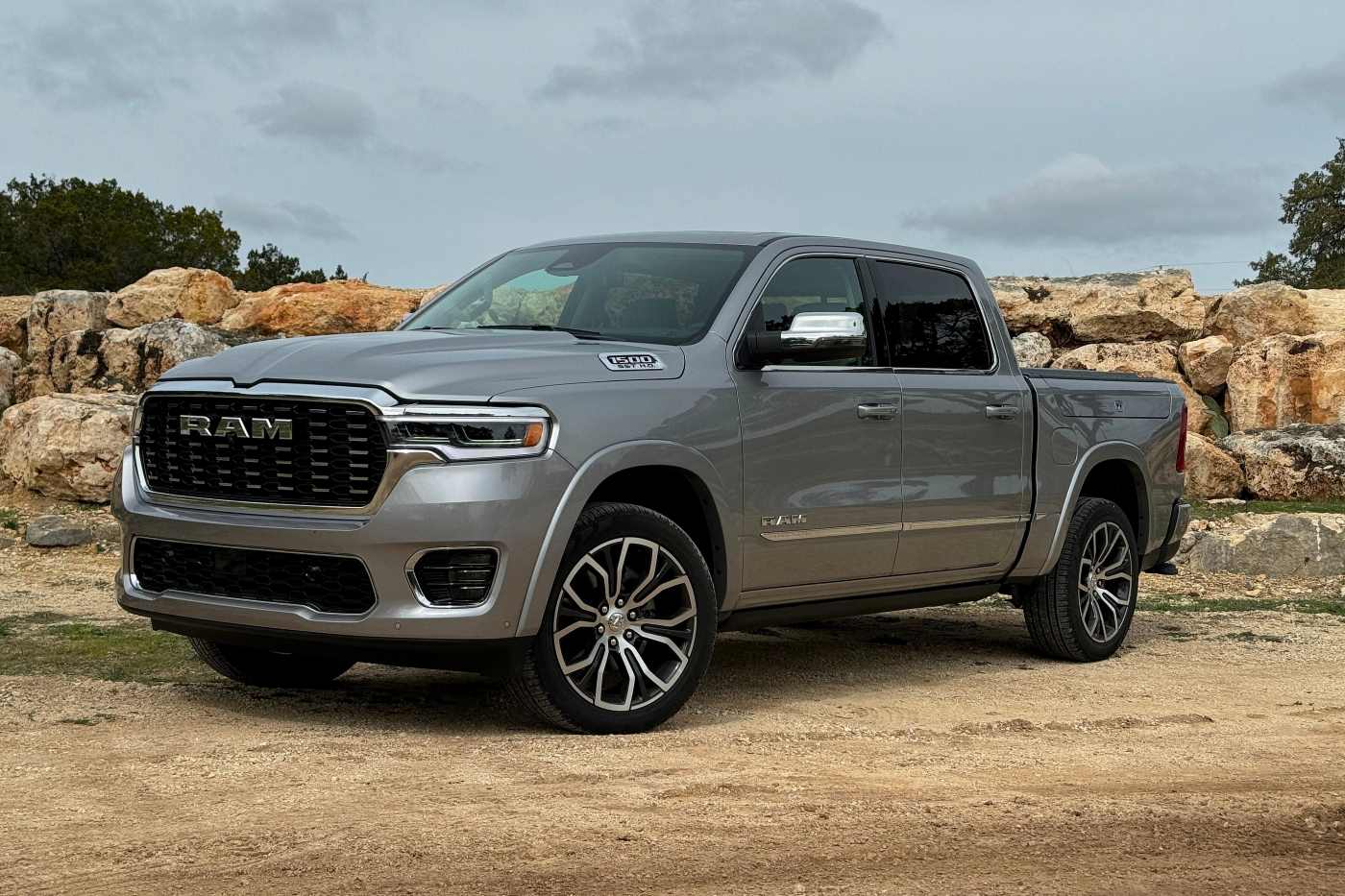
Pickup trucks have long carried a reputation for toughness. Their image is built around towing trailers, hauling heavy loads, crossing rough terrain, and surviving years of hard use. Yet the latest reliability data tells a more complicated story.
In 2026, pickups rank among the least dependable vehicle categories, not because every truck is poorly built, but because modern trucks have become far more complex than the simple work vehicles many buyers still imagine.
Today’s pickup is often a luxury vehicle, family vehicle, off-road machine, towing rig, mobile office, and technology platform at the same time.
A full-size truck may have a turbocharged engine, hybrid system, air suspension, large touchscreen, digital gauge cluster, advanced cameras, trailer-assist technology, power tailgate, panoramic roof, heated and ventilated seats, adaptive cruise control, lane-centering hardware, and multiple electronic control modules.
Each feature can improve capability or comfort. Each can also create another potential failure point.
Consumer Reports’ 2026 reliability information shows that several truck models continue to score below average in predicted reliability, particularly newer full-size, hybrid, and electric pickups. The organization’s truck ratings cover small, midsize, full-size, hybrid, and electric models, highlighting how broad and complicated the modern pickup market has become.
The result is not a verdict against every truck. Some pickups remain strong long-term choices. But as a vehicle type, trucks now face more dependability challenges than simpler sedans, conventional hybrids, and many compact crossovers.
Also Read: 10 Brands That Keep the Most Value After 100,000 Miles
Modern Pickups are No Longer Simple Machines
Older pickup trucks were often mechanically straightforward. A naturally aspirated V8 or inline-six engine, basic automatic transmission, solid rear axle, steel wheels, and simple interior controls made them easier to repair and maintain.
The average 2026 pickup is a very different vehicle. A new Ford F-150, Chevrolet Silverado 1500, GMC Sierra 1500, Ram 1500, Toyota Tundra, or Nissan Frontier can include multiple turbochargers, hybrid batteries, electronically controlled transmissions, active exhaust systems, adaptive dampers, four-wheel-drive software, touchscreen interfaces, and advanced towing technology.
These systems are useful, but they create a larger reliability burden. A truck designed to tow 10,000 pounds must manage engine temperature, transmission temperature, braking force, trailer sway, cooling demands, and power delivery under load. When hybrid or electric components are added, the engineering challenge becomes even greater.
A truck also faces tougher real-world conditions than many passenger cars. Owners may use them for towing, off-roading, hauling equipment, driving on construction sites, traveling through snow, or operating in extreme heat. These uses place more stress on suspension components, tires, brakes, drivetrains, and cooling systems.
The problem is not that trucks are incapable. It is that modern truck buyers expect luxury-car technology and heavy-duty capability in one package.
Full-Size Trucks Carry the Most Complexity
Full-size pickups are especially vulnerable because they have become the most profitable and feature-packed vehicles sold by American automakers.
The Ford F-150, Chevrolet Silverado 1500, GMC Sierra 1500, Ram 1500, and Toyota Tundra are no longer basic work vehicles for most buyers. Many are sold as high-trim crew cabs with leather interiors, giant displays, premium audio systems, power running boards, advanced driver-assistance features, and off-road hardware.
A top-trim pickup can cost more than $80,000, placing it close to luxury-SUV territory. Yet it still must perform demanding truck duties.
Consumer Reports lists a wide range of 2026 full-size truck configurations, including gasoline, hybrid, and electric versions. The category includes the Chevrolet Silverado 1500, Ford F-150, Ford F-150 Hybrid, GMC Sierra 1500, Ram 1500, Toyota Tundra, Chevrolet Silverado EV, Ford F-150 Lightning, Rivian R1T, and Tesla Cybertruck.
That variety makes the category difficult to judge as one group. A conventional V8-powered truck has different reliability risks than a hybrid truck, while an electric pickup has different concerns involving battery systems, charging hardware, software, and electronic components.
Still, the common issue is complexity. More systems mean more opportunities for owner complaints.
Hybrid and Electric Trucks Add New Risks
Hybrid and electric pickups can offer strong performance, quick acceleration, lower fuel use, and useful onboard power features. They also introduce more components that must work together.
A hybrid truck combines a gasoline engine, electric motor, battery pack, power electronics, transmission, cooling system, and software controls. That can improve towing performance and fuel economy, but it also creates more potential trouble spots than a conventional gasoline truck.
The Ford F-150 Hybrid has been one of the weakest performers in recent Consumer Reports reliability data. A 2025 analysis based on Consumer Reports information gave the truck a predicted reliability score of 7 out of 100, citing its poor standing among pickup models.
Electric trucks face another set of challenges. Their motors have fewer moving parts than gasoline engines, but the vehicles are still highly complex. They rely heavily on battery-management systems, charging hardware, software, thermal control, digital displays, sensors, and electronic modules.
Electric pickups are also unusually heavy. The battery pack adds substantial weight, increasing stress on tires, suspension components, brakes, and steering systems. Their high torque can also accelerate tire wear, especially when drivers use the quick acceleration available from electric motors.
The Chevrolet Silverado EV, Ford F-150 Lightning, Rivian R1T, and Tesla Cybertruck show how quickly the pickup market is changing. But newer platforms often face early production issues, software glitches, and supplier problems that become visible only after thousands of vehicles reach owners.
Infotainment and Electronics Are Major Trouble Areas
Many truck reliability complaints no longer involve engines or transmissions. Modern owners frequently report problems with infotainment screens, wireless phone connectivity, cameras, digital gauges, driver-assistance systems, sensors, and electronic features.
A truck may still start, drive, tow, and stop properly while frustrating its owner through repeated display failures, Bluetooth issues, camera faults, or warning messages.
The 2026 Ram 1500 provides a clear example. Consumer Reports-based reporting identified in-car electronics as a key weakness, while a recall involved an instrument-panel display that could fail to show important information.
This matters because pickups now use electronics for far more than entertainment. Screens and cameras can control trailer settings, off-road modes, climate functions, navigation, parking views, safety warnings, and vehicle configuration. A software issue can therefore affect much more than music streaming.
The growing dependence on electronics also makes repairs more expensive. Replacing a damaged sensor, camera, digital display, or control module can cost far more than replacing a traditional switch or gauge. Some repairs also require dealer programming, calibration, or software updates.
Towing and Off-Road Use Create Real-World Stress
Trucks are designed for demanding work, but that work still affects long-term dependability. Towing a heavy trailer places extra strain on the engine, transmission, cooling system, brakes, suspension, tires, and differential. A truck that is used regularly near its maximum tow rating will experience more stress than one used mainly for commuting.
Off-road use adds another layer. Dirt, mud, sand, rocks, water, and vibration can affect suspension components, underbody protection, wheel bearings, sensors, wiring, and brake systems.
Trucks with lifted suspensions, large tires, locking differentials, and advanced terrain-management systems can be extremely capable, but those systems add cost and complexity.
Consumer Reports notes that light-duty trucks can commonly handle 1,500 pounds or more of payload and tow between 9,000 and 12,000 pounds, while heavy-duty trucks use stronger frames, suspensions, and powertrains for greater work capability.
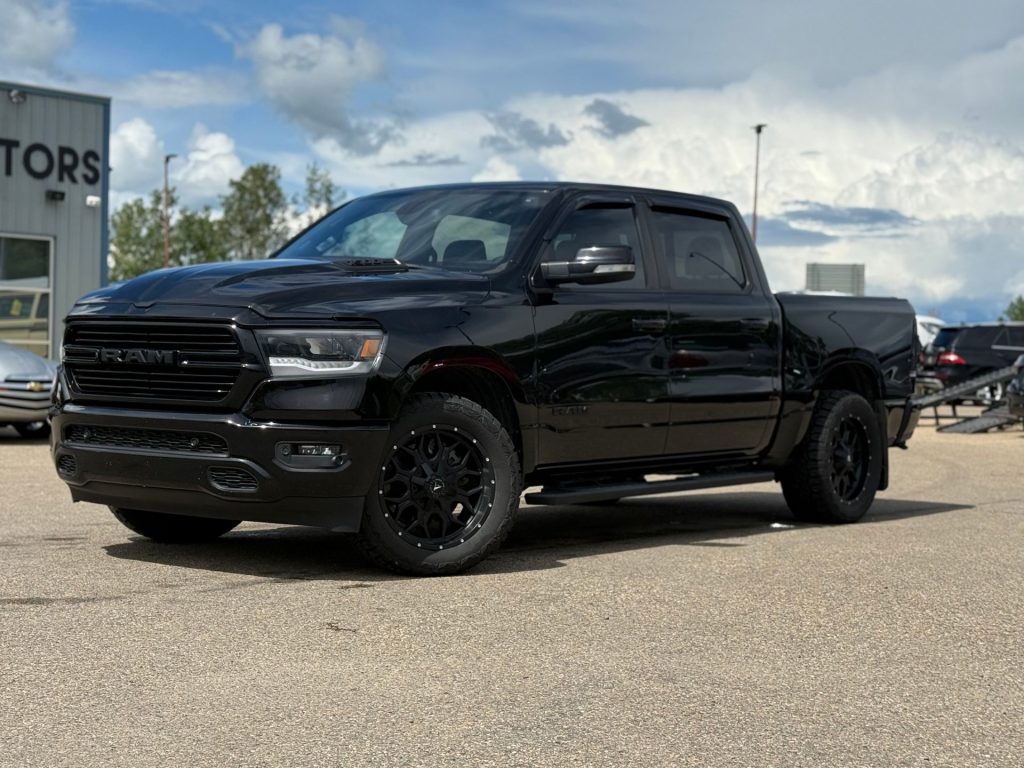
Those capabilities are impressive, but they also explain why trucks cannot be judged like ordinary commuter cars. A sedan does not usually spend its life carrying a bed full of materials, towing a trailer uphill, or crossing unpaved terrain.
Not Every Pickup Is a Bad Choice
The least-reliable vehicle-type label should not lead buyers to assume that every pickup will be troublesome.
Reliability varies widely by model, engine, transmission, trim level, and production year. A proven naturally aspirated gasoline engine may be a safer long-term choice than a newly introduced hybrid or electric powertrain. A midsize truck with fewer luxury features may also have fewer potential issues than a high-end full-size model loaded with technology.
The 2026 Honda Ridgeline, for example, remains a comparatively established midsize truck design. Consumer Reports-based reporting noted that it scored well in many predicted-reliability areas, though build quality was identified as a weaker point.
The Ford Maverick has also earned attention as a smaller, more affordable pickup, and Ford says the Maverick and F-150 were included in Consumer Reports’ 2026 Top 10 Picks.
Buyers should focus on the exact truck they need rather than purchasing based on brand image alone. A basic work truck with a proven powertrain may offer better long-term value than a heavily optioned luxury trim with advanced suspension, hybrid hardware, and multiple electronic systems.
What Truck Buyers Should Check Before Buying
A buyer considering a pickup should look beyond towing capacity, horsepower, and appearance.
First, check the reliability history of the specific engine and transmission. A truck may be dependable with one powertrain but less dependable with another. The same model can have very different ownership experiences depending on whether it uses a naturally aspirated engine, turbocharged engine, hybrid system, diesel, or electric powertrain.
Second, review recalls and technical service bulletins. Recalls do not automatically mean a vehicle is poor, but repeated recalls involving the same system deserve attention.
Third, consider how the truck will actually be used. A driver who tows a large trailer every weekend needs a different truck from someone who wants an occasional home-improvement vehicle. Buying more capability than necessary can mean paying for more complex systems that will never be used.
Finally, maintain the truck carefully. Regular oil changes, transmission-service intervals, tire rotations, brake inspections, cooling-system checks, and software updates matter more for a heavily used pickup than for a lightly driven sedan.
Pickup trucks rank as the least reliable vehicle type in 2026 because they have become more complicated, more expensive, and more technologically demanding than ever before.
They are no longer simple work machines. Many combine luxury-car features, powerful turbocharged engines, hybrid systems, off-road hardware, towing technology, and large digital interfaces in one vehicle.
That combination creates more potential problems, especially in newer full-size, hybrid, and electric trucks. Yet buyers who choose proven powertrains, avoid unnecessary complexity, research specific model years, and maintain their trucks carefully can still find a dependable pickup.
Also Read: 10 Upcoming Hybrid Cars In 2027