
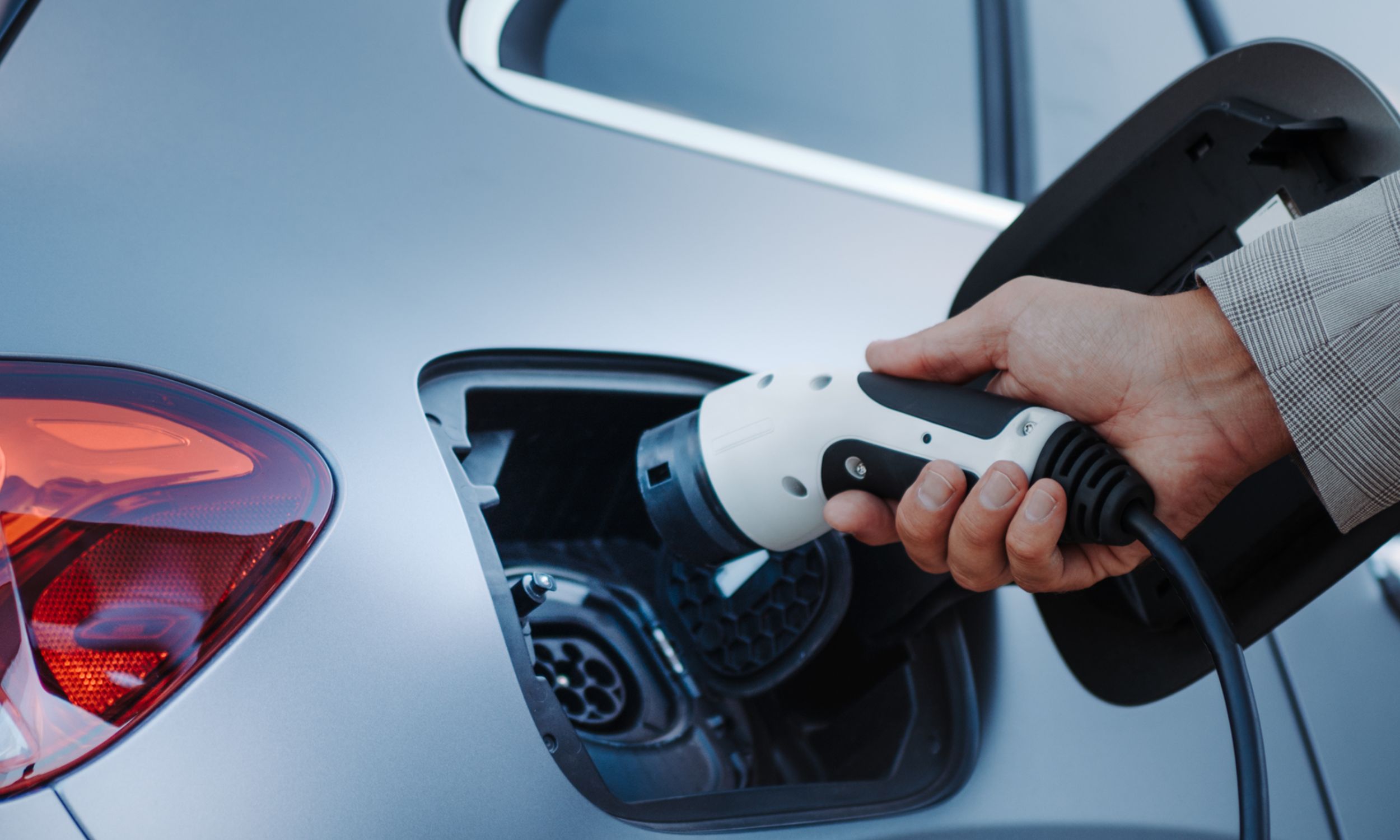
Refueling a gasoline-powered vehicle usually takes only a few minutes, but recharging an electric vehicle can require much more patience. While the latest EVs equipped with 800-volt electrical systems can recover about 100 miles of driving range in less than ten minutes under ideal conditions, many older and more affordable models cannot come close to those charging speeds.
The difference comes down to the technology built into each vehicle. Early-generation electric cars often have lower maximum charging rates, less advanced battery management systems, and conservative thermal controls that limit how much power the battery can accept. Even when connected to a high-output DC fast charger, these vehicles are unable to take full advantage of the available charging capacity.
Charging performance also depends on battery temperature and the battery’s state of charge. As the battery fills, many electric vehicles automatically reduce charging speed to protect long-term battery durability. Older models usually reduce power much earlier and more aggressively than newer designs, leading to longer charging sessions even when using the fastest public charging stations.
For drivers who spend most of their time commuting around town, these slower charging speeds may not create many problems. Highway travel, however, can become less convenient because each charging stop lasts much longer than expected. Instead of taking a short break before getting back on the road, owners may find themselves waiting well beyond the time needed by newer electric vehicles.
The following eight models rank among the slowest-charging EVs currently available, making long-distance travel less convenient than many buyers anticipate.
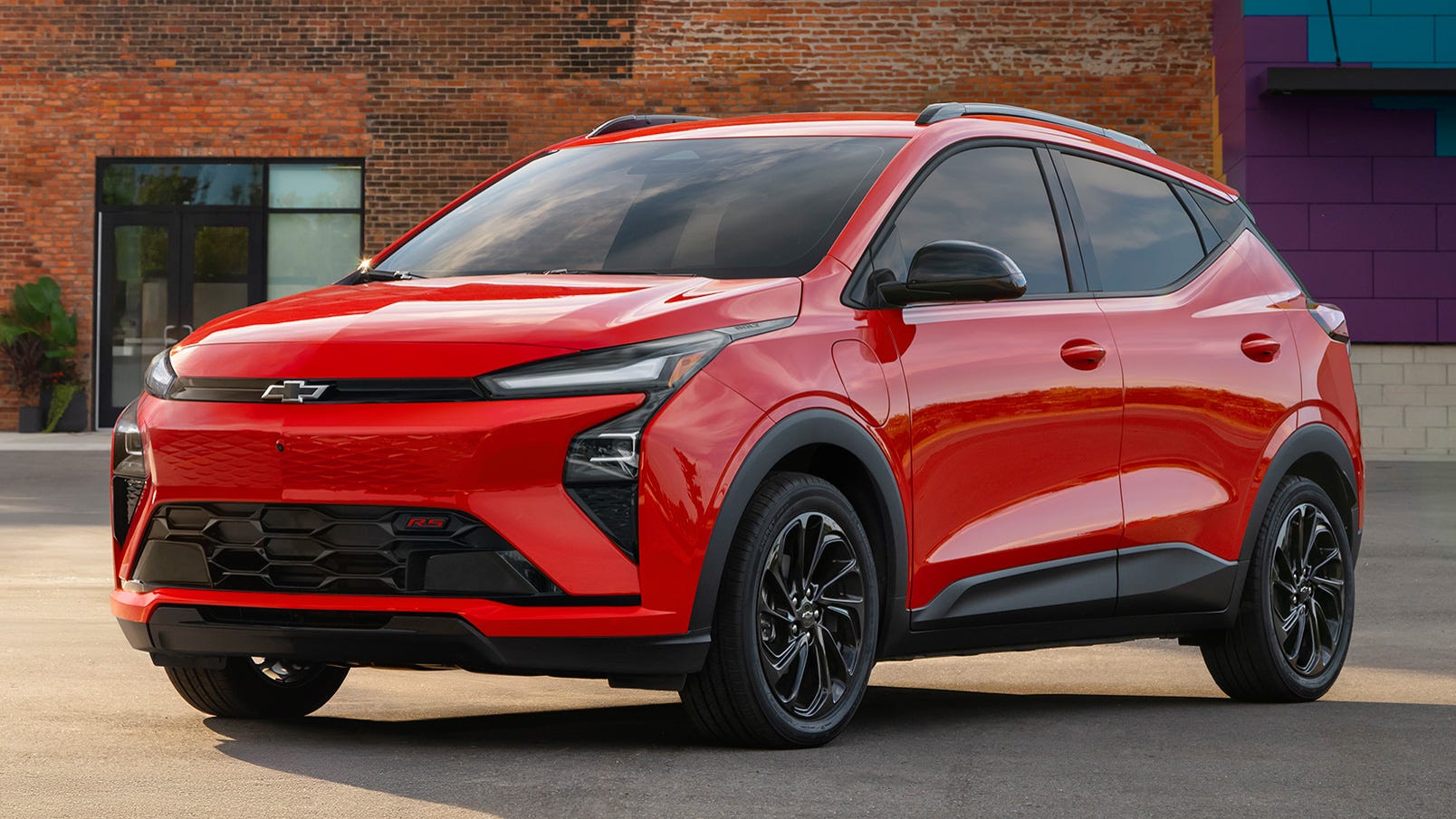
1. Chevrolet Bolt EV / Bolt EUV
Max DC Fast-Charging Speed: 55 kW
- Engine: Single Electric Motor FWD
- Horsepower: 200 hp
- Torque: 266 lb-ft
- Size: 163.2 in Long x 69.5 in Wide
Chevrolet’s Bolt EV and its slightly larger Bolt EUV sibling built a loyal following thanks to genuinely affordable pricing and a surprisingly spacious interior for such a compact footprint. A single electric motor producing 200 horsepower and 266 lb-ft of torque powers the front wheels, while the car itself measures a tidy 163.2 inches long and 69.5 inches wide, making it easy to park in tight city spaces.
That budget-friendly approach extends directly into the charging hardware, and not in a good way for anyone planning a road trip. The Bolt relies on older, value-focused battery engineering that completely anchors the bottom of every fast-charging comparison list currently published, regardless of how the rest of the vehicle’s specifications stack up against newer competitors.
Plugging into even the most powerful highway charger available changes nothing about this fundamental limitation. Even a 350 kW ultra-fast charger cannot push more energy into the Bolt than its onboard hardware allows, since the vehicle restricts power intake to a hard maximum of just 55 kW regardless of what the charging station itself is capable of delivering.
That restriction translates into a genuinely long wait at any public charging station. Drivers can expect to wait roughly 60 to 70 minutes just to charge from 10 percent up to 80 percent capacity, a stop that takes considerably longer than most other modern EVs require for the exact same charging range. Anyone planning a longer road trip in a Bolt should build that extended charging window directly into their travel schedule.
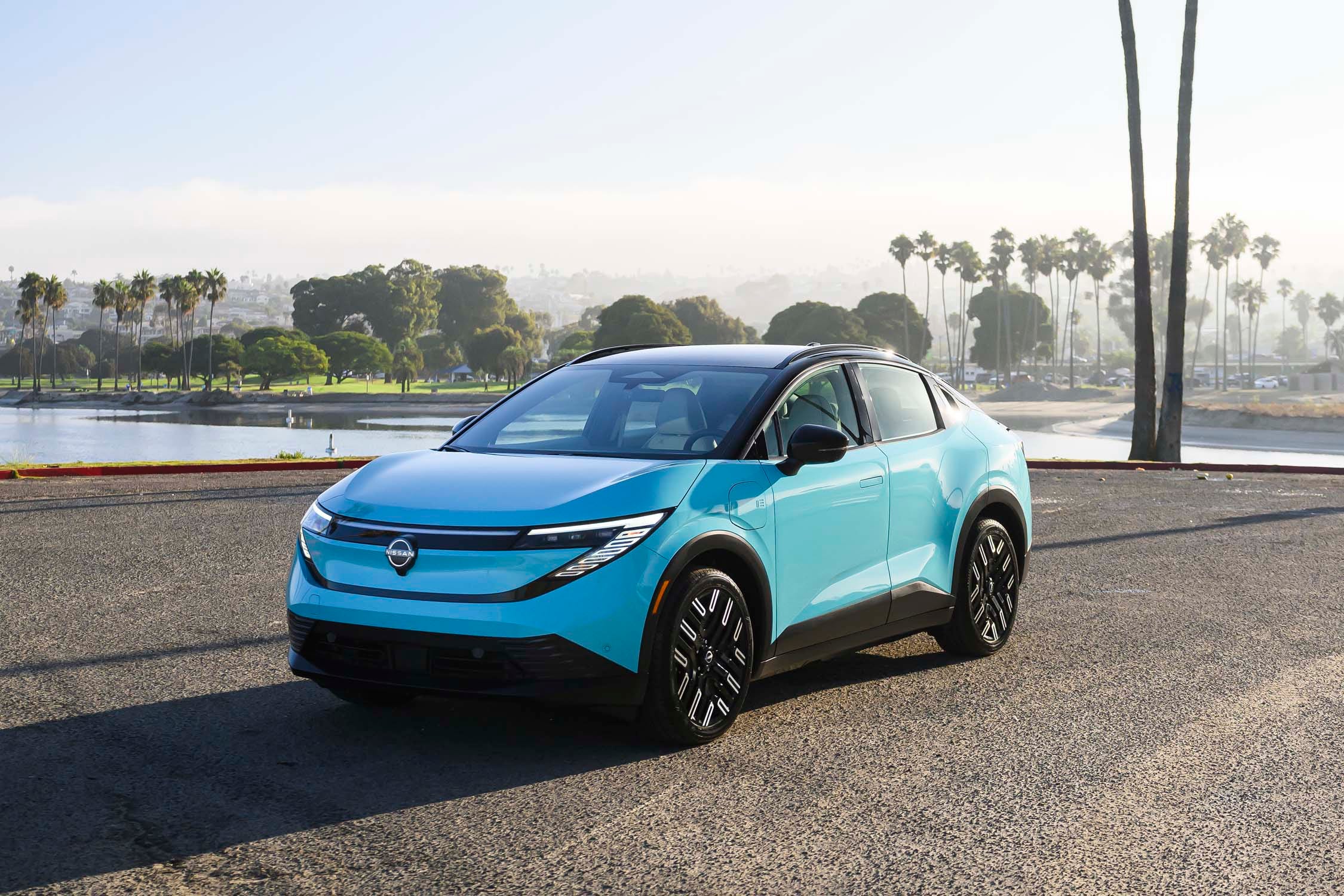
2. Nissan LEAF
Max DC Fast-Charging Speed: 50 kW (Base) / 100 kW (Plus model)
- Engine: Single Electric Motor FWD
- Horsepower: 147 hp to 214 hp
- Torque: 236 lb-ft to 250 lb-ft
- Size: 176.4 in Long x 70.5 in Wide
The Nissan LEAF played a major role in bringing electric vehicles to everyday drivers. As one of the first affordable EVs sold in large numbers, it helped introduce many people to all-electric transportation years before the market became crowded. While the LEAF deserves credit for helping push the industry forward, many of its original design choices now feel dated compared to today’s electric vehicles.
Depending on the trim level, the hatchback is powered by a single electric motor producing between 147 and 214 horsepower, along with 236 to 250 lb-ft of torque. It measures 176.4 inches in length and 70.5 inches in width, making it a practical option for city driving and daily commuting.
One of the LEAF’s biggest drawbacks is its charging system. Standard models are limited to a maximum DC fast-charging rate of 50 kW, which is well below the charging speeds offered by many newer electric vehicles. As charging technology has advanced, many competitors have adopted systems capable of delivering two or even three times as much power, allowing drivers to spend far less time waiting at public charging stations.
The charging connector creates another challenge. Unlike most modern EVs that use CCS or Tesla’s North American Charging Standard (NACS), the LEAF continues to rely on the older CHAdeMO connector. That standard has steadily disappeared from many public charging locations, with fewer charging providers choosing to install or maintain CHAdeMO equipment. As a result, finding a compatible fast charger has become more difficult in many areas, especially during long-distance travel.
The battery itself also affects charging performance. Instead of using a liquid-cooling system like most current electric vehicles, the LEAF relies on air cooling to regulate battery temperature. During repeated DC fast-charging sessions, the battery can heat up quickly. When that happens, the vehicle automatically reduces charging speed to prevent excessive heat from damaging the battery.
This protective feature helps extend battery life, but it also means drivers may spend much longer at charging stations than the advertised charging rate suggests, making the LEAF less convenient for frequent highway trips than many newer electric vehicles.
Also Read: 10 EVs With the Worst Real-World Range in Cold Weather
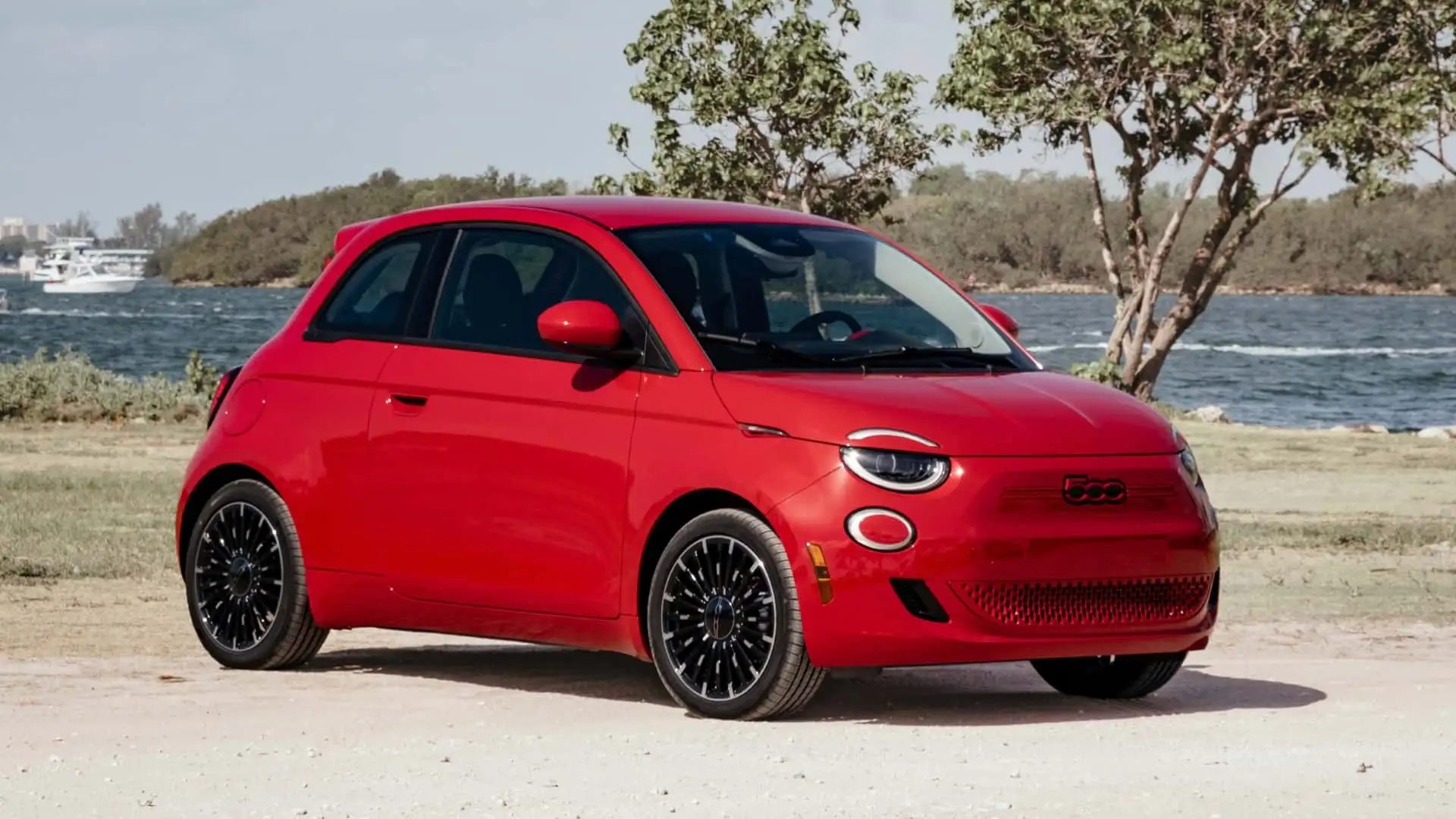
3. Fiat 500e
Max DC Fast-Charging Speed: 85 kW
- Engine: Single Electric Motor FWD
- Horsepower: 117 hp
- Torque: 162 lb-ft
- Size: 143.0 in Long x 66.3 in Wide
Few electric vehicles are as easy to maneuver through busy city streets as the Fiat 500e. Its compact size, classic Italian-inspired styling, and tight dimensions make it a natural fit for urban driving where narrow roads and limited parking spaces are common.
The hatchback is powered by a single electric motor producing 117 horsepower and 162 lb-ft of torque. Measuring only 143.0 inches long and 66.3 inches wide, it remains one of the smallest electric cars available, making everyday driving and parking much less stressful.
Looking at the specifications alone, the 500e appears to have an advantage when it comes to DC fast charging. Its maximum charging rate of 85 kW is higher than vehicles such as the Chevrolet Bolt, which tops out at 55 kW. Those figures can create the impression that the Fiat will spend much less time connected to a public fast charger. Actual charging results, though, depend on several factors beyond the advertised peak number.
A major reason for its charging behavior is the vehicle’s relatively small 42 kWh battery pack. While the battery can briefly accept the full 85 kW charging rate, that level is maintained for only a short period. Once the battery reaches roughly half of its capacity, the charging system steadily reduces power to help preserve battery life and manage operating temperatures.
Charging from 10 to 80 percent usually takes about 35 minutes under favorable conditions. Although that sounds fairly competitive, the smaller battery means the vehicle gains fewer miles of driving range during that session than many larger electric vehicles.
The Fiat 500e works well for commuting and city travel, but drivers who frequently cover long highway distances may find themselves making charging stops more often than they expected.
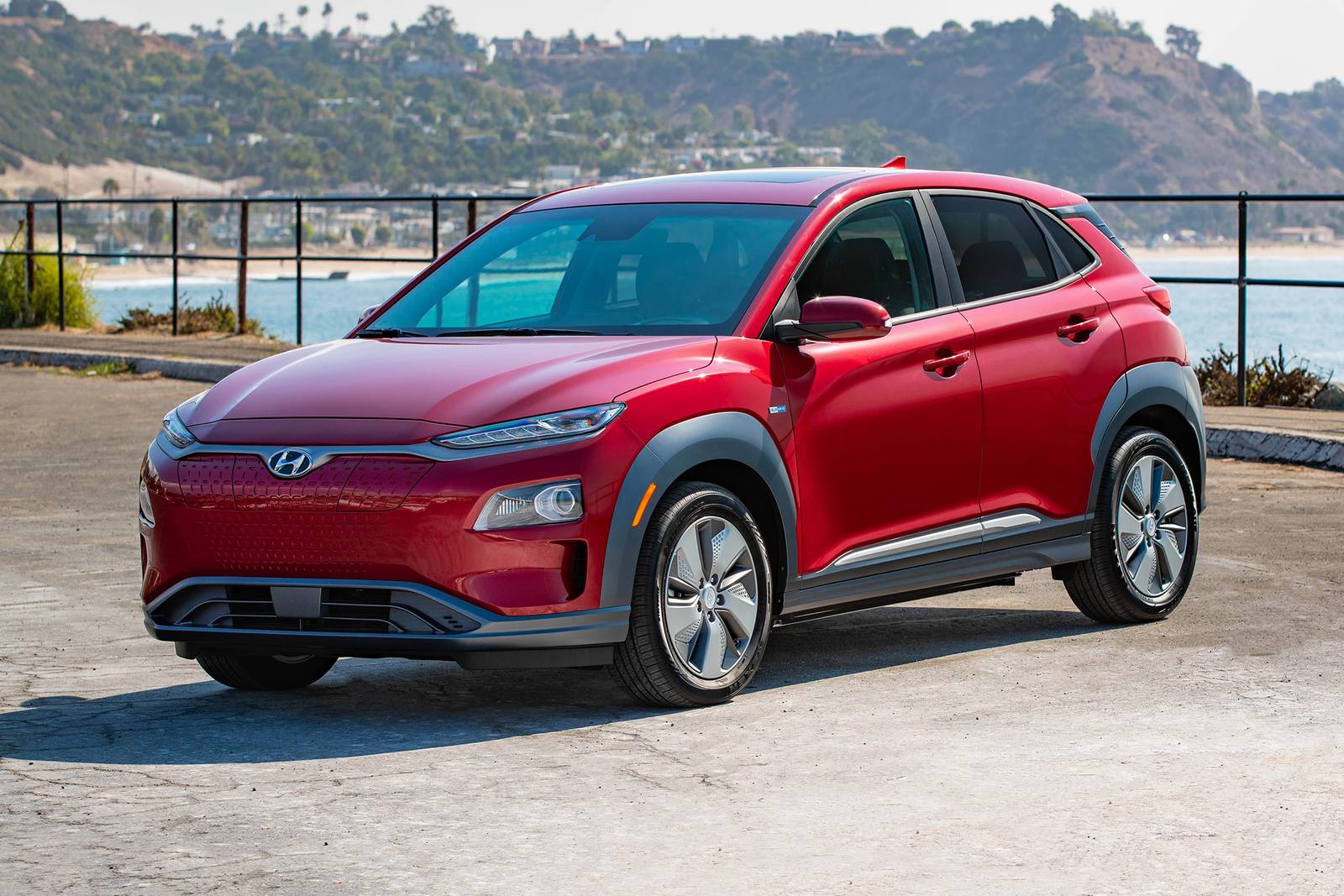
4. Hyundai Kona Electric (Base Trim)
Max DC Fast-Charging Speed: 74 kW (Base) / 100 kW (Extended)
- Engine: Single Electric Motor FWD
- Horsepower: 133 hp (Base) / 201 hp (Extended Range)
- Torque: 188 lb-ft
- Size: 171.3 in Long x 71.9 in Wide
Hyundai’s Kona Electric occupies an interesting position within its own brand lineup, sitting considerably behind the company’s flagship electric offerings in terms of raw charging capability. The base trim’s single motor produces 133 horsepower, while the Extended Range variant climbs to 201 horsepower, with torque holding steady at 188 lb-ft across both versions. The subcompact crossover measures 171.3 inches long and 71.9 inches wide.
Unlike its high-tech sibling, the Hyundai Ioniq 5, which uses an ultra-fast 800-volt charging system capable of remarkably quick highway stops, the Kona Electric relies instead on a considerably more traditional 400-volt electrical architecture throughout its entire lineup. That fundamental difference in underlying voltage explains much of the charging speed gap between these two related Hyundai products.
The entry-level model equipped with the smaller standard battery pack suffers the most from this older architecture, maxing out at a relatively low 74 kW charging rate regardless of how powerful the public charging station itself happens to be. Even the Extended Range variant, despite its improved 100 kW ceiling, still falls considerably short of what genuinely modern 800-volt competitors can achieve during a comparable charging session.
This limitation forces drivers to wait around 45 minutes at a public charging station just to add a partial charge to the battery, a genuinely frustrating wait for anyone expecting Hyundai’s broader reputation for fast-charging technology to extend evenly across its entire electric lineup rather than concentrating primarily in its flagship models.
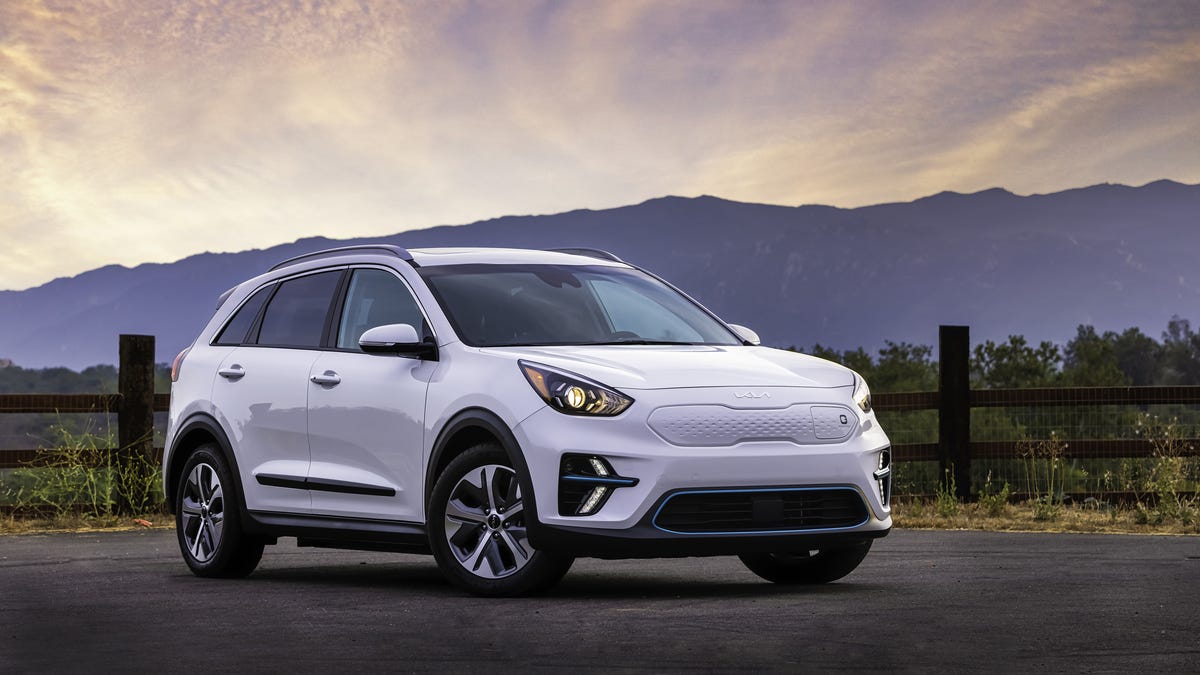
5. Kia Niro EV
Max DC Fast-Charging Speed: 85 kW
- Engine: Single Electric Motor FWD
- Horsepower: 201 hp
- Torque: 188 lb-ft
- Size: 174.0 in Long x 71.1 in Wide
The Kia Niro EV shares much of its engineering with the Hyundai Kona Electric, especially the Extended Range version, and that common design becomes clear when comparing charging performance. Power comes from a single electric motor producing 201 horsepower and 188 lb-ft of torque. Measuring 174.0 inches long and 71.1 inches wide, the Niro EV fits comfortably into the compact crossover segment, offering dimensions similar to several other electric vehicles in its class.
Because both models rely on closely related hardware, the Niro EV reaches a maximum DC fast-charging rate of 85 kW. While this places it above some entry-level electric vehicles, it still trails many newer competitors that support much higher charging speeds. Drivers using modern public fast chargers will not be able to take full advantage of the available power because the vehicle’s charging system limits the incoming energy.
Holding that peak charging rate throughout an entire session is also difficult. As the battery level rises, charging speed gradually decreases, reducing the average charging rate from start to finish. This means the advertised maximum figure is only available for a short portion of the charging session before the vehicle begins slowing the rate to protect the battery.
Charging the battery from 10 to 80 percent typically takes about 43 to 45 minutes under favorable conditions. That amount of time can feel lengthy for drivers making multiple highway charging stops during long trips. Buyers comparing the Kia Niro EV with the Hyundai Kona Electric should know that both vehicles deliver very similar charging performance because they are built on closely related electrical and battery systems, even though their styling and branding are different.
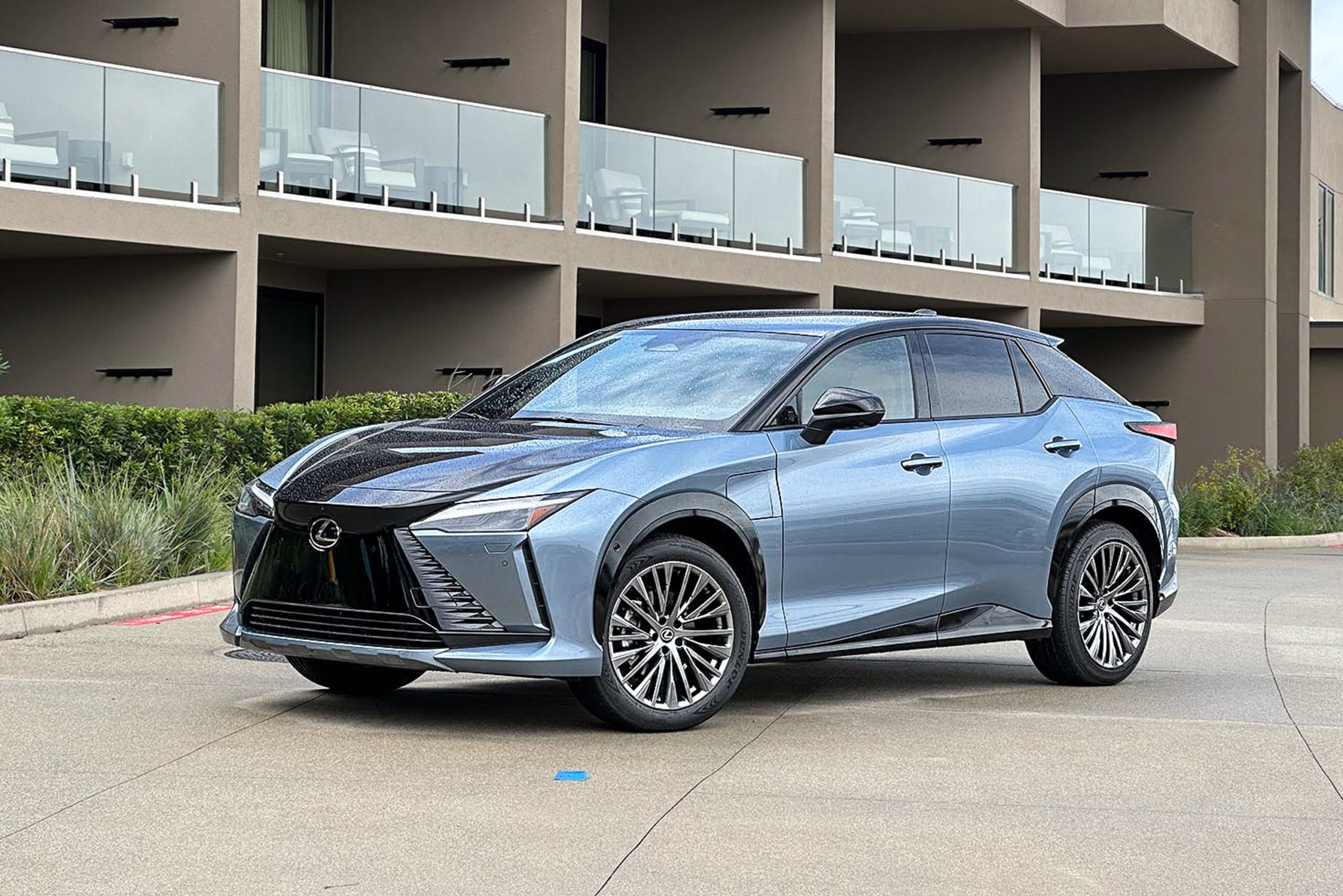
6. Lexus RZ 450e
Max DC Fast-Charging Speed: 150 kW (Advertised peak; real-world averages much lower)
- Engine: Dual Electric Motors AWD
- Horsepower: 308 hp
- Torque: 320 lb-ft
- Size: 189.0 in Long x 74.6 in Wide
Lexus entered the luxury electric SUV space with the RZ 450e, equipped with dual electric motors producing a combined 308 horsepower and 320 lb-ft of torque for genuinely confident all-wheel-drive performance. Measuring 189.0 inches long and 74.6 inches wide, this crossover competes directly against other premium electric SUVs that buyers might cross-shop during a luxury vehicle search.
An advertised 150 kW peak charging rate looks genuinely competitive on paper, comparing favorably against several other vehicles already discussed throughout this roundup. That headline number, unfortunately, does not reflect how the RZ actually behaves once you are standing at a real charging station watching the percentage tick upward at a noticeably slower pace than expected.
Lexus built an unusually defensive, protective charging curve directly into this vehicle’s battery management software. Specifically engineered to prevent long-term battery degradation, the system drops charging speed down to under 50 kW the moment the battery reaches just 50 percent capacity, meaning that impressive peak number only applies during a relatively narrow window near the very beginning of any charging session.
Cold weather compounds this cautious approach even further. Attempting to charge the RZ during winter temperatures triggers even more aggressive thermal throttling, with the software cutting intake speed dramatically to protect the battery pack from cold-weather charging stress, resulting in genuinely long road-trip delays for anyone driving this vehicle through a typical northern winter.
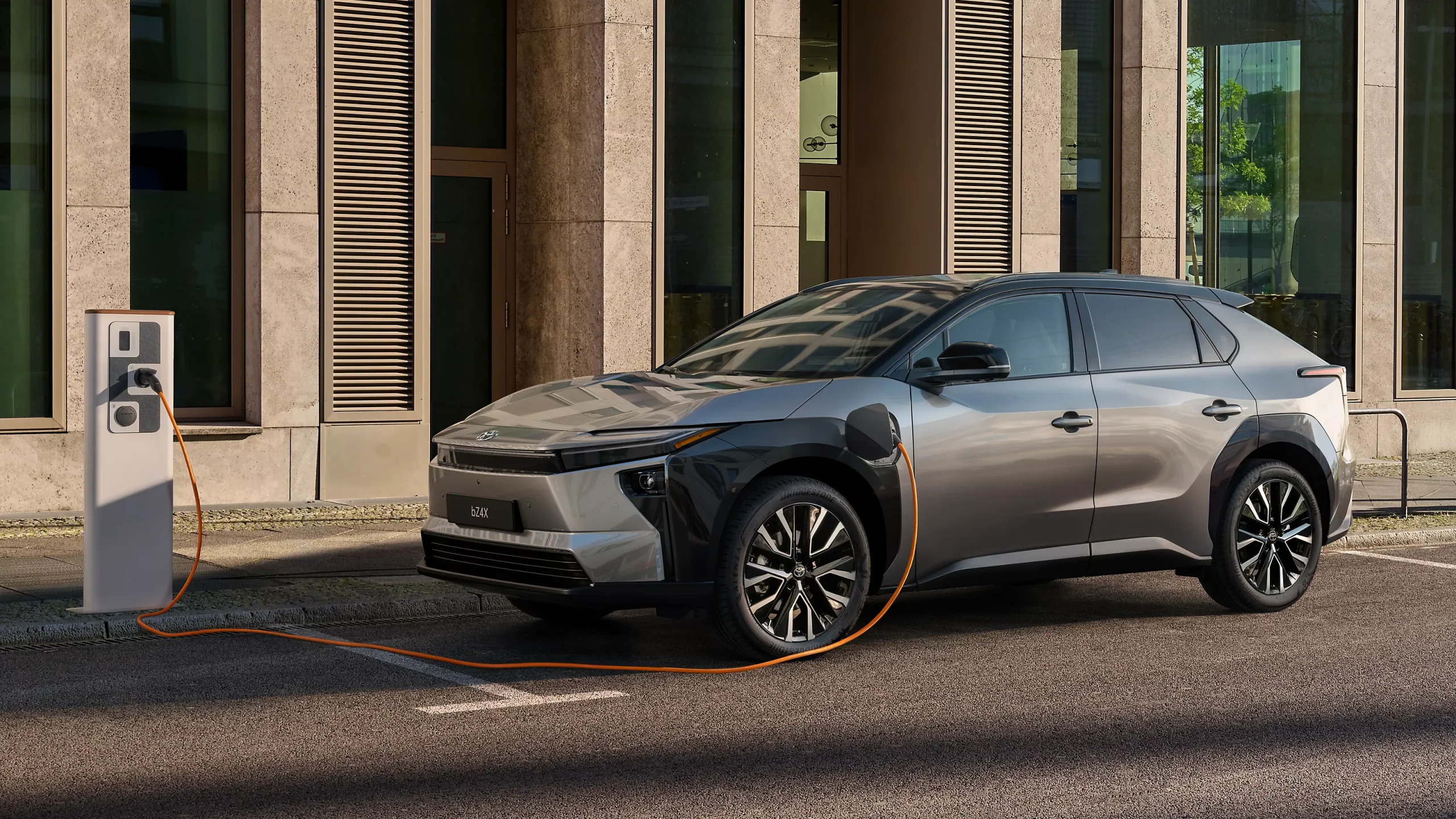
7. Toyota bZ4X / Subaru Solterra
Max DC Fast-Charging Speed: 150 kW (RWD) / 100 kW (AWD)
- Engine: Single Motor RWD (or Dual Motor AWD)
- Horsepower: 201 hp to 214 hp
- Torque: 196 lb-ft to 248 lb-ft
- Size: 184.6 in Long x 73.2 in Wide
Toyota and Subaru worked together to create the bZ4X and Solterra, two electric crossovers that share the same platform, drivetrain, and many mechanical components despite carrying different brand names. Buyers can choose either a single-motor rear-wheel-drive setup or a dual-motor all-wheel-drive system. Depending on the configuration, output ranges from 201 to 214 horsepower, with torque between 196 and 248 lb-ft. Both models measure 184.6 inches in length and 73.2 inches in width.
Charging performance depends on the version a buyer selects, and that difference can affect drivers who frequently travel long distances. Rear-wheel-drive models support charging speeds of up to 150 kW under ideal conditions. The all-wheel-drive versions, however, are limited to a maximum charging rate of 100 kW, resulting in longer charging sessions during road trips.
Toyota also programmed the battery management system with a strong focus on preserving battery life. Like the Lexus RZ, these crossovers carefully regulate charging speeds to reduce stress on the battery pack. While this strategy may help maintain battery health for years of ownership, it also limits charging performance compared to many competing electric vehicles.
The slower charging behavior becomes especially clear once the battery reaches about 80 percent capacity. At that point, charging speeds drop sharply, extending the amount of time needed to reach a full charge. Drivers attempting to fill the battery completely at a public fast charger may spend more than an hour waiting before the session finishes.
For daily commuting, this may not be a major concern, but people who regularly take highway trips could find these longer charging stops less convenient than those offered by many newer electric crossovers.
Also Read: 9 EVs Being Pulled From the US Market in 2026
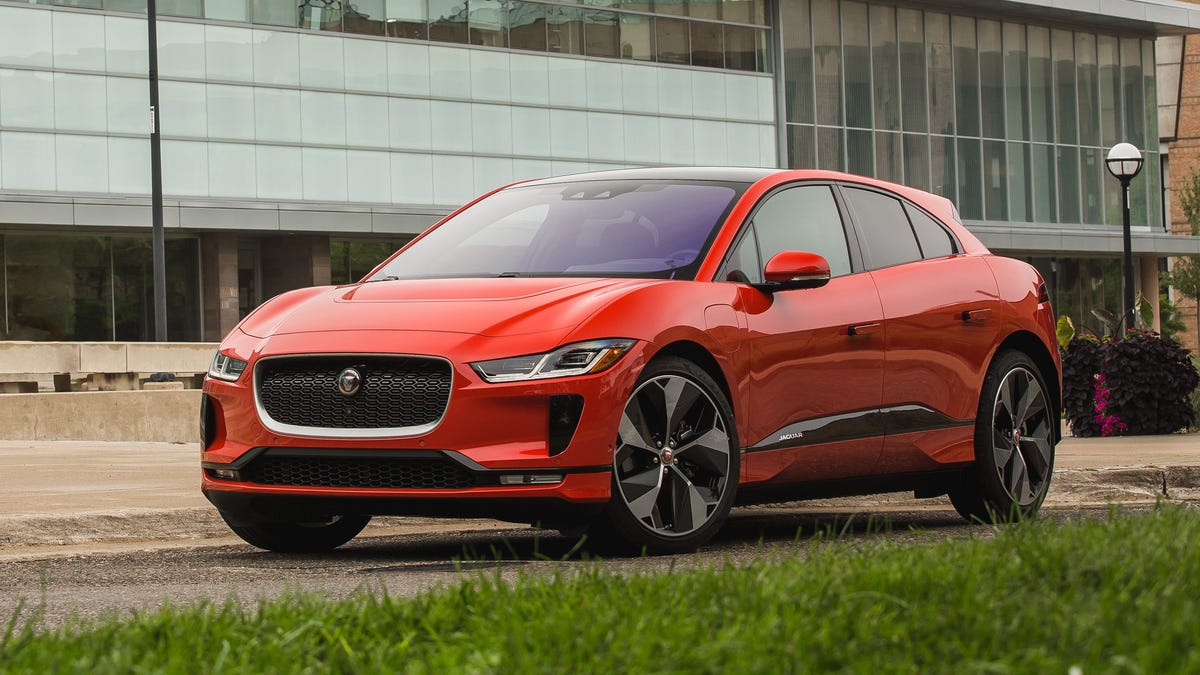
8. Jaguar I-Pace
Max DC Fast-Charging Speed: 100 kW
- Engine: Dual Electric Motors AWD
- Horsepower: 394 hp
- Torque: 512 lb-ft
- Size: 184.3 in Long x 79.2 in Wide
Jaguar’s I-Pace arrived as a genuine luxury EV pioneer, bringing serious performance credentials to the electric crossover segment well before most established luxury brands had committed seriously to electrification. Dual electric motors combine for an impressive 394 horsepower and 512 lb-ft of torque, while the crossover measures 184.3 inches long and 79.2 inches wide, giving it genuinely substantial road presence.
That early pioneering status, unfortunately, comes with a real cost when it comes to modern charging expectations. The I-Pace’s aging powertrain setup struggles to compete with the charging speeds that considerably newer luxury electric vehicles now routinely offer, a gap that has only grown wider as competing automakers have rolled out faster-charging platforms in the years since this Jaguar first launched.
The core mismatch comes down to battery size versus charging input capability. The I-Pace carries a genuinely large 90 kWh battery pack, yet remains limited to a maximum charging input of just 100 kW regardless of how powerful the connected charging station happens to be, creating an imbalance between how much energy the battery can store and how quickly that energy can actually be replenished.
That imbalance translates into a genuinely long wait at any public charging station. Completing a basic 10-to-80-percent charge takes nearly 45 to 50 minutes, since the vehicle simply cannot process incoming energy fast enough to match what newer luxury alternatives now offer, leaving I-Pace owners waiting considerably longer than they would in almost any comparably priced modern competitor.
