
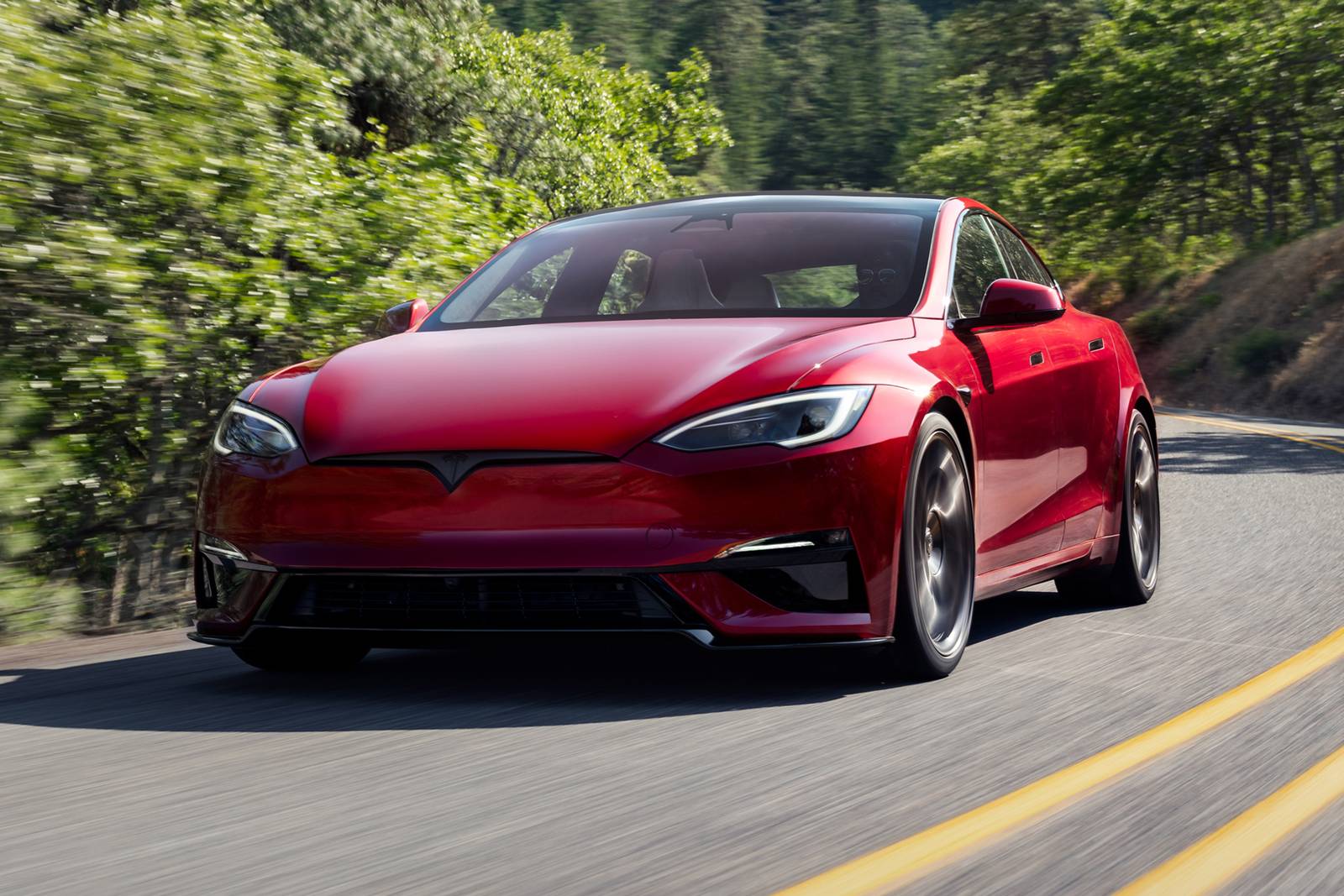
The electric vehicle market in the United States is undergoing a major correction in 2026, marking one of the most significant reshaping phases since mainstream EV adoption began. After years of rapid expansion driven by government incentives, aggressive manufacturer investments, and optimistic long-term forecasts, the industry is now facing a reality check.
Automakers are pulling multiple electric vehicles (EVs) from the US market due to a combination of slowing demand growth, high production costs, shifting government policies, tariffs on imported vehicles, and supply chain constraints affecting battery materials.
What makes this transition important is that it is not limited to low-performing niche models. Instead, several well-known EVs from major global brands are being discontinued, paused, or removed entirely from US lineups. Some of these vehicles were once positioned as flagship entries into electrification strategies, while others were affordable or high-volume models expected to anchor mass-market EV adoption.
A key driver behind these withdrawals is the expiration of federal EV incentives, including the widely influential $7,500 tax credit, which previously made electric vehicles more financially competitive against gasoline-powered alternatives.
Without this support, many mid-priced EVs have struggled to maintain sales momentum, especially in segments where buyers are highly price sensitive. At the same time, rising tariffs on imported EVs and components have increased production costs, forcing manufacturers to reassess profitability in the US market.
Industry-wide restructuring is also playing a major role. Automakers such as Hyundai, Kia, Nissan, Volvo, Honda, BMW, and Tesla are recalibrating their strategies, often prioritizing hybrid models or next-generation EV platforms instead of continuing older or underperforming electric nameplates.
In some cases, entire product families have been paused or canceled before reaching full lifecycle maturity.
This article examines nine of the most significant EVs being pulled from the US market in 2026. Each model represents broader industry trends rather than isolated failures.
Together, they highlight how the EV revolution is evolving from rapid expansion to selective survival, where only the most cost-efficient, in-demand, and strategically aligned vehicles are expected to remain in the long term.
Also Read: 10 Trucks That Held Their Value Better Than Most Over the Last Decade
- Engine / Motor: Dual motor all-wheel drive (tri-motor Plaid available)
- Horsepower:
- Long Range: ~670 hp
- Plaid: ~1,020 hp
- Torque:
- Long Range: ~850 Nm
- Plaid: ~1,420 Nm
- Length: ~4,970 mm (196 in)
- Width: ~1,964 mm (77.3 in without mirrors)
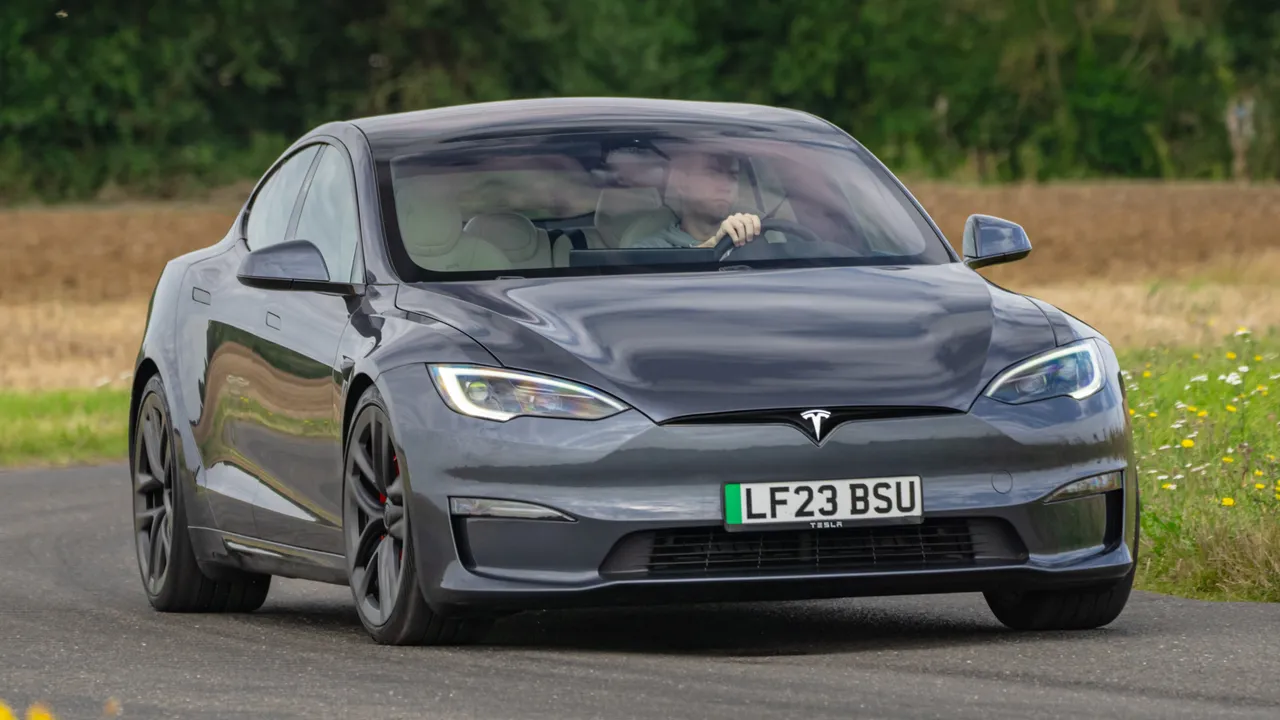
1. Tesla Model S
The Tesla Model S is among the most historically significant electric vehicles in the US market, but in 2026, they are being gradually phased out or heavily reduced in availability as Tesla shifts its strategic focus toward mass-market and next-generation autonomous platforms.
These vehicles once defined the luxury EV category, offering groundbreaking acceleration, long-range capability, and early over-the-air software innovation that competitors struggled to match for years. However, the competitive industry has changed dramatically, and what was once cutting-edge is now increasingly seen as aging hardware in a rapidly evolving industry.
One of the primary reasons for their decline is the aging platform architecture. Despite periodic refreshes, both models still rely on a foundational design that dates back more than a decade.
In contrast, newer EV platforms from competitors such as Hyundai, BMW, and Mercedes-Benz incorporate 800-volt architectures, faster charging times, and significantly improved energy efficiency. This gap in technology has become more visible as consumer expectations have evolved beyond range and acceleration alone to include charging convenience, infotainment systems, and software integration.
A key factor is shifting consumer demand within Tesla’s own lineup. The Model 3 and Model Y dominate global sales because they strike a better balance between affordability, practicality, and performance.
These vehicles also benefit from more efficient production scaling, allowing Tesla to maximize profit margins while reducing manufacturing complexity. As a result, resources previously allocated to Model S and Model X production are increasingly redirected toward these high-volume models and future robotics and AI initiatives.
The luxury EV market itself has become more competitive and fragmented. High-end buyers now have access to a wide range of alternatives from traditional luxury automakers, many of which offer superior interior refinement and comparable performance. This has eroded the unique value proposition that Model S and Model X once held almost exclusively.
Profitability and production efficiency play a decisive role in Tesla’s long-term planning. Maintaining low-volume, high-cost flagship vehicles becomes less viable when the company’s strategic direction prioritizes scale, automation, and cost reduction.
The gradual withdrawal of these models in the US reflects a broader restructuring of Tesla’s identity from luxury disruptor to mass-market technology and energy company.
- Engine / Motor: Single permanent magnet synchronous motor (FWD)
- Horsepower: ~201 hp
- Torque: ~255 Nm
- Length: ~4,355 mm (171.5 in)
- Width: ~1,825 mm (71.9 in)
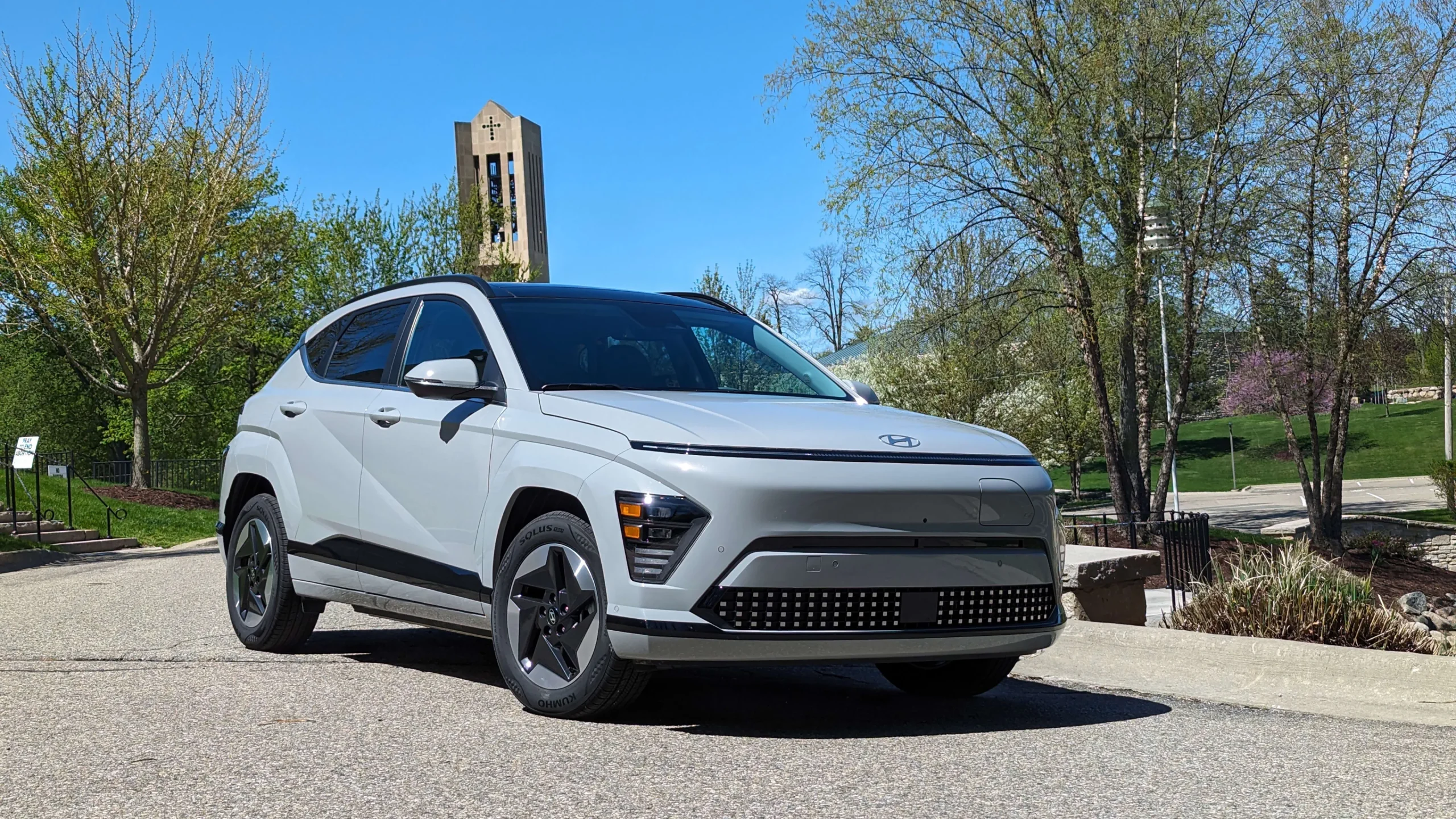
2. Hyundai Kona Electric
The Hyundai Kona Electric has played an important role in introducing affordable electric mobility to mainstream American buyers, but in 2026, it is being temporarily withdrawn from the US market due to a combination of inventory balancing, strategic repositioning, and changing consumer demand.
While not a permanent discontinuation, this pause reflects deeper shifts in the entry-level EV segment, where competition and pricing pressures have intensified significantly over the past few years.
One of the most immediate reasons for the pause is inventory surplus. Hyundai has accumulated sufficient stock of previous model year Kona Electric vehicles to satisfy projected demand, making continued production economically unnecessary in the short term.
This situation is not uncommon in automotive cycles, but it highlights how EV demand growth has become less predictable than manufacturers initially anticipated during the early expansion phase of electrification.
A second major factor is the rapid evolution of consumer preferences toward larger and more technologically advanced electric SUVs.
Models such as the Hyundai Ioniq 5 and Ioniq 6 have attracted significantly more attention due to their futuristic design, faster charging capabilities, and improved interior space. Compared to these newer offerings, the Kona Electric increasingly appears dated in both design language and technological features.
Pricing dynamics also play a crucial role. Without strong federal incentives, the Kona Electric faces difficulty competing against newer entrants that offer better range, faster charging, and more advanced infotainment systems at similar or only slightly higher price points. This has reduced its competitiveness in a segment where value perception is extremely sensitive.
Despite these challenges, Hyundai has not ruled out a future return for the Kona Electric in the US market. The pause is primarily strategic, allowing the company to reassess positioning, potentially align the model with updated platform technology, and reintroduce it in a more competitive form when market conditions improve.
- Engine / Motor: 1.6L petrol engine + electric motor (PHEV system)
- Horsepower: ~180 hp combined output
- Torque: ~265 Nm combined
- Length: ~4,420 mm (174 in)
- Width: ~1,825 mm (71.9 in)
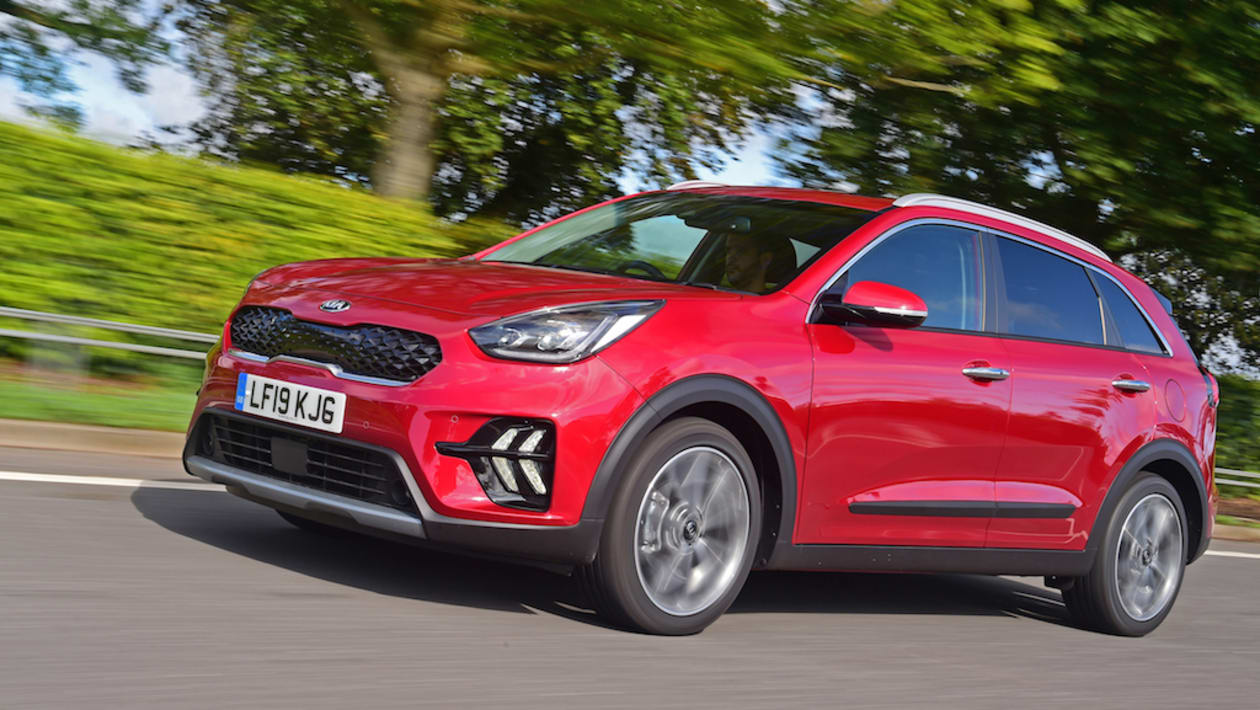
3. Kia Niro
The Kia Niro Plug-in Hybrid Electric Vehicle represents a transitional technology in the automotive electrification journey, but in 2026, it is being discontinued in the US market as Kia simplifies its electrified vehicle strategy.
Unlike fully electric vehicles, plug-in hybrids combine internal combustion engines with electric drivetrains, offering a limited electric-only range while maintaining fuel flexibility. However, this middle-ground approach is increasingly losing relevance in a market that is rapidly polarizing between full EV adoption and efficient conventional hybrids.
A key reason for discontinuation is consistently low sales volume.
The PHEV variant of the Niro accounted for only a small fraction of total model sales, making it difficult for Kia to justify continued investment in certification, compliance, and import logistics for the US market. Automakers are increasingly focusing resources on models with higher scalability and clearer demand trajectories.
Market positioning challenges have also contributed to its decline. Consumers today tend to prefer either fully electric vehicles that eliminate fuel dependency entirely or traditional hybrids that offer simplicity and lower upfront costs. Plug-in hybrids often struggle to justify their higher complexity and cost without delivering a fully compelling electric driving experience.
Manufacturing simplification is an important factor. Automakers are actively reducing the number of powertrain variations they offer to streamline production, reduce supply chain complexity, and improve profit margins. By eliminating low-volume variants like the Niro PHEV, Kia can focus on more successful hybrid and EV platforms that offer better long-term viability.
This discontinuity also reflects a broader industry trend. Many manufacturers are quietly reducing their plug-in hybrid portfolios as they transition toward full electrification strategies, especially in markets where infrastructure and consumer adoption rates are improving steadily.
- Engine / Motor: Single or dual motor e-4ORCE AWD system
- Horsepower:
- Base: ~214 hp
- AWD variants: up to ~389 hp
- Torque:
- Up to ~600 Nm (AWD performance variants)
- Length: ~4,595 mm (180.9 in)
- Width: ~1,850 mm (72.8 in)
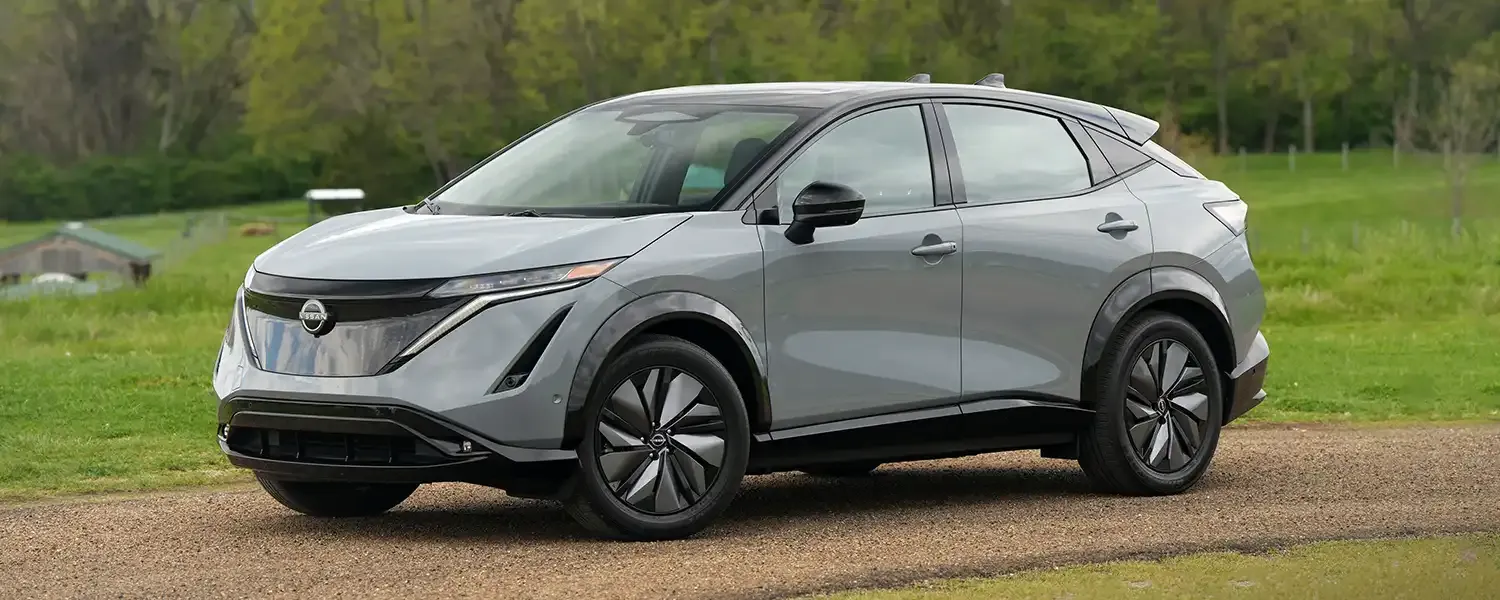
4. Nissan Ariya
The Nissan Ariya was introduced as a bold step forward in Nissan’s electric strategy, intended to reposition the brand as a serious competitor in the mid-size electric SUV segment.
However, by 2026, the vehicle will be withdrawn from the US market due to underwhelming sales performance, strategic restructuring within Nissan, and increasing competitive pressure from both legacy automakers and new EV-first companies.
One of the biggest challenges facing the Ariya is market competition. The mid-size electric SUV segment has become one of the most saturated categories in the EV industry, with strong offerings from Tesla, Hyundai, Ford, and Kia. In this crowded environment, the Ariya struggled to differentiate itself meaningfully in terms of range, charging speed, or pricing advantage.
The company has been undergoing a strategic realignment aimed at reducing complexity and focusing on core models with stronger global demand. As part of this shift, resources are being redirected toward the next-generation Nissan Leaf, which is expected to serve as the brand’s primary affordable EV entry point.
Production and supply chain constraints have also influenced the decision. Many Ariya units are manufactured outside the US, making them more vulnerable to tariffs, shipping delays, and currency fluctuations. These factors have negatively impacted profitability and pricing competitiveness in the US market.
As a result, the Ariya is being phased out in the United States, although it may continue in other international markets where demand conditions are more favorable or competitive pressure is lower.
Also Read: 10 2010s Cars That Could Become Future Classics
- Engine / Motor: Single or dual electric motor options
- Horsepower:
- Single motor: ~272 hp
- Dual motor Performance: ~428 hp
- Torque:
- Up to ~543 Nm
- Length: ~4,233 mm (166.6 in)
- Width: ~1,838 mm (72.4 in)
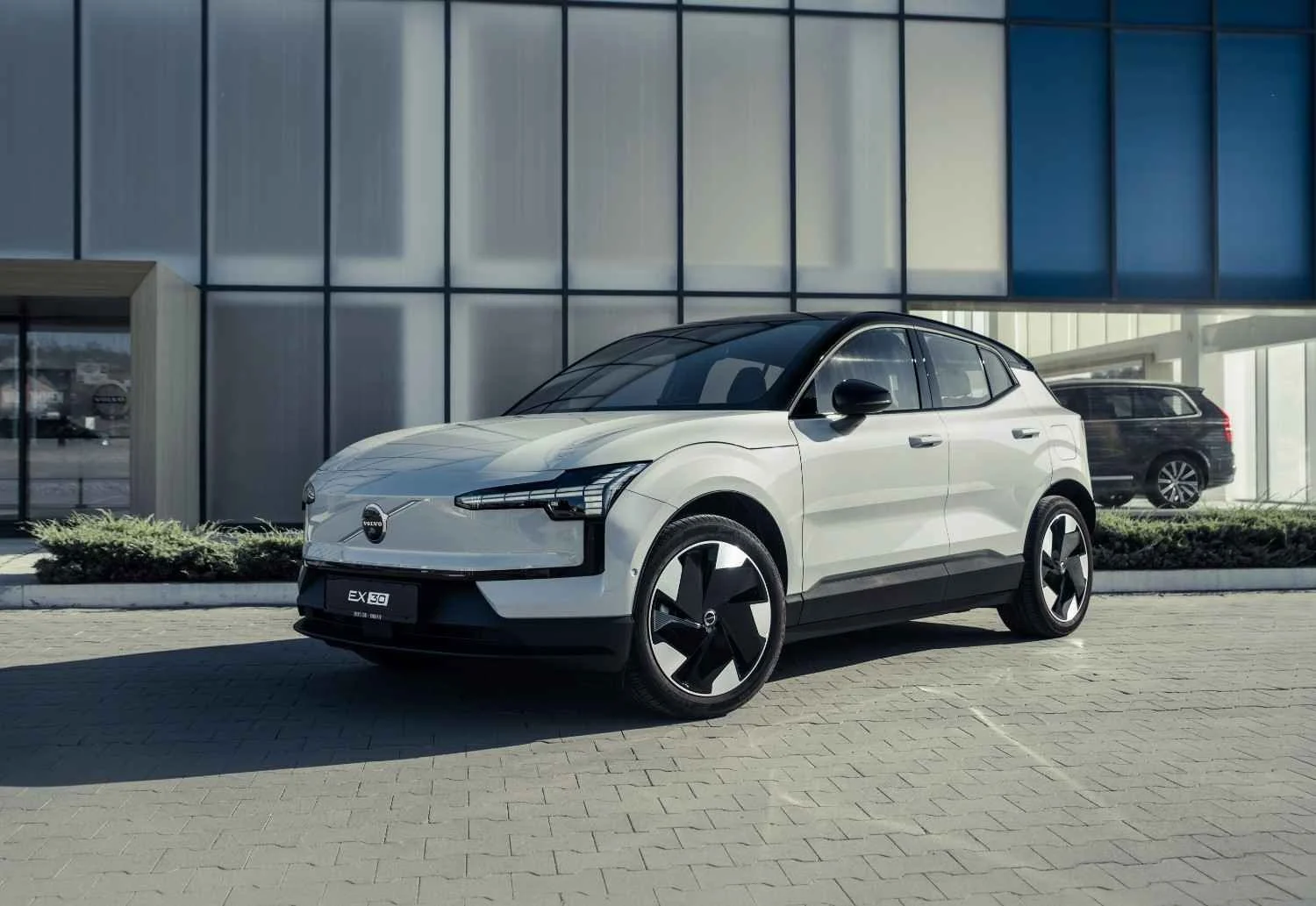
5. Volvo EX30
The Volvo EX30 was designed to be one of the most important entry-level electric vehicles for the Volvo brand, targeting younger buyers and urban consumers seeking premium design at a relatively accessible price point. However, in 2026, it is being pulled from the US market due to pricing challenges, tariff impacts, and stronger-than-expected competition in the compact electric SUV segment.
A major factor behind this decision is import cost pressure. Since the EX30 is manufactured in Europe and China, it is subject to tariffs and logistical costs that significantly increase its final price in the United States. This undermines its positioning as an affordable premium EV and makes it less competitive compared to domestically produced alternatives.
Market competition is a critical challenge. The compact electric SUV segment is dominated by highly successful models such as the Tesla Model Y and Hyundai Ioniq 5, both of which offer strong performance, established charging infrastructure compatibility, and aggressive pricing strategies. In comparison, the EX30 has struggled to gain significant traction.
Consumer expectations also play a role. Modern EV buyers increasingly prioritize long range, fast charging, and advanced driver assistance systems. While the EX30 delivers on design and branding, it has not been able to outperform competitors in the most influential purchasing categories.
Volvo’s decision to withdraw the model reflects a broader strategy of reallocating resources toward higher-margin and better-performing electric SUVs in global markets where production efficiency can be maximized.
- Engine / Motor: Next-gen Honda EV motors (dedicated EV platform, details not finalized)
- Horsepower: Not officially confirmed (expected range ~200 to 500+ hp depending on model)
- Torque: Not officially released (expected instant EV torque architecture)
- Length: Not finalized (varies by SUV/sedan variants)
- Width: Not finalized
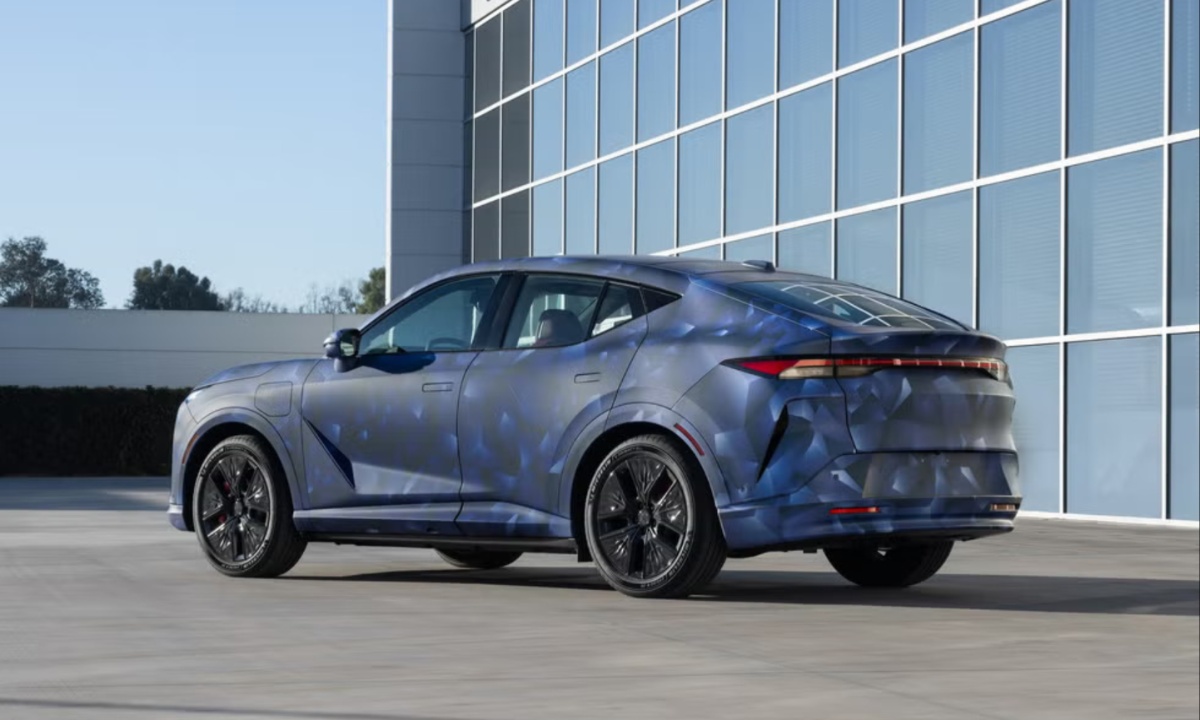
6. Honda 0 Series EVs (SUV, Sedan, Acura RSX)
Honda’s ambitious 0 Series EV program, which included multiple future electric models such as an SUV, sedan, and the Acura RSX performance EV, has been significantly scaled back or canceled for the US market in 2026. This decision reflects a broader reassessment of EV profitability, market demand stability, and long-term investment risk.
One of the central issues is financial viability. Developing a full EV lineup from the ground up requires substantial capital investment in battery technology, software systems, and dedicated manufacturing platforms. Under current market conditions, Honda has determined that the return on investment does not justify aggressive expansion in the US EV segment.
One major factor is shifting consumer demand. While EV adoption continues to grow, the pace is slower and more uneven than previously projected. Many consumers are opting for hybrid vehicles instead, which offer lower cost, reduced range anxiety, and fewer infrastructure dependencies.
Regulatory uncertainty has also contributed to the slowdown. Changes in federal incentives and emissions policy have created a less predictable environment for long-term EV planning, prompting Honda to adopt a more flexible strategy rather than committing fully to an all-electric lineup in the near term.
Honda is redirecting focus toward hybrid systems and incremental electrification rather than a full-scale EV transformation in the US market.
- Engine / Motor: Single or dual motor electric drive
- Horsepower:
- eDrive40: ~335 hp
- M50: ~536 hp
- Torque:
- Up to ~795 Nm (M50)
- Length: ~4,783 mm (188.3 in)
- Width: ~1,852 mm (72.9 in)
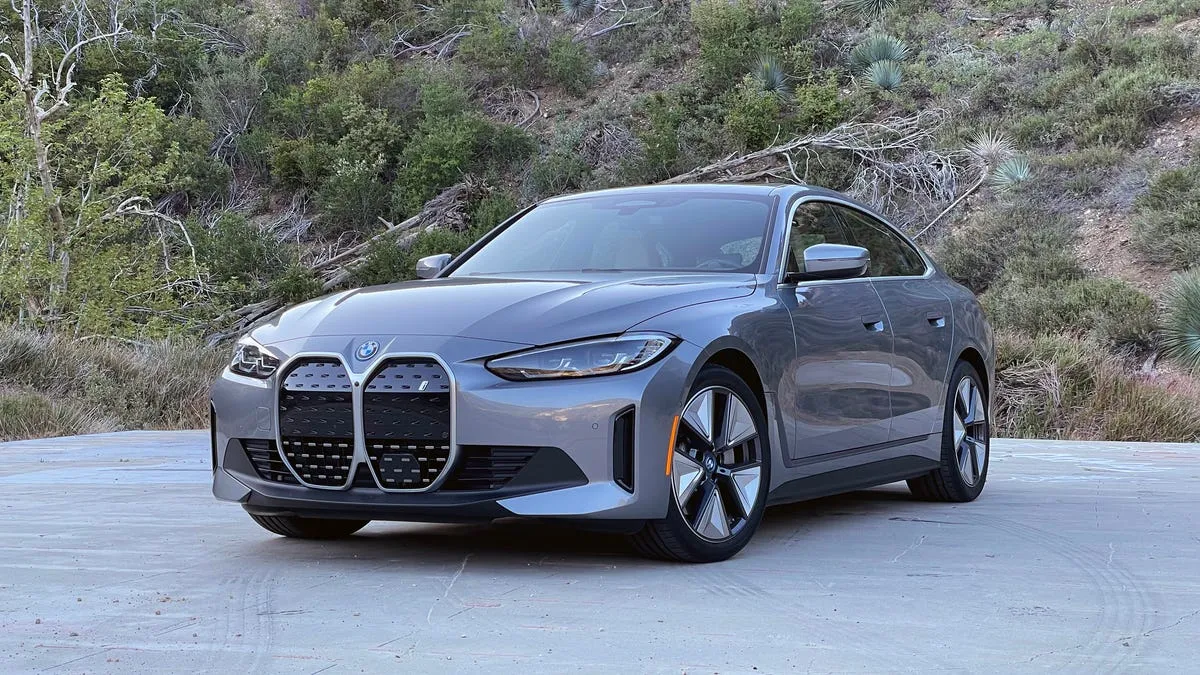
7. BMW i4
The BMW i4 has been an important part of BMW’s early EV strategy, combining performance-oriented driving dynamics with electric efficiency. However, in 2026, the model is being phased out in favor of BMW’s next-generation EV architecture known as the Neue Klasse platform, which represents a complete technological overhaul.
The primary reason for discontinuation is platform modernization. The i4 is built on a transitional architecture derived from internal combustion platforms, which limits its efficiency, packaging flexibility, and software integration compared to purpose-built EV platforms.
BMW is preparing to introduce vehicles that feature significantly improved battery density, faster charging capabilities, and more advanced computing systems. These improvements make the i4 less competitive in the long term, even though it remains a strong performer in its current segment.
Market positioning is also a factor. The i4 competes in a highly contested luxury EV segment where differentiation is increasingly driven by software experience, range efficiency, and charging speed rather than traditional driving dynamics alone.
By retiring the i4, BMW is streamlining its product portfolio and focusing entirely on next-generation electric vehicles that align with long-term electrification goals.
- Engine / Motor: Dual electric motors (AWD)
- Horsepower:
- xDrive50: ~516 hp
- M60: up to ~610 hp
- Torque:
- Up to ~1,100 Nm (M60)
- Length: ~4,953 mm (195 in)
- Width: ~1,967 mm (77.4 in)
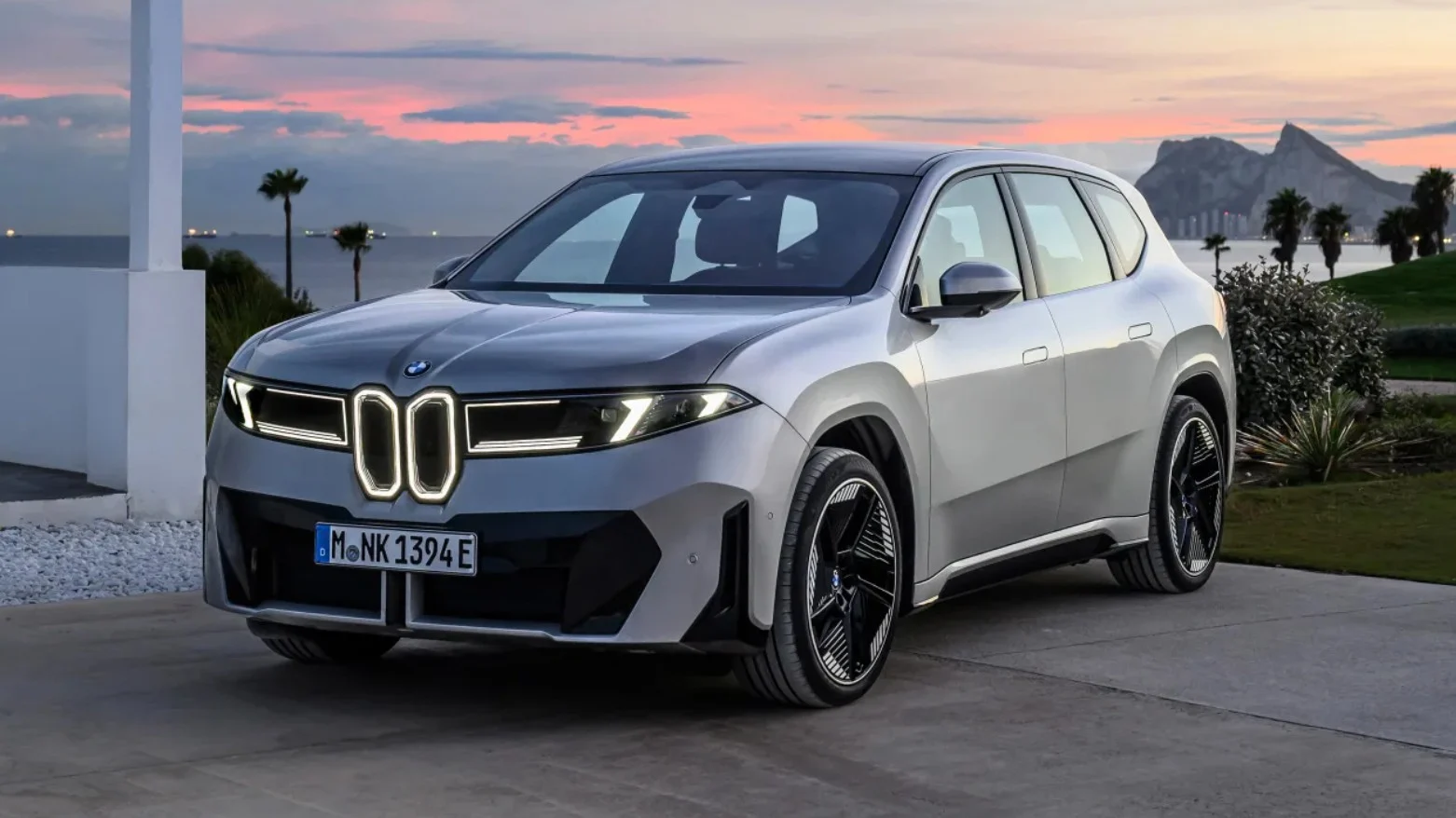
8. BMW iX
The BMW iX, once positioned as the brand’s flagship electric SUV, is also being phased out in the US market as part of BMW’s broader transition to the Neue Klasse EV platform. While the iX initially generated strong interest due to its futuristic design and luxury positioning, its long-term competitiveness has been challenged by rapid technological advancement in the EV sector.
One of the main issues is pricing sensitivity. The iX operates in a high-cost segment where buyers expect not only luxury but also cutting-edge technology and value alignment. As newer EVs enter the market with superior range efficiency and faster charging at lower price points, the iX’s value proposition has weakened.
Technological limitations also play a role. Like the i4, the iX is based on an earlier EV architecture that lacks the efficiency and software capabilities of BMW’s upcoming platforms. This makes it less suitable for future development and incremental upgrades.
BMW’s strategic direction is now focused on consolidation and platform unification. By replacing older EV models with Neue Klasse vehicles, the company aims to reduce complexity, improve profitability, and accelerate innovation cycles.
- Engine / Motor: Single front-mounted electric motor (FWD)
- Horsepower: ~200 hp
- Torque: ~360 Nm
- Length: ~4,145 mm (163.2 in)
- Width: ~1,765 mm (69.5 in)
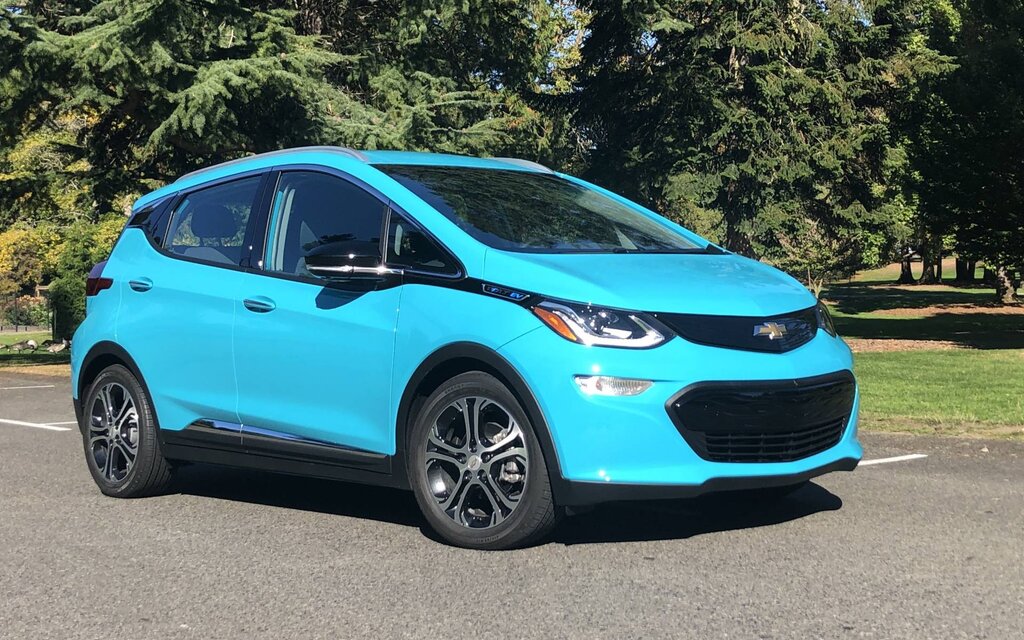
9. Chevrolet Bolt EV
The Chevrolet Bolt EV, one of the most recognizable affordable electric vehicles in the United States, is being discontinued again in 2026 following a brief return to the market. Despite strong consumer demand and its reputation as a cost-effective EV, General Motors has decided to retire the model in favor of higher-margin electric SUVs and crossovers.
A key reason for discontinuation is profitability. The Bolt was designed as a low-cost EV, which limited GM’s ability to achieve strong profit margins compared to larger vehicles. As the company shifts toward a more profitable EV portfolio, compact budget EVs are becoming less strategically important.
Production priorities also influence this decision. GM is reallocating manufacturing capacity toward models such as the Chevrolet Equinox EV, which offer better scalability and higher revenue potential. These vehicles align more closely with consumer trends favoring SUVs over compact hatchbacks.
Despite its discontinuation, the Bolt EV remains an important milestone in EV accessibility. It helped establish a mass-market price point for electric mobility in the US and influenced the direction of affordable EV development across the industry.
