
Before heading out on a long drive, many EV owners expect their large battery packs to deliver their best performance. In reality, highway travel is where some electric vehicles experience their biggest drop in driving range. While official estimates can look promising, sustained high-speed driving often produces very different real-world results.
City streets are where electric vehicles perform most efficiently. Frequent stops allow regenerative braking to recover energy that would otherwise be lost, helping extend the battery’s range. Lower speeds also reduce aerodynamic drag, allowing the vehicle to consume less power while moving through traffic. These conditions make urban driving much more favorable for battery efficiency.
Once speeds climb above 65 mph, the situation changes quickly. Air resistance increases as velocity rises, forcing the electric motors to use much more energy to maintain cruising speed. Larger SUVs and pickup trucks face an even bigger challenge because their taller bodies and wider front ends push against more air. At the same time, highway driving provides very few opportunities for regenerative braking, so little energy is recovered during the trip.
Because of this, the battery can drain much faster than drivers expect when compared with city use or EPA range estimates. Knowing how highway speeds affect energy consumption can help drivers plan charging stops more effectively and reduce the chances of running low on power during long trips.
The eight electric vehicles listed below are among those that show the biggest real-world range losses during extended highway driving, making them important examples for anyone planning frequent long-distance travel.
1. GMC Hummer EV SUV / Pickup
- Engine: Triple Electric Motor AWD Setup
- Horsepower: Up to 1,000 hp
- Torque: 11,500 lb-ft (wheel torque metrics)
- Size: 206.7 in Long x 86.7 in Wide
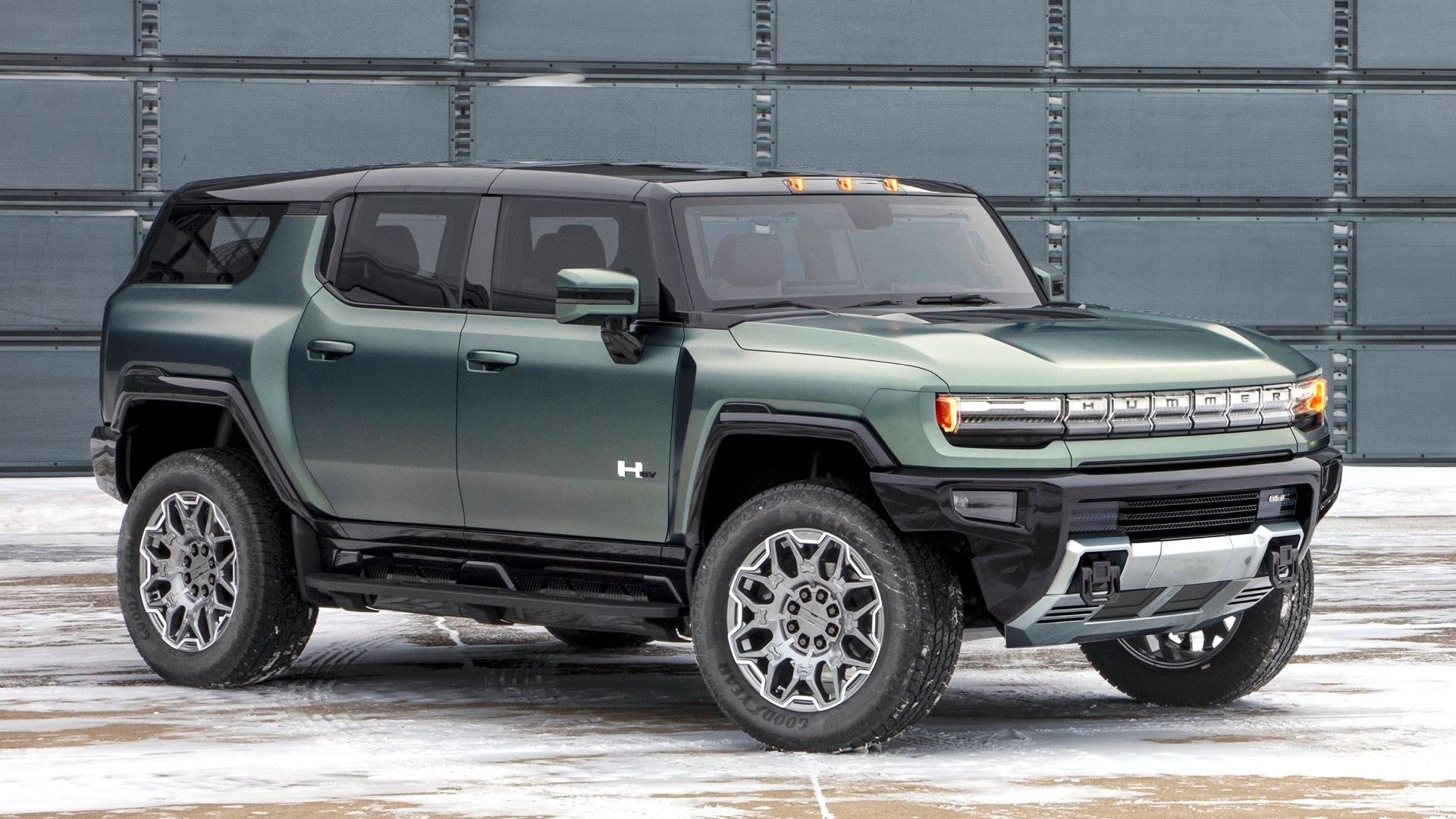
Few electric trucks are built to attract attention like the GMC Hummer EV. Its massive dimensions, bold styling, and extraordinary power figures make it one of the most imposing vehicles on the road. Equipped with a tri-motor all-wheel-drive system, the truck produces up to 1,000 horsepower and an astonishing 11,500 lb-ft of wheel torque. Measuring 206.7 inches in length and 86.7 inches in width, it is also one of the largest electric vehicles currently available.
That impressive size comes with a tradeoff once the truck reaches highway speeds. Weighing more than 9,000 pounds and featuring a tall, upright body, the Hummer EV creates far more aerodynamic drag than sleeker electric vehicles. Its broad front end pushes a large amount of air aside as it travels, forcing the electric motors to use more energy simply to maintain a steady cruising speed. While the truck delivers outstanding acceleration and off-road capability, its shape is far from ideal for maximizing driving range.
Independent highway testing has highlighted the effect of that design. At speeds around 75 mph, the Hummer EV uses much more energy than it does during city driving. Real-world results show that highway range can drop by roughly 30 percent compared with the vehicle’s EPA combined driving estimate. The faster the truck travels, the harder the motors must work to overcome increasing wind resistance, reducing efficiency with every mile.
This reduction in highway range can have a noticeable effect during long-distance travel. Drivers planning extended road trips may need to stop and recharge more often than expected, even when starting with a fully charged battery. Although the Hummer EV offers exceptional performance, impressive technology, and remarkable off-road capability, buyers should understand that its size and weight have a direct impact on highway efficiency, making real-world driving range lower than many people anticipate during sustained high-speed travel.
2. Rivian R1S
- Engine: Dual, Tri, or Quad-Motor AWD Electric Setup
- Horsepower: 533 hp to 1,025 hp
- Torque: 610 lb-ft to 1,198 lb-ft
- Size: 200.8 in Long x 79.0 in Wide
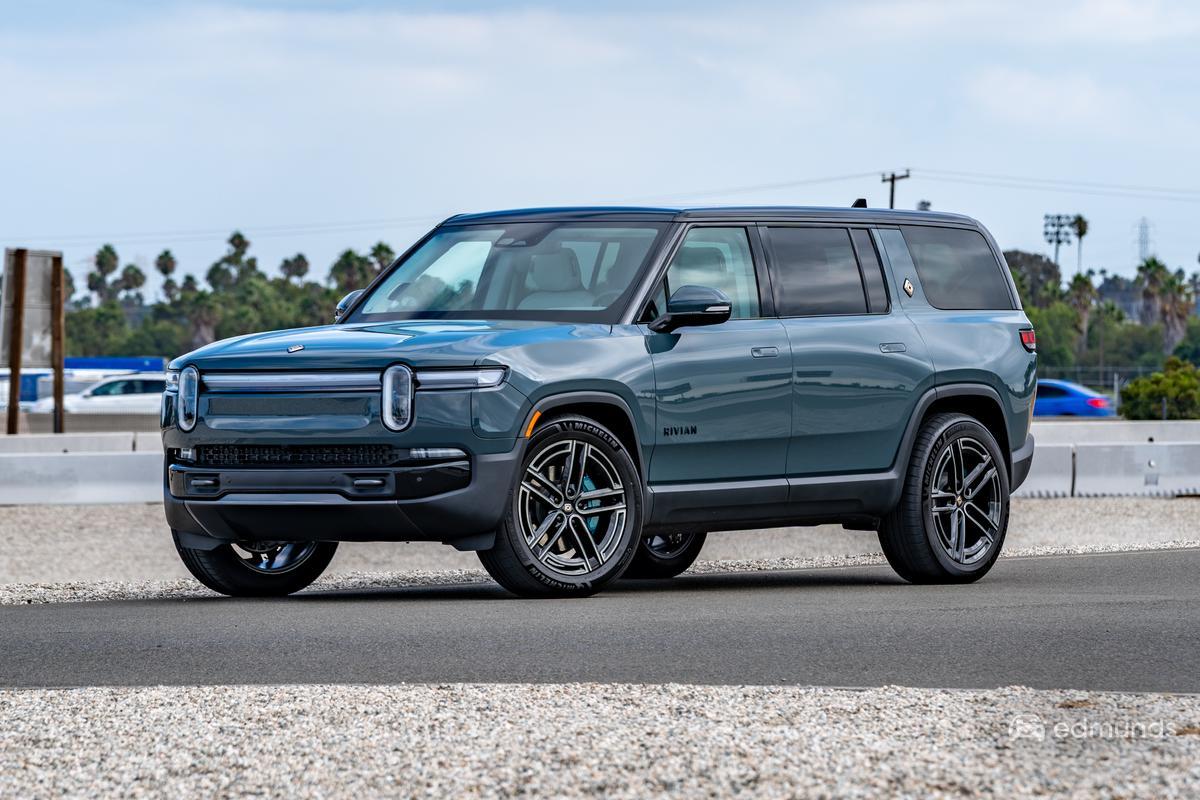
Rivian’s R1S earned genuine praise for blending serious off-road capability with surprisingly refined daily driving manners, a combination that few competitors have matched successfully. Buyers can choose dual, tri, or quad-motor configurations, with horsepower ranging dramatically from 533 all the way up to 1,025, alongside torque figures between 610 and 1,198 lb-ft. The SUV measures 200.8 inches long and 79.0 inches wide.
For a genuine off-road vehicle, the R1S actually achieves reasonably strong aerodynamic performance compared to traditional body-on-frame SUVs built for similar trail capability. That said, its blunt front nose and tall, boxy SUV silhouette still create a meaningful penalty once highway speeds enter the equation, undermining some of that otherwise thoughtful aerodynamic engineering.
Real-world highway data collected from owners and independent testers shows the R1S can lose up to 25 to 28 percent of its range compared to its city rating during sustained highway driving. That gap widens considerably for owners who equip their R1S with aggressive, high-drag all-terrain tires, a popular upgrade among buyers who actually intend to use this vehicle’s genuine trail capability rather than keeping it strictly on pavement.
This tradeoff illustrates a recurring tension throughout the EV off-road segment generally. Features that genuinely improve trail performance, like aggressive tire tread and increased ground clearance, often work directly against highway efficiency, forcing owners to choose between maximizing their vehicle’s capability off-road and preserving the strongest possible range during everyday highway commuting and longer road trips alike.
Also Read: 10 Affordable EVs Targeting Under $30,000 by 2027
3. Ford F-150 Lightning
- Engine: Dual Electric Motors AWD
- Horsepower: 452 hp to 580 hp
- Torque: 775 lb-ft
- Size: 232.7 in Long x 80.0 in Wide
Ford gave the F-150 Lightning the strength and capability buyers expected from its best-selling pickup while replacing the gasoline engine with a pair of electric motors. Depending on the version, the truck delivers between 452 and 580 horsepower, along with a steady 775 lb-ft of torque.
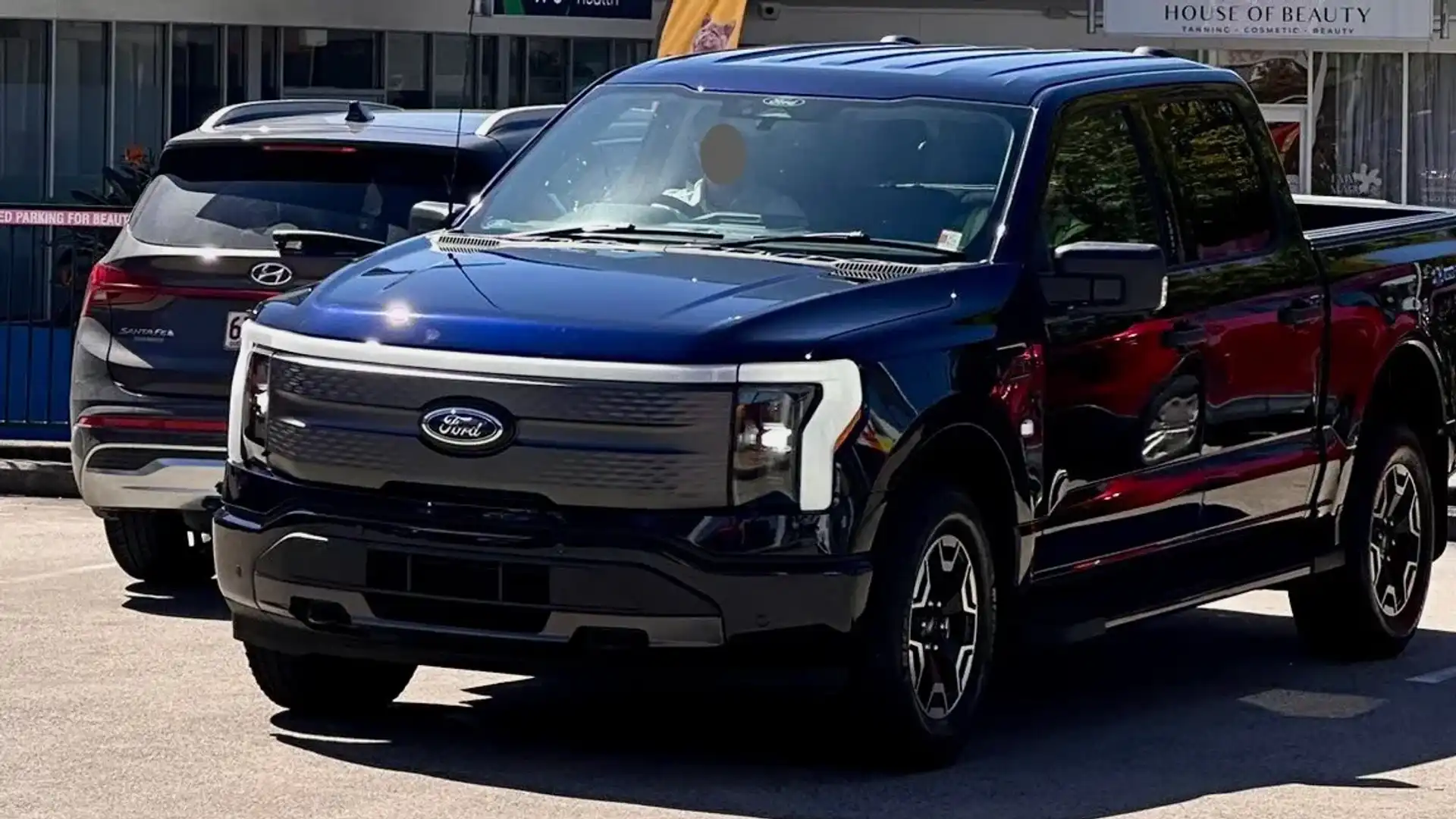
Measuring 232.7 inches in length and 80.0 inches in width, it keeps the bold size and familiar styling that have defined the F-150 for many years, making it instantly recognizable on the road. Rather than creating a completely new body for its electric pickup, Ford chose to build the Lightning around the same exterior structure used for the traditional gas-powered F-150.
That decision allowed the truck to retain its familiar appearance and simplified production, but it also meant carrying over a design that was never intended to maximize aerodynamic performance. Electric vehicles benefit greatly from streamlined shapes, yet the Lightning inherited proportions originally created for a different purpose.
As highway speeds increase, the truck’s shape becomes less efficient. Its upright front end, combined with the large open cargo bed, disturbs airflow and creates extra drag behind the vehicle. This resistance forces the electric motors to work harder to maintain speed, increasing energy consumption during long stretches of highway driving.
Unlike electric vehicles designed from the ground up with smooth body lines and carefully managed airflow, the Lightning sacrifices some efficiency in exchange for preserving the classic pickup appearance buyers know. That tradeoff becomes much more noticeable during extended highway trips. Driving at speeds of 70 mph or higher can reduce the truck’s real-world driving range by roughly 25 to 30 percent compared with its official estimates.
For drivers who regularly travel long distances, tow heavy loads, or spend hours on interstate highways, this difference can have a real effect on trip planning. Charging stops may need to be scheduled earlier and more often than expected, especially when pulling a trailer or carrying extra weight.
While the F-150 Lightning delivers strong performance and familiar practicality, its traditional truck design comes with a clear cost in highway efficiency that owners should keep in mind before setting out on longer journeys.
4. Volvo XC40 Recharge / EX40
- Engine: Dual Electric Motors AWD
- Horsepower: 402 hp
- Torque: 486 lb-ft
- Size: 174.8 in Long x 73.7 in Wide
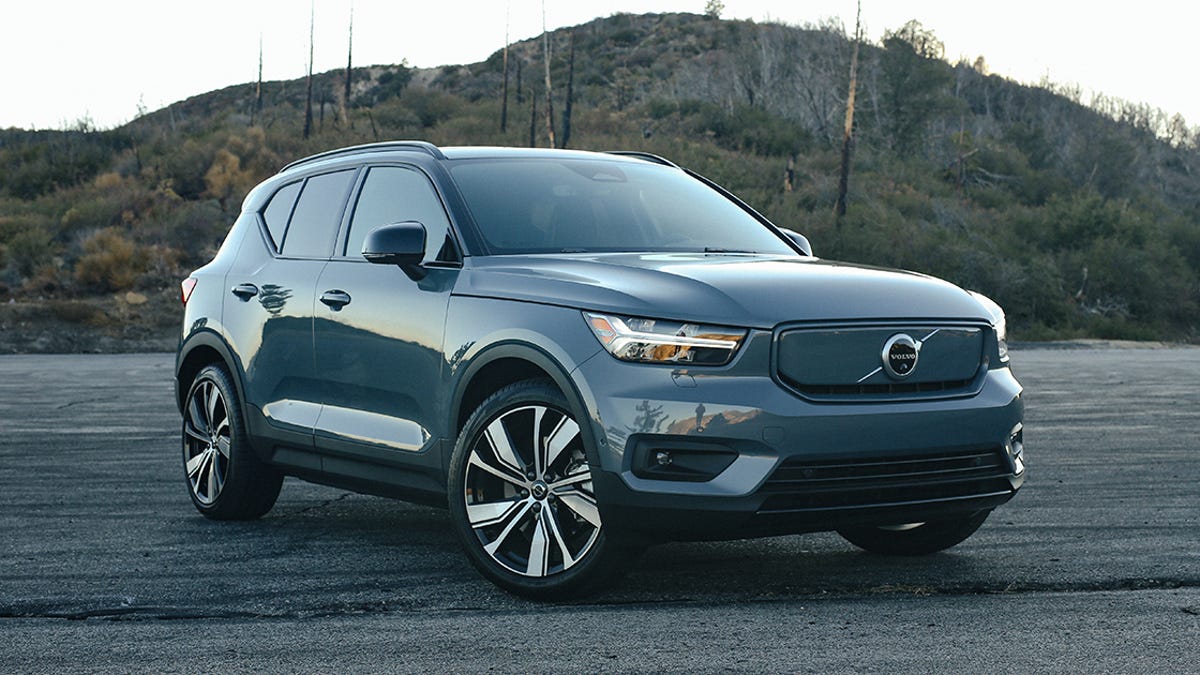
The Volvo XC40 Recharge, which is also marketed as the EX40, brought Scandinavian styling and electric performance to the compact luxury SUV segment. Powered by two electric motors, it produces 402 horsepower and 486 lb-ft of torque. At 174.8 inches long and 73.7 inches wide, it is much smaller than many of the larger electric trucks and SUVs, making it an attractive choice for drivers who want easier maneuverability without giving up power.
Even with its compact dimensions, the XC40 Recharge faces a familiar challenge when driven at highway speeds. Its upright SUV profile gives passengers generous headroom and creates a spacious cabin that feels open and comfortable. That practical design works well around town, but it also creates more resistance as air flows around the vehicle during faster highway travel.
The tall body and squared-off shape generate more aerodynamic drag than many competing electric crossovers with sleeker designs. As a result, the electric motors must use more energy to maintain steady cruising speeds on the interstate. Although the vehicle is smaller than many other electric SUVs, its shape limits the efficiency gains that might otherwise come with a reduced footprint.
Road tests from independent reviewers consistently show that the XC40 Recharge can lose about 22 to 25 percent of its driving range during extended highway trips. That reduction may surprise buyers who expect a smaller vehicle to deliver stronger highway efficiency.
The results make it clear that physical size is only one part of the equation. Aerodynamics play just as much of a role in determining real-world range. By sticking with a traditional SUV design, Volvo created a comfortable and practical electric crossover, though drivers should expect shorter driving distances when spending long hours cruising at highway speeds.
5. Mercedes-Benz EQB
- Engine: Single Motor FWD (or Dual Motor AWD)
- Horsepower: 188 hp to 288 hp
- Torque: 284 lb-ft to 384 lb-ft
- Size: 184.4 in Long x 72.2 in Wide
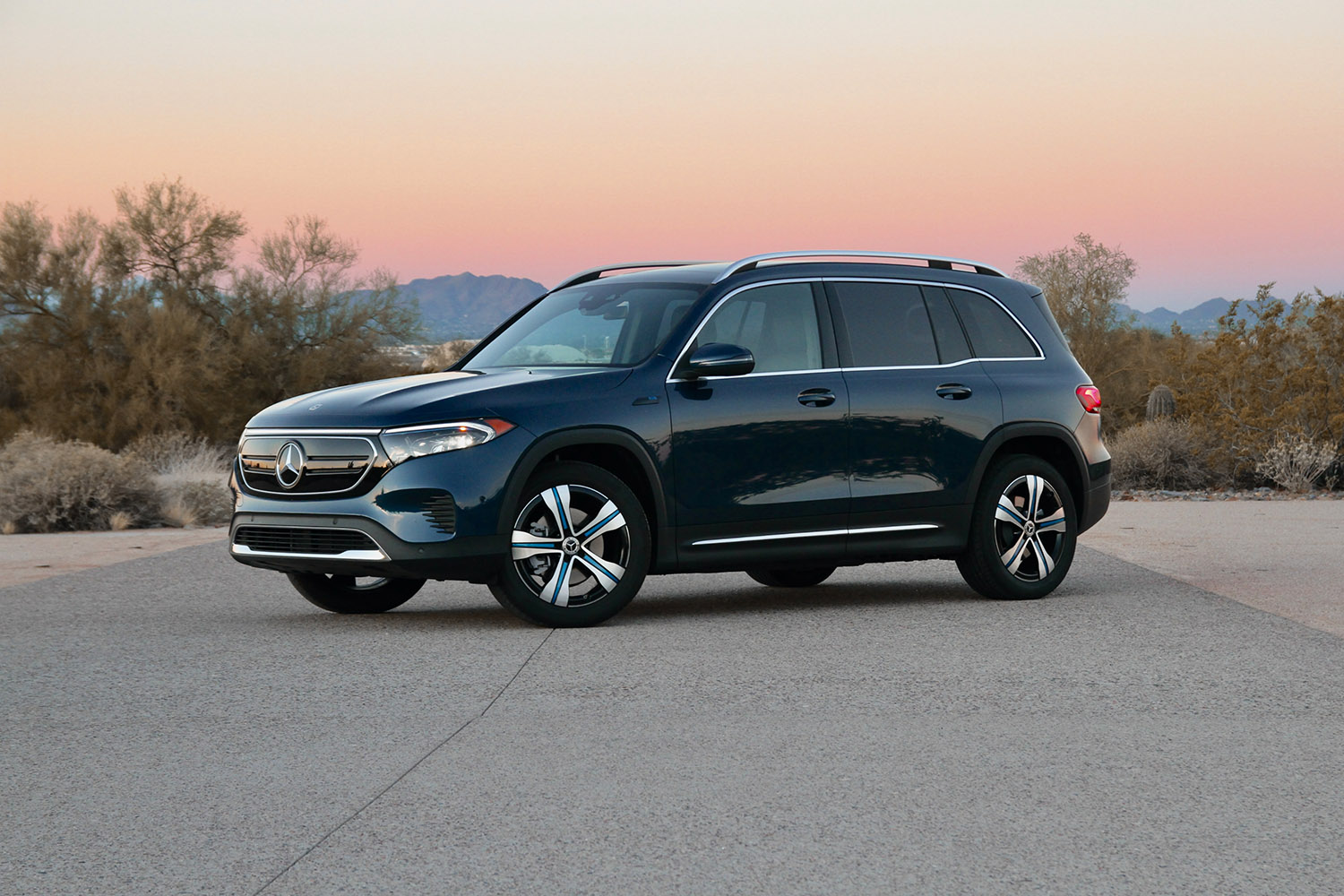
Mercedes-Benz built the EQB as a practical, family-oriented electric crossover, offering buyers either a single front motor or dual motors for all-wheel drive, with horsepower spanning 188 to 288 and torque between 284 and 384 lb-ft. Measuring 184.4 inches long and 72.2 inches wide, the EQB occupies a similar size class to several other compact crossovers already discussed throughout this list.
Unlike the brand’s highly aerodynamic, distinctively egg-shaped EQS sedan, a vehicle specifically engineered from the ground up to minimize wind resistance, the EQB takes a considerably different approach to its exterior design. This crossover keeps the traditional, upright box shape inherited directly from its gas-powered GLB sibling, prioritizing familiar styling and interior practicality over aerodynamic optimization.
Pushing that fundamentally square shape through the air at highway speed creates exactly the kind of rapid battery drain you would expect from a vehicle never specifically designed around efficient airflow. The EQB’s boxy profile simply cannot match the efficiency that Mercedes achieved with its more purpose-built electric sedans and crossovers elsewhere in the broader EQ lineup.
This design tradeoff results in a 20 to 24 percent real-world range deficit once the EQB hits sustained highway driving conditions, a genuinely good gap for buyers who specifically chose this Mercedes expecting premium engineering to translate directly into premium efficiency.
Shoppers cross-shopping the EQB against more aerodynamically focused competitors should understand that this particular Mercedes prioritizes familiar, practical styling over the kind of wind-cheating design that several rival electric crossovers have embraced more fully throughout their own development process.
6. Kia EV9
- Engine: Single Motor RWD (or Dual Motor AWD)
- Horsepower: 201 hp to 379 hp
- Torque: 258 lb-ft to 516 lb-ft
- Size: 197.4 in Long x 77.9 in Wide
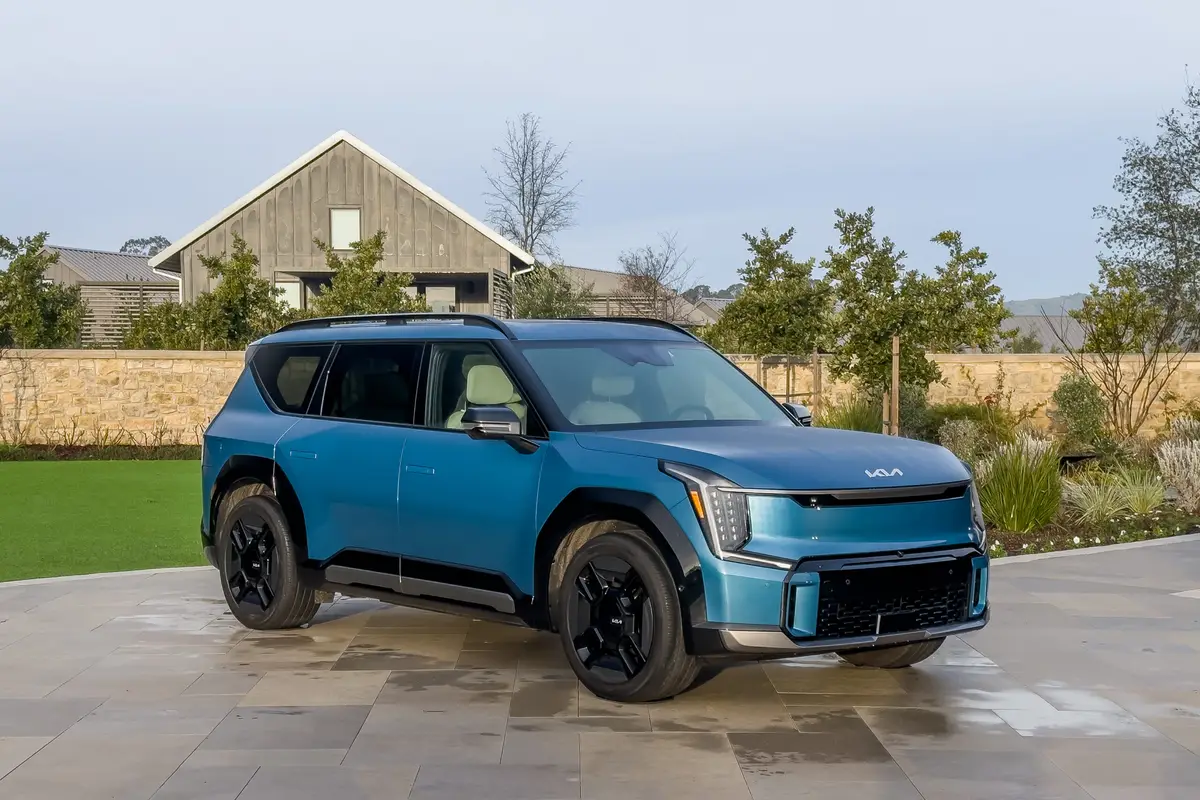
Kia’s EV9 stepped into the three-row electric SUV segment with genuine ambition, offering families a spacious, all-electric alternative to traditional gas-powered SUVs. Buyers can select a single rear motor or dual motors for all-wheel drive, with horsepower ranging from 201 to 379 and torque spanning 258 to 516 lb-ft. Measuring 197.4 inches long and 77.9 inches wide, the EV9 carries genuinely substantial dimensions necessary to accommodate three full rows of seating.
Kia’s engineers clearly understood the aerodynamic challenge facing a vehicle this large before it ever reached production, incorporating clever active air flaps along with specially designed aerodynamic wheels specifically engineered to reduce wind friction wherever possible throughout the vehicle’s entire design.
Despite those genuinely thoughtful engineering efforts, physics simply cannot be completely overcome once a vehicle reaches this kind of size and frontal surface area. The EV9’s immense frontal footprint, necessary to accommodate three rows of family-friendly seating, ensures that high-speed highway cruising still slices roughly 20 percent off its maximum advertised driving distance, even with all of Kia’s aerodynamic countermeasures actively working throughout the drive.
This result actually represents a relatively strong showing compared to several other large SUVs already discussed throughout this roundup, suggesting Kia’s engineering investment in active aerodynamic features genuinely paid measurable dividends compared to vehicles that skipped this kind of technology entirely.
Families considering the EV9 specifically for road trip duty should still expect this real-world deficit, even while recognizing that Kia clearly worked harder than some competitors to minimize it as much as the vehicle’s necessary three-row size allowed.
7. Lexus RZ 450e
- Engine: Dual Electric Motors AWD
- Horsepower: 308 hp
- Torque: 320 lb-ft
- Size: 189.0 in Long x 74.6 in Wide
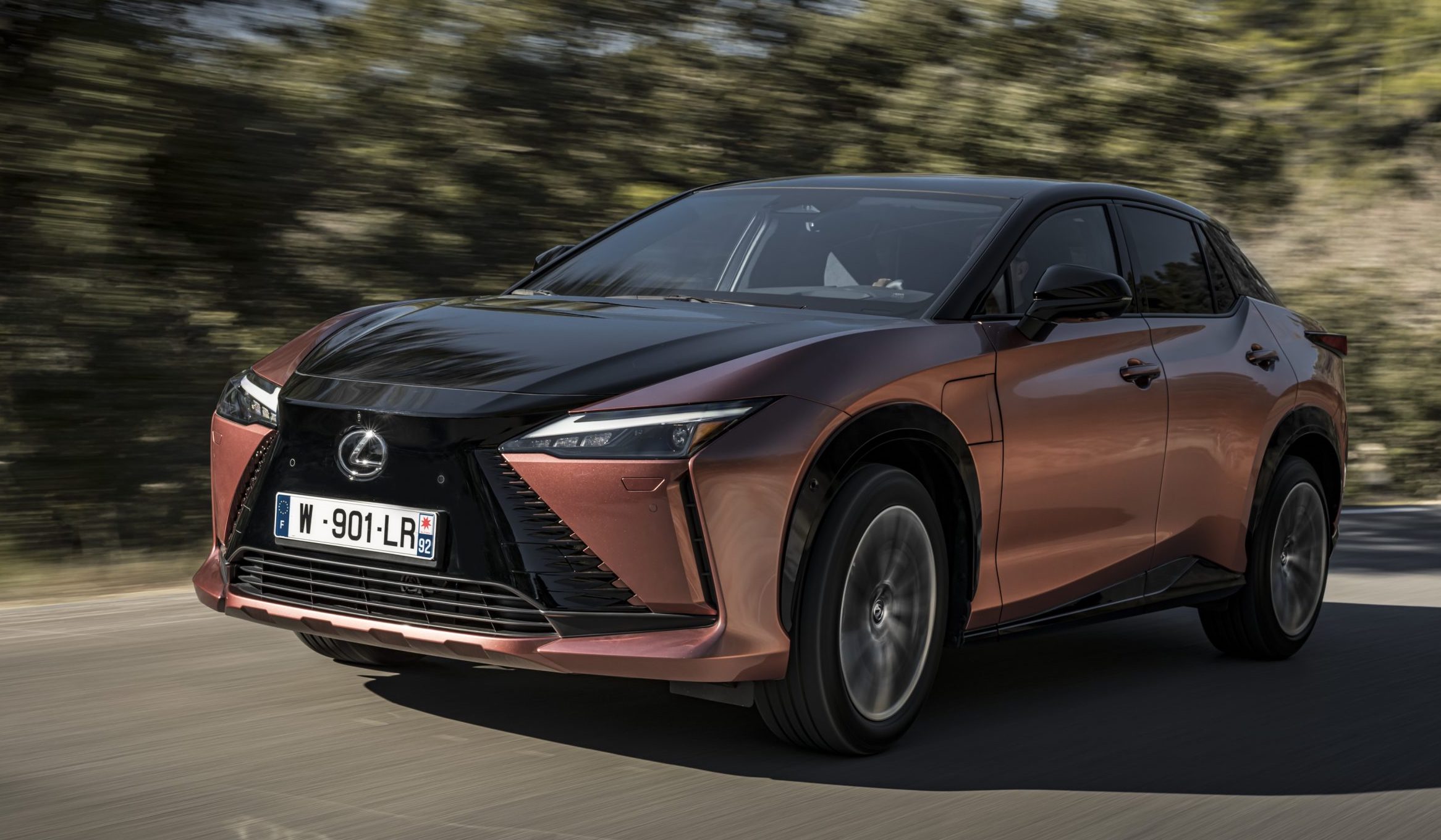
Lexus entered the electric SUV market with the RZ 450e, equipped with dual electric motors producing a combined 308 horsepower and 320 lb-ft of torque for confident all-wheel-drive performance. Measuring 189.0 inches long and 74.6 inches wide, this crossover competes directly against other premium electric SUVs that luxury buyers might naturally cross-shop during their search.
Unlike several other vehicles on this list, the RZ’s highway range struggles trace back less to its exterior shape and more to a specific combination of battery size and energy management calibration. The Lexus suffers from a relatively small 65.6 kWh usable battery pack, considerably smaller than what many competing electric SUVs carry beneath their floors, paired with what amounts to an unoptimized highway energy consumption curve throughout sustained driving.
That smaller battery simply has less total energy reserve to draw from in the first place, meaning any inefficiency at highway speed shows up proportionally larger in the final range numbers compared to a vehicle starting with a considerably bigger battery pack to begin with.
At a steady 75 mph, the battery depletes rapidly under these conditions, leaving drivers with a real-world highway range that drops close to 20 percent below its official EPA estimate, a genuinely disappointing gap for a vehicle wearing a premium luxury badge that buyers might reasonably expect to deliver more sophisticated energy management throughout sustained highway driving conditions.
Also Read: 10 Used EVs To Avoid And Why
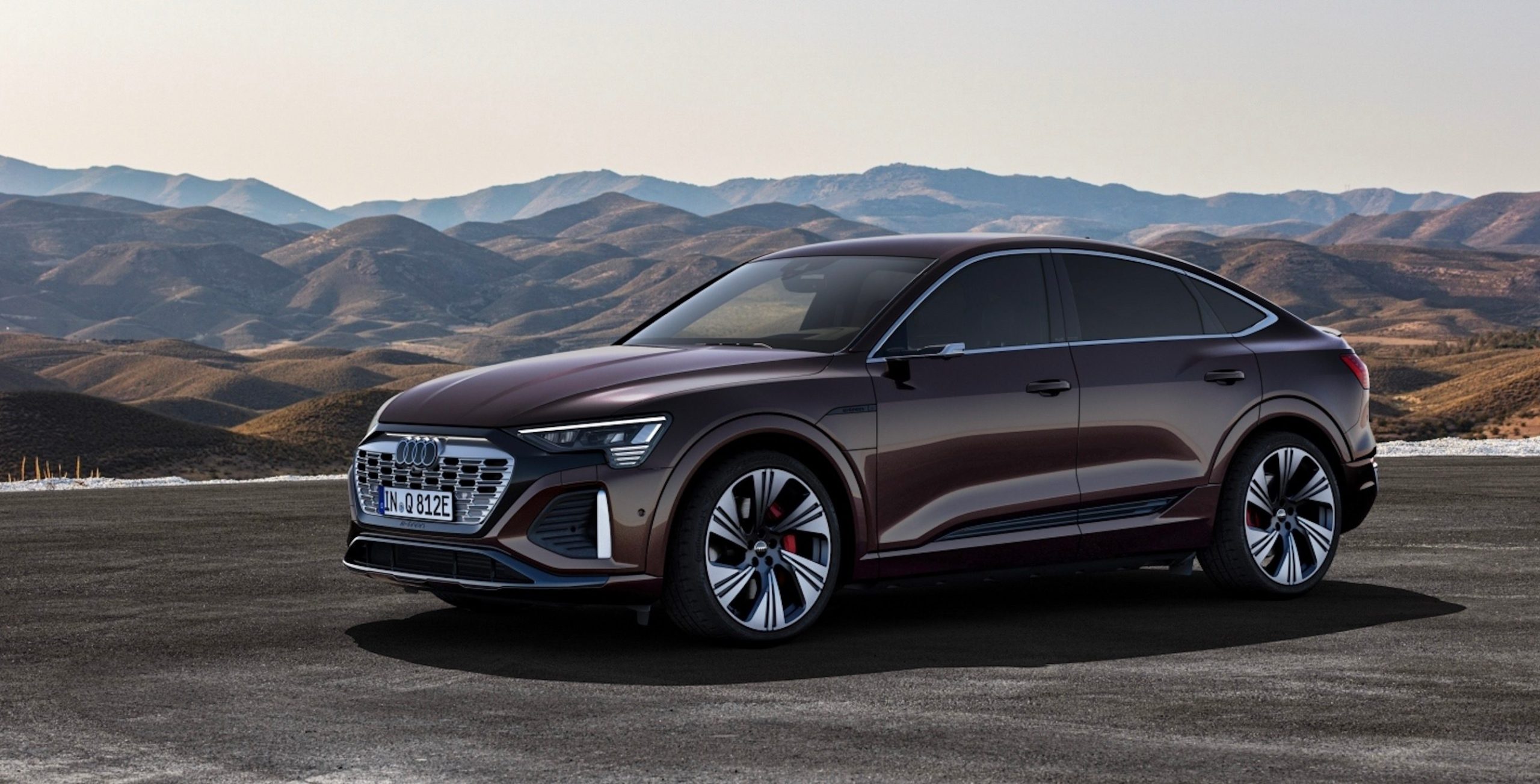
8. Audi Q8 e-tron
- Engine: Dual Electric Motors AWD
- Horsepower: 402 hp
- Torque: 490 lb-ft
- Size: 193.5 in Long x 76.3 in Wide
Luxury styling and electric performance come together in the Audi Q8 e-tron, giving buyers a refined SUV with a polished appearance and plenty of power. Equipped with dual electric motors, it delivers 402 horsepower and 490 lb-ft of torque. Measuring 193.5 inches in length and 76.3 inches in width, it strikes a balance between spacious comfort and everyday usability, making it well-suited for daily commuting as well as extended highway travel.
Its streamlined exterior suggests that highway efficiency should be one of its strengths, yet real-world driving tells a different story. Even with carefully sculpted body lines, the Q8 e-tron experiences a noticeable reduction in driving range during long trips at higher speeds. The sleek design certainly helps reduce air resistance, but it cannot fully offset other factors that affect energy consumption.
A large part of the efficiency challenge comes from the SUV’s dual asynchronous electric motors. These motors continue drawing a relatively high amount of electrical power even while maintaining a constant cruising speed. Instead of using extra energy only during rapid acceleration, they consume more electricity throughout the entire highway drive. That steady power demand gradually reduces the available driving range, especially during long-distance travel.
Wind resistance also plays a part, as moving a luxury SUV of this size through the air requires more energy than a smaller vehicle. Independent testing shows the Q8 e-tron can experience a driving range reduction of roughly 18 to 22 percent compared with its combined EPA rating. While this decline is smaller than what many larger electric trucks and SUVs experience, it still reminds buyers that size, weight, and powertrain design all influence highway efficiency.
The Q8 e-tron delivers premium comfort, strong performance, and refined styling, though drivers should still expect shorter driving distances when spending extended time at interstate speeds.
