
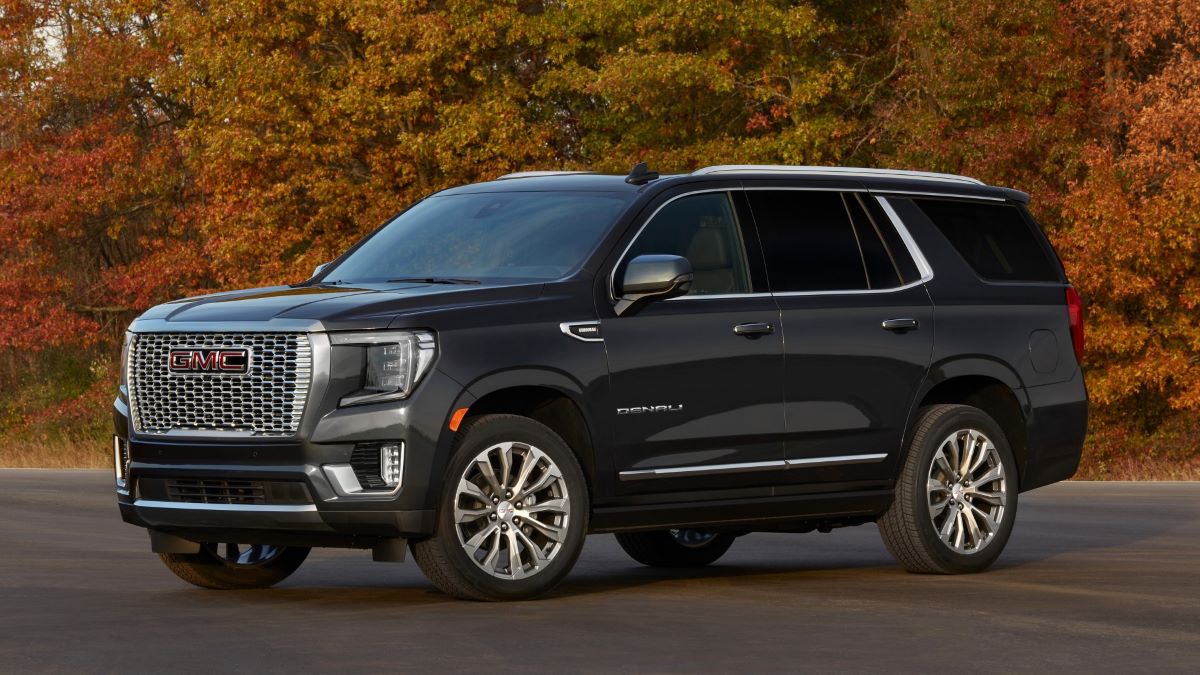
Buying a pickup truck or SUV often means choosing practicality, towing capability, cargo space, and a commanding driving position. Many drivers appreciate sitting higher above traffic because it provides a better view of the road ahead.
A raised driving position does not necessarily provide complete visibility in every direction. Many of the largest vehicles on the road still suffer from substantial blind spots, which can make lane changes, parking, reversing, and moving through congested streets more challenging.
Several design factors contribute to poor outward visibility. Thick roof pillars built to meet modern crash safety standards, tall beltlines, wide rear quarters, massive side mirrors, oversized headrests, and long hoods can all reduce what a driver can see.
Large cargo beds and enclosed cargo areas also create blind zones that cannot be viewed without mirrors or camera systems.
While modern technology, such as blind-spot monitoring, surround-view cameras, and rear cross-traffic alert, helps reduce these limitations, electronic assistance should never replace careful observation and proper mirror adjustment.
This list highlights eight pickups and SUVs that are known for having some of the largest blind spots in their respective segments. These vehicles remain capable, comfortable, and highly popular, but prospective buyers should understand the visibility compromises that come with their size.
Recognizing these limitations allows drivers to adapt their habits, use available safety technologies effectively, and operate these vehicles with greater confidence on busy roads.
Also Read: 8 EVs With the Slowest Charging Speeds
1. Chevrolet Silverado 2500HD
The Chevrolet Silverado 2500HD is engineered to haul enormous payloads and tow heavy trailers, making it one of the most capable heavy-duty pickups available. Those strengths, however, come with a noticeable compromise in visibility.
The truck’s towering hood stretches far ahead of the driver, making it difficult to judge the distance to smaller vehicles, curbs, or obstacles positioned directly in front of the bumper. In tight parking lots, this limited forward visibility demands extra caution.
The truck’s broad front fenders and large towing mirrors further increase the driver’s blind zones when changing lanes.
Although the mirrors provide an excellent view around wide trailers, they also create areas where motorcycles or compact cars can temporarily disappear. The rear of the truck presents another challenge because the long cargo bed restricts visibility through the rear window, especially when cargo is loaded higher than the cab.
Chevrolet equips higher trims with multiple camera views, trailer camera options, rear cross-traffic alert, and blind-zone steering assistance to compensate for these issues. Even so, drivers quickly learn that relying solely on technology is not enough.
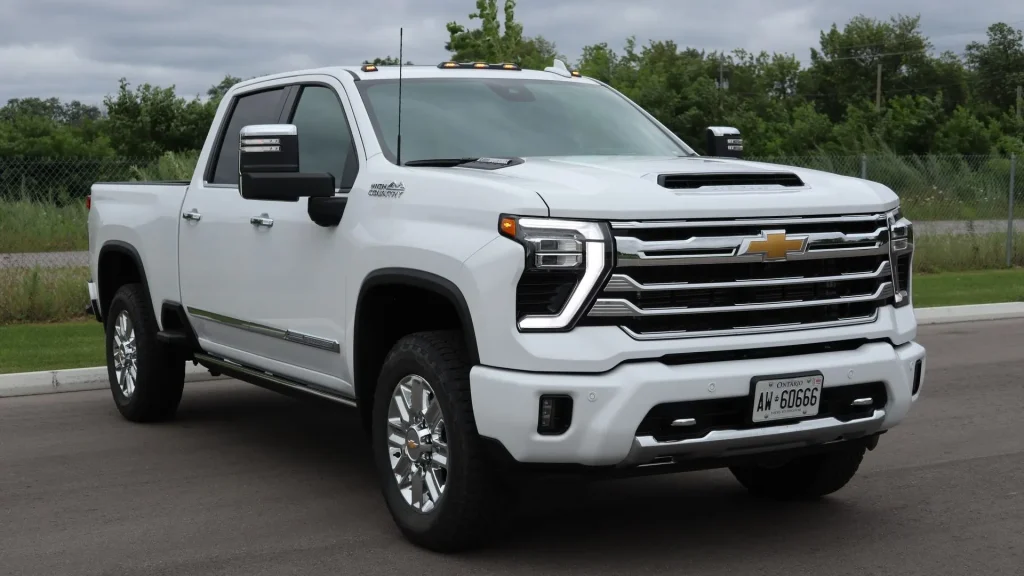
Proper mirror adjustment, slower maneuvering in confined areas, and deliberate shoulder checks remain essential. Owners who regularly tow large trailers often appreciate the available transparent trailer camera, which significantly improves rearward awareness during highway travel.
Specifications
- Engine: 6.6-liter V8 Gas / 6.6-liter Duramax Turbo Diesel V8
- Torque: Up to 975 lb-ft
- Horsepower: Up to 470 hp
- Length/Width: 250.0 in / 81.9 in
2. Ford Expedition Max
Families often choose the Ford Expedition Max because it delivers exceptional passenger room and one of the largest cargo areas among full-size SUVs.
Its generous dimensions make long-distance travel comfortable, but they also contribute to considerable blind spots that drivers must constantly monitor.
The extended body increases the distance between the driver’s seat and the rear of the vehicle, making it harder to judge surrounding traffic during lane changes or while reversing.
The Expedition Max features a tall beltline and thick rear roof pillars that limit diagonal visibility. While these structural elements enhance occupant protection during collisions, they also reduce sightlines at intersections and when merging onto busy highways.
Parking this SUV in crowded shopping centers can become challenging because the rear corners remain difficult to judge without assistance.
Ford addresses many of these concerns by offering a comprehensive suite of driver assistance technologies, including a 360-degree camera system, blind-spot monitoring with trailer coverage, rear parking sensors, and cross-traffic alert.
These systems provide valuable support, particularly when maneuvering such a large vehicle. Drivers who spend time becoming familiar with the SUV’s dimensions typically gain confidence, but its physical size means visibility never feels as open as it does in midsize crossovers.
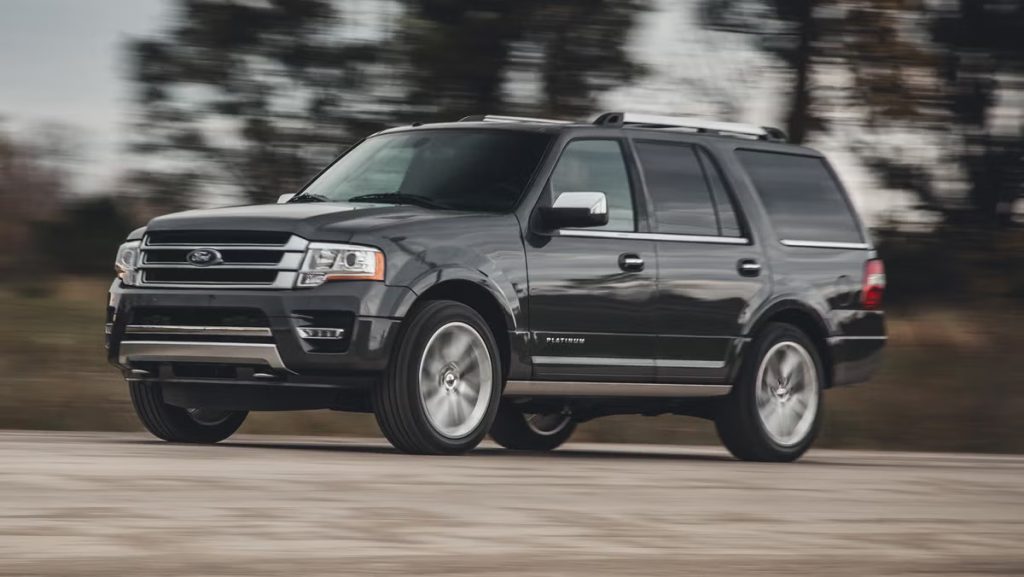
Careful planning before changing lanes and maintaining generous following distances remain valuable habits for anyone driving this substantial family SUV.
Specifications
- Engine: 3.5-liter EcoBoost Twin-Turbo V6
- Torque: 510 lb-ft
- Horsepower: 440 hp
- Length/Width: 221.9 in / 79.9 in
3. GMC Yukon XL
Space is one of the biggest reasons buyers choose the GMC Yukon XL, yet that same size creates visibility challenges that demand constant attention behind the wheel.
The SUV’s extended wheelbase and long rear overhang increase the distance between the driver and the back of the vehicle, making it harder to judge surrounding traffic when reversing or changing lanes.
Drivers moving from a midsize SUV often notice that the Yukon XL requires more planning before every maneuver because the vehicle occupies considerably more road space.
Another factor affecting visibility is the tall body design. The high beltline limits the view of smaller vehicles traveling alongside the SUV, while the thick rear roof pillars block portions of the driver’s diagonal view.
Children, bicycles, or low objects can disappear from sight near the rear corners, particularly in parking lots or residential neighborhoods. The large hood also reduces the driver’s ability to see obstacles positioned close to the front bumper.
GMC equips the Yukon XL with several technologies intended to reduce these limitations. Available features include a high-definition surround-view camera, rear pedestrian alert, blind-zone steering assist, front and rear parking sensors, and rear cross-traffic braking.
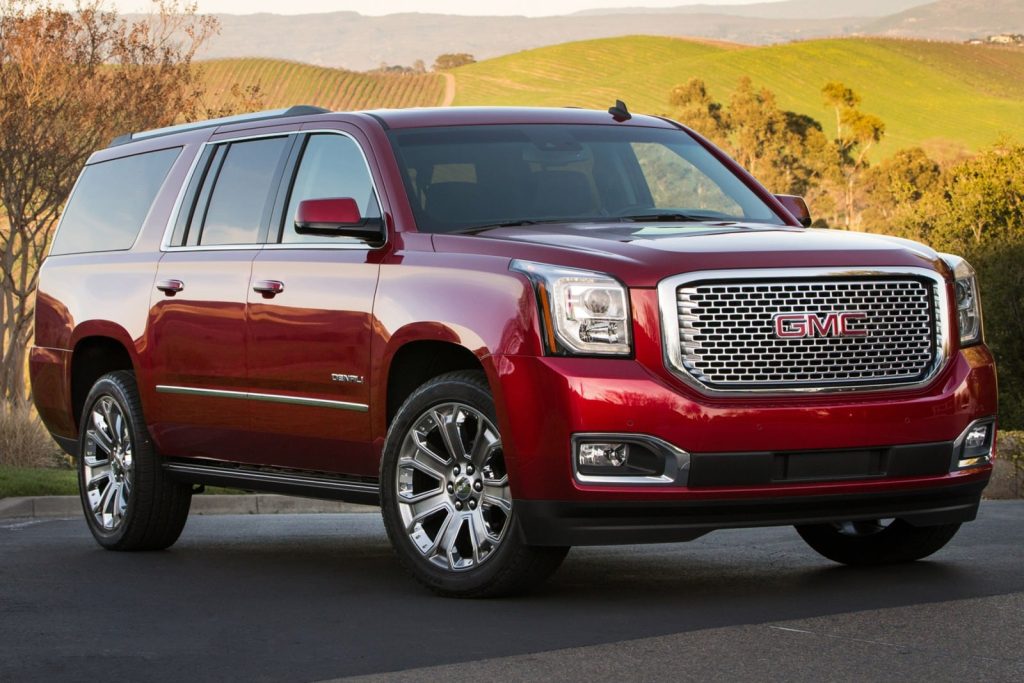
These systems provide valuable assistance, but they cannot eliminate every blind zone created by such a large vehicle.
Owners who become familiar with the SUV’s dimensions, maintain properly adjusted mirrors, and move carefully in tight spaces are better prepared to handle its impressive size without unnecessary stress.
Specifications
- Engine: 5.3-liter V8 / 6.2-liter V8 / 3.0-liter Duramax Turbo Diesel I6
- Torque: Up to 495 lb-ft
- Horsepower: Up to 420 hp
- Length/Width: 225.2 in / 81.0 in
4. Ram 3500 Mega Cab
Driving a Ram 3500 Mega Cab feels very different from operating a conventional pickup. Built for serious towing and heavy-duty work, this truck features one of the largest cabins in the segment, a tall ride height, and a substantial front end.
Those characteristics make it extremely capable, but they also create some of the most significant blind spots found in a production pickup.
The broad hood stretches well ahead of the driver’s seating position, making it difficult to judge nearby obstacles when creeping through parking garages or construction sites.
Visibility toward the sides presents another challenge. The truck’s wide body and massive towing mirrors can hide smaller cars or motorcycles during lane changes, particularly on busy multi-lane highways.
Behind the cab, the long cargo bed further limits rearward visibility, especially if equipment or materials are loaded higher than the rear window. Even experienced truck owners often rely heavily on mirrors because direct visibility is naturally restricted.
Ram helps compensate with available technology that includes a 360-degree camera system, trailer reverse guidance, blind-spot monitoring with trailer detection, front and rear parking sensors, and digital camera views for towing.
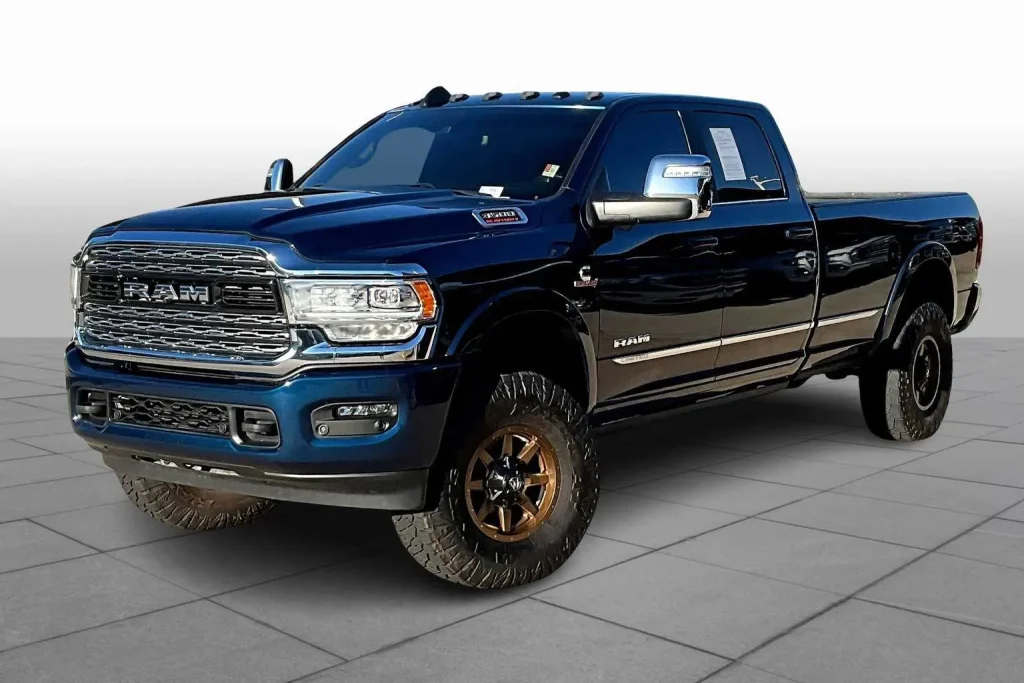
These features improve driver awareness, especially when hauling large trailers. Even with modern electronics, however, careful mirror checks, wider turning angles, and slower parking maneuvers remain important habits.
The Ram 3500 Mega Cab rewards drivers who respect its sheer size and understand that safe operation depends as much on awareness as it does on capability.
Specifications
- Engine: 6.4-liter HEMI V8 / 6.7-liter Cummins Turbo Diesel I6
- Torque: Up to 1,075 lb-ft
- Horsepower: Up to 430 hp
- Length/Width: 249.9 in / 96.0 in (with towing mirrors)
5. Cadillac Escalade ESV
Luxury is the first thing most people associate with the Cadillac Escalade ESV, but its impressive dimensions also demand a higher level of driver awareness. The extended-wheelbase version is significantly longer than the standard Escalade, and that additional length affects visibility during everyday driving.
Pulling into parking spaces, backing out between rows of vehicles, or negotiating narrow city streets requires more precision because the rear of the SUV extends much farther behind the driver than expected.
The upgraded seating position gives an excellent view of traffic ahead, yet it cannot completely compensate for the vehicle’s thick roof pillars and tall side panels.
Those design elements create sizeable blind zones along both rear corners, making it possible for smaller cars, motorcycles, or pedestrians to disappear from view during lane changes. The long hood also makes it difficult to judge the exact distance to objects directly in front of the bumper, particularly in crowded parking lots.
Cadillac equips the Escalade ESV with one of the most advanced visibility packages in the luxury SUV segment.
Depending on trim, buyers receive an augmented reality navigation display, a high-definition surround-view camera, blind-zone steering assist, rear cross-traffic braking, automatic parking assistance, and a camera-based rearview mirror that provides a wider image than a traditional mirror.
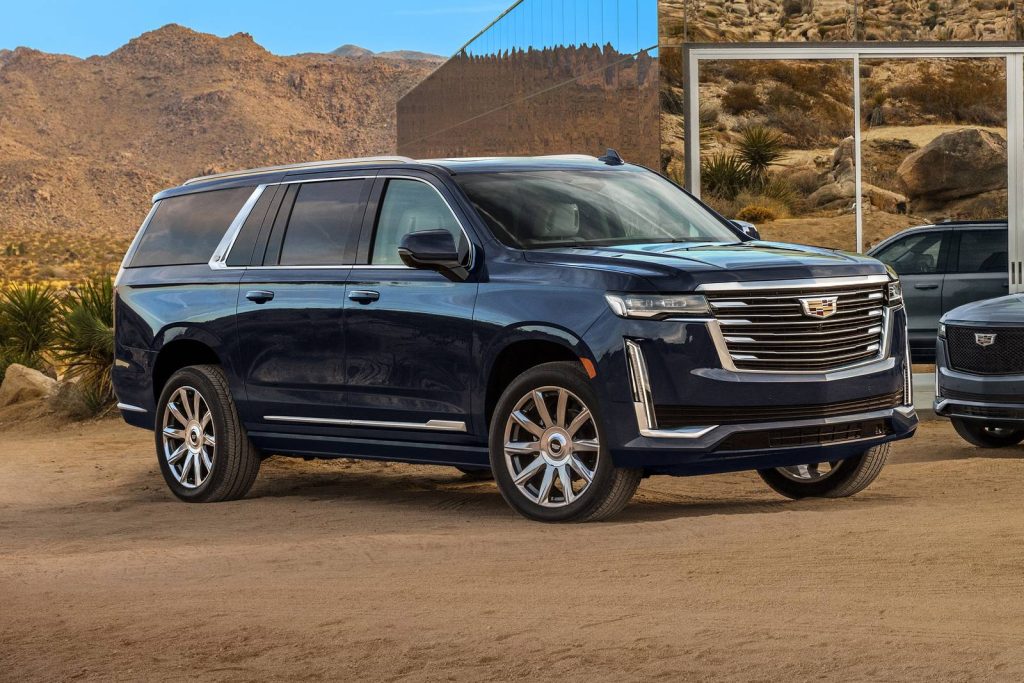
These systems greatly improve confidence, but they cannot replace attentive driving. Owners who leave additional space when maneuvering and make deliberate mirror checks are better prepared to handle this large luxury SUV safely.
Specifications
- Engine: 6.2-liter V8
- Torque: 460 lb-ft
- Horsepower: 420 hp
- Length/Width: 227.0 in / 81.1 in
6. Toyota Tundra CrewMax
The Toyota Tundra CrewMax combines a spacious cabin with a strong twin-turbocharged engine, making it a practical choice for work, recreation, and family duties.
Despite its versatility, the truck’s physical proportions create visibility limitations that become apparent in heavy traffic.
Its broad front end, high hood, and upgraded ride height reduce the driver’s ability to see objects positioned close to the front corners, which can be a concern in parking lots or while maneuvering around tight obstacles.
The CrewMax’s large rear doors and wide cabin lead to thicker body pillars that can limit diagonal sightlines compared to smaller pickups.
The long cargo bed further increases the distance to the rear bumper, making reversing more difficult when the bed is filled with equipment or luggage. During highway driving, compact vehicles can remain hidden beside the truck for longer than many drivers expect, especially if mirrors are not adjusted correctly.
Toyota includes a wide range of driver assistance features to reduce these challenges. Blind Spot Monitor, Rear Cross-Traffic Alert, Panoramic View Monitor, front and rear parking assist with automatic braking, and trailer backup guidance are available depending on trim level.
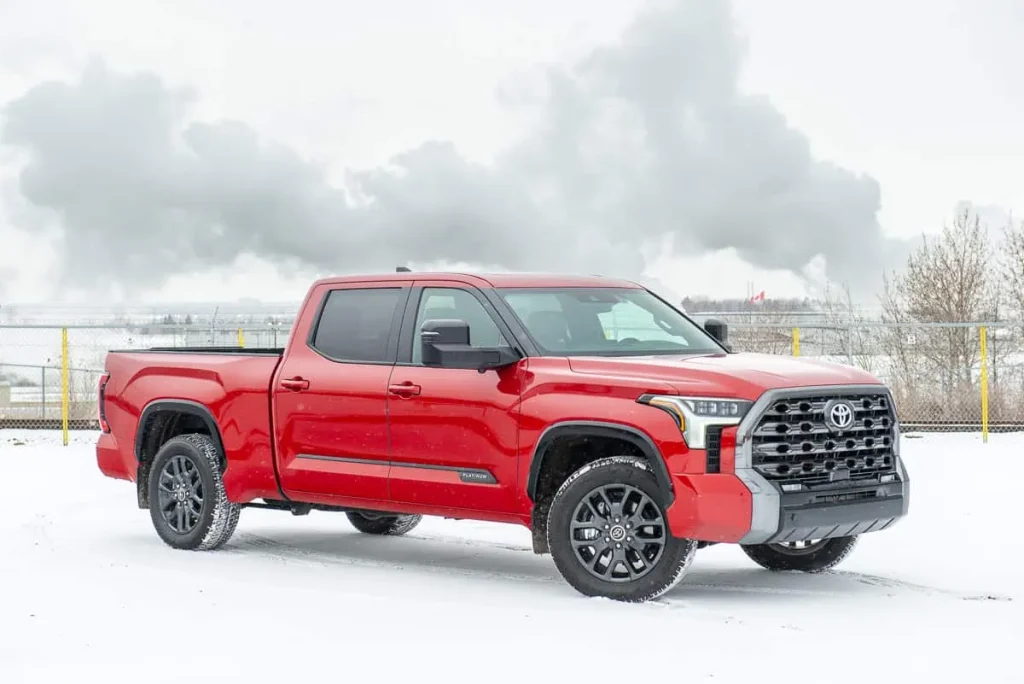
These technologies provide valuable information, particularly for owners who tow boats or campers on a regular basis. Still, the truck’s large dimensions require patience and careful observation.
Taking extra time before merging, reversing slowly, and maintaining awareness of nearby traffic helps drivers make the most of the Tundra CrewMax while minimizing the risks associated with its naturally large blind spots.
Specifications
- Engine: 3.4-liter Twin-Turbo V6
- Torque: Up to 583 lb-ft
- Horsepower: Up to 437 hp
- Length/Width: 233.6 in / 80.2 in
7. Infiniti QX80
Not every visibility issue comes from a pickup truck. The Infiniti QX80 demonstrates how a full-size luxury SUV can also present significant blind spots despite offering an upgraded driving position.
Its bold exterior styling includes a tall hood, broad front fenders, and substantial body sides that give the SUV a commanding appearance.
Those same features, however, make it harder to monitor the area immediately around the vehicle, particularly in crowded urban environments where pedestrians and cyclists frequently pass close by.
The rear portion of the QX80 creates another challenge. Large rear pillars and a relatively narrow rear window limit the driver’s view when checking over the shoulder before changing lanes.
Parking can also require extra care because the long body makes it difficult to estimate the distance to walls, curbs, and neighboring vehicles. Drivers transitioning from midsize crossovers often need time to adapt to the QX80’s larger footprint and wider turning circle.
Infiniti has equipped the SUV with several advanced systems designed to improve confidence behind the wheel.
Available features include an Around View Monitor with Moving Object Detection, Blind Spot Intervention, Predictive Forward Collision Warning, Rear Automatic Braking, and front as well as rear parking sensors.
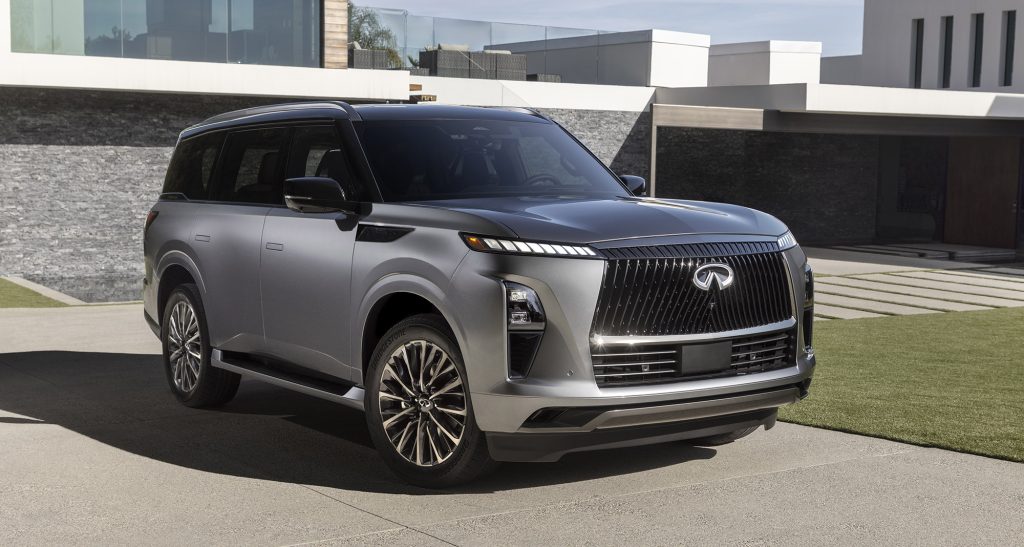
These technologies reduce the workload during daily driving, but they should be viewed as an additional layer of protection rather than a substitute for attentive observation.
Developing good mirror habits and allowing more room during low-speed maneuvers remain the most effective ways to compensate for the QX80’s naturally restricted visibility.
Specifications
- Engine: 3.5-liter Twin-Turbo V6
- Torque: 516 lb-ft
- Horsepower: 450 hp
- Length/Width: 211.2 in / 83.3 in
8. Nissan Armada
The Nissan Armada is designed to carry large families in comfort while offering respectable towing capability, yet its sheer size creates visibility concerns that drivers cannot ignore.
Built on a body-on-frame platform, the Armada sits high above the road and features a long, squared-off body that naturally produces larger blind zones than those found in smaller crossovers.
Although the upgraded seating position provides an excellent view of traffic ahead, the sides and rear of the SUV require much more attention.
One reason is the combination of thick rear roof pillars and high window lines. These structural elements strengthen the body and improve crash protection, but they also restrict the driver’s view during lane changes and while backing into parking spaces.
Small hatchbacks, motorcycles, or pedestrians can become hidden near the rear corners if the driver relies only on direct vision. The long hood presents another limitation by making it difficult to judge the distance to low obstacles positioned close to the front bumper.
To address these concerns, Nissan equips the Armada with an Intelligent Around View Monitor, Blind Spot Warning, Rear Cross Traffic Alert, an Intelligent Rear View Mirror, and automatic emergency braking on many trims.
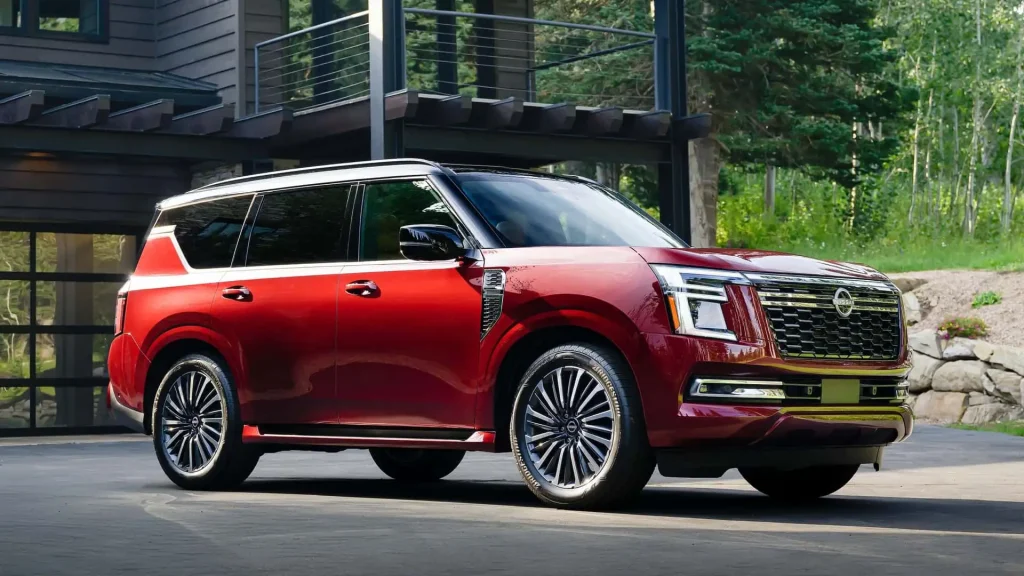
Together, these systems provide valuable assistance during everyday driving. Even so, the Armada’s dimensions demand a careful driving style.
Taking wider turns, reversing at a slower pace, and checking mirrors repeatedly before changing lanes help drivers maintain better awareness of their surroundings and reduce the risks associated with the SUV’s substantial blind spots.
Specifications
- Engine: 3.5-liter Twin-Turbo V6
- Torque: 516 lb-ft
- Horsepower: 425 hp
- Length/Width: 209.6 in / 83.3 in
Also Read: 8 Hidden Features In The Kia Sportage
