
Despite gasoline prices climbing back toward $4 per gallon in many parts of the United States, American consumers are continuing to buy new vehicles at a pace that has surprised much of the auto industry.
Instead of pulling back from dealerships as fuel costs rise, buyers have largely adjusted to the higher prices, helping keep the market on track for another month of healthy sales.
According to Cox Automotive, the U.S. new-vehicle market is expected to post a seasonally adjusted annual sales rate (SAAR) of 16.1 million vehicles in June, a figure that reflects steady demand despite higher fuel prices, higher borrowing costs, and continued economic uncertainty.
The firm described consumers as largely “shrugging off” the recent increase in gasoline prices, although the competitive environment is changing rapidly as some automakers gain momentum while others steadily lose market share.
The resilience of vehicle demand is encouraging for manufacturers, but it also highlights an important shift in buyer priorities. Consumers are not abandoning the market altogether. Instead, they are becoming more selective about which brands and powertrains they choose, creating clear winners and losers across the industry.
Also Read: Why Two Identical Cars Sell for Wildly Different Prices
Higher Gas Prices Have Not Triggered a Sales Slowdown
Historically, spikes in fuel prices often caused dramatic changes in vehicle buying habits. When gasoline surged above $4 per gallon during previous economic cycles, many consumers postponed purchases or shifted rapidly away from trucks and SUVs toward smaller, more fuel-efficient vehicles.
This time, the response has been noticeably different. According to Cox Automotive Senior Economist Charlie Chesbrough, consumers have largely continued shopping despite rising fuel costs and recent geopolitical uncertainty.
Rather than seeing dealership traffic collapse, June sales are expected to remain consistent with the stable pace established throughout the second quarter. (coxautoinc.com)
Several factors help explain that resilience. Modern vehicles are significantly more fuel-efficient than they were a decade ago, particularly hybrids and newer turbocharged models.
Household finances also remain stronger than many analysts expected earlier in the year, with relatively low unemployment and rising wages offsetting some of the impact of higher fuel costs.
Instead of delaying purchases entirely, many shoppers are simply choosing vehicles that offer better long-term operating costs.
A 16.1 Million SAAR Reflects a Stable Market
Cox Automotive projects June’s seasonally adjusted annual sales rate of 16.1 million vehicles, keeping the market within the same range recorded during much of the spring.
The company estimates approximately 1.34 million new vehicles will be sold during June, representing a 4.2 percent increase compared with June 2025, helped in part by one additional selling day. Month over month, however, June volume is expected to decline from May’s exceptionally strong performance.
More importantly, the consistency suggests that consumers have adapted to today’s economic environment.
Higher interest rates remain a challenge. Vehicle prices remain high compared with pre-pandemic levels. Insurance premiums continue rising. Fuel prices have increased. Yet buyers continue entering the market.
That stability has encouraged Cox Automotive to leave its full-year 2026 forecast unchanged at 15.8 million vehicles, indicating confidence that demand will remain relatively healthy through the remainder of the year.
Toyota Continues Winning Buyers
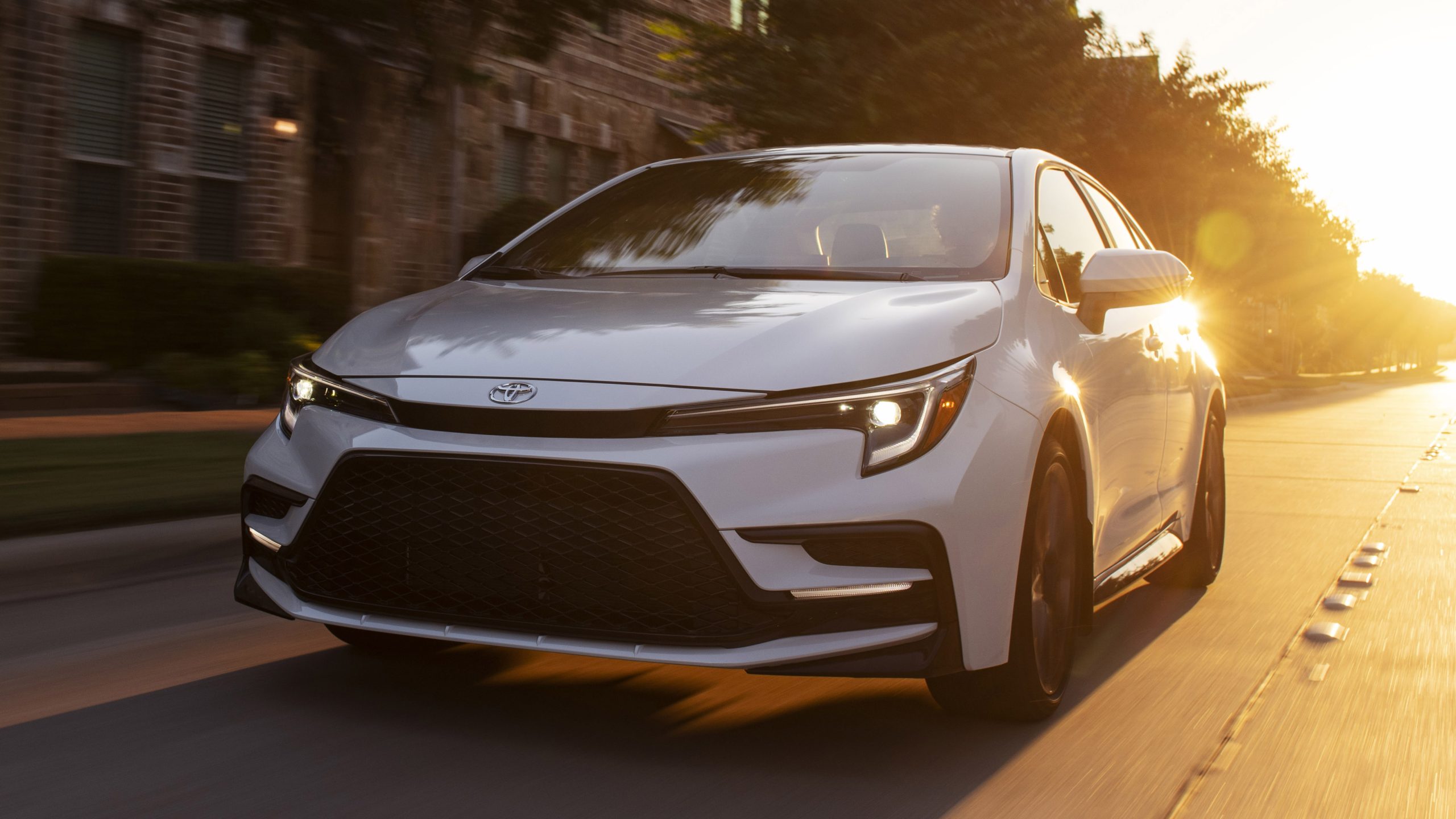
Among the biggest winners in the current environment is Toyota. The automaker has steadily increased market share thanks largely to its extensive hybrid lineup and strong reputation for fuel efficiency.
With gasoline prices rising again, buyers seeking lower operating costs have increasingly gravitated toward hybrid models such as the Corolla Hybrid, Camry Hybrid, Prius, RAV4 Hybrid, and Grand Highlander Hybrid.
Unlike fully electric vehicles, hybrids require no changes to fueling habits while still offering meaningful reductions in gasoline consumption.
Cox Automotive expects Toyota to post one of the strongest second quarters among major automakers, helping narrow the sales gap separating it from longtime market leader General Motors.
Toyota’s strategy appears particularly well suited to today’s market, where many consumers want improved fuel economy but remain hesitant about fully electric vehicles because of charging concerns or purchase price.
Hyundai and Stellantis Are Also Gaining Ground
Toyota is not the only manufacturer benefiting from changing consumer preferences. Hyundai Motor Group continues expanding its U.S. market share through competitive pricing, improved quality, strong warranty coverage, and a growing selection of hybrid and electrified vehicles.
It’s Hyundai, Kia, and Genesis brands now competing across nearly every major segment, giving buyers multiple alternatives regardless of budget.
Stellantis has also begun recovering after several difficult years. According to Cox Automotive, the company is expected to improve both sales volume and market share during the first half of 2026 as newer products reach dealerships and inventory management improves.
Although Stellantis still trails several rivals, recent gains suggest its turnaround strategy may finally be gaining traction.
General Motors, Ford and Tesla Are Losing Share
While industry sales remain healthy, not every manufacturer is benefiting equally. General Motors continues to lead the U.S. market by volume, but its lead is shrinking.
Cox Automotive estimates GM’s first-half sales will decline 7.2 percent, with Buick and Cadillac experiencing particularly sharp year-over-year drops. Although Chevrolet remains a strong performer, weaker results across several brands have reduced GM’s full market share.
Ford is projected to experience an even steeper decline, with first-half sales expected to fall 10.3 percent.
The company continues facing intense competition in trucks, SUVs, and crossovers while working to strengthen its hybrid and electric offerings. Tesla also remains under pressure.
Growing competition from traditional automakers, combined with slowing demand growth for fully electric vehicles, has contributed to an estimated 14.6 percent decline in Tesla’s first-half U.S. sales.
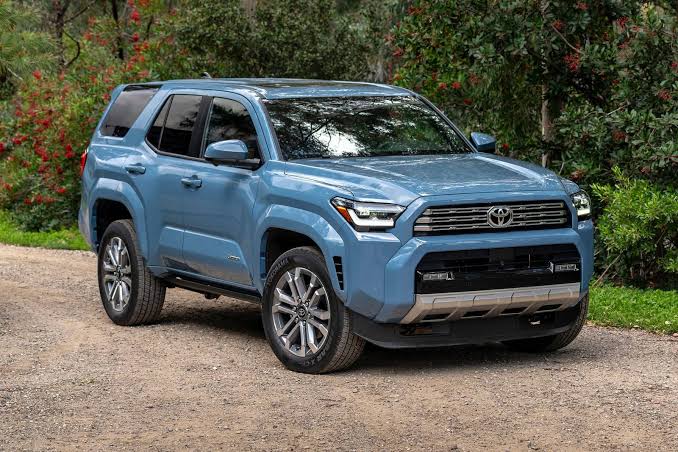
The changing market no longer guarantees rapid growth simply because a manufacturer specializes in EVs. Consumers increasingly have dozens of electrified alternatives across multiple brands.
Hybrids Are Becoming the Industry’s Sweet Spot
One of the strongest themes emerging in 2026 is the growing popularity of hybrid vehicles. While electric vehicles remain an important part of long-term industry planning, many consumers currently view hybrids as the most practical compromise.
They offer:
- Better fuel economy
- No charging requirements
- Familiar driving experience
- Lower operating costs
- Longer driving range
Rising gasoline prices only strengthen that appeal. Manufacturers with extensive hybrid lineups, particularly Toyota and Hyundai, are benefiting directly from this trend.
Several competitors are now accelerating hybrid development after recognizing that consumer demand has shifted more rapidly than expected.
Rather than replacing gasoline engines immediately, many buyers appear comfortable adopting electrification gradually.
Affordability Still Shapes Buying Decisions
Even though fuel prices have captured headlines, affordability remains the industry’s biggest concern. Monthly payments continue to reflect high vehicle prices combined with higher interest rates.
Insurance premiums have also increased substantially during the past two years. For many households, financing costs now influence purchasing decisions more than gasoline prices alone.
Consumers are responding by:
- Choosing more affordable trims
- Extending loan terms
- Selecting hybrids over larger V8-powered vehicles
- Comparing incentives more carefully
- Shopping across multiple brands
Manufacturers offering strong value propositions are increasingly winning these buyers. That explains why brands with competitive pricing and fuel-efficient lineups have generally outperformed the broader market.
Inventory Has Finally Stabilized
Unlike the shortages experienced during the pandemic, dealership inventories have largely returned to healthier levels. Consumers now enjoy significantly more choice than they did several years ago.
Manufacturers have also become more disciplined about production, avoiding the excessive inventory buildups that historically forced heavy discounting.
The improved balance between supply and demand has helped maintain relatively stable pricing while allowing shoppers to compare more vehicles before making a purchase.
It has also intensified competition among automakers. When inventory was scarce, nearly every vehicle sold quickly regardless of brand.
Today’s market requires manufacturers to compete much more aggressively for each customer.
What Buyers Should Expect During the Rest of 2026
If current trends continue, the second half of the year is likely to resemble the first. Gasoline prices may remain high depending on global energy markets, but analysts do not currently expect fuel costs alone to derail new-vehicle demand.
Instead, the biggest variables will likely include:
- Interest-rate movements
- Consumer confidence
- Employment levels
- Inventory availability
- Manufacturer incentives
Hybrid vehicles are expected to remain one of the strongest-performing segments, while competition among mainstream SUVs, pickups, and crossovers should continue intensifying.
Manufacturers losing market share will likely respond with more aggressive financing offers and promotional incentives to attract buyers.
The latest sales forecast shows that American consumers have adapted to higher fuel prices more successfully than many industry analysts expected. Even with gasoline approaching $4 per gallon, June’s projected 16.1 million SAAR suggests the U.S. auto market remains remarkably resilient.
However, stable industry sales do not mean every automaker is thriving. Toyota, Hyundai, and Stellantis are steadily gaining market share by offering products that better align with today’s buyer priorities, particularly fuel-efficient hybrids and competitively priced SUVs.
Meanwhile, General Motors, Ford, and Tesla are surrendering ground as consumers become increasingly selective about where they spend their money. The market is proving that even in a period of economic resilience, success depends less on full demand and more on offering the right products at the right time.
