
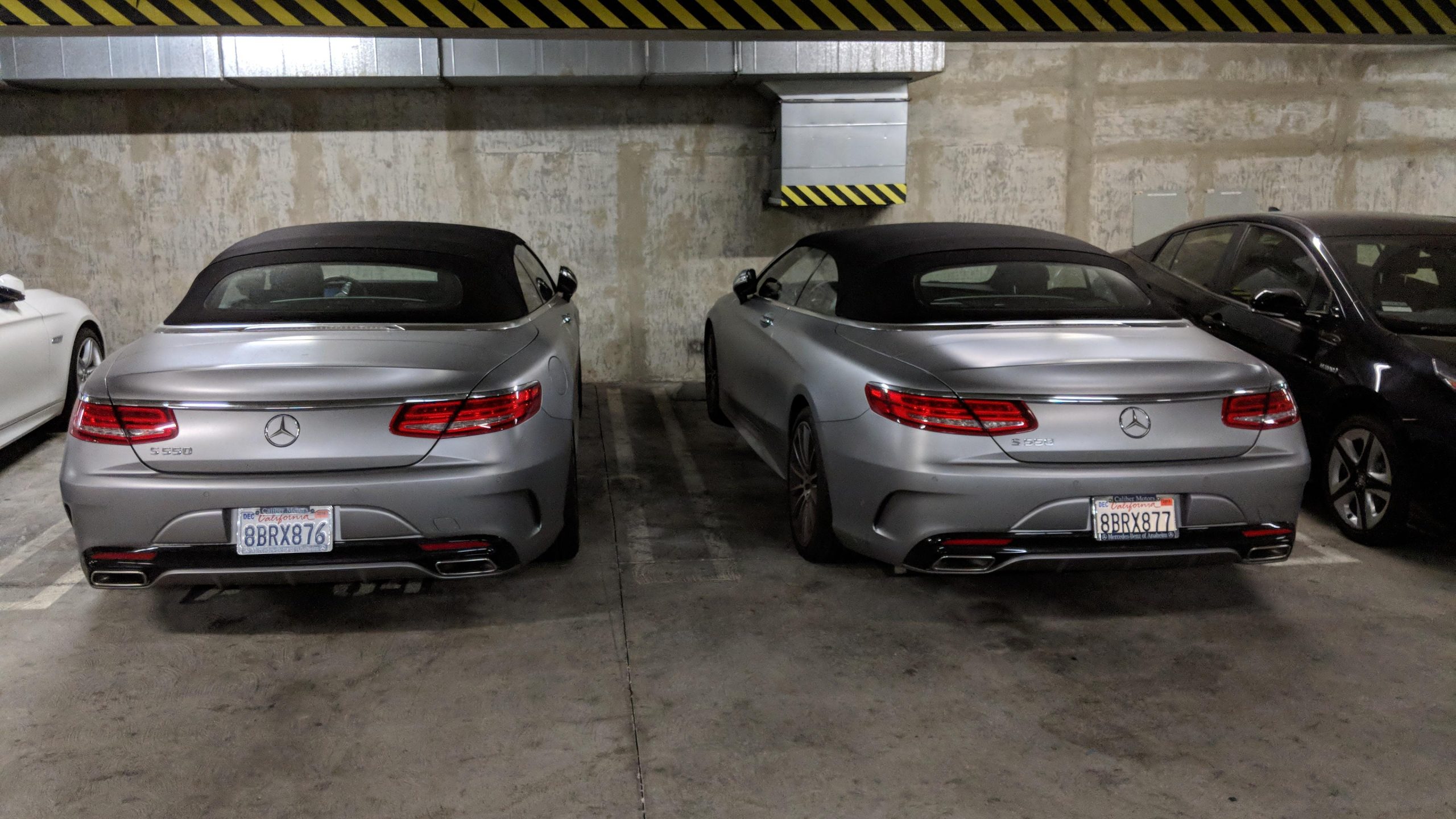
Two cars can share the same make, model, model year, trim level, engine, color, and even nearly identical mileage, yet sell for thousands of dollars apart. To many shoppers, that feels irrational. If the vehicles are essentially the same, why would one dealer ask $24,000 while another lists a similar example at $28,000?
The answer is that cars are rarely as identical as they appear in an online search. A vehicle’s price is shaped by far more than its badge and odometer reading.
Location, inventory pressure, condition, accident history, ownership records, options, financing incentives, dealer costs, local demand, and even the number of days a vehicle has been sitting on a lot can materially change the asking price.
The difference becomes even more dramatic in a market where used-car supply, interest rates, and buyer preferences are changing quickly.
Kelley Blue Book bases vehicle values on hundreds of thousands of transactions and adjusts pricing across more than 120 U.S. geographic regions because the same vehicle does not carry the same value everywhere.
Local supply, regional tastes, and economic conditions can make an identical car more valuable in one market than another.
The important point for buyers is simple: do not compare only the headline price. Compare the full story behind each vehicle. A cheaper car may be the better deal, but it may also carry hidden compromises that become clear only after a closer inspection.
Also Read: 10 Cars That Were Ahead of Their Time and Failed Anyway
Location Can Change the Price by Thousands
Geography is one of the biggest reasons similar vehicles sell for very different prices. A four-wheel-drive pickup may command a premium in Colorado, Michigan, Minnesota, or Maine because buyers need winter traction and towing capability.
The same truck may attract less urgency in a warm-weather city where a two-wheel-drive version is more common and less expensive to operate.
Convertibles provide the opposite example. A low-mileage convertible may sell quickly and command a stronger price in Florida, Arizona, or Southern California, while the same car could sit longer in a northern market with long winters.
Fuel prices also influence regional demand. When gasoline becomes more expensive, shoppers often move toward hybrids, compact cars, and efficient crossovers.
Kelley Blue Book reported that 76% of car shoppers said fuel prices were influencing the type of vehicle they would consider in 2026, while hybrid shopping on its site rose 25% compared with the final quarter of the prior year.
That means a hybrid may sell for a stronger price in one city simply because more buyers are searching for it at that moment.
A vehicle is not priced in a vacuum. It is priced against the cars available nearby and the people actively shopping for them.
One Car May Have Better Equipment Than It Appears
Two listings can look identical because dealers often use broad trim names in advertisements. A buyer may see two midsize SUVs listed as the same trim, same year, same color, and same mileage.
But one could have a panoramic roof, upgraded wheels, premium audio, heated and ventilated seats, a towing package, adaptive cruise control, all-wheel drive, and a larger touchscreen. The other may be a far more basic version.
Options matter because they affect both desirability and replacement cost. A dealer knows that a well-equipped vehicle can attract buyers who want convenience features without stepping into a higher trim level or a newer model year.
This difference is especially important with trucks and SUVs. A pickup with a towing package, upgraded axle ratio, four-wheel drive, larger fuel tank, trailer cameras, and luxury interior features can be worth substantially more than a visually similar truck without those options.
Edmunds notes that its market-price calculations consider options alongside supply, demand, incentives, and recent nearby transactions.
That is why a serious shopper should always compare window stickers, build sheets, or VIN-based equipment reports instead of relying only on the trim badge.
Condition Is More Than Mileage
Mileage matters, but it is not the whole story. A 40,000-mile car that spent its life in heavy city traffic, endured poor maintenance, suffered curb damage, and has worn tires may be worth less than a 55,000-mile example that was serviced on schedule, garaged, and driven primarily on highways.
Dealers examine paint quality, tire tread, brake wear, windshield damage, interior condition, odor, upholstery wear, wheel rash, battery health, and signs of previous body repair. Every issue becomes a potential reconditioning expense.
A dealer that has already replaced tires, repaired paint chips, serviced the brakes, completed an oil change, and detailed the interior may list the car at a higher price because those costs have already been absorbed.
Another dealer may list a similar vehicle more cheaply because it still needs work. That lower price can look attractive until the buyer discovers that new tires, brake service, or cosmetic repairs are waiting shortly after purchase.
The better comparison is not “Which car costs less?” It is “Which car needs less money after I buy it?”
Accident History Can Change Everything
A clean title does not always mean a clean history. One vehicle may have no reported accidents, one owner, complete service records, and consistent mileage reporting. Another may have a repaired collision, multiple owners, gaps in maintenance records, or an insurance claim that raises questions about prior damage.
Even when repairs are completed properly, an accident record can reduce resale value because future buyers may be cautious. Dealers know this, which is why they often price accident-history vehicles below comparable clean-history examples.
The gap can be modest for a minor cosmetic claim. It can be substantial when the report shows structural damage, airbag deployment, flood history, or repeated incidents.
Buyers should not automatically reject every car with an accident record. A well-repaired vehicle with documentation can still be a sensible purchase. But the price should reflect that history.
A car that is $3,000 cheaper than a similar example may not be a bargain if the discount disappears later when it is time to trade it in.
Dealers Price Cars Based on Their Own Costs
Two dealerships may own similar cars, but they may have paid very different amounts for them.
One dealer may have acquired a vehicle as a trade-in from a loyal customer at a favorable price. Another may have bought a similar vehicle at a competitive wholesale auction, paid transportation costs, and spent heavily on reconditioning.
The second dealer has more money tied up in the vehicle and may need a higher asking price to make a reasonable profit.
Inventory age also matters. Cox Automotive advises dealers to adjust used-vehicle pricing for market conditions and inventory age, because a vehicle that sits too long can become a costly problem.
A dealer with a car that has been on the lot for 75 days may be motivated to cut the price. Another dealer that received the same model last week may hold firm because it has not yet felt pressure to discount.
Neither price necessarily tells you which dealer is being fairer. It tells you that each store has a different business reason for the number on the windshield.
Demand Can Change Faster Than Buyers Expect
Vehicle values move with the market. A popular hybrid, affordable compact SUV, full-size pickup, or three-row family vehicle can rise in value when demand strengthens and inventory tightens.
A slow-selling sedan, discontinued EV, or niche luxury vehicle can fall quickly if buyers lose interest or incentives make a new version more attractive.
Cox Automotive reported that used-vehicle listing prices reached $26,918 in May 2026, up 6% from a year earlier and the highest level since mid-2023, even as used inventory increased.
That does not mean every used vehicle has gained value. It means market conditions can change rapidly enough that dealers adjust pricing constantly.

One dealer may have priced a vehicle three weeks ago based on older market data. Another may have repriced a comparable car yesterday after seeing stronger demand. The two listings may look identical, but they reflect different moments in the market.
Financing and Incentives Can Make the Real Price Different
The advertised price is not always the final price. A dealer may list a vehicle at an aggressive price that requires the buyer to finance through the dealership, qualify for a military or college-graduate rebate, trade in a vehicle, or accept add-on products. Another dealer may list a higher price but offer fewer conditions.
This is particularly common with new cars, where manufacturer incentives can vary by region, financing method, trim level, and customer eligibility.
Edmunds recommends comparing multiple offers and confirming whether a listed price includes markups or dealer-installed accessories. It also notes that discounts depend on a vehicle’s popularity, local inventory, and a dealer’s willingness to negotiate.
A $30,000 listing can become a $33,000 purchase once mandatory accessories, documentation fees, protection packages, or financing conditions are added. A $31,500 listing from another dealer may actually produce the lower out-the-door number.
That is why the only price that truly matters is the written-out-the-door figure, including taxes, registration, fees, accessories, and every required charge.
Online Listings Do Not Always Tell the Full Truth
Online shopping has made it easier to compare cars, but it has also made pricing more complicated.
Some listings use stock photos. Some show a price before reconditioning is complete. Some advertise a payment rather than a purchase price. Others leave out destination charges, dealer fees, or optional accessories.
A listing can also remain online after the vehicle has been sold, creating the impression that a dealer has cheaper inventory than it actually does.
Before traveling to see a vehicle, buyers should ask for the VIN, vehicle-history report, itemized out-the-door price, confirmation that the car is still available, and a list of installed accessories.
These steps can prevent wasted time and reveal whether a low price is genuine or simply designed to attract leads.
The Best Deal Is Not Always the Cheapest Car
The lowest-priced vehicle is not automatically the best purchase. A higher-priced car may have better tires, a clean history, a stronger warranty, lower ownership costs, better equipment, and a more trustworthy dealer.
A cheaper car may have hidden reconditioning needs, a questionable history, or fees that erase the apparent savings.
The strongest buyers compare more than price. They compare VINs, options, history reports, condition, service records, financing terms, dealer fees, and local market values.
Two cars may look identical on a search results page, but the details behind them can be very different. That is why they sell for wildly different prices.
Also Read: 10 Cars Faster Than a Lamborghini for Under $50,000
