
Buying a BMW involves more than choosing a luxury badge, as ownership experiences vary significantly between models. While the brand is known for refined engineering, engaging performance, premium interiors, and advanced technology, some vehicles offer far greater long-term value than others.
Reliable models stand out for their dependable powertrains, manageable maintenance costs, and strong resale value, making them satisfying choices for years of ownership. In contrast, certain BMWs are associated with costly repairs, unreliable electronics, and complex mechanical issues that can lead to expensive upkeep after warranty coverage ends.
This guide explores both ends of the spectrum, highlighting five models praised for combining performance, durability, and proven engineering, along with five that require extra caution because of recurring reliability concerns and high ownership costs. By looking beyond styling and horsepower, buyers can better understand the true cost of ownership and make informed decisions that balance luxury, driving enjoyment, and long-term dependability.
Also Read: 10 Cars With The Best City MPG
5 BMW Models Worth Buying
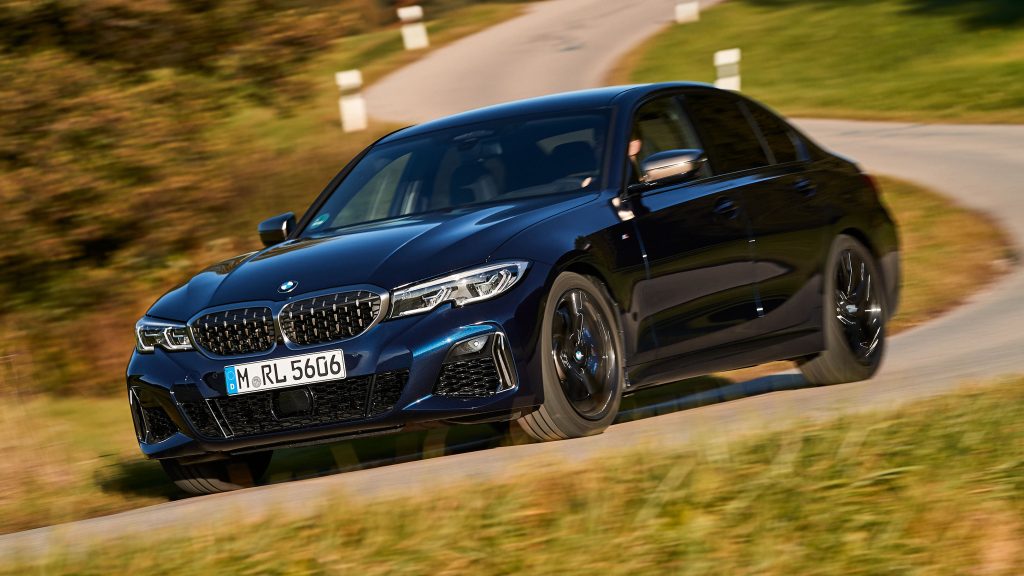
1. BMW M340i xDrive
Performance sedans often force buyers to choose between excitement and practicality. The BMW M340i xDrive proves that both qualities can exist in the same package.
Sitting just below the full M3 in BMW’s lineup, this sport sedan delivers exceptional acceleration, refined everyday comfort, and one of the most respected modern engines the company has produced.
The heart of its appeal is BMW’s turbocharged 3.0-liter B58 inline-six engine. Since its introduction, the B58 has gained an excellent reputation for combining smooth power delivery with impressive durability.
Mechanics frequently praise its robust internal design, while owners appreciate that it has avoided many of the serious issues associated with several earlier BMW turbocharged engines.
Acceleration feels immediate thanks to the mild hybrid system and responsive eight-speed automatic transmission. Power arrives effortlessly, making highway merging and passing nearly effortless.
The xDrive all-wheel-drive system further improves confidence by providing secure traction during rain, snow, or spirited driving on winding roads.
Beyond performance, the cabin reflects BMW’s attention to detail. High-quality materials, supportive sport seats, and a user-friendly infotainment system create an environment suitable for both long-distance travel and everyday commuting.
Rear-seat space is also generous enough to serve as a practical family sedan without sacrificing driving enjoyment.
Maintenance costs remain higher than those of mainstream sedans, but they are relatively manageable within the luxury segment when regular servicing is performed. Parts availability is excellent, and independent BMW specialists are familiar with the platform, helping owners avoid excessive repair expenses.
Resale values also remain strong because demand for six-cylinder BMW sport sedans continues to be high. Enthusiasts value the combination of reliable engineering and rewarding driving characteristics, making well-maintained examples particularly desirable in the used market.
For buyers wanting genuine BMW performance without stepping into the significantly higher ownership costs associated with full M models, the M340i xDrive represents one of the company’s most balanced and rewarding choices.
Specifications
- Engine: 3.0-liter turbocharged inline-six with 48-volt mild hybrid
- Torque: 369 lb-ft
- Horsepower: 382 hp
- Length/Width: 185.9 inches / 71.9 inches
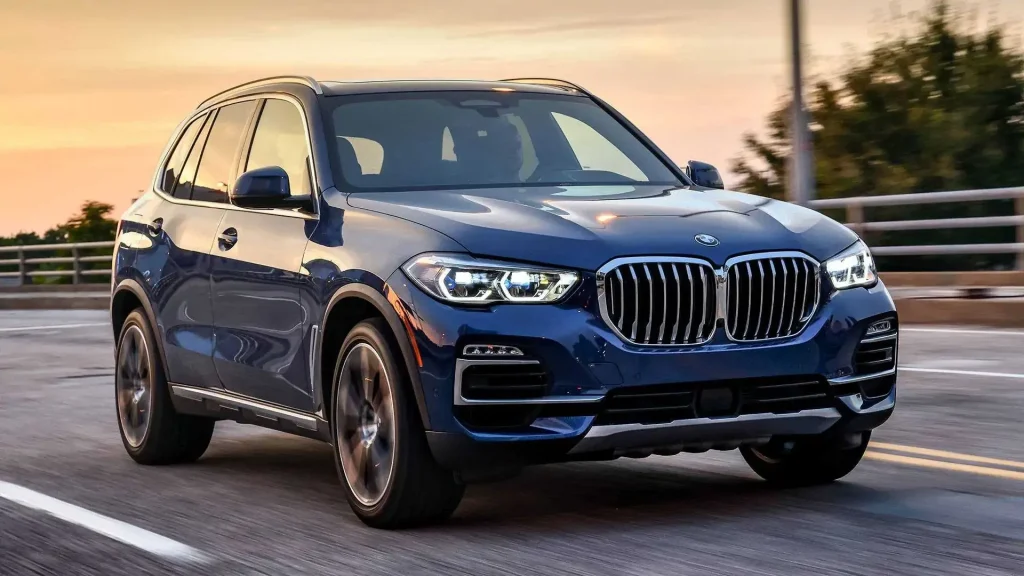
2. BMW X5 xDrive40i
Luxury SUVs frequently promise versatility, but few deliver such a convincing balance of comfort, performance, technology, and long-term satisfaction as the BMW X5 xDrive40i. Rather than chasing extreme horsepower figures or flashy styling, this midsize SUV succeeds by refining nearly every aspect of daily ownership.
Its biggest advantage begins under the hood with the same highly regarded 3.0-liter B58 turbocharged inline-six engine found in several of BMW’s strongest modern products. In the X5, this engine feels effortlessly capable, producing smooth acceleration while maintaining impressive refinement during relaxed highway cruising.
The eight-speed automatic transmission shifts with remarkable precision, making the SUV feel lighter than its size suggests.
Inside, the X5 creates an atmosphere that immediately communicates premium craftsmanship. Soft-touch materials, supportive seating, and careful attention to fit and finish give the cabin lasting appeal.
Unlike some luxury SUVs that rely heavily on visual gimmicks, the X5 focuses on functionality, offering generous passenger room, excellent outward visibility, and practical cargo capacity for families or frequent travelers.
Ride quality deserves equal recognition. Adaptive suspension tuning allows the vehicle to remain composed over broken pavement while still providing the responsive steering expected from a BMW.
This balance helps distinguish the X5 from competitors that either prioritize comfort at the expense of handling or become unnecessarily firm.
Owners also benefit from strong resale values and a mature platform that has steadily improved through successive updates. Routine maintenance remains essential, but the B58-powered X5 has earned a noticeably stronger reliability reputation than several earlier BMW SUVs equipped with more complicated engines.
Safety technology is comprehensive, with advanced driver assistance systems available alongside modern infotainment features that remain intuitive rather than overwhelming. These technologies support daily driving without becoming distracting.
Buyers seeking one luxury SUV capable of handling commuting, family road trips, and occasional spirited driving often find the X5 xDrive40i checks every important box. It captures the essence of what many expect from BMW while avoiding many of the reliability concerns associated with older generations.
Specifications
- Engine: 3.0-liter turbocharged inline-six with 48-volt mild hybrid
- Torque: 398 lb-ft
- Horsepower: 375 hp
- Length/Width: 194.2 inches / 78.9 inches
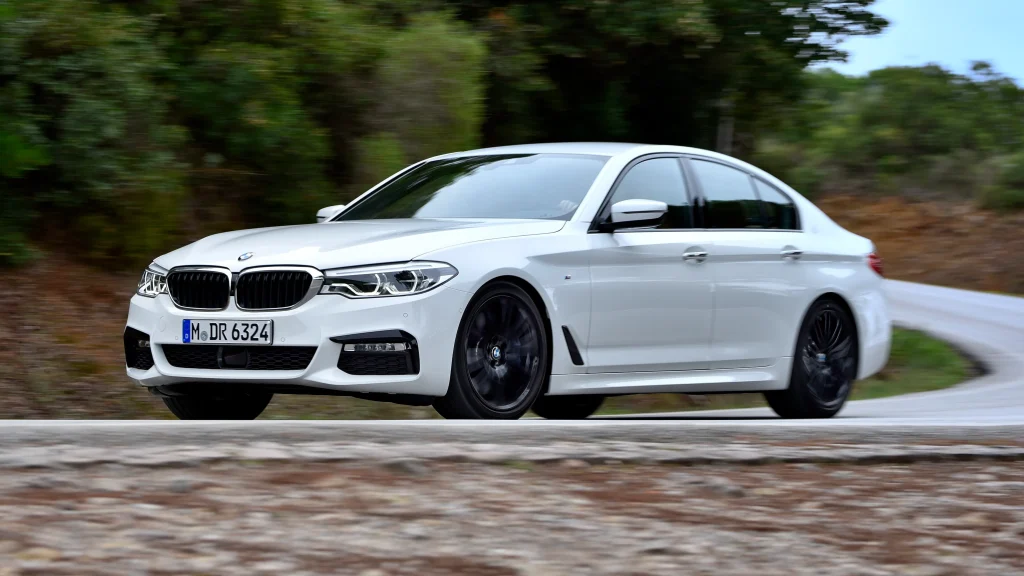
3. BMW 540i (G30)
Luxury sedans often become difficult recommendations once they accumulate mileage because repair costs begin to outweigh their comfort and prestige. The BMW 540i from the G30 generation breaks that pattern by combining executive-class refinement with one of BMW’s most dependable modern powertrains.
It is the kind of sedan that feels equally at home during a long interstate drive or a spirited run through winding back roads, making it a favorite among buyers who want luxury without sacrificing reliability.
Unlike many flagship sedans that rely on overly complex engine configurations, the 540i uses BMW’s proven 3.0-liter turbocharged B58 inline-six. The engine delivers effortless acceleration while remaining remarkably smooth at every speed.
It also benefits from years of engineering improvements that addressed many of the shortcomings found in earlier turbocharged BMW engines. Owners frequently report that routine maintenance goes a long way toward keeping the powertrain operating reliably well past six-figure mileage.
The G30 platform itself deserves much of the credit. BMW focused heavily on improving structural rigidity, ride comfort, cabin insulation, and technology integration.
As a result, the 540i feels composed over rough pavement while retaining the balanced steering and chassis control expected from the brand. Long highway journeys become relaxing rather than tiring, yet the car still responds eagerly when driven with enthusiasm.
The interior emphasizes timeless refinement through a clean and functional design. Premium leather, well-crafted controls, supportive seats, and one of BMW’s most user-friendly iDrive systems come together to create a cabin that remains comfortable and appealing for years.
Passenger space is generous in both rows, making the 540i practical for executives, families, and frequent travelers alike.
Another reason this model earns a place among BMW’s best purchases is depreciation. Used examples typically offer exceptional value because buyers receive many premium features without paying new-car prices.
Combined with respectable reliability, strong aftermarket support, and widespread availability of parts, ownership costs remain more manageable than many competing luxury sedans.
The 540i represents the type of BMW that quietly excels in nearly every category. It may not attract attention like an M5, but its balanced engineering, refined character, and dependable drivetrain make it one of the smartest luxury sedan purchases available.
Specifications
- Engine: 3.0-liter turbocharged inline-six (B58)
- Torque: 332 lb-ft
- Horsepower: 335 hp
- Length/Width: 195.4 inches / 73.5 inches
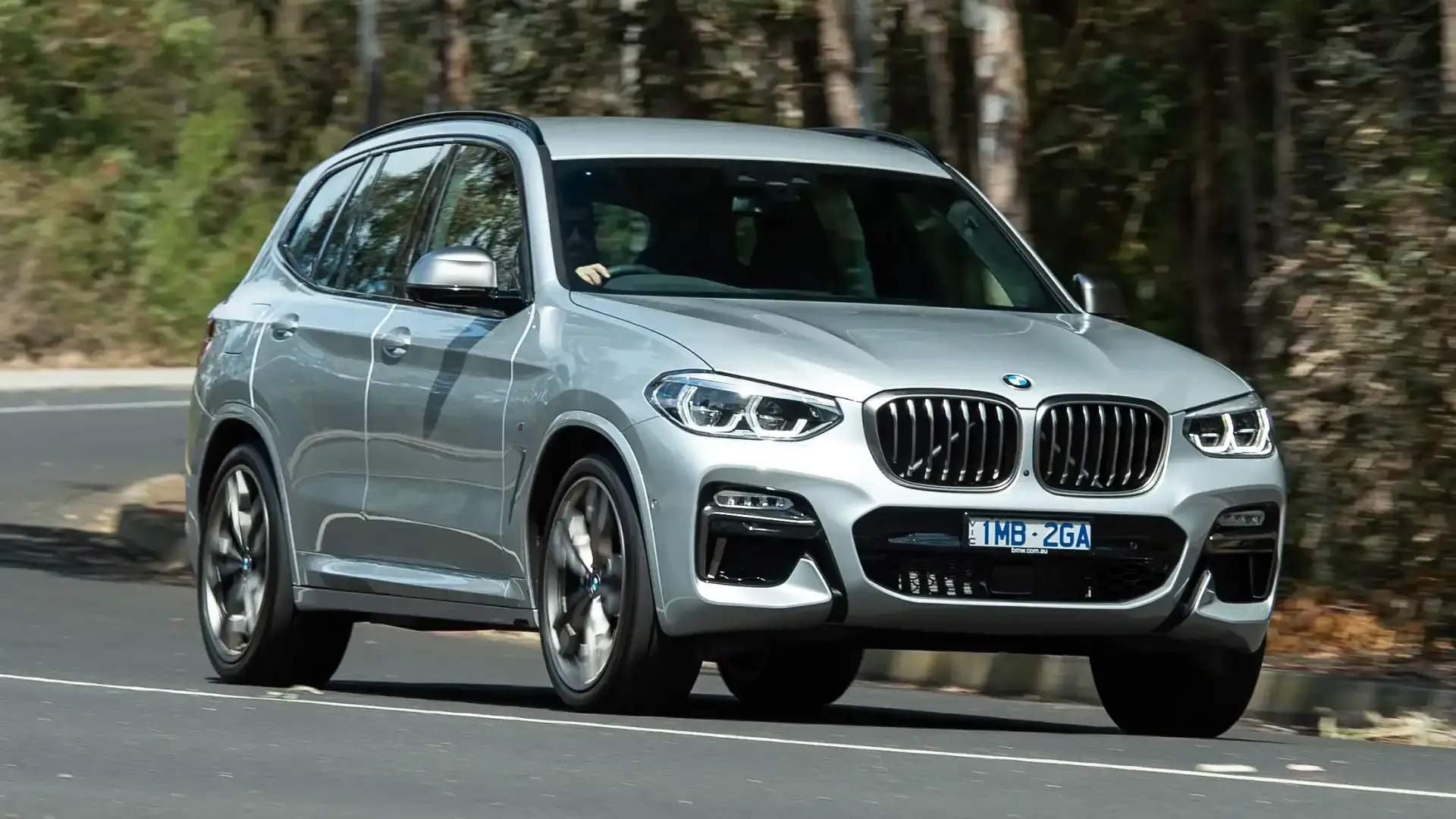
4. BMW X3 M40i
Compact luxury SUVs have become one of the most competitive segments in the automotive market, yet few manage to satisfy drivers looking for genuine performance alongside everyday usability.
The BMW X3 M40i succeeds because it avoids unnecessary compromises. It delivers sports sedan levels of acceleration while maintaining the practicality expected from a family SUV.
At its core is BMW’s celebrated B58 turbocharged inline-six engine, an engine that continues to receive praise for both performance and durability.
Power is delivered smoothly and responds quickly without feeling excessive. The eight-speed automatic transmission also selects gears with precision, providing seamless performance whether driving through city streets or merging onto the highway.
The xDrive all-wheel-drive system further enhances confidence by distributing power effectively across varying road conditions.
Handling is another area where the X3 M40i separates itself from much of the competition. Body roll remains well controlled, steering is accurate, and the suspension strikes a thoughtful balance between athletic capability and ride comfort.
Instead of feeling like a tall crossover, the vehicle responds with the composure of a much smaller performance car.
Practicality has not been sacrificed in pursuit of speed. The rear seats comfortably accommodate adults, cargo capacity is generous for weekend trips or daily errands, and the cabin includes numerous storage solutions that improve everyday convenience.
Premium materials throughout the interior reinforce the vehicle’s luxury credentials without appearing overly flashy.
Technology also contributes to the ownership experience. BMW’s infotainment system remains among the easiest in the premium segment to operate, while optional driver assistance features provide additional confidence during longer journeys. The digital displays are clear, responsive, and logically organized, reducing distractions behind the wheel.
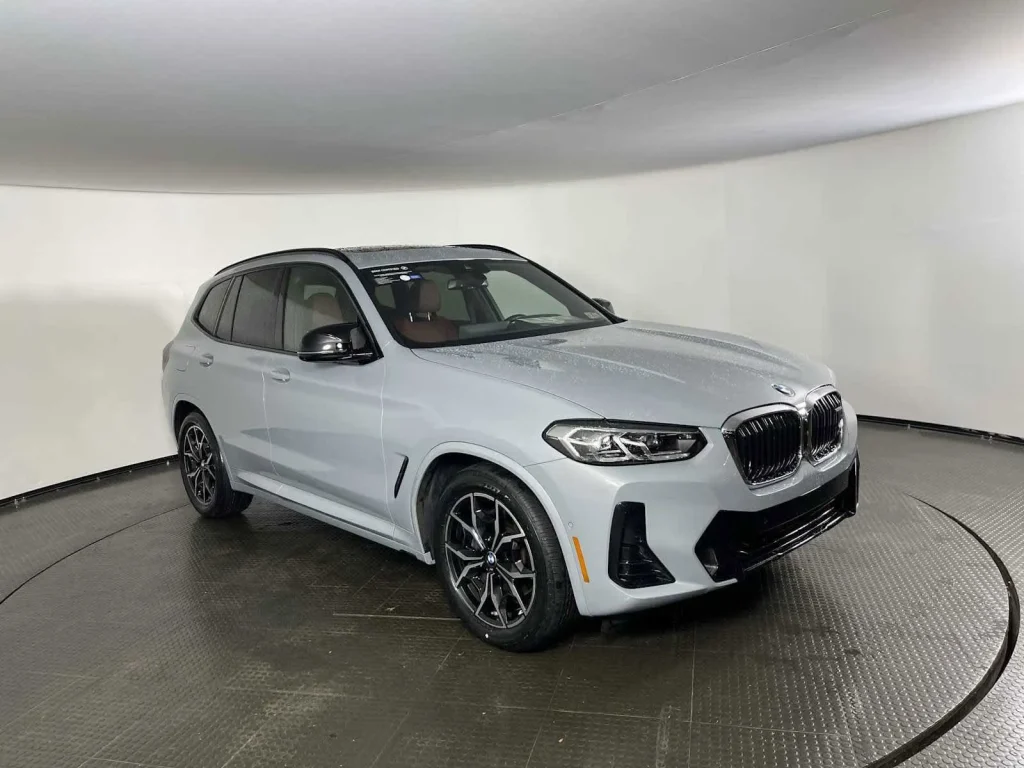
Maintenance expectations are naturally higher than those of a mainstream SUV, but the B58 engine’s solid reliability record helps reduce the likelihood of major mechanical surprises. Independent BMW specialists are also familiar with the platform, helping owners manage servicing costs more effectively once factory warranty coverage ends.
For buyers unwilling to choose between practicality and driving enjoyment, the X3 M40i stands as one of BMW’s most complete modern vehicles. It delivers luxury, versatility, and rewarding performance in a package that has proven itself far more dependable than many earlier performance-oriented BMW SUVs.
Specifications
- Engine: 3.0-liter turbocharged inline-six (B58)
- Torque: 369 lb-ft
- Horsepower: 382 hp
- Length/Width: 185.9 inches / 74.7 inches
5. BMW Z4 M40i
Not every BMW needs four doors or a large cargo area to justify its place on a buyer’s shortlist. The Z4 M40i proves that a modern roadster can still deliver everyday usability while capturing the driving enjoyment that helped establish BMW’s reputation decades ago.
Rather than being a weekend toy that spends most of its life in the garage, this convertible is refined enough to serve as a daily driver while remaining thrilling whenever the road begins to twist.
The foundation of its appeal is once again the outstanding 3.0-liter turbocharged B58 inline-six. In the lighter Z4 chassis, the engine feels exceptionally responsive, producing strong acceleration accompanied by a smooth and distinctive exhaust note.
The eight-speed automatic transmission complements the powertrain perfectly, delivering crisp shifts in spirited driving while remaining almost imperceptible during relaxed cruising.
The Z4’s balanced rear-wheel-drive platform gives drivers confidence through corners without feeling intimidating. Steering inputs are precise, body control is excellent, and the suspension absorbs imperfections better than many sports cars that prioritize stiffness over comfort.
This combination makes the Z4 equally enjoyable on scenic highways and during everyday commuting.
Despite its compact dimensions, the cabin feels open and thoughtfully designed. Supportive seats keep occupants comfortable during spirited driving, while the logically arranged controls and intuitive infotainment system make the driving experience both engaging and easy to use.
Wind noise is well managed with the soft top raised, allowing comfortable long-distance travel in varying weather conditions.
Reliability is another reason the Z4 M40i earns a recommendation. Sharing the proven B58 engine with several other successful BMW models gives buyers confidence that the powertrain has already demonstrated excellent durability.
Routine maintenance remains essential, but major mechanical failures have been relatively uncommon compared with earlier generations of BMW sports cars.
Resale values have also remained healthy because demand continues among enthusiasts seeking a premium roadster with modern technology and dependable engineering.
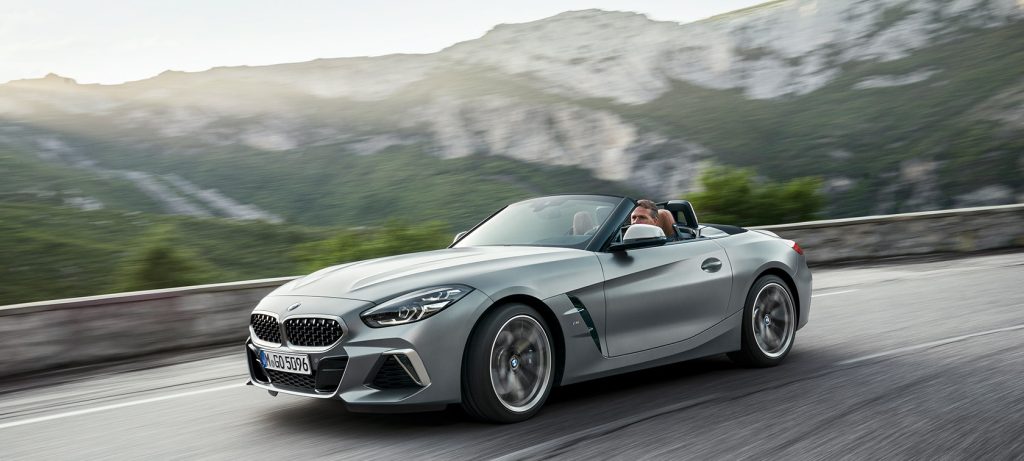
Buyers receive a sports car capable of delivering excitement without accepting the unpredictable ownership experience sometimes associated with high-performance convertibles.
For drivers wanting a BMW that celebrates the brand’s sporting heritage while benefiting from today’s engineering improvements, the Z4 M40i stands among the finest choices currently available.
Specifications
- Engine: 3.0-liter turbocharged inline-six (B58)
- Torque: 369 lb-ft
- Horsepower: 382 hp
- Length/Width: 170.7 inches / 73.4 inches
5 BMW Models to Avoid
1. BMW 550i (F10)
At first glance, the F10-generation BMW 550i appears to offer tremendous value. It combines elegant styling, a luxurious cabin, and the impressive performance expected from a twin-turbocharged V8 sedan.
Unfortunately, beneath those attractive qualities lies one of BMW’s more expensive ownership experiences, particularly for buyers considering higher-mileage examples.
The primary concern centers on the 4.4-liter twin-turbocharged N63 V8 engine. While exceptionally powerful, this engine has developed a reputation for numerous reliability challenges.
Owners have reported issues involving excessive oil consumption, timing chain wear, valve stem seals, fuel injectors, turbocharger components, and cooling system failures. Addressing several of these problems can require extensive labor because of the engine’s compact packaging.
Heat management has also proven difficult. The engine generates significant temperatures, placing additional stress on surrounding components over time. Rubber hoses, seals, and plastic cooling parts may deteriorate faster than expected, increasing the likelihood of costly repairs as the vehicle ages.
Beyond the engine, the 550i contains sophisticated electronic systems that can become expensive to diagnose once warranty coverage expires. Air conditioning components, suspension electronics, and various control modules add further complexity to long-term ownership.
Driving the 550i remains genuinely enjoyable. Acceleration is effortless, highway comfort is excellent, and the chassis delivers the composed handling expected from BMW.
Unfortunately, those strengths often become overshadowed by maintenance expenses that can accumulate rapidly if preventative servicing has been neglected by previous owners.
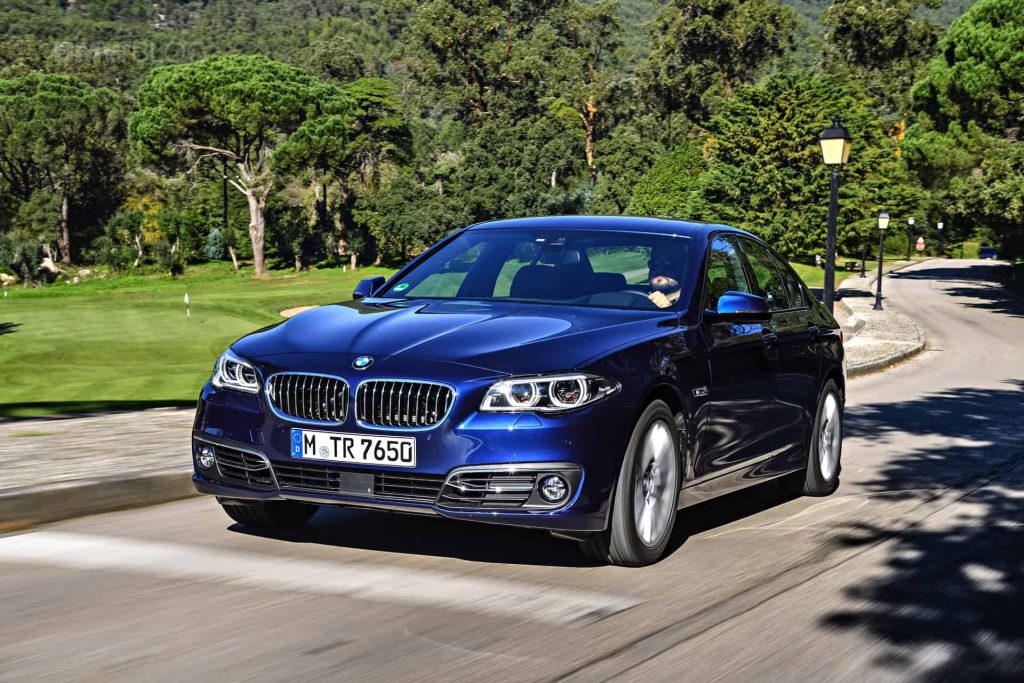
Depreciation has made used examples appear tempting because purchase prices frequently seem low compared with their original cost.
However, that affordability can be misleading. Buyers should remember that repair costs remain those of a premium V8 luxury sedan regardless of how inexpensive the vehicle has become on the used market.
Unless there is complete documentation confirming extensive preventative maintenance and major repairs have already been completed, the F10 550i carries financial risks that many buyers would be better avoiding.
Specifications
- Engine: 4.4-liter twin-turbocharged V8 (N63)
- Torque: 450 lb-ft
- Horsepower: 445 hp
- Length/Width: 193.1 inches / 73.2 inches
2. BMW X5 xDrive50i (E70)
The E70-generation BMW X5 xDrive50i delivers impressive V8 performance and a luxurious cabin, but it has earned a reputation for expensive mechanical problems that can quickly outweigh its strengths.
Powered by the twin-turbocharged 4.4-liter N63 V8, this SUV is susceptible to many of the same issues that affected other early N63-equipped BMWs.
Owners frequently report excessive oil consumption, leaking valve stem seals, failing fuel injectors, timing chain wear, and cooling system failures. Because the engine is tightly packaged, labor costs for even routine repairs can be substantial.
The SUV also contains numerous electronic features that become more troublesome as the vehicle ages. Air suspension components, electrical modules, and complex comfort systems may require costly attention after high mileage.
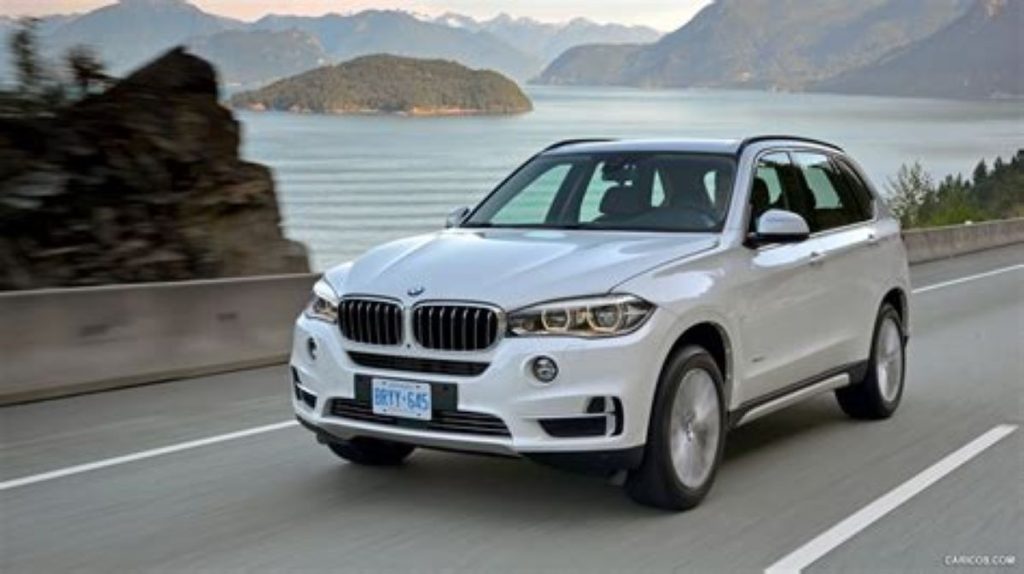
Although the X5 remains comfortable, spacious, and enjoyable to drive, repair bills often surprise second or third owners who purchased the vehicle at an attractive used price. Buyers seeking a dependable luxury SUV will generally have a better ownership experience with the six-cylinder X5 xDrive40i instead.
Specifications
- Engine: 4.4-liter twin-turbocharged V8 (N63)
- Torque: 450 lb-ft
- Horsepower: 400 hp
- Length/Width: 191.1 inches / 76.1 inches
3. BMW 335i (E90) with N54 Engine
The E90 BMW 335i remains one of the most exciting sport sedans of its era, but excitement often comes with expensive ownership responsibilities.
Its twin-turbocharged 3.0-liter N54 inline-six delivers outstanding tuning potential and rapid acceleration, making it popular among enthusiasts. Unfortunately, the engine has become equally well known for recurring reliability concerns.
Common issues include high-pressure fuel pump failures, leaking fuel injectors, turbocharger wastegate rattle, carbon buildup on intake valves, water pump failures, and oil leaks from multiple seals and gaskets.
While many of these repairs are manageable individually, they can become financially draining when several occur within a short period.
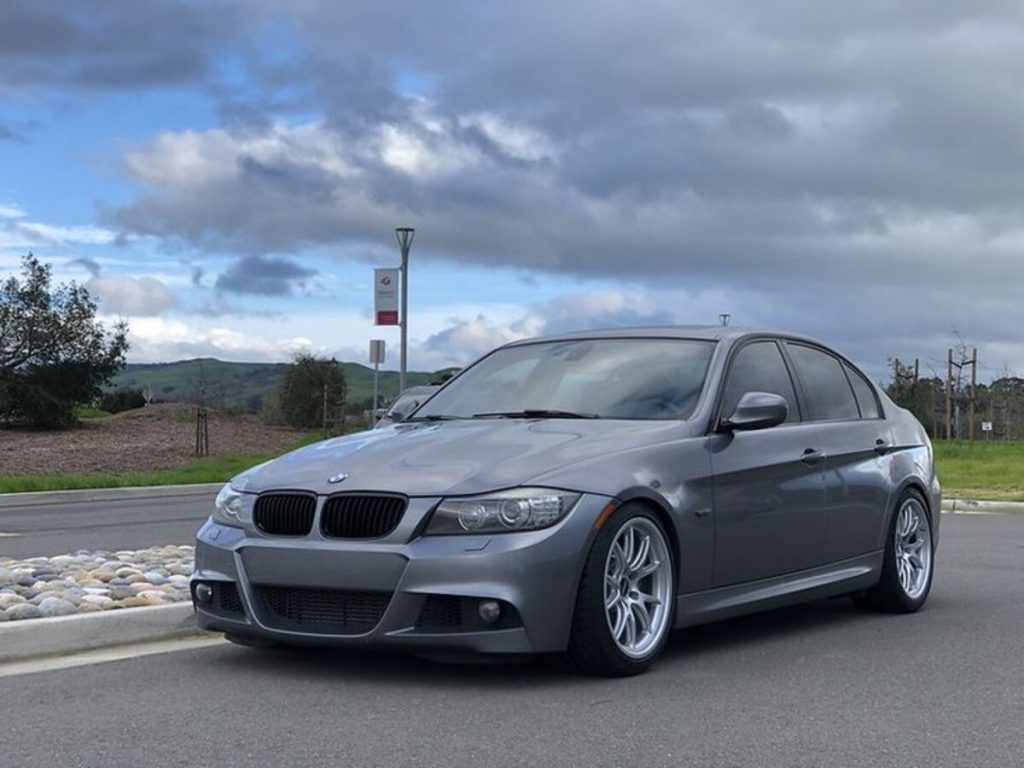
A carefully maintained example with documented repairs can still provide rewarding performance, but buyers should budget for ongoing maintenance rather than expecting inexpensive ownership.
Those wanting similar driving enjoyment with improved reliability are usually better served by later B58-powered BMW models.
Specifications
- Engine: 3.0-liter twin-turbocharged inline-six (N54)
- Torque: 300 lb-ft
- Horsepower: 300 hp
- Length/Width: 178.2 inches / 71.5 inches
4. BMW 750Li (F01)
Luxury reaches impressive levels in the F01 BMW 750Li, but so do maintenance costs. Packed with premium materials, advanced electronics, and a powerful twin-turbocharged V8, this flagship sedan offers exceptional comfort. Unfortunately, its long list of sophisticated systems increases the likelihood of expensive repairs as the vehicle ages.
The N63 V8 engine has a history of oil consumption, timing chain wear, injector problems, and cooling system failures. Beyond the engine, adaptive suspension components, electronic driver assistance features, infotainment hardware, and climate control systems can require costly repairs once warranty coverage ends.
Parts are expensive, and labor costs remain high because many repairs involve extensive disassembly.
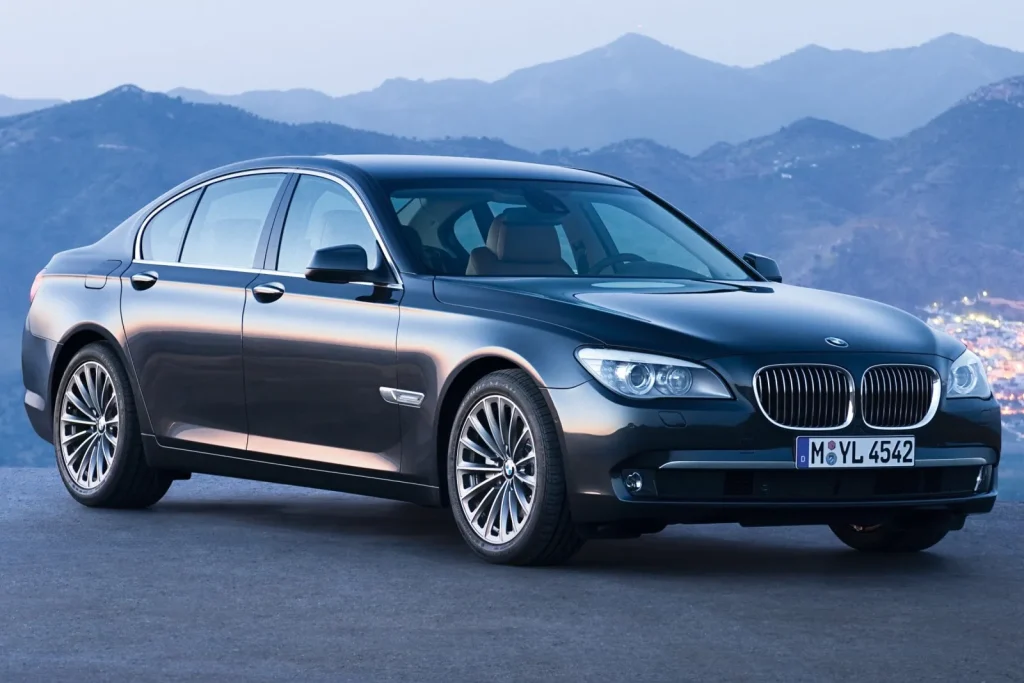
While depreciation makes the 750Li appear affordable on the used market, ownership expenses often remain comparable to those of a much newer luxury vehicle. Unless buyers have a generous maintenance budget and complete service documentation, this flagship sedan can quickly become a financial burden.
Specifications
- Engine: 4.4-liter twin-turbocharged V8 (N63)
- Torque: 450 lb-ft
- Horsepower: 445 hp
- Length/Width: 205.3 inches / 74.9 inches
5. BMW 650i (F12/F13)
The BMW 650i Coupe and Convertible combine elegant styling with strong V8 performance, but they inherit many of the reliability concerns associated with the early N63 engine.
The 4.4-liter twin-turbocharged V8 delivers effortless acceleration, yet owners have frequently encountered problems involving timing chains, oil consumption, turbocharger components, cooling systems, and fuel injectors.
Because the 6 Series was designed as a premium grand tourer, replacement parts and specialized repairs are rarely inexpensive.
The retractable roof on convertible models also introduces additional mechanical and electrical components that may require attention as the vehicle ages. Suspension and electronic systems further increase ownership costs after high mileage.
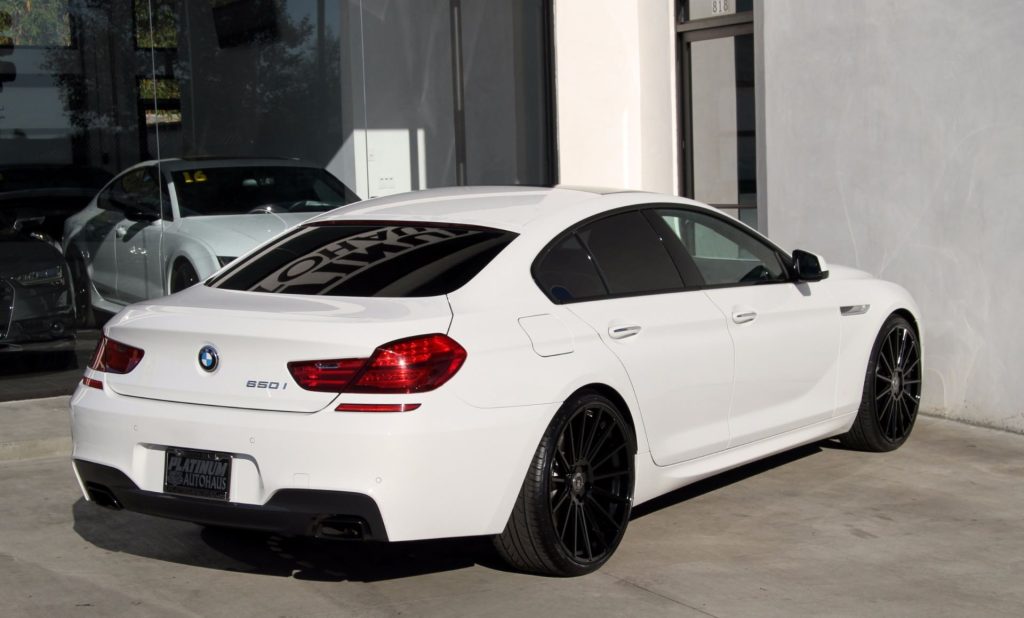
Despite its attractive design and luxurious interior, the 650i demands careful inspection before purchase. Buyers looking for a stylish BMW grand tourer with lower long-term risk are generally better served by six-cylinder alternatives that offer proven reliability while still delivering satisfying performance.
Specifications
- Engine: 4.4-liter twin-turbocharged V8 (N63)
- Torque: 450 lb-ft
- Horsepower: 445 hp
- Length/Width: 192.8 inches / 74.6 inches
Also Read: 10 Most Dominant Cars In Formula 1 History
