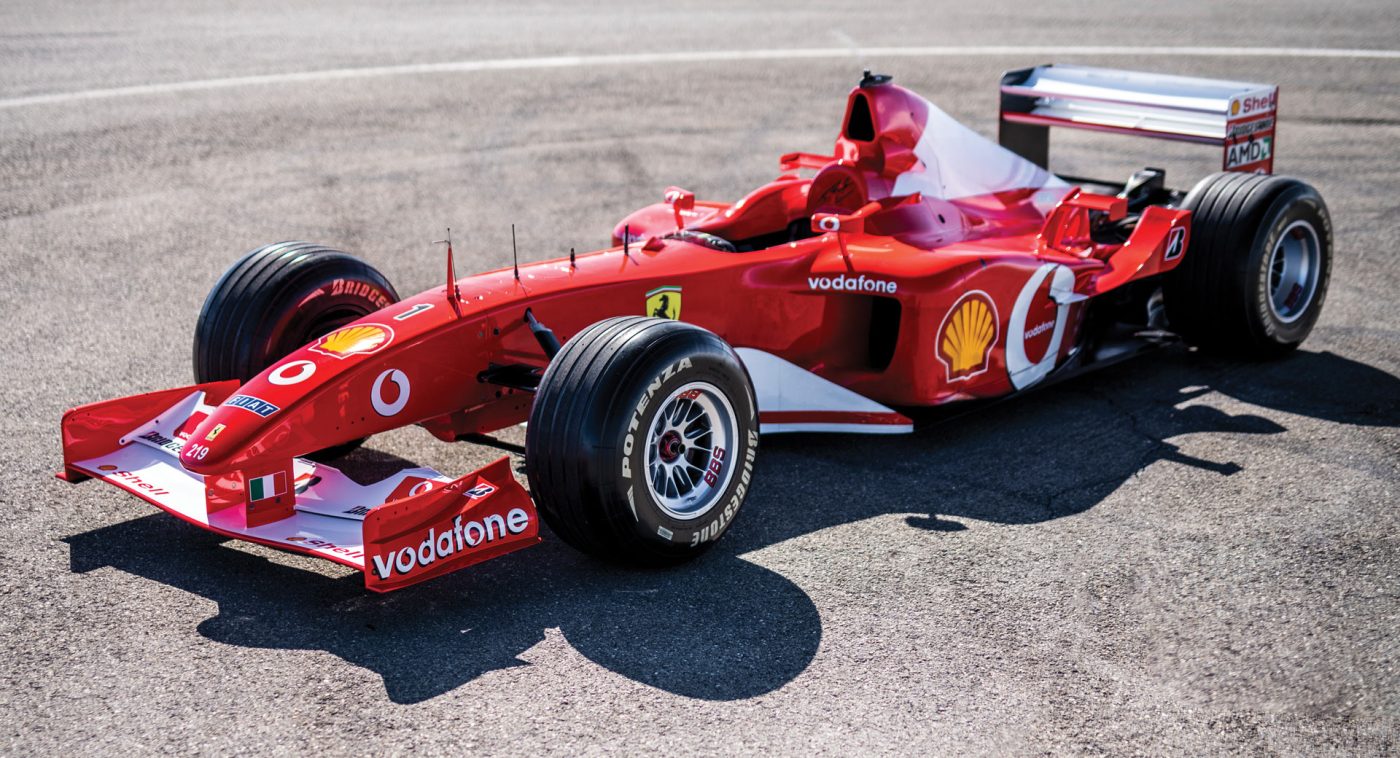
Formula 1 has produced countless legendary race cars, but only a select few have achieved true dominance. These machines did more than win races. They transformed entire seasons, shattered records, and forced rival teams to rethink their engineering philosophies.
Whether powered by naturally aspirated V10 engines, screaming turbocharged V6 hybrids, or iconic V8 powerplants, the greatest Formula 1 cars combined aerodynamic brilliance, exceptional reliability, and extraordinary performance to become nearly unbeatable.
Dominance in Formula 1 is measured by much more than outright speed. The finest cars consistently qualified on pole position, controlled races from start to finish, adapted to different circuits, and remained dependable throughout demanding championship campaigns.
Many also introduced groundbreaking technologies that influenced future generations of race cars, proving their superiority long after their competitive careers ended.
While regulations have changed dramatically since the championship began in 1950, every era has produced one or two standout machines capable of redefining what was considered possible.
Some secured nearly every victory in a season, while others helped their drivers achieve historic championship records that still stand today. Their success came through relentless engineering, talented drivers, and teams operating at the highest level of motorsport.
The following ten Formula 1 cars represent some of the most dominant machines ever built. Each earned its place through remarkable race performances, championship success, technical innovation, and an ability to outperform the competition with astonishing consistency across an entire Formula 1 season.
Also Read: 10 Tools To Fix Scratches On Cars
1. McLaren MP4/4 (1988)
Few racing cars have ever rewritten the record books as convincingly as the McLaren MP4/4. Designed by Steve Nichols with significant technical input from Gordon Murray, the car became the defining machine of the 1988 Formula 1 season.
Powered by Honda’s turbocharged V6 engine and driven by Ayrton Senna and Alain Prost, the MP4/4 claimed victory in 15 of the season’s 16 Grands Prix, a level of superiority that remained unmatched for decades.
Its dominance came from the perfect balance of power, aerodynamics, chassis design, and reliability. The car featured a remarkably low seating position that reduced frontal area, improving airflow and increasing straight-line speed.
Combined with Honda’s immensely powerful and fuel-efficient RA168E turbo engine, the MP4/4 excelled at virtually every circuit on the calendar. Whether racing on fast tracks like Monza or technical venues such as Monaco, it consistently delivered race-winning pace.
The pairing of Senna and Prost created one of Formula 1’s greatest driver rivalries, yet both competitors extracted extraordinary performance from the same machine. Together, they secured every pole position except one and accumulated points at an astonishing rate throughout the championship.
Rival teams simply could not match McLaren’s combination of engineering excellence and flawless execution.
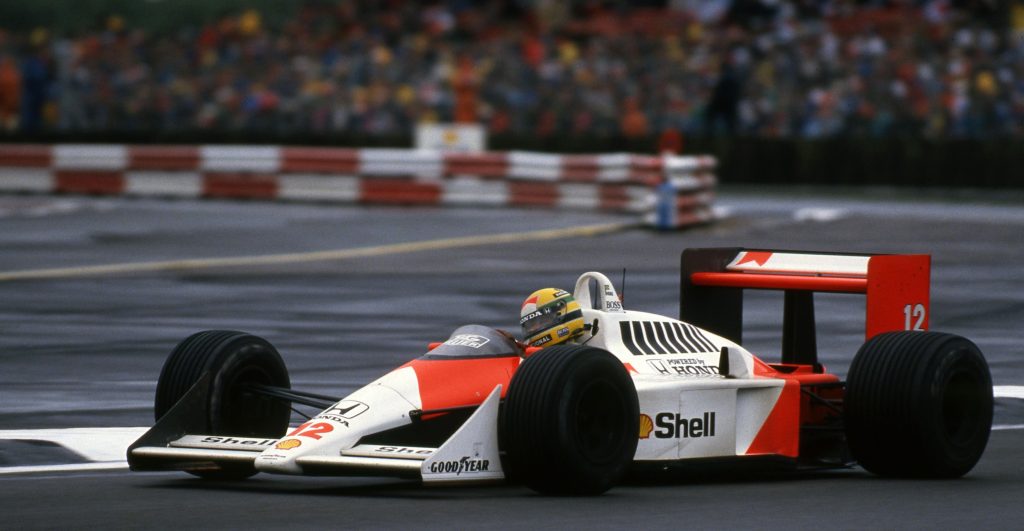
Even decades later, the MP4/4 remains the benchmark against which dominant Formula 1 cars are measured. Its incredible winning percentage, championship success, and enduring legacy have secured its reputation as one of the greatest racing machines ever produced.
Specifications
- Engine: 1.5-liter Honda RA168E Turbocharged V6
- Torque: Approximately 420 lb-ft
- Horsepower: Approximately 675 to 700 hp (race trim)
- Length/Width: 174.8 in / 84.6 in
2. Mercedes F1 W11 EQ Performance (2020)
The Mercedes F1 W11 represented the peak of the turbo hybrid era and is widely regarded as one of the fastest Formula 1 cars ever built. Competing during the shortened 2020 season, the W11 combined extraordinary straight-line speed with remarkable cornering ability and exceptional reliability.
Lewis Hamilton and Valtteri Bottas used the car to dominate the championship, winning 13 of the 17 races while frequently qualifying several tenths of a second ahead of the competition.
Much of its advantage came from Mercedes’ relentless pursuit of aerodynamic efficiency and mechanical refinement.
The innovative Dual Axis Steering system allowed drivers to adjust front wheel toe angles on straights, improving tire temperatures before corners while reducing drag during high-speed sections.
Although the technology was later prohibited, it demonstrated Mercedes’ willingness to push technical boundaries within the regulations.
The W11 also featured one of the most efficient hybrid power units ever developed. Its acceleration out of corners, top-end speed, and energy recovery capabilities consistently placed it ahead of rival manufacturers.
Combined with an exceptionally stable chassis, the car allowed drivers to attack aggressively while maintaining outstanding tire management across long race distances.
Engineers frequently described the W11 as a machine with very few weaknesses. It excelled on high-speed circuits, technical layouts, and street tracks alike, adapting to changing conditions with remarkable consistency.
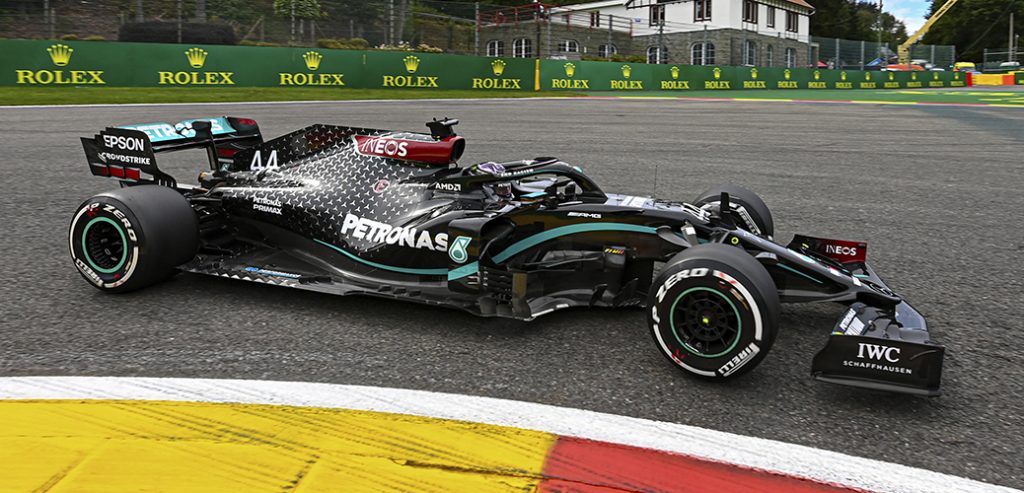
The combination of cutting-edge engineering, relentless development, and world-class execution established the Mercedes W11 as one of the most dominant Formula 1 cars in the championship’s long and distinguished history.
Specifications
- Engine: 1.6-liter Turbocharged Hybrid V6
- Torque: Approximately 590 lb-ft (combined system)
- Horsepower: Approximately 1,025 hp
- Length/Width: 221.0 in / 78.7 in
3. Red Bull RB19 (2023)
The Red Bull RB19 will be remembered as one of the most complete Formula 1 cars ever created.
Designed under the technical leadership of Adrian Newey, the RB19 combined extraordinary aerodynamic efficiency, exceptional tire management, and impressive straight-line speed into a package that left its rivals struggling throughout the 2023 season.
Driven by Max Verstappen and Sergio Pérez, the car won 21 of the 22 Grands Prix, establishing one of the highest winning percentages in Formula 1 history.
The RB19 stood out by excelling across every performance category instead of depending on a single dominant strength. It produced exceptional downforce without compromising straight-line speed, enabling Verstappen to build commanding gaps on circuits with very different characteristics.
From the fast corners of Suzuka to the long straights of Monza and the technical sections of Singapore, the RB19 consistently ranked among the quickest cars on the grid.
One of its greatest qualities was tire preservation. While competitors often struggled with overheating or excessive degradation, the RB19 remained gentle on its tires during long race stints.
This allowed Red Bull to extend strategies, attack late in races, and maintain competitive lap times even as fuel loads changed. Combined with a highly efficient Honda Red Bull Powertrains hybrid engine, the package proved almost impossible to defeat.
The team’s operational excellence further amplified the car’s performance. Fast pit stops, effective race strategy, and reliable mechanical components ensured that opportunities were rarely wasted.
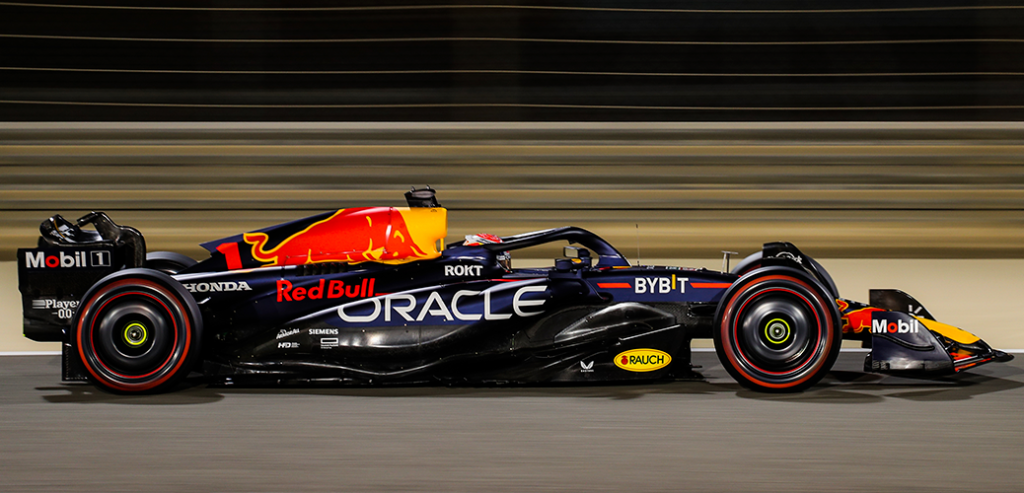
By the end of the season, the RB19 had secured multiple records while confirming its place among the greatest Formula 1 cars ever constructed. Its versatility, consistency, and overwhelming pace make it a modern benchmark for racing dominance.
Specifications
- Engine: 1.6-liter Turbocharged Hybrid V6 Honda RBPT
- Torque: Approximately 590 lb-ft (combined system)
- Horsepower: Approximately 1,000 hp
- Length/Width: 218.5 in / 78.7 in
4. Ferrari F2004 (2004)
Among Ferrari’s many championship-winning machines, the F2004 stands above nearly all of them. Built during the height of Michael Schumacher’s remarkable career, this Formula 1 car combined blistering speed with outstanding reliability and remarkable consistency.
Schumacher claimed 13 victories from 18 races during the 2004 season, while teammate Rubens Barrichello added two more wins, giving Ferrari an overwhelming advantage in both championships.
The heart of the F2004 was its naturally aspirated 3.0-liter V10 engine, celebrated for its breathtaking sound and impressive power delivery. Engineers paired it with an extremely compact chassis and sophisticated aerodynamics that allowed the car to perform exceptionally well on virtually every circuit.
Whether racing through Monaco’s narrow streets or attacking high-speed venues like Spa-Francorchamps, the Ferrari consistently demonstrated outstanding balance and predictable handling.
Reliability played an equally important role in its success. Formula 1 seasons demand far more than outright speed, and the F2004 repeatedly completed races without significant mechanical issues.
This allowed Ferrari to maximize championship points while many rivals suffered costly retirements. The team’s flawless pit work and race strategy further strengthened an already formidable package.
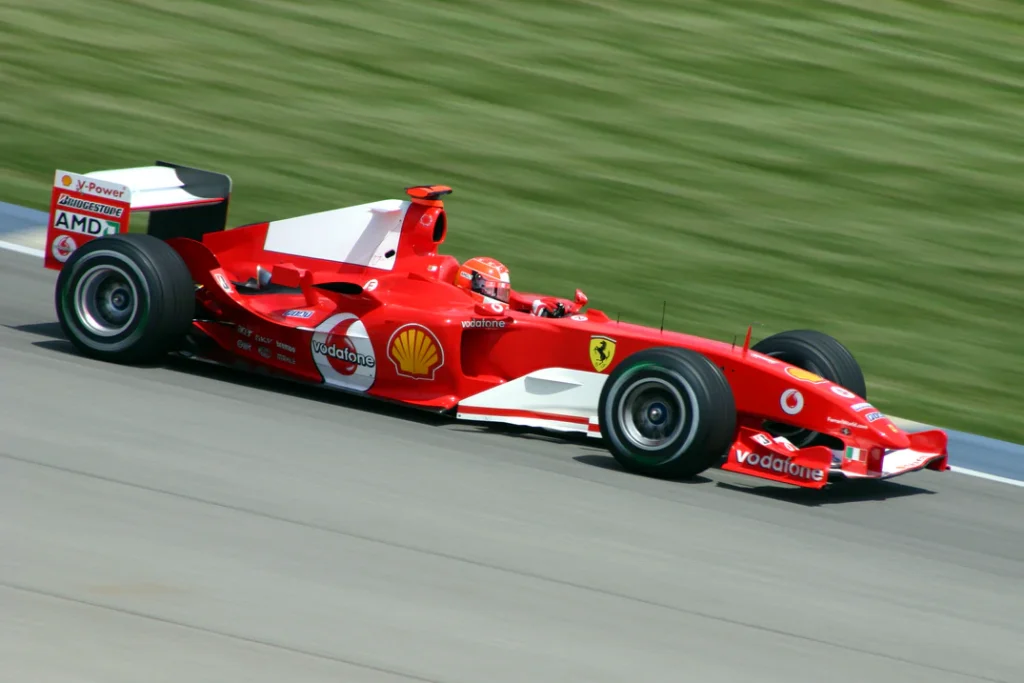
The F2004 also established several lap records that stood for many years before modern hybrid-era cars finally surpassed them. Even today, many Formula 1 enthusiasts consider it the ultimate V10-era machine because it perfectly blended raw speed, elegant engineering, and race-winning dependability.
Its achievements secured another Drivers’ Championship for Schumacher and reinforced Ferrari’s position as the dominant force of its generation.
Specifications
- Engine: 3.0-liter Naturally Aspirated V10
- Torque: Approximately 280 lb-ft
- Horsepower: Approximately 865 hp
- Length/Width: 179.5 in / 70.9 in
5. Williams FW14B (1992)
The Williams FW14B is often described as one of the most technologically advanced Formula 1 cars ever produced. At a time when electronics were rapidly transforming motorsport, Williams created a machine that blended engineering innovation with exceptional mechanical performance.
Driven by Nigel Mansell and Riccardo Patrese, the FW14B dominated the 1992 season, winning 10 of the 16 races and securing both the Drivers’ and Constructors’ Championships with remarkable authority.
Its greatest advantage came from a collection of groundbreaking technologies working together seamlessly.
The car featured active suspension that continuously adjusted ride height and chassis attitude, ensuring optimal aerodynamic performance throughout every lap.
It also incorporated traction control, semi-automatic transmission, and sophisticated electronic engine management systems that were well ahead of many competitors. These innovations allowed the FW14B to maintain exceptional grip and stability regardless of changing track conditions.
Power came from Renault’s naturally aspirated 3.5-liter V10, an engine celebrated for its smooth power delivery, strong reliability, and competitive output.
Combined with Adrian Newey’s aerodynamic expertise, the FW14B generated impressive downforce while remaining stable at high speeds. Mansell frequently qualified comfortably ahead of the field before controlling races from the opening lap.
The car’s influence extended far beyond its championship-winning season. Many of its electronic innovations inspired future Formula 1 development before later regulation changes restricted several technologies.
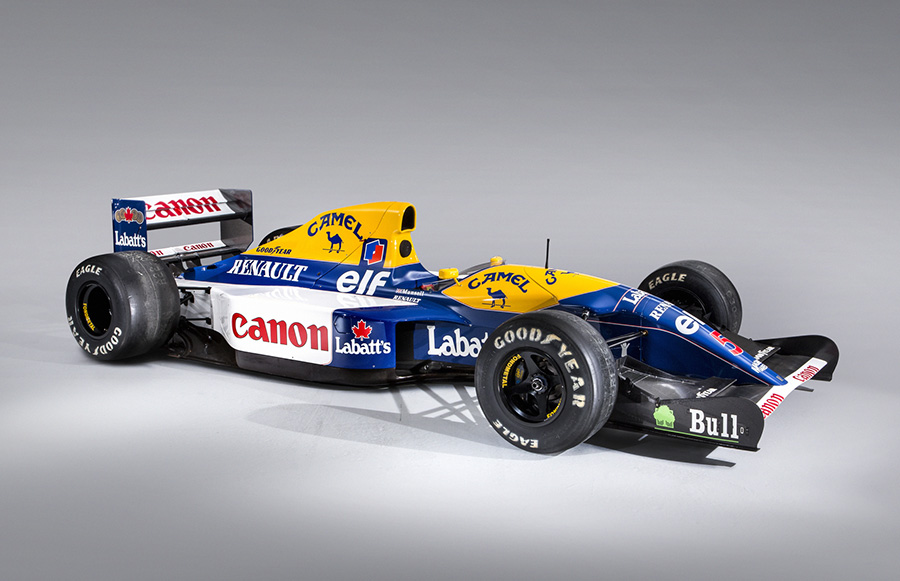
The FW14B demonstrated how intelligent engineering could transform a racing car into an almost unbeatable package.
Its combination of advanced electronics, aerodynamic efficiency, and dependable performance ensures it remains one of the most dominant Formula 1 machines ever to compete at the highest level.
Specifications
- Engine: 3.5-liter Renault RS3C Naturally Aspirated V10
- Torque: Approximately 295 lb-ft
- Horsepower: Approximately 760 hp
- Length/Width: 174.4 in / 84.6 in
6. Ferrari F2002
Following Ferrari’s success with earlier championship-winning cars, the F2002 upgraded the team’s performance to an even higher standard. Introduced during the 2002 Formula 1 season, it quickly established itself as the fastest and most reliable car on the grid.
Michael Schumacher captured 11 victories, while Rubens Barrichello added four more, enabling Ferrari to secure 15 wins from 17 Grands Prix and comfortably claim both world championships.
The F2002 achieved its dominance not by relying mainly on engine power but through the seamless integration of all its key components. Its lightweight titanium gearbox enhanced weight distribution and reliability, while the refined aerodynamic package provided strong stability through high-speed corners.
The naturally aspirated V10 engine produced impressive performance across the rev range, allowing Schumacher to accelerate smoothly out of slower corners before reaching exceptional top speeds on long straights.
Reliability became one of the F2002’s defining characteristics. Mechanical failures were extremely rare, enabling Ferrari to capitalize on nearly every competitive opportunity throughout the season.
This consistency allowed Schumacher to finish every race on the podium, an extraordinary achievement that highlighted the complete nature of the package.
The F2002 also influenced future Formula 1 engineering by demonstrating the benefits of integrating chassis, gearbox, aerodynamics, and engine development into a unified design philosophy.
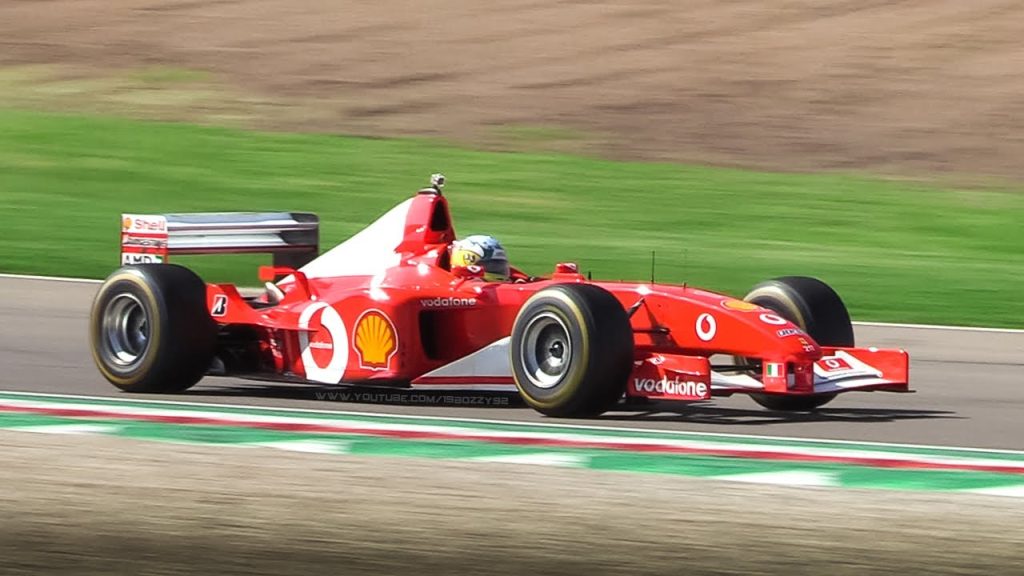
Rival teams spent several seasons attempting to close the gap Ferrari created during this era. Even after newer regulations arrived, the F2002 remained a symbol of technical excellence and race-winning consistency, securing its reputation as one of the most dominant Formula 1 cars ever built.
Specifications
- Engine: 3.0-liter Ferrari Tipo 051 Naturally Aspirated V10
- Torque: Approximately 275 lb-ft
- Horsepower: Approximately 835 hp
- Length/Width: 179.1 in / 70.9 in
7. Lotus 72 (1970)
When the Lotus 72 debuted in 1970, it did much more than win races. It transformed Formula 1 design for years to come.
Created by the legendary Colin Chapman and Maurice Philippe, the car introduced wedge-shaped aerodynamics, side-mounted radiators, and a cleaner airflow concept that permanently influenced Grand Prix engineering.
While many competitors still relied on older layouts, the Lotus 72 represented the future, combining innovation with exceptional race-winning speed.
Its competitive lifespan was equally remarkable. Unlike many Formula 1 cars that remain competitive for only a single season, the Lotus 72 continued winning races from 1970 through 1975.
During that period, it secured multiple Drivers’ Championships and Constructors’ Championships with drivers including Jochen Rindt, Emerson Fittipaldi, and Ronnie Peterson. Few racing cars have remained at the front of the field for so many consecutive seasons while adapting to evolving competition.
The chassis provided outstanding balance, allowing drivers to attack corners with confidence while maintaining excellent stability under braking. Powered by the dependable Ford Cosworth DFV V8, the Lotus 72 combined strong acceleration with impressive reliability, an essential ingredient in championship success.
The car’s lightweight construction also contributed to its agility, making it competitive on both high-speed circuits and technical layouts.
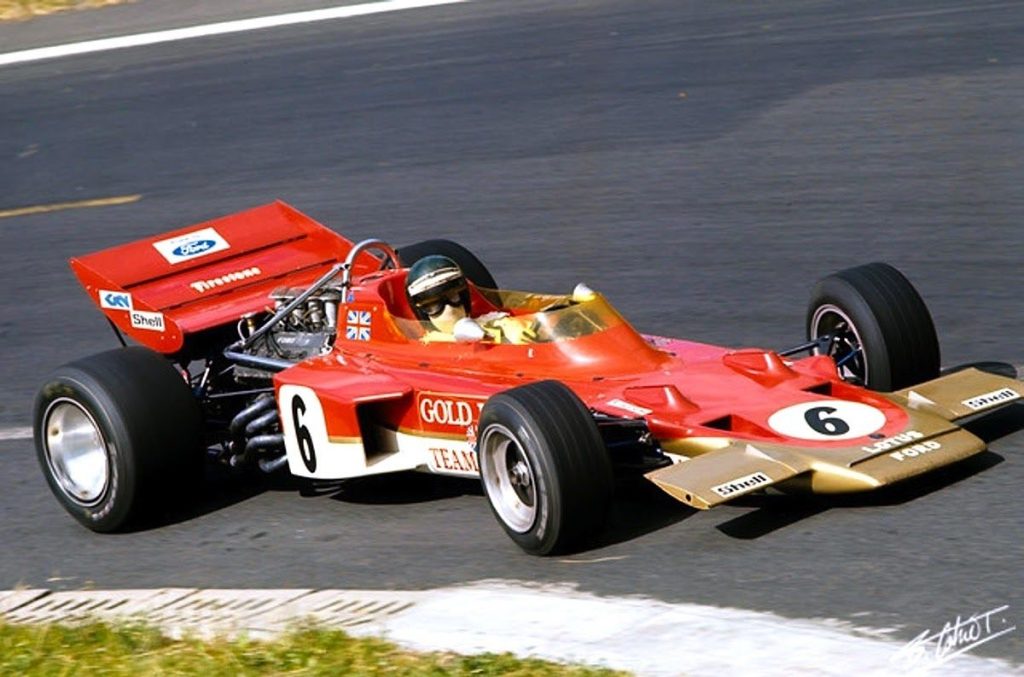
Beyond statistics, the Lotus 72 changed the direction of Formula 1 engineering. Concepts first introduced on this car quickly became industry standards as rival teams adopted similar aerodynamic solutions.
Its influence stretched far beyond its victories, shaping the appearance and design philosophy of Formula 1 for the next generation. Few cars can claim such lasting importance while also achieving sustained championship-winning success.
Specifications
- Engine: 3.0-liter Ford Cosworth DFV Naturally Aspirated V8
- Torque: Approximately 240 lb-ft
- Horsepower: Approximately 430 hp
- Length/Width: 161.4 in / 84.0 in
8. Mercedes F1 W07 Hybrid (2016)
The Mercedes F1 W07 Hybrid marked the peak of Mercedes’ early turbo hybrid dominance and produced one of the most successful Formula 1 seasons ever recorded.
Piloted by Lewis Hamilton and Nico Rosberg, the W07 won 19 of the 21 races held during the 2016 championship, establishing a level of consistency rarely witnessed in modern Formula 1. Its combination of speed, efficiency, and reliability allowed Mercedes to control nearly every aspect of the season.
At the heart of the W07 was an exceptionally refined hybrid power unit that delivered immense power while maintaining remarkable fuel efficiency.
Engineers paired this with a highly efficient aerodynamic package that generated significant downforce without excessive drag. The result was a car equally capable of dominating high-speed circuits such as Monza and technically demanding venues like the Hungaroring.
Perhaps the W07’s greatest strength was its predictability. Drivers consistently praised its stable handling characteristics, allowing them to push close to the limit with confidence throughout long race stints.
Excellent tire management further strengthened its competitiveness, enabling Mercedes to execute flexible race strategies while rivals struggled with degradation.
The season also featured one of Formula 1’s most memorable teammate rivalries as Hamilton and Rosberg battled intensely for the Drivers’ Championship.
Despite that internal competition, the W07 rarely faltered mechanically, providing both drivers with a dependable platform capable of extracting maximum performance nearly every weekend.
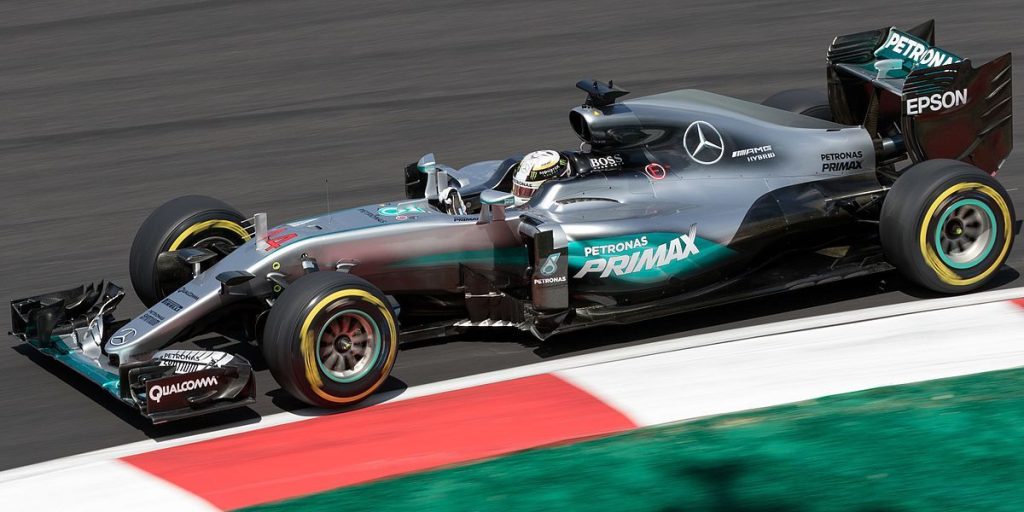
The combination of engineering excellence, operational precision, and extraordinary pace cemented the Mercedes W07 as one of the defining Formula 1 cars of the hybrid era. Its record-breaking campaign remains a benchmark for sustained dominance in modern Grand Prix racing.
Specifications
- Engine: 1.6-liter Turbocharged Hybrid V6
- Torque: Approximately 590 lb-ft (combined system)
- Horsepower: Approximately 950 hp
- Length/Width: 221.0 in / 78.7 in
9. Red Bull RB9 (2013)
The Red Bull RB9 brought an unforgettable chapter of Formula 1 history to a close by completing the final season of the naturally aspirated V8 era in spectacular fashion.
Designed by Adrian Newey, the RB9 combined aerodynamic brilliance with flawless mechanical balance, allowing Sebastian Vettel to produce one of the greatest championship campaigns the sport has ever witnessed.
The car secured 13 victories during the 2013 season, while Vettel achieved a record-breaking streak of nine consecutive Grand Prix wins to finish the year.
The RB9 built its success on outstanding aerodynamic efficiency rather than relying mainly on engine advantage. Every surface was meticulously shaped to generate strong downforce while minimizing drag, allowing the car to maintain impressive speed through medium- and high-speed corners.
The sophisticated exhaust-blown diffuser concept further enhanced rear grip, giving Vettel outstanding traction when accelerating out of corners.
The Renault RS27 V8 engine may not have been the most powerful on the grid, but Red Bull compensated with superior chassis performance and tire management.
Drivers could consistently extract a strong pace throughout long race stints while competitors experienced increasing tire degradation. This advantage often became even more apparent during the second half of races, where Vettel repeatedly extended comfortable leads.
Reliability also played a significant role in the RB9’s success. Mechanical failures were rare, allowing Red Bull to convert competitive weekends into maximum championship points. Combined with excellent pit strategy and efficient race execution, the RB9 became virtually unbeatable during the closing stages of the season.
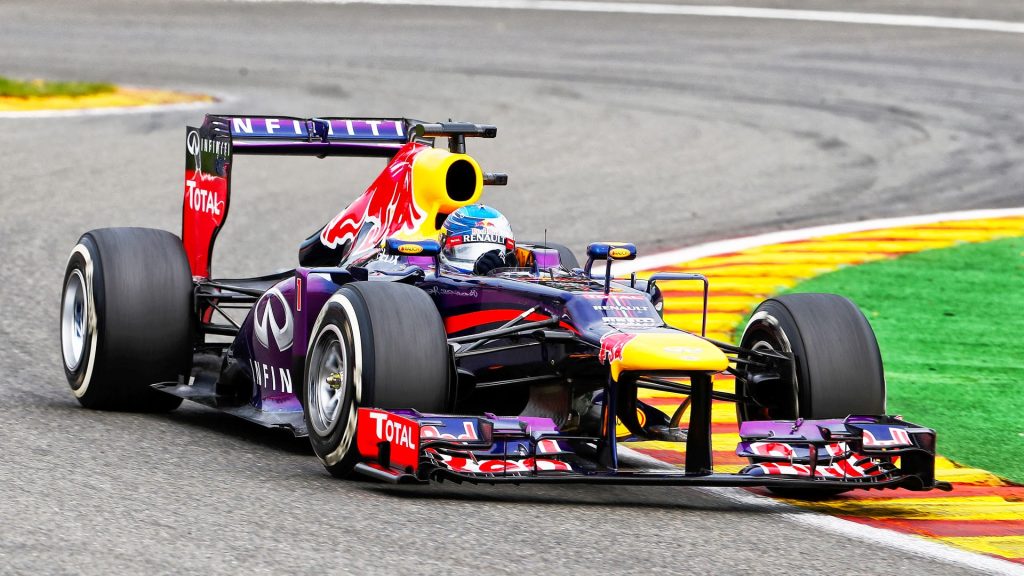
Its extraordinary winning streak, remarkable consistency, and technical sophistication secured the RB9 a permanent place among Formula 1’s greatest racing cars. It remains one of Adrian Newey’s finest engineering achievements and one of the defining machines of modern Grand Prix history.
Specifications
- Engine: 2.4-liter Renault RS27 Naturally Aspirated V8
- Torque: Approximately 220 lb-ft
- Horsepower: Approximately 750 hp
- Length/Width: 180.3 in / 70.9 in
10. Ferrari 500 F2 (1952)
Long before modern aerodynamics, hybrid power units, and sophisticated electronics transformed Formula 1, Ferrari established its dominance with the remarkable 500 F2.
Originally built to Formula 2 regulations, the car became eligible for the Formula 1 World Championship when those rules were temporarily adopted for the 1952 and 1953 seasons.
It immediately proved to be the class of the field, helping Alberto Ascari secure consecutive World Championships while giving Ferrari complete control over Grand Prix racing.
The 500 F2 differed from many rivals by emphasizing balance and reliability instead of overwhelming engine output. Its lightweight chassis and responsive handling allowed drivers to carry impressive speed through corners while maintaining excellent control over long race distances.
Powered by a naturally aspirated four-cylinder engine designed by Aurelio Lampredi, the car delivered smooth power and exceptional dependability, qualities that proved invaluable during the demanding races of the early 1950s.
Ferrari’s meticulous preparation further strengthened its competitive advantage. Mechanical failures were relatively uncommon compared with rival teams, enabling Ascari and his teammates to finish races consistently while others struggled with reliability.
This dependable package translated into numerous victories and championship success, establishing Ferrari as the benchmark team of the era.
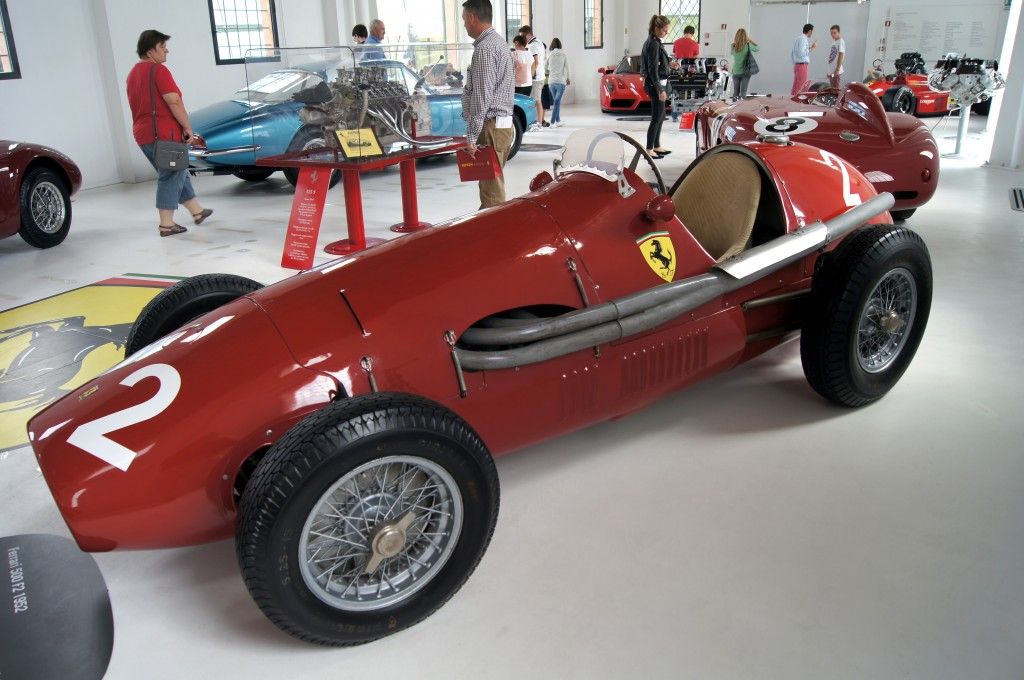
Although later Formula 1 machinery became significantly faster and more technologically advanced, the Ferrari 500 F2 deserves recognition because of the overwhelming authority with which it dominated its generation.
It laid the foundation for Ferrari’s long history of championship-winning success and demonstrated that intelligent engineering, careful preparation, and dependable performance could be every bit as important as outright speed.
Specifications
- Engine: 2.0-liter Naturally Aspirated Inline-4
- Torque: Approximately 125 lb-ft
- Horsepower: Approximately 185 hp
- Length/Width: 145.7 in / 61.0 in
Also Read: 10 Hidden Features In The Honda Pilot