
Vehicle theft has changed dramatically over the past decade. Traditional methods such as forced entry and hot wiring have largely been replaced by sophisticated electronic attacks, relay device thefts, key cloning, and software exploits.
At the same time, some older vehicles remain attractive targets because they lack modern immobilizers or advanced security technology. As a result, certain cars consistently appear in theft statistics due to vulnerabilities that make them easier to steal than competing models.
A poor anti-theft reputation does not necessarily mean a vehicle is unreliable or poorly built. In many cases, popularity plays a major role. High production numbers create strong demand for replacement parts, making these vehicles attractive targets for organized theft rings.
In other situations, outdated security systems or widely publicized vulnerabilities allow criminals to steal them quickly with minimal equipment.
Insurance companies, law enforcement agencies, and vehicle recovery organizations closely monitor these trends because they directly influence insurance premiums and theft prevention strategies.
Modern buyers should understand that anti-theft performance is just as important as crash safety or reliability when choosing a vehicle. Strong immobilizers, encrypted key systems, motion sensors, GPS tracking, and factory alarms can significantly reduce theft risk.
Unfortunately, not every model offers the same level of protection. The following eight vehicles have earned some of the weakest anti-theft reputations due to documented vulnerabilities, consistently high theft rates, or security systems that have proven easier to defeat than many competitors.
Also Read: 10 Non-Mazda Cars That Use A Mazda Engine
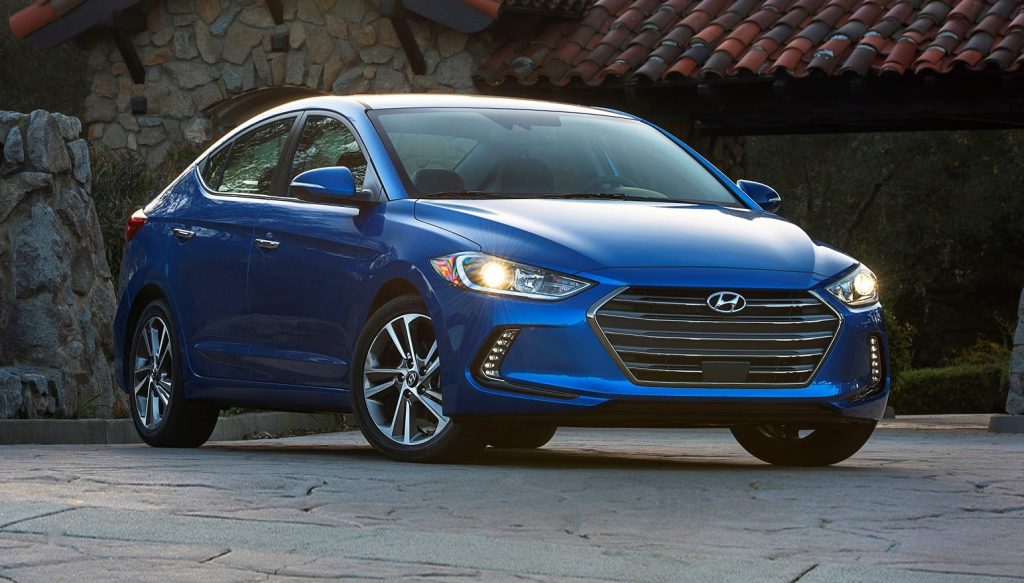
1. Hyundai Elantra (2021 and Earlier Non-Immobilizer Models)
Few vehicles have experienced such a dramatic increase in thefts as the Hyundai Elantra built before widespread immobilizer adoption. Certain trims equipped with traditional key ignitions lacked engine immobilizers, creating a vulnerability that became widely known through social media.
Criminals quickly discovered they could bypass the ignition system using basic household items, leading to an unprecedented surge in thefts across numerous cities in the United States.
The vulnerability had little to do with engine quality or mechanical reliability. Instead, the issue centered entirely on electronic security. Without an immobilizer verifying an authorized key before allowing the engine to start, thieves could defeat the ignition much faster than with many competing vehicles.
The widespread availability of online tutorials further amplified the problem, encouraging copycat thefts among inexperienced criminals.
Hyundai responded by introducing software updates, enhanced security measures, and free steering wheel locks in affected regions.
Later production models also received improved immobilizer systems as standard equipment, significantly reducing the vulnerability. Nevertheless, earlier vehicles remain frequent targets because many continue operating without upgraded security.
Owners of affected Elantras often choose additional protection such as aftermarket immobilizers, GPS tracking devices, steering wheel locks, or secure indoor parking.
These precautions help compensate for weaknesses in the original security design. Although the Elantra remains a practical and dependable compact sedan, its theft history illustrates how one overlooked security feature can dramatically influence a vehicle’s reputation.
Specifications
- Engine: 2.0-liter naturally aspirated inline 4
- Torque: 132 lb ft
- Horsepower: 147 hp
- Length/Width: 184.1 in / 71.9 in
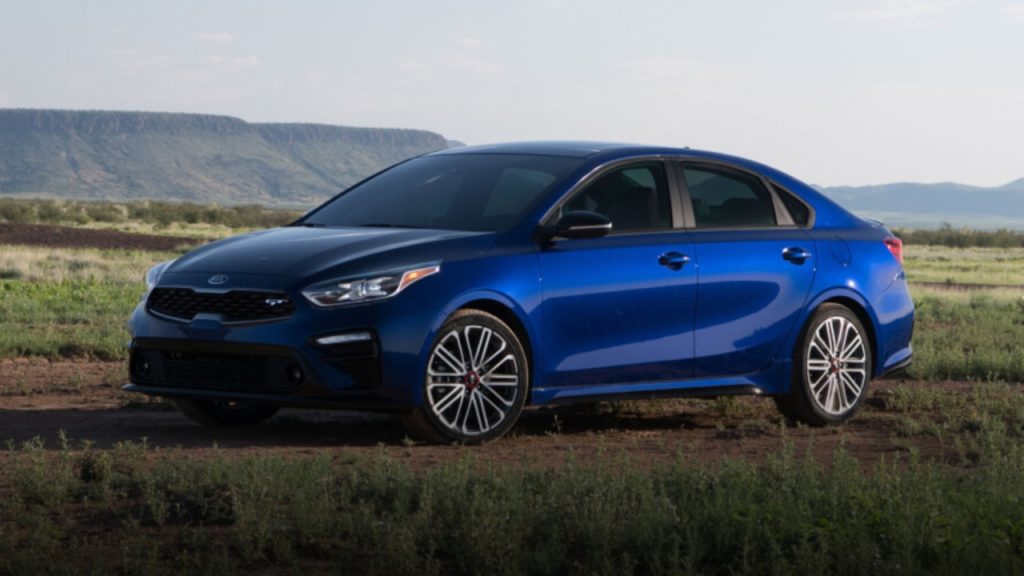
2. Kia Forte (2021 and Earlier Non-Immobilizer Models)
The Kia Forte encountered challenges remarkably similar to those affecting certain Hyundai models because both manufacturers shared comparable ignition designs in specific markets.
Numerous earlier Forte models equipped with conventional keys lacked engine immobilizers, allowing thieves to bypass the ignition with surprising speed. As theft techniques spread online, the Forte became one of the most frequently stolen compact sedans in several regions.
Unlike sophisticated relay attacks targeting luxury vehicles, these thefts relied on the absence of an immobilizer rather than advanced electronic hacking. Once criminals gained entry into the cabin, starting the vehicle required relatively little effort compared with cars featuring modern encrypted security systems.
This weakness significantly increased insurance claims and prompted several insurers to reconsider coverage for affected models in high-theft areas.
Kia acted by releasing software upgrades where compatible, distributing steering wheel locks, and fitting immobilizers to newer production vehicles.
These changes substantially improved security for later models, but many earlier examples remain on the road with their original equipment. Owners are therefore encouraged to supplement factory security with visible theft deterrents and modern tracking technology.
Despite the theft concerns, the Forte continues to receive praise for affordability, fuel efficiency, and everyday practicality.
The security issue does not reflect poor mechanical engineering but rather highlights how quickly vehicle theft methods can evolve when electronic protections fail to keep pace. It serves as a reminder that strong anti-theft technology has become an essential component of modern vehicle ownership.
Specifications
- Engine: 2.0-liter naturally aspirated inline 4
- Torque: 132 lb ft
- Horsepower: 147 hp
- Length/Width: 182.7 in / 70.9 in
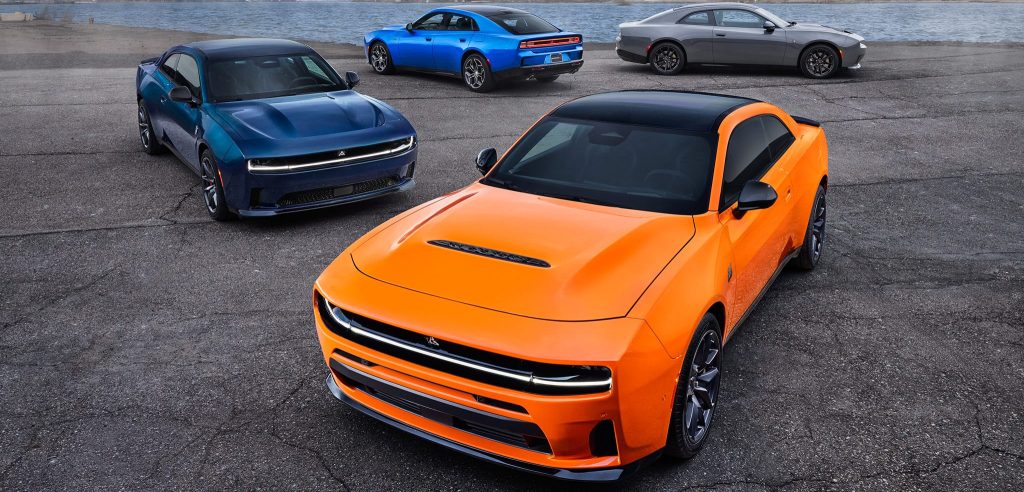
3. Dodge Charger
Performance sedans have always attracted attention, and the Dodge Charger is no exception. Unfortunately, its popularity extends beyond enthusiasts to professional car thieves.
High-horsepower engines, strong aftermarket demand, and valuable mechanical components have consistently placed the Charger among the most frequently stolen vehicles in North America.
Models equipped with powerful HEMI V8 engines are particularly desirable because their engines, transmissions, wheels, and body panels command premium prices in the used parts market.
Modern theft methods targeting the Charger are far more sophisticated than traditional break-ins. Criminals often rely on key programming tools, relay attacks, or electronic devices capable of communicating with the vehicle’s onboard systems.
In some documented cases, thieves have managed to program new key fobs within minutes after gaining access to the vehicle. These techniques require considerably more expertise than older theft methods but have proven effective against several high-performance vehicles.
Stellantis has responded by introducing security improvements such as enhanced encryption, software updates, and features including Security Mode, which limits engine output through a personalized activation code.
Owners also frequently install aftermarket GPS trackers, steering wheel locks, kill switches, and Faraday pouches to reduce the risk of electronic relay theft. Combining several security measures generally provides much stronger protection than relying solely on the factory system.
Despite these concerns, the Charger remains one of America’s most recognizable performance sedans. Its powerful engines, spacious cabin, and unmistakable styling continue attracting loyal buyers.
At the same time, its theft statistics demonstrate that popularity and performance can sometimes make a vehicle far more appealing to criminals than to ordinary motorists.
Specifications
- Engine: 6.4-liter naturally aspirated HEMI V8 (Scat Pack)
- Torque: 475 lb ft
- Horsepower: 485 hp
- Length/Width: 198.4 in / 75.0 in
4. Dodge Challenger
The Dodge Challenger shares many of the same security challenges as the Charger while adding another factor that increases its desirability among thieves.
Limited production performance models such as the Hellcat, Redeye, Demon, and Super Stock have become highly valuable collector vehicles, making both complete cars and individual components extremely profitable on the black market.
Their scarcity only increases demand for replacement parts, encouraging organized theft operations.
Unlike older muscle cars that relied primarily on mechanical security, the Challenger incorporates sophisticated electronic systems. However, criminals have adapted by using relay devices, diagnostic tools, and unauthorized key programming equipment capable of bypassing certain factory protections.
These methods often leave little visible damage, allowing thieves to steal the vehicle surprisingly quickly when the opportunity arises.
Owners have become increasingly proactive by adding independent alarm systems, hidden kill switches, wheel locks, GPS recovery devices, and secure garage storage.
Dodge has also introduced software updates and security enhancements intended to reduce electronic vulnerabilities. While these improvements have strengthened protection, high-performance Challengers continue to appear on theft reports because their resale value remains exceptionally strong.
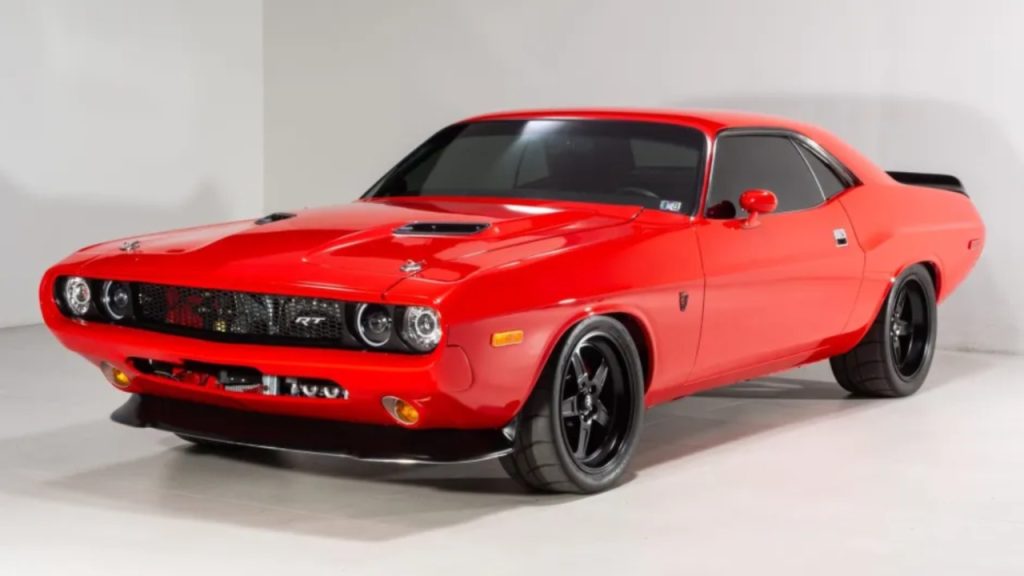
The Challenger’s enduring appeal comes from its unmistakable styling, thunderous V8 engines, and authentic muscle car personality. Those same qualities, however, also contribute to its status as one of the most targeted performance cars in North America.
Its reputation serves as an example of how desirability alone can influence theft rates, even when manufacturers continue improving factory security systems.
Specifications
- Engine: 6.2-liter supercharged HEMI V8 (Hellcat)
- Torque: 656 lb ft
- Horsepower: 717 hp
- Length/Width: 197.9 in / 75.7 in
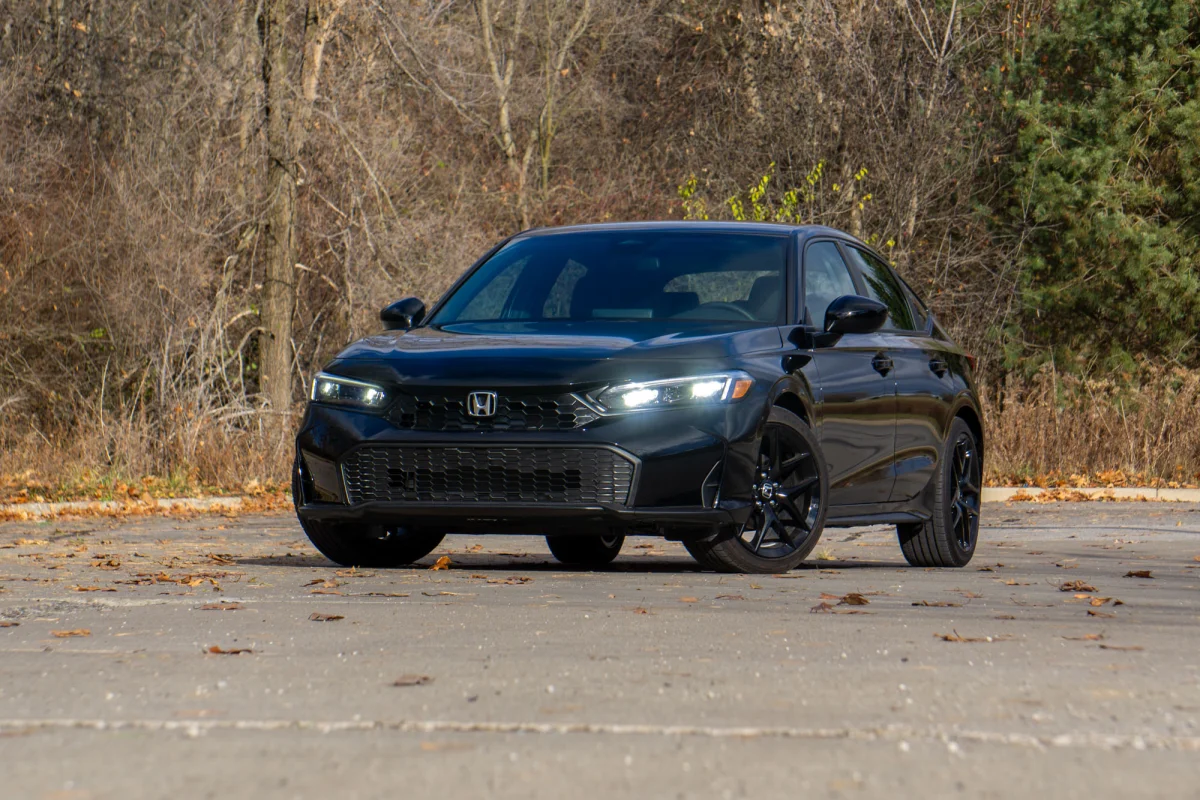
5. Honda Civic
The Honda Civic has spent decades building a reputation for reliability, fuel efficiency, and strong resale value. Those same qualities, however, have also made it one of the most commonly stolen cars in several countries.
Unlike high-performance vehicles that attract thieves because of their horsepower, the Civic is often targeted because of its enormous popularity. Millions of examples have been sold worldwide, creating consistent demand for engines, transmissions, body panels, wheels, and electronic components in the replacement parts market.
Older Civic generations are especially vulnerable because many were produced before advanced immobilizers and encrypted smart key systems became standard equipment. Experienced thieves can often defeat the security systems of newer vehicles much faster than those found on older vehicles.
Even modern Civics occasionally become targets for relay attacks or key programming methods, although Honda has significantly strengthened security technology in recent generations.
Another reason for the Civic’s theft rate is its widespread presence in urban areas. Since these cars are common in residential neighborhoods, apartment complexes, and public parking lots, thieves have countless opportunities to locate suitable targets without attracting attention. A stolen Civic can also blend easily into traffic because similar vehicles are everywhere.
Owners can greatly reduce theft risk by combining factory security with visible deterrents such as steering wheel locks, secure parking, motion-sensing cameras, and GPS tracking systems.
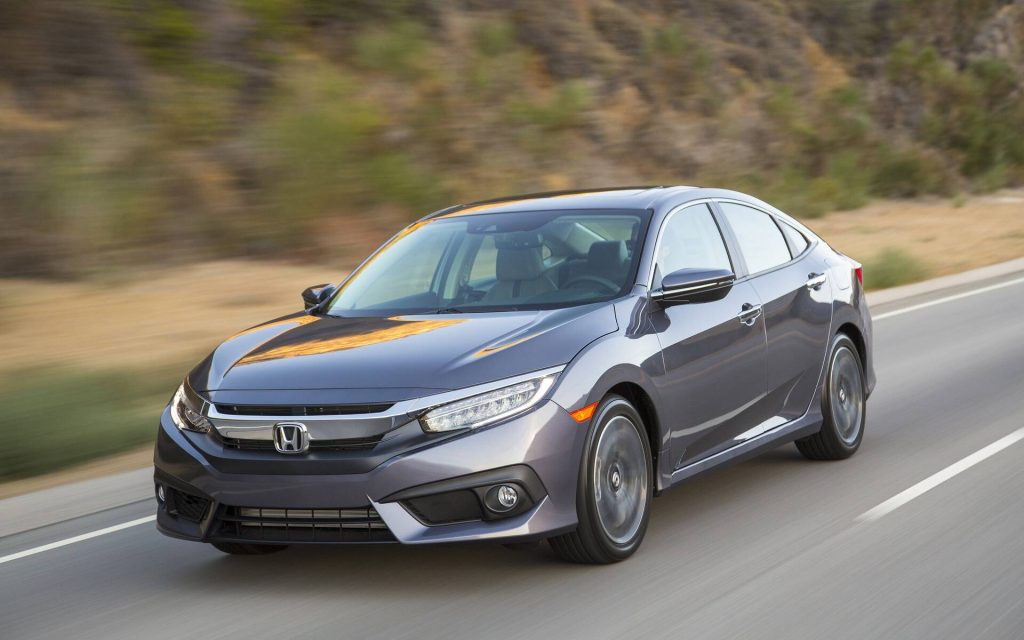
Despite its theft statistics, the Civic remains one of the finest compact cars available thanks to its dependable engineering and low operating costs.
Its appearance on this list reflects its popularity and parts demand more than any weakness in its mechanical design, illustrating how commercial success can sometimes increase criminal interest.
Specifications
- Engine: 2.0-liter naturally aspirated inline 4
- Torque: 133 lb ft
- Horsepower: 158 hp
- Length/Width: 184.0 in / 70.9 in
6. Honda Accord
While midsize family sedans rarely receive attention for performance, the Honda Accord has consistently appeared in vehicle theft reports for many years. One reason is its exceptional longevity.
Older Accords remain on the road in large numbers, and many of those earlier models lack the sophisticated anti-theft technology found in today’s vehicles. Criminals often target them because replacement parts remain valuable and compatible across multiple model years.
The Accord’s reputation for durability actually contributes to its desirability among thieves. Engines, automatic transmissions, alloy wheels, catalytic converters, and body components are all sought after in repair shops and secondary markets.
Because millions of Accords have been produced, there is constant demand for affordable replacement parts, creating profitable opportunities for organized theft operations.
Honda has steadily improved security over the years by introducing advanced immobilizers, encrypted smart key systems, and enhanced electronic protection.
Current generation Accords are significantly more secure than earlier versions. Nevertheless, older examples remain attractive targets, particularly when parked outdoors without additional theft deterrents.
Many owners now supplement factory security by installing GPS tracking devices, aftermarket alarm systems, steering wheel locks, and dashboard cameras with motion detection.
Parking in well-lit areas and storing smart keys away from exterior doors can also reduce vulnerability to relay attacks on newer models.
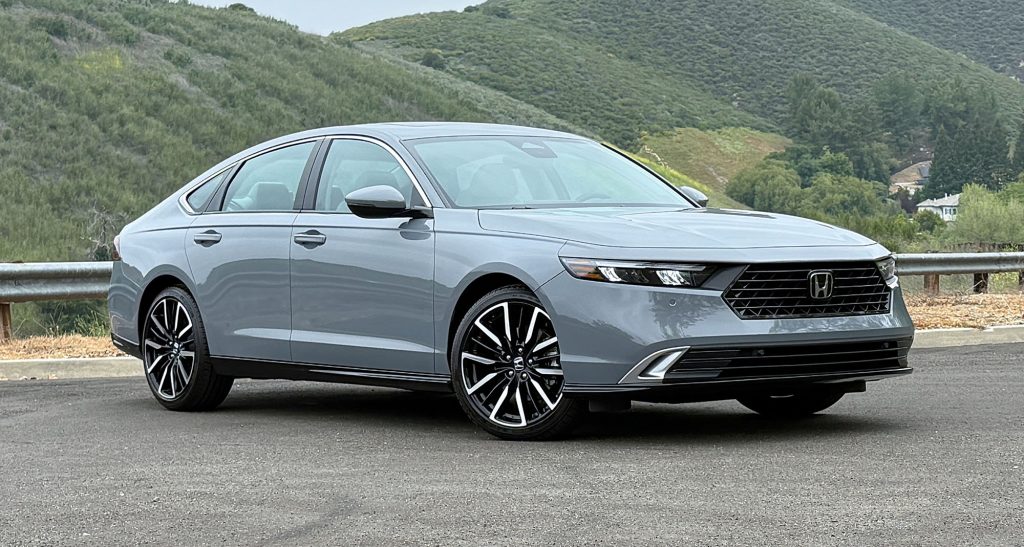
The Accord continues to earn widespread praise for comfort, efficiency, and reliability, but its long production history and widespread popularity have also placed it among the vehicles that thieves continue targeting with surprising frequency.
Specifications
- Engine: 1.5-liter turbocharged inline-4
- Torque: 192 lb ft
- Horsepower: 192 hp
- Length/Width: 195.7 in / 73.3 in
7. Chevrolet Silverado 1500
Full-size pickup trucks have become some of the most valuable vehicles on American roads, and the Chevrolet Silverado 1500 is a prime example. High resale values, strong demand for replacement parts, and widespread popularity have combined to make the Silverado a frequent target for thieves.
Unlike compact cars that are often stolen for inexpensive transportation, stolen Silverados are commonly dismantled for engines, transmissions, tailgates, wheels, catalytic converters, and electronic components that can be sold individually for substantial profit.
The truck’s versatility also contributes to its appeal among criminals. A stolen Silverado can be used to transport other stolen property, tow trailers, or move heavy equipment before eventually being dismantled.
Earlier generations equipped with traditional key systems generally offer fewer electronic security protections than newer models, although even modern trucks have occasionally been targeted through sophisticated key programming and relay attack methods.
General Motors has strengthened anti-theft technology over successive generations by introducing encrypted key communication, factory immobilizers, advanced alarm systems, and connected vehicle services capable of assisting with vehicle recovery.
Even so, owners frequently choose additional security measures such as steering wheel locks, hidden kill switches, GPS tracking devices, and secure overnight parking. These layered protections significantly increase the difficulty of stealing the vehicle.
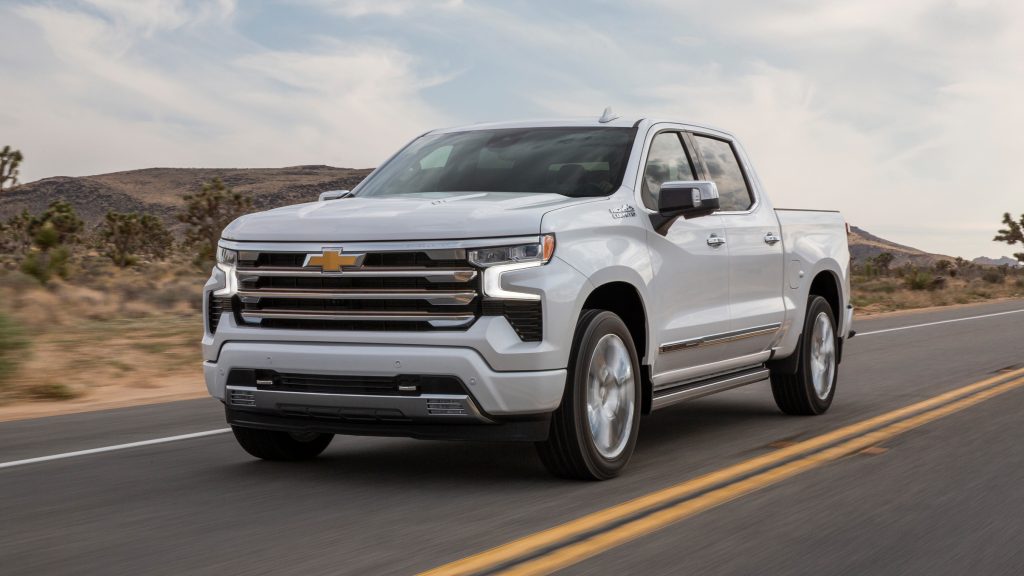
The Silverado remains one of the best-selling pickup trucks because of its towing capability, durability, and broad range of engine options.
Its appearance in theft statistics reflects its enormous popularity and the high value of its components rather than any fundamental weakness in engineering. For many owners, combining factory security with visible theft deterrents provides valuable extra peace of mind.
Specifications
- Engine: 5.3-liter naturally aspirated V8
- Torque: 383 lb ft
- Horsepower: 355 hp
- Length/Width: 231.9 in / 81.2 in
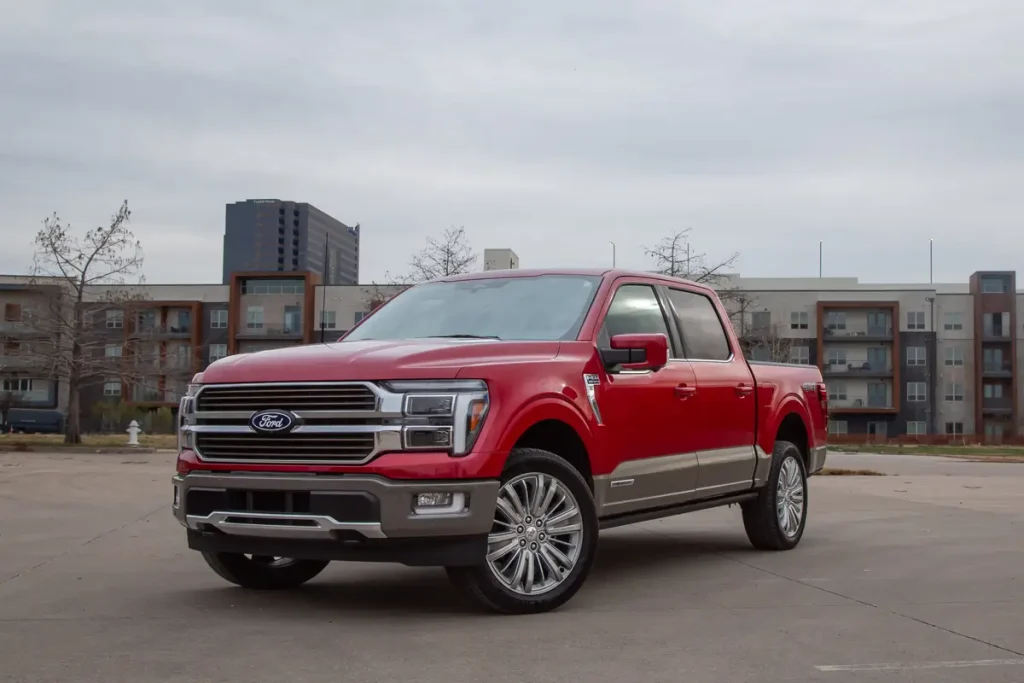
8. Ford F-150
The Ford F-150 concludes this list because it combines two characteristics that consistently attract thieves: exceptional popularity and extremely valuable components.
As America’s best-selling pickup for decades, millions of F-150s are on the road, creating constant demand for replacement engines, transmissions, body panels, wheels, tailgates, and electronic modules. The truck’s widespread presence also allows stolen vehicles to blend into everyday traffic without drawing immediate attention.
Older F-150 models remain particularly vulnerable because many were built before today’s advanced encrypted key systems became common. Newer trucks have received significantly stronger protection through factory immobilizers, sophisticated alarm systems, and improved electronic security.
Nevertheless, organized theft groups continue adapting their techniques by using relay devices, key programming equipment, and other electronic tools capable of bypassing certain security measures if additional precautions are not taken.
Ford has continued enhancing theft protection by improving key encryption, expanding connected vehicle services, and introducing software updates designed to address emerging vulnerabilities.
Owners often strengthen those factory systems further by storing smart keys inside Faraday pouches, parking in locked garages, installing GPS tracking devices, and using visible steering wheel locks that discourage opportunistic theft attempts before they begin.
Despite appearing regularly in theft reports, the F-150 remains one of the most capable and dependable trucks available. Its strong reputation for towing, payload capacity, and durability has helped maintain extraordinary sales for generations.
Unfortunately, those same strengths also make it attractive to criminals seeking valuable vehicles or profitable replacement parts, illustrating that popularity can sometimes become one of the greatest security challenges a vehicle faces.
Specifications
- Engine: 5.0-liter naturally aspirated V8
- Torque: 410 lb ft
- Horsepower: 400 hp
- Length/Width: 232 in / 79.9 in
