
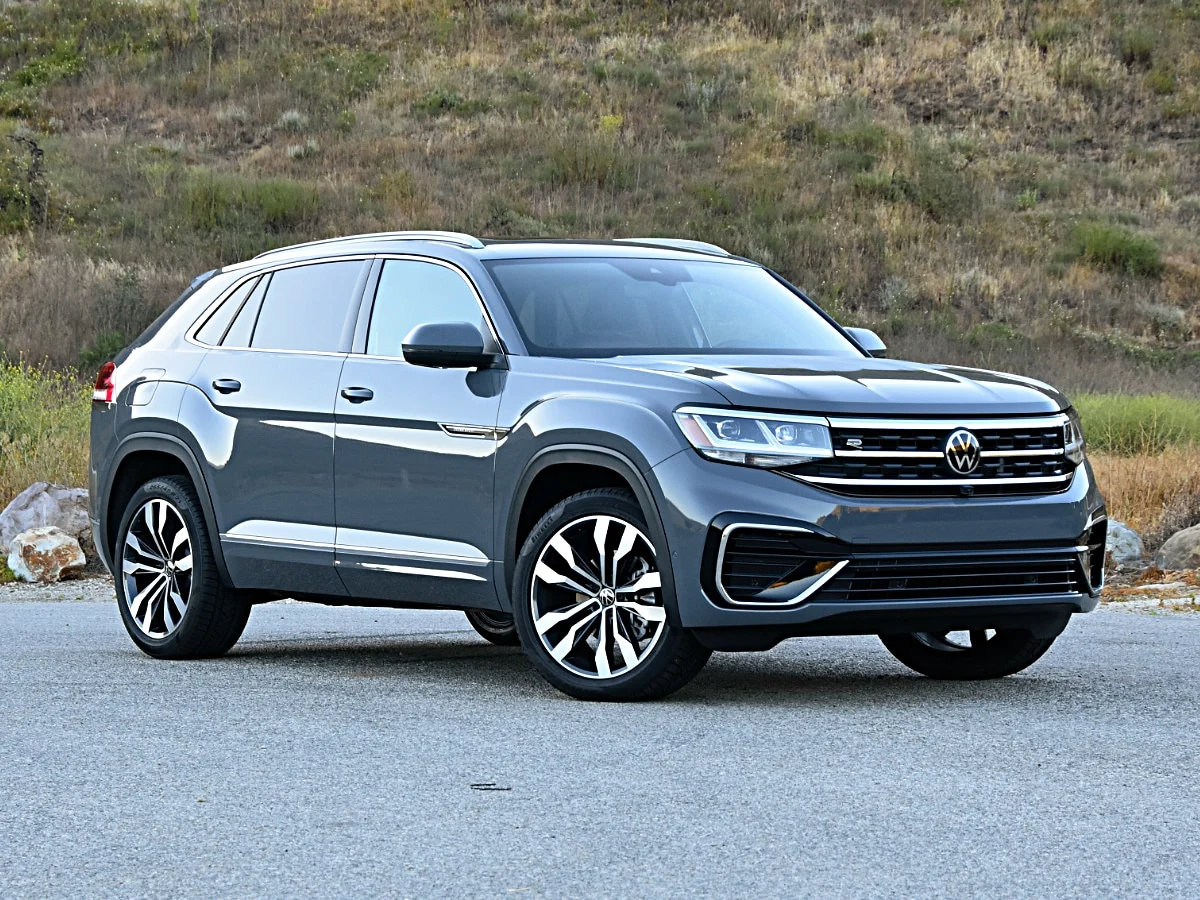
Volkswagen has built a reputation for producing vehicles that blend European driving dynamics with practical everyday usability.
From compact hatchbacks and family sedans to spacious SUVs and performance-oriented models, the German automaker has offered a diverse lineup that appeals to a wide range of buyers.
Many Volkswagen vehicles offer refined handling, comfortable interiors, and efficient engines at prices that often undercut those of premium European competitors. However, not every model has delivered the same ownership experience, particularly as technology and engine designs evolved over the years.
Some Volkswagen models have earned lasting respect because they combine dependable engineering with relatively low maintenance requirements and strong owner satisfaction.
These vehicles have proven capable of accumulating high mileage when properly maintained while continuing to deliver the engaging driving characteristics that distinguish Volkswagen from many mainstream brands.
They also benefit from widespread parts availability and strong support from independent repair specialists.
Other Volkswagen models have struggled with recurring mechanical issues involving transmissions, turbocharged engines, electrical systems, or emissions-related components.
While many remain enjoyable to drive, these problems can significantly increase long-term ownership costs if repairs become necessary after warranty coverage expires. Buyers attracted by low used-car prices may discover that maintenance expenses quickly erase any initial savings.
This guide examines five Volkswagen models that stand out for their reliability, practicality, and value, followed by five models that warrant additional caution due to a history of recurring problems or expensive repairs.
Understanding these differences helps buyers choose a Volkswagen that delivers years of dependable service while avoiding models more likely to generate unexpected maintenance costs.
Also Read: 5 BMW Models Worth Buying vs 5 to Avoid
5 Volkswagen Models Worth Buying
1. Volkswagen Golf GTI (Mk7.5)
The Mk7.5 Volkswagen Golf GTI represents one of the finest hot hatchbacks ever produced because it successfully blends everyday practicality with genuine performance.
Rather than demanding compromises, it offers responsive handling, impressive fuel efficiency, comfortable seating, and a turbocharged engine that has proven more dependable than many earlier Volkswagen performance models.
At the heart of the GTI is Volkswagen’s 2.0-liter EA888 turbocharged four-cylinder engine. By the Mk7.5 generation, this engine had undergone significant refinement, addressing many reliability concerns found in earlier EA888 versions.
It delivers smooth, linear power while remaining remarkably efficient during everyday driving. Whether paired with the six-speed manual transmission or the dual-clutch DSG automatic, acceleration feels quick and composed.
The chassis is equally impressive. Sharp steering, balanced suspension tuning, and excellent body control allow the GTI to tackle winding roads with confidence while remaining comfortable enough for daily commuting.
Unlike many performance cars, it also retains generous cargo space and usable rear seats, making it practical for families or drivers who need versatility.
The interior reflects Volkswagen’s reputation for understated quality. Supportive plaid sport seats, intuitive controls, and durable materials create a cabin that continues to feel modern years after production. Technology features remain easy to use without overwhelming the driver.
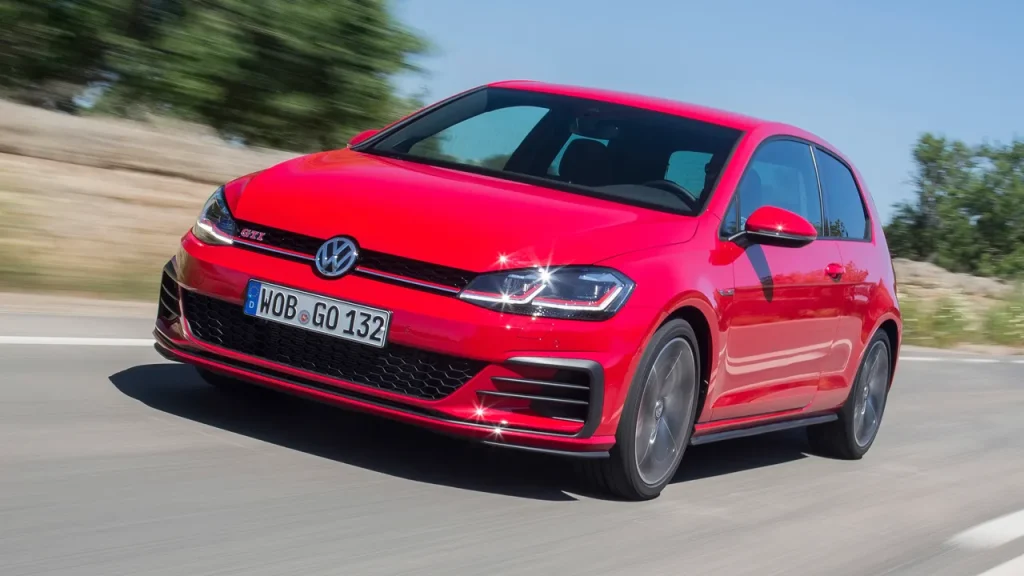
Maintenance costs are generally reasonable when routine servicing is performed on schedule, and the strong aftermarket community ensures excellent parts availability.
Buyers seeking an engaging compact car that delivers excitement without sacrificing practicality will find the Mk7.5 GTI to be one of Volkswagen’s strongest achievements.
Specifications
- Engine: 2.0-liter turbocharged inline-four (EA888 Gen 3)
- Torque: 258 lb-ft
- Horsepower: 228 hp
- Length/Width: 168.0 inches / 70.8 inches
2. Volkswagen Atlas
Not every family SUV delivers a driving experience that feels composed without sacrificing practicality. The Volkswagen Atlas manages to achieve both, making it one of the brand’s strongest modern vehicles.
Designed primarily for North America, it offers generous passenger space, straightforward controls, and a mature platform that has steadily improved since its introduction.
The naturally aspirated 3.6-liter VR6 engine remains the preferred choice for buyers prioritizing durability. It provides smooth acceleration, respectable towing capability, and fewer long-term concerns than some of Volkswagen’s smaller turbocharged engines.
Paired with an eight-speed automatic transmission, the powertrain delivers predictable performance during city driving and highway travel alike.
One of the Atlas’ greatest strengths is its interior packaging. Adults can comfortably occupy all three rows, and the cargo area remains useful even with every seat in place. Large door openings and wide visibility make daily use especially convenient for families transporting children or carrying bulky cargo.
Ride quality also deserves recognition. The suspension absorbs rough pavement effectively while maintaining stable highway manners. Steering is light but accurate, allowing the Atlas to feel smaller than its dimensions suggest.
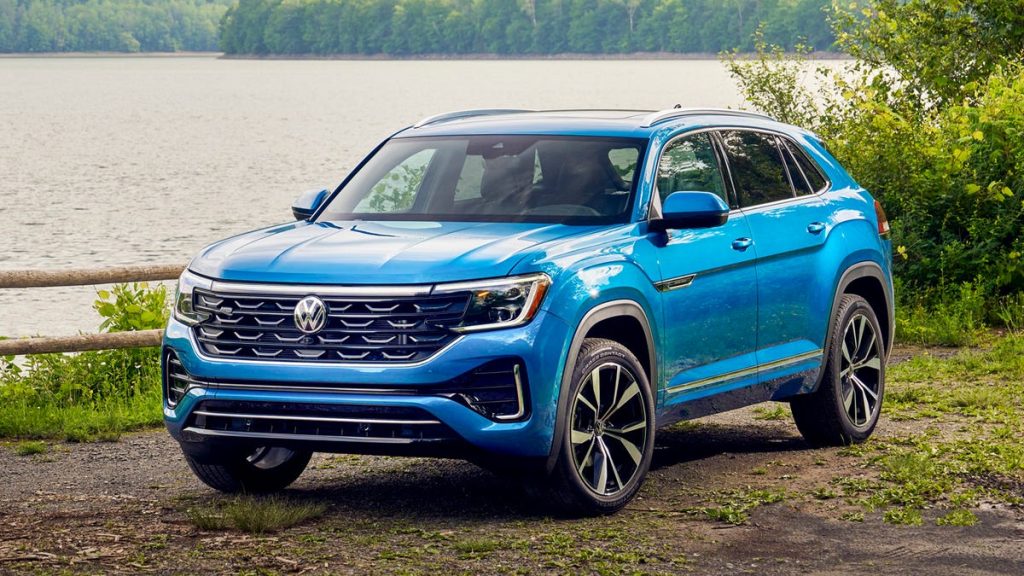
Owners also appreciate the vehicle’s growing reputation for reliability, especially among later production years. Routine maintenance remains manageable, replacement parts are widely available, and independent repair shops have become increasingly familiar with the platform.
For buyers seeking a spacious three-row SUV with European driving manners and practical everyday usability, the Volkswagen Atlas stands as one of the company’s most compelling modern offerings.
Specifications
- Engine: 3.6-liter VR6
- Torque: 266 lb-ft
- Horsepower: 276 hp
- Length/Width: 200.7 inches / 78.3 inches
3. Volkswagen Passat (2018)
Not every sedan needs sharp styling or aggressive performance to become an excellent long-term purchase. The 2018 Volkswagen Passat earned its reputation by focusing on the qualities that matter most to everyday drivers: comfort, dependability, interior space, and low ownership stress.
While many competitors chased sportier handling or increasingly complex technology, the Passat remained a refined midsize sedan that consistently delivered a pleasant driving experience.
Power comes from Volkswagen’s proven 2.0-liter turbocharged EA888 four-cylinder engine, paired with a smooth six-speed automatic transmission. By this stage of its development, the engine had benefited from years of engineering improvements, resulting in better durability than earlier turbocharged Volkswagen powertrains.
Acceleration is responsive without feeling aggressive, making highway merging and passing effortless while still returning respectable fuel economy.
One of the Passat’s strongest selling points is its cabin. Rear-seat passengers enjoy exceptional legroom, front seats provide excellent long-distance comfort, and the controls are laid out in a simple, logical manner.
Instead of relying on flashy design elements, Volkswagen focused on practicality and build quality, allowing the interior to age gracefully.
Maintenance requirements are also reasonable for a European sedan. Scheduled servicing is straightforward, replacement parts are readily available, and the widespread popularity of the EA888 engine means most independent repair shops are familiar with its maintenance needs. Strong safety ratings and a comfortable ride further strengthen the Passat’s appeal.
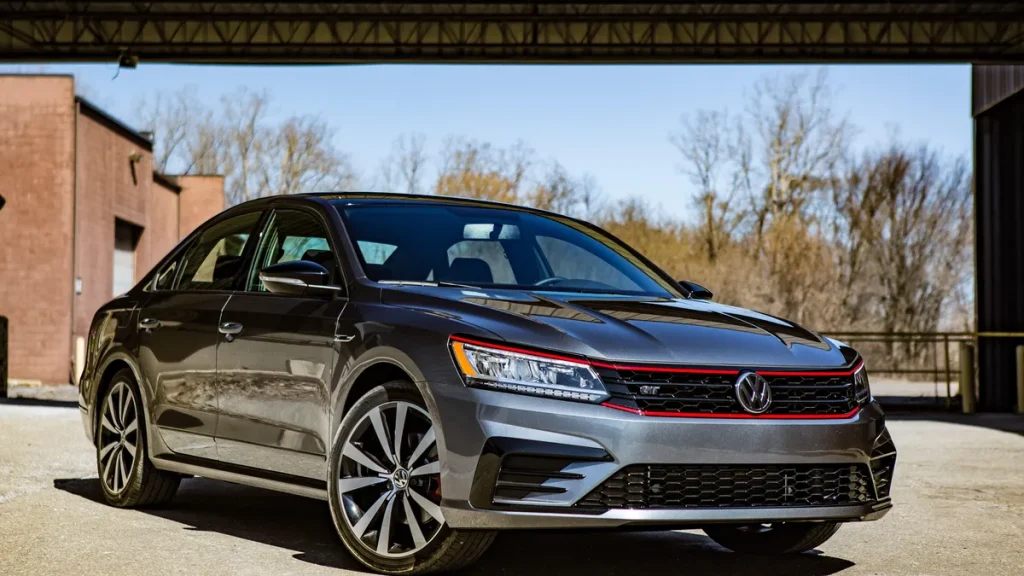
Although SUVs dominate today’s market, the 2018 Passat remains an excellent option for buyers who want a spacious family sedan with European refinement and dependable mechanical components. It represents one of Volkswagen’s most sensible purchases in recent years.
Specifications
- Engine: 2.0-liter turbocharged inline-four (EA888)
- Torque: 184 lb-ft
- Horsepower: 174 hp
- Length/Width: 191.9 inches / 72.2 inches
4. Volkswagen Tiguan (2021)
Compact SUVs often succeed by offering generous interior space, but few manage to combine practicality with refined road manners as effectively as the 2021 Volkswagen Tiguan.
By this point in the second generation’s production cycle, Volkswagen had addressed many early concerns, resulting in a vehicle that balanced comfort, efficiency, and reliability more effectively than its predecessors.
The 2021 Tiguan is powered by a 2.0-liter turbocharged EA888 engine producing smooth, predictable performance. The engine works seamlessly with an eight-speed automatic transmission, delivering refined acceleration while maintaining competitive fuel economy.
Power delivery is consistent, making the Tiguan equally comfortable in city traffic and during extended highway journeys.
Unlike many compact SUVs, the Tiguan offers available third-row seating, providing additional flexibility for families who occasionally need extra passenger capacity.
The rear seats slide and recline, allowing owners to prioritize either passenger comfort or cargo space depending on the situation. Interior materials feel solid, and the cabin remains quiet even at highway speeds.
Another reason this model deserves recognition is its balanced suspension. The ride is composed without becoming overly firm, while steering remains accurate enough to give the Tiguan a distinctly European character.
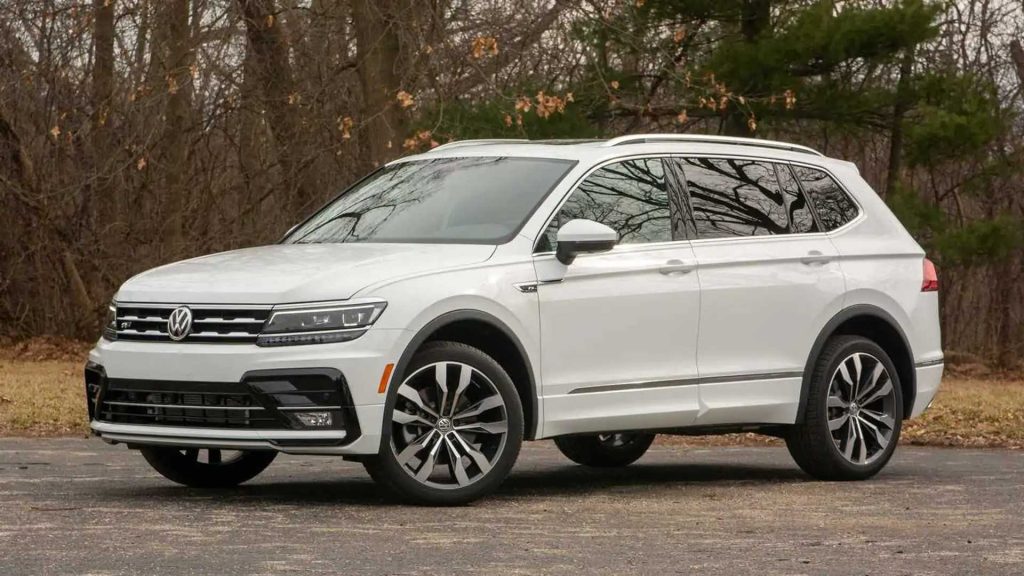
Driver assistance features, including adaptive cruise control, blind-spot monitoring, and lane-keeping assistance, add confidence during everyday driving.
Maintenance costs remain reasonable when recommended service intervals are followed, and later production improvements have helped strengthen the Tiguan’s reliability record.
Buyers looking for a practical family SUV that combines modern technology, comfortable accommodations, and dependable engineering will find the 2021 Tiguan among Volkswagen’s strongest offerings.
Specifications
- Engine: 2.0-liter turbocharged inline-four (EA888)
- Torque: 221 lb-ft
- Horsepower: 184 hp
- Length/Width: 186.1 inches / 72.4 inches
5. Volkswagen Jetta (2019)
Sometimes the smartest purchase in a manufacturer’s lineup is not the most powerful or expensive model but the one that quietly excels in daily use. The 2019 Volkswagen Jetta fits that description perfectly.
As the first model built on Volkswagen’s modern MQB platform, it introduced improved structural rigidity, better ride quality, enhanced safety, and greater fuel efficiency without abandoning the practicality that had long defined the Jetta name.
Power comes from a 1.4-liter turbocharged TSI four-cylinder engine paired with either a six-speed manual or an eight-speed automatic transmission. While modest on paper, the engine provides smooth acceleration for city driving and highway cruising.
It is also one of Volkswagen’s most fuel-efficient gasoline powertrains, helping owners reduce operating costs without sacrificing everyday usability.
The MQB platform transformed the driving experience. Steering feels precise, the suspension absorbs rough roads confidently, and the cabin remains impressively quiet for a compact sedan. Volkswagen also increased passenger room, particularly in the rear seat, making the Jetta practical for families and commuters alike.
Inside, the dashboard emphasizes functionality instead of unnecessary complexity. Controls are easy to reach, materials are durable, and available digital instrumentation gives the cabin a more upscale appearance. Standard safety features and advanced driver assistance technologies further improve owner confidence.
Another advantage is long-term ownership. The 2019 Jetta has developed a solid reliability record when maintained according to Volkswagen’s recommended service schedule. Parts availability is excellent, independent mechanics are familiar with the platform, and resale values remain competitive within the compact sedan segment.
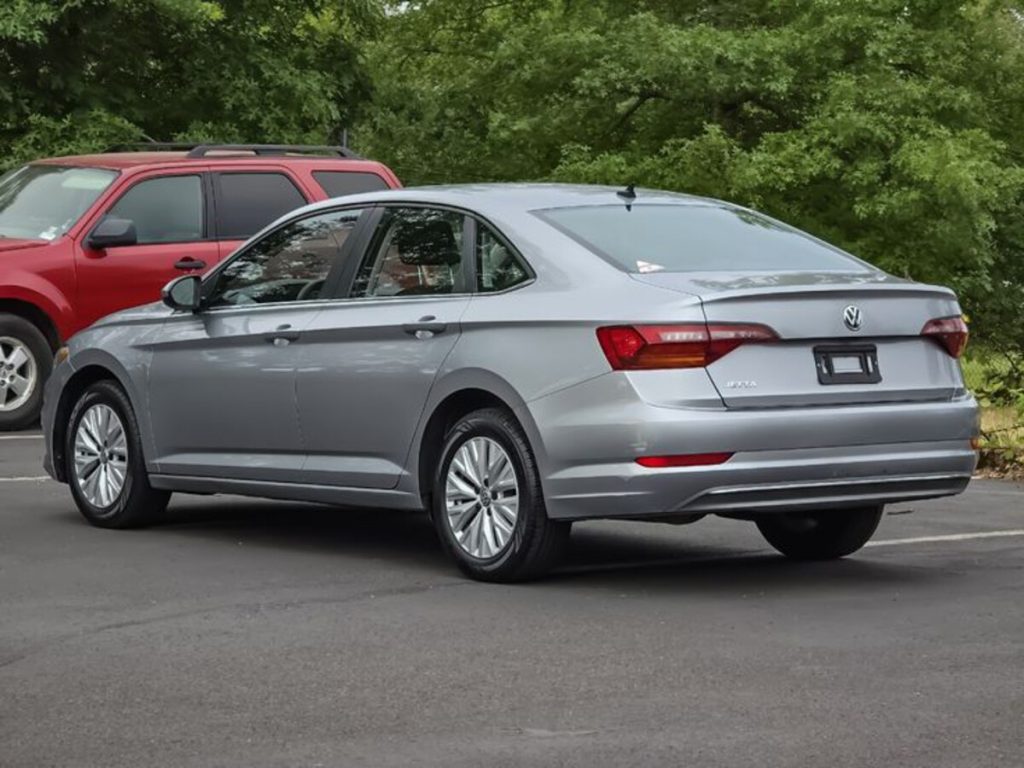
For buyers seeking an affordable European sedan that delivers comfort, efficiency, and dependable engineering, the 2019 Volkswagen Jetta stands as one of the brand’s strongest modern vehicles.
Specifications
- Engine: 1.4-liter turbocharged TSI inline-four
- Torque: 184 lb-ft
- Horsepower: 147 hp
- Length/Width: 185.1 inches / 70.8 inches
5 Volkswagen Models to Avoid
1. Volkswagen Tiguan (2009)
The first-generation Volkswagen Tiguan entered the market with attractive styling, confident handling, and a premium-feeling interior that helped distinguish it from many compact SUVs of its time. It drove more like a European hatchback than a traditional SUV, which appealed to buyers seeking comfort and responsive road manners.
Unfortunately, the 2009 model also became associated with several costly mechanical issues that have affected its long-term reputation.
The primary concern centers on the 2.0-liter turbocharged EA888 engine. Early versions of this engine developed timing chain tensioner problems that could allow the timing chain to slip, potentially causing severe internal engine damage if not repaired in time.
Excessive oil consumption also became a frequent complaint, with some owners needing to add oil between regular service intervals. Carbon buildup on the intake valves, a common issue with direct-injection engines of that era, further increased maintenance requirements.
Beyond the engine, some vehicles experienced water pump failures, ignition coil problems, and leaking PCV systems. Electrical issues involving sensors and dashboard warning lights also appeared more often than expected as the vehicle aged.
Although these problems were repairable, they often resulted in ownership costs that exceeded what buyers anticipated from a compact SUV.
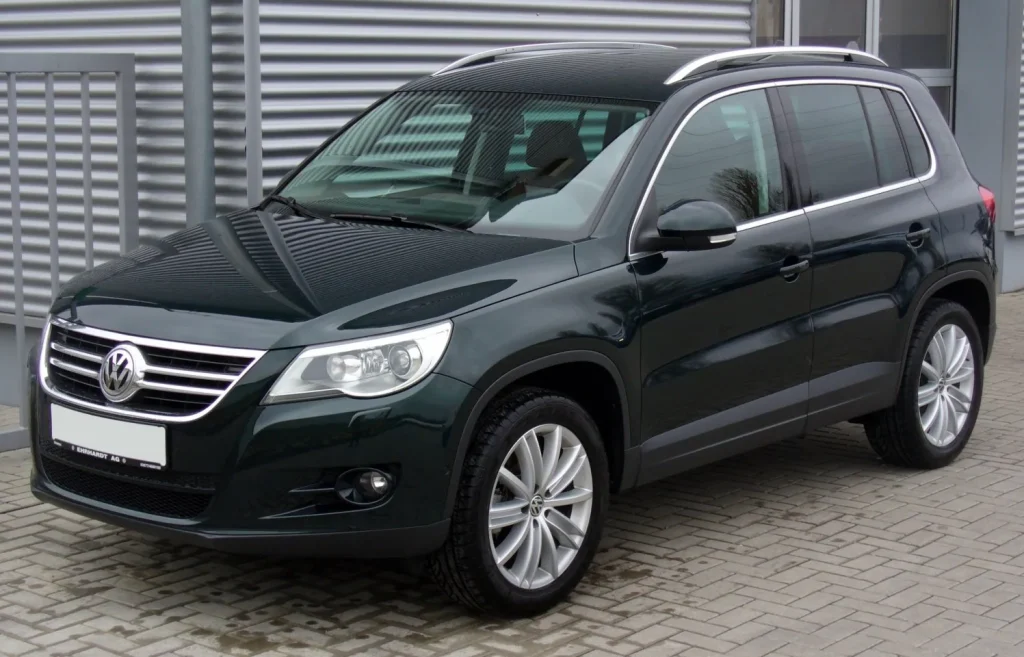
The Tiguan remains enjoyable to drive, offering balanced handling and a comfortable cabin. However, buyers considering a used 2009 model should confirm that the timing chain tensioner has been replaced with the updated design and that maintenance records document regular servicing.
Without those repairs, the financial risk can outweigh the vehicle’s strengths, making later Tiguan models a considerably safer purchase.
Specifications
- Engine: 2.0-liter turbocharged inline-four (EA888 Gen 1)
- Torque: 207 lb-ft
- Horsepower: 200 hp
- Length/Width: 174.3 inches / 71.2 inches
2. Volkswagen Passat (2006)
The 2006 Volkswagen Passat introduced the B6 generation with a sophisticated chassis, upscale interior, and modern technology that placed it close to entry-level luxury sedans.
While it impressed buyers with refined road manners and solid build quality, the model gradually developed a reputation for mechanical complexity that could become expensive as mileage increased.
One of the biggest concerns involved the 2.0-liter turbocharged FSI engine. Carbon buildup on the intake valves became a common maintenance issue because of the direct-injection fuel system.
High-pressure fuel pump cam follower wear also demanded careful inspection, as neglected components could lead to expensive engine repairs. Some owners additionally reported oil leaks, ignition coil failures, and premature water pump replacement.
Electrical reliability presented another challenge. Faults involving door lock modules, parking brake systems, dashboard electronics, and comfort control modules appeared with greater frequency as the vehicles aged.
These problems often required specialized diagnostic equipment, increasing repair costs compared with many competing midsize sedans.
The available DSG transmission performed exceptionally well when maintained correctly, but skipped fluid services frequently resulted in shifting problems and expensive repairs. Buyers attracted by the Passat’s low used prices often underestimated the importance of a complete maintenance history.
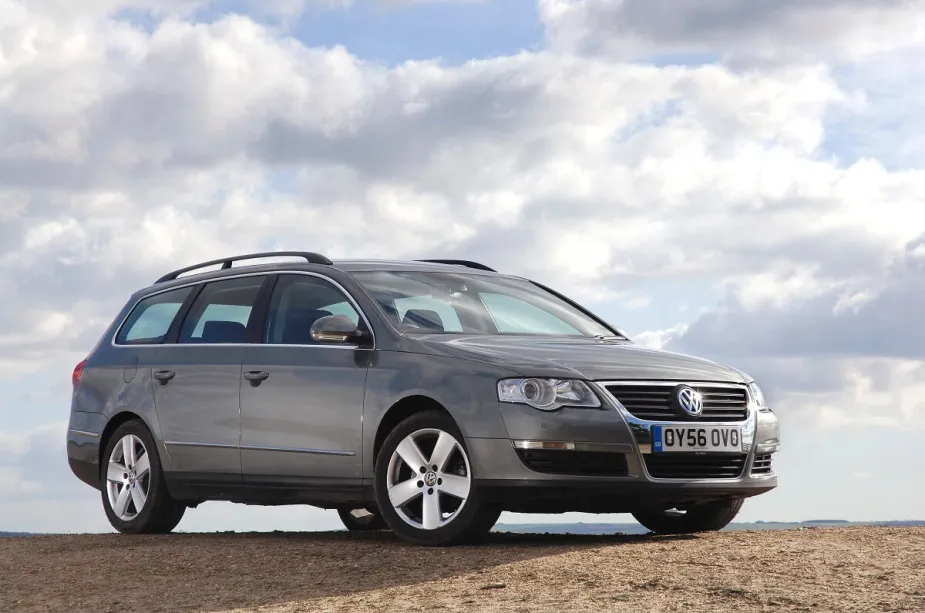
The 2006 Passat remains comfortable and enjoyable to drive, but its combination of engine, transmission, and electronic concerns makes it a model that deserves careful inspection before purchase. Later Volkswagen sedans with improved EA888 engines generally provide a more dependable ownership experience.
Specifications
- Engine: 2.0-liter turbocharged FSI inline-four
- Torque: 207 lb-ft
- Horsepower: 200 hp
- Length/Width: 188.2 inches / 71.7 inches
3. Volkswagen CC (2009)
The 2009 Volkswagen CC arrived as one of the most stylish sedans in its class, blending coupe-inspired design with the practicality of four doors. It immediately attracted buyers looking for a premium European driving experience without paying luxury-brand prices.
Although the sleek appearance and refined handling remain appealing today, long-term ownership has revealed several mechanical concerns that make this model difficult to recommend for the average buyer.
Many 2009 CC models were equipped with Volkswagen’s 2.0-liter turbocharged EA888 engine, an early version that became known for timing chain tensioner failures. If the updated tensioner was not installed, the timing chain could skip, potentially leading to catastrophic engine damage.
Excessive oil consumption also became a recurring complaint, particularly on higher-mileage vehicles. Carbon buildup on the intake valves, worn PCV valves, and failing ignition coils added to routine maintenance expenses.
The vehicle’s electrical systems created additional challenges. Owners frequently reported malfunctioning door locks, faulty steering angle sensors, dashboard warning lights, and issues involving the electronic parking brake.
While none of these faults alone made the CC unusable, the combined repair costs often exceeded what buyers expected from a used midsize sedan.
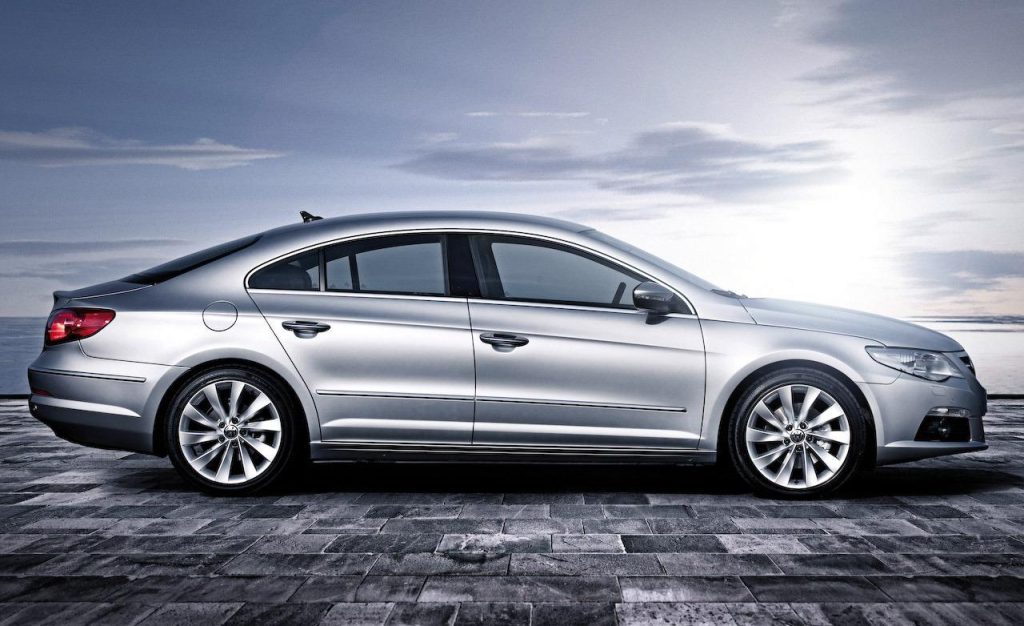
Its elegant interior, supportive seating, and composed highway ride continue to impress, but buyers should verify that major engine updates and scheduled maintenance have been completed before purchasing.
Without comprehensive service records, the 2009 Volkswagen CC can quickly become an expensive ownership proposition despite its attractive purchase price.
Specifications
- Engine: 2.0-liter turbocharged inline-four (EA888 Gen 1)
- Torque: 207 lb-ft
- Horsepower: 200 hp
- Length/Width: 188.9 inches / 73.0 inches
4. Volkswagen Touareg V10 TDI (2006)
The Volkswagen Touareg V10 TDI remains one of the most ambitious SUVs Volkswagen has ever produced. Its twin-turbocharged diesel V10 engine delivered remarkable torque and impressive towing capability, allowing it to compete with premium luxury SUVs costing considerably more.
However, extraordinary engineering also resulted in extraordinary maintenance costs, making this model one of the riskiest Volkswagens to own today.
The massive 5.0-liter V10 diesel engine is extremely complex. Many routine maintenance procedures require significant labor because of the tightly packaged engine bay.
Turbocharger repairs, fuel injection components, cooling system failures, and emissions equipment can all become exceptionally expensive. Even relatively minor repairs frequently involve removing substantial portions of the vehicle, increasing labor costs dramatically.
Air suspension systems, advanced four-wheel-drive hardware, and sophisticated electronics further contribute to ownership expenses.
While these features helped the Touareg deliver excellent off-road capability and luxurious ride quality, they also introduced numerous components that become costly to repair as the vehicle ages.
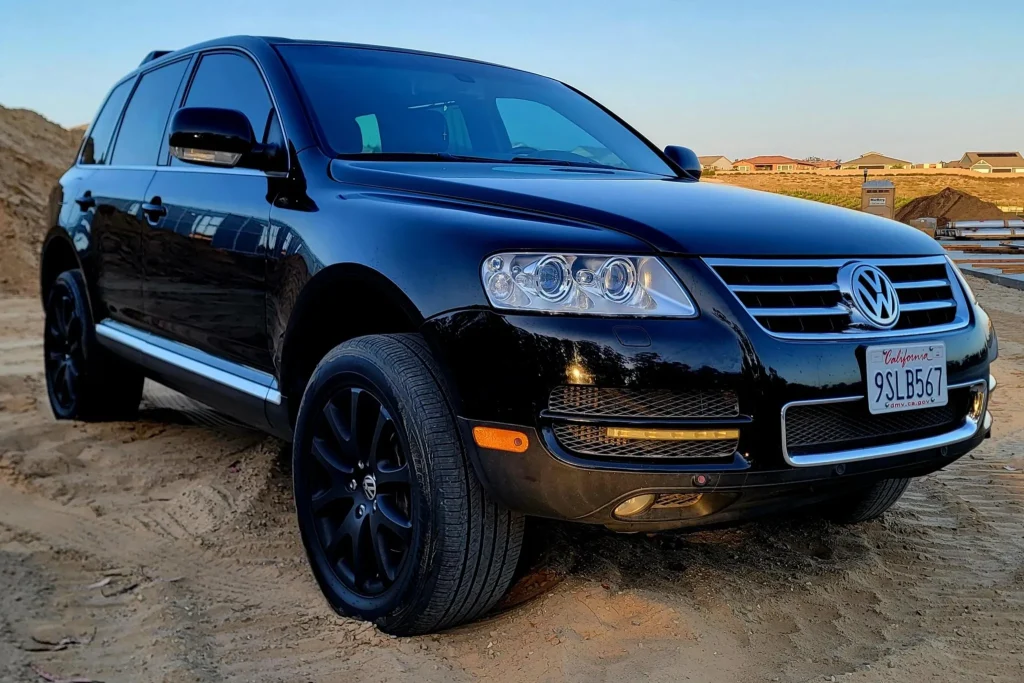
The Touareg V10 TDI remains an engineering masterpiece and continues to impress enthusiasts with its performance.
Nevertheless, its maintenance requirements make it unsuitable for most buyers unless they possess extensive mechanical knowledge or are prepared for premium repair bills that often exceed the value of the vehicle itself.
Specifications
- Engine: 5.0-liter twin-turbocharged V10 diesel
- Torque: 553 lb-ft
- Horsepower: 310 hp
- Length/Width: 187.2 inches / 75.9 inches
5. Volkswagen Beetle (2012 2.0 TSI)
The redesigned 2012 Volkswagen Beetle successfully modernized one of the automotive world’s most recognizable nameplates. It featured sportier styling, improved handling, and more powerful engine options, helping it appeal to a broader audience.
Despite those improvements, the version equipped with the 2.0-liter turbocharged engine inherited several mechanical concerns that affected owner confidence.
The early EA888 engine used in this model remained susceptible to timing chain tensioner failures if preventive updates were not performed. Excessive oil consumption also appeared in some vehicles, while carbon buildup on intake valves gradually reduced performance if regular maintenance was neglected.
Water pump leaks, thermostat housing failures, and ignition coil problems added to ownership costs over time.
Although the Beetle’s interior offered solid build quality and a comfortable driving position, electronic issues involving sensors, window regulators, and infotainment components occasionally surfaced as the cars aged.
Buyers also needed to ensure that scheduled DSG transmission maintenance had been completed on automatic-equipped examples, since neglected fluid services could shorten transmission life.
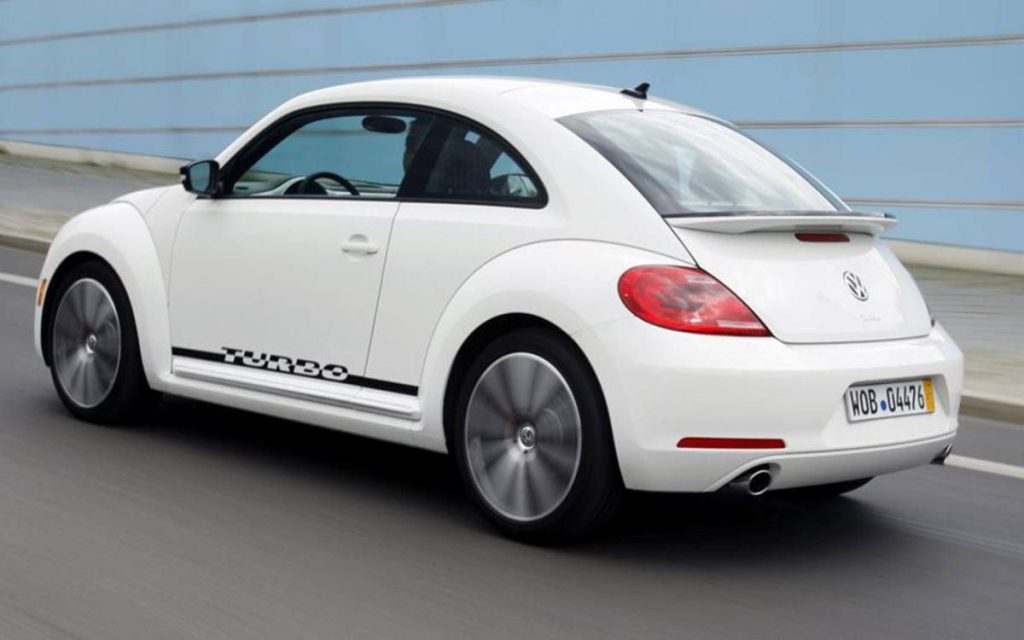
The 2012 Beetle continues to deliver enjoyable handling and distinctive styling, but buyers should place significant emphasis on maintenance history before making a purchase.
Examples with documented timing chain updates, consistent oil changes, and complete service records are far safer choices than vehicles with uncertain ownership histories.
Specifications
- Engine: 2.0-liter turbocharged inline-four (EA888)
- Torque: 207 lb-ft
- Horsepower: 200 hp
- Length/Width: 168.4 inches / 71.2 inches
Also Read: 10 Cars With The Best City MPG
