
For decades, the sedan was the default answer for American buyers who needed practical transportation. A four-door car offered enough room for a family, a trunk for luggage, comfortable highway manners, and a lower purchase price than many SUVs.
That formula made sedans central to nearly every manufacturer’s lineup. Today, the market looks very different. Crossovers have become the preferred choice for many shoppers, largely because they offer higher seating positions, flexible cargo areas, available all-wheel drive, and a more commanding view of traffic.
The shift has affected nearly every sedan category. Affordable compact cars have been removed as automakers chase higher-profit models. Midsize family sedans have lost ground to compact SUVs.
Even premium sport sedans and stylish luxury fastbacks are feeling the impact as more buyers shift their spending toward performance-oriented crossovers and electric SUVs. As consumer preferences continue to change, traditional four-door cars are occupying a smaller share of dealership inventories with each passing year.
This list examines six sedans whose declining sales or confirmed discontinuations show how strongly the market has moved toward SUVs. Some have already ended production, while others are approaching their final model year.
Each one represents a different part of the sedan market, from low-cost commuter transportation to luxury performance cars.
Their departures make one thing clear: the American sedan is no longer disappearing from showrooms because it lacks ability. It is disappearing because buyers increasingly want something taller.
Also Read: 10 Affordable EVs Targeting Under $30,000 by 2027
1. Nissan Altima
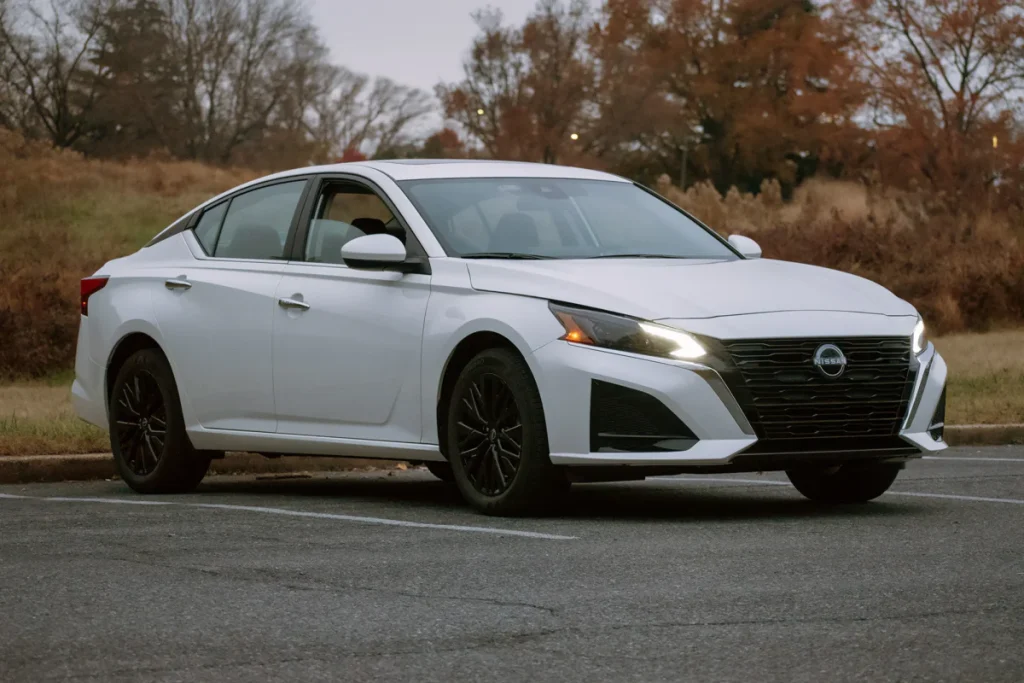
The Nissan Altima has been a familiar part of American roads since the early 1990s, but its place in Nissan showrooms is becoming increasingly uncertain as SUVs take priority.
The 2026 Altima remains available, although Nissan has reduced the lineup to fewer trims, signaling that the company is managing the sedan carefully rather than expanding it. The S and SL versions are gone, leaving the SV and SR to carry the nameplate through its final known period.
For years, the Altima competed directly with the Toyota Camry, Honda Accord, Hyundai Sonata, and Chevrolet Malibu. It appealed to drivers who wanted a midsize sedan with a comfortable ride, a roomy cabin, and the option of all-wheel drive.
That available all-wheel-drive system helped it stand out, especially in areas with rain, snow, and difficult winter weather.
The final version uses a 2.5-liter naturally aspirated four-cylinder engine paired with a continuously variable transmission. It is built for daily commuting rather than excitement, but it remains useful for drivers who prefer a traditional sedan’s lower ride height and smoother highway behavior. Its trunk is also large enough for family errands, airport trips, and regular travel.
The Altima’s shrinking trim range reflects a wider industry trend. Nissan’s Rogue, Kicks, and Murano crossovers now receive more attention because they fit current buyer demand more closely.
Sedans still offer advantages in fuel economy and road stability, yet those strengths are no longer enough to guarantee high sales. The Altima’s future shows how difficult it has become for a mainstream family sedan to remain essential in an SUV-heavy market.
- Engine: 2.5-liter naturally aspirated four-cylinder
- Torque: 180 lb-ft
- Horsepower: 188 hp
- Length/Width: 192.9 inches / 72.9 inches
2. Nissan Versa
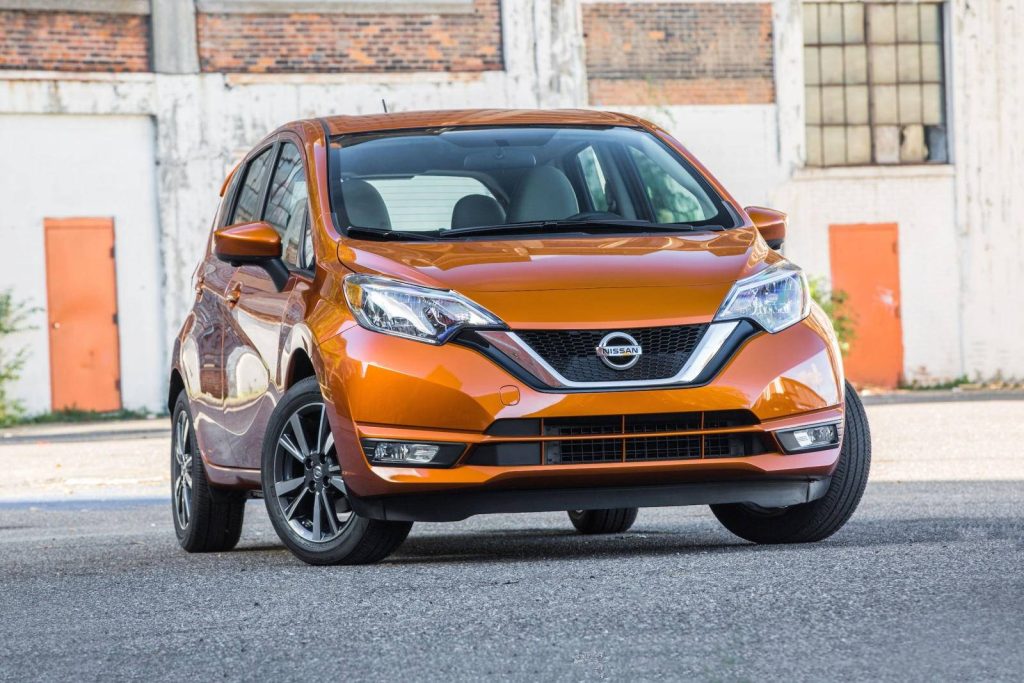
The Nissan Versa represents the most affordable side of the sedan market, which makes its disappearance especially important. Nissan ended Versa production for the United States after the 2025 model year, removing the country’s cheapest new car from the market.
For shoppers who needed a low monthly payment, a factory warranty, and simple transportation, the Versa was one of the last realistic choices.
Its sales volume was never comparable to Nissan’s crossovers, but the Versa filled a role that larger vehicles could not. It gave first-time buyers, students, commuters, and small families access to a new vehicle without the higher costs attached to many compact SUVs.
At a time when average new-car prices have climbed sharply, the Versa remained one of the few models that stayed close to the traditional entry-level price range.
The final U.S.-spec Versa used a 1.6-liter four-cylinder engine, front-wheel drive, and a continuously variable transmission. It was modestly powered, yet it delivered the traits expected from an inexpensive commuter sedan: low fuel use, easy parking, a practical trunk, and straightforward controls.
Nissan also added more driver-assistance technology over the years, making the car feel better equipped than earlier budget models.
Its departure does not mean affordable transportation is no longer needed. It means manufacturers see greater financial returns in crossovers, trucks, and more expensive compact cars.
Nissan’s Sentra and Kicks remain in the lineup, but both sit above the Versa in price. The loss of the Versa is therefore more than a routine discontinuation. It marks the fading of the genuinely cheap new sedan, a category that once introduced millions of buyers to new-car ownership.
- Engine: 1.6-liter naturally aspirated four-cylinder
- Torque: 112 lb-ft
- Horsepower: 122 hp
- Length/Width: 177.0 inches / 68.5 inches
3. Acura TLX
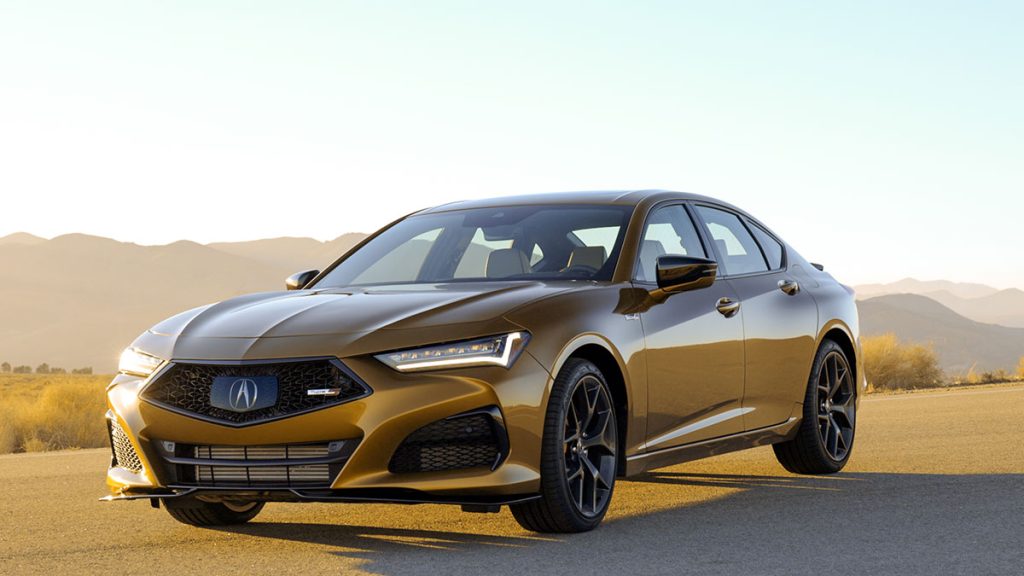
The Acura TLX was designed to give buyers a more athletic alternative to the traditional luxury sedan, but it could not escape the market’s growing preference for SUVs. Acura ended TLX production in July 2025, making the 2025 model the final chapter for a nameplate that had served as the brand’s midsize performance sedan since 2015.
Its departure is especially notable because the TLX was not a forgotten basic commuter car. It offered sharp styling, a low driving position, available all-wheel drive, and a Type S version that brought genuine performance to the lineup.
Yet the sedan’s sales fell sharply as Acura buyers moved toward the RDX and MDX crossovers. Acura said the decision was made to better align production with changing customer needs, while the Marysville, Ohio, plant prepares for future electric-vehicle manufacturing.
The standard TLX used a turbocharged 2.0-liter four-cylinder engine, but the Type S gave the sedan a much stronger personality. Its turbocharged 3.0-liter V6 produced 355 horsepower and sent power through Acura’s Super Handling All-Wheel Drive system.
That setup helped the car feel stable and responsive through corners, giving it a more driver-focused identity than many luxury SUVs.
Inside, the TLX combined premium materials with a sporty cockpit layout. The rear seat was tighter than some rivals, but the front seats, technology features, and road manners made it appealing to drivers who still wanted a sedan that felt special. With the TLX gone, the Integra becomes Acura’s only non-SUV model in the United States.
- Engine: 3.0-liter turbocharged V6
- Torque: 354 lb-ft
- Horsepower: 355 hp
- Length/Width: 194.6 inches / 75.2 inches
4. Audi A7
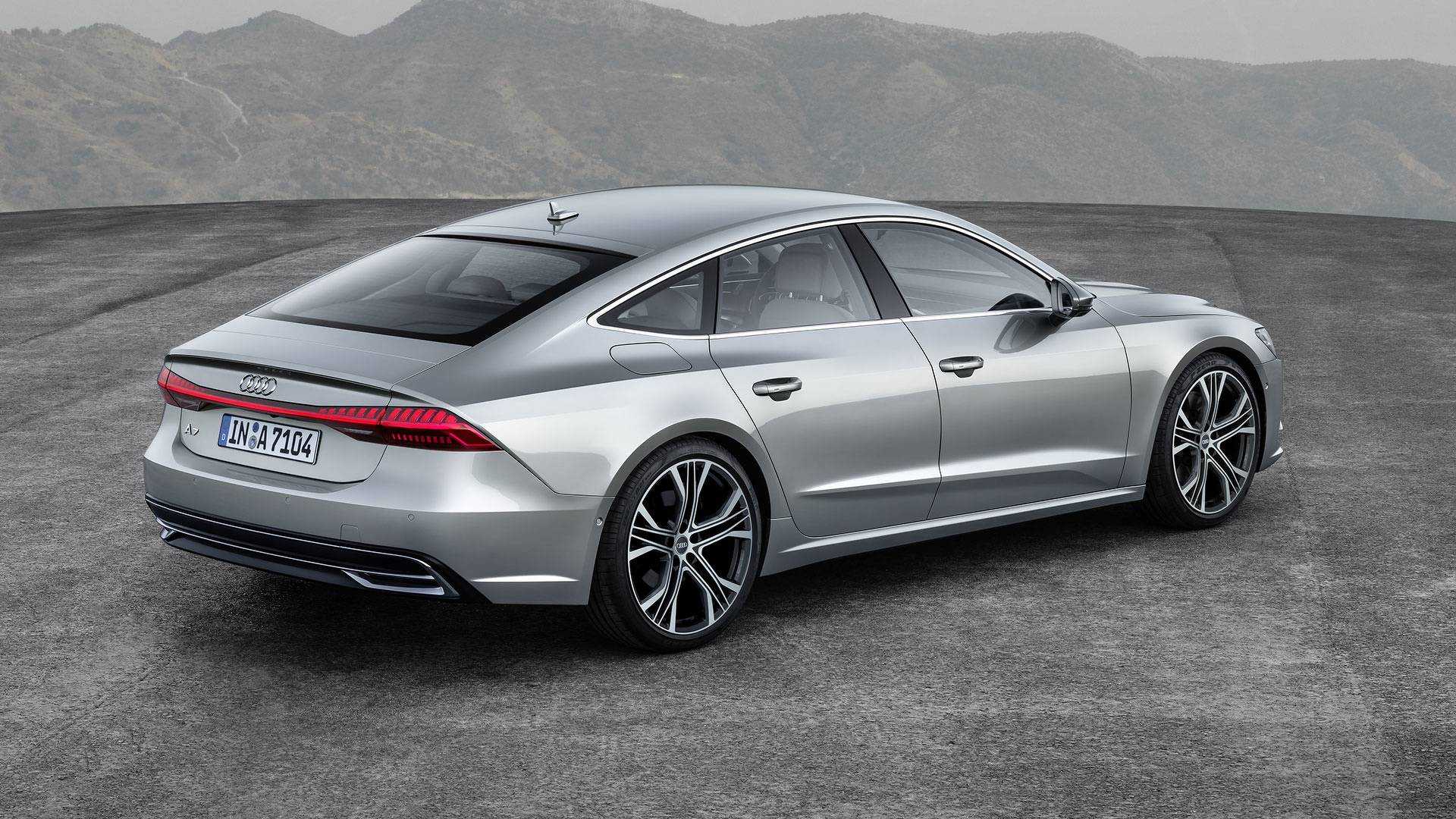
The Audi A7 brought a different interpretation of the luxury sedan to the American market. Rather than using the familiar three-box profile of a conventional four-door, it combined sedan proportions with a fastback roofline and a rear liftgate.
That design gave the A7 a sleek appearance while providing more cargo flexibility than many traditional executive sedans.
Audi ended the A7 in the United States after the 2025 model year. The decision removed one of the brand’s most distinctive gasoline-powered cars, leaving the newer A6 sedan to handle much of the space between the smaller A5 and the flagship A8.
The A7 was never intended to be a volume leader, but its exit shows that even stylish premium fastbacks face a difficult future when buyers are choosing luxury SUVs in much larger numbers.
The final A7 used a turbocharged 3.0-liter V6 paired with a 48-volt mild-hybrid system. It produced smooth acceleration rather than dramatic performance, and Audi’s quattro all-wheel-drive system gave the car confidence in wet weather and winter conditions.
Its seven-speed dual-clutch automatic transmission also helped it feel quicker and more responsive than many large luxury sedans.
What separated the A7 from ordinary executive cars was its sense of design. The low roofline, wide rear haunches, and frameless doors made it look more like a four-door grand tourer than a business sedan.
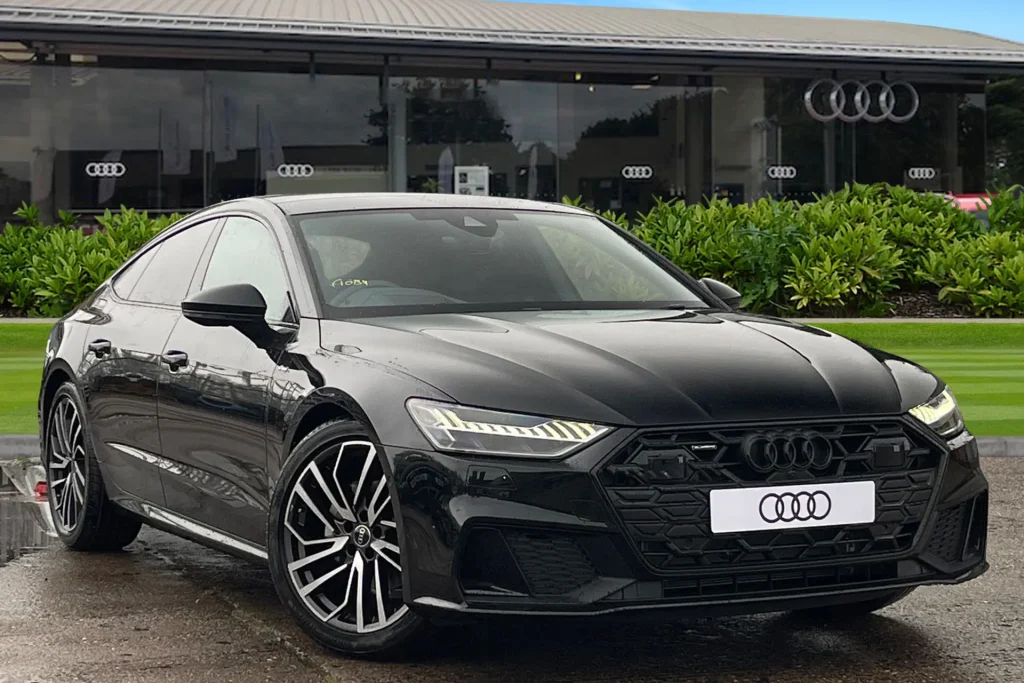
At the same time, the hatchback-style cargo opening made it useful for luggage, shopping, and longer trips. Its replacement may cover similar price territory, but the A7’s blend of style and practicality will be difficult to duplicate. Audi confirmed that the A7 would not continue into the 2026 U.S. model year.
- Engine: 3.0-liter turbocharged V6 with mild-hybrid assistance
- Torque: 369 lb-ft
- Horsepower: 335 hp
- Length/Width: 195.6 inches / 83.4 inches
5. Audi S7
The Audi S7 occupied a narrow but interesting space in the luxury market. It was more powerful and more aggressive than the standard A7, yet it did not go as far as the high-performance RS 7.
That middle ground gave it a specific appeal: buyers could get high speed, standard all-wheel drive, a sophisticated interior, and a sleek fastback body without stepping into the much more expensive super-sedan category.
Like the A7, the S7 will not return for the 2026 model year in the United States. Its departure means Audi is losing another low-slung performance four-door at a time when premium buyers increasingly choose SUVs such as the Audi SQ7, Porsche Cayenne GTS, and BMW X5 M60i.
Those vehicles may offer similar acceleration and more cargo room, but they do not provide the same driving position or fastback silhouette as the S7.
Under the hood, the final S7 uses a twin-turbocharged 2.9-liter V6 with a 48-volt mild-hybrid system. The engine produces 444 horsepower and delivers power through Audi’s quattro all-wheel-drive system.
An eight-speed automatic transmission helps the car accelerate quickly while remaining comfortable during long-distance driving. It is a vehicle that can handle a quiet highway trip one day and a demanding mountain road the next.
The S7 also carries the practical advantage of its liftback design. Its cargo opening is much larger than the trunk lid on a normal sedan, making it easier to load luggage, shopping bags, and larger items. Inside, Audi gave it a technology-heavy cabin with multiple displays, premium trim, and supportive sport seats.
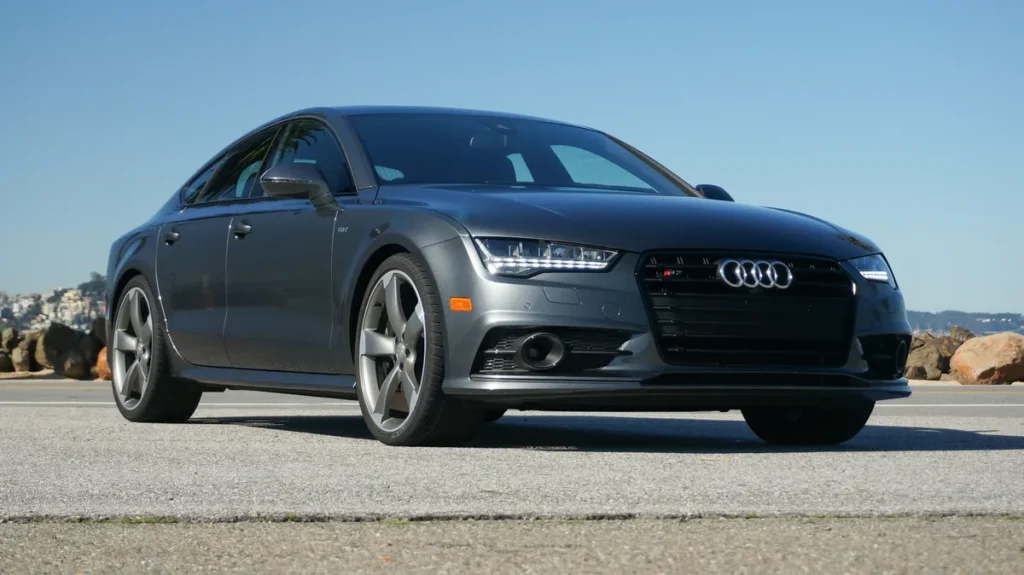
Its sales numbers were always limited because it appealed to a specialized buyer. Still, the S7 represented a type of vehicle that is becoming rare: a stylish, powerful, gasoline-powered luxury fastback that puts driving enjoyment ahead of SUV practicality.
- Engine: 2.9-liter twin-turbocharged V6 with mild-hybrid assistance
- Torque: 443 lb-ft
- Horsepower: 444 hp
- Length/Width: 195.6 inches / 83.4 inches
6. Genesis Electrified G80
The Genesis Electrified G80 shows that declining sedan demand is affecting electric vehicles as well as gasoline-powered cars.
Genesis introduced the battery-electric version of its G80 luxury sedan as a quiet, refined alternative to electric SUVs, but the model has struggled to gain meaningful attention in a market where buyers are increasingly focused on taller electric crossovers.
Unlike the gasoline G80, the Electrified G80 was built around smooth, silent performance rather than a traditional engine.
It used two electric motors and all-wheel drive, producing strong acceleration without the noise or vibration of a combustion powertrain. Its power delivery was immediate, but the car’s character remained calm and luxurious rather than aggressively sporty.
Genesis has confirmed that the Electrified G80 will not continue after the 2025 model year in the United States. The decision highlights the challenge facing premium electric sedans. Even when they offer elegant styling, strong performance, and upscale cabins, many shoppers still prefer the added ride height and cargo flexibility of electric SUVs.
Genesis has placed greater emphasis on models such as the GV60, Electrified GV70, and larger GV80 lineup, which better match current demand.
The electrified G80 also had a more limited audience because it was priced as a luxury product while offering less interior flexibility than an SUV.
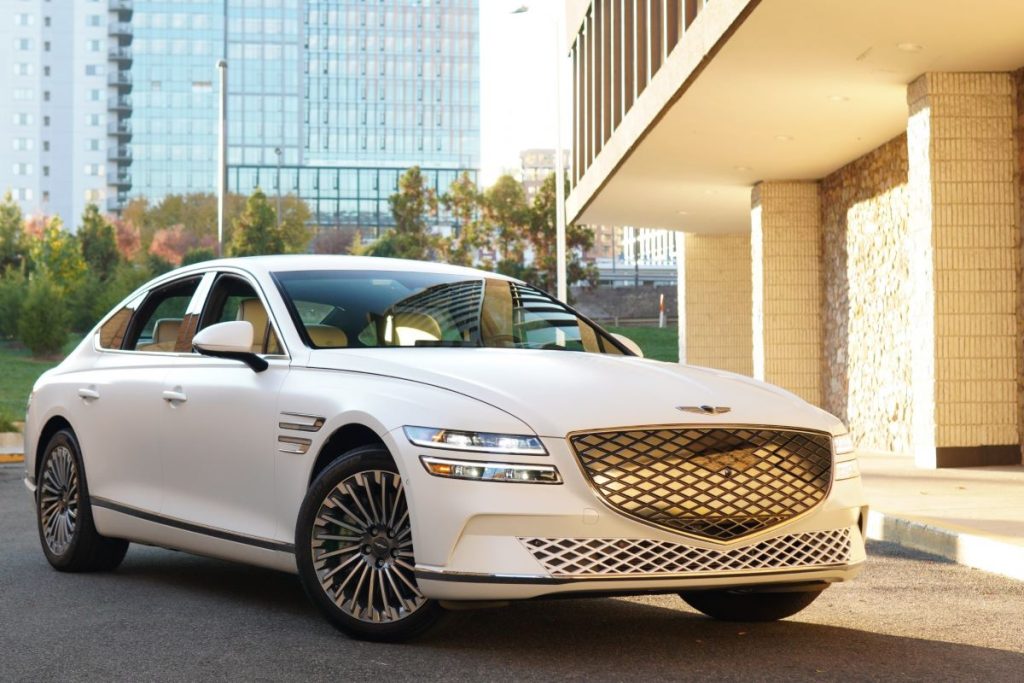
Its rear-seat space was comfortable, and the cabin used premium materials, but the battery packaging reduced trunk capacity compared with the gasoline model. For buyers who valued traditional sedan proportions, however, it delivered a rare combination of luxury and electric refinement.
Its exit does not mean Genesis is abandoning electric vehicles. It shows that the company is adapting to where buyers are spending their money. The Electrified G80 will be remembered as a polished electric sedan that arrived in a market increasingly shaped by SUVs.
- Engine: Dual permanent-magnet electric motors
- Torque: 516 lb-ft
- Horsepower: 365 hp
- Length/Width: 196.9 inches / 75.8 inches
Also Read: 6 Repairs That Cost Triple at the Dealer vs an Independent Shop
