
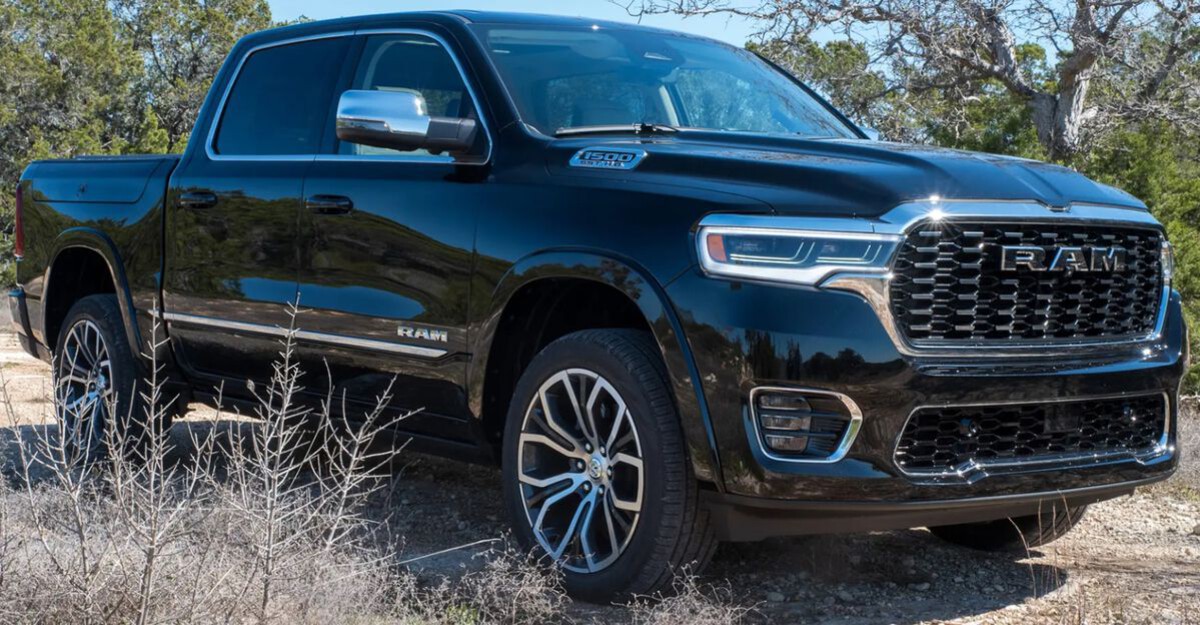
For decades, the full-size pickup truck represented one of the best values in the American automotive market. A truck was designed primarily as a tool: something contractors, farmers, small-business owners, and tradespeople depended on every day. It offered durability, towing capability, and practicality at a price that working families could justify.
That formula has changed dramatically. Today, the average transaction price of a new full-size pickup frequently exceeds $65,000, while well-equipped models from Ford, Chevrolet, GMC, and Ram can easily surpass $80,000.
Luxury trims have crossed the $100,000 threshold, placing them in the same price range as premium European SUVs and luxury sedans. As a result, many of the buyers who helped build the full-size truck market are finding themselves priced out.
Instead of replacing an older pickup with a new one, increasing numbers of truck owners are extending ownership, purchasing used models, or downsizing to midsize pickups. The shift reflects a broader affordability problem affecting the auto industry, but nowhere is it more visible than in America’s most important vehicle segment.
Truck prices have increased far faster than inflation.
A decade ago, buying a well-equipped half-ton pickup for around $40,000 was common. Today, that same truck often costs $60,000 to $75,000.
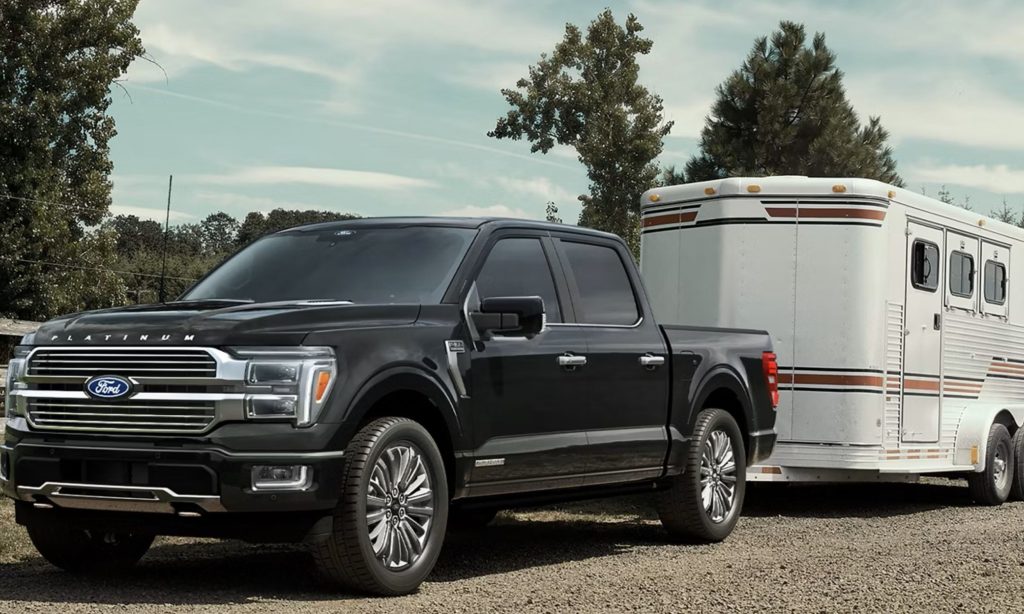
Top trims such as the Ford F-150 Platinum, Chevrolet Silverado High Country, GMC Sierra Denali Ultimate, Ram 1500 Tungsten, and Toyota Tundra Capstone regularly approach or exceed six figures once destination charges, dealer-installed accessories, and taxes are included.
While inflation has affected every part of the economy, truck prices have risen considerably faster than general consumer prices.
Manufacturers argue that today’s trucks offer significantly more technology, safety equipment, and capability than earlier models. That is true, but the improvements have also pushed trucks beyond the financial reach of many traditional buyers.
Monthly Payments Have Reached Record Levels
Sticker price is only part of the problem. Higher interest rates have dramatically increased financing costs.
Even buyers with strong credit frequently face monthly payments approaching or exceeding $900, while some luxury pickups financed over long loan terms surpass $1,200 per month.
For contractors, ranchers, and small-business owners who often purchase multiple trucks, those payments can become difficult to justify.
Many fleets are now delaying replacement cycles simply because existing vehicles remain less expensive than new ones.
Longer loan terms of 72 or even 84 months have helped reduce monthly payments, but they also increase total ownership costs through additional interest.
Trucks Have Become Luxury Vehicles
Modern full-size pickups no longer compete solely with work trucks. They increasingly compete with luxury SUVs. Features now commonly found on premium trims include the following:
- Massaging front seats
- Heated and ventilated rear seats
- Panoramic sunroofs
- Large digital displays
- Premium leather upholstery
- High-end audio systems
- Adaptive suspension
- Hands-free driving technology
- Power running boards
These features certainly improve comfort. However, they also add thousands of dollars to manufacturing costs.
Many buyers who simply need towing capability and cargo capacity end up paying for technology they neither requested nor regularly use.
Base Models Are Becoming Harder to Find
Manufacturers still advertise relatively affordable starting prices. In practice, those trucks can be surprisingly difficult to locate. Dealers frequently stock higher-margin trims because they generate greater profits.
As a result, buyers searching for entry-level work trucks often discover that available inventory consists primarily of mid-level or luxury configurations.
Fleet buyers can usually special-order basic models, but individual customers walking into dealerships frequently encounter trucks priced tens of thousands of dollars above the advertised base MSRP.
This disconnect contributes to the perception that affordable new pickups have largely disappeared.
Technology Has Added Significant Cost
Every new generation of pickup introduces more technology. Today’s trucks commonly include the following:
- Adaptive cruise control
- Blind-spot monitoring
- Automatic emergency braking
- Surround-view cameras
- Trailer backup assistance
- Digital instrument clusters
- Large infotainment systems
- Wireless smartphone integration
- Over-the-air software updates
Many of these features genuinely improve safety and convenience. However, they also require cameras, radar sensors, electronic control modules, wiring, software development, and additional manufacturing complexity.
Each new system increases production cost. Unlike optional features of the past, many are now standard across most trim levels because of safety regulations or customer expectations.
Towing and Payload Capabilities Keep Increasing
Manufacturers also continue competing through capability. Every redesign typically introduces:
- Higher towing ratings
- Larger payload capacities
- Stronger frames
- More powerful engines
- Advanced trailer technology
While impressive on paper, many owners never use the maximum capabilities being advertised.
Industry studies have repeatedly shown that a significant percentage of half-ton pickup owners tow only occasionally or not at all.
Yet every buyer pays for stronger drivetrains, larger cooling systems, reinforced frames, and more sophisticated towing electronics.
The result is a truck capable of towing 13,000 pounds even if its owner primarily drives to work and the grocery store.
Working Buyers Are Keeping Older Trucks
Perhaps the clearest evidence of rising prices comes from the used market. Contractors, electricians, plumbers, landscapers, and construction companies increasingly keep trucks far longer than they once did.
A well-maintained pickup with 180,000 miles often remains economically preferable to replacing it with a new vehicle costing more than $70,000. Improved reliability supports this decision.
Modern powertrains routinely exceed 200,000 miles when properly maintained. As long as repair costs remain manageable, many owners conclude that maintaining an older truck provides far better value than taking on a large monthly payment.
Midsize Pickups Are Benefiting
One unintended consequence of rising full-size truck prices is renewed interest in midsize pickups. Models such as the following:
- Toyota Tacoma
- Chevrolet Colorado
- GMC Canyon
- Ford Ranger
- Nissan Frontier
have attracted buyers who previously would have purchased half-ton trucks. Modern midsize pickups now offer the following:
- Strong towing capability
- Comfortable interiors
- Advanced safety technology
- Lower purchase prices
- Better fuel economy
For many households, they satisfy everyday needs while reducing both purchase price and operating costs.
Manufacturers have responded by expanding trim levels and adding more premium features to these smaller trucks as well.
Fleet Operators Face Tough Decisions
Commercial fleets experience pricing pressure even more intensely. A business replacing 20 trucks faces dramatically different costs than an individual buyer purchasing one vehicle.
Higher acquisition costs affect:
- Utility companies
- Construction firms
- Municipal governments
- Delivery companies
- Service contractors
Many organizations now extend replacement cycles, purchase fewer vehicles, or show leasing options to manage expenses.
Some are also evaluating hybrid or electric commercial vehicles where operating costs may offset higher purchase prices. However, the initial investment remains substantial regardless of powertrain.
Manufacturers Are Chasing Higher Margins
Automakers have little incentive to reverse this trend. Full-size pickups generate some of the highest profit margins in the automotive industry.
Luxury trims, appearance packages, premium interiors, and optional technology produce significantly greater profits than basic work trucks.
Instead of maximizing sales volume, manufacturers increasingly focus on maximizing revenue per vehicle. That strategy has been financially successful.
However, it has also shifted trucks away from the customers who originally made the segment so successful. The market now relies more heavily on affluent private buyers than on purely commercial users.
Could Affordable Trucks Return?
Some industry analysts believe affordability will eventually force manufacturers to reconsider their strategies.
If enough buyers continue delaying purchases or moving into smaller trucks, demand for simpler, lower-cost full-size pickups could increase. Several developments could help:
- Lower interest rates
- More entry-level trims
- Simplified equipment packages
- Increased fleet production
- Greater manufacturing efficiency
At the same time, stricter emissions standards, additional safety requirements, and continued investment in software and electrification are likely to keep production costs elevated. That means returning to the pricing levels of a decade ago appears unlikely.
What It Means for Buyers
Consumers shopping for a full-size truck today should carefully evaluate how much capability they actually need. Questions worth considering include:
- How often do you tow?
- What payload do you regularly carry?
- Do you need a luxury trim?
- Would a midsize pickup meet your requirements?
- Would a certified pre-owned truck offer better value?
For many buyers, the answers increasingly favor used trucks or smaller alternatives. Others continue choosing full-size pickups but keep them much longer than previous generations. Either way, purchasing habits are changing.
America’s full-size pickups have evolved into some of the most technologically advanced and capable vehicles on the road, but those improvements have come with unprecedented price increases.
Higher manufacturing costs, advanced safety systems, luxury features, and stronger powertrains have transformed many pickups from practical work tools into premium lifestyle vehicles.
While manufacturers continue enjoying strong profit margins on high-end trims, many of the contractors, tradespeople, and working families who traditionally formed the backbone of the full-size truck market are finding themselves priced out.
As affordability becomes an increasingly important issue across the automotive industry, the challenge for manufacturers will be balancing innovation and profitability without leaving behind the very customers who helped make full-size pickups America’s best-selling vehicles for decades.
Also Read: 10 Best Car Colors For Hot US States
