
Picking a car color usually comes down to personal taste, but if you live anywhere near Phoenix, Houston, Miami, or Las Vegas, that decision carries real consequences beyond looks. Paint color genuinely changes how hot your cabin gets, how hard your air conditioning has to work, and how much range or fuel economy you lose to beating back the heat.
Tests conducted by Lawrence Berkeley National Laboratory confirmed what drivers in hot desert climates have long observed. Light, reflective paint helps deflect infrared radiation, while darker colors absorb and retain heat inside the cabin. When a car sits in direct sunlight for an hour, interior temperatures can vary significantly based on exterior color, in some cases by as much as twenty degrees.
That gap matters for comfort, for your AC compressor’s lifespan, and for your wallet at the gas pump or charging station. This list ranks the ten best car colors for hot climates, from the most reflective shades down to the warmer tones that still manage to perform respectably under brutal summer sun, along with a real vehicle example to match each one.
1. Solid White
Heat Absorption: ~20% (Reflects roughly 80% of solar radiation)
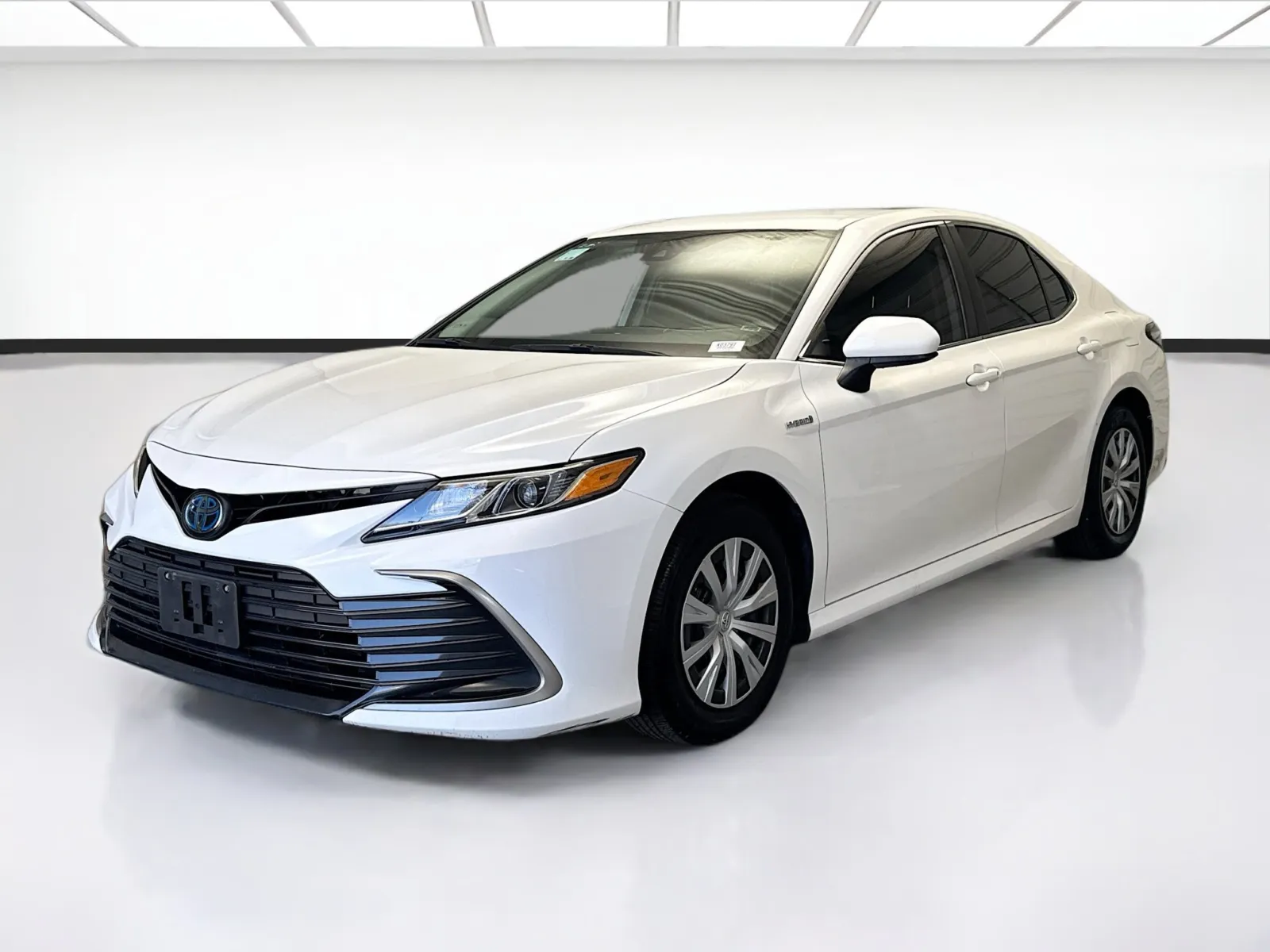
Best Car Example: Toyota Camry Hybrid in Super White
Solid white sits at the very top of this list for good reason, and the science behind that ranking is refreshingly simple. Lacking any dark pigmentation whatsoever, white paint completely rejects the vast majority of incoming heat waves rather than absorbing them into the body panels, which directly lowers interior dashboard surface stress and keeps your cabin noticeably more livable after sitting in a parking lot under direct sunlight.
This reflective advantage explains why solid white has remained the undisputed champion across the entire desert southwest for decades, regardless of which manufacturer or model wears it. Dealerships throughout Arizona, Nevada, and West Texas consistently report white as one of their strongest-selling colors, and that popularity tracks directly with how much more bearable a white car feels compared to its darker counterparts during a typical July afternoon.
Pairing this reflective shade with a genuinely efficient powertrain creates an especially strong combination for anyone logging serious highway miles through hot climates. The Toyota Camry Hybrid finished in Super White brings together a fuel-sipping hybrid system rated well above 50 miles per gallon alongside maximum thermal reflection from its exterior paint, producing what amounts to a low-stress, genuinely efficient daily commuter built specifically for long highway stretches across Texas or Arizona.
Less heat soaking into the cabin means your air conditioning compressor does not need to work nearly as hard the moment you start the engine, which translates into measurably better fuel economy over the course of a hot summer compared to a similarly equipped car wearing a darker finish.
For drivers genuinely prioritizing comfort and efficiency above all else in a sun-scorched climate, solid white remains the smartest, most proven choice available on nearly any vehicle lineup today.
2. Metallic Silver
Heat Absorption: ~25% to 30%
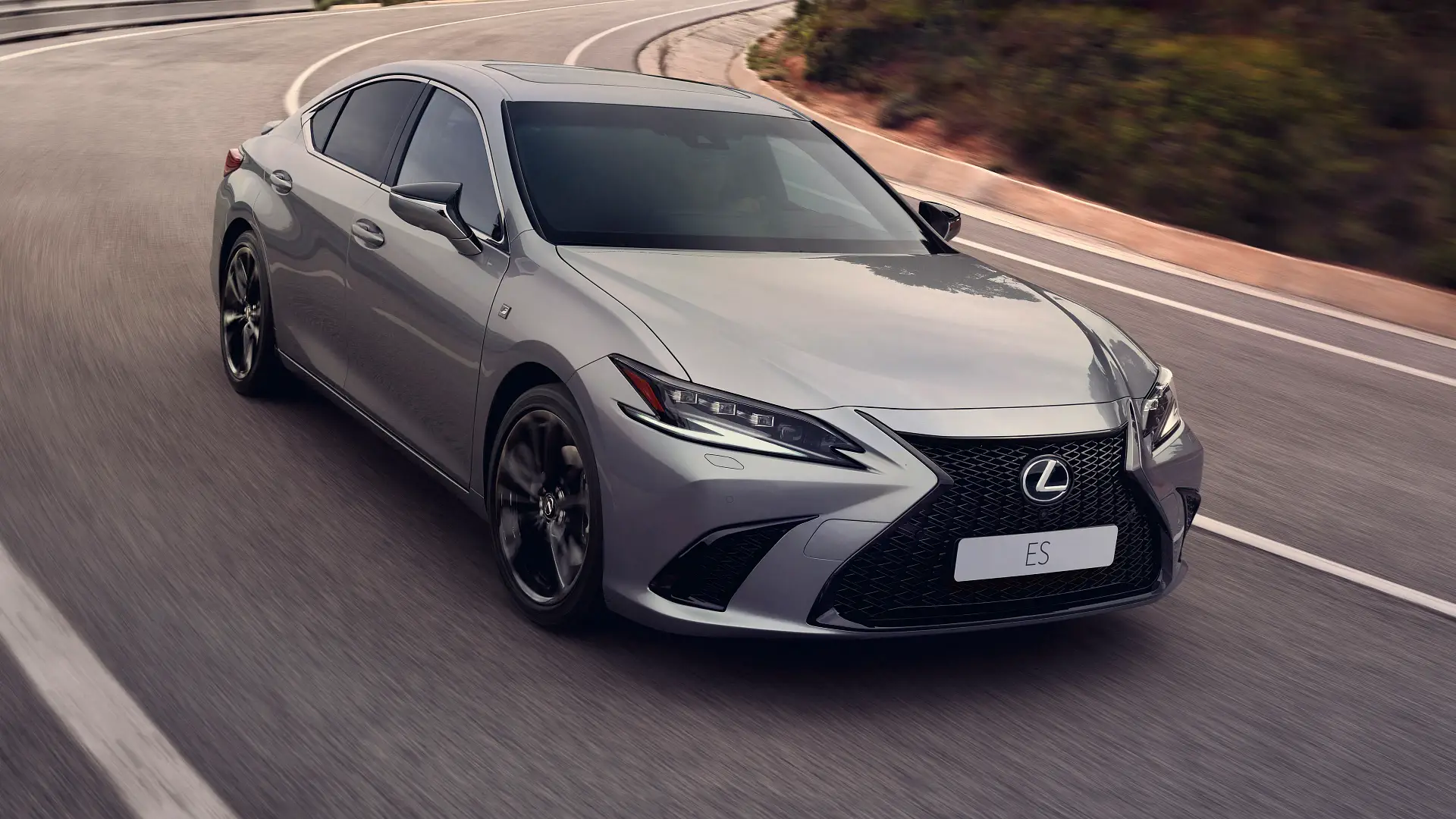
Best Car Example: Lexus ES 300h in Iridium Silver
Metallic silver takes a slightly different approach to fighting heat compared to solid white, relying on tiny metallic flakes suspended directly within the paint’s basecoat to actively scatter incoming light waves rather than simply absorbing or reflecting them in one uniform direction. That scattering effect functions almost like a mirror, bouncing sunlight away from the body panels before it has much chance to convert into trapped thermal energy underneath the clear coat.
Beyond its strong heat performance, silver carries a genuinely practical advantage that desert drivers appreciate just as much as the thermal benefits. This particular shade ranks as the absolute best color for hiding desert dust and micro-scratches compared to solid white, which tends to show dirt, swirl marks, and fine surface scuffs considerably more obviously under harsh, direct sunlight.
That dust-hiding quality matters enormously for anyone living somewhere like Phoenix or Las Vegas, where a freshly washed car can look noticeably dusty again within just a day or two thanks to dry desert wind and loose sand. A silver finish simply masks that buildup far more effectively, keeping the car looking clean and presentable for considerably longer between washes than a darker or more uniformly light-colored vehicle would manage.
The Lexus ES 300h finished in Iridium Silver pairs this practical, dust-resistant shade with a genuinely premium midsize luxury sedan experience. Running silently through stop-and-go urban traffic thanks to its hybrid powertrain, this Lexus keeps passengers comfortably isolated from external climate stress while the reflective silver exterior works continuously to keep cabin temperatures considerably more manageable than a darker-painted competitor parked in that same unforgiving lot.
Also Read: The Car Colors That Cost You the Most at Trade-In
3. Pearl White
Heat Absorption: ~22%
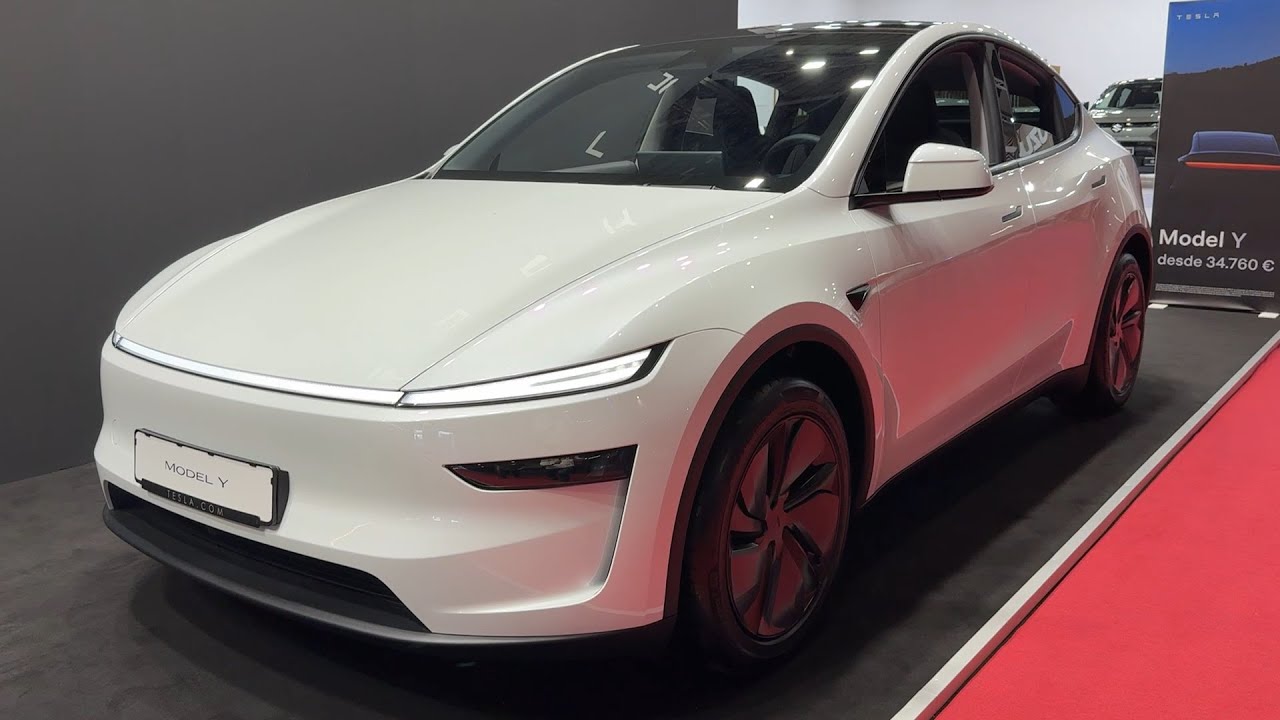
Best Car Example: Tesla Model Y in Pearl White Multi-Coat
Pearl white combines the cooling advantages of a traditional white finish with a richer, more refined appearance. Special mineral particles blended into the upper paint layers produce a soft, luminous glow that changes gently as sunlight strikes the body from different directions. This creates a polished look that feels more luxurious than a plain white finish.
The decorative effect does not reduce the paint’s ability to reflect sunlight. The bright foundation beneath the finish continues to limit heat absorption, helping the vehicle stay cooler in warm weather. Buyers can enjoy an elegant exterior without giving up the temperature-control benefits that make lighter paint colors a smart choice for hot climates.
This combination becomes especially valuable on electric vehicles, where every bit of saved energy translates directly into additional driving range rather than simply better fuel economy. Because electric vehicle climate control systems pull power straight from the same battery pack responsible for propulsion, any reduction in initial cabin heat load gives that battery considerably less work to do once you actually start driving and the air conditioning kicks on.
The Tesla Model Y finished in Pearl White Multi-Coat illustrates this advantage clearly. A pearl white exterior drastically cuts down the cabin’s initial heat load compared to a darker-colored Model Y sitting in that exact same parking spot, which helps preserve more of the battery’s stored energy specifically for actual driving rather than burning it down fighting against trapped solar heat before the trip has even properly started on a scorching highway commute.
4. Beige / Champagne Metallic
Heat Absorption: ~30%
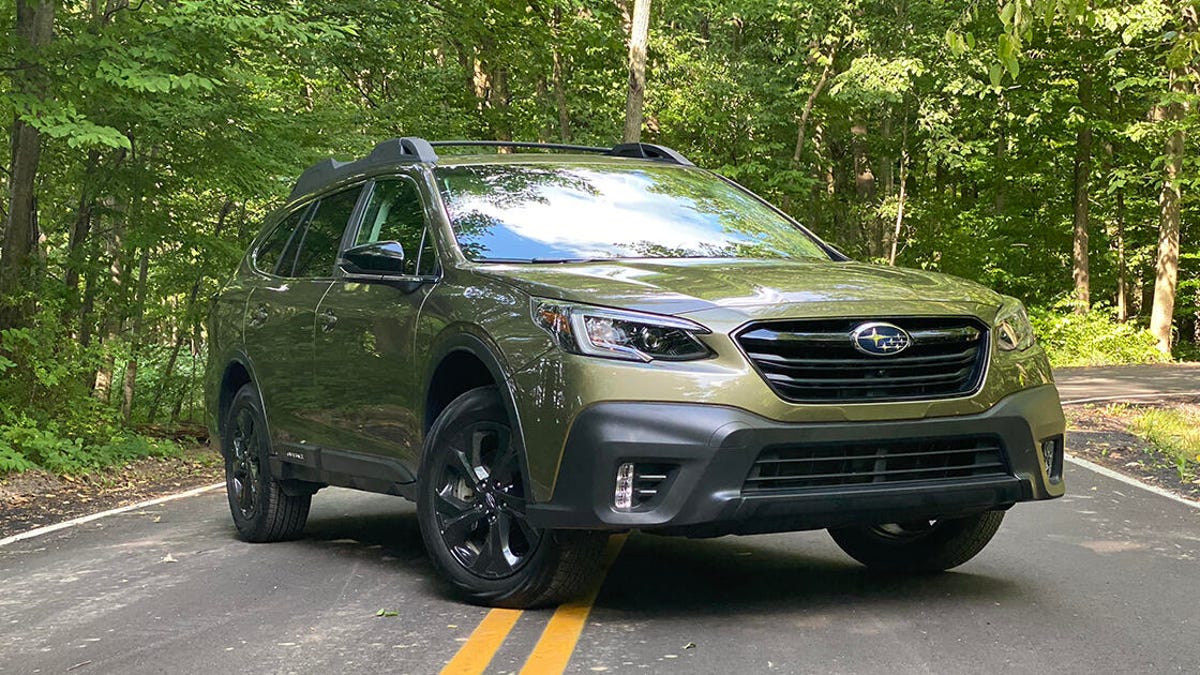
Best Car Example: Subaru Outback in Autumn Green / Brilliant Bronze Metallic
Beige and champagne metallic tones carry a genuinely warm-weather pedigree that goes back decades, and these shades continue thriving specifically in dusty, sun-baked desert climates where other colors struggle to keep their appearance intact. The fundamental advantage here comes down to a clever bit of natural camouflage working in the owner’s favor throughout daily life.
Beige naturally matches the hue of airborne sand particles common throughout much of the American Southwest, meaning a car finished in this color tends to look reasonably clean for weeks at a stretch, even as fine desert dust inevitably settles onto every exposed surface during normal outdoor parking and daily driving. That visual forgiveness pairs nicely with excellent heat rejection performance, giving owners a genuinely practical color choice rather than one chosen purely for its cooling properties alone.
A vehicle built for frequent travel on dirt roads needs to be both durable and comfortable, making the Subaru Outback in Autumn Green or Brilliant Bronze Metallic an excellent fit. Its raised ride height, standard all-wheel drive, and wagon-inspired design make it well suited for ranch access roads, loose gravel routes, and remote desert paths where dependable traction is essential for everyday travel and outdoor trips.
Color also plays a role during extended drives in hot, dry regions. A warm earth-toned finish helps reduce the visual impact of dust while keeping the vehicle looking cleaner between washes. It also limits heat buildup better than many darker shades, allowing the cabin to stay more comfortable during long hours under direct desert sun, even when the route stretches far from paved roads or shaded parking areas.
5. Light Gray / Liquid Platinum
Heat Absorption: ~35% to 40%
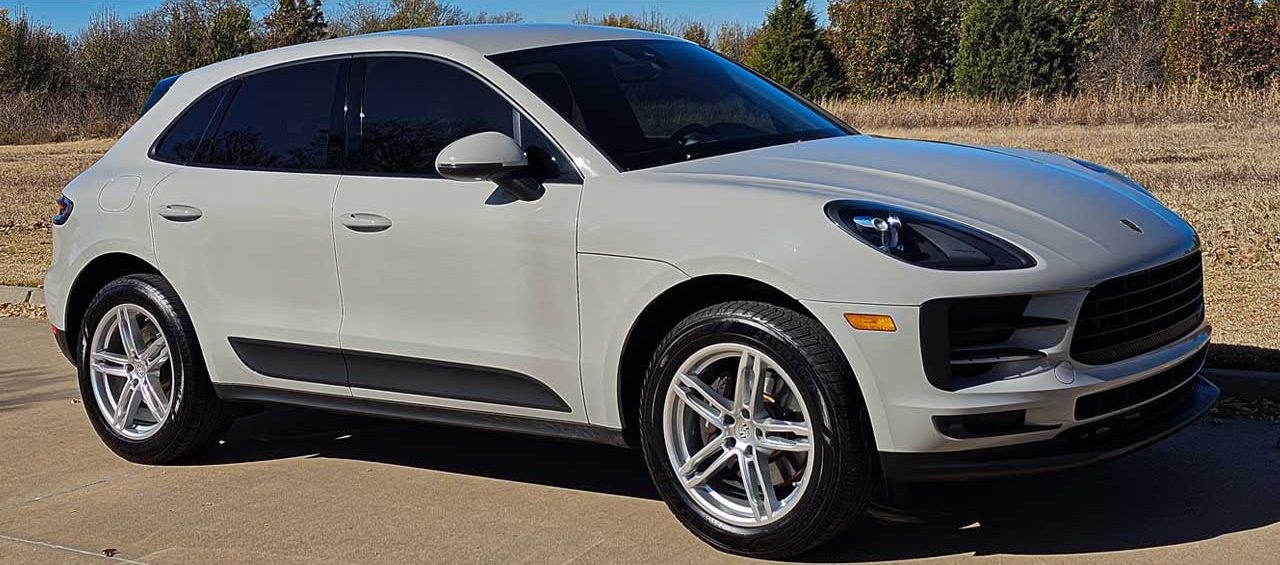
Best Car Example: Porsche Macan in Chalk Gray
Gray paint carries a reputation problem that genuinely deserves clarification before anyone writes off the entire color family for hot climates. Deep charcoal and gunmetal tones absolutely belong on the avoid list for sun-belt drivers, since those darker variations behave thermally much closer to black than to anything resembling a genuinely cool, reflective shade.
Highly clear, light “chalk” grays tell a completely different story, though, and deserve a clear distinction from their darker gray cousins. These lighter variations deliver a genuinely contemporary, flat style profile that has become increasingly popular across nearly every vehicle segment in recent years, all while still maintaining what amounts to a safely cool cabin matrix compared to mid-tone or dark colors occupying that same general gray family.
That distinction between light and dark gray matters enormously, since both shades technically fall under the same broad color name yet perform completely differently once exposed to several hours of direct, unfiltered sunlight. A light chalk gray reflects considerably more solar energy than its darker counterparts, keeping body panel surface temperatures meaningfully lower throughout a typical scorching summer afternoon spent parked outside.
The Porsche Macan finished in Chalk Gray demonstrates exactly how this lighter gray family can work beautifully on a genuinely performance-focused vehicle without sacrificing thermal comfort in the process. This compact performance SUV gains a modern, track-ready aesthetic that plenty of buyers specifically seek out, all while avoiding the fate of turning its roof and hood into what would otherwise become a genuine thermal radiator panel under sustained desert sun, a problem that would otherwise plague a darker-finished Macan parked in that same spot for hours at a stretch.
6. Pastel / Light Sky Blue
Heat Absorption: ~45%
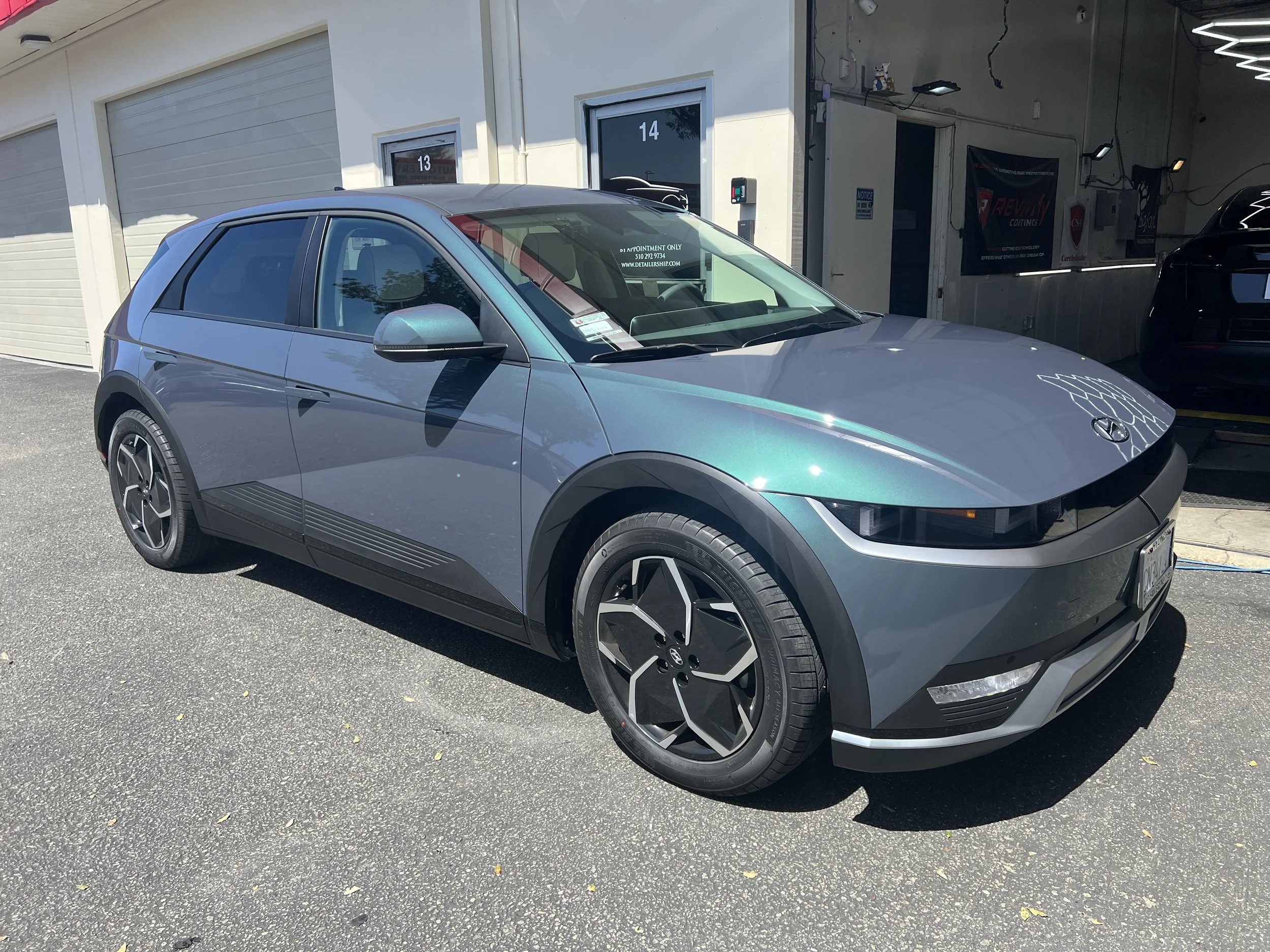
Best Car Example: Hyundai Ioniq 5 in Digital Teal / Lucid Blue
Blue paint occupies a genuinely interesting middle ground on this list, since the specific shade chosen makes an enormous difference in how that color actually performs once exposed to extended direct sunlight. Deep navy blue, much like dark gray and black, heats up rapidly and belongs nowhere near a hot-climate paint shortlist, absorbing solar energy at rates that quickly undo any aesthetic appeal the deeper tone might otherwise offer.
Light sky blues and ice blues, by comparison, represent an excellent alternative occupying what specialists sometimes call the “cool spectrum” of available paint tones. These lighter blue variations reflect a clear majority of incoming infrared frequencies while still adding genuine color and visual personality to a vehicle, rather than forcing buyers to settle exclusively for white, silver, or beige if they want something with a bit more character on the road.
This balance between color expression and thermal performance becomes especially relevant for electric vehicle buyers, who already think carefully about every factor influencing their car’s efficiency and driving range. The Hyundai Ioniq 5 finished in Digital Teal or Lucid Blue brings this lighter blue family to life on a genuinely distinctive, retro-futuristic electric crossover that already stands out visually on the road.
This particular Hyundai pairs that lighter color footprint with eco-conscious cooling software built directly into the vehicle’s climate management system, creating a combination where smart software and smart paint choice work together rather than fighting against each other.
Owners get a genuinely head-turning color that still respects the underlying physics of heat absorption, rather than choosing style at the direct expense of comfort and efficiency during long, sun-soaked summer drives.
7. Buttercream Yellow
Heat Absorption: ~28% to 35%
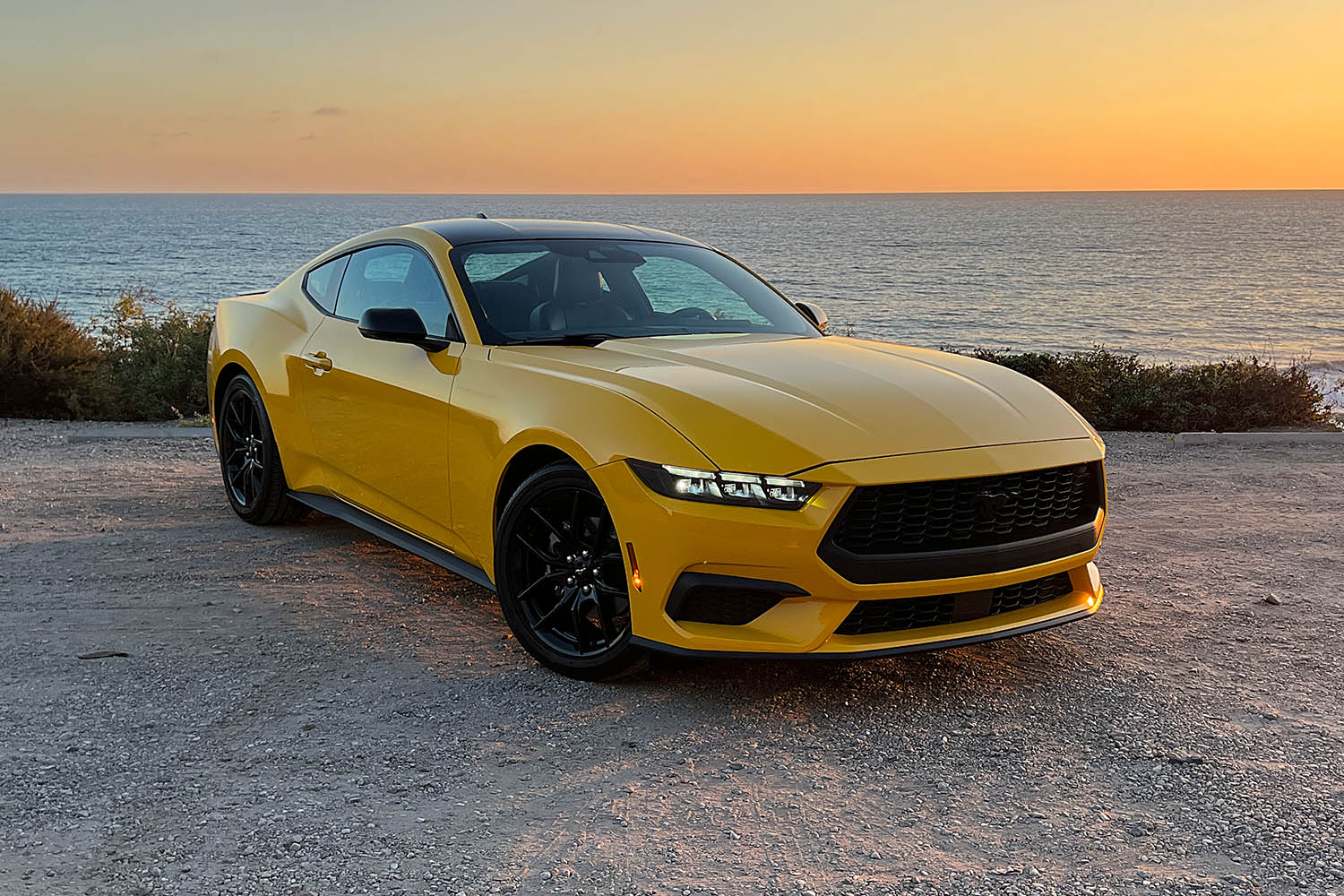
Best Car Example: Ford Mustang in Yellow Splash Metallic
Bright yellow rarely gets mentioned in conversations about practical car colors, yet it genuinely deserves more credit than it usually receives, particularly for drivers living somewhere hot. This shade carries a dual advantage that few other colors on this entire list can claim simultaneously, combining genuine safety benefits with surprisingly strong thermal performance.
One of the biggest advantages of a bright yellow finish is how easily it stands out in traffic. Drivers can spot it much sooner than vehicles painted in darker or more subdued shades, making it easier to notice during early mornings, late evenings, or cloudy weather.
This improved presence on the road helps reduce the chances of being overlooked by other motorists, adding an extra layer of confidence behind the wheel. That benefit complements the color’s ability to perform well in a variety of driving conditions.
Surprisingly, bright yellow absorbs a relatively low volume of solar energy compared to many mid-tone colors that might seem visually more conservative or understated by comparison. This means drivers do not have to sacrifice thermal comfort in exchange for choosing a genuinely attention-grabbing, road-safe color, a combination that few other shades throughout the entire automotive color spectrum can offer simultaneously without compromise.
The Ford Mustang finished in Yellow Splash Metallic captures this advantage perfectly while still retaining every bit of classic muscle car energy that this nameplate has built its reputation around for decades. Rather than roasting under summer sun the way a traditional black or deep race red Mustang inevitably would, this yellow variant rejects standard summer heat loops considerably more effectively, allowing performance-minded buyers to enjoy genuine muscle car styling without paying quite as steep a thermal penalty every time the car sits parked under intense, direct sunlight.
8. Mint / Sage Green
Heat Absorption: ~45% to 50%
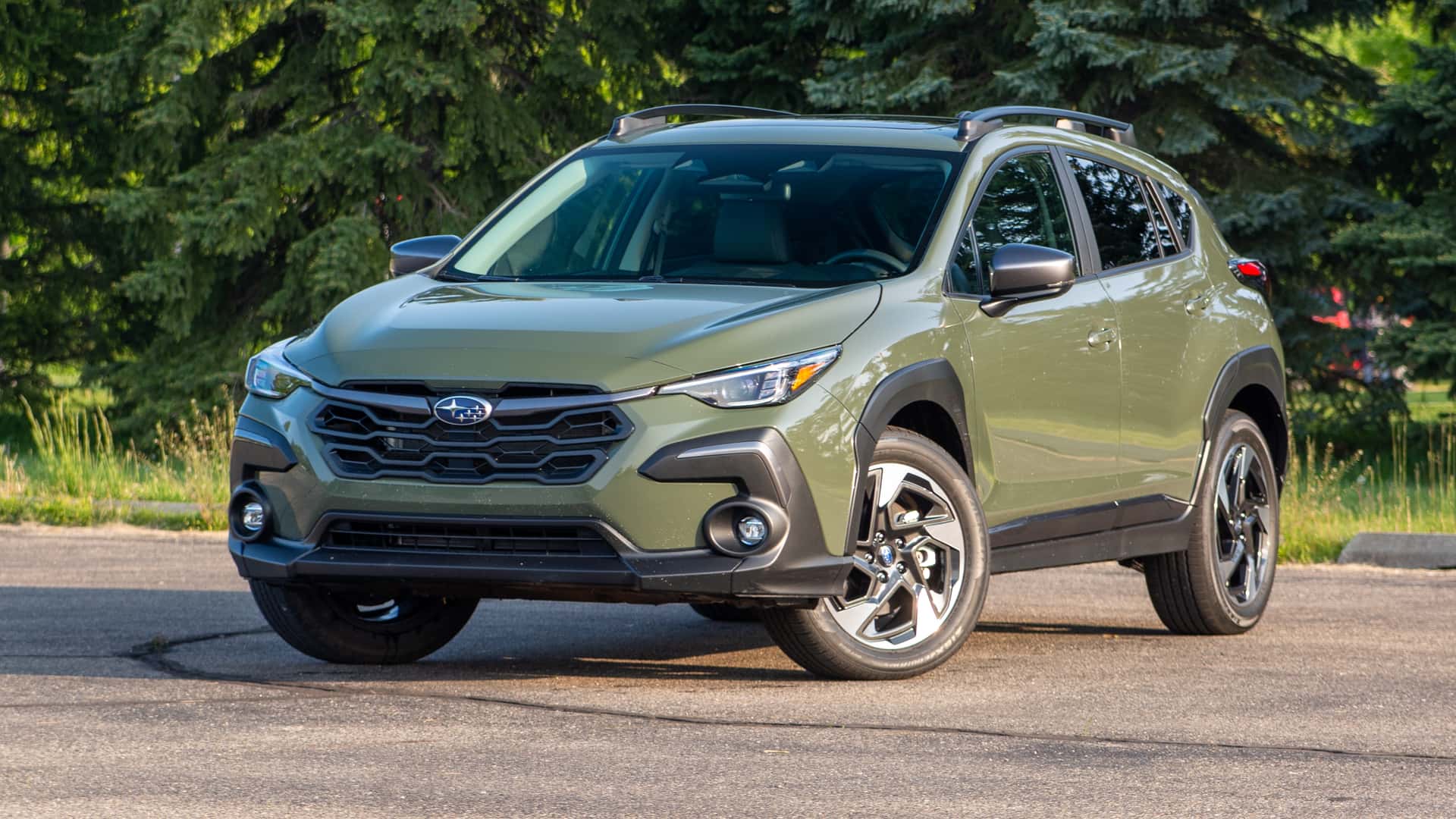
Best Car Example: Subaru Crosstrek in Alpine Green
Light, earthy green tones occupy an interesting position toward the middle of this entire ranking, absorbing a moderate amount of heat compared to the strongest performers higher up this list, yet still offering genuine advantages that make this color family worth serious consideration for hot-climate buyers. The appeal here comes down less to pure thermal reflection and more to long-term durability under sustained, harsh sunlight exposure.
These lighter greens prove exceptionally stable, specifically in bright, intense sun conditions, a quality that matters enormously over years of ownership rather than just during a single scorching afternoon. Unlike deep, dark paint layers that gradually develop chalky UV damage and visible fading after repeated exposure to intense desert or subtropical sunlight, mint and sage green tones tend to hold their original color and finish considerably longer throughout extended ownership.
Paint that resists fading and wear is a major benefit for owners who intend to drive the same vehicle for many years instead of replacing it every few seasons. As the years pass, worn or faded paint can lower resale value and reduce a vehicle’s visual appeal, even when its engine, transmission, and other mechanical parts remain in excellent condition.
The Subaru Crosstrek finished in Alpine Green demonstrates how a rich, nature-inspired color complements a compact crossover designed for outdoor adventures. The shade blends effortlessly with dry desert scenery and other rugged environments where the vehicle is likely to be driven. At the same time, the cabin remains well insulated, helping occupants stay comfortable during extended trips in hot weather, even when little shade or covered parking is available.
9. Rose Gold / Copper Metallic
Heat Absorption: ~38%
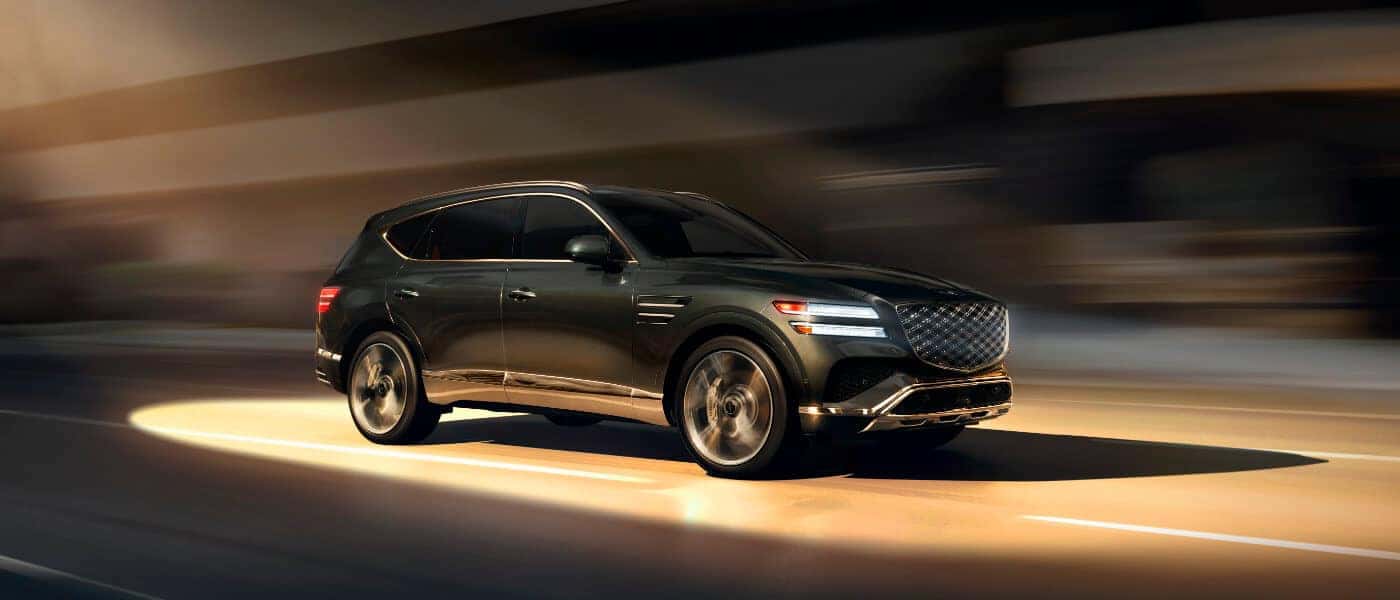
Best Car Example: Genesis GV80 in Mauna Loa Brown / Matte Gold
Rose gold and copper metallic finishes bring a genuinely distinctive, upscale presence to this entire ranking, relying on a fundamentally different approach compared to the simpler white or silver shades discussed earlier on this list. This particular paint family depends on a heavy pink, gold, and white undercoat scheme working together specifically to push incoming light rays outward and away from the body panels rather than letting them settle and convert into trapped heat.
That layered undercoat approach functions almost exactly like a premium thermal mirror, bouncing solar radiation away from the vehicle’s surface while still delivering the kind of warm, elegant visual depth that has made rose gold and copper tones genuinely popular across luxury vehicle lineups in recent years. Buyers get a paint job that photographs beautifully in soft, golden-hour light while still performing respectably once that same sunlight turns harsh and direct during a brutal midday parking lot wait.
This combination of elegance and genuine thermal function explains why premium automakers have increasingly embraced this particular color family for their flagship models, recognizing that luxury buyers in hot climates still care deeply about cabin comfort regardless of how sophisticated their vehicle’s exterior styling happens to look.
The Genesis GV80 finished in Mauna Loa Brown or Matte Gold demonstrates this balance clearly, blending a genuinely high-end corporate presence suitable for executive transportation duty with a custom, sun-resistant paint formula specifically engineered to handle extended exposure throughout hot climates.
Owners get a vehicle that looks every bit as expensive as its price tag suggests, while still respecting the underlying thermal physics that genuinely matter once that polished exterior sits baking under several consecutive hours of direct summer sunlight.
Also Read: 10 Most Popular Car Colors That Is No Longer Available)
10. Bright Orange
Heat Absorption: ~42%
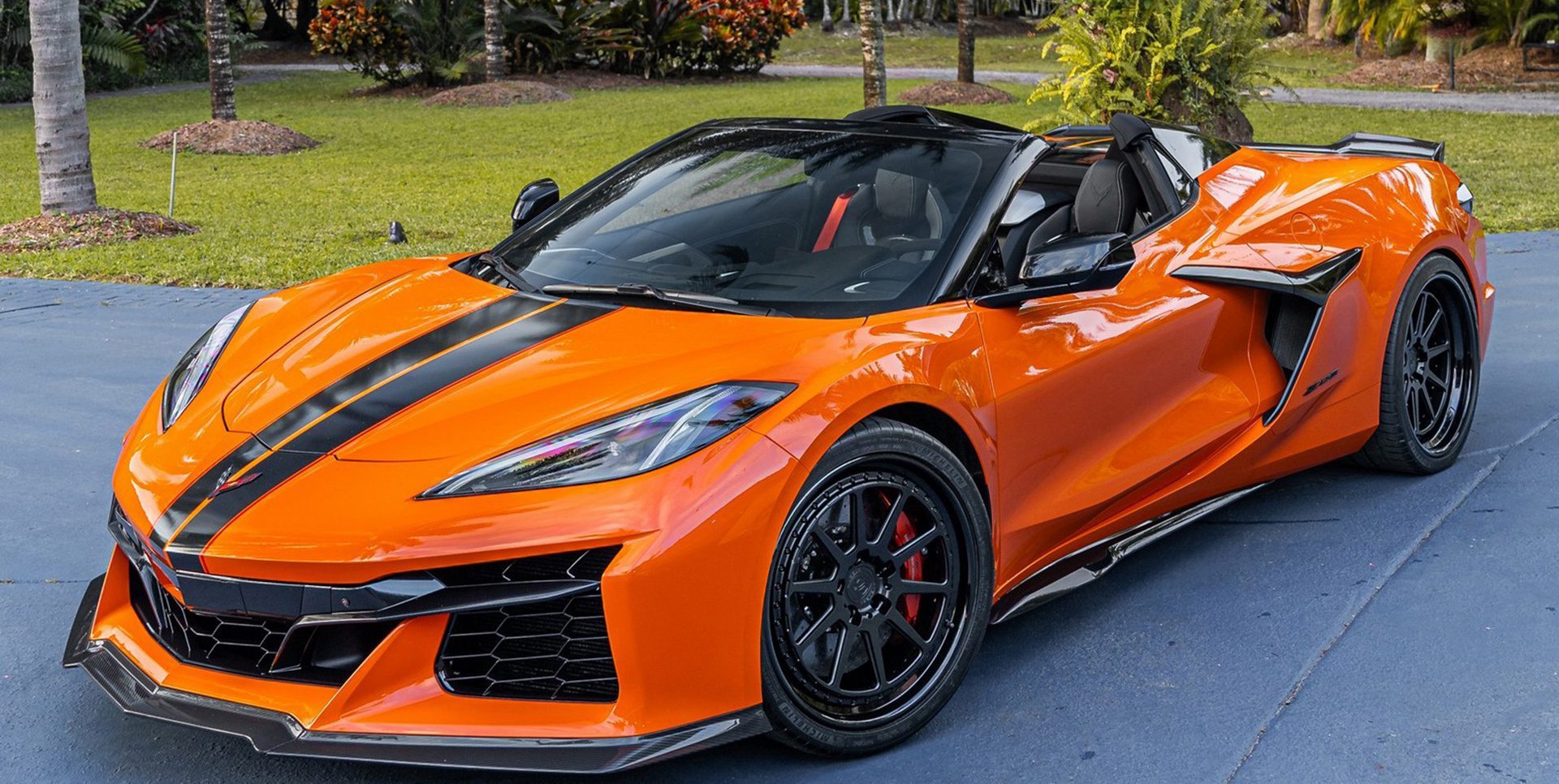
Best Car Example: Chevrolet Corvette Z06 in Amplify Orange
Bright orange rounds out this entire ranking by squeezing onto the list as the strongest performer among what specialists describe as the “warm spectrum” color family, a category that includes deeper, richer tones generally known for absorbing considerably more solar energy than the lighter shades discussed throughout the earlier entries on this list. Orange manages to outperform its warm-spectrum siblings specifically because it carries a meaningfully higher reflection frequency compared to deep red or burgundy paint.
That reflective advantage over similarly intense colors gives orange a genuine edge for buyers who specifically want a bold, attention-grabbing exterior without fully committing to the steepest heat absorption penalties that come standard with truly dark warm tones like maroon or deep crimson red finishes.
Beyond thermal performance alone, bright orange carries the exact same visibility advantage already discussed regarding bright yellow earlier on this list. This shade safely alerts other drivers on bright, high-glare highways, an advantage that matters considerably for performance vehicles frequently driven aggressively or pushed toward their genuine mechanical limits on open roads or dedicated track environments.
The Chevrolet Corvette Z06 finished in Amplify Orange brings this entire combination together on a genuinely serious mid-engine performance machine, built specifically to run at peak limits under demanding, high-temperature track conditions. Choosing this particular orange finish helps the car avoid roasting its interior cockpit during repeated track sessions under direct sun, giving drivers one less variable to worry about while focused entirely on extracting maximum performance from this genuinely capable sports car throughout a long, hot afternoon spent lapping under unforgiving summer heat.
