
Reliability is one of the most important factors when purchasing a vehicle because unexpected repairs can quickly turn ownership into an expensive and frustrating experience. While every manufacturer occasionally produces a problematic model, some vehicles consistently generate more owner complaints and repair visits than others.
Consumer Reports gathers reliability information from hundreds of thousands of vehicle owners each year, tracking issues across numerous categories, including the engine, transmission, electrical systems, climate control, suspension, brakes, body hardware, paint, infotainment, and other major components.
This extensive owner survey provides valuable insight into which models are more likely to require frequent trips to the repair shop.
The vehicles featured in this article are among those that have earned poor reliability ratings in recent Consumer Reports surveys because of recurring problems reported by owners.
A low reliability score does not necessarily mean every example will experience serious failures, but it does indicate that these models have shown a greater likelihood of developing issues compared with many competitors in their respective segments.
Before purchasing a new or used vehicle, understanding these reliability trends can help buyers make more informed decisions and potentially avoid costly repairs later.
The following eight vehicles have built reputations for spending more time in service departments than many of their rivals, making them important models to research carefully before signing a purchase agreement.
Also Read: 8 Cheapest BMW Cars Ever Made & Ranked
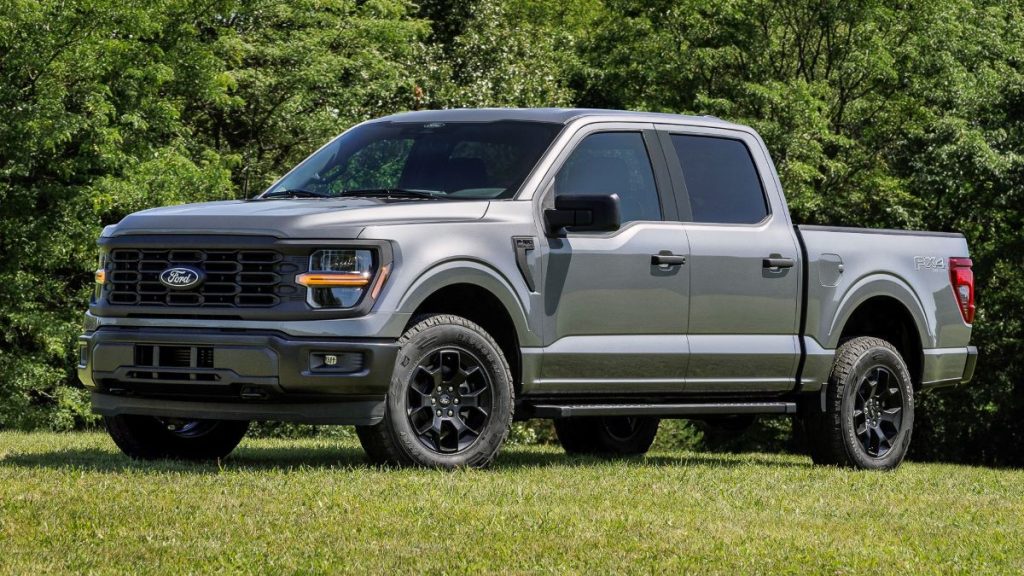
1. Ford F-150 Hybrid
The Ford F-150 has long been one of America’s best-selling pickup trucks, but the hybrid version has struggled to match the reliability reputation established by many conventional F-150 models.
Consumer Reports has repeatedly ranked the F-150 Hybrid among the least reliable new vehicles based on owner survey data, with many owners reporting more frequent repair visits than expected.
Problems have been reported across multiple systems rather than being isolated to a single mechanical component, making ownership less predictable for some buyers.
One of the primary concerns involves the hybrid powertrain and its supporting electronics. Owners have reported issues ranging from electrical system malfunctions to software-related glitches that affect normal vehicle operation.
Some drivers have also experienced problems involving the charging system for the hybrid battery, warning messages, and infotainment faults that required dealership diagnosis. While not every truck develops these concerns, the frequency of owner reports has contributed to below-average reliability scores.
Modern pickup trucks contain increasingly sophisticated technology, and the F-150 Hybrid combines traditional truck hardware with an advanced electrified drivetrain.
That added complexity introduces more components that may require updates or repairs during ownership. Consumer Reports has noted that the hybrid version has performed noticeably worse than several gasoline-powered F-150 variants in reliability surveys.
Despite these concerns, the truck remains highly capable when it comes to towing, payload capacity, and fuel efficiency. Buyers considering a used example should carefully review service records, confirm that software updates and recalls have been completed, and obtain a thorough pre-purchase inspection.
Taking these precautions can help reduce the likelihood of unexpected repair visits after purchase.
Specifications
- Engine: 3.5-liter PowerBoost Twin-Turbo Hybrid V6
- Torque: 570 lb-ft
- Horsepower: 430 hp
- Length/Width: 231.7 inches / 79.9 inches
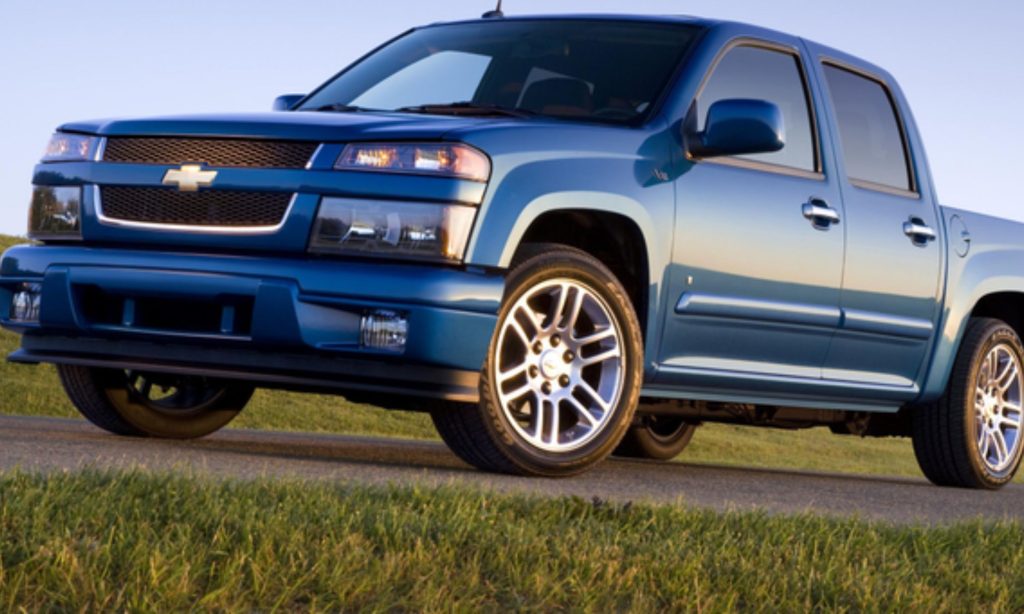
2. GMC Canyon
Mid-size pickup trucks are often purchased with the expectation of durability, yet the GMC Canyon has appeared among the lowest-rated vehicles in Consumer Reports reliability rankings for certain recent model years.
Owner survey data indicates that a significant number of vehicles required dealer attention for issues extending beyond routine maintenance, contributing to lower predicted reliability scores.
Unlike trucks affected by a single widespread defect, the Canyon has accumulated complaints across several categories. Owners have reported electrical system concerns, infotainment glitches, transmission behavior, body hardware issues, and occasional powertrain-related problems.
Individually, many of these faults may not be catastrophic, but together they can lead to repeated service appointments that interrupt normal ownership.
The latest generation introduced substantial redesigns inside and out, adding more advanced technology, larger digital displays, and sophisticated driver assistance features.
While these upgrades improved comfort and capability, additional electronic systems also increased the number of components that could require software updates or warranty repairs. Consumer Reports survey data reflects these owner experiences by placing the Canyon among the least reliable new vehicles in its rankings.
The Canyon still delivers strong towing capability, confident handling, and an attractive interior compared with many competitors. Buyers interested in the model should verify that all manufacturer recalls, technical service bulletins, and software updates have been completed before purchasing.
Choosing a vehicle with documented maintenance history and remaining factory warranty coverage may also help minimize future repair costs.
Although many owners enjoy years of satisfactory service, Consumer Reports survey results suggest prospective buyers should carefully research specific model years rather than assuming every Canyon delivers the same ownership experience.
Specifications
- Engine: 2.7-liter Turbocharged Inline-4
- Torque: 430 lb-ft
- Horsepower: 310 hp
- Length/Width: 213.2 inches / 72.4 inches
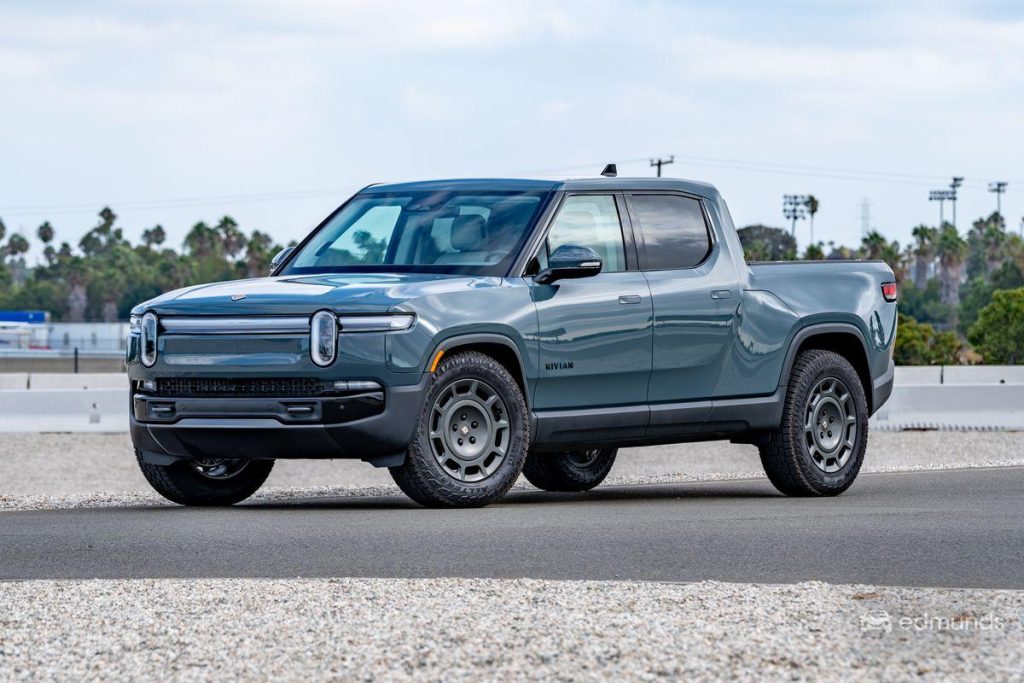
3. Rivian R1T
Launching an entirely new vehicle platform is one of the most difficult challenges in the automotive industry, and the Rivian R1T illustrates why.
Although praised for its innovation, performance, and off-road capability, Consumer Reports has consistently ranked Rivian among the least reliable brands based on owner survey data, with the R1T contributing to those results.
Owners have reported a variety of issues that often require dealership visits, particularly during the early stages of ownership.
Many reported problems are not related to the electric motors themselves but instead involve software, electronic systems, charging components, suspension, and body hardware.
As with many new electric vehicles, over-the-air software updates resolve some concerns, but others still require physical repairs or inspections at authorized service centers. Owners have also mentioned occasional issues with sensors, driver assistance systems, and infotainment functions.
Another challenge involves Rivian’s relatively small service network compared with long-established manufacturers. Even routine repairs may require longer wait times depending on location, increasing the amount of time some vehicles spend out of service.
Consumer Reports notes that new manufacturers often experience these growing pains while refining production and improving quality control.
Despite these reliability concerns, many R1T owners remain highly satisfied with the truck because of its exceptional performance, practical storage solutions, and impressive off-road capability. The vehicle demonstrates that owner satisfaction and reliability do not always move in the same direction.
Prospective buyers should verify that all available software updates have been installed, confirm warranty coverage, and review the vehicle’s service history carefully before purchasing a used example.
These steps can reduce the likelihood of unexpected repair visits while allowing owners to benefit from Rivian’s continuous product improvements.
Specifications
- Engine: Quad-Motor Electric Powertrain
- Torque: 908 lb-ft
- Horsepower: 835 hp
- Length/Width: 217.1 inches / 81.8 inches
4. Jeep Wrangler
The Jeep Wrangler occupies a unique position in the automotive world. It delivers genuine off-road capability that few competitors can match, yet Consumer Reports has repeatedly assigned it below-average reliability ratings based on owner survey responses.
The vehicle’s rugged engineering and removable body components create a driving experience unlike any conventional SUV, but they also contribute to more frequent repair visits for some owners.
Consumer Reports survey data has identified concerns involving electrical accessories, steering components, suspension, body hardware, climate systems, and infotainment equipment across various model years.
While many Wranglers perform reliably for years, the number of owner-reported issues has consistently placed the model below many rivals in predicted reliability rankings.
Part of the Wrangler’s complexity comes from its specialized design. Solid axles, removable doors, removable roof panels, advanced four-wheel-drive systems, and locking differentials introduce additional mechanical components that require proper maintenance.
Vehicles frequently driven on difficult trails may also experience greater wear than typical family SUVs operated exclusively on paved roads.
Modern Wranglers include significantly more technology than earlier generations, adding digital displays, advanced safety systems, and sophisticated electronics. While these upgrades improve comfort and convenience, they also introduce more potential trouble spots that occasionally require dealership attention.
Even with its reliability challenges, the Wrangler continues attracting loyal buyers because very few vehicles deliver the same combination of open-air driving, rock-crawling ability, and aftermarket customization.
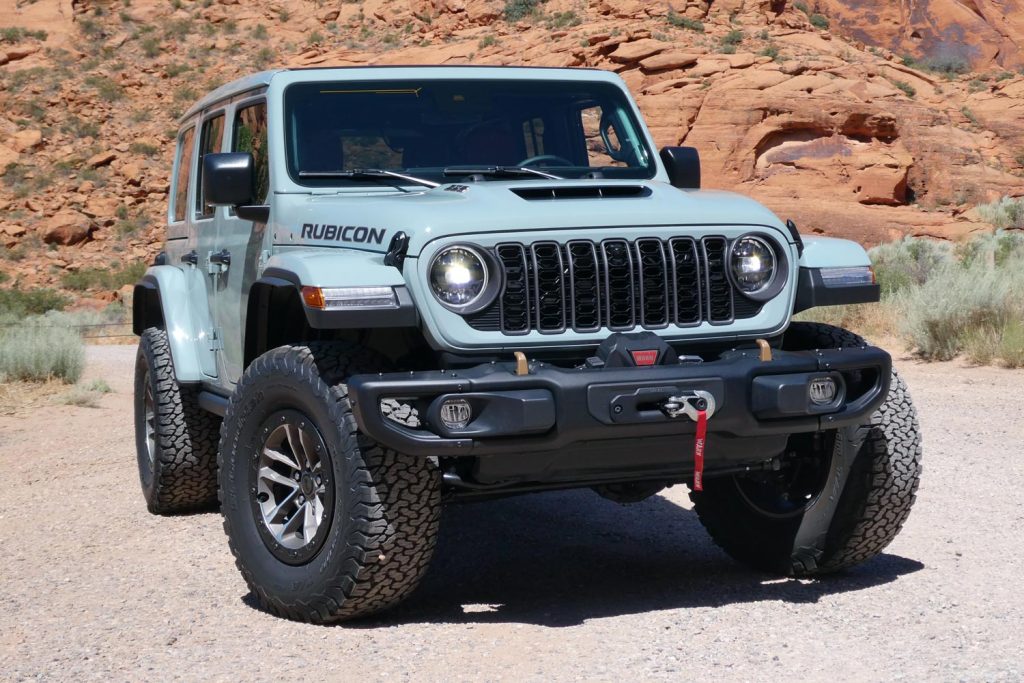
Buyers interested in purchasing one should carefully inspect maintenance records, verify completion of recalls and software updates, and pay particular attention to suspension and steering components before finalizing a purchase.
Specifications
- Engine: 3.6-liter Pentastar V6
- Torque: 260 lb-ft
- Horsepower: 285 hp
- Length/Width: 188.4 inches / 73.9 inches
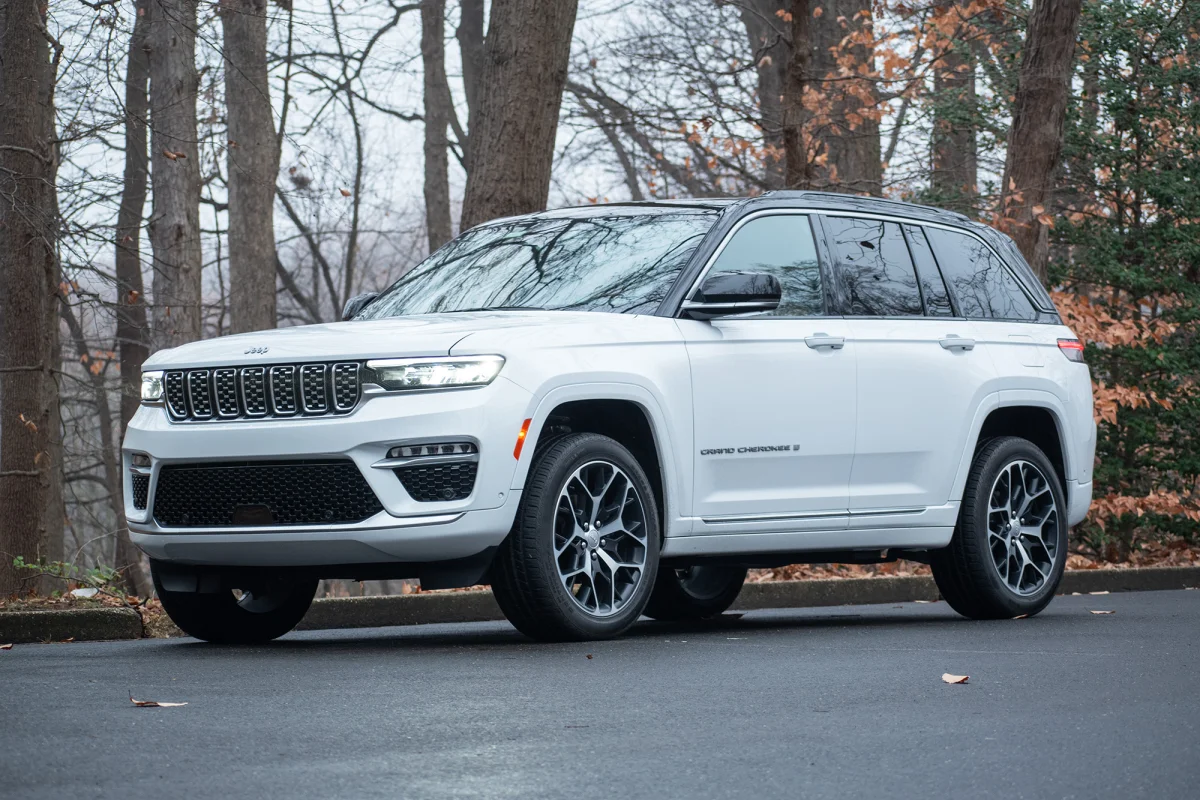
5. Jeep Grand Cherokee
Luxury appointments and genuine off-road capability have helped make the Jeep Grand Cherokee one of the brand’s most successful models, yet Consumer Reports owner surveys have repeatedly placed it among the least reliable vehicles in recent years.
Rather than suffering from one major design flaw, the SUV has accumulated owner complaints across numerous systems, leading to more dealership visits than many competitors in the midsize SUV segment.
Many reported concerns involve electrical systems, suspension components, steering, infotainment software, climate controls, and powertrain-related issues. Because these problems span multiple areas of the vehicle, owners sometimes find themselves returning to the dealership for unrelated repairs throughout the ownership period.
Although warranty coverage often addresses many of these concerns, repeated service appointments can become inconvenient.
The Grand Cherokee also incorporates sophisticated four-wheel-drive systems, numerous electronic control modules, advanced driver assistance technology, and premium interior equipment.
While these features improve comfort and capability, they also increase system complexity. As vehicles become more technologically advanced, diagnosing intermittent software or electronic faults can require additional time compared with traditional mechanical repairs.
Despite its below-average reliability ratings, the Grand Cherokee continues attracting buyers because it offers a combination of refinement, towing capability, and off-road performance that few rivals match. Many owners remain satisfied with the SUV’s driving experience even while acknowledging occasional reliability concerns.
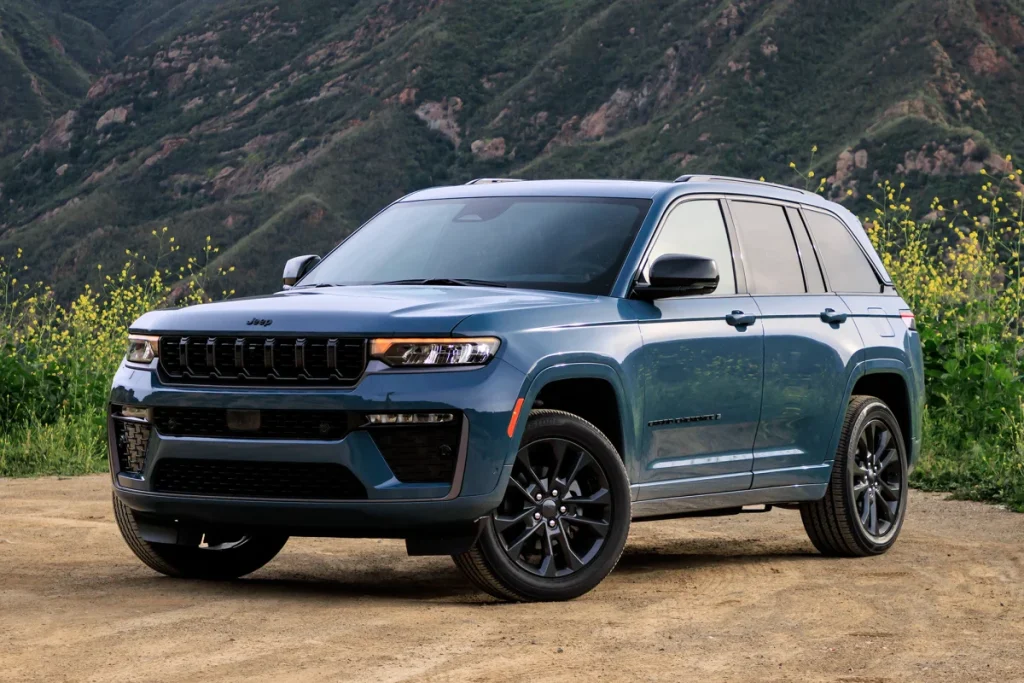
Anyone considering a used Grand Cherokee should pay close attention to maintenance records, verify recall completion, and ensure software updates have been performed.
A comprehensive pre-purchase inspection by a qualified technician can also identify suspension or electronic issues before ownership begins, helping reduce the likelihood of unexpected repair visits later.
Specifications
- Engine: 3.6-liter Pentastar V6
- Torque: 260 lb-ft
- Horsepower: 293 hp
- Length/Width: 193.5 inches / 77.5 inches
6. Nissan Frontier
Pickup trucks have traditionally earned reputations for durability, which makes the Nissan Frontier’s appearance in recent Consumer Reports reliability rankings somewhat surprising.
While the latest generation introduced major improvements in styling, technology, and refinement, owner survey data indicates that certain model years have experienced enough reported problems to place the Frontier among the least reliable new vehicles in the publication’s rankings.
Unlike trucks known primarily for engine failures, the Frontier’s reported concerns extend across several categories. Consumer Reports owner feedback has highlighted issues involving the powertrain, steering, suspension, brakes, climate system, and electronic equipment.
Individually, many of these problems may be repairable under warranty, but repeated visits to service departments can reduce owner confidence.
The redesign introduced a more modern cabin with larger displays, additional driver assistance technology, and expanded electronic features.
These upgrades significantly improved comfort and convenience compared with the previous generation, yet they also increased the number of systems that require software calibration and electronic integration.
Modern trucks have become far more sophisticated than their predecessors, making occasional software-related repairs more common.
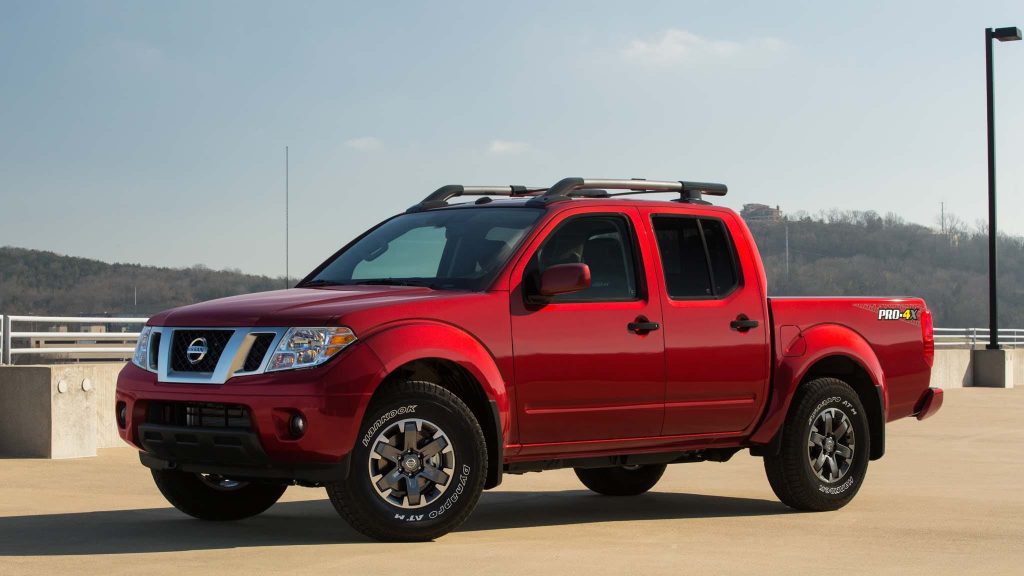
On the positive side, the Frontier remains a capable midsize pickup with respectable towing capacity, comfortable ride quality, and a proven naturally aspirated V6 engine. Many owners continue enjoying dependable service after initial repairs or software updates are completed.
Prospective buyers should review the vehicle’s maintenance history, verify that recall work has been completed, and confirm the latest software updates have been installed. Taking these precautions can help identify well-maintained examples while reducing the chances of spending unnecessary time at the dealership.
Specifications
- Engine: 3.8-liter Naturally Aspirated V6
- Torque: 281 lb-ft
- Horsepower: 310 hp
- Length/Width: 210.2 inches / 73.0 inches
7. Volkswagen Taos
Compact SUVs are often purchased with the expectation of low running costs and dependable daily transportation, but the Volkswagen Taos has struggled to establish that reputation in recent Consumer Reports reliability surveys.
Owner responses have consistently pointed to a higher-than-average number of problems compared with many competitors in the compact SUV segment. These recurring concerns have contributed to below-average predicted reliability ratings and more frequent dealership visits for some owners.
One of the most commonly reported areas involves the powertrain. Some owners have experienced transmission behavior that feels hesitant or inconsistent, while others have reported engine management concerns requiring software updates or diagnostic work.
Electrical issues have also appeared in owner surveys, including infotainment glitches, warning lights, and intermittent electronic malfunctions that often require dealer attention to resolve.
The Taos introduced Volkswagen’s latest technology features, including a digital instrument cluster, advanced driver assistance systems, and a modern infotainment interface.
While these additions improved the vehicle’s appeal, they also increased the complexity of the electronic architecture. As a result, certain problems have been software-related rather than purely mechanical, requiring updates instead of traditional repairs.
Despite its reliability challenges, the Taos remains an attractive option because of its spacious interior, composed ride quality, and efficient turbocharged engine. Many owners appreciate its comfortable driving characteristics once early issues have been addressed through warranty repairs or software improvements.
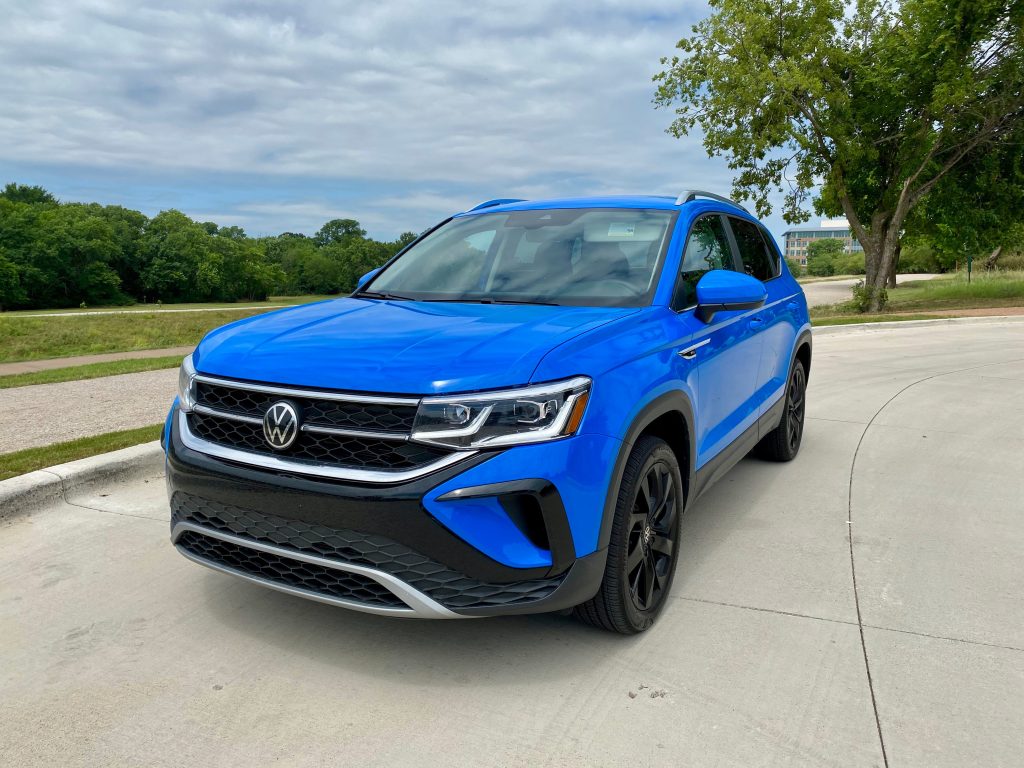
Before purchasing a used Taos, buyers should verify that all recalls and software updates have been completed, review maintenance records carefully, and arrange a professional inspection. Selecting a well-maintained example can significantly reduce the likelihood of unexpected repair visits during ownership.
Specifications
- Engine: 1.5-liter Turbocharged Inline-4
- Torque: 184 lb-ft
- Horsepower: 158 hp
- Length/Width: 175.8 inches / 72.5 inches
8. Chevrolet Colorado
The Chevrolet Colorado has evolved into one of the most capable midsize pickup trucks on the market, offering impressive towing capacity, modern technology, and strong turbocharged performance.
However, recent Consumer Reports owner survey data has identified reliability concerns that have resulted in below-average predicted reliability ratings for certain model years.
While many trucks perform without major problems, enough owners have reported issues to place the Colorado among the vehicles requiring more service visits than many direct competitors.
Reports submitted by owners cover a broad range of categories rather than focusing on a single defect. Electrical systems, infotainment software, body hardware, transmission operation, and engine-related concerns have all appeared in reliability surveys.
Because these issues affect different vehicle systems, some owners have returned to dealerships multiple times for unrelated repairs throughout the ownership period.
The latest Colorado introduced an entirely redesigned platform with a new turbocharged engine, updated electronics, expanded driver assistance technology, and a significantly more sophisticated interior.
Although these improvements enhanced capability and comfort, they also increased the number of electronic modules and software systems that require proper calibration. As with many newly redesigned vehicles, some early production issues have been addressed through software updates and manufacturer service campaigns.
The Colorado continues to receive praise for its comfortable ride, strong engine performance, and excellent towing capability, making it a competitive choice within the midsize truck segment.
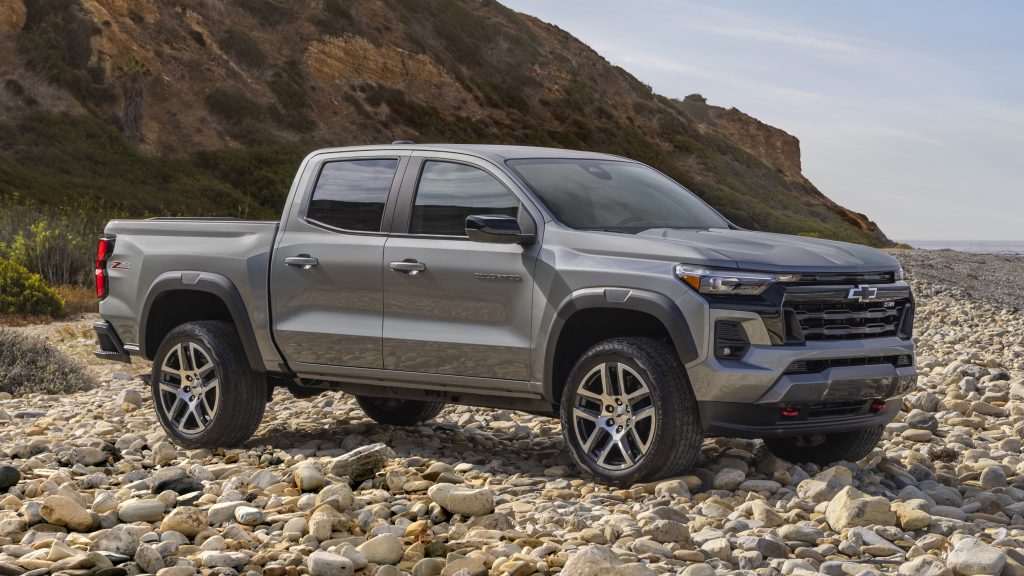
Reliability concerns do not affect every truck, but Consumer Reports survey data suggests buyers should research individual model years carefully before making a purchase decision.
A detailed service history, confirmation that recall work has been completed, and a thorough mechanical inspection remain the best ways to identify a well-maintained Colorado and reduce the likelihood of future repair interruptions.
Specifications
- Engine: 2.7-liter Turbocharged Inline-4
- Torque: 430 lb-ft
- Horsepower: 310 hp
- Length/Width: 213.0 inches / 74.7 inches
Also Read: 8 Cars That Can Travel Over 600 Miles on a Single Tank
