
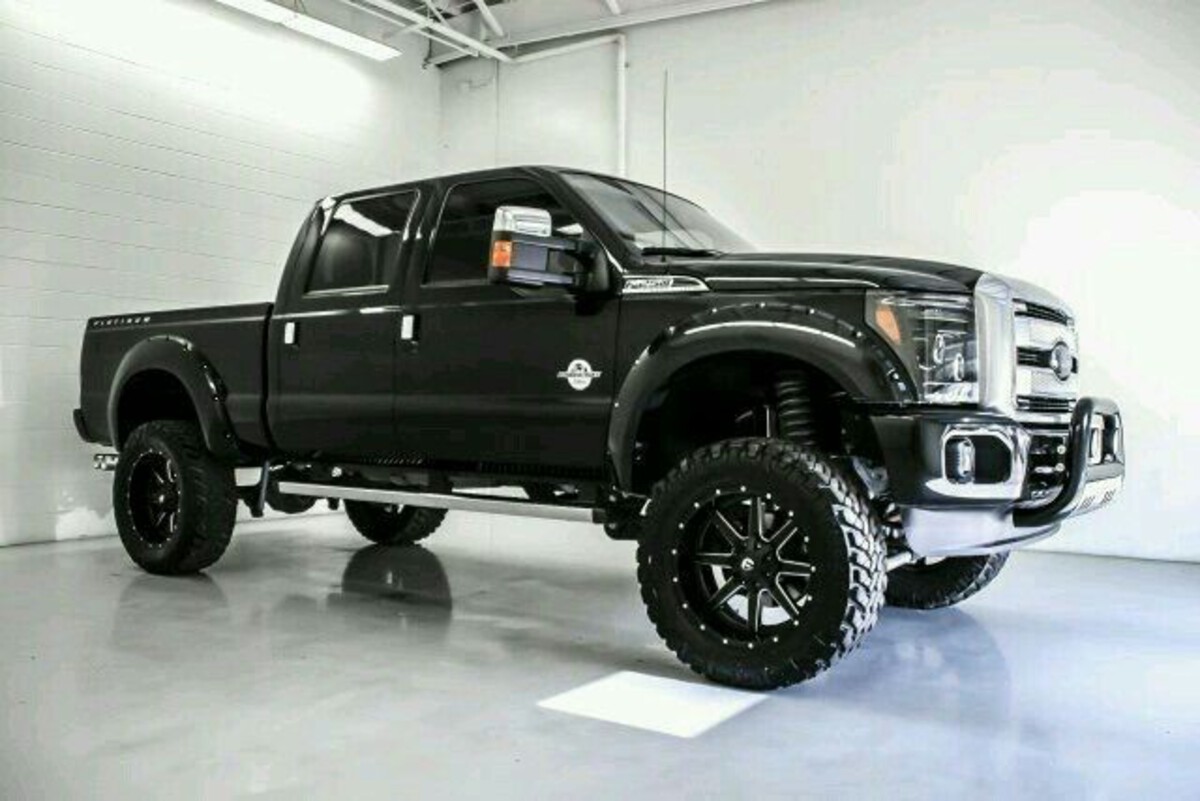
There was a time in America when a hardworking man or woman could walk into a dealership, buy a solid pickup truck, and drive home without feeling financially gutted. Those days are gone.
Over the past decade, pickup truck prices have climbed at a pace that has left blue-collar buyers, the very people trucks were built for, scrambling to keep up. According to industry analysis, the average mid-tier full-size pickup truck climbed more than 53% in price between 2014 and 2024. Meanwhile, blue-collar wages grew by only around 38.7% over that same period.
That gap is not a coincidence. It is the result of deliberate industry decisions, surging consumer demand, feature bloat, advanced technology packages, and a near-oligopoly market structure that gives manufacturers little incentive to compete on price.
Trucks are now essentially luxury vehicles wrapped in bed liners. Premium leather, massive touchscreens, hands-free driving systems, and turbocharged engines with 400-plus horsepower have replaced bench seats and AM radios.
The result is a segment where the average transaction price for a full-size truck now exceeds $64,000. For buyers who still need a truck for actual work hauling materials, towing trailers, and getting through rough terrain, these price tags are nothing short of shocking. Here are nine pickup trucks that have gotten $20,000 or more expensive over the past decade, and the story behind each sticker shock.
1. Ford F-150 Lariat, From $38,155 to $67,490
The Ford F-150 has been America’s best-selling vehicle for nearly 50 consecutive years. It is as American as apple pie, college football, and highway rest stops. But in the last decade, it has also become one of the most dramatic examples of pickup truck price inflation in automotive history.
In 2014, the F-150 Lariat, a popular mid-tier trim, started at around $38,155. By 2024, that same trim had climbed to approximately $67,490. That is a jump of more than $29,000, representing a staggering 76.9% increase in just a decade. To put that number in perspective, the entire base price of the most affordable truck on the market in 2014 is now less than what the F-150 Lariat alone has gone up in price.
So what drove this explosion in cost? Ford made a landmark engineering decision in 2015 when it switched the F-150’s body to high-strength, military-grade aluminum alloy.
That single change reduced weight dramatically but added significant manufacturing complexity and cost. Aluminum is harder to stamp, weld, and repair than traditional steel. The tooling investment alone was measured in the billions of dollars.
Beyond materials, the F-150 has transformed into something that barely resembles its 2014 self under the hood and inside the cabin. The 2024 F-150 offers a 3.5-liter EcoBoost V6 generating 400 horsepower, along with a hybrid powertrain pushing 430 horsepower. These are not your grandfather’s truck engines. The base engine in 2024 is a 2.7-liter turbocharged V6 producing 325 horsepower figures that would have seemed absurd for a base engine a decade ago.
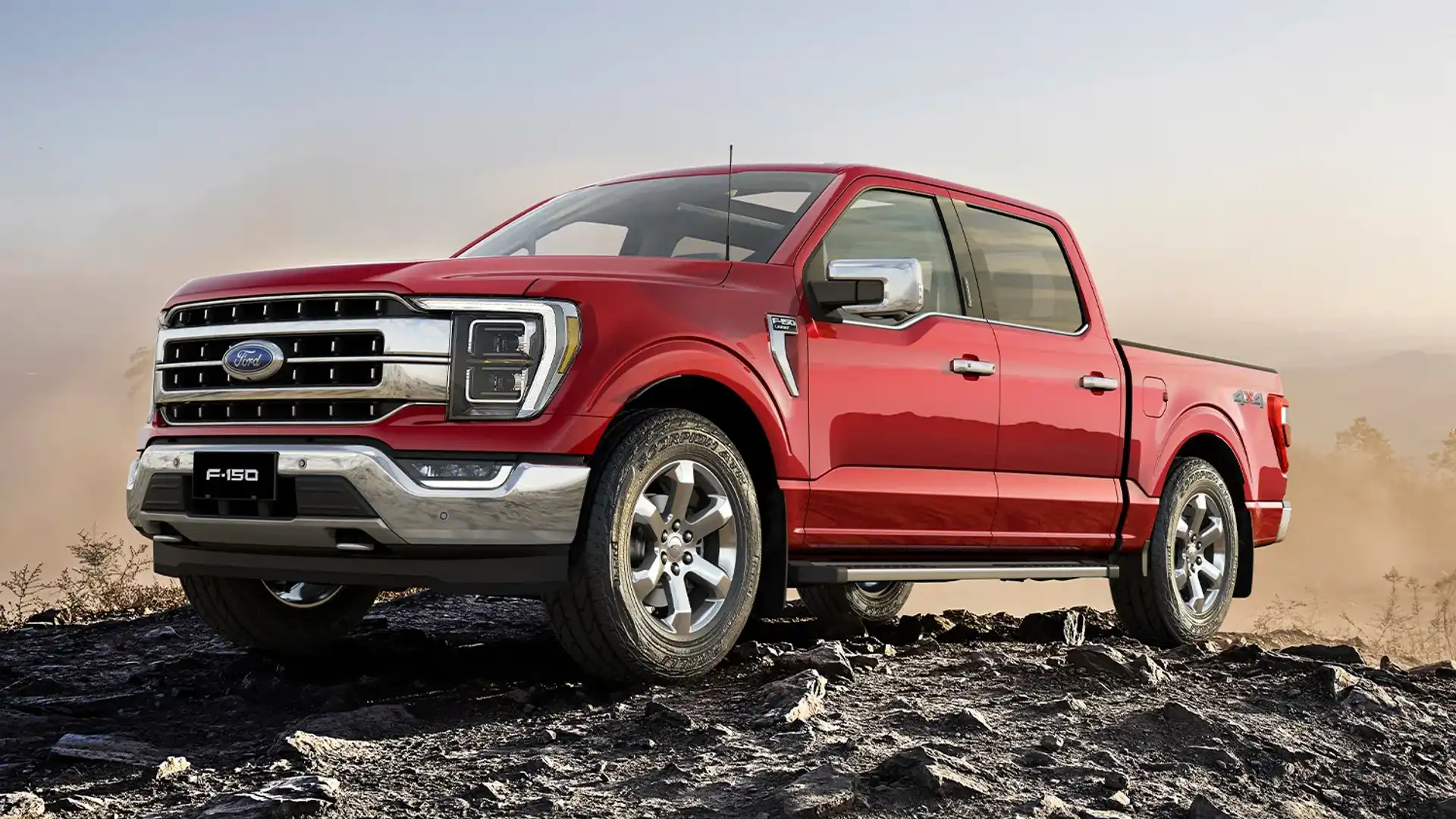
Inside the cab, Ford transformed the F-150 into what the company calls a mobile office. Higher trims feature 180-degree fold-flat seats, a built-in generator called Pro Power Onboard, a 12-inch touchscreen running Ford’s SYNC 4 interface, and a 12-inch digital instrument cluster. The available Max Recline Seats can turn the cab into something resembling a sleeping pod. These are creature comforts that put many traditional luxury cars to shame.
The F-150 Raptor, the truck’s high-performance off-road variant, further pushed pricing boundaries. The Raptor with a supercharged 5.2-liter V8 producing 720 horsepower, known as the Raptor R, carries a price tag that flirts with six figures.
When consumers see the Raptor on TV commercials flying through the desert, it creates aspirational demand that lifts prices across the entire lineup.
Ford also benefited from the collapse of the Nissan Titan, which was discontinued after 2024, and the relative lack of serious price competition in the full-size truck segment. With Ram, GM, and Ford tacitly competing on features and image rather than price, there was no downward pressure on sticker tags. The F-150’s dominance gave Ford the confidence to keep raising prices year after year.
For the average construction worker, electrician, or contractor, the traditional F-150 buyer paying nearly $68,000 for a Lariat is a tough pill to swallow. Monthly payments on a financed F-150 Lariat now often exceed $1,000. The truck that once symbolized working-class America has quietly become a luxury purchase for the working class it once served.
2. Ram 1500, From ~$35,000 to $58,000+
Ram entered the 2014 market with a reputation for the most refined ride quality in the full-size truck segment. It had something the F-150 and Silverado did not a coil spring rear suspension that soaked up bumps and made the Ram feel almost car-like on the highway. It was a brilliant differentiator. A decade later, Ram is still leaning into refinement, but the price of that refinement has grown considerably.
In 2014, a well-equipped Ram 1500 in the popular Big Horn trim could be had for around $35,000 to $36,000. By 2024, the equivalent trim had pushed well past $55,000 to $58,000. Add any meaningful option packages, and you are comfortably past $60,000. The Ram 1500 Limited, the brand’s flagship trim, now crosses $80,000 and beyond with options.
Stellantis, Ram’s parent company, made a bold decision to completely drop the V8 engine from the Ram 1500 lineup for the redesigned 2025 model year. Instead, they went all-in on a twin-turbocharged inline-six engine. This Hurricane engine family, available in standard and high-output configurations, delivers impressive performance numbers, but it also contributes to higher manufacturing costs that are passed directly to consumers.
The Ram 1500 TRX, the performance truck variant, became a cultural phenomenon when it launched with a supercharged 6.2-liter V8 producing 702 horsepower. The TRX cost over $90,000 at launch. Though it has since been discontinued, its existence proved that truck buyers were willing to pay nearly six figures for a performance pickup. Manufacturers took note and used that as permission to raise prices throughout their lineups.
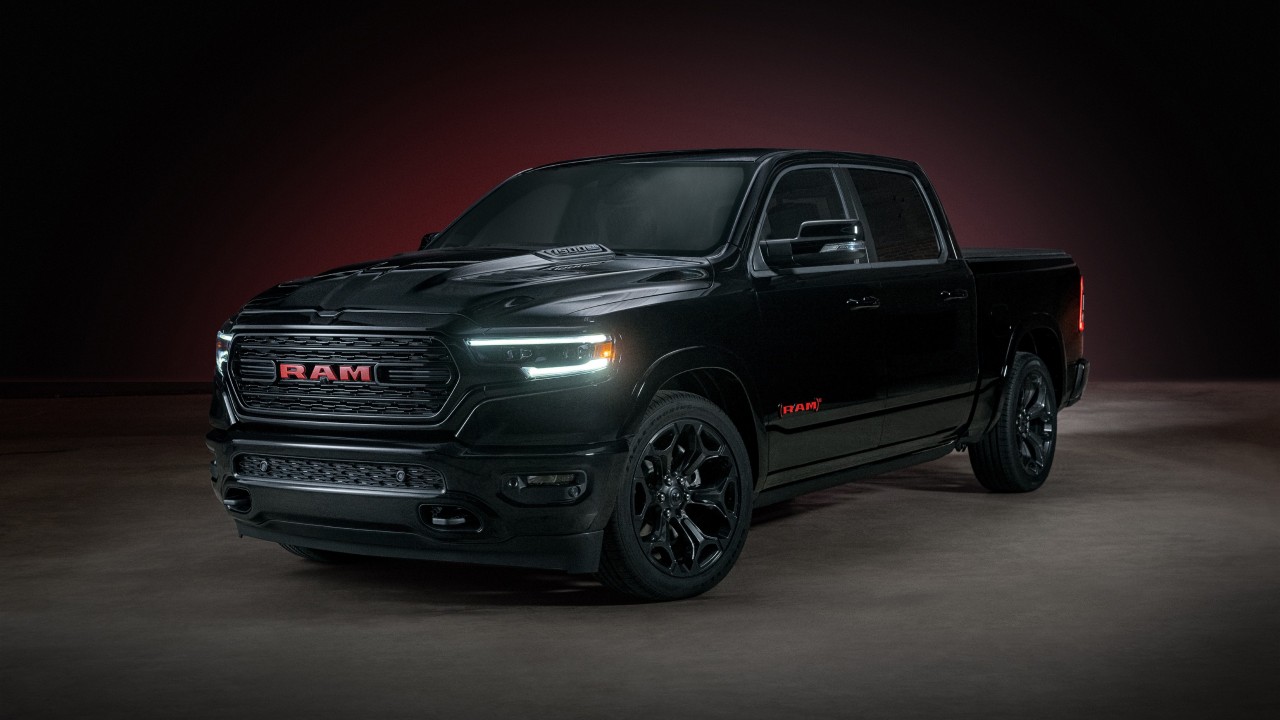
Inside, Ram’s cabin upgrades have been relentless. The Ram 1500 Laramie Longhorn and Limited trims feature exotic wood trim, hand-stitched leather, real chrome accents, and a massive 12-inch Uconnect touchscreen.
The available air suspension system, RAM’s Active-Level Four-Corner Air Suspension, allows the truck to automatically level itself under load, a feature once reserved for luxury SUVs costing six figures.
Ram’s towing and payload numbers have also climbed significantly over the decade, requiring stronger frame components, more robust axles, and upgraded brake systems. The engineering work needed to safely tow up to 12,750 pounds is not cheap. Every upgrade in capability translates into higher production costs, which flow directly into the price consumers pay.
The Ram 1500 also benefits from segment-exclusive features like its RamBox cargo management system, which hides lockable, drainable storage compartments in the sides of the truck bed.
These clever features add convenience but also add cost. A decade of stacking premium features on top of premium features has resulted in a truck that is genuinely impressive and genuinely expensive.
3. Chevrolet Silverado 1500, From ~$34,000 to $57,000+
The Chevrolet Silverado has been locked in a decades-long rivalry with the Ford F-150, and both have spent the last ten years driving each other to new heights of technology, capability, and, unfortunately, price. In 2014, a Silverado 1500 LT, one of the most popular daily-driver trims, could be purchased for approximately $34,000 to $36,000. Today, the equivalent trim starts near $50,000, and higher trims like the LTZ and High Country can push the Silverado past $65,000 to $70,000.
General Motors made several costly engineering investments over the past decade that directly impacted the Silverado’s price. The switch to a multi-speed 10-speed automatic transmission, paired with various turbocharged four-cylinder and V6 engines, added complexity and cost.
GM also began offering its segment-exclusive Super Cruise hands-free driving system on higher Silverado trims. Super Cruise operates on more than 750,000 miles of mapped highways, an extraordinary piece of technology that requires expensive hardware and ongoing software development to maintain.
For 2024, the Silverado received a massive 13.4-inch touchscreen infotainment system and a 12.3-inch digital driver cluster on SLE and higher trims. These displays alone represent a significant cost increase over the simple analog gauges and basic radio units that came standard a decade ago. Wireless Apple CarPlay and Android Auto, now standard across the lineup, require licensing fees and embedded hardware that were not part of the equation in 2014.
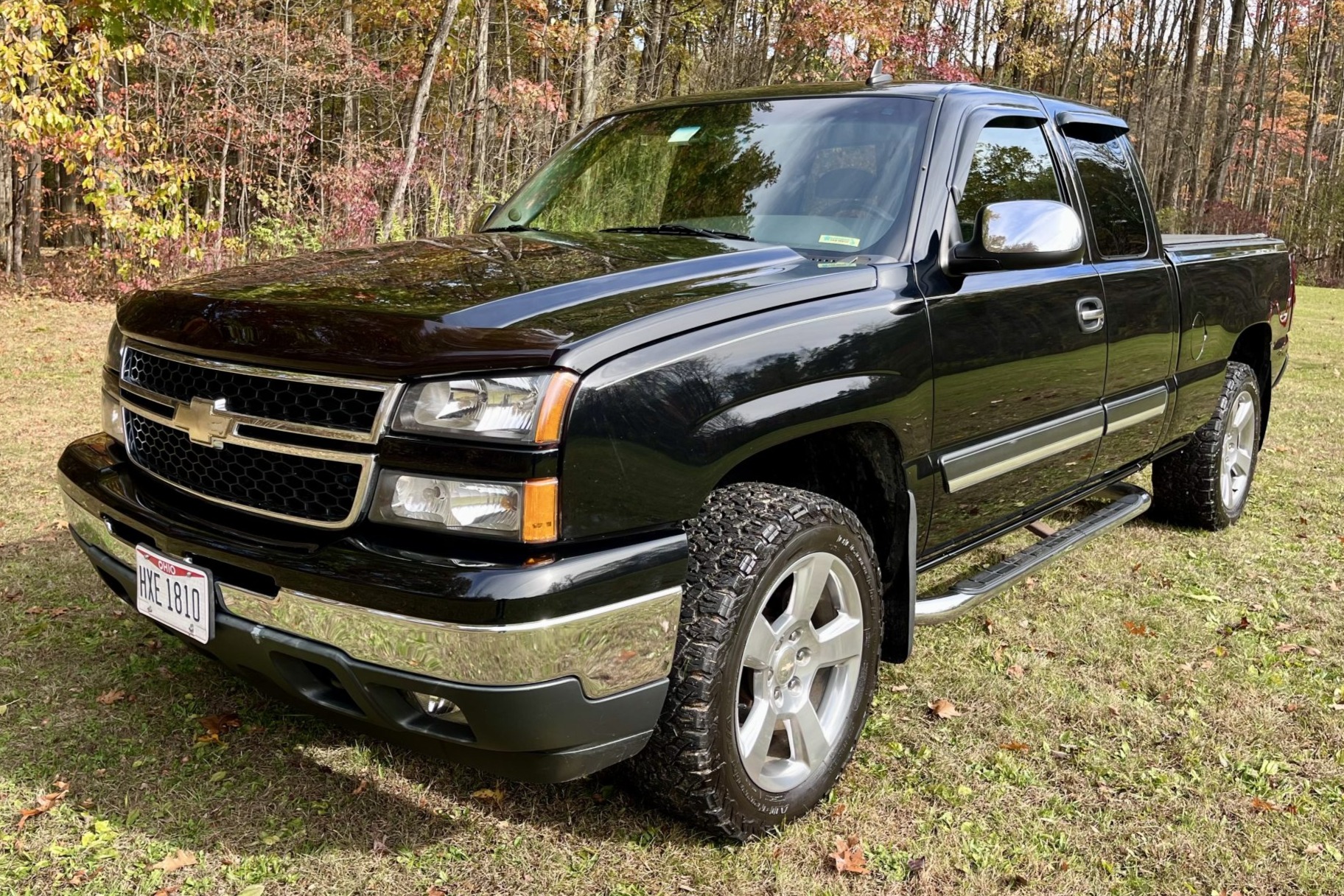
The Silverado High Country Chevy’s luxury flagship trim now competes directly with premium European SUVs in terms of interior appointments and price. It features premium leather seating, a Bose premium audio system, heated and ventilated front seats, a panoramic sunroof, and advanced trailering technology, including a 15-camera trailering system that helps drivers maneuver with large trailers. None of that technology came cheap to develop or manufacture.
The Silverado ZR2 is GM’s off-road performance variant, pushing the Silverado into yet another premium territory. It starts above $74,000 and features Multimatic DSSV damper technology, aggressive all-terrain tires, front and rear electronic locking differentials, and a unique front fascia with additional ground clearance. The ZR2’s Bison Edition adds Boron steel skid plates for even more rugged credibility and cost.
Chevrolet’s answer to the F-150 Lightning is the Silverado EV, which entered production as a fully electric variant starting above $75,000. The existence of electric variants at those price points further normalizes high prices across the entire Silverado family. When dealers and consumers see an electric Silverado priced at $75,000 or more, a gasoline Silverado at $57,000 suddenly seems reasonable by comparison.
4. GMC Sierra 1500 Denali, From ~$45,000 to $82,000+
GMC has always positioned the Sierra as the premium sibling to the Chevrolet Silverado. While they share the same fundamental architecture, the Sierra, especially in Denali trim, has been GMC’s ticket to the luxury truck market. Over the past decade, GMC pushed the Sierra Denali so far upmarket that it now rivals actual luxury SUVs in price.
In 2014, the Sierra 1500 Denali started at approximately $47,000 to $49,000, already a premium price point. By 2024, the Denali trim had climbed to a starting price of around $72,000 to $75,000. The new Denali Ultimate trim, which GMC introduced because the regular Denali was evidently not luxurious enough, pushes pricing even further. Fully loaded Sierra 1500 models can now legitimately cost more than $82,000.
GMC invested heavily in the Denali brand identity, treating it almost like a sub-brand of its own. The Denali name now appears on multiple GMC products, from the Sierra to the Yukon, and commands a significant premium at every turn. The Sierra Denali Ultimate features genuine open-pore walnut wood trim, etched stainless-steel speaker grille details, and perforated forge leather seating with contrast stitching. These are materials that belong in a German luxury sedan.
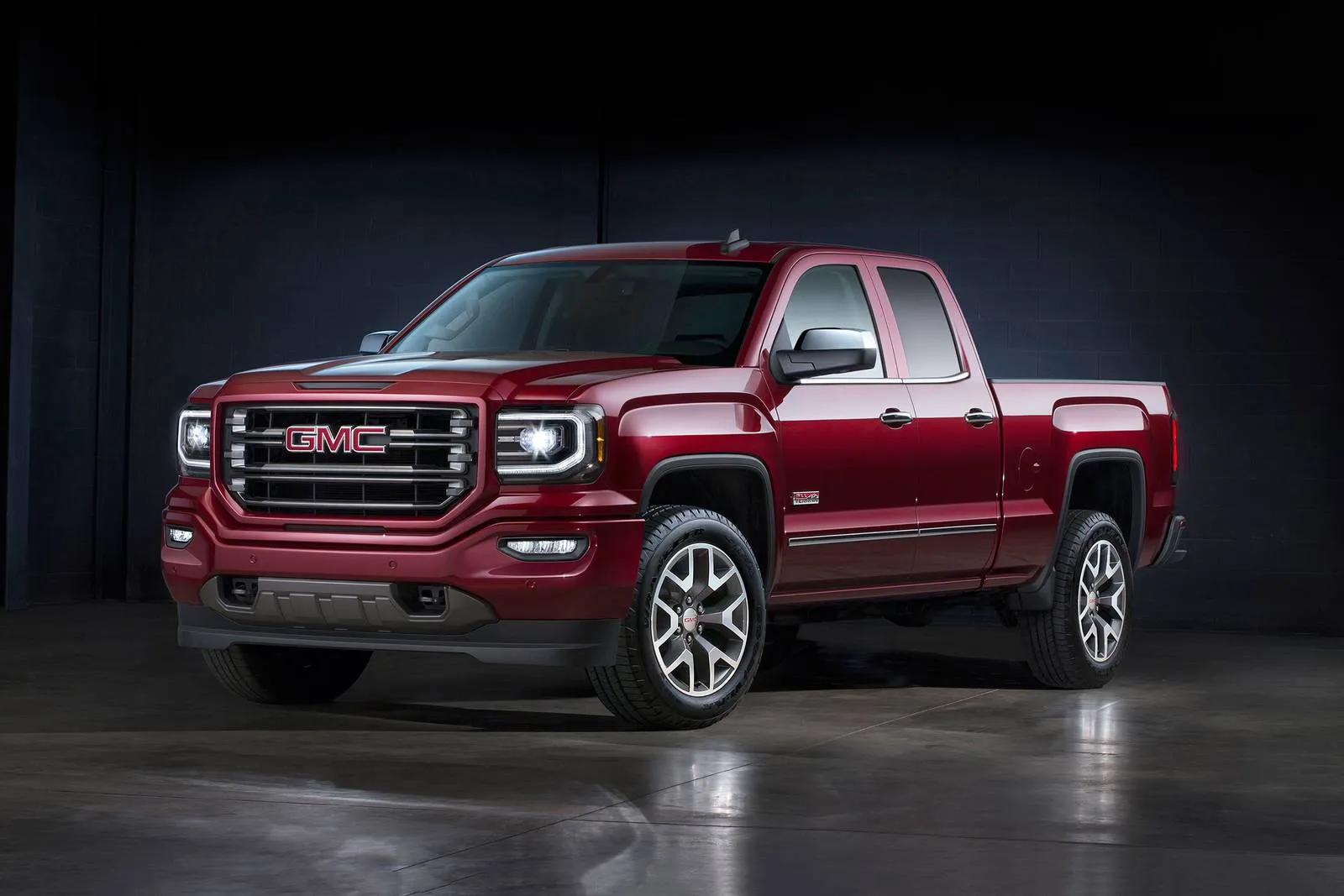
The Sierra 2500 HD GMC’s heavy-duty offering starts at around $46,295 and can easily climb past $80,000 in Denali trim. That is a truck that costs as much as many luxury sedans but can also tow a house.
The engineering required to achieve class-competitive towing ratings while also offering a plush, quiet cabin is enormously expensive to develop and produce.
For 2024, the Sierra received a completely new interior on most trims, featuring a 13.4-inch touchscreen on upper grades and available Super Cruise hands-free driving.
The Sierra also offers a unique MultiPro tailgate, a six-function tailgate that can fold in multiple configurations to serve as a step, a load stop, or an inner gate. That level of mechanical engineering adds cost.
GMC also introduced the Sierra EV for 2025, a fully electric Sierra with specs that push boundaries. The Sierra EV Denali Edition 1 launched at a price exceeding $100,000 at launch. While volume variants are less expensive, the existence of a six-figure Sierra has permanently raised the brand’s pricing ambitions.
Also Read: 8 Best Pickups for Towing a 6,000-Pound Travel Trailer
5. Toyota Tundra, From ~$30,740 to $57,000+
The Toyota Tundra has always been the outsider in the American full-size truck wars. It entered the segment as an underdog competing against entrenched domestic brands and built a loyal following through legendary reliability and durability.
In 2014, the Tundra SR5, its bread-and-butter mid-trim, started at approximately $30,740. By 2024, the equivalent SR5 and Limited trims had climbed dramatically, with the Tundra lineup starting at nearly $40,000 and escalating rapidly. The flagship Capstone trim reached $78,845 in 2024.
The Tundra underwent its most significant overhaul in 2022 when Toyota completely redesigned it for the first time in 14 years. The new platform is fundamentally different from its predecessor.
Gone is the old 5.7-liter V8 engine, replaced by a more modern twin-turbocharged 3.4-liter V6 in two states of tune and an available hybrid i-Force Max variant producing 437 horsepower and 583 pound-feet of torque.
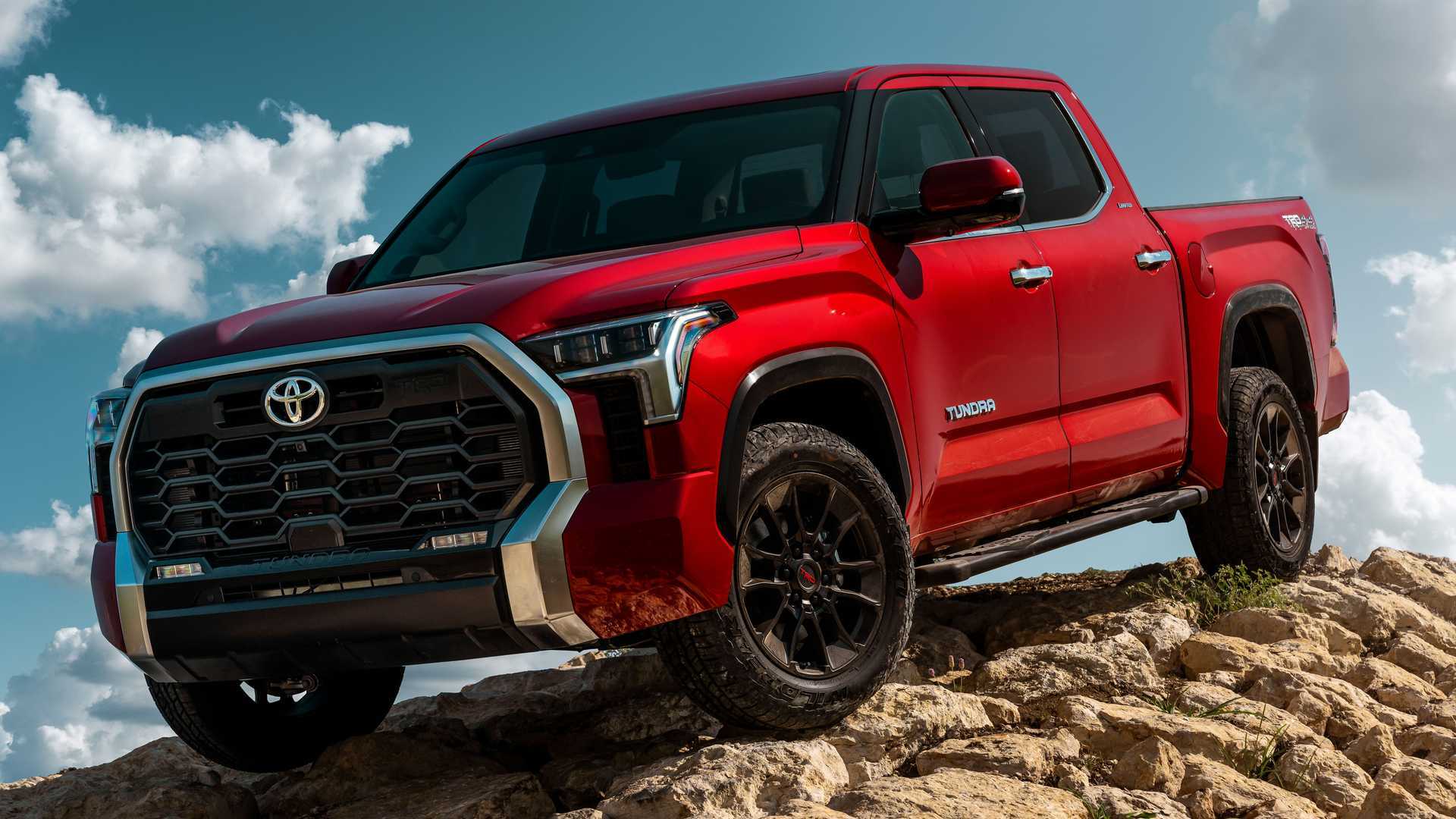
The new Tundra’s twin-turbo V6 is a far more complex and expensive powertrain than the simple naturally aspirated V8 it replaced. Turbochargers, intercoolers, and the intricate plumbing required to manage boost and heat all add cost.
The hybrid i-Force Max system, which adds a motor generator between the engine and transmission, adds even more engineering complexity. Buyers pay for all of it at the dealership.
Toyota positioned the 2022-and-newer Tundra as a genuine luxury truck competitor. The Capstone trim Toyota’s answer to the Ford Platinum and Ram Limited features semi-aniline leather seating, a 14-inch multimedia display, a premium JBL audio system, and a panoramic moonroof. These are the kinds of features that make a truck feel like a Lincoln Navigator rather than a work vehicle.
The Tundra’s reliability reputation has historically been its greatest selling point. But even Toyota’s legendary build quality has faced challenges with the new generation.
Early twin-turbo engines experienced oil consumption issues that required fixes. These kinds of early reliability concerns add warranty costs that manufacturers ultimately price into future production runs.
The TRD Pro Toyota’s off-road flagship now carries a starting price exceeding $72,000. With Fox Internal Bypass shocks, a TRD-tuned suspension lift, and the powerful i-Force Max hybrid drivetrain, the TRD Pro is genuinely impressive. But a decade ago, an off-road package on a Tundra cost a fraction of that premium.
6. Ford F-250 Super Duty, From ~$30,000 to $55,000+
The Ford F-250 Super Duty is the workhorse of the truck world. It is the truck that contractors, farmers, and fleet operators rely on to move heavy equipment, pull massive trailers, and survive brutal work conditions year after year. It was never supposed to be glamorous.
In 2014, a base F-250 XL started at around $30,000 to $32,000. By 2024, the XL base model had climbed to approximately $46,760, and the range-topping Limited trim had escalated to over $96,000.
The Super Duty’s price explosion is driven in part by genuine engineering advancement. The 2024 F-250 offers a 6.7-liter Power Stroke turbodiesel V8 producing 500 horsepower and a jaw-dropping 1,200 pound-feet of torque.
Those numbers represent a monumental leap forward from what the truck was capable of in 2014. Class-leading towing of up to 40,000 pounds achieved with an F-450 configuration requires extraordinary chassis engineering, reinforced axles, and an upgraded transmission capable of handling that kind of load.
Ford also introduced Pro Power Onboard to the Super Duty, an onboard generator system that allows contractors and work crews to run power tools directly from the truck without a separate generator.
This feature alone has tremendous practical value for people who work on job sites, but it also adds hardware and cost. Similarly, Ford’s Pro Trailer Backup Assist system, which allows drivers to steer a trailer using a simple knob, requires sophisticated sensor arrays and software integration.
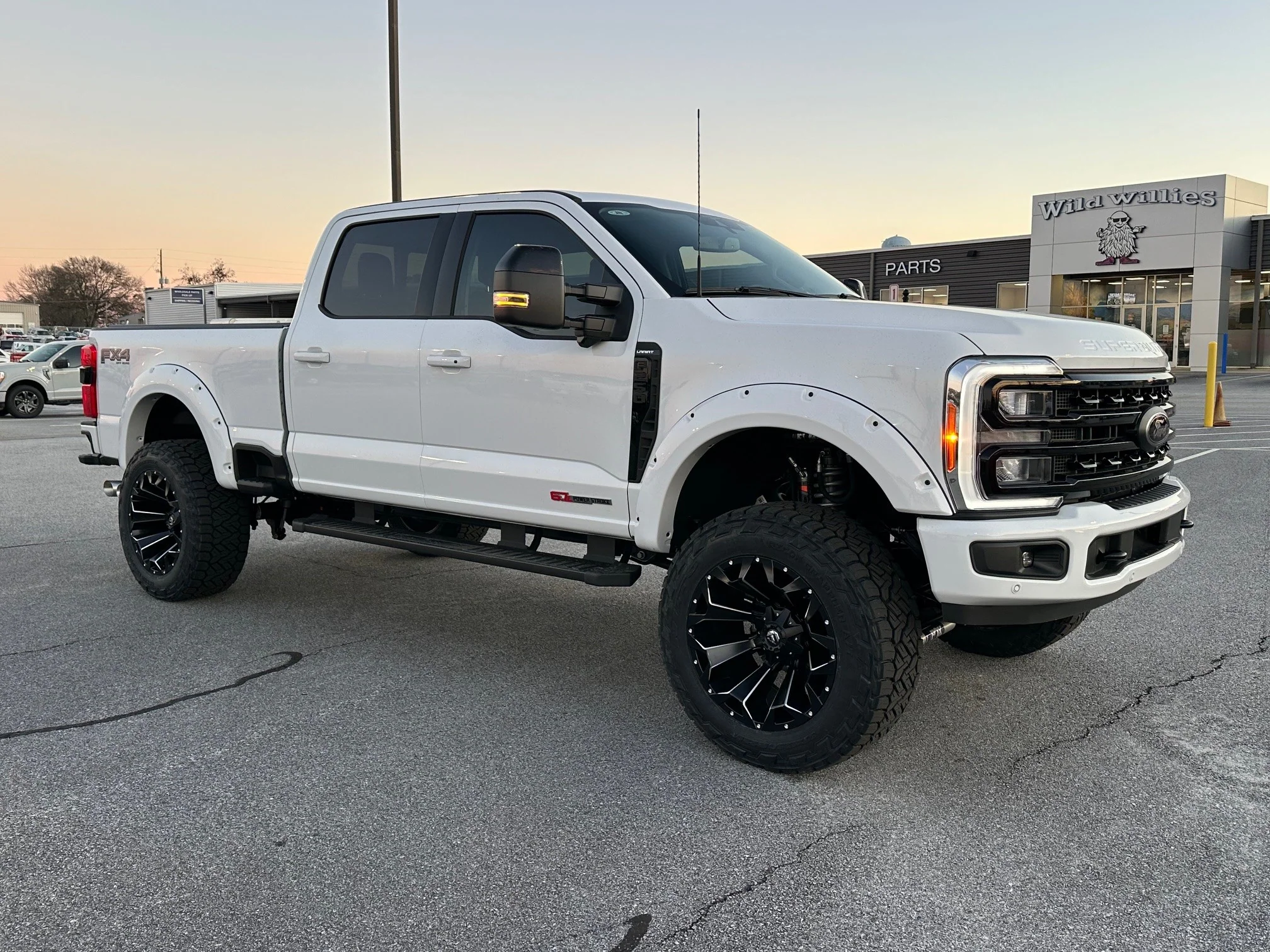
The Super Duty’s interior has been progressively upgraded to match the luxury expectations set by the light-duty F-150. The Limited trim features premium leather, a B&O Unleashed 18-speaker premium audio system, twin-panel moonroof, real wood trim, and a massive 12-inch screen running Ford’s latest SYNC 4 software.
The fact that a work truck now comes with an 18-speaker sound system tells you everything about how far the segment has traveled from its utilitarian roots.
Super Duty buyers have also pushed demand toward higher and higher configurations. Contractors who once purchased XL and XLT models have moved up to Lariat and King Ranch trims as their businesses grew. That shift in buyer demographics has encouraged Ford to invest more in premium content, knowing the market will absorb the cost.
7. Chevrolet Colorado, From ~$20,000 to $45,000+
The Chevrolet Colorado occupies the midsize truck segment, a space that was supposed to offer buyers a more affordable alternative to full-size trucks. And in 2014, it largely delivered on that promise.
The base Colorado could be purchased for around $20,000 to $21,000, making it genuinely attainable for a wide range of buyers. By 2024, the entry-level Colorado WT started at $31,095, and higher trims like the LTZ and ZR2 pushed well past $45,000 and even $60,000 for the Bison Edition.
The 2023 Colorado marked the beginning of a completely new generation, one that raised the truck’s size, capability, and price in one fell swoop. The third-generation Colorado abandoned the previous truck’s naturally aspirated four-cylinder in favor of an exclusive turbocharged 2.7-liter four-cylinder in various output levels.
The base version makes 237 horsepower, while the high-output version generates 310 horsepower and 430 pound-feet of torque. More power means more sophisticated engineering, and more sophisticated engineering means higher prices.
The new Colorado also grew in physical size, adding interior space and bed length while shedding the slight, economical proportions that made earlier versions feel like a genuinely compact truck.
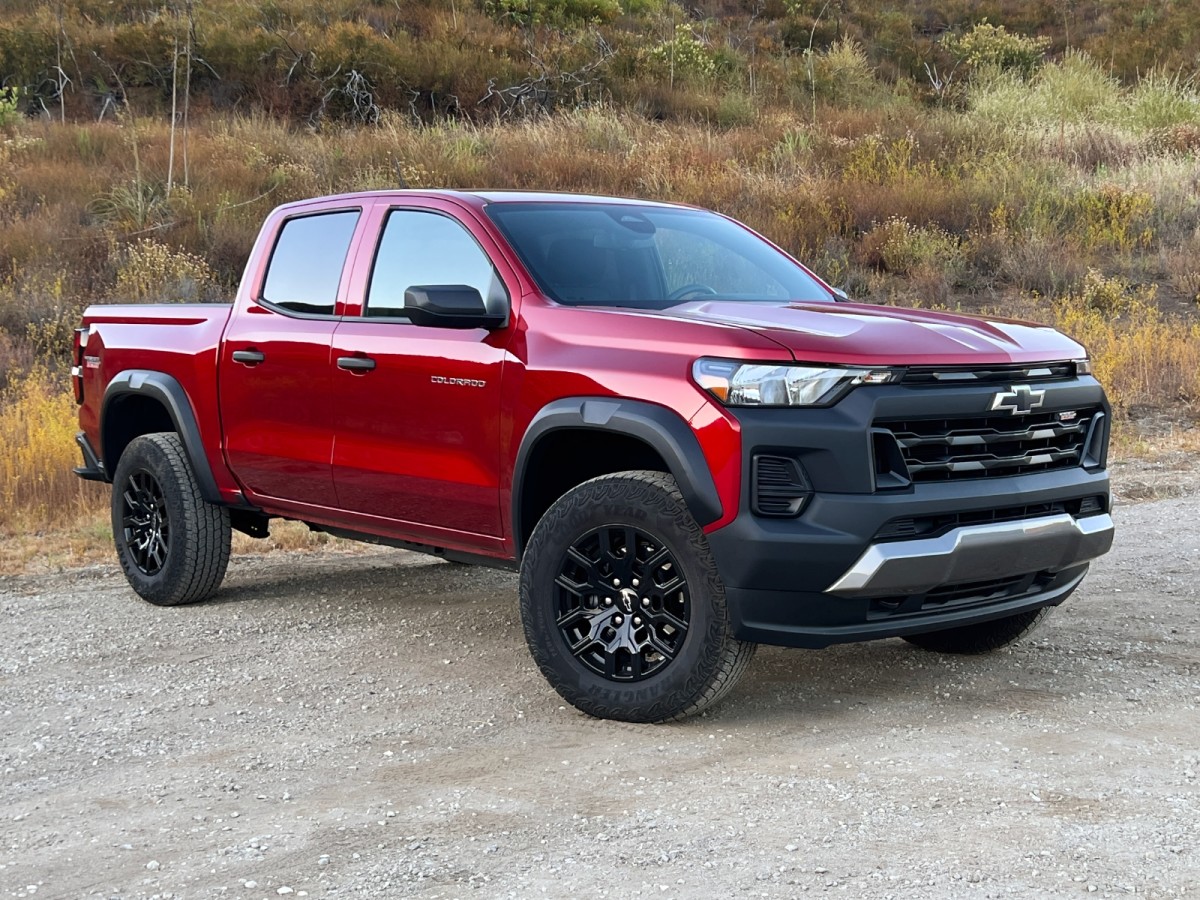
The interior received a massive upgrade, with available 11.3-inch and 13.4-inch touchscreens, premium materials on higher trims, and GM’s Super Cruise hands-free driving system available on select grades. A midsize truck with hands-free highway driving capability was simply unimaginable a decade ago.
The Colorado ZR2 Chevrolet’s off-road flagship is perhaps the most dramatic example of midsize truck price inflation. Starting at around $54,000 for the standard ZR2 and exceeding $60,000 for the Bison Edition, this is a truck that costs more than many full-size trucks cost just a few years ago.
It features Multimatic DSSV dampers, electronic front and rear locking differentials, front and rear recovery hooks, and raised suspension. The ZR2 is genuinely capable off-road, but it has also moved midsize truck pricing into territory that used to belong exclusively to full-size trucks.
Consumer demand has also shifted in ways that drive prices upward. Many buyers who purchased base-trim Colorados in 2014 now expect feature-rich interiors, advanced driver assistance systems, and premium tech. Manufacturers respond by adding those features and pricing accordingly.
8. Toyota Tacoma, From ~$22,000 to $48,000+
The Toyota Tacoma is the undisputed king of the midsize truck segment. It has dominated sales in its class for decades, building a loyal following that borders on cult-like devotion among off-road enthusiasts, overlanders, and outdoor adventurers.
In 2014, the Tacoma was a genuinely accessible truck, with base models starting around $22,000 to $23,000. A decade later, the base Tacoma SR starts at approximately $32,995, and the range-topping Trailhunter and TRD Pro with the i-Force Max hybrid engine exceed $64,000 to $65,000.
Toyota completely redesigned the Tacoma for 2024, introducing the fourth generation with significant engineering changes. The new Tacoma no longer offers the old naturally aspirated V6 engine.
Instead, the entire lineup is powered by a turbocharged 2.4-liter four-cylinder in standard and high-output forms. The premium option is the i-Force Max hybrid system, combining the turbo four-cylinder with an electric motor for 326 horsepower and 465 pound-feet of torque. Hybrid technology is inherently more expensive to engineer and manufacture than conventional drivetrains.
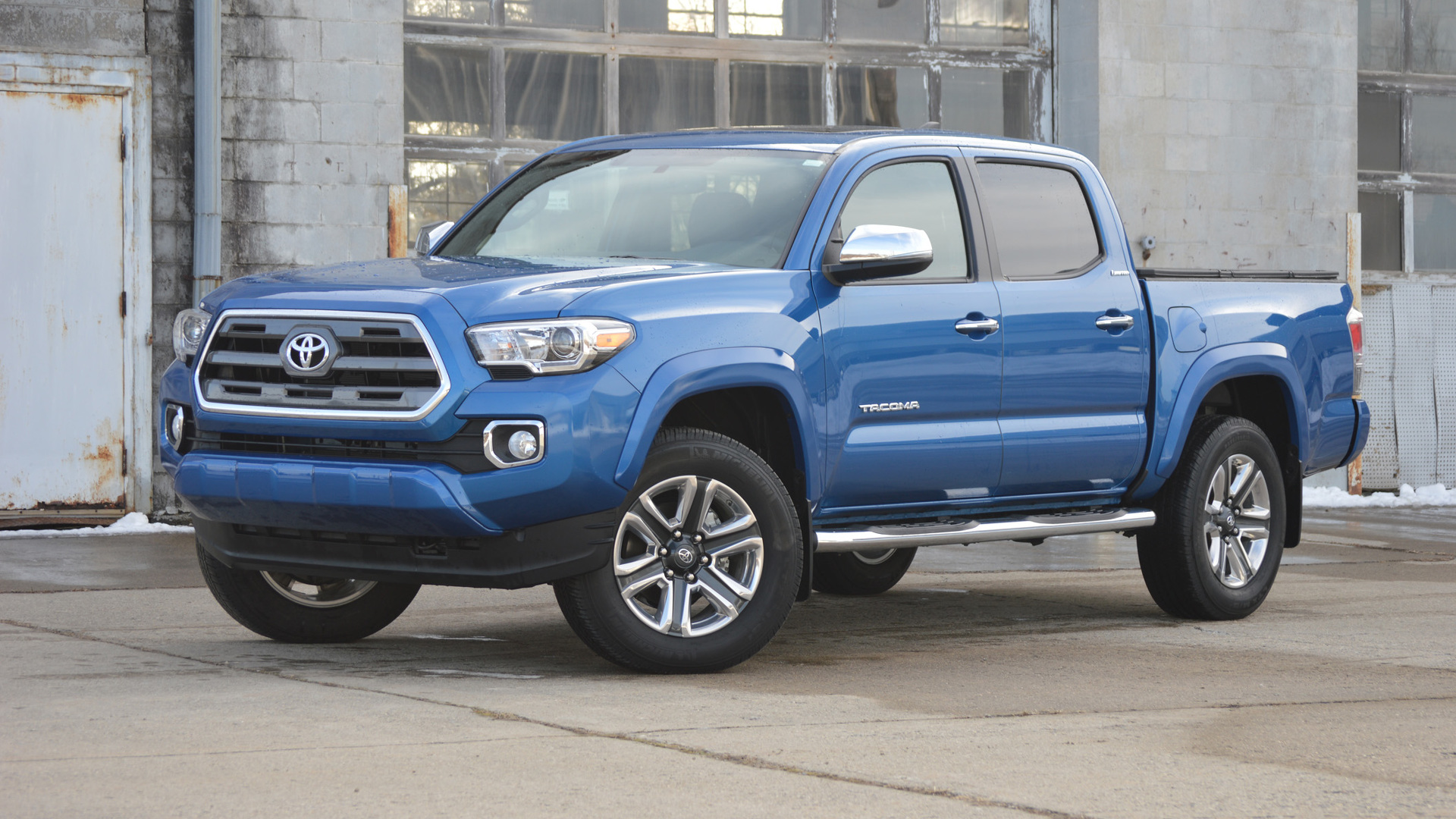
The new Tacoma also reintroduced the XtraCab body style, a two-door configuration with a small rear jump seat, which gives buyers more bed length options. This variety in configurations adds manufacturing complexity and tooling costs. Toyota must now maintain multiple body molds, interior configurations, and assembly line setups to accommodate the different variants.
The TRD Pro, once a relatively attainable off-road package on an already-affordable platform, now costs over $65,000 with the i-Force Max system.
It features Fox factory internal bypass shocks, front and rear locking differentials, a TRD-developed skid plate system, and 33-inch Falken Wildpeak all-terrain tires. A decade ago, buyers got a lift kit and some skid plates. Now they get a performance off-road system worthy of desert racing.
Toyota’s strategy has also leaned into the Tacoma’s premium positioning. The new interior is dramatically improved over the outgoing generation, with a large 8-inch or available 14-inch touchscreen, a digital instrument cluster, and higher-quality materials throughout.
Toyota has recognized that Tacoma buyers, often younger, outdoors-oriented, and brand-loyal, are willing to pay for premium experiences inside the cab.
9. GMC Canyon, From ~$23,000 to $55,000+
The GMC Canyon has undergone one of the most dramatic transformations in the midsize truck segment over the past decade. In 2014, it was a relatively modest truck, with base prices starting around $22,000 to $23,000. It was positioned as the sensible, slightly more premium sibling to the Chevy Colorado.
By 2024, the base Canyon Elevation started at approximately $37,595, and the range-topping AT4X AEV Edition climbed to an astounding $65,995, making it the most expensive mainstream midsize truck on the market.
GMC completely reinvented the Canyon for 2023, and the transformation was total. The new Canyon abandoned the old truck’s modest proportions and modest ambitions in favor of a sophisticated, feature-rich midsize truck that directly targets buyers who want a smaller footprint without sacrificing premium content.
The new platform is shared with the Chevrolet Colorado but is tuned differently, with GMC emphasizing on-road refinement and interior luxury. The Canyon now exclusively offers the 310-horsepower turbocharged 2.7-liter four-cylinder engine, the high-output version that puts it on par with some full-size truck engines.
GMC eliminated the lower-output engine option that the Colorado still offers, positioning the Canyon as the more premium choice from the first step of the purchase. That positioning naturally comes with a higher price tag.
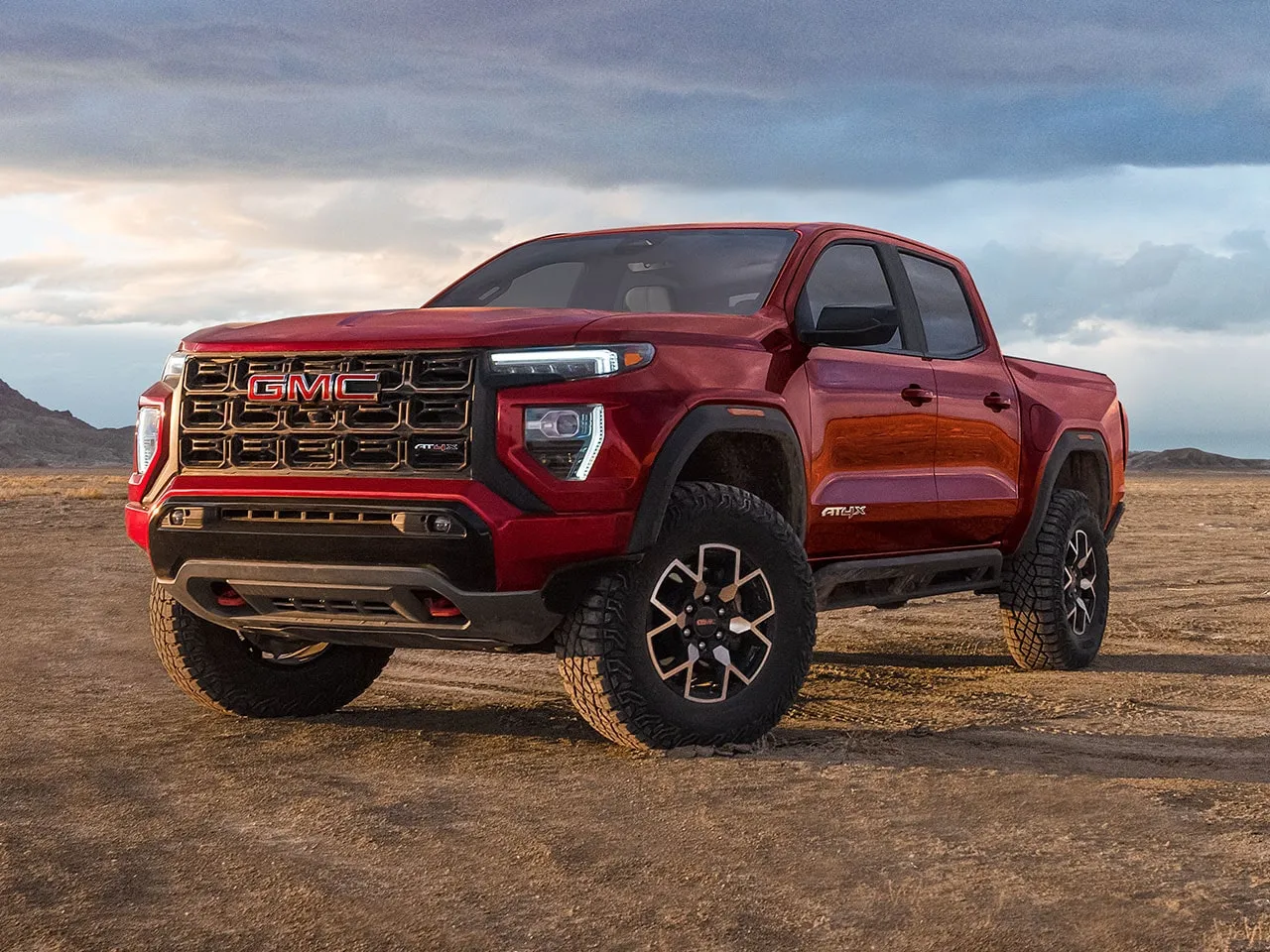
Inside, the Canyon Denali trim features a 13.4-inch diagonal GMC infotainment display, a 15-speaker Bose premium audio system, premium leather seating, and heated and ventilated front and rear seats.
The Canyon Denali now competes directly with luxury compact SUVs in terms of interior quality. This is a far cry from the basic cloth-seat, rubber-floor-mat Canyon of 2014.
The AT4X GMC’s off-road flagship trim and its AEV (American Expedition Vehicles) special edition represent the pinnacle of midsize truck pricing. The AT4X features Multimatic DSSV dampers, the same technology used in professional off-road race trucks, front and rear electronic locking differentials, and underbody skid plates.
The AEV Edition adds 35-inch Goodyear Territory tires, AEV front and rear bumpers, and a rock slider system. This is a factory-built off-road machine priced like one.
The Canyon’s price journey over a decade mirrors the broader story of American truck pricing. A vehicle that was once an affordable, sensible alternative to full-size trucks has evolved into a niche premium product that costs as much as a base F-150 or Silverado did just a few years ago.
The midsize truck was supposed to save buyers money. For many shoppers in 2024, it no longer does, and that may be the most telling sign of just how dramatically the truck market has changed in ten years.
Also Read: 10 Best Cars for Driving Cross-Country With a Dog
