
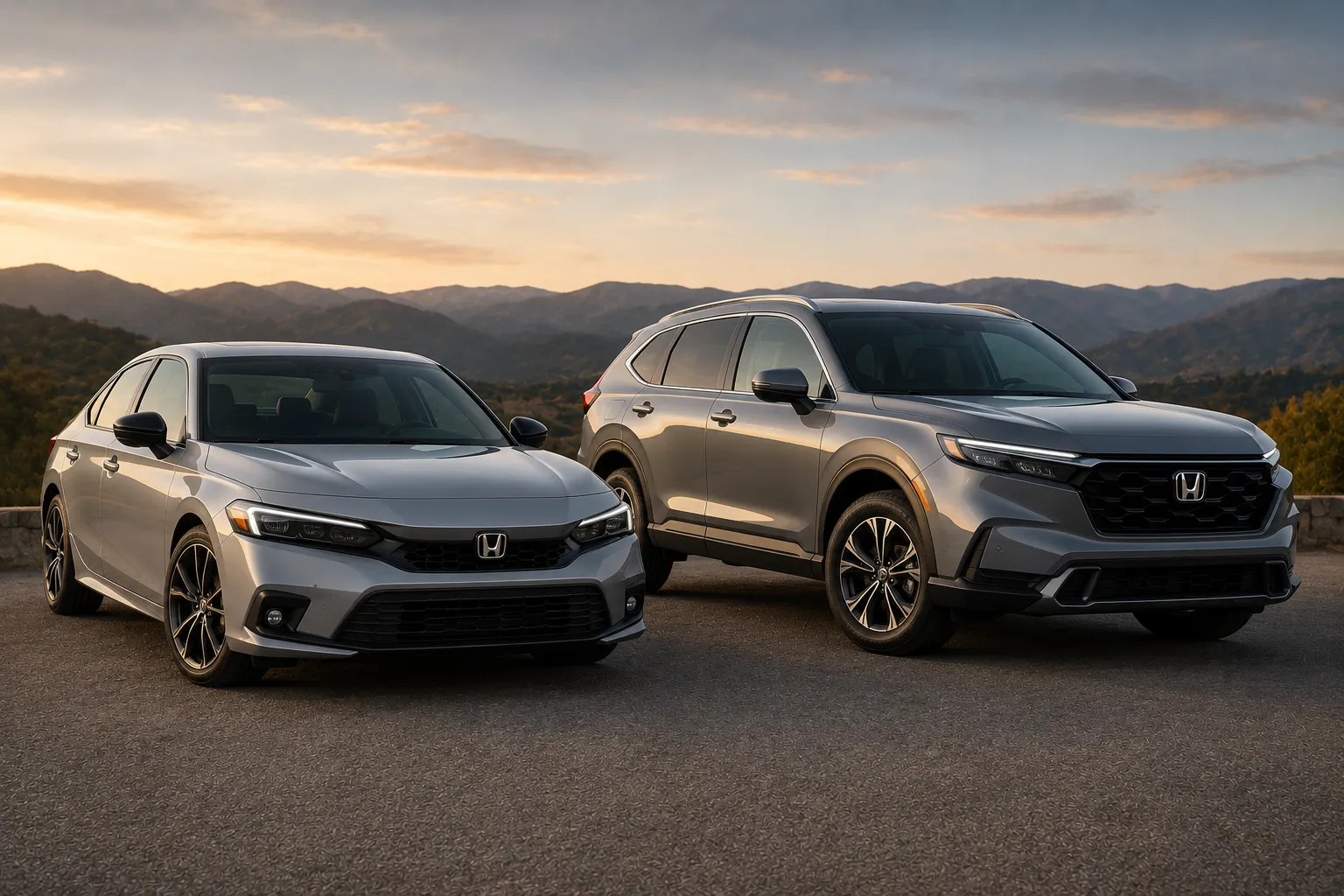
Brand loyalty is not built overnight, yet Honda has earned the trust of American buyers through many years of consistent performance. Many people who purchase one Honda eventually return for another because the vehicles continue to meet their expectations.
While some manufacturers depend on heavy discounts to attract customers, Honda has maintained steady demand by producing cars that suit everyday driving needs and deliver dependable ownership experiences. Across different stages of life, Honda vehicles remain a common sight on American roads.
They serve students heading to school, families taking long trips, and professionals commuting to work each day. Buyers appreciate the dependable engines, practical pricing, comfortable interiors, and strong resale values that help protect their investment long after the initial purchase. These qualities have strengthened Honda’s reputation through years of dependable service.
This ranking highlights Honda’s eight highest-selling models in the United States using estimated cumulative sales recorded between 2006 and 2026. Covering two decades provides a clear picture of the vehicles that buyers have continued to choose year after year. Each model also includes four basic specifications for the standard version, making it easier to understand what attracted so many customers from the beginning.
Sales figures tell only part of the story. The lasting trust Honda has earned through reliability, comfort, affordability, and quality explains why so many buyers continue returning to the brand whenever it is time to replace their vehicles. That level of confidence cannot be achieved through advertising alone.
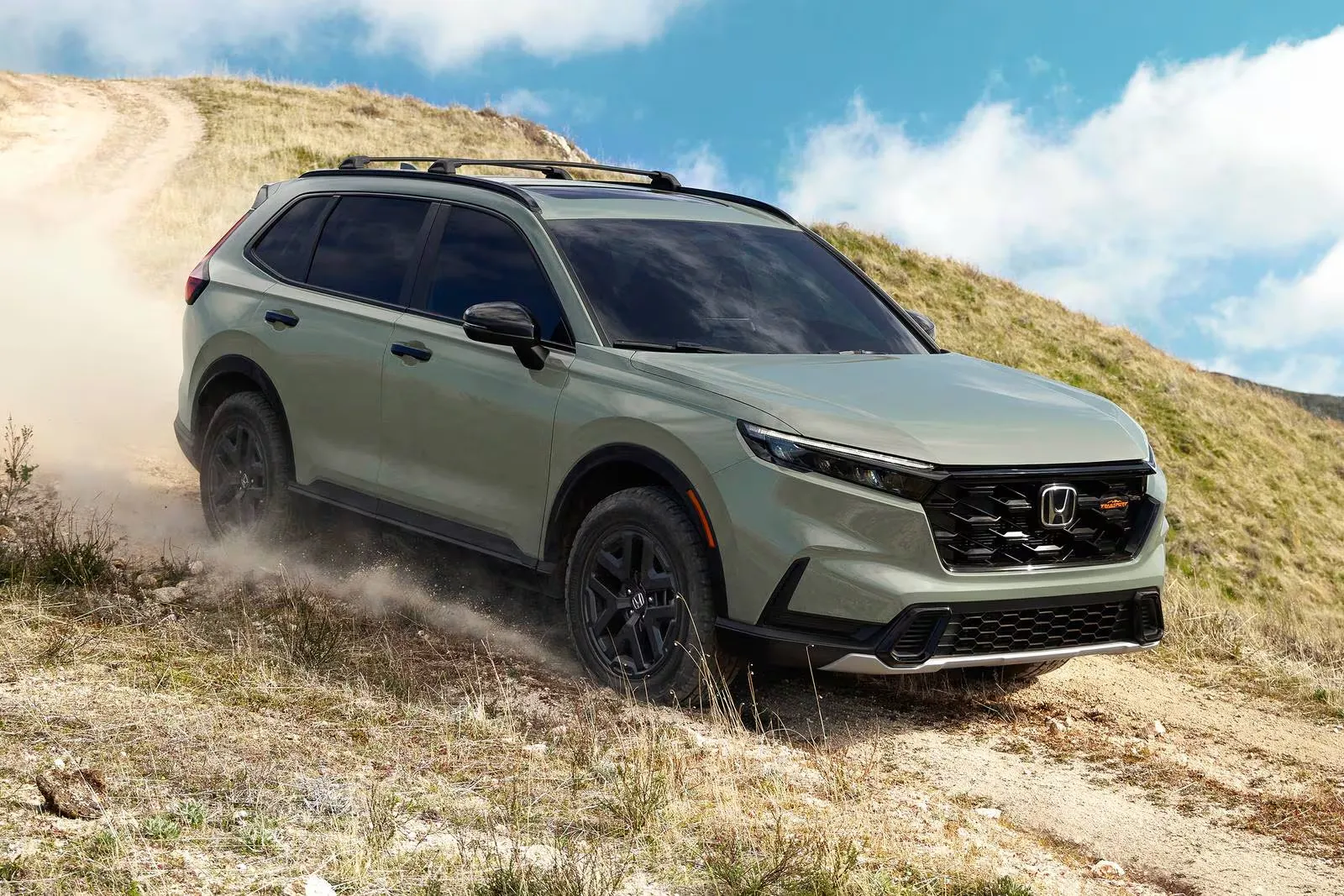
1. Honda CR-V
Total Estimated US Sales (2006-2026): Around 6.8 Million Units
- Engine: 1.5L Turbocharged 4-Cylinder (Hybrid available)
- Horsepower: 190 hp
- Torque: 179 lb-ft
- Size: 184.8 in Long x 73.5 in Wide
No other Honda model tells the story of America’s automotive appetite quite like the CR-V. What started as a compact crossover with modest ambitions grew into one of the most dominant-selling vehicles in the entire US market, regardless of brand. Over the twenty-year window, the CR-V moved an estimated 6.8 million units domestically, routinely clearing 350,000 to 400,000 annual sales during its strongest years.
The reasons aren’t mysterious. American buyers wanted the commanding ride height of an SUV, the fuel economy of a sedan, and enough interior room to handle everything from soccer gear to weekend camping trips. The CR-V delivered all three simultaneously and kept improving with each generation rather than coasting on its reputation.
Honda’s decision to add a turbocharged 1.5-liter engine brought responsive acceleration and better highway efficiency to a vehicle already well-regarded for daily practicality. When the hybrid variant arrived, fuel-conscious buyers who previously felt forced to sacrifice cargo space suddenly had a genuinely compelling option waiting for them.
Inside, each refresh brought better materials, smarter storage solutions, and technology features that kept the cabin feeling current without overwhelming buyers who just wanted things to work reliably. Cargo space consistently outperformed class competitors, and rear-seat legroom satisfied families who had outgrown sedans but weren’t ready to commit to a full-size SUV.
Dealers rarely need to discount CR-Vs aggressively because demand stays steady through economic cycles, model changes, and shifting consumer trends alike. That combination of consistent demand and retained resale value makes the CR-V not just Honda’s best-selling vehicle but arguably one of the strongest automotive investments available at its price point.
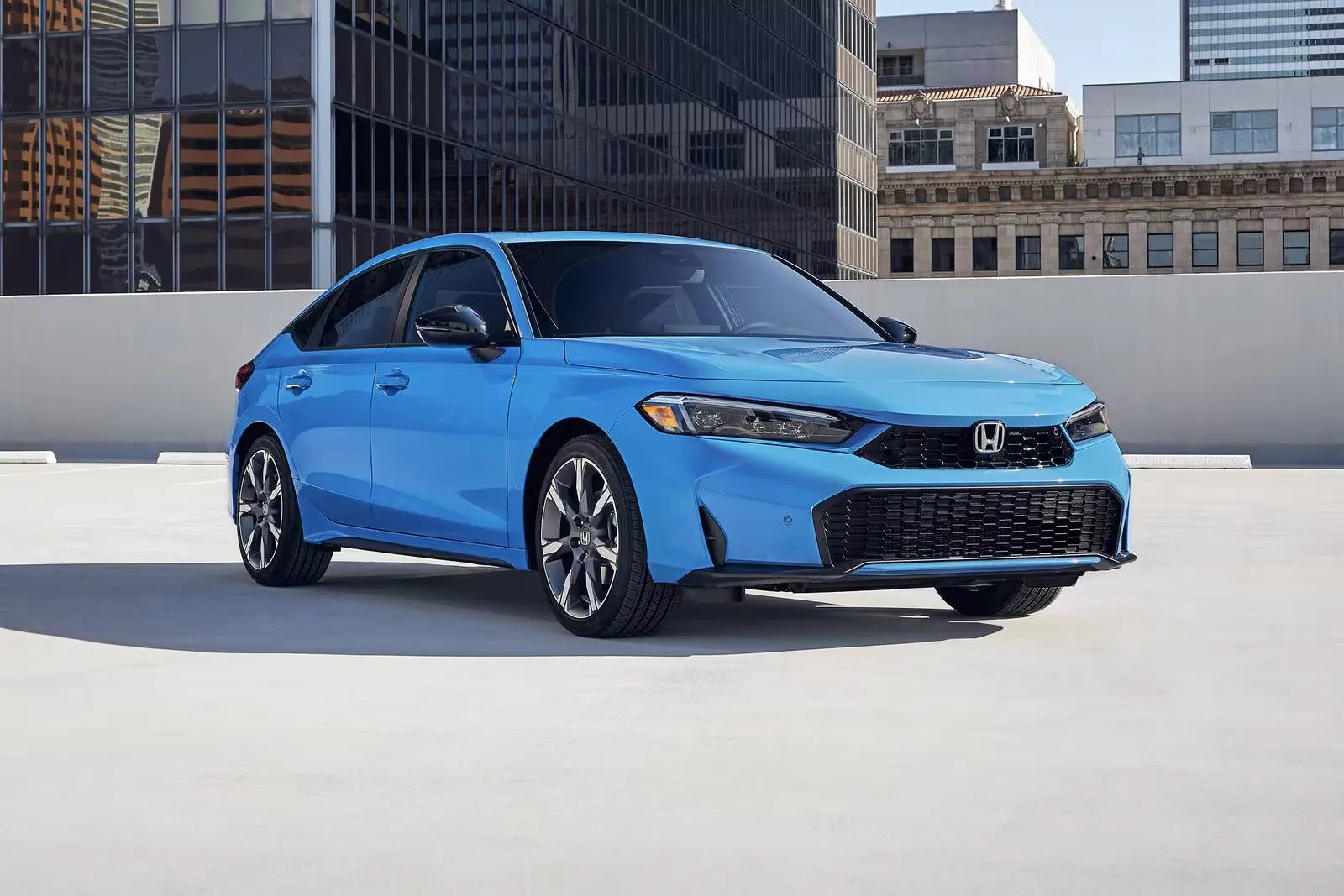
2. Honda Civic
Total Estimated US Sales (2006-2026): Around 6.2 Million Units
- Engine: 2.0L Naturally Aspirated 4-Cylinder (Hybrid available)
- Horsepower: 150 hp
- Torque: 133 lb-ft
- Size: 184.0 in Long x 70.9 in Wide
Ask a long-time automotive journalist to name the most important compact car in American history, and the Honda Civic gets mentioned before most conversations end. With approximately 6.2 million units sold domestically across twenty years, the Civic earns that reputation through actual purchase decisions rather than magazine praise.
First-time buyers trust it. Commuters depend on it. Parents hand keys to college-bound kids knowing the car won’t leave them stranded. That breadth of audience is genuinely rare in any market segment. Most vehicles find one type of buyer and stay there. The Civic somehow appeals to eighteen-year-olds and fifty-year-olds simultaneously, a feat few compact cars can claim with real sales data to back it up.
Each generation brought meaningful improvements rather than surface-level styling tweaks. The tenth-generation redesign, which arrived for the 2016 model year, reversed a period of criticism by delivering sharper exterior lines, a dramatically improved interior, and handling that finally felt exciting rather than merely adequate. Sales responded immediately, climbing back toward historic highs.
The hybrid addition expanded the appeal further, offering buyers the chance to spend less at the pump without giving up the Civic’s proven road manners. Honda managed to keep the hybrid’s battery placement from eating into trunk space, a packaging problem that plagued earlier hybrid competitors and turned buyers away.
Reliability ratings across independent testing organizations have remained consistently strong, reinforcing the word-of-mouth cycle that keeps the Civic at the top of compact car searches year after year. It isn’t the flashiest car in any showroom. It simply refuses to let buyers down, and twenty years of American purchase decisions say that matters more.
Also Read: 5 Best and Worst Years for the Honda Civic
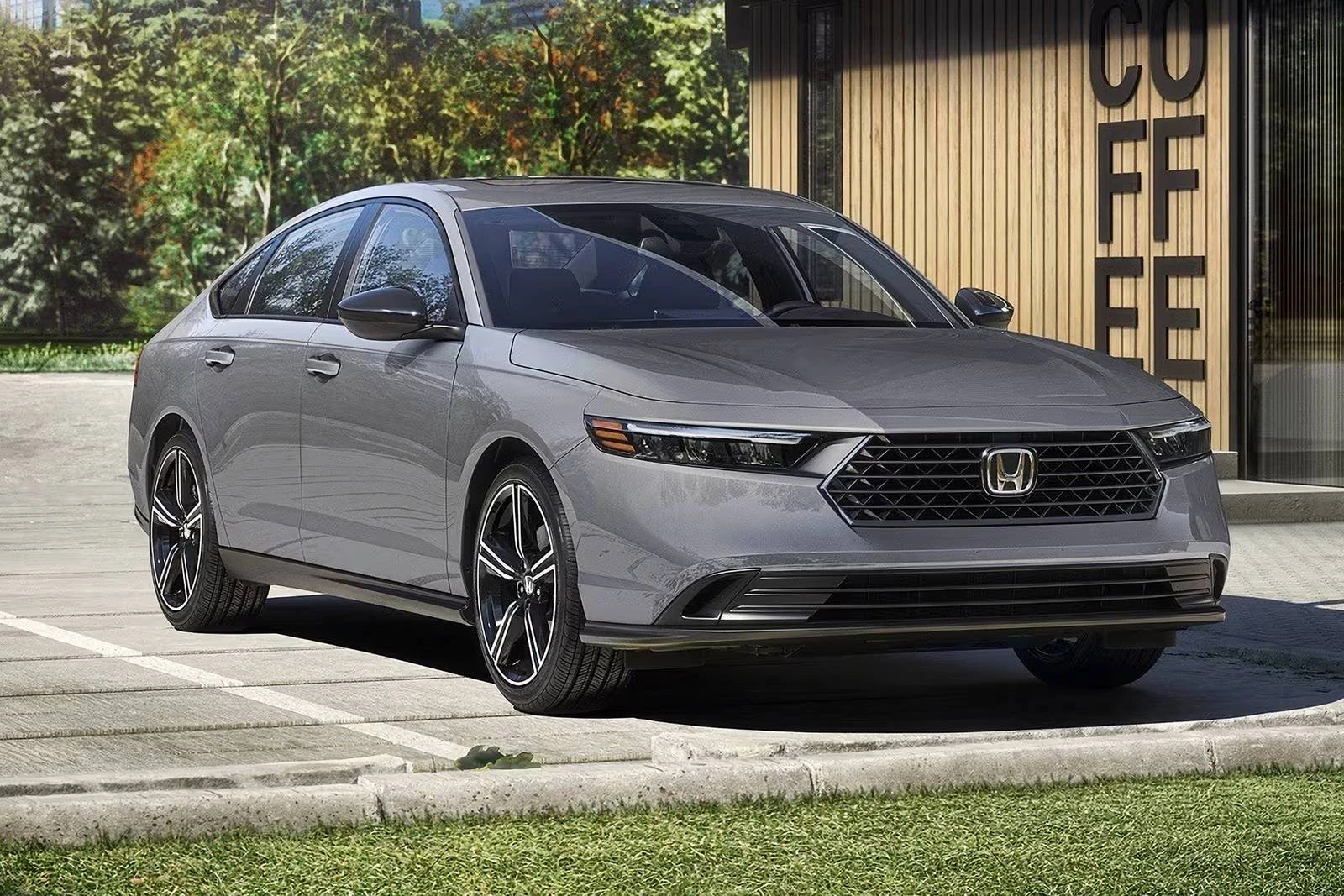
3. Honda Accord
Total Estimated US Sales (2006-2026): Around 6.0 Million Units
- Engine: 1.5L Turbocharged 4-Cylinder (Hybrid available)
- Horsepower: 192 hp
- Torque: 192 lb-ft
- Size: 195.7 in Long x 73.2 in Wide
Few midsize sedans have maintained the level of trust and popularity enjoyed by the Honda Accord. For many years, it shared the market with the Toyota Camry while many competing models struggled to attract the same attention. Selling about six million units in the United States across two decades shows that buyers continued to rely on the Accord, even as many people began choosing SUVs instead of traditional sedans.
Many businesses also played a major role in the Accord’s success. Companies regularly selected it for their vehicle fleets because it offered comfort, dependability, and reasonable running costs. Office managers had little hesitation approving it as a company car, while private buyers benefited from a healthy supply of well-maintained used models.
Since fleet vehicles were replaced regularly, buyers could often purchase second-hand Accords in very good condition without paying excessive prices. Honda also improved the engine options to meet changing customer needs. The company replaced the older 2.4-liter naturally aspirated engine with a turbocharged 1.5-liter unit that delivered similar power while using less fuel.
Drivers looking for stronger performance could choose the 2.0-liter turbocharged engine, producing 252 horsepower and providing lively acceleration that many people did not expect from a family sedan. Space inside the cabin remains one of the Accord’s strongest qualities. Rear passengers enjoy generous legroom, making long journeys much more comfortable for adults.
The hybrid version also attracts buyers because it delivers excellent fuel economy, reducing fuel expenses without sacrificing comfort. When you add Honda’s long-standing reputation for durability, the Accord continues to offer excellent value throughout years of ownership.
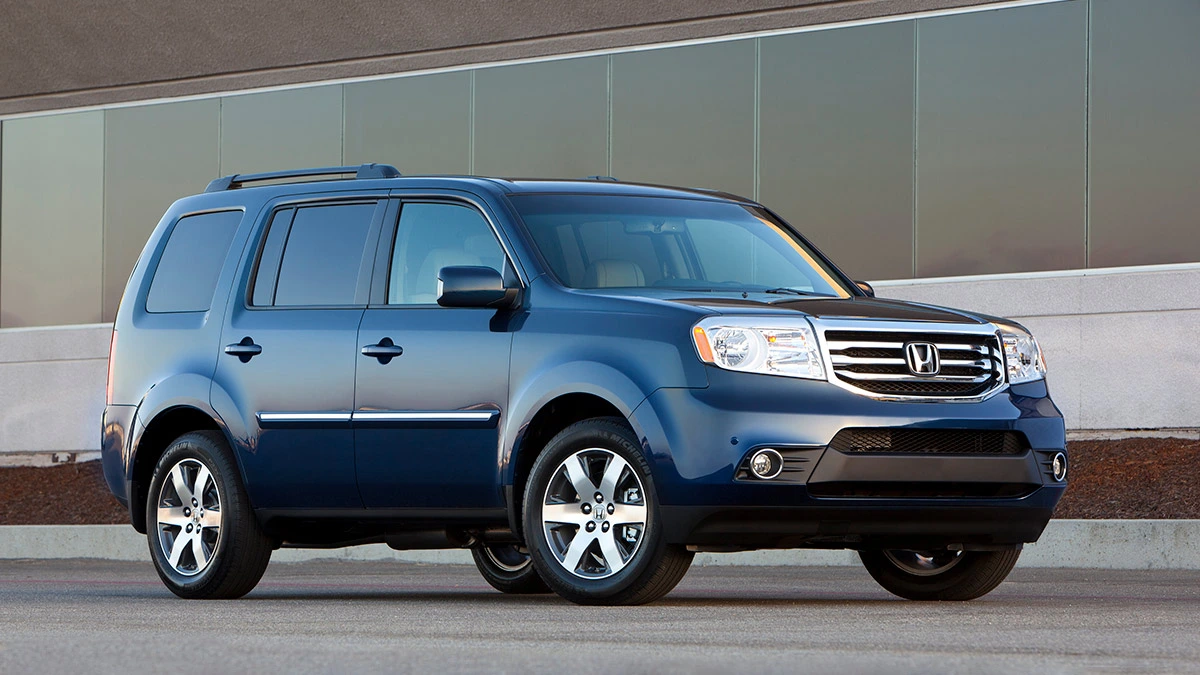
4. Honda Pilot
Total Estimated US Sales (2006-2026): Around 2.5 Million Units
- Engine: 3.5L Naturally Aspirated V6
- Horsepower: 285 hp
- Torque: 262 lb-ft
- Size: 199.7 in Long x 78.5 in Wide
Three rows of seats, a V6 engine, and a unibody platform that rides like a car rather than a truck: the Honda Pilot figured out exactly what families needed from a large SUV before most competitors caught on. Cumulative US sales reaching approximately 2.5 million units across twenty years confirm this formula resonated with buyers consistently enough to sustain strong volume across multiple generations.
The third row distinction matters enormously in this segment. Many three-row crossovers bury their rearmost seats under a steep roofline or tuck them so close together that adult passengers simply refuse to sit back there for trips longer than fifteen minutes. Honda engineered the Pilot’s third row for legitimate adult occupancy, a decision that turned family road trips from a negotiation about who sits where into a non-issue.
Under the hood, a 3.5-liter V6 producing 285 horsepower and 262 lb-ft of torque delivers confident towing capability alongside relaxed highway cruising. Families heading to campsites or boat launches found the Pilot capable enough for real utility without requiring the harsher ride quality associated with body-on-frame competitors.
Interior storage impressed reviewers consistently across model years, with multiple cubbies, USB ports distributed across all three rows, and cargo area organization that adapted to different loading configurations. Honda’s practical engineering philosophy, visible so clearly in the Civic and CR-V, transferred naturally to a larger scale here.
Safety technology expanded with each refresh, adding features that initially appeared only on luxury vehicles to a platform priced for mainstream family budgets. That combination of space, reliability, and thoughtful technology kept the Pilot on shortlists for buyers who needed serious three-row capability without paying premium SUV pricing.
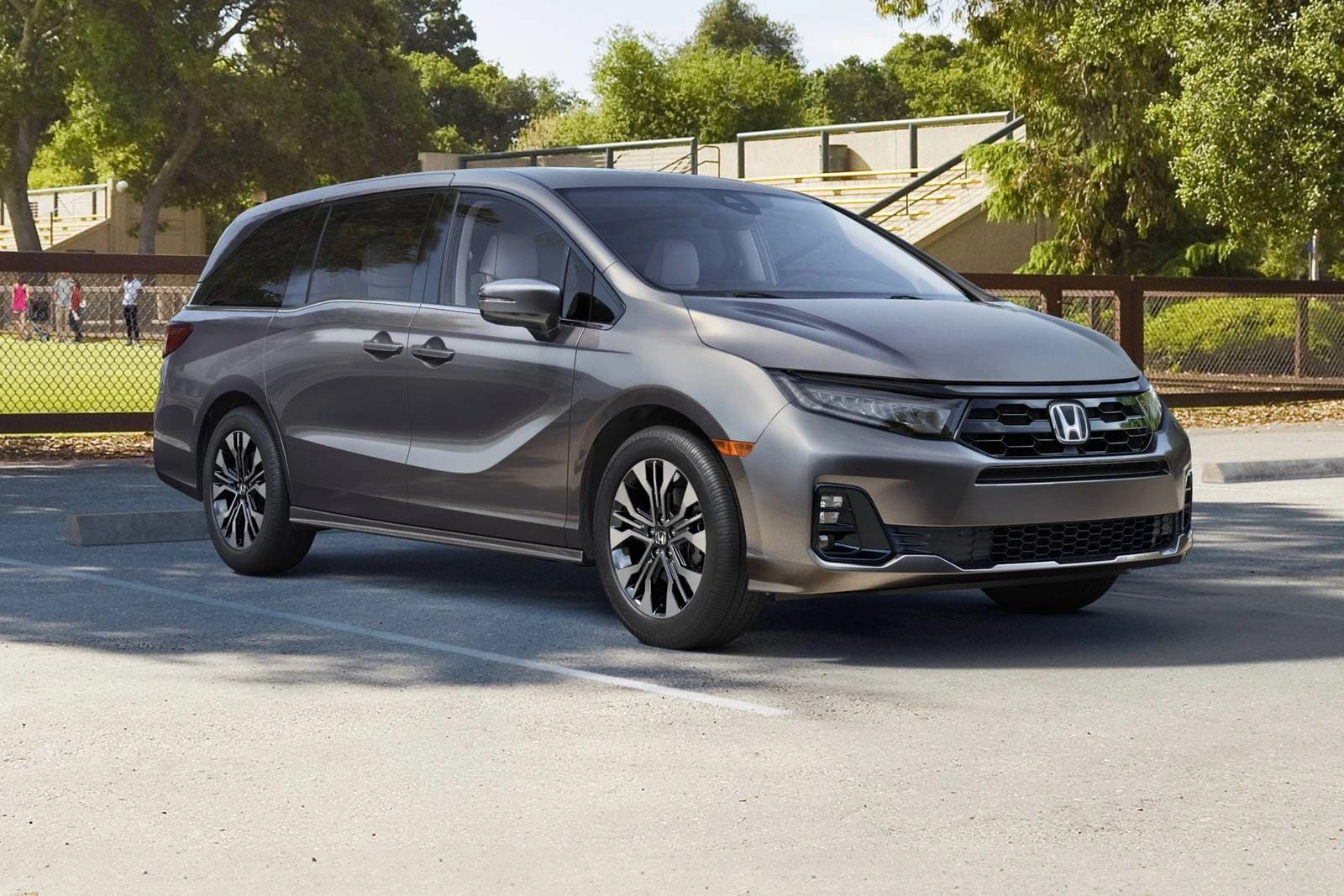
5. Honda Odyssey
Total Estimated US Sales (2006-2026): Around 2.1 Million Units
- Engine: 3.5L Naturally Aspirated V6
- Horsepower: 280 hp
- Torque: 262 lb-ft
- Size: 205.2 in Long x 78.5 in Wide
Minivans aren’t cool. Honda knows this and doesn’t particularly care. The Odyssey sells on merit rather than image, and approximately 2.1 million US sales over twenty years prove that practical merit convinces a steady stream of American families every single year despite the segment shrinking around it.
What separates the Odyssey from its minivan competitors comes down to how Honda thought about the people who would actually spend time inside it daily. Second-row seats that fold flat into the floor, a feature Honda branded as the Magic Slide system in the fifth generation, gave parents the ability to create a flat cargo floor or rearrange seating configurations within seconds rather than wrestling with heavy seats that require storage outside the vehicle.
The entertainment systems available in upper trims transformed the Odyssey into something families genuinely wanted rather than simply needed. Rear-seat entertainment screens, multiple power outlets, and Wi-Fi hotspot availability acknowledged that children travel with devices and addressed that reality honestly rather than ignoring it.
Ride quality sits noticeably above minivan class expectations too. The V6 engine handles highway merging and passing with composure, and suspension tuning leans toward smooth absorption rather than athletic response, a priority that makes perfect sense given the vehicle’s primary audience. Parents aren’t looking for cornering performance. They want a van that makes a four-hour drive feel shorter than it actually is.
Fuel economy settled into a reasonable range for the segment, and Honda’s reliability reputation meant owners rarely faced unexpected repair bills during the years when children were still young enough to need all those seats. For families committed to the minivan format, the Odyssey consistently argued most convincingly against any alternative.
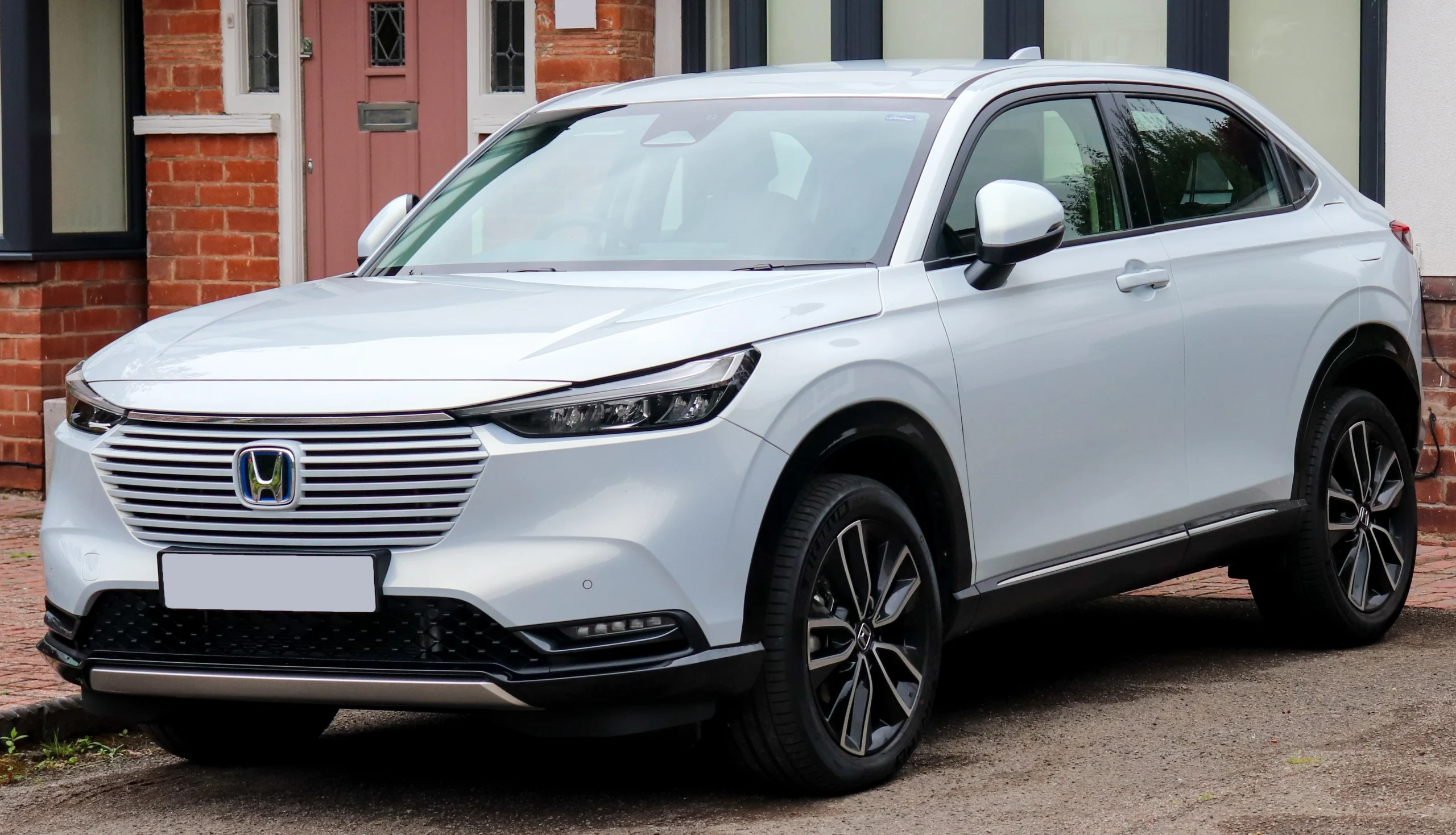
6. Honda HR-V
Total Estimated US Sales (2006-2026): Around 1.2 Million Units
- Engine: 2.0L Naturally Aspirated 4-Cylinder
- Horsepower: 158 hp
- Torque: 138 lb-ft
- Size: 179.8 in Long x 72.4 in Wide
Demand for subcompact crossover SUVs grew rapidly during the past two decades, and the Honda HR-V entered the market at the right time. Even though it arrived later than some rivals, it recorded about 1.2 million sales in the United States. That strong performance shows buyers appreciated its practical size, reasonable pricing, and Honda’s reputation for producing dependable vehicles.
Many first-time SUV buyers found the HR-V especially appealing because it offered the benefits of a crossover without the higher running costs and larger dimensions of the CR-V. It suited drivers who regularly dealt with busy city streets, limited parking spaces, and tighter budgets.
The raised driving position also appealed to people who wanted better visibility without giving up good fuel economy, making the HR-V an easy choice for many households. Earlier versions came with a 1.8-liter engine that some owners considered less powerful than expected, especially as competing models became stronger.
Honda responded by introducing a redesigned model for 2023, equipped with a 2.0-liter engine that delivered better performance and smoother acceleration. The cabin also received a welcome upgrade, replacing many hard plastic surfaces with softer materials that gave the interior a more refined appearance.
Another reason many buyers appreciated the HR-V was its clever use of interior space. The rear seats folded easily, creating plenty of room for luggage, shopping, or larger household items. Honda’s wide dealership network also made the vehicle easy to find across many locations, allowing buyers to test-drive and purchase one without facing the long waiting periods experienced with certain competing models.
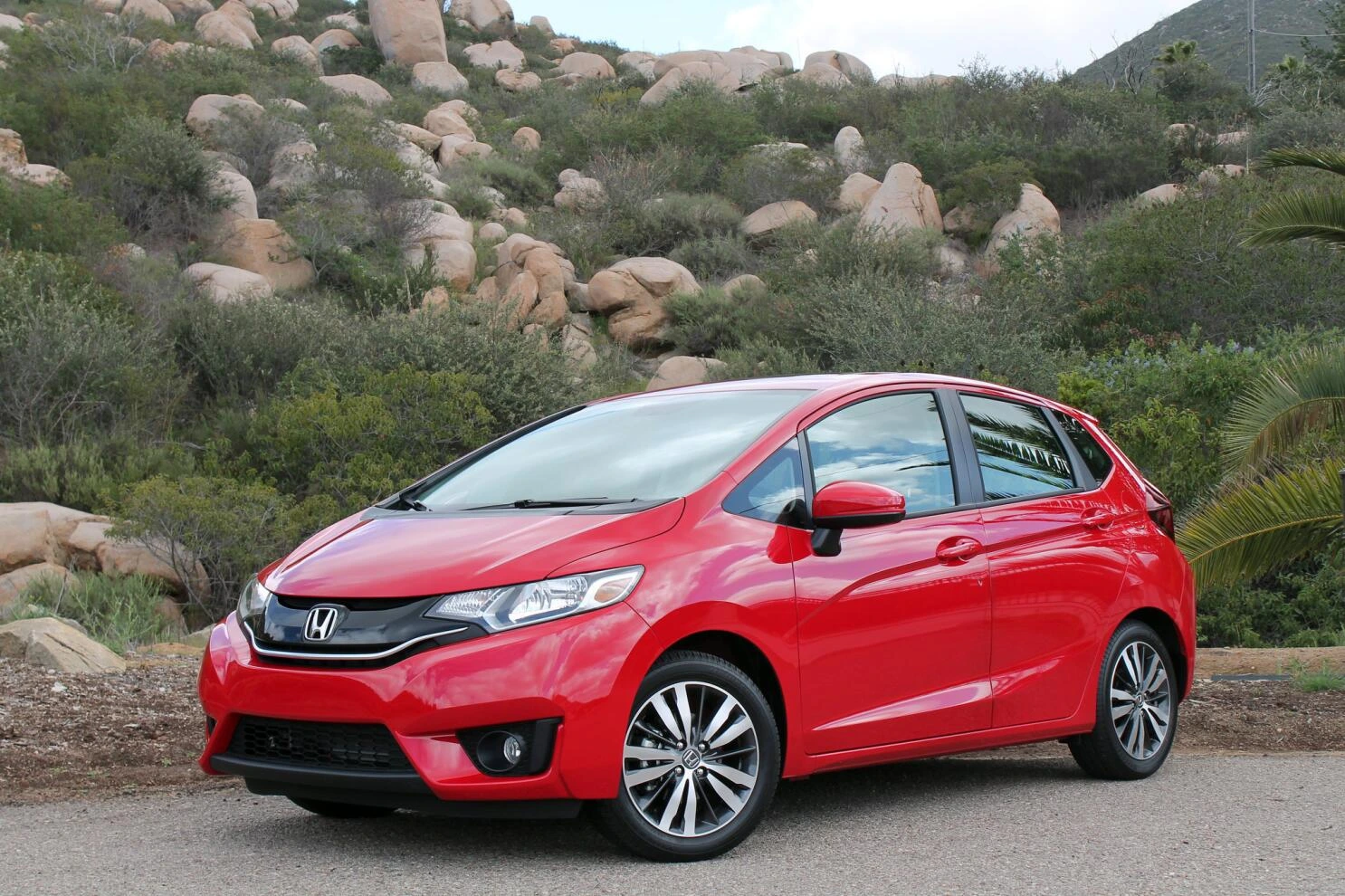
7. Honda Fit
Total Estimated US Sales (2006-2026): Around 800,000 Units
- Engine: 1.5L Naturally Aspirated 4-Cylinder
- Horsepower: 130 hp
- Torque: 114 lb-ft
- Size: 161.4 in Long x 67.0 in Wide
The Honda Fit proved something important during its US run: size doesn’t limit usefulness, and buyers who understood that kept sales rolling for over a decade until Honda made the difficult decision to discontinue it for the American market.
Roughly 800,000 domestic sales across its lifespan represent a loyal base of buyers who prized flexibility and efficiency above everything else. Magic Seat technology defined the Fit’s personality more than any other single feature. Fold the rear seat cushions upward and suddenly the Fit could swallow a bicycle, a surfboard, or a potted tree without struggle.
Fold seats flat and the cargo floor stretched far longer than any subcompact hatchback competitor managed. Honda demonstrated repeatedly in its own marketing videos how the Fit could carry things that seemed physically impossible given the car’s exterior dimensions, and buyers took notice.
Urban drivers found the Fit particularly well-suited to city life. The tight turning radius made parallel parking approachable, the short length opened up options in crowded lots, and the 1.5-liter engine’s willingness to rev cheerfully through city traffic made stop-and-go driving feel less punishing than it does in heavier, lazier alternatives.
Fuel economy figures impressed buyers from the beginning and held strong across model years, keeping running costs low for the budget-minded buyers who typically chose the Fit in the first place. Combined with Honda’s reputation for mechanical longevity, Fits regularly accumulated high mileage without demanding expensive repairs, reinforcing their value proposition through the full ownership experience.
When Honda phased the Fit out of the US market, social media reaction from owners was noticeably emotional. Few subcompact cars inspire that kind of attachment, but the Fit earned it honestly across fifteen-plus years of genuine usefulness.
Also Read: 10 Hidden Features In The Honda Pilot
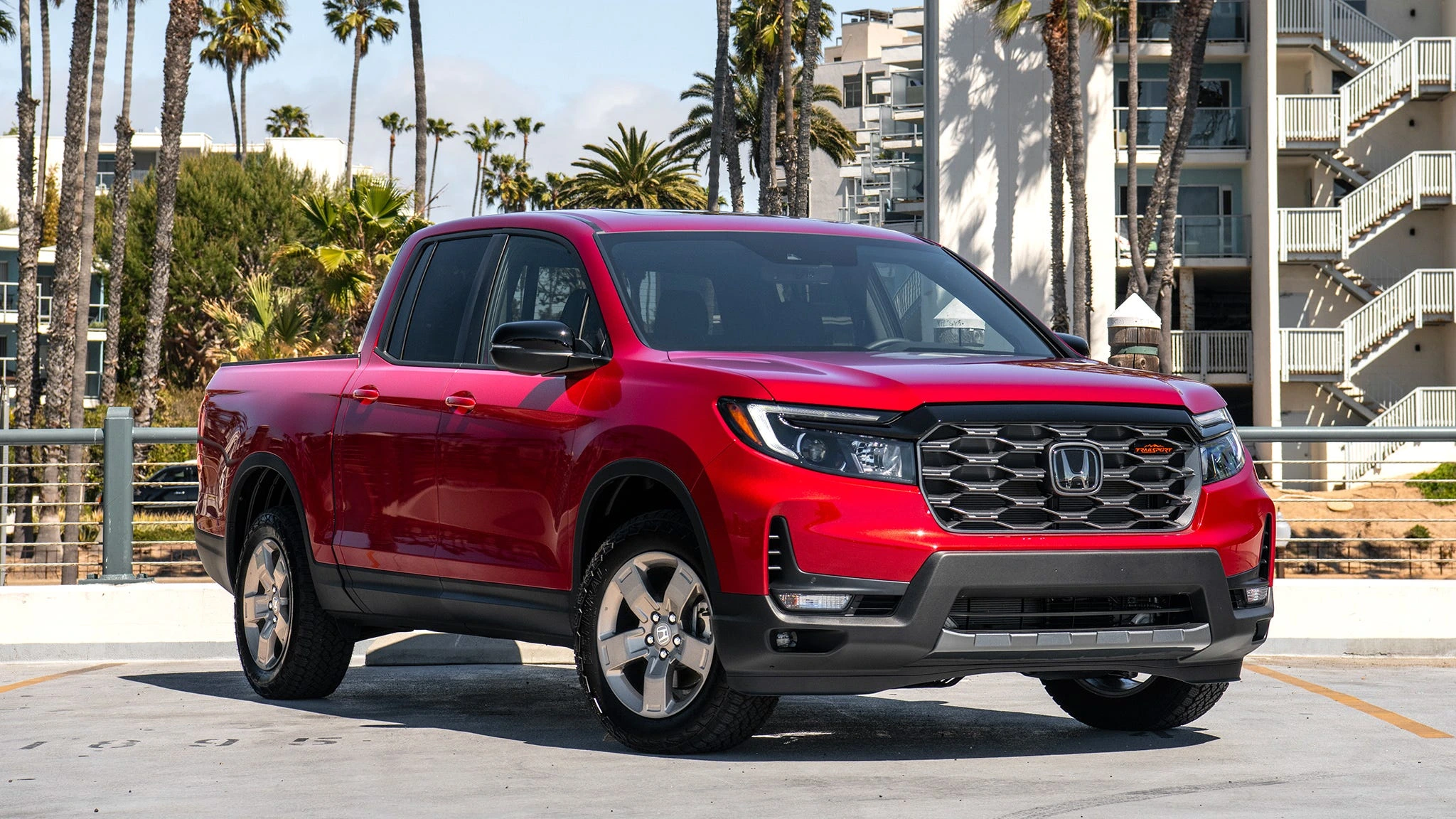
8. Honda Ridgeline
Total Estimated US Sales (2006-2026): Around 750,000 Units
- Engine: 3.5L Naturally Aspirated V6
- Horsepower: 280 hp
- Torque: 262 lb-ft
- Size: 210.2 in Long x 78.6 in Wide
Few Honda models have generated as much debate as the Ridgeline, yet about 750,000 buyers in the United States decided it suited their needs. That level of acceptance says plenty about its appeal. Honda designed this pickup for homeowners, working professionals, and people who needed a practical truck for occasional jobs without sacrificing everyday comfort.
It offered an open cargo bed while delivering a driving experience that felt much closer to an SUV than a traditional pickup. Unlike body-on-frame trucks, which are built mainly for demanding tasks, the Ridgeline uses a unibody design borrowed from Honda’s crossover lineup. This gives it a smoother ride, lower fuel consumption, and easier handling in traffic and parking areas.
For people who rarely carry heavy loads, these qualities make daily driving much more enjoyable without giving up the usefulness of a pickup. One feature many owners appreciate is the lockable storage compartment built beneath the truck bed floor. It provides a secure place for tools, valuables, or equipment while keeping items protected from rain and dust.
The Ridgeline also offers enough payload and towing ability for moving furniture, carrying building materials, or pulling a small boat. Buyers looking for comfort, practicality, and dependable performance found that this pickup delivered exactly what they needed for everyday use.
