
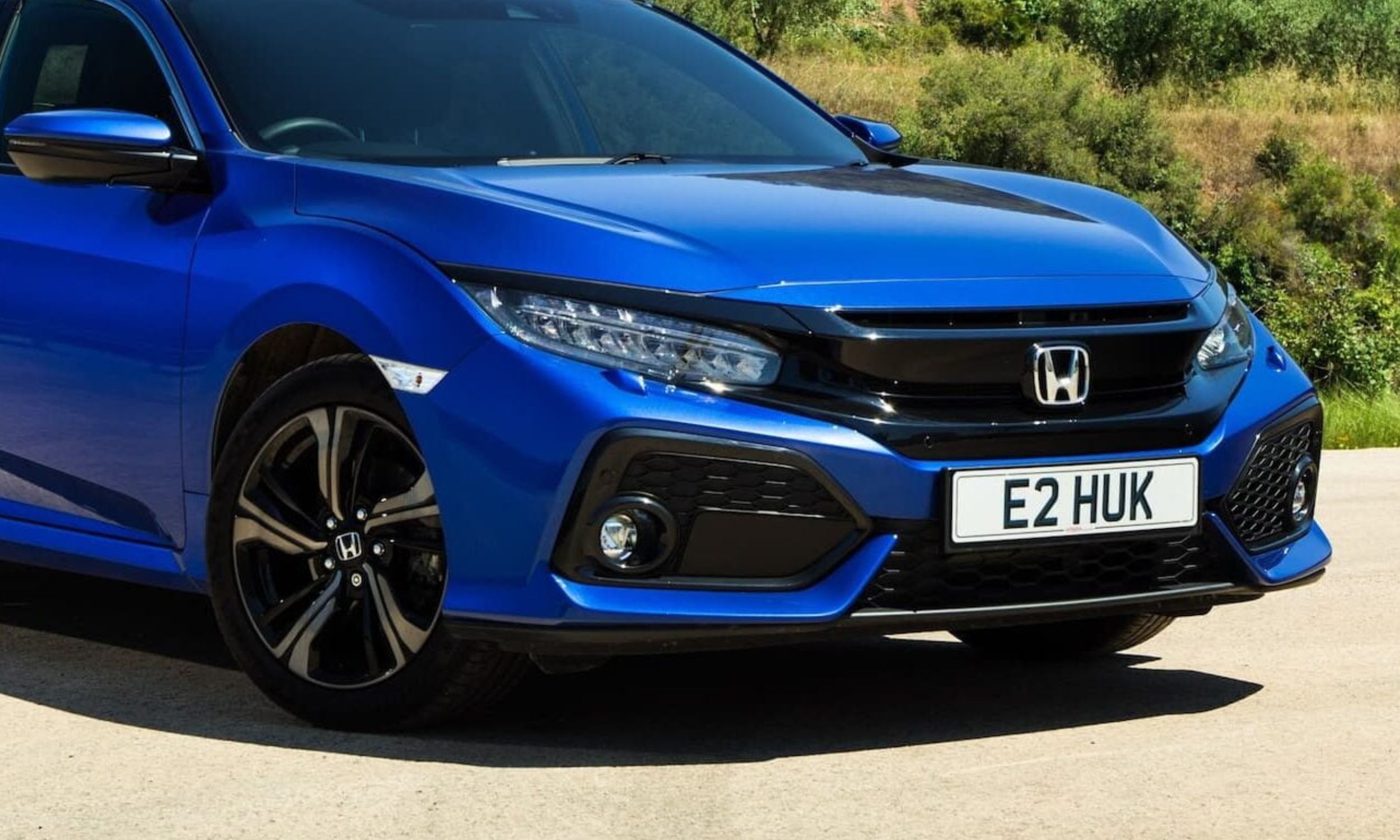
Few cars in automotive history have earned the kind of long-term trust that the Honda Civic commands. Millions of buyers around the world have chosen it as their first car, their college car, their commuter car, and their keep-it-forever car. With low running costs, strong resale values, and a reputation for lasting well past 200,000 miles, the Civic has spent decades at or near the top of the compact car segment.
Here’s a fact that many buyers overlook when shopping for a used Honda Civic. Not every model year offers the same level of quality and reliability. Some years have earned an excellent reputation for lasting decades with minimal issues, while others were affected by major engineering problems that led to cracked engine blocks, transmission failures, and unexpected breakdowns.
If you are shopping for a used Civic right now, or helping someone else find one, the model year you choose matters enormously. Buying the right year means getting one of the most reliable commuter cars ever built. Buying the wrong year means inheriting someone else’s repair bills.
This guide covers the five best Honda Civic years to buy and the five years to avoid completely, with factory specifications and the specific reasons each model earned its place on either list.
5 Best Honda Civic Years
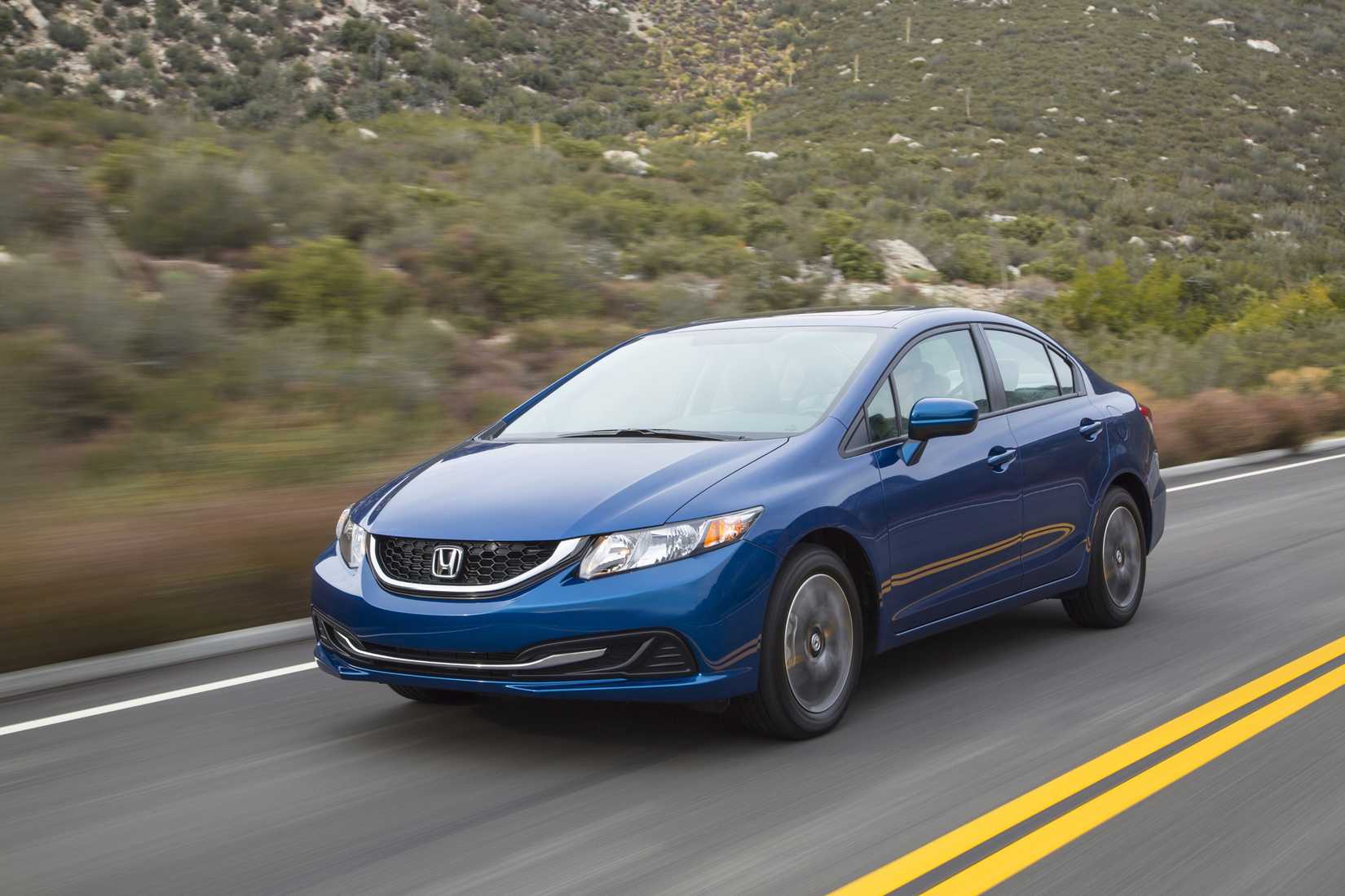
1. 2015 Honda Civic (9th Generation)
- Engine: 1.8L Naturally Aspirated 4-Cylinder (or 2.4L I4 in Si)
- Horsepower: 143 hp (Standard) / 205 hp (Si)
- Torque: 129 lb-ft (Standard) / 174 lb-ft (Si)
- Size: 179.4 in Long x 69.0 in Wide
Buying the final year of a well-developed generation is one of the smartest moves in the used car market, and the 2015 Honda Civic is a textbook example of why that strategy works. By the time Honda reached the 2015 model year of the ninth generation, engineers had addressed every meaningful complaint that earlier versions of the platform had generated. Interior materials that drew criticism in the early ninth-generation years were upgraded to a noticeably better quality level. Suspension tuning that felt soft and uninspiring in earlier models had been refined to deliver a more composed, confident ride.
At 143 horsepower and 129 lb-ft of torque from its 1.8-liter naturally aspirated four-cylinder, the standard 2015 Civic is not a performance car. What it is, without any argument, is one of the most mechanically reliable compact cars ever sold in the United States.
Owners of 2015 Civics routinely report passing the 200,000-mile mark with nothing more than scheduled oil changes, brake replacements, and tire rotations. Reports of vehicles reaching 250,000 miles and beyond on original powertrains are common enough in owner communities that they no longer surprise anyone familiar with this generation.
For buyers who want Si performance, the 2.4-liter engine producing 205 horsepower and 174 lb-ft of torque pairs with a crisp six-speed manual transmission that makes the 2015 Si one of the most enjoyable affordable sports sedans of its era. Measuring 179.4 inches long and 69 inches wide, it is compact enough to be genuinely easy to live with in urban environments while offering enough interior space for four adults on longer trips.
At used prices well below its original sticker, the 2015 Honda Civic represents exceptional value for any budget-conscious buyer prioritizing long-term reliability.
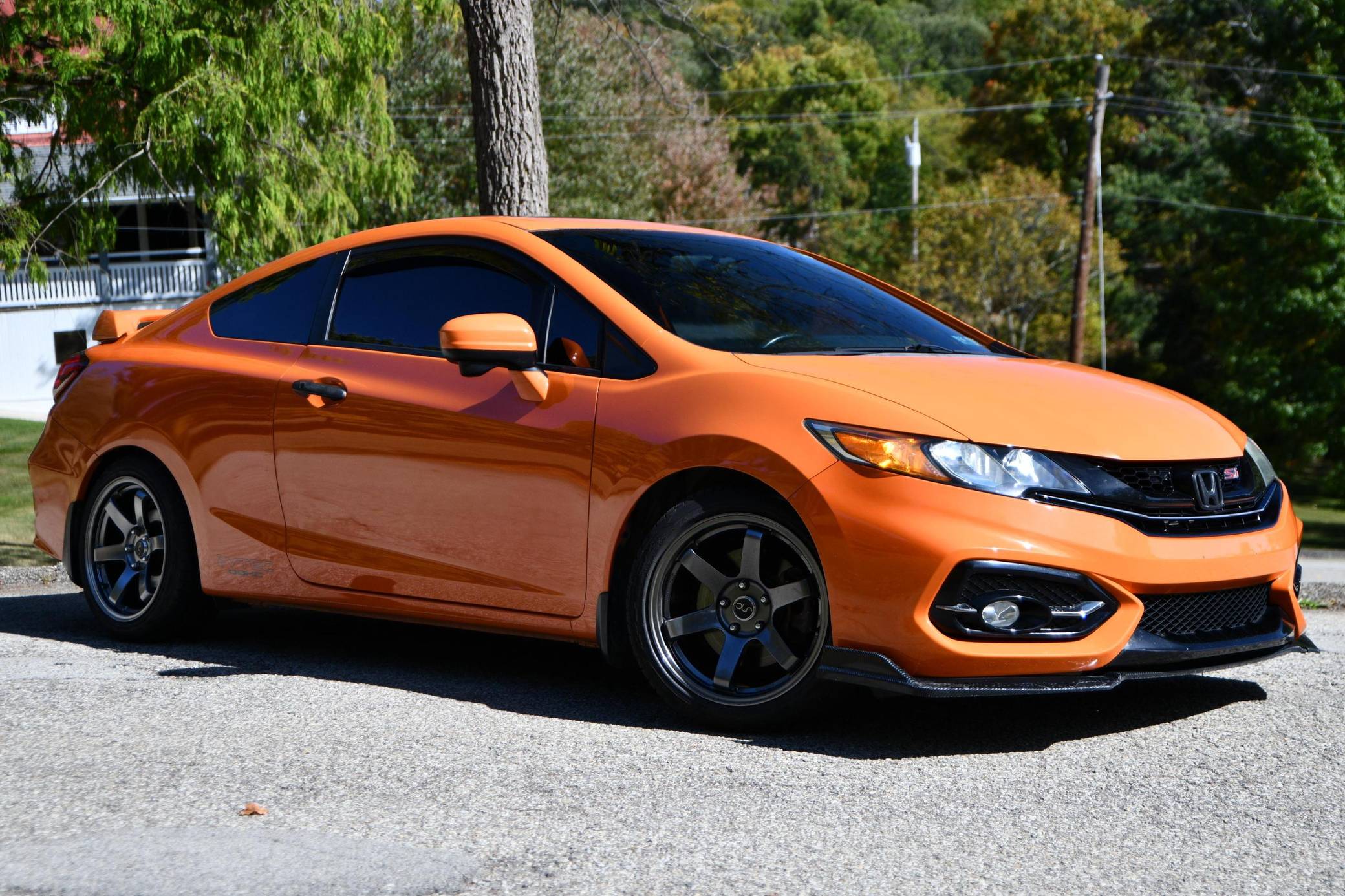
2. 2014 Honda Civic (9th Generation)
- Engine: 1.8L Naturally Aspirated 4-Cylinder (or 2.4L I4 in Si)
- Horsepower: 143 hp (Standard) / 205 hp (Si)
- Torque: 129 lb-ft (Standard) / 174 lb-ft (Si)
- Size: 179.4 in Long x 69.0 in Wide
Sharing its platform, dimensions, and powertrain with the 2015 model, the 2014 Honda Civic earns its spot on this list for a specific reason that matters greatly to buyers who prioritize fuel efficiency alongside reliability. Honda introduced a revised Continuously Variable Transmission in the 2014 model year that made a measurable difference in real-world fuel economy, pushing EPA ratings to 30 MPG city and 39 MPG highway.
For a commuter car used primarily for daily driving, those numbers translate directly into meaningful savings at every fill-up. CVT transmissions have a mixed reputation among driving enthusiasts, but Honda’s implementation in the ninth-generation Civic proved to be a durability success story.
Unlike some CVT systems from competing brands that showed belt wear and performance degradation at higher mileages, the Honda unit in the 2014 Civic built a strong track record for lasting well past 150,000 miles without major intervention when serviced according to the maintenance schedule. Owners who changed the CVT fluid at the recommended intervals reported smooth, trouble-free operation across extended ownership periods.
Producing 143 horsepower and 129 lb-ft of torque from the same proven 1.8-liter four-cylinder used across the ninth generation, the 2014 Civic’s powertrain has an established real-world reliability record that used car buyers can research extensively before purchasing.
Consumer complaint volumes for this model year are low across all major tracking databases, and recall activity was limited and addressed promptly by Honda. For buyers who want a fuel-efficient, low-maintenance compact sedan with a proven powertrain and a track record that removes most of the guesswork from used car buying, the 2014 Honda Civic is one of the safest choices in the segment.
Also Read: 10 Hidden Features in the Honda Accord
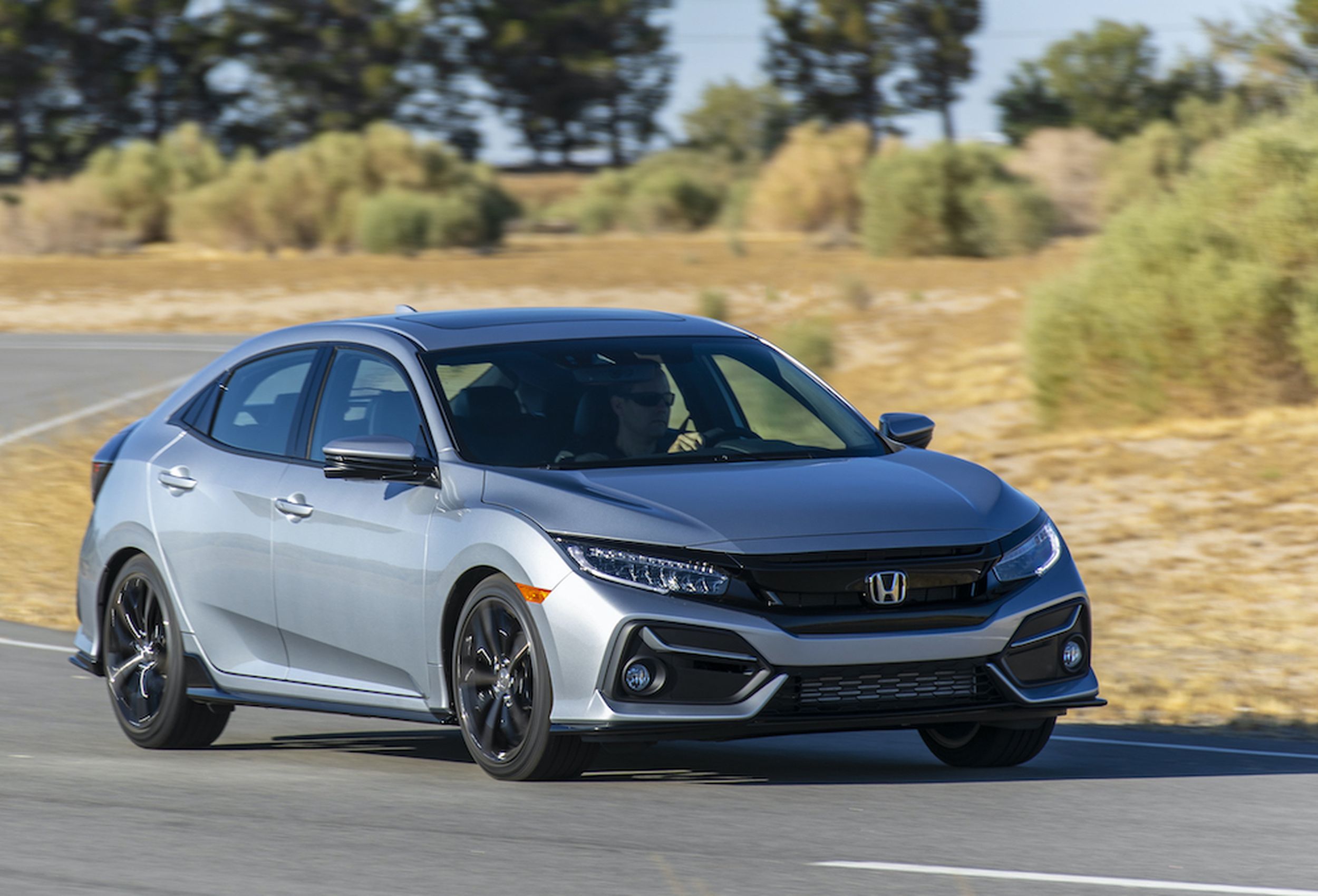
3. 2020 Honda Civic (10th Generation)
- Engine: 2.0L 4-Cylinder (or 1.5L Turbocharged 4-Cylinder)
- Horsepower: 158 hp (2.0L) / 174 hp (1.5L Turbo)
- Torque: 138 lb-ft (2.0L) / 162 lb-ft (1.5L Turbo)
- Size: 182.7 in Long x 70.8 in Wide
Shoppers who look past the earliest tenth-generation models often find the 2020 Civic far easier to live with. When this generation debuted in 2016, the turbocharged engine suffered from oil dilution concerns, and the climate control system caused repeated complaints.
By the time the 2020 model arrived, Honda had taken direct action. Updated piston ring tolerances, revised engine software, and redesigned climate control components resolved the problems that frustrated early owners. Choosing a 2020 Civic allows buyers to enjoy the strengths of the platform without dealing with the reliability questions tied to the first release year.
Inside the cabin, daily use improved in ways drivers immediately notice. Earlier versions replaced physical audio controls with touch-sensitive panels, a decision that drew steady criticism. For 2020, traditional buttons returned to the center stack, making volume and tuning adjustments easier while driving.
This change improved driver focus and comfort during routine trips. Honda Sensing also became standard across every trim level, giving all buyers access to features such as forward collision alerts, automatic emergency braking, lane keeping assist, and adaptive cruise control without stepping up to higher trims.
Size and performance also work in the car’s favor. Stretching 182.7 inches long and 70.8 inches wide, the 2020 Civic offers more rear seat legroom than the previous generation and feels less cramped for passengers. The available 1.5 liter turbocharged engine produces 174 horsepower and 162 pound-feet of torque, delivering brisk acceleration that feels stronger than naturally aspirated options.
Fuel efficiency remains competitive, which continues to matter to Civic buyers who expect low running costs. The 2020 Civic stands as a well-refined version of the tenth generation, combining solid performance, updated technology, and dependable ownership without the early production issues.
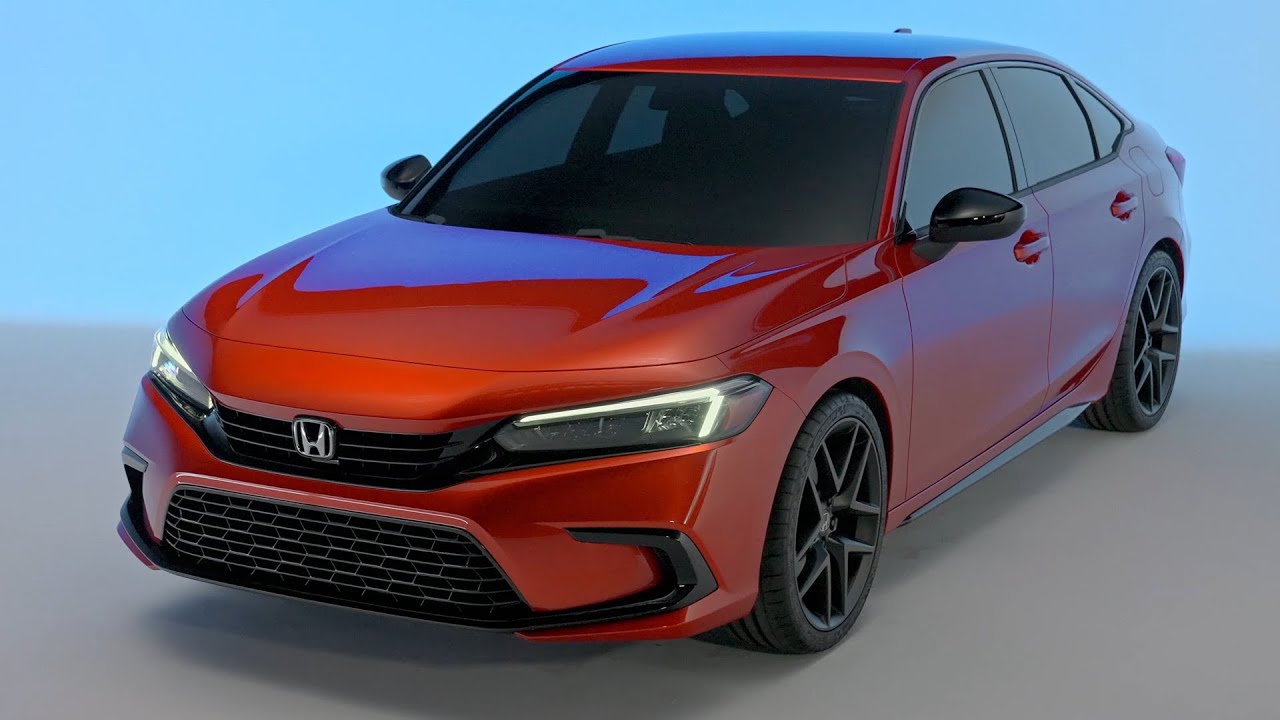
4. 2022 Honda Civic (11th Generation)
- Engine: 2.0L 4-Cylinder (or 1.5L Turbocharged 4-Cylinder)
- Horsepower: 158 hp (2.0L) / 180 hp (1.5L Turbo)
- Torque: 138 lb-ft (2.0L) / 177 lb-ft (1.5L Turbo)
- Size: 184.0 in Long x 70.9 in Wide
First-year redesigns carry inherent risk in the used car market. Manufacturers introduce new platforms, new powertrains, and new electronics simultaneously, and the first model year of any new generation tends to accumulate a higher density of early-production issues than subsequent years. The 2022 Honda Civic is a meaningful exception to that pattern.
Honda’s eleventh-generation redesign launched with a level of polish and reliability that most new generations do not achieve until their second or third year of production. At 180 horsepower and 177 lb-ft of torque from the updated 1.5-liter turbocharged engine, the 2022 Civic’s powertrain builds directly on the lessons learned from the tenth generation’s early oil dilution issues.
Honda addressed those problems before carrying the turbocharged engine into the new platform, which means the 2022 model enters the used market without the powertrain concerns that haunted the 2016 launch year. Consumer complaint rates for the 2022 Civic are low for a first-year redesign, reflecting the thoroughness of Honda’s pre-launch development and validation process.
Interior quality took its most substantial leap in years with the eleventh generation. A signature honeycomb mesh dashboard design replaced the busier layout of the tenth generation with a cleaner, more upscale presentation that draws favorable comparisons to vehicles priced well above the Civic’s segment.
Structural chassis rigidity improved meaningfully over the outgoing platform, contributing to a quieter cabin at highway speeds and sharper body control during directional changes. Measuring 184.0 inches long and 70.9 inches wide, the 2022 Civic is the roomiest generation yet while remaining easy and comfortable to drive in everyday conditions.
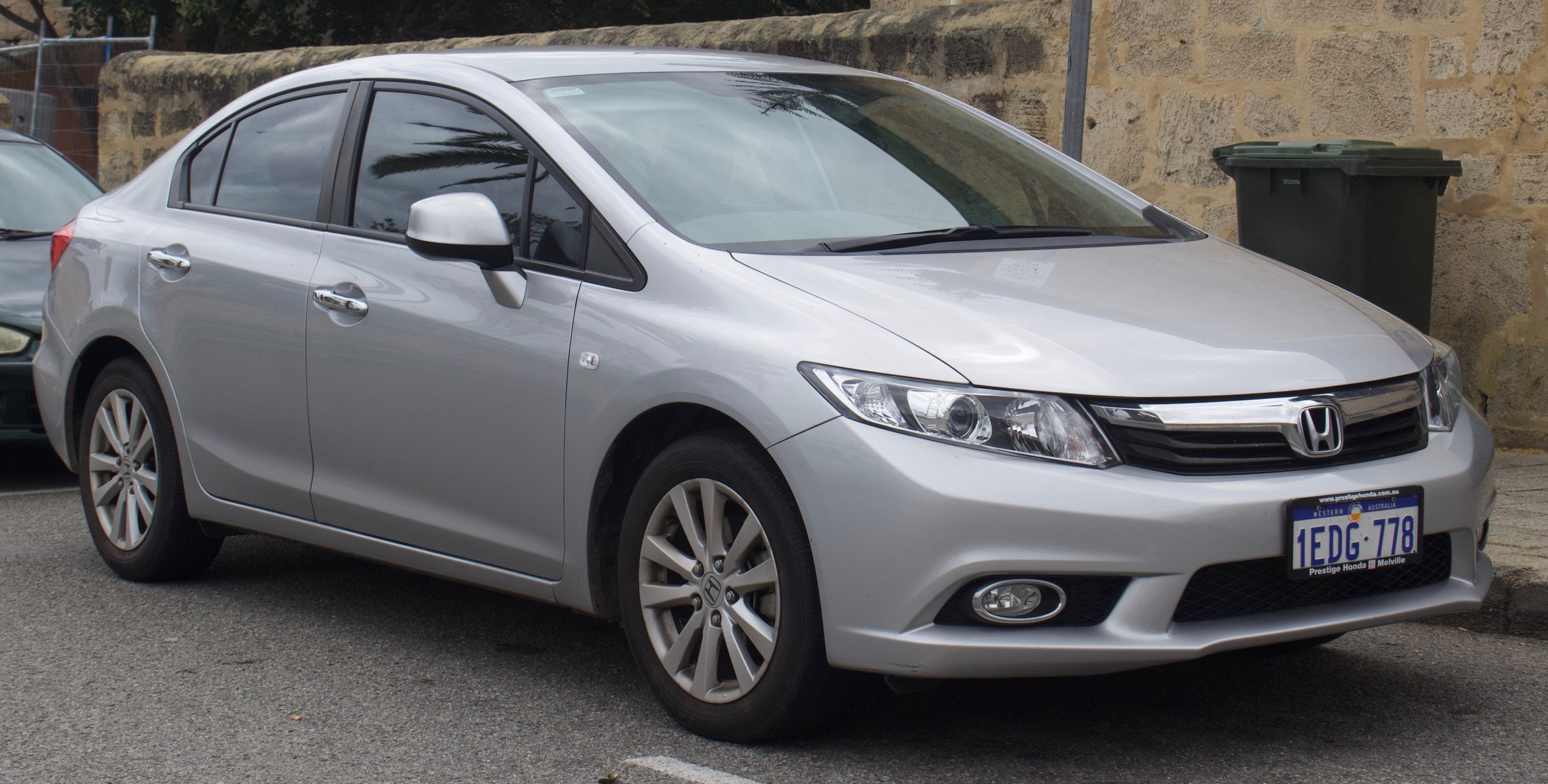
5. 2012 Honda Civic (9th Generation)
- Engine: 1.8L Naturally Aspirated 4-Cylinder
- Horsepower: 140 hp
- Torque: 128 lb-ft
- Size: 177.3 in Long x 69.0 in Wide
Early reactions to the 2012 Civic were harsh, especially from automotive reviewers. Many critics focused on the cabin materials, which felt basic, and the styling that failed to stand out in a crowded compact car class. That feedback pushed Honda to make steady refinements to the ninth generation in later years, improving ride quality and interior presentation. What those first impressions overlooked was how durable the underlying engineering of the 2012 model really was.
Under the hood, the car relies on a 1.8-liter naturally aspirated four-cylinder engine producing 140 horsepower and 128 pound-feet of torque. This setup favors simplicity rather than cutting-edge hardware. Without a turbocharger, there is no added heat management or boost-related maintenance to worry about.
The absence of a CVT in base trims also means a traditional automatic transmission with a long record of dependable service. For drivers who value fewer parts and fewer shop visits, this straightforward mechanical layout offers peace of mind that newer, more complicated systems may not provide.
Size and ownership costs also work in its favor. Measuring 177.3 inches long and 69 inches wide, the 2012 Civic fits easily into tight parking spaces and crowded neighborhoods. Fuel use remains modest, and insurance and maintenance expenses stay low. On the used market, prices are far below newer versions, opening the door for first-time buyers or anyone working within a limited budget. The 2012 Civic shows that dependable daily transportation does not require flashy features or a high purchase price.
5 Honda Civic Years to Avoid
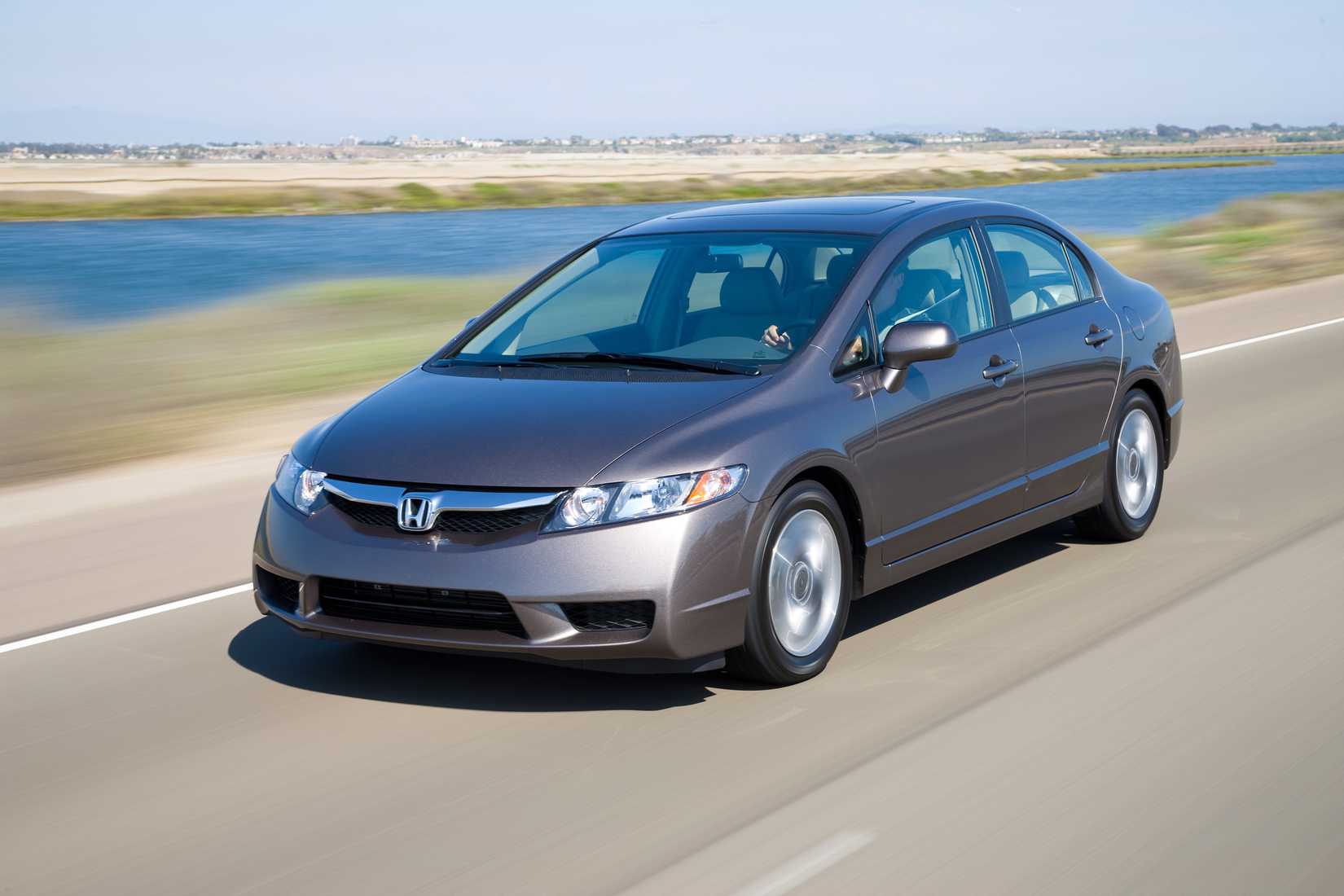
1. 2006 Honda Civic (8th Generation)
- Engine: 1.8L Naturally Aspirated 4-Cylinder (or 2.0L I4 in Si)
- Horsepower: 140 hp (Standard) / 197 hp (Si)
- Torque: 128 lb-ft (Standard) / 139 lb-ft (Si)
- Size: 176.7 in Long x 69.0 in Wide
Among Civic model years, 2006 stands out for reasons buyers should approach with caution. Shoppers looking at this version need a clear understanding of a serious engineering problem that affected many cars from that year. A flaw in the engine block casting caused cracking within the block itself, which allowed coolant to leak where it did not belong.
When coolant enters the oil system or combustion chamber, damage can escalate quickly. Many owners reported sudden overheating, engine lockup, or total failure without any early warning, turning routine driving into an expensive breakdown. From a specification standpoint, the car looked solid on paper. The 1.8-liter four-cylinder delivered 140 horsepower and 128 pound-feet of torque, fitting well within the expectations of a compact sedan.
Its dimensions, measuring 176.7 inches long and 69 inches wide, gave it a modern stance compared to the previous generation. Styling updates helped it appear fresh and contemporary, and during normal use the vehicle could seem perfectly fine until the internal engine defect revealed itself without notice.
Additional quality problems made ownership even more frustrating. Many vehicles suffered from severe clear coat failure, with paint peeling across several factory colors. Repairing this issue properly often required costly repainting, adding to the financial burden. While paint damage does not affect drivability, it points to broader production issues during that model year.
Choosing a 2006 Civic today means accepting a car tied to the most severe engine failure linked to the Civic badge. Even at a low asking price, the potential repair costs outweigh any savings, making this year a risky option for used car buyers.
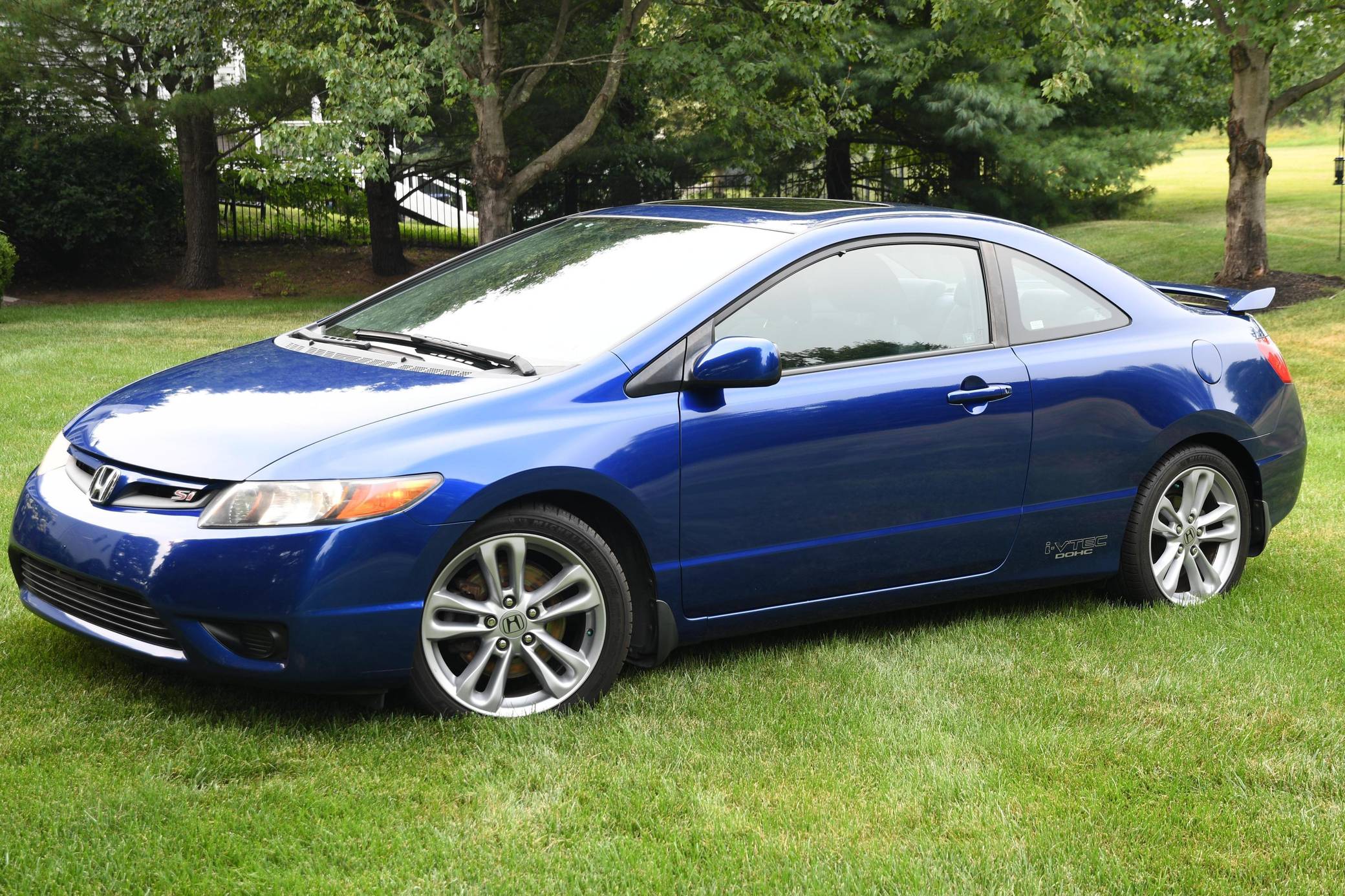
2. 2007 Honda Civic (8th Generation)
- Engine: 1.8L Naturally Aspirated 4-Cylinder (or 2.0L I4 in Si)
- Horsepower: 140 hp (Standard) / 197 hp (Si)
- Torque: 128 lb-ft (Standard) / 139 lb-ft (Si)
- Size: 176.7 in Long x 69.0 in Wide
If the 2006 Honda Civic had one major problem, the 2007 model had two. Honda carried the cracked engine block defect directly into the 2007 model year without a full engineering correction in place, meaning buyers who avoided the 2006 model and assumed the 2007 would be safer were working with incomplete information.
Engine block cracking, coolant leakage, and the risk of catastrophic engine failure remained present in 2007 production vehicles, making it equally problematic from a powertrain reliability standpoint. What the 2007 model added to that existing problem was a poorly engineered rear suspension geometry.
Rear control arms on 2007 Civics were designed with inadequate durability for real-world road conditions, and the result was a rear suspension that caused tires to wear unevenly and prematurely across a large population of vehicles. Uneven tire wear is not just a maintenance cost issue.
It produces increasing road noise that fills the cabin at highway speeds, causes the vehicle to pull during braking, and forces alignment corrections that do not hold properly because the underlying suspension geometry is the source of the problem rather than the alignment settings themselves.
Owners who did not catch the tire wear issue early enough sometimes found that worn rear tires contributed to handling instability, particularly in wet conditions. Addressing the problem properly required replacing control arms and realigning the rear suspension, a repair cost that could run into several hundred dollars at a Honda dealer.
Combined with the ongoing engine block risk, the 2007 Honda Civic represents two distinct reasons to avoid it on the used market, and both reasons are good enough to justify looking elsewhere, regardless of how attractive the asking price might appear.
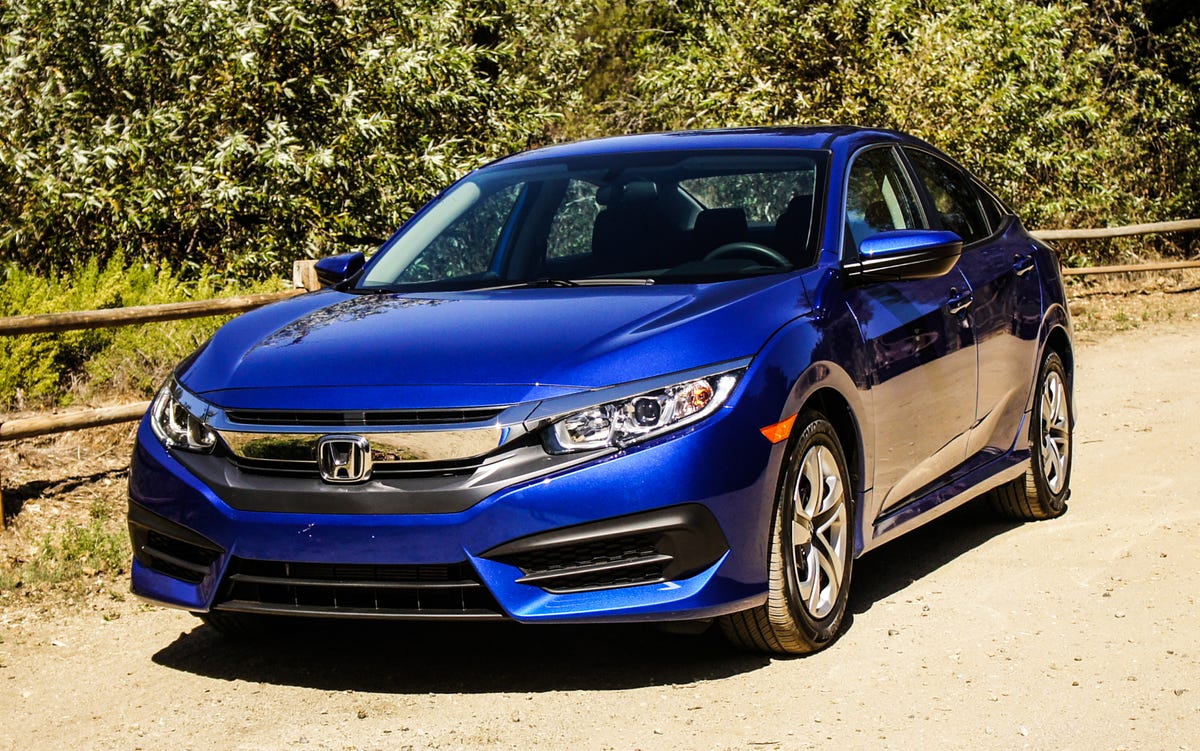
3. 2016 Honda Civic (10th Generation)
- Engine: 2.0L 4-Cylinder (or 1.5L Turbocharged 4-Cylinder)
- Horsepower: 158 hp (2.0L) / 174 hp (1.5L Turbo)
- Torque: 138 lb-ft (2.0L) / 162 lb-ft (1.5L Turbo)
- Size: 182.3 in Long x 70.8 in Wide
Early reactions to the tenth-generation Civic were largely positive when it arrived for the 2016 model year. Sharp exterior lines and a more modern cabin gave the car a fresh presence in the compact segment. Beneath that polished appearance, however, two mechanical concerns surfaced after real owners began putting miles on their cars. Both problems proved serious enough that Honda later introduced extended warranty coverage to address owner complaints.
One issue centered on the 1.5 liter turbocharged engine and how it managed fuel during cold operation. Gasoline was slipping past the piston rings and mixing with the engine oil, which reduced the oil’s ability to protect internal parts. Drivers in colder regions noticed this most often, since short trips and long warm-up times allowed more unburned fuel to reach the crankcase.
Honda released software updates and revised engine programming to limit the behavior, yet the earliest production run saw the highest number of reports before those updates became standard. A second source of frustration involved the air conditioning system. Many owners dealt with compressor and condenser failures that left the cabin without proper cooling.
Honda later extended warranty coverage for those components, a move that confirmed the issue was widespread. While a failed climate system does not create a safety concern, it directly affects daily comfort in a car marketed with near upscale expectations.
From a design and packaging perspective, the 2016 Civic remains well executed. With a length of 182.3 inches and a width of 70.8 inches, it offers good interior space and composed road manners. The problem lies in timing rather than concept. Choosing a later model year, such as 2020, delivers the same structure and driving feel without the early production headaches that defined the first year of this generation.
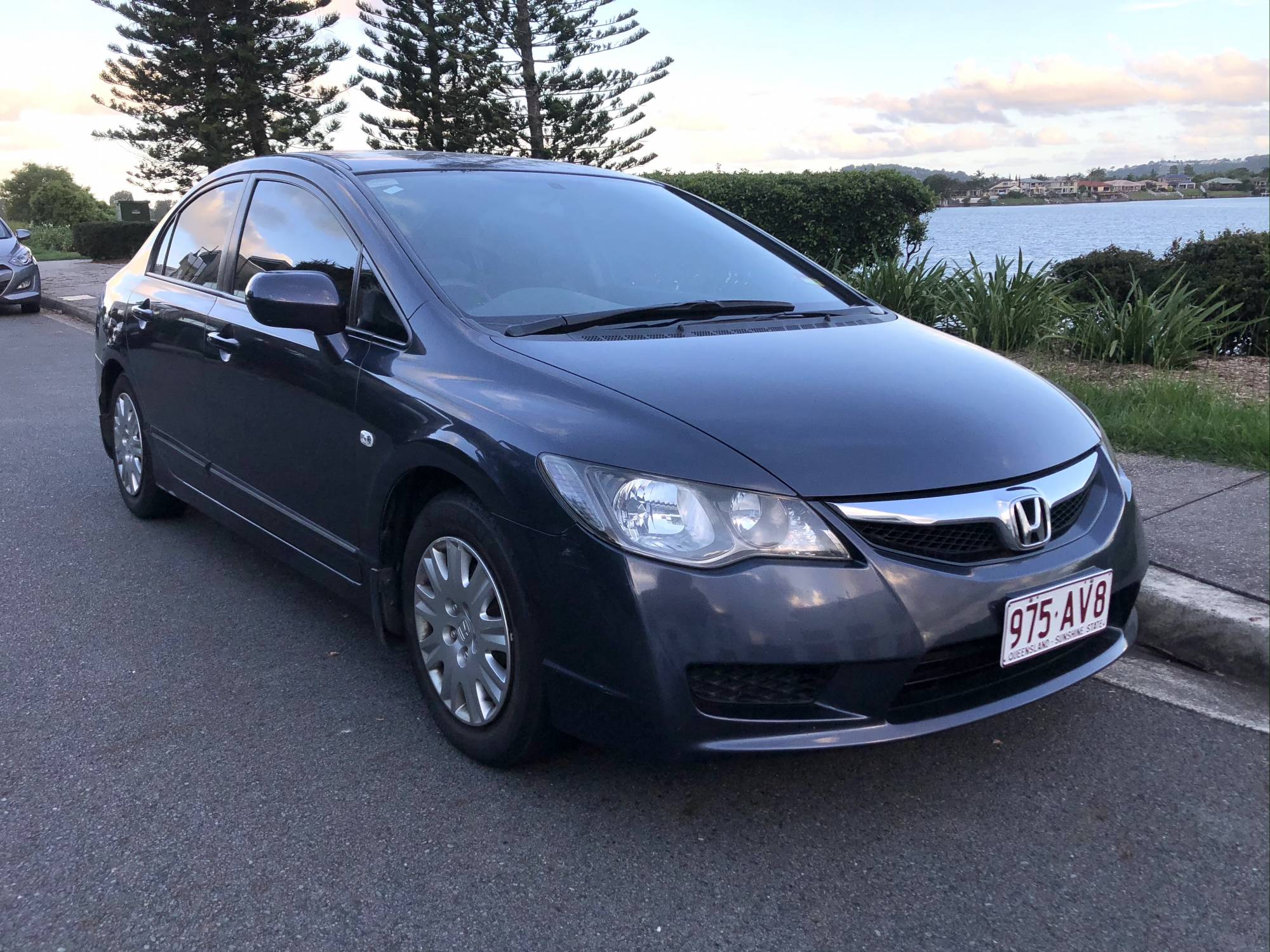
4. 2008 Honda Civic (8th Generation)
- Engine: 1.8L Naturally Aspirated 4-Cylinder
- Horsepower: 140 hp
- Torque: 128 lb-ft
- Size: 176.7 in Long x 69.0 in Wide
By 2008, Honda had made progress toward resolving the cracked engine block defect that plagued the 2006 and 2007 models, and late-production 2008 Civics showed improvement in that area. That partial improvement should not be interpreted as an endorsement of the 2008 model year, however, because two distinct problems emerged that were unique to this year and both affected vehicles in ways that owners found frustrating and expensive.
Factory brake pads on 2008 Civic models wore out at an unusually rapid rate. Complete brake pad disintegration at mileages as low as 20,000 miles was reported across a broad sample of owner complaints, a figure that falls far short of the 40,000 to 60,000-mile service life most compact car buyers reasonably expect from original equipment brake components.
Replacing brakes every 20,000 miles adds a recurring cost burden that compounds quickly over the life of the vehicle and contradicts the low running cost reputation that attracts buyers to the Civic in the first place. Digital dashboard display failures added a second layer of ownership frustration. Segments of the digital display in the instrument cluster were prone to burning out, leaving drivers with incomplete speedometer, fuel gauge, or odometer information.
Dashboard display replacement on the 2008 Civic required sourcing the correct unit and paying for professional installation, a repair that cost several hundred dollars and served as a reminder of underlying electronics quality issues that this model year did not handle well. Neither problem individually would be disqualifying, but both appearing in the same model year tips the balance toward avoiding it.
Also Read: 10 Honda SUV Ranked by 2026 Reliability Score
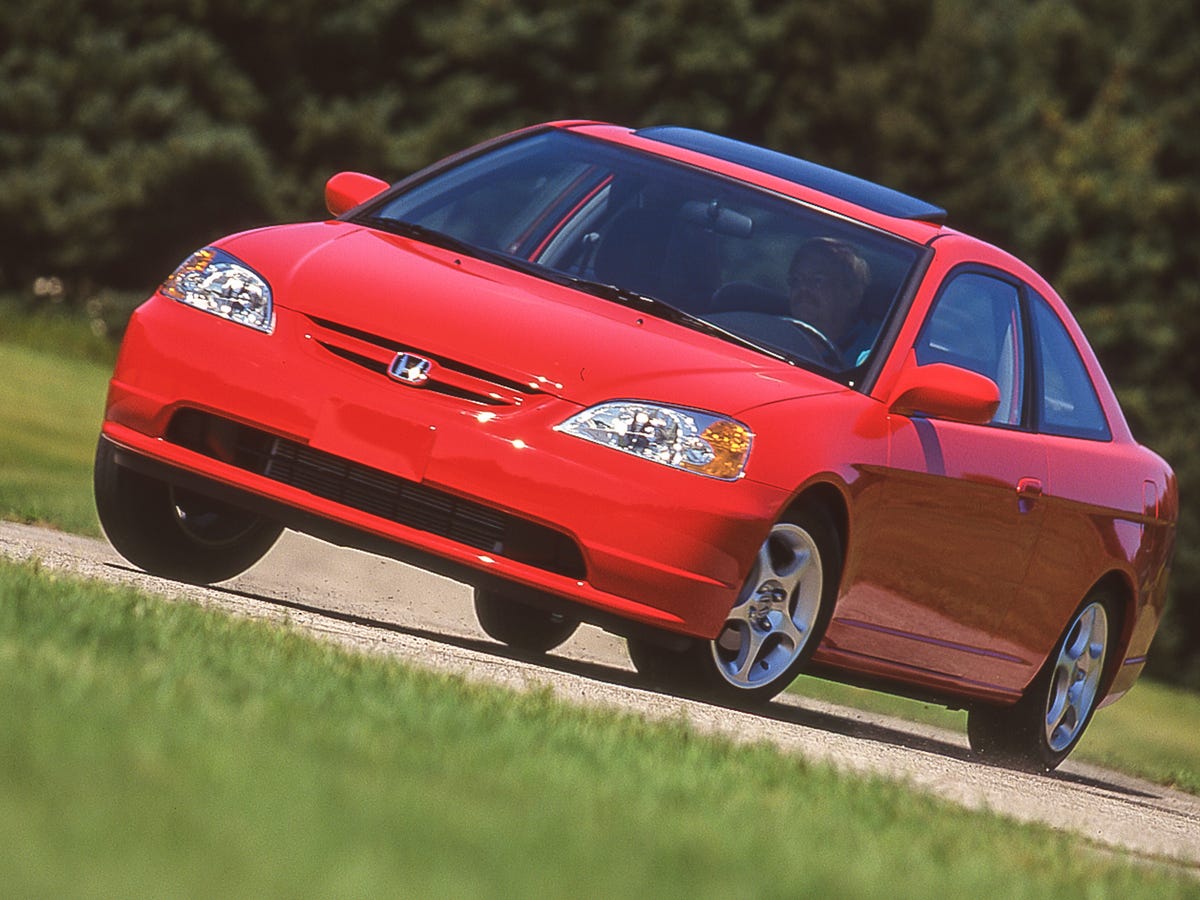
5. 2001 Honda Civic (7th Generation)
- Engine: 1.7L Naturally Aspirated 4-Cylinder
- Horsepower: 115 hp to 127 hp (depending on trim)
- Torque: 110 lb-ft to 114 lb-ft
- Size: 174.6 in Long x 66.7 in Wide
Two problems make the 2001 Honda Civic the most serious avoidance recommendation on this entire list, and one of them is a genuine safety concern rather than a mechanical inconvenience. Starting with the mechanical issue: automatic transmission failure in 2001 Civic models was widespread and well-documented.
Transmission slipping, hesitation, and complete mechanical failure affected a large number of vehicles, with many owners reporting failures occurring well before 100,000 miles. Transmission replacement costs are substantial on any vehicle, and a Civic that requires a transmission rebuild before reaching normal service mileage defeats the entire financial argument for buying one.
At 115 to 127 horsepower from a 1.7-liter naturally aspirated four-cylinder and measuring 174.6 inches long by 66.7 inches wide, the seventh-generation Civic was otherwise a properly competent compact car for its era. The transmission failures alone would place it on the avoid list. What makes the 2001 model genuinely dangerous is its inclusion in the Takata airbag inflator recall, one of the largest and most deadly automotive safety recalls in history.
Takata airbag inflators installed in vehicles of this era were prone to rupturing when deployed, sending metal fragments into the vehicle cabin at high velocity. Fatalities and serious injuries resulted from these failures in real-world crashes, and regulatory agencies across multiple countries issued urgent warnings to avoid driving affected vehicles until repairs were completed.
Any 2001 Honda Civic still on the road should be checked against Honda’s VIN lookup tool immediately to confirm whether the airbag recall has been completed. Buying a 2001 Civic with unresolved Takata airbag work remaining is not a used car bargain. It is a safety risk that no price discount justifies.
