
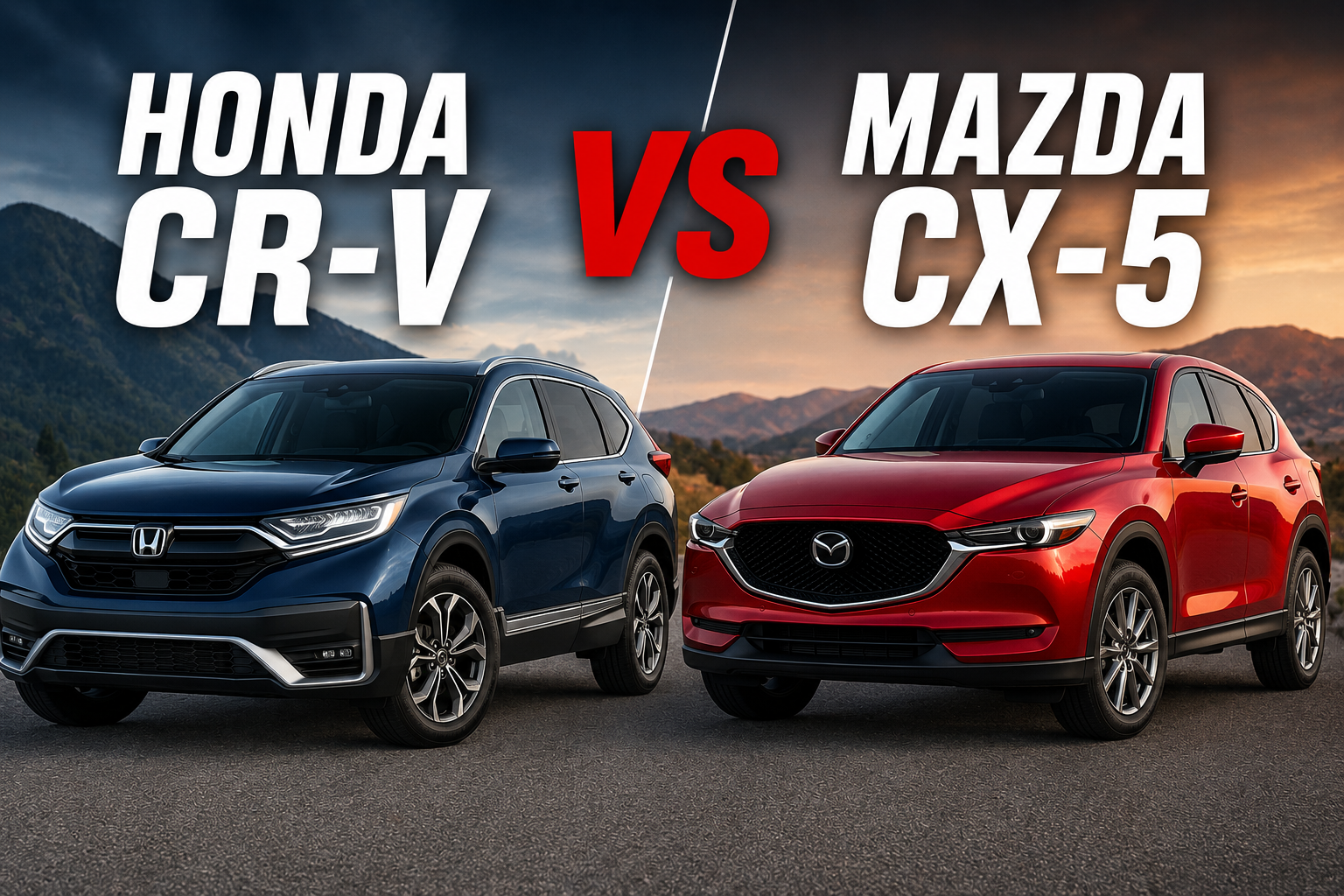
The compact SUV segment is packed with excellent choices, but few comparisons are as compelling as the Honda CR-V and Mazda CX-5.
Both have earned loyal followings by delivering a blend of practicality, comfort, efficiency, and reliability that appeals to families, commuters, and first-time SUV buyers alike. Yet despite competing in the same class, these two crossovers have very different personalities.
The Honda CR-V has long been one of the benchmarks for practicality. Over multiple generations, Honda has refined the CR-V into a spacious, fuel-efficient, and highly versatile SUV that excels at everyday family duties.
The latest generation continues that tradition with a larger cabin, improved technology, available hybrid powertrains, and a refined driving experience. It remains one of the best-selling compact SUVs because it consistently delivers what buyers need without unnecessary complexity.
The Mazda CX-5 takes a more premium approach. Rather than simply competing on practicality, Mazda has designed the CX-5 to offer a near-luxury experience at a mainstream price.
Premium materials, elegant styling, engaging driving dynamics, and upscale interior craftsmanship allow it to stand apart from many rivals. The CX-5 appeals to buyers who want an SUV that feels enjoyable behind the wheel while still providing everyday usability.
Choosing between these two models depends on more than cargo space or horsepower figures. Ride comfort, technology, long-term ownership costs, passenger accommodations, and full value all contribute to how satisfying these vehicles are over the years of ownership.
This comparison examines six key categories that matter most to compact SUV buyers. By evaluating their strengths and weaknesses in real-world situations, it becomes much easier to determine which crossover represents the smarter purchase for today’s drivers.
Also Read: CR-V vs. RAV4 vs. Rogue – Which Is Better?
Exterior Design And Road Presence
Exterior styling often shapes a buyer’s first impression, and Honda and Mazda have adopted noticeably different design philosophies.
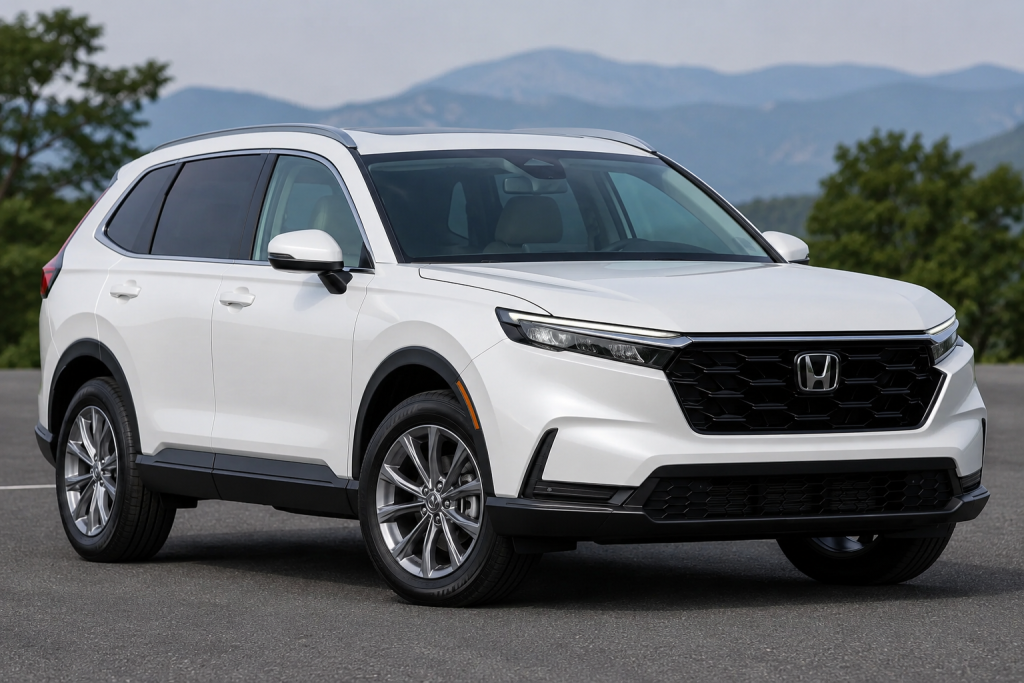
The Honda CR-V embraces a clean and mature appearance. The latest generation features a longer profile, wider stance, and more sophisticated proportions than its predecessor.
Slim LED headlights, a prominent grille, and subtle body sculpting give the SUV a refined look without appearing overly aggressive. Honda has intentionally avoided styling trends that may quickly become outdated, resulting in a design that is likely to remain attractive for years.
Different trim levels add tasteful variations through unique wheels, chrome accents, and exterior finishes, but every CR-V retains the same understated elegance. It is an SUV designed to appeal to the widest possible audience.
Mazda has built its reputation on attractive vehicle design, and the CX-5 continues that tradition. The company’s Kodo design language emphasizes flowing body lines, carefully sculpted surfaces, and minimalist styling. The result is one of the most elegant compact SUVs currently available.
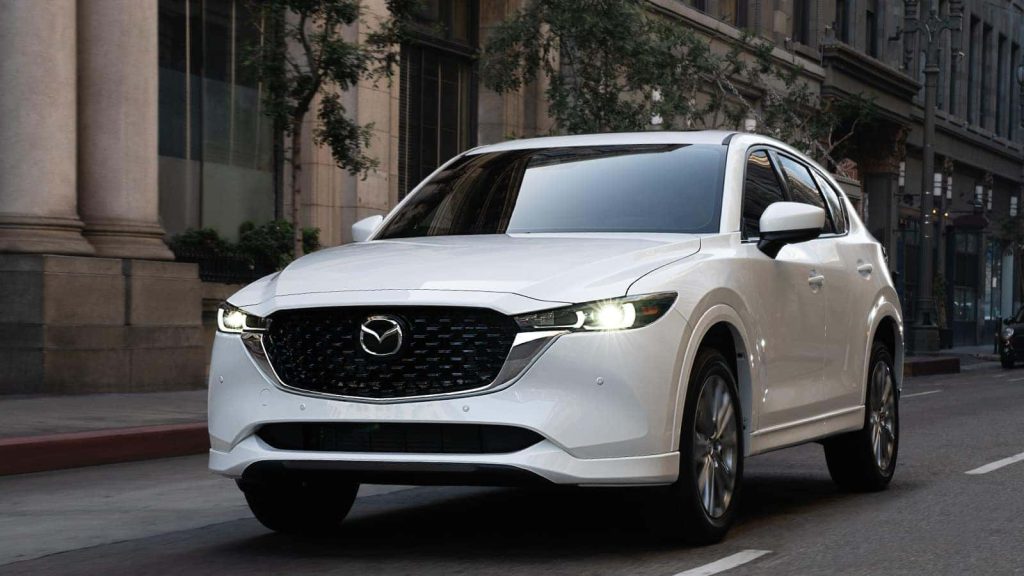
The CX-5 appears more expensive than its price suggests. Its long hood, narrow headlights, and carefully proportioned body create a premium appearance that rivals entry-level luxury crossovers. Higher trims featuring larger wheels and additional exterior detailing further enhance its upscale character.
While the Honda offers timeless styling, the Mazda creates a stronger emotional response. The CX-5 manages to look sophisticated, sporty, and luxurious without relying on excessive visual elements.
For buyers who place significant importance on design, the Mazda stands out as one of the most attractive SUVs in its class.
Winner: Mazda CX-5
Why It Wins: Elegant styling and premium proportions create stronger visual appeal and road presence.
Interior Comfort, Passenger Space, And Cabin Quality
A compact SUV spends most of its life transporting people rather than attracting attention, making cabin quality one of the most important purchasing factors.
The Honda CR-V immediately impresses with its spacious interior. Honda has prioritized passenger comfort by maximizing cabin dimensions, especially for rear-seat occupants. Adults enjoy generous legroom, while wide-opening rear doors simplify child-seat installation and passenger entry.
The dashboard design is clean, modern, and functional. Physical climate controls remain easy to operate, while storage compartments throughout the cabin improve everyday convenience.
Material quality has improved significantly, particularly in higher trims where soft-touch surfaces and premium upholstery create a welcoming environment.
Cargo capacity is another CR-V strength. The large rear cargo area easily accommodates luggage, groceries, sports equipment, or family travel gear. Folding rear seats expand utility even further, making the Honda one of the most practical vehicles in the segment.
The Mazda CX-5 counters with one of the finest interiors available in a mainstream crossover. Material quality rivals many luxury brands, with premium leather options, real wood trim on upper trims, and exceptional attention to detail throughout the cabin.
Front-seat comfort is outstanding, and the driving position feels more sports-car-like than most competitors. The dashboard layout remains uncluttered, contributing to an upscale atmosphere.
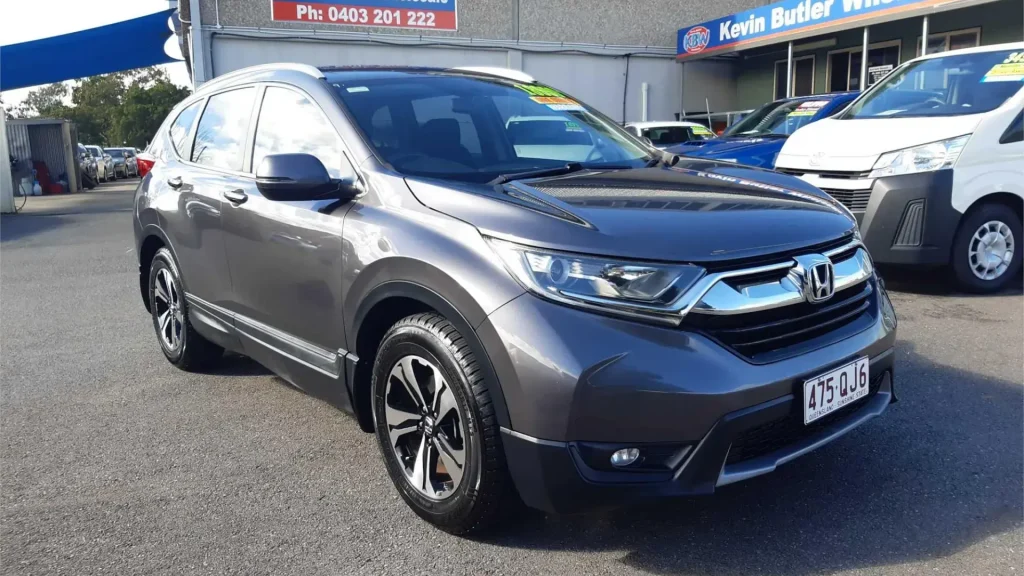
However, the CX-5 cannot match the Honda’s interior space. Rear-seat passengers have less legroom, and cargo capacity trails the CR-V by a noticeable margin.
While Mazda delivers greater luxury, Honda offers superior practicality without sacrificing refinement. Families, frequent travelers, and buyers needing maximum interior flexibility will appreciate the CR-V’s thoughtful packaging.
Winner: Honda CR-V
Why It Wins: Larger passenger area and superior cargo capacity improve everyday practicality.
Technology, Infotainment, And Safety Features
Modern buyers expect compact SUVs to provide advanced connectivity and comprehensive safety systems.
Honda equips the CR-V with a responsive touchscreen, wireless Apple CarPlay and Android Auto, digital instrumentation on higher trims, and Honda Sensing driver-assistance technologies.
Adaptive cruise control, lane-keeping assistance, collision mitigation braking, and road departure mitigation come standard across much of the lineup.
The infotainment interface is straightforward to learn. Physical volume and climate controls reduce distraction while driving, allowing drivers to operate key functions quickly.
Mazda’s CX-5 adopts a different philosophy. Rather than relying primarily on touchscreen inputs, Mazda emphasizes its rotary controller. This system reduces fingerprints on the display and allows drivers to navigate menus without reaching across the dashboard.
The infotainment system supports wireless smartphone integration, premium Bose audio, navigation, and digital displays on higher trims. Safety technology is equally comprehensive, including adaptive cruise control, blind-spot monitoring, rear cross-traffic alert, and lane-keeping assistance.
Both SUVs perform well, but Honda’s interface is more intuitive for most drivers. The combination of touchscreen functionality, physical controls, and seamless smartphone integration creates an easier day-to-day experience.
Technology should simplify ownership rather than complicate it, and Honda achieves that goal slightly more effectively.
Winner: Honda CR-V
Why It Wins: Simpler controls and more intuitive infotainment improve daily usability.
Performance, Ride Quality, And Driving Experience
Performance differences between these SUVs highlight their contrasting priorities. The Honda CR-V focuses on refinement. Its turbocharged engine provides smooth acceleration, while the available hybrid model improves fuel economy without sacrificing everyday usability. Steering is predictable, ride quality is comfortable, and highway cruising feels exceptionally relaxed.
The suspension absorbs road imperfections well, creating a composed ride that suits family transportation. Cabin noise is also well controlled, enhancing long-distance comfort.
Mazda approaches performance differently. The CX-5 has long been regarded as one of the most enjoyable compact SUVs to drive. Steering is more direct, body control is tighter, and the suspension encourages spirited driving without becoming harsh.
The available turbocharged engine delivers significantly stronger acceleration than the Honda’s standard powertrain. Cornering confidence is also superior, making the CX-5 feel more engaging on winding roads.
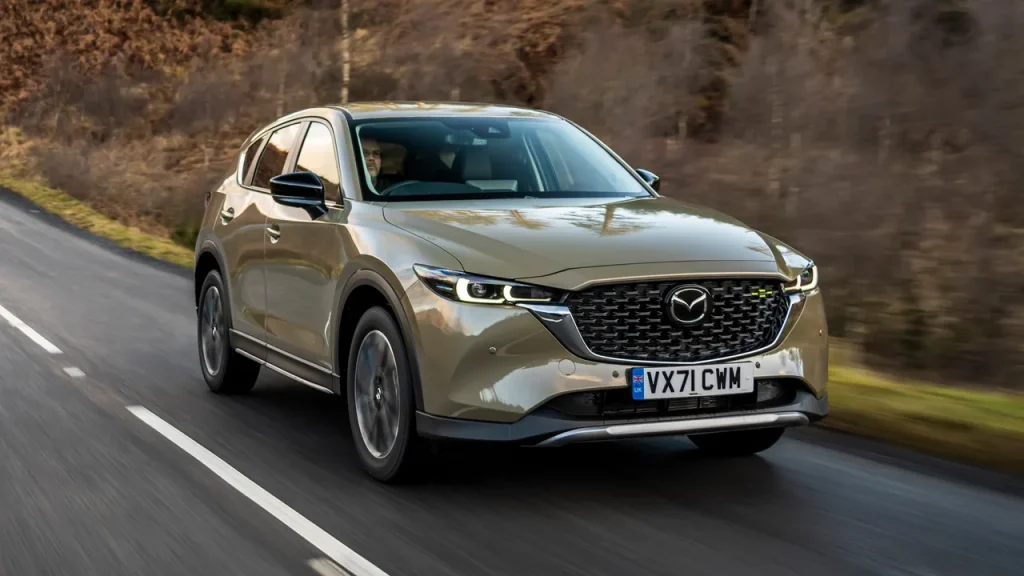
Despite its sporty character, the Mazda remains comfortable enough for daily commuting. The balance between handling and refinement is one of the vehicle’s greatest strengths.
Drivers seeking excitement behind the wheel will appreciate the CX-5’s dynamic personality. It consistently delivers a more rewarding driving experience than the CR-V.
Winner: Mazda CX-5
Why It Wins: Sharper handling and stronger driver engagement create a more enjoyable driving experience.
Cargo Space, Practicality, And Family Friendliness
Compact SUVs must accommodate a wide variety of daily tasks, from grocery shopping to family vacations.
The Honda CR-V excels in nearly every practical measurement. Cargo capacity ranks among the largest in the segment, while the wide cargo opening simplifies loading bulky items. Rear-seat passengers enjoy generous space, and numerous storage compartments improve convenience throughout the cabin.
Parents will appreciate the ease of installing child seats thanks to wide-opening doors and accessible anchor points. Visibility is excellent, making parking and maneuvering less stressful.
The Mazda CX-5 remains practical but cannot match the Honda’s interior packaging. Cargo space is smaller, rear-seat accommodations are tighter, and the sloping roofline reduces available room for taller passengers.
The CX-5 still handles everyday errands comfortably, but buyers with growing families or frequent cargo needs may notice its limitations sooner.
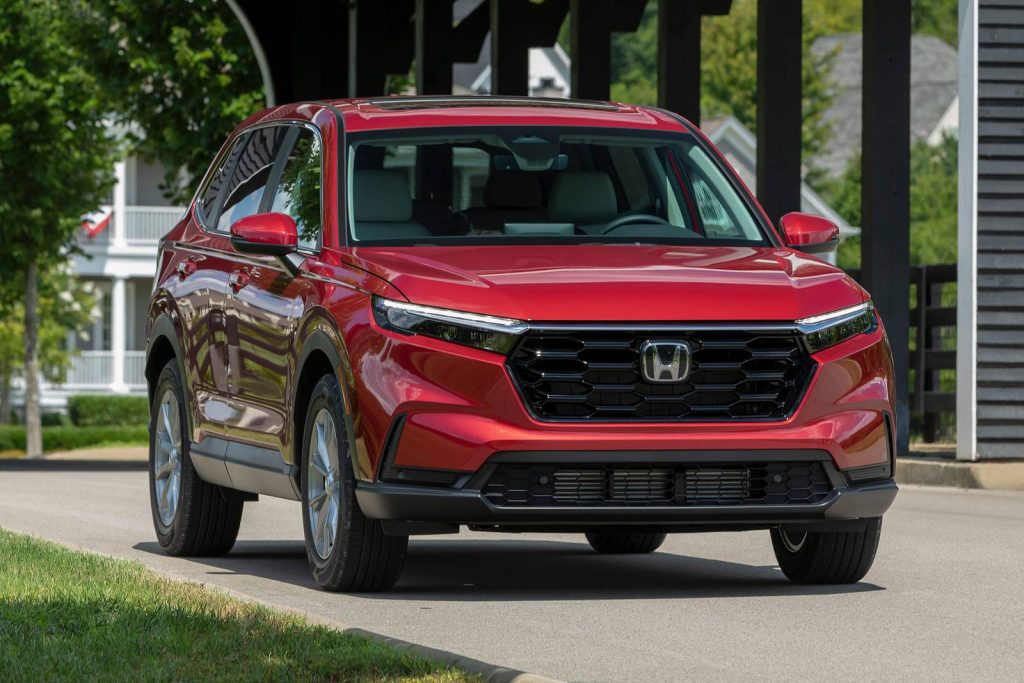
Honda has built its reputation by maximizing usable space without increasing exterior size, and the CR-V remains one of the best examples of that philosophy.
For households that regularly carry passengers, luggage, sports equipment, or home improvement supplies, the CR-V provides meaningful advantages.
Winner: Honda CR-V
Why It Wins: Larger cargo area and superior passenger accommodations enhance everyday versatility.
Reliability, Ownership Costs, And Long-Term Value
Long-term ownership costs often determine whether an SUV represents a smart financial decision.
Both Honda and Mazda enjoy strong reputations for reliability, but Honda maintains a slight advantage due to decades of proven durability across multiple CR-V generations.
Maintenance costs remain reasonable, replacement parts are widely available, and resale values consistently rank among the highest in the segment. Buyers planning to keep their vehicle for many years benefit from Honda’s extensive service network and established reputation.
The Mazda CX-5 also performs well in this category. Reliability has improved significantly over the past decade, and ownership satisfaction remains high. Build quality is excellent, and maintenance requirements are generally straightforward.
However, resale values typically favor the CR-V. Strong market demand helps Honda owners recover more of their investment when selling or trading in the vehicle.
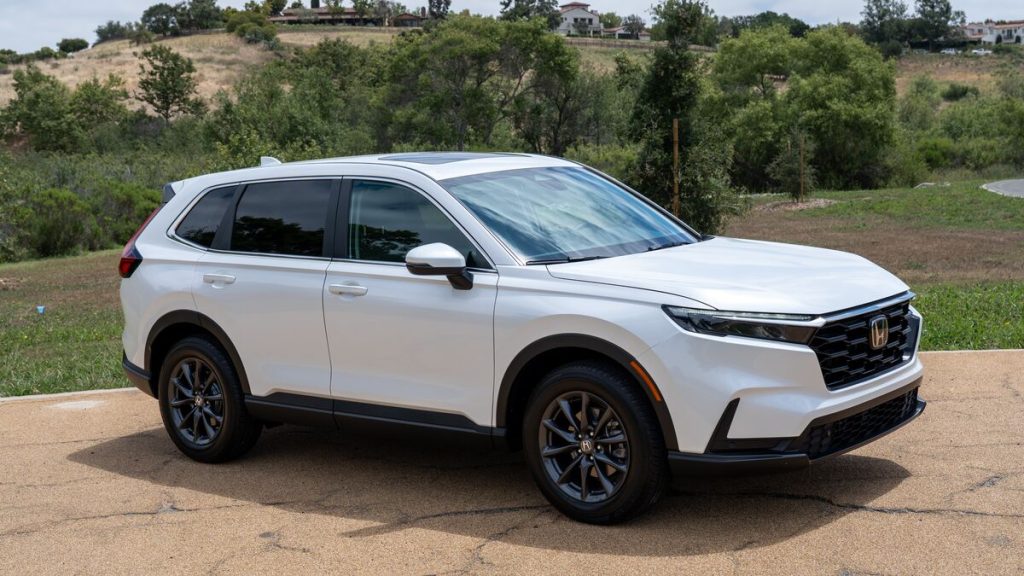
Ownership value extends beyond repair costs. Fuel economy, depreciation, maintenance, and long-term reliability all influence the total cost of ownership. In those areas, Honda continues to set the standard.
While Mazda offers an exceptionally refined product, the CR-V delivers greater long-term financial confidence.
Winner: Honda CR-V
Why It Wins: Better resale value and stronger long-term ownership reputation reduce total ownership costs.
Comparison Scorecard
| Category | Winner | The Edge |
|---|---|---|
| Exterior Design And Road Presence | Mazda CX-5 | Premium styling creates stronger visual appeal |
| Interior Comfort, Passenger Space, And Cabin Quality | Honda CR-V | More spacious cabin and larger cargo capacity |
| Technology, Infotainment, And Safety Features | Honda CR-V | Simpler controls and easier everyday operation |
| Performance, Ride Quality, And Driving Experience | Mazda CX-5 | More engaging handling and stronger driving dynamics |
| Cargo Space, Practicality, And Family Friendliness | Honda CR-V | Better passenger room and class-leading practicality |
| Reliability, Ownership Costs, And Long-Term Value | Honda CR-V | Higher resale value and stronger ownership confidence |
Also Read: Ram 1500 vs. F-150 vs. Silverado – Which Is Better?
