
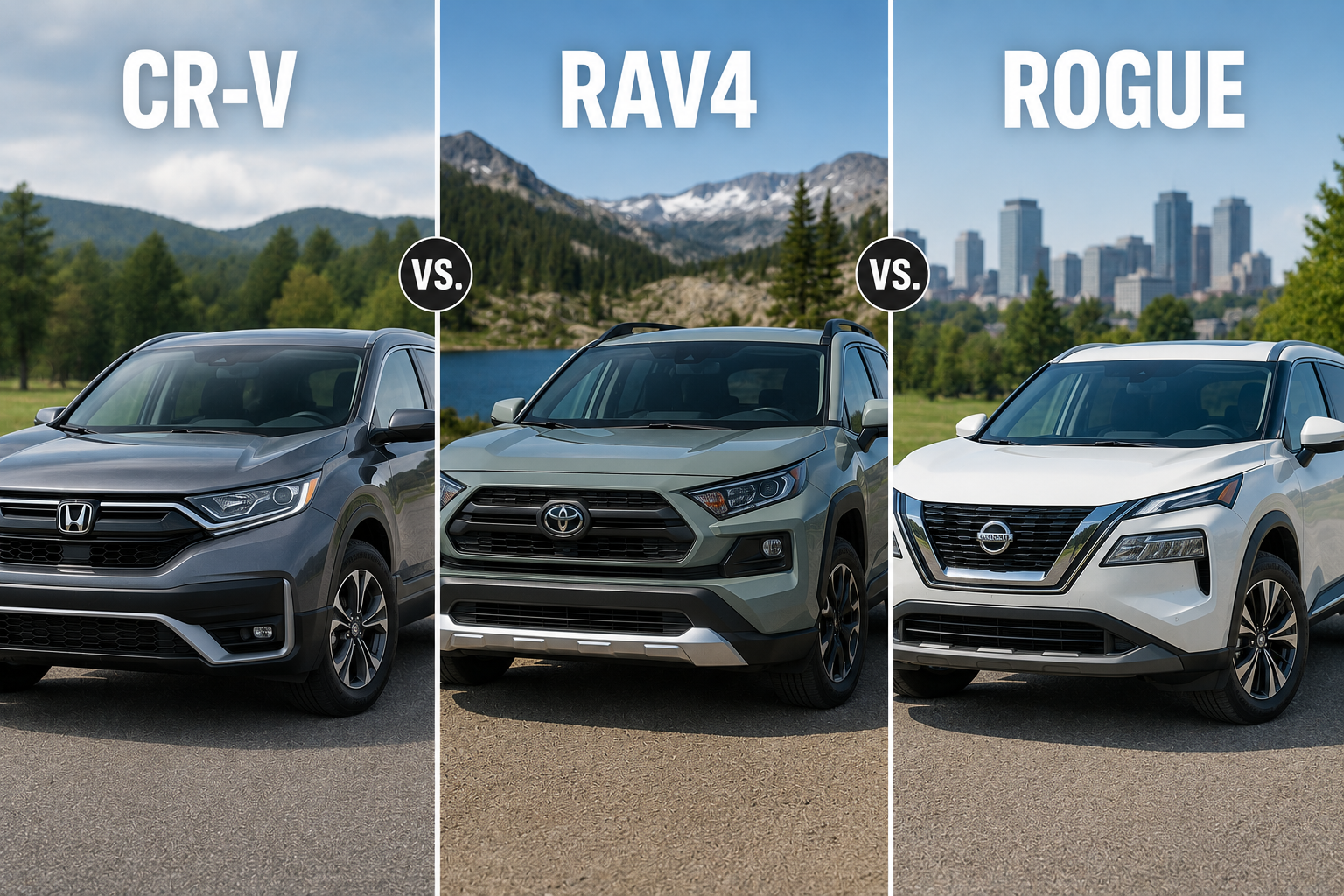
Compact SUVs have become the backbone of the automotive market, replacing traditional sedans as the default choice for millions of buyers. They offer the upgraded seating position people enjoy, the cargo space families need, and fuel economy that often rivals smaller vehicles.
Among the dozens of options available today, three models consistently rank among the segment’s most popular choices: the Honda CR-V, Toyota RAV4, and Nissan Rogue.
Each of these SUVs has earned a strong reputation over the years. The Honda CR-V is known for its spacious interior, refined driving experience, and practicality. The Toyota RAV4 has built its success on reliability, strong resale value, and an extensive lineup that includes fuel-efficient hybrid models.
The Nissan Rogue focuses on comfort, technology, and value, offering a modern package aimed at buyers seeking premium features without luxury-brand pricing.
At first glance, these SUVs appear remarkably similar. All offer seating for five, available all-wheel drive, modern safety systems, and competitive fuel economy. However, the differences become more apparent when examining how they perform in daily use.
Some buyers prioritize comfort and passenger space. Others focus on efficiency, reliability, or long-term ownership costs. The challenge is determining which model delivers the strongest package across the areas that matter most.
A detailed comparison of styling, interior quality, technology, performance, practicality, and ownership value reveals which compact SUV rises to the top and where each contender maintains an advantage.
Also Read: Honda Rebel 500 vs Kawasaki Eliminator – Which Is Better?
Exterior Design And Road Presence
Compact SUVs must balance practicality with visual appeal, and each of these models approaches that challenge differently.
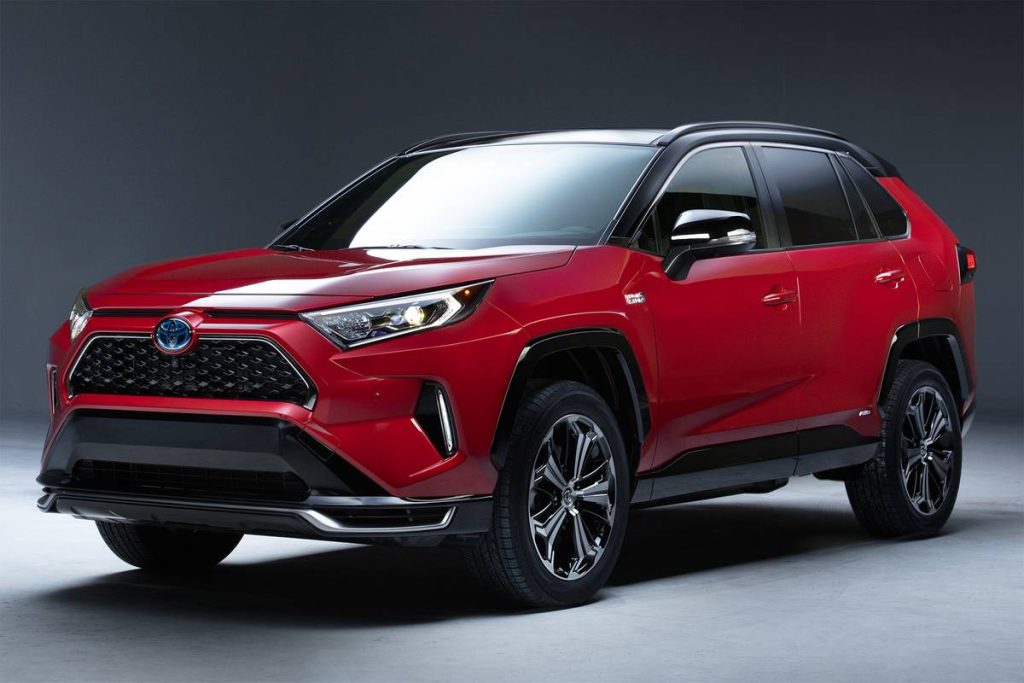
The Toyota RAV4 has adopted a rugged design philosophy in recent years. Sharp body lines, aggressive fender flares, and a truck-inspired front fascia help it stand out in a crowded segment.
The styling gives the RAV4 a tougher appearance than many competitors, particularly in Adventure and TRD Off-Road trims. Buyers who want an SUV that looks ready for outdoor activities often gravitate toward the Toyota.
The Nissan Rogue emphasizes sophistication rather than ruggedness. Its split-headlight design, smooth body contours, and upscale detailing create a more premium appearance. The Rogue looks expensive, especially in higher trims, and successfully avoids the generic styling that affects some compact crossovers.
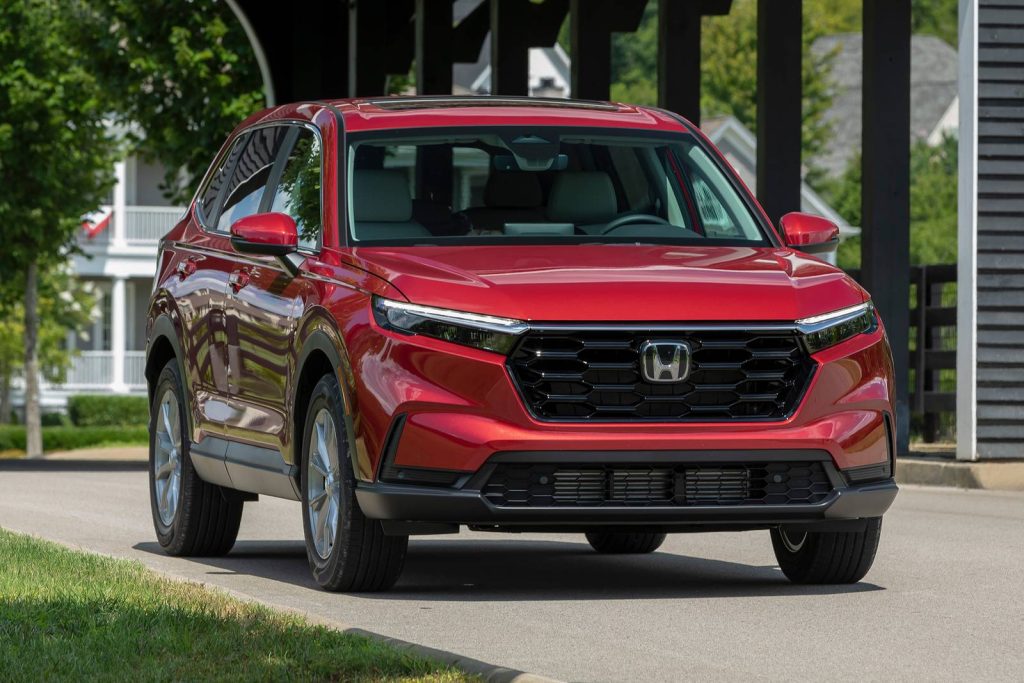
The Honda CR-V takes a middle-ground approach. It combines clean lines with a mature, upscale design that has broad appeal.
The latest generation appears more substantial than previous models, giving it a stronger road presence while maintaining a refined character. Unlike the Toyota’s rugged look or Nissan’s stylish elegance, the CR-V feels universally appealing.
One of Honda’s strengths is how well its design is likely to age. It avoids styling trends that may become outdated, creating an SUV that should remain attractive for years.
While all three vehicles are attractive, the RAV4 creates the strongest visual identity. Its rugged appearance helps it stand apart from countless competitors and gives buyers the sense that they are driving something more adventurous than a typical family crossover.
Winner: Toyota RAV4
Why It Wins: Distinctive rugged styling creates a stronger identity and greater visual presence.
Interior Quality, Passenger Space, And Comfort
Interior comfort remains one of the most important considerations for compact SUV buyers because these vehicles often serve as family transportation, commuter vehicles, and road-trip machines.
The Nissan Rogue makes a strong first impression. The cabin feels upscale, featuring attractive materials, comfortable seats, and a dashboard design that would not seem out of place in a premium vehicle. Nissan has invested heavily in improving interior quality, and the results are immediately noticeable.
Front-seat comfort is excellent, and available quilted leather upholstery enhances the premium atmosphere. Rear-seat passengers also benefit from generous accommodations, making the Rogue a pleasant place to spend time.
The Toyota RAV4 offers a functional and durable interior. The controls are easy to use, visibility is excellent, and storage solutions are plentiful. However, material quality is not quite as impressive as what buyers find in the Nissan or Honda. The cabin emphasizes practicality over luxury.
The Honda CR-V combines the strengths of both competitors. Material quality is excellent throughout the cabin, and the design feels modern without becoming overly complicated. Passenger space is among the best in the segment, particularly in the rear seats, where legroom and comfort exceed many rivals.
Cargo space is another CR-V strength. The Honda provides a generous cargo area and a highly flexible interior layout, making it exceptionally practical for families.
The CR-V’s cabin feels thoughtfully designed from every angle. It combines comfort, space, and quality more effectively than either rival.
Winner: Honda CR-V
Why It Wins: Best combination of passenger space, cargo room, and interior refinement.
Technology, Infotainment, And Safety Features
Technology expectations have increased dramatically in recent years, and compact SUV buyers now expect advanced connectivity and safety systems as standard equipment.
The RAV4 offers a capable infotainment system, digital displays, wireless smartphone integration, and Toyota’s comprehensive Safety Sense suite. Adaptive cruise control, lane-keeping assistance, and collision mitigation systems are widely available across the lineup.
The Rogue impresses with a modern technology package that includes available digital instrumentation, a large touchscreen, and one of the better head-up displays available in the segment. Nissan’s ProPILOT Assist system also performs well during highway driving, reducing driver workload on long journeys.
Honda equips the CR-V with a user-friendly infotainment system, excellent smartphone integration, and a strong collection of driver-assistance features. The controls are intuitive, and the interface avoids unnecessary complexity.
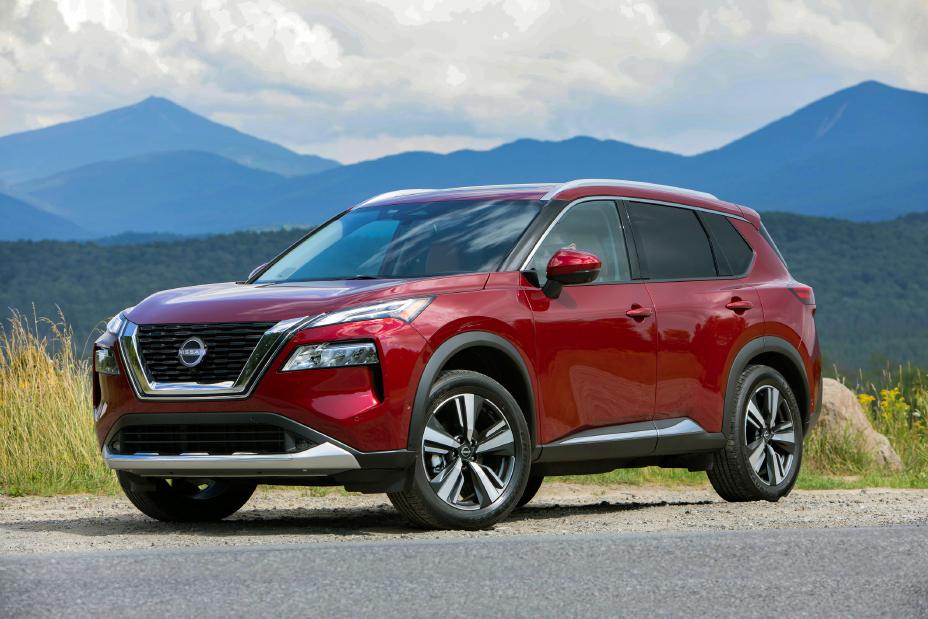
However, Nissan gains an advantage through feature content. The Rogue’s available digital displays, premium technology options, and full presentation create a more advanced-feeling cabin. The technology feels closer to what buyers might expect from an entry-level luxury vehicle.
All three vehicles perform well in this category, but Nissan’s emphasis on premium features gives it a slight edge.
Winner: Nissan Rogue
Why It Wins: Richer technology package and premium digital features enhance the ownership experience.
Performance, Fuel Economy, And Driving Experience
Performance means different things to different buyers. Some prioritize fuel economy, while others focus on acceleration and driving enjoyment.
The Nissan Rogue uses a turbocharged three-cylinder engine that delivers impressive fuel economy and competitive torque. Around town, the engine feels responsive, and highway performance is adequate. However, some drivers may find the engine less refined than traditional four-cylinder alternatives.
The Honda CR-V provides a balanced driving experience. Steering is precise, ride quality is comfortable, and the powertrain delivers smooth, predictable performance. The CR-V feels composed in nearly every situation, making it one of the easiest SUVs in the segment to drive.
The Toyota RAV4 offers multiple powertrain choices, including highly efficient hybrid models. The hybrid versions are particularly impressive, delivering strong fuel economy without sacrificing usability. The RAV4 Hybrid remains one of the most compelling powertrains in the segment.
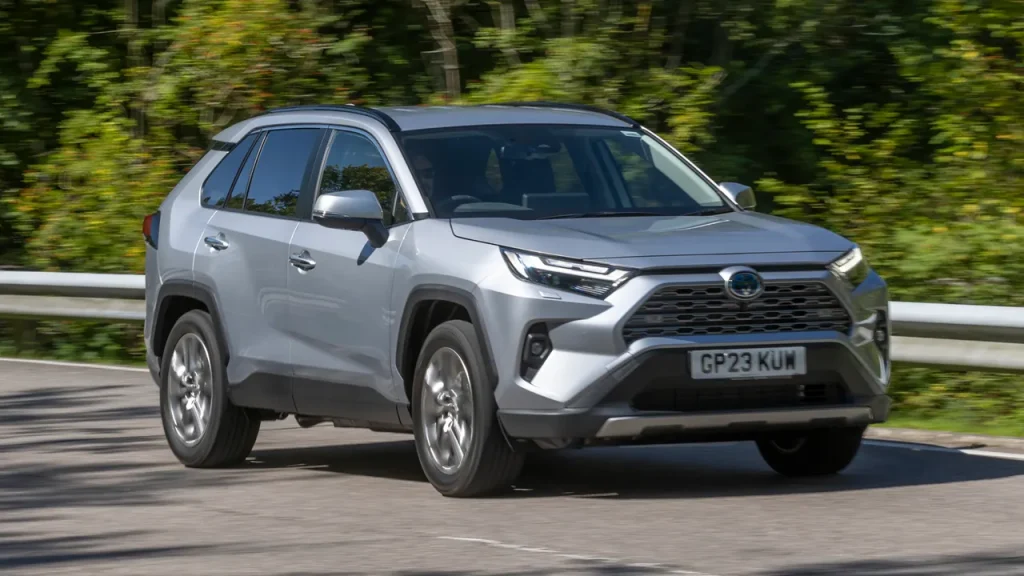
Ride quality is solid, though the Toyota can feel firmer than the Honda on rough roads. Still, the combination of efficiency, reliability, and performance gives the RAV4 an advantage.
The availability of hybrid power allows Toyota to satisfy buyers seeking maximum fuel savings while still providing traditional gasoline options.
Winner: Toyota RAV4
Why It Wins: Excellent hybrid powertrains and outstanding efficiency broaden its appeal.
Cargo Capacity And Everyday Practicality
Practicality often determines whether an SUV succeeds in daily life. The Rogue performs well in this category. Its cargo area is competitive, and Nissan’s Divide-N-Hide storage system increases versatility. Families will appreciate the flexible storage options and thoughtful interior design.
The RAV4 offers good cargo capacity and a useful cabin layout. Numerous storage compartments and durable materials make it easy to live with. However, cargo volume trails the segment leaders in some configurations.
The Honda CR-V excels when it comes to practicality. Cargo space is among the largest in the class, and the rear seating area provides outstanding room for passengers. The wide cargo opening simplifies loading larger items, while the interior layout maximizes usable space.
Visibility is also excellent, helping drivers maneuver easily in urban environments and crowded parking lots.
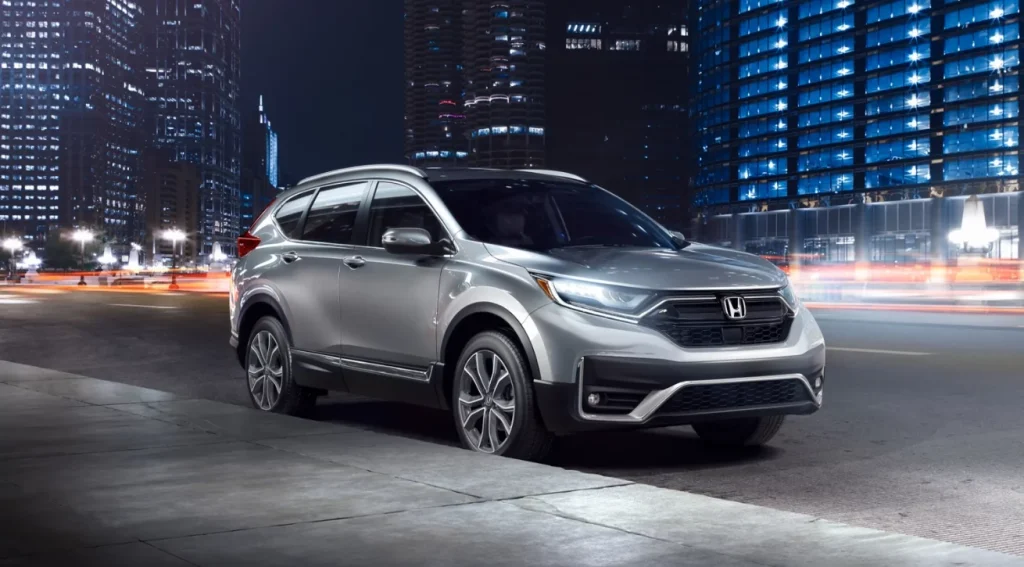
The CR-V’s practicality advantage becomes particularly apparent during family trips, shopping excursions, or airport runs. The extra space and flexibility provide tangible benefits that owners notice every day.
While all three vehicles are practical, Honda has optimized nearly every aspect of the CR-V’s interior packaging.
Winner: Honda CR-V
Why It Wins: Class-leading interior packaging and cargo flexibility improve everyday usability.
Reliability, Resale Value, And Long-Term Ownership
Long-term ownership costs play a major role in purchasing decisions, especially in a segment where buyers often keep vehicles for many years.
The Nissan Rogue has improved significantly in recent years, and ownership satisfaction remains strong. However, its resale values generally trail those of Honda and Toyota.
The Honda CR-V enjoys a strong reputation for reliability and durability. Maintenance costs are reasonable, and resale values remain among the best in the class. Buyers often keep CR-Vs for well over a decade, contributing to the model’s loyal following.
The Toyota RAV4, however, remains the benchmark for long-term ownership confidence. Toyota’s reputation for reliability is one of the strongest in the automotive industry, and the RAV4 consistently delivers excellent resale performance.
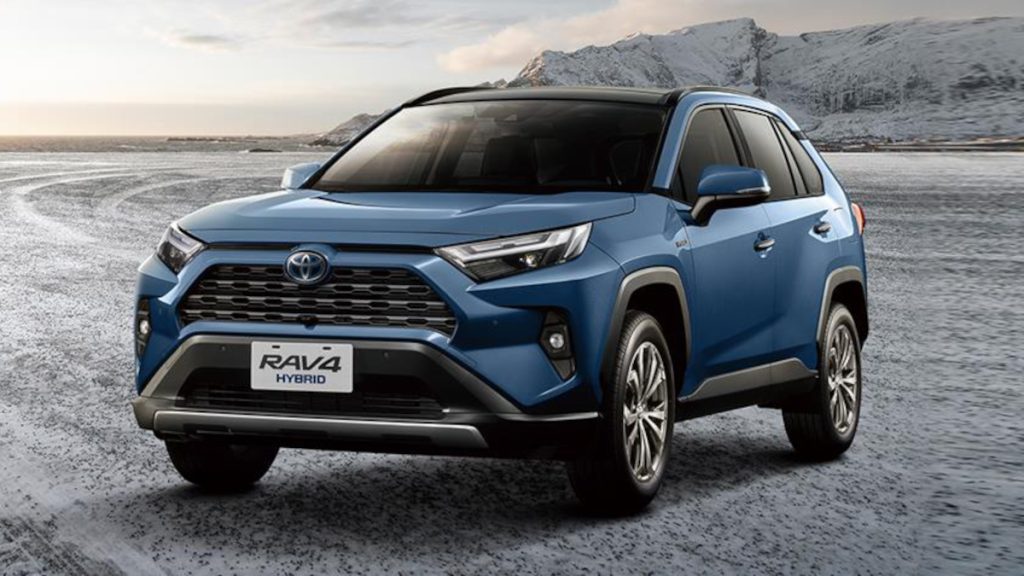
The availability of proven hybrid systems further strengthens Toyota’s position. Buyers know they are investing in a vehicle with a history of durability and strong market demand.
Ownership value extends beyond reliability alone. Depreciation, maintenance costs, and buyer confidence all contribute to long-term value, and the RAV4 excels in every area.
Winner: Toyota RAV4
Why It Wins: Exceptional reliability and class-leading resale value strengthen long-term ownership appeal.
Comparison Scorecard
| Category | Winner | The Edge |
|---|---|---|
| Exterior Design And Road Presence | Toyota RAV4 | Rugged styling creates a stronger visual identity |
| Interior Quality, Passenger Space, And Comfort | Honda CR-V | Superior cabin space and full refinement |
| Technology, Infotainment, And Safety Features | Nissan Rogue | Premium technology features and advanced displays |
| Performance, Fuel Economy, And Driving Experience | Toyota RAV4 | Excellent hybrid efficiency and versatile powertrains |
| Cargo Capacity And Everyday Practicality | Honda CR-V | Best interior packaging and cargo flexibility |
| Reliability, Resale Value, And Long-Term Ownership | Toyota RAV4 | Strongest reputation for durability and retained value |
Also Read: Dodge Charger vs Chevrolet Corvette: Which Is Better?
