Owning a car comes with responsibilities that extend far beyond simply filling the fuel tank and driving from one destination to another. Every vehicle consists of thousands of components that work together to deliver reliable performance, safety, and comfort.
While modern automobiles are built to last longer than ever before, they still require regular maintenance to remain in excellent condition. Unfortunately, many vehicle owners postpone essential maintenance tasks because of busy schedules, financial concerns, or the mistaken belief that everything is fine as long as the car appears to be running normally.
In reality, neglecting routine maintenance often leads to expensive repairs, unexpected breakdowns, reduced fuel efficiency, and even safety hazards that could have been prevented with timely inspections and servicing.
Whether you own a brand-new sedan, a family SUV, a pickup truck, or a compact hatchback, following a proper maintenance schedule helps protect your investment while ensuring dependable performance throughout the vehicle’s lifespan.
Routine maintenance is not simply about replacing worn parts. It is about identifying minor issues before they develop into major mechanical failures. Small problems such as low engine oil, worn brake pads, dirty air filters, or underinflated tires may seem insignificant at first, but they can quickly affect the performance and reliability of your vehicle.
Regular inspections also help mechanics detect hidden problems that are difficult for drivers to notice during everyday use. This proactive approach reduces repair costs over time and minimizes the likelihood of inconvenient roadside emergencies.
Another important benefit of regular vehicle maintenance is improved safety. A properly maintained braking system, healthy tires, responsive steering components, and reliable lighting all contribute to safer driving in various weather and road conditions.
A well-maintained vehicle generally consumes less fuel, produces lower emissions, and retains a higher resale value compared to one with an inconsistent maintenance history. Buyers often pay more for vehicles that have documented service records because they indicate responsible ownership and lower future repair risks.
This guide explains eight essential car maintenance items that every owner should prioritize. Each one plays a vital role in keeping your vehicle running smoothly, improving its longevity, and reducing the chances of unexpected repairs.
Understanding these maintenance tasks can help you make informed decisions about caring for your vehicle and avoiding costly mistakes in the future.
Also Read: 5 Best and Worst Years for the Honda Civic
1. Engine Oil and Oil Filter Changes
Engine oil is often referred to as the lifeblood of a vehicle because it lubricates the moving parts inside the engine and reduces friction that would otherwise generate excessive heat and wear. Every time the engine operates, components such as pistons, crankshafts, camshafts, and bearings move at extremely high speeds.
Without clean engine oil, these metal parts would rub directly against one another, causing severe damage within a short period. Regular oil changes help maintain proper lubrication while also carrying away dirt, microscopic metal particles, and contaminants that naturally accumulate during engine operation.
Engine oil gradually loses its effectiveness due to exposure to heat, combustion byproducts, and contaminants. Even premium synthetic oils eventually break down and become less capable of protecting engine components. Driving with degraded oil increases internal friction, reduces engine efficiency, and raises operating temperatures.
These conditions accelerate wear and may eventually lead to expensive repairs such as damaged bearings, piston wear, or complete engine failure. Replacing both the engine oil and the oil filter at recommended intervals ensures that clean oil circulates throughout the engine while preventing contaminants from causing unnecessary damage.
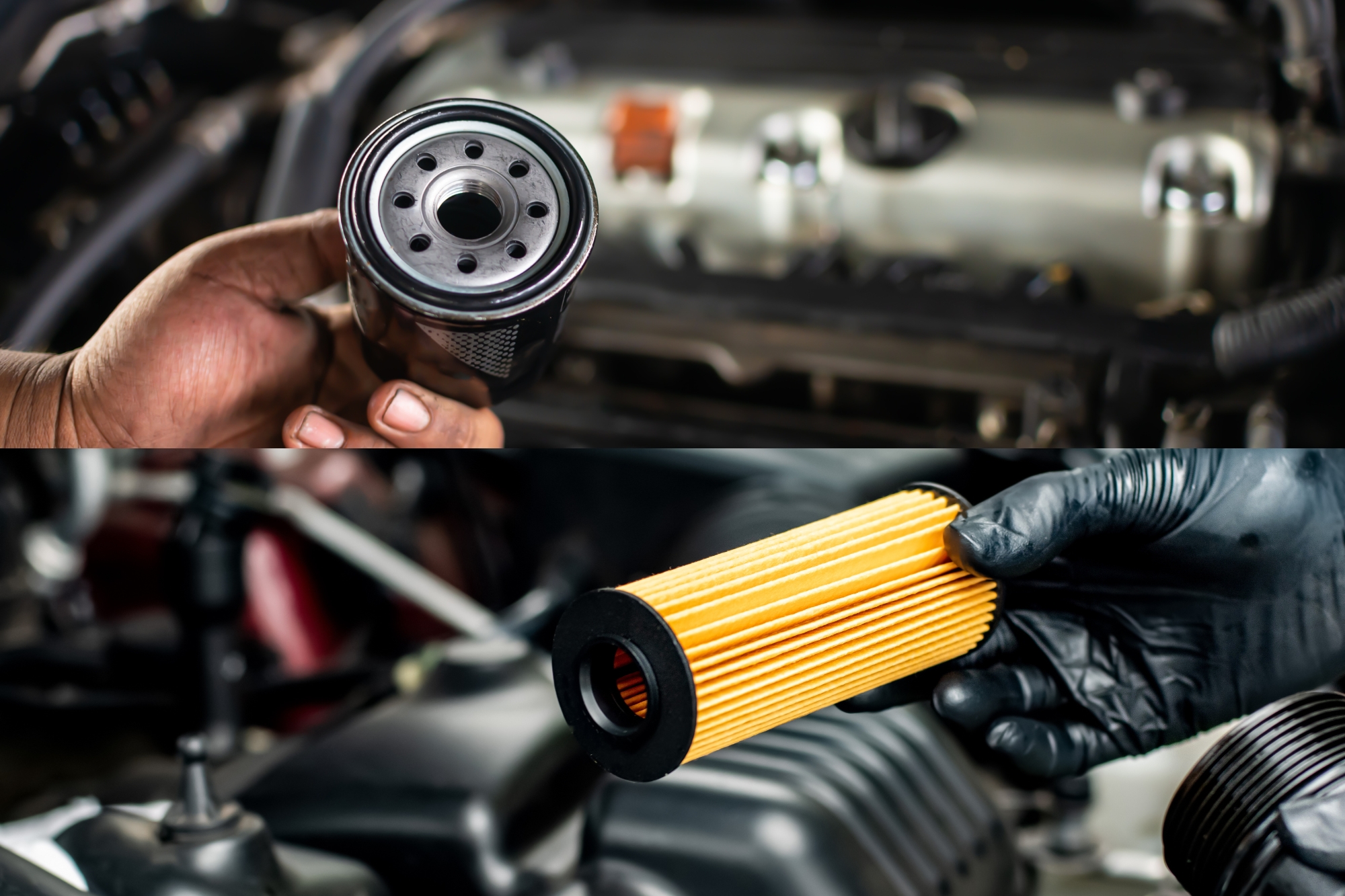
The oil filter plays an equally important role by trapping dirt, sludge, and debris before they reach sensitive engine components. A clogged or worn oil filter can restrict oil flow, reducing lubrication where it is needed most.
Installing a new oil filter during every oil change helps maintain proper oil pressure and supports consistent engine performance. Using the oil grade recommended by the vehicle manufacturer is equally important because different engines are designed to operate with specific oil viscosities that provide optimal protection under varying temperatures.
Vehicle owners should regularly check their engine oil level using the dipstick, especially before long trips. Low oil levels may indicate leaks or increased oil consumption that require attention. Ignoring warning lights related to oil pressure or oil level can quickly result in severe engine damage. Addressing these issues promptly often prevents significantly more expensive repairs later.
2. Tire Maintenance
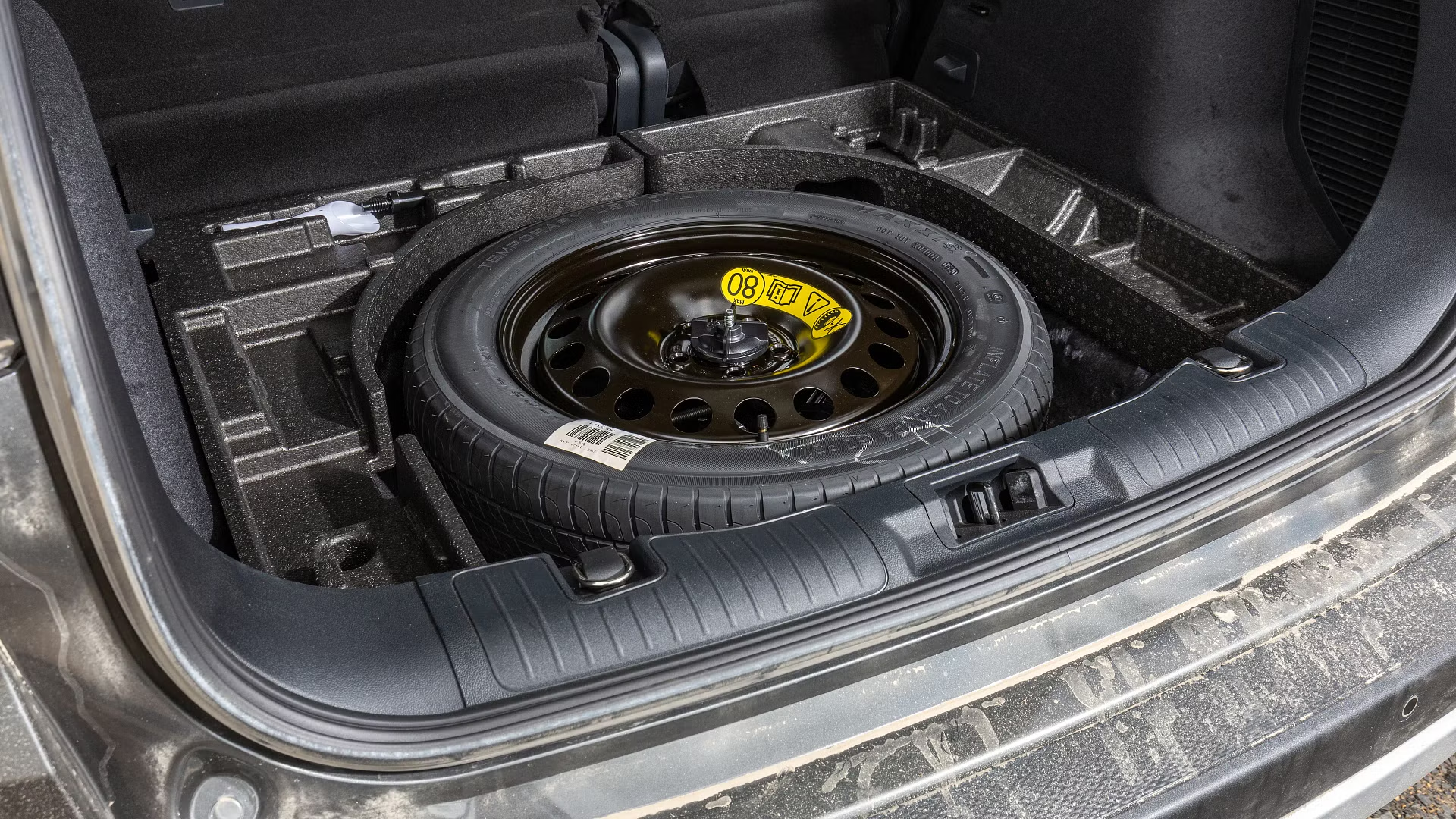
Tires are one of the most critical safety components in any vehicle since they are the only part that makes contact with the road. Their condition has a direct impact on handling, braking distance, fuel efficiency, and the vehicle’s stability while driving.
Despite their importance, tire maintenance is often overlooked until a visible problem appears, such as a puncture or uneven wear. Regular inspection and care can significantly extend tire life and improve road safety in all driving conditions.
Proper tire pressure is one of the simplest yet most critical aspects of tire maintenance. Underinflated tires create excessive friction with the road, leading to higher fuel consumption and faster tread wear.
Overinflated tires reduce the contact patch with the road, making the vehicle less stable and more prone to skidding. Maintaining the manufacturer-recommended pressure ensures balanced performance, better mileage, and improved safety.
Tread depth is another essential factor that should not be ignored. The tread pattern on tires is designed to channel water away from the surface and maintain grip, especially on wet or slippery roads. When tread depth becomes too low, the risk of hydroplaning increases significantly. Many drivers underestimate how quickly tread wears down, especially in city driving conditions where frequent braking and acceleration are common.
Wheel alignment and balancing also play a major role in tire health. Poor alignment causes uneven tire wear, making one side of the tire wear out faster than the other.
This not only shortens tire lifespan but also affects steering control. Similarly, unbalanced wheels can cause vibrations at higher speeds, leading to discomfort and additional strain on suspension components. Regular alignment checks help maintain smooth handling and even tire wear.
Performing tire rotations on a consistent schedule promotes even wear across all four tires. Because the front and rear tires carry different loads and perform different roles, rotation helps balance wear more evenly over time. This approach can extend tire lifespan, enhance driving stability, and also help reveal early signs of issues such as suspension imbalance or uneven tire contact with the road.
3. Brake System Inspection
The braking system is one of the most critical safety features in any vehicle, responsible for controlling speed and ensuring safe stopping under all driving conditions. Even a slight reduction in braking performance can significantly increase stopping distance, raising the risk of accidents. This is why regular brake system inspection should never be ignored or delayed.
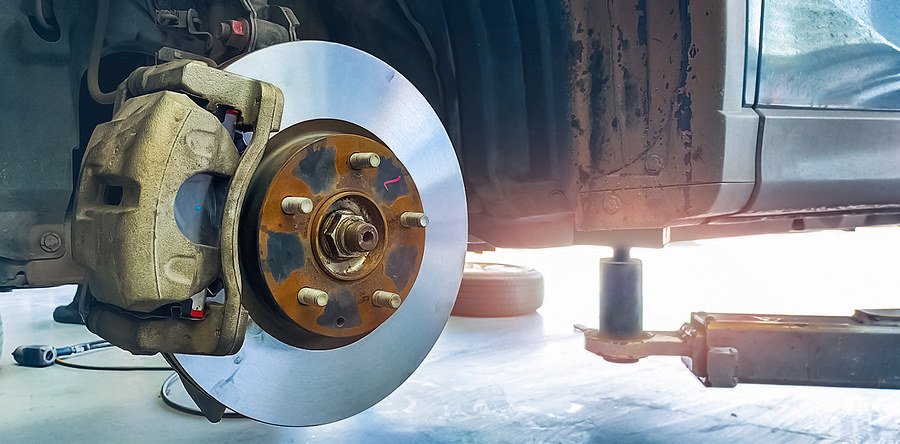
Brake pads are among the most frequently replaced components in the braking system. They create friction against the brake rotors to slow down the vehicle.
Over time, brake pads naturally wear down due to constant use. Ignoring worn brake pads can lead to metal-on-metal contact, which damages the rotors and results in much higher repair costs. Listening for squealing or grinding noises is often the first sign that brake pads need replacement.
Brake fluid is another essential element that requires periodic attention. It transfers force from the brake pedal to the braking components. Brake fluid can absorb moisture, reducing its effectiveness and lowering braking performance. Contaminated brake fluid may also cause corrosion within the braking system. Regular replacement ensures consistent braking response and reliability.
Brake rotors must also be checked for wear and warping. Rotors can develop grooves or uneven surfaces due to prolonged use or worn brake pads. This often results in vibrations when braking and reduced stopping efficiency. In severe cases, rotors may need resurfacing or replacement to restore smooth braking performance.
Brake lines and the hydraulic system should be checked for any signs of leaks or damage. Even a small leak can lead to a sudden drop in braking performance, creating a serious safety risk. Regular inspections help catch these problems early and keep the braking system working properly.
4. Battery Care
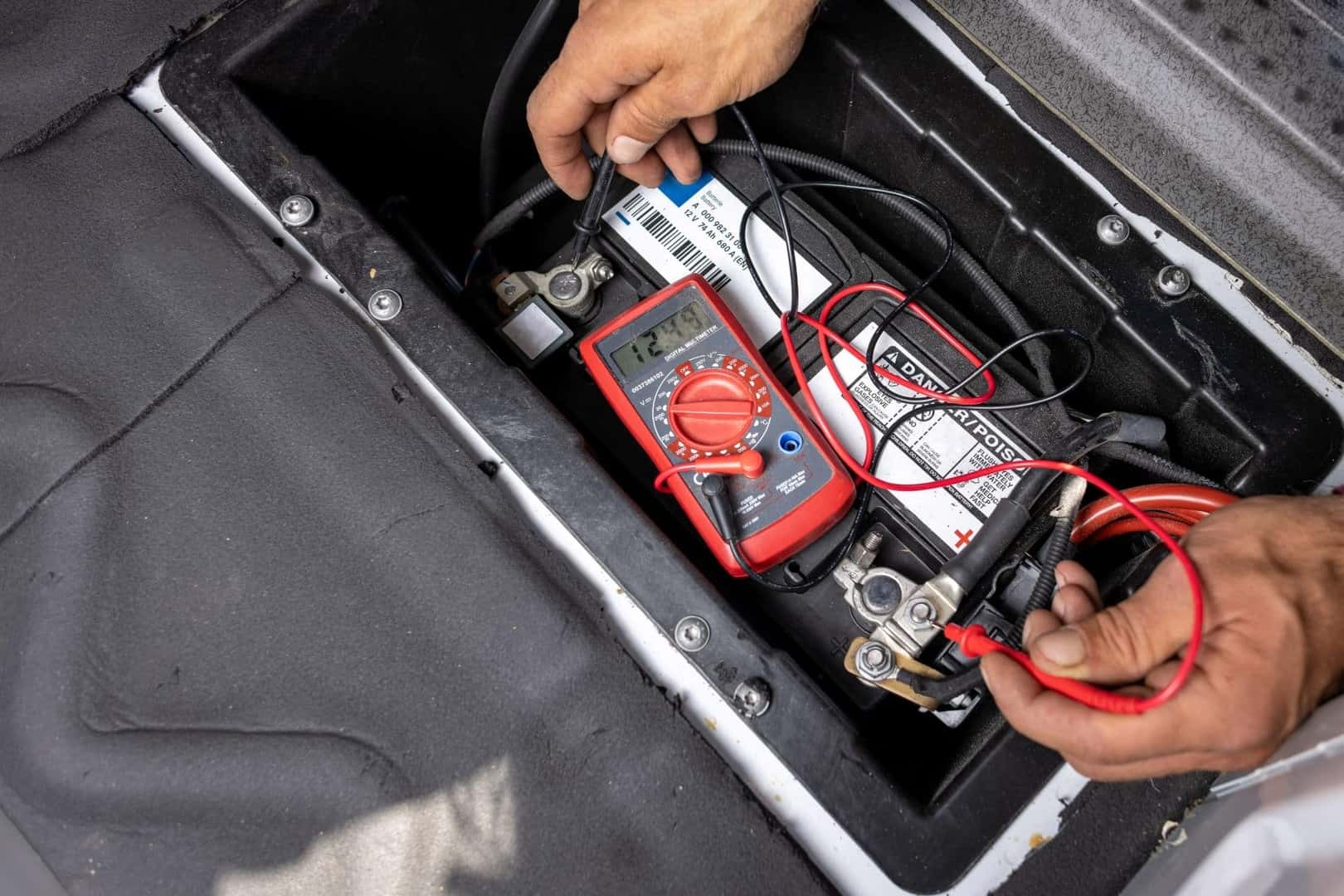
A vehicle battery is responsible for powering the electrical system and starting the engine. Without a healthy battery, even a perfectly maintained engine cannot function. Despite its importance, battery maintenance is often overlooked until the vehicle fails to start. Regular care can significantly extend battery life and prevent unexpected breakdowns.
Corrosion on battery terminals is one of the most common issues affecting performance. A white or greenish buildup can form on the terminals, interfering with electrical connections. Cleaning the terminals periodically ensures proper current flow and reliable engine starting. Simple maintenance like this can prevent many common electrical issues.
Battery charge levels should also be monitored regularly, especially in extreme weather conditions. High temperatures can cause battery fluid to evaporate, while cold temperatures reduce battery efficiency. Both conditions can lead to starting difficulties if the battery is not in good condition. Checking voltage levels helps identify weakening batteries before they fail completely.
Loose or damaged battery cables can also lead to performance issues. If the connections are not secure, the electrical system may experience interruptions, leading to inconsistent starting or flickering lights. Ensuring tight and clean connections helps maintain stable electrical performance throughout the vehicle.
Most car batteries have a lifespan of three to five years, depending on usage and environmental conditions. Replacing the battery before it fails completely is a wise preventive measure. Waiting until total failure can leave drivers stranded unexpectedly, often at inconvenient times.
5. Fluid Level Checks
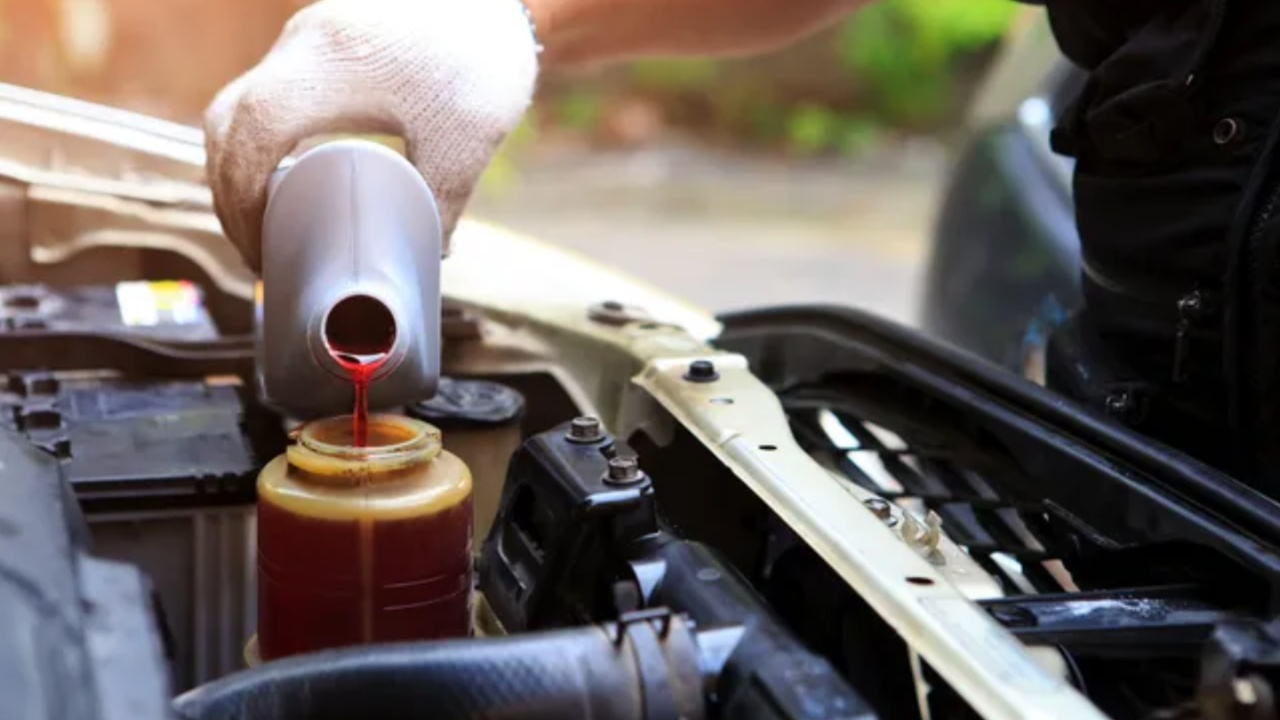
Vehicles rely on multiple fluids to operate smoothly, including engine coolant, transmission fluid, brake fluid, power steering fluid, and windshield washer fluid. Each of these plays a specific role in maintaining performance, safety, and comfort. Neglecting fluid checks can lead to serious mechanical problems and expensive repairs.
Engine coolant is essential for regulating engine temperature. It prevents overheating by absorbing and dissipating heat generated during combustion. Low coolant levels or poor-quality coolant can cause the engine to overheat, potentially resulting in severe damage. Regular inspection ensures that the cooling system functions efficiently.
Transmission fluid is responsible for lubricating the gears and ensuring smooth shifting. Dirty or low transmission fluid can cause gear slipping, rough shifting, or complete transmission failure. Since transmission repairs are costly, maintaining proper fluid levels is extremely important for long-term reliability.
Brake fluid, as discussed earlier, is critical for safe braking performance. Even small leaks or contamination can reduce braking efficiency. Regular checks ensure that the hydraulic system remains responsive and safe under all driving conditions.
Power steering fluid helps drivers steer the vehicle smoothly and with minimal effort. Low fluid levels can make steering stiff and difficult, especially at low speeds. Maintaining proper levels ensures comfortable and safe handling in all situations.
Also Read: 10 Hidden Features In The Honda Pilot
6. Air Filter Replacement
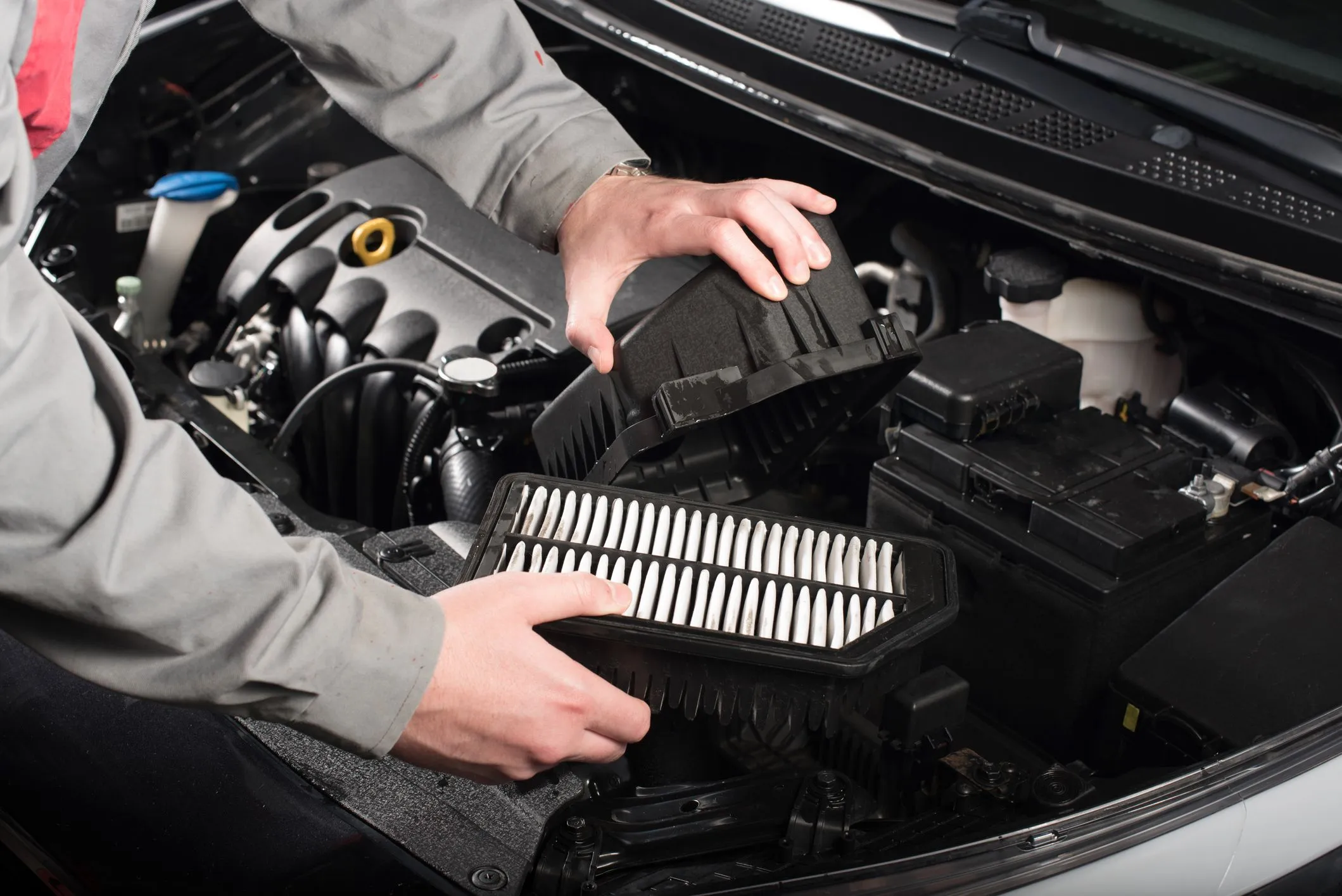
The air filter plays an important role in maintaining engine efficiency by preventing dust, dirt, and debris from entering the combustion chamber.
Clean air is essential for proper fuel combustion, and any restriction in airflow can directly affect engine performance. Over time, the air filter becomes clogged due to continuous exposure to road dust and pollution, especially in environments with heavy traffic or unpaved roads.
When an air filter becomes dirty, the engine has to work harder to draw in air. This can lead to reduced power output, slower acceleration, and lower fuel efficiency.
Many drivers do not realize that a simple component like an air filter can significantly influence how smoothly a vehicle performs. Replacing it at recommended intervals helps maintain optimal airflow and keeps the engine running efficiently.
A clean air filter also helps protect internal engine components from damage. Dust particles that bypass a clogged filter can enter the engine and cause wear on cylinders, pistons, and other sensitive parts. This can reduce engine lifespan and increase maintenance costs. Regular replacement is a small investment that prevents long-term damage.
In many vehicles, air filter inspection is simple and can be done without specialized tools. Drivers can visually check the filter to determine if it appears dark or heavily clogged. However, relying only on appearance is not always accurate, so following the manufacturer’s recommended replacement schedule is the safest approach.
Replacing the air filter regularly also contributes to better fuel economy. When the engine receives sufficient clean air, it burns fuel more efficiently, reducing unnecessary fuel consumption. This makes air filter maintenance both an economic and performance-enhancing practice for all vehicle owners.
7. Cooling System Maintenance
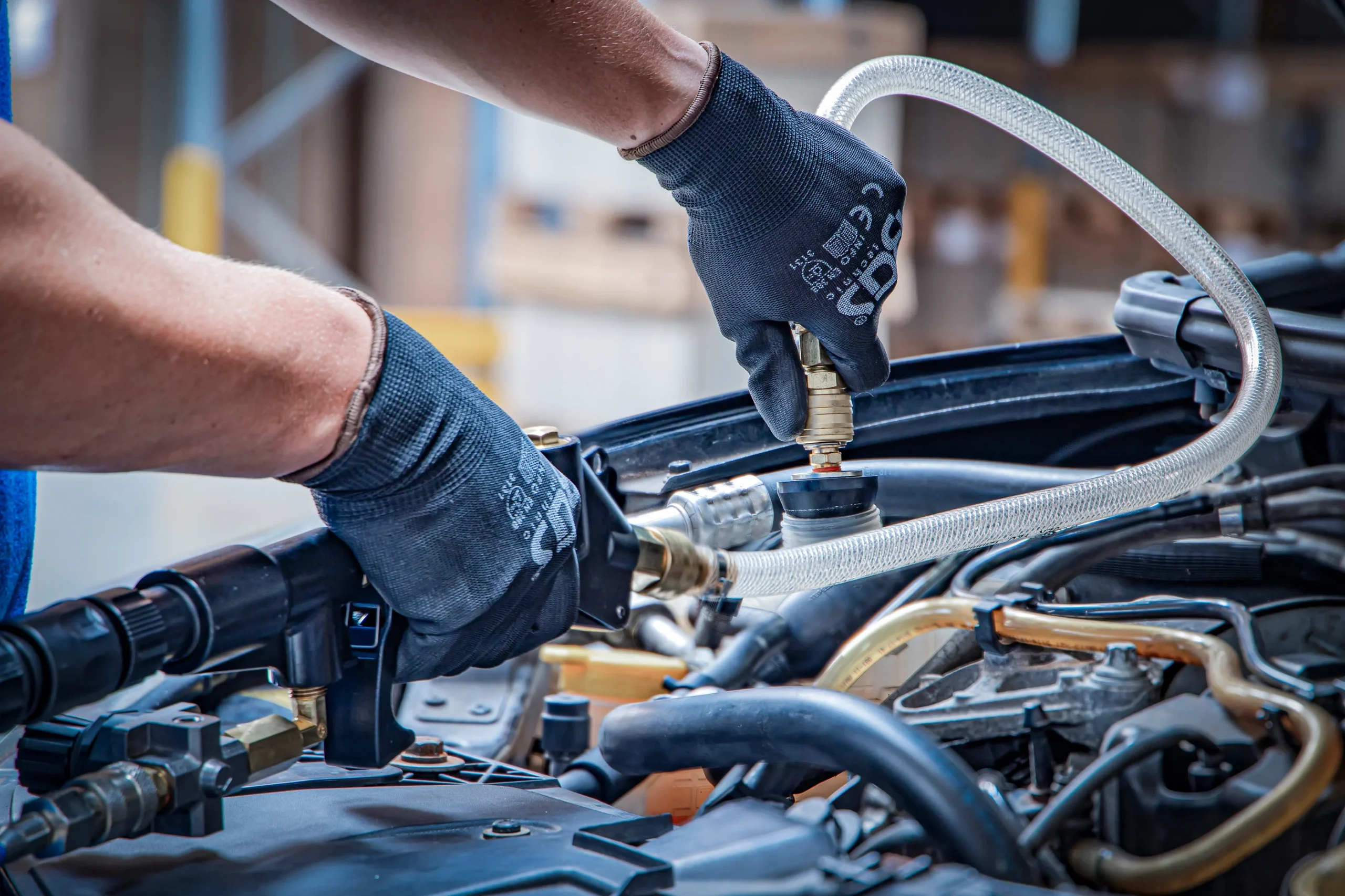
The cooling system is responsible for regulating engine temperature and preventing overheating. Engines generate a significant amount of heat during operation, and without an efficient cooling system, this heat can cause severe damage to internal components. Proper maintenance of the cooling system is essential for long-term engine health and reliability.
Coolant, also known as antifreeze, is the primary fluid used in the cooling system. It circulates through the engine, absorbing heat and transferring it to the radiator, where it is dissipated. The coolant can degrade and lose its effectiveness, making it less capable of regulating temperature. Regular replacement ensures that the system continues to function efficiently.
The radiator plays a key role in dissipating heat from the coolant. If the radiator becomes clogged with dirt, debris, or internal deposits, it can reduce cooling efficiency. This may lead to engine overheating, especially during long drives or in hot weather conditions. Periodic cleaning and inspection of the radiator help maintain proper airflow and cooling performance.
Cooling system hoses should also be inspected regularly for cracks, leaks, or signs of wear. These hoses carry coolant between different components of the system, and any damage can result in coolant loss. Even small leaks can lead to significant overheating issues if not addressed promptly.
A properly functioning thermostat is also essential for regulating engine temperature. It controls the flow of coolant based on engine temperature. If the thermostat fails, it can cause the engine to overheat or run too cold, both of which negatively affect performance and efficiency.
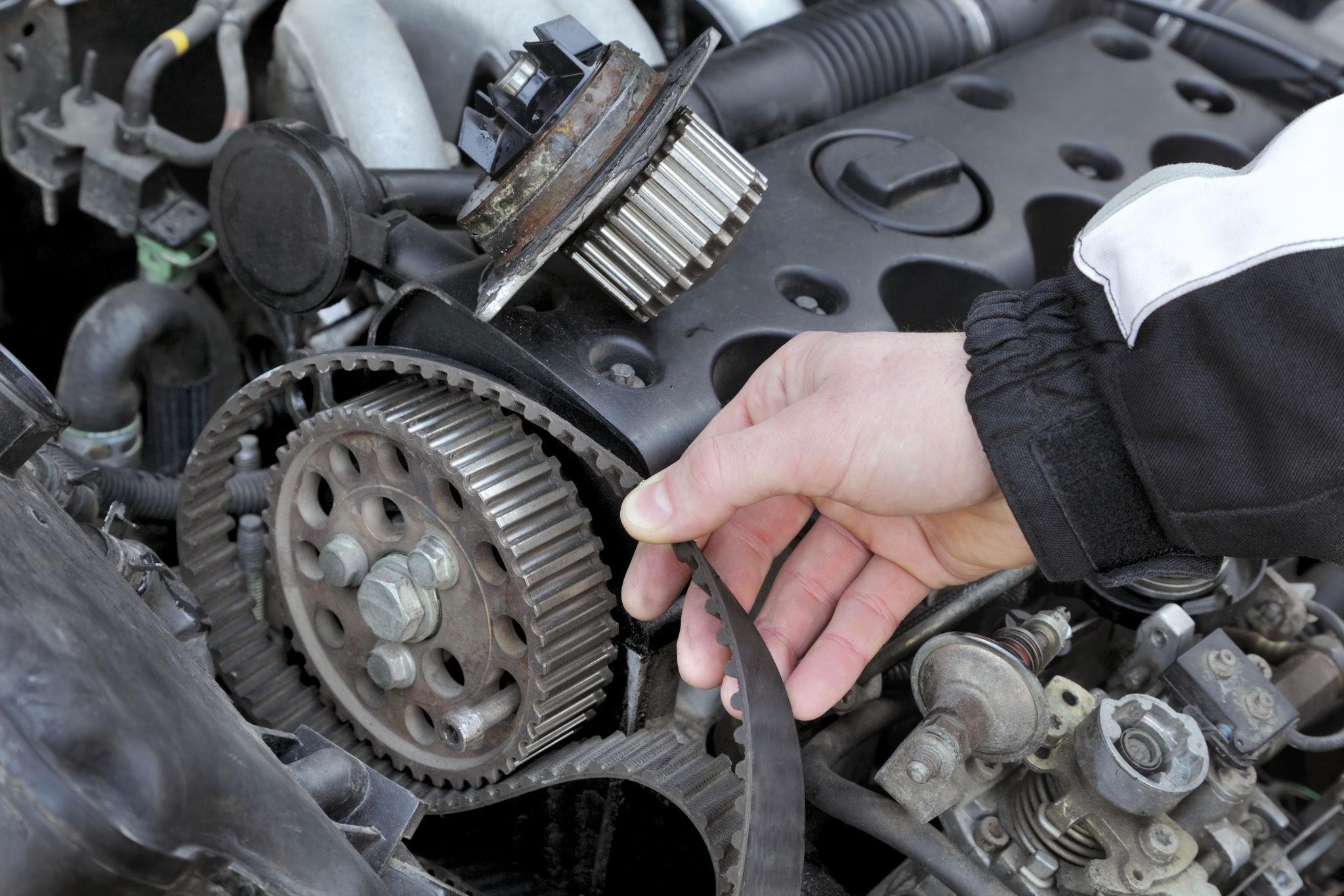
8. Timing Belt or Timing Chain Inspection
The timing belt or timing chain is a crucial engine component that synchronizes the movement of the crankshaft and camshaft. This synchronization ensures that engine valves open and close at the correct time during the combustion cycle. Without proper timing, the engine cannot operate efficiently, and severe internal damage can occur.
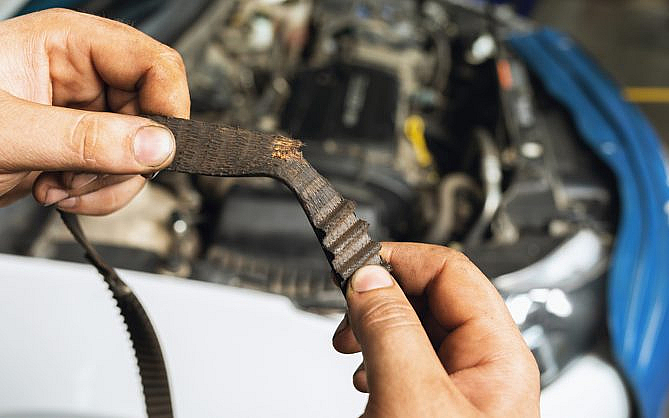
Timing belts are made of reinforced rubber and are subject to wear over time. As they age, they can develop cracks, fraying, or weakening that increase the risk of failure. If a timing belt breaks while the engine is running, it can cause major damage to valves and pistons in many engine types. This makes timely replacement extremely important.
Timing chains, on the other hand, are more durable and typically last longer than belts. However, they are not completely maintenance-free. Timing chains can stretch or develop tension issues, which may lead to irregular engine performance or rattling noises during startup.
Manufacturers usually provide specific replacement intervals for timing belts, often based on mileage or time. Following these recommendations is essential to avoid unexpected engine failure. Ignoring timing belt replacement schedules is one of the most costly maintenance mistakes a vehicle owner can make.
Regular inspection by a qualified mechanic can help identify early signs of wear or tension issues in both belts and chains. Addressing these issues early ensures engine reliability and prevents catastrophic damage.