
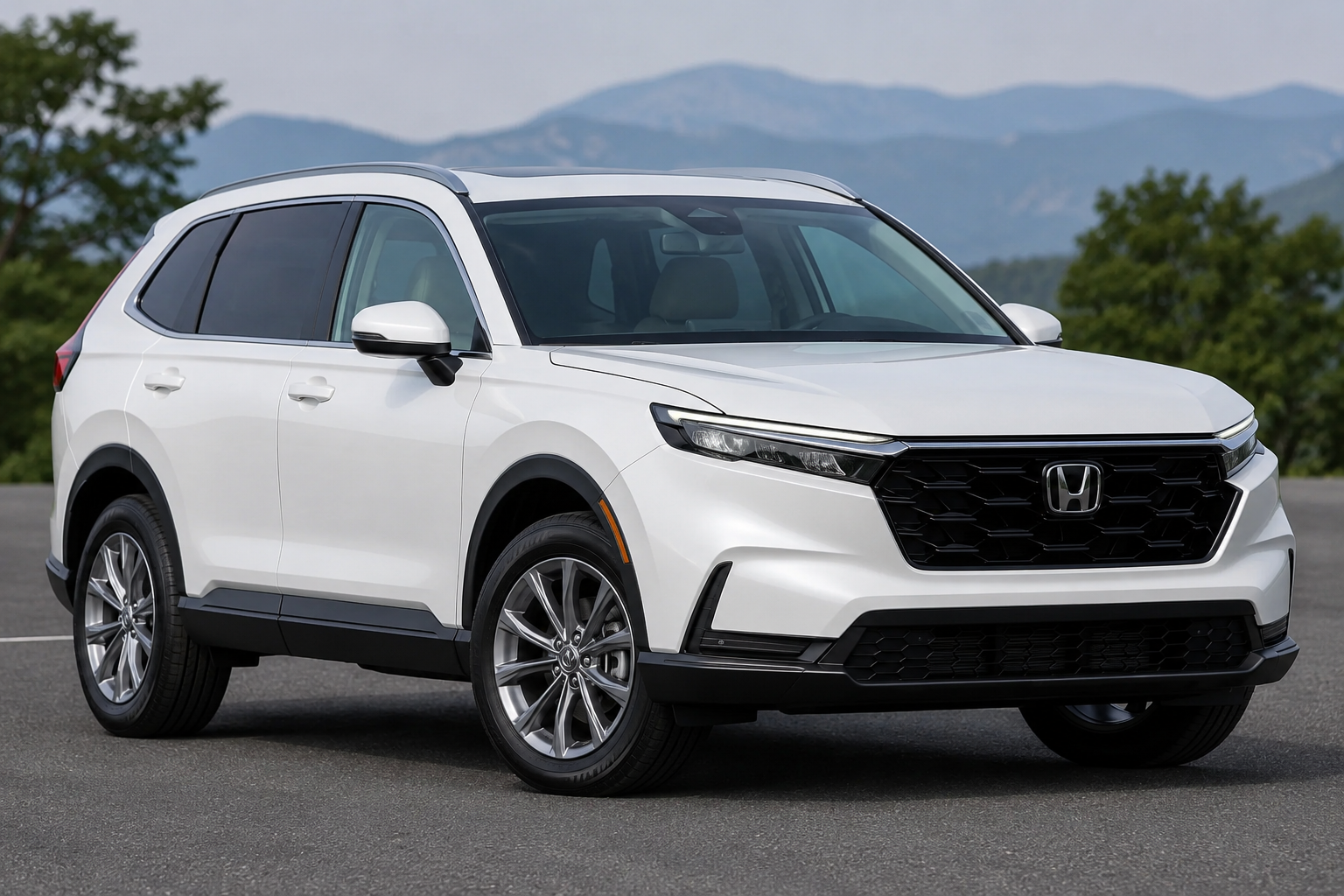
Buying a Honda CR-V involves much more than paying the amount displayed on the price tag. For many families, this compact SUV is already one of the first vehicles they consider because of its reputation for reliability, comfort, and everyday practicality.
It has remained a popular choice for years, attracting buyers who want a dependable vehicle that meets the needs of daily life without unnecessary complications. After completing the purchase, the expenses linked to ownership gradually become more noticeable. Monthly loan payments are only one part of the financial commitment.
Fuel costs, insurance, scheduled maintenance, tyre replacements, and depreciation continue throughout the years. These running expenses can have a real effect on a household budget, making it important for buyers to understand the full cost of ownership before making a final decision.
Fortunately, the Honda CR-V performs very well when ownership costs are measured across five years. Compared with many competing compact SUVs, it delivers a good balance of fuel efficiency, dependable mechanical performance, and steady resale value.
Owners also benefit from reasonable maintenance expenses, helping them avoid many of the unexpected repair costs that sometimes come with other vehicles in the same class. Information published by Edmunds, Easterns, and TopSpeed supports the CR-V’s reputation as a practical long-term investment.
These figures help explain why hundreds of thousands of buyers continue choosing this Honda every year. Rather than focusing solely on the purchase price, many people appreciate the savings they enjoy over the years of ownership, making the CR-V a smart option for drivers who value reliability, affordability, and lasting peace of mind.
Here is a full breakdown of what five years of CR-V ownership actually costs, category by category.
The Purchase Price: What You Actually Pay at the Dealership
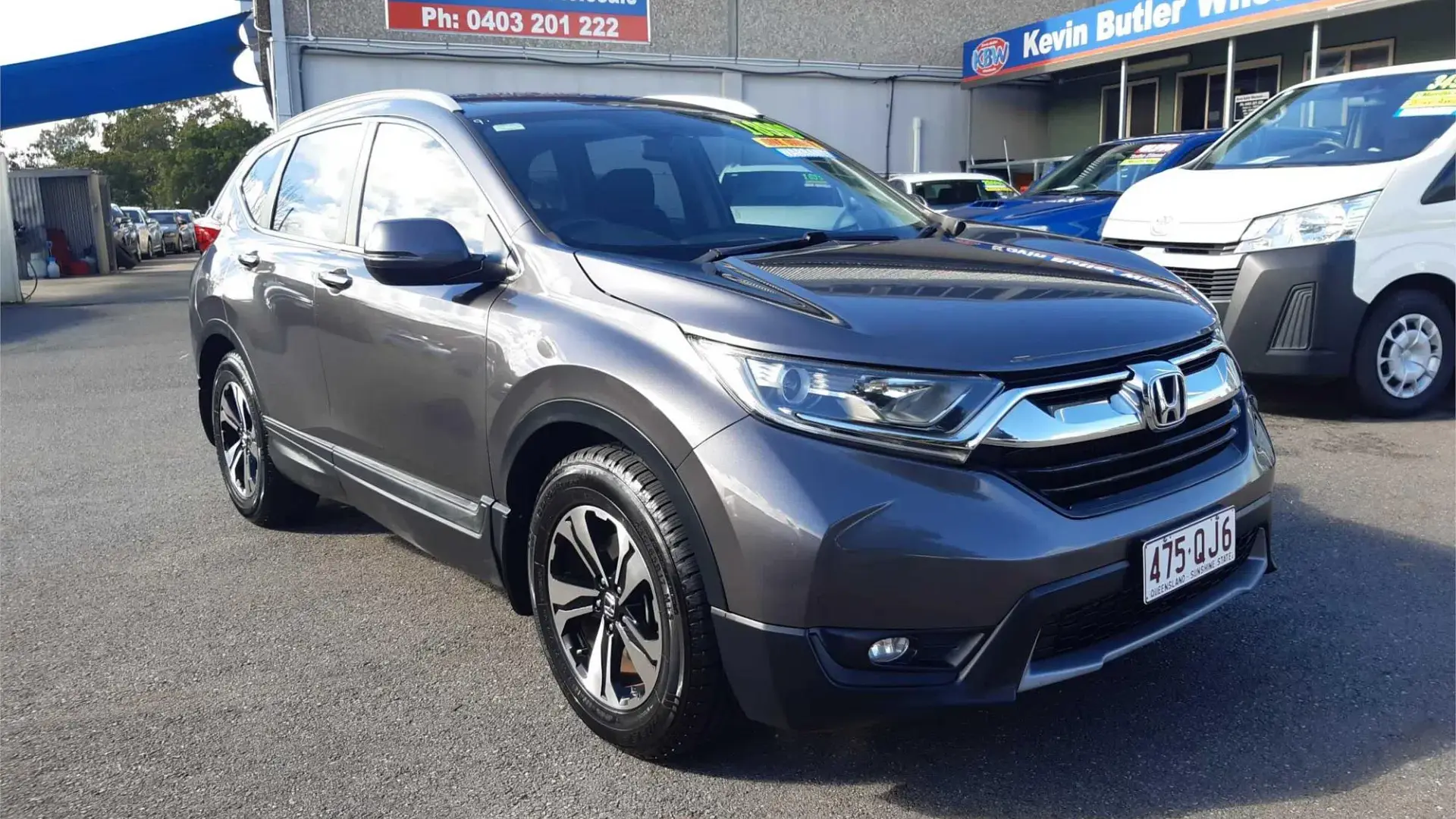
The 2025 Honda CR-V starts at approximately $30,100 for the base LX trim and climbs to around $41,100 at the top of the lineup. That range gives buyers genuine flexibility, from a sensibly equipped entry model to a fully featured Sport Touring Hybrid that competes comfortably with crossovers from luxury-adjacent brands.
Before walking onto the lot, understand that the window sticker is only the starting point. Add-ons, your zip code, and your negotiating approach at the dealership can push these numbers around in either direction. Taxes and fees contribute another estimated $2,300 to $3,100, depending on state and configuration, according to Edmunds’ True Cost to Own data for the 2025 CR-V.
Most people paid about $737 monthly for new cars in late 2024, which puts a financed CR-V comfortably within reach of the national average. Buyers open to a certified pre-owned model can reduce that considerably. Used car payments average about $525 monthly, which is $212 less than new car payments, keeping nearly $2,600 more in your pocket annually.
For buyers without a strict new-car preference, a lightly used CR-V from recent model years offers the same core experience at a meaningfully lower entry cost.
Depreciation: How Much Value Does the CR-V Lose in Five Years
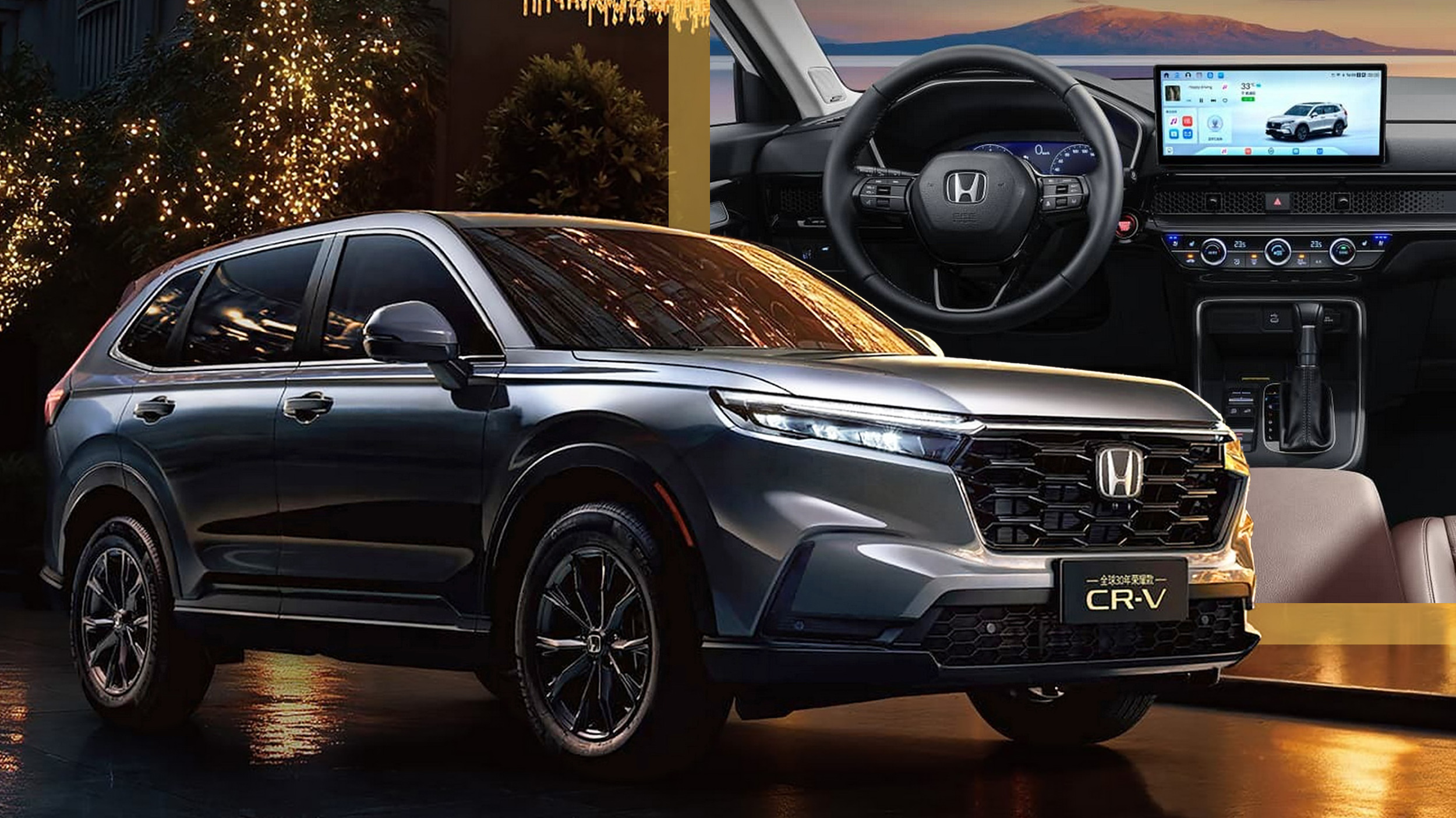
Depreciation is the cost category that surprises most buyers because it happens silently, without any invoice or service appointment attached to it. The CR-V loses value from the moment it leaves the dealership, and that loss is built into every resale and trade-in conversation down the road.
Edmunds projects depreciation of approximately $10,011 over five years for a standard 2025 CR-V LX, which works out to roughly $2,000 annually. Hybrid trims depreciate slightly more in absolute terms due to higher initial prices, with the Sport-L Hybrid AWD projected at around $12,169 in five-year depreciation.
A 2024 CR-V will likely lose about $15,480 over five years, leaving around $17,925 at trade-in time, or about $3,096 in value loss each year, based on Eastern’s analysis using AAA data. The difference between these figures reflects trim level, mileage assumptions, and market conditions, so treat any depreciation estimate as directional rather than fixed.
The reassuring reality is that the CR-V retains its value better than most compact crossover competitors. Honda’s rock-solid reliability reputation and the model’s popularity among buyers work in the owner’s favor when trade-in time comes. Keeping service records organized and addressing cosmetic issues promptly helps protect resale value further.
Also Read: 5 Best and Worst Years for the Honda CR-V
Fuel and Insurance Costs Over Five Years
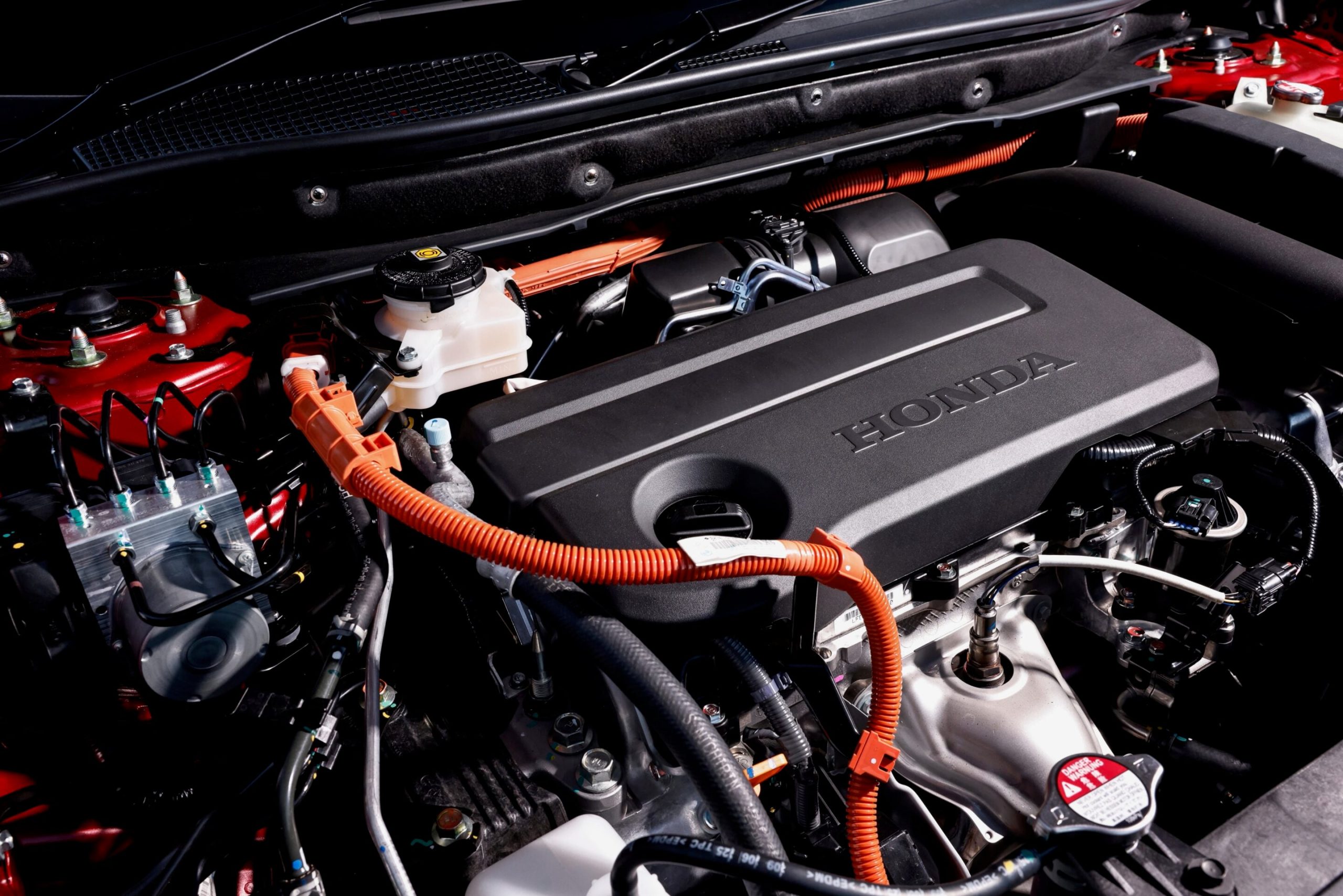
Fuel is where the CR-V quietly earns its keep over a long ownership period. The standard 1.5-liter turbocharged engine delivers EPA-estimated fuel economy of around 28 MPG city and 34 MPG highway, returning approximately $8,574 to $9,192 in total five-year fuel costs, according to Edmunds, based on 15,000 annual miles and regional fuel pricing.
Buyers who step up to a hybrid trim see that number drop considerably. The CR-V Hybrid provides 40 MPG in the city, 35 MPG on the highway, and a combined fuel economy of 38 MPG, with an annual fuel cost of approximately $1,300. Across five years, hybrid fuel costs land in the $6,431 to $6,944 range, shaving $2,000 to $2,500 from the gasoline variant’s fuel bill.
Insurance adds roughly $3,159 to $3,513 across five years for the 2025 CR-V based on Edmunds’ national averages, or approximately $630 to $700 annually. Individual insurance rates vary based on driving history, garaging address, age, and coverage selections, so these figures represent a useful baseline rather than a guaranteed personal quote.
Drivers with clean records in lower-cost states will likely pay less, while urban locations or high-coverage policies push that number higher.

Maintenance and Repair Bills Over the Ownership Period
Many people who have owned a Honda CR-V for several years often mention its affordable maintenance costs as one of the biggest reasons they remain satisfied with the vehicle. Honda has built a strong reputation for producing dependable cars, and the CR-V continues that tradition.
Its proven design and reliable engineering help owners avoid frequent workshop visits, making long-term ownership much easier to manage financially. According to Edmunds’ estimates, maintaining a 2025 Honda CR-V for five years costs between $4,881 and $5,857, depending on the trim level.
During the first two years, maintenance expenses remain fairly low because the vehicle mainly requires routine oil changes, fluid checks, and regular inspections. This allows owners to enjoy the vehicle without facing expensive service bills during the early stages of ownership.
As the CR-V gets older, maintenance costs gradually increase because larger service items begin to appear. Around the fourth and fifth years, owners can expect expenses related to new tyres, brake servicing, and more detailed inspections recommended by Honda.
Even with these additional requirements, projected repair costs remain between $724 and $842 across five years. Those figures place the CR-V among the more affordable compact SUVs to own for an extended period. Setting aside about $400 to $500 each year is usually enough to cover regular maintenance, including oil changes, tyre rotations, brake inspections, and other scheduled servicing.
This estimate does not include accident repairs or unexpected damage. The CR-V Hybrid also performs well in terms of ownership costs. Even with both a petrol engine and an electric motor working together, its combined maintenance and repair expenses remain below $10,000 during the first five years, making it a practical choice for buyers seeking dependable long-term value.
Also Read: 10 Honda CR-V Years That Are Still in Demand

The Grand Total: Is the Honda CR-V Worth Five Years of Ownership?
Add everything together, and the five-year cost picture for the 2025 Honda CR-V comes into clear focus. Edmunds’ True Cost to Own data shows five-year totals ranging from approximately $35,731 for the base LX FWD to $41,250 for the Sport Touring Hybrid AWD, accounting for depreciation, fuel, insurance, maintenance, repairs, financing, and taxes and fees.
Eastern’s broader ownership cost analysis, drawing on AAA data, places five-year CR-V ownership costs at around $44,133, a figure that includes slightly different assumptions around fuel prices and regional fee structures. Either way, both sources point to the same conclusion: the CR-V costs less to own across five years than buyers typically expect, particularly when compared to competitors that carry lower sticker prices but higher long-term running costs.
The 2020 CR-V Hybrid completed a five-year ownership period at $36,309 total, a figure that includes a used vehicle’s lower financing base and already-absorbed first-year depreciation. Buyers considering a lightly used CR-V Hybrid from the 2020 to 2022 model years can expect similarly favorable numbers, with the added benefit of pricing that has already fallen from its original window sticker.
The CR-V isn’t the cheapest compact crossover to buy. It is, however, one of the least expensive to own once you count every dollar across a realistic five-year period. For buyers who plan to keep a vehicle long enough to see those ownership economics play out, that distinction matters considerably more than the number on the sticker.
