
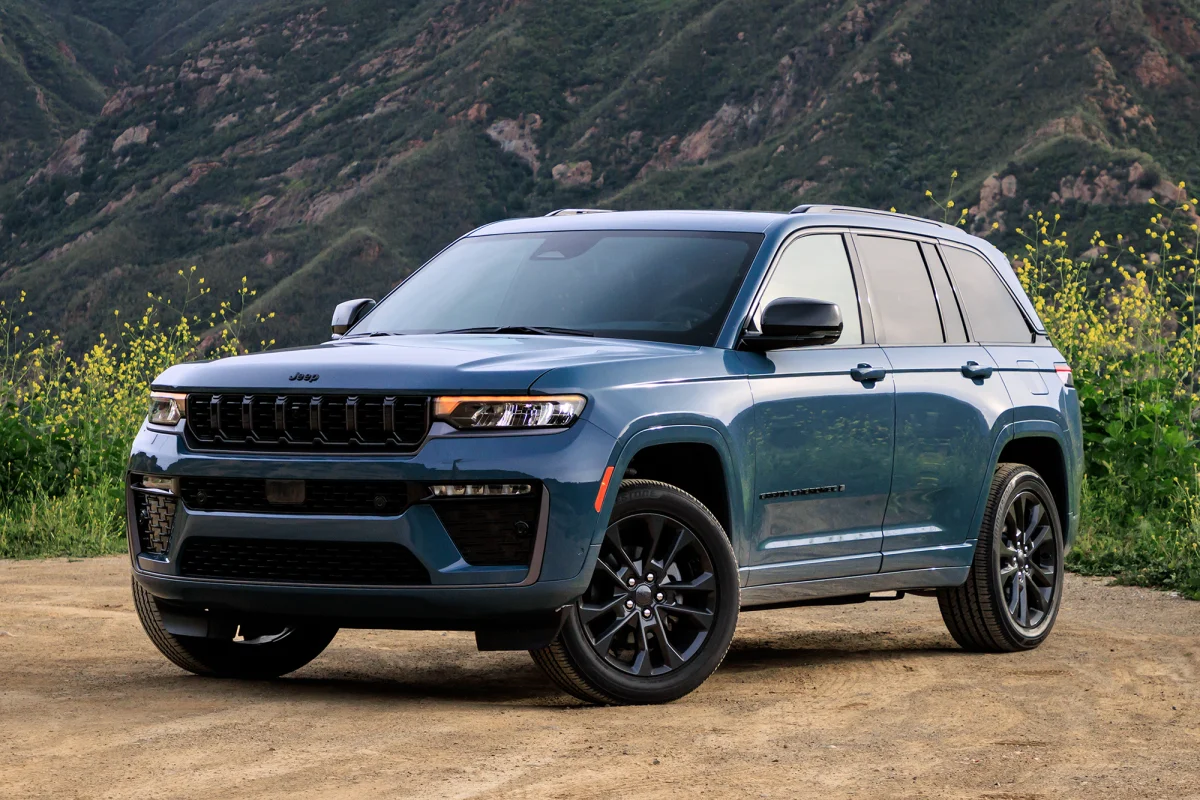
The Jeep Grand Cherokee has remained one of the most recognizable midsize SUVs for more than three decades, earning a reputation for combining genuine off-road capability with everyday comfort.
Unlike many crossover-based competitors, the Grand Cherokee has consistently offered a blend of rugged performance, powerful engine options, refined interiors, and advanced four-wheel-drive systems.
Whether driving through busy city streets, towing heavy trailers, or taking on challenging off-road trails, it has attracted buyers who want a vehicle that combines versatility with luxury and strong performance.
Throughout its history, the Grand Cherokee has evolved through multiple generations, introducing new technologies, improved safety systems, and increasingly sophisticated drivetrains.
Despite its popularity, not every model year has delivered the same ownership experience. Some years stand out because they feature dependable engines, refined transmissions, and fewer reported mechanical problems, making them excellent choices in the used market.
These models continue to earn praise for balancing capability with long-term reliability and manageable maintenance costs.
Other production years have become known for recurring concerns involving electrical systems, transmission behavior, suspension components, or first-year redesign issues.
While many examples still provide dependable service with proper maintenance, these concerns have generated higher owner complaint rates and increased repair expenses compared with stronger model years.
Choosing the right Jeep Grand Cherokee involves more than selecting the right trim or engine. Understanding which model years have established strong reliability records can help buyers avoid unnecessary repair costs while enjoying the SUV’s many strengths.
This guide highlights four Jeep Grand Cherokee model years that consistently rank among the best because of their durability, performance, and owner satisfaction. It also identifies four model years that deserve additional caution because of documented mechanical concerns and long-term ownership challenges.
Also Read: 5 Best Subaru Forester Years vs 5 to Avoid
4 Best Years for the Jeep Grand Cherokee
The Jeep Grand Cherokee has always occupied a unique position in the SUV market. It combines genuine off-road capability with premium features that allow it to compete against luxury brands while remaining practical enough for daily family use.
Across multiple generations, Jeep introduced stronger engines, more advanced four-wheel-drive systems, improved safety technologies, and increasingly refined interiors. Even with those steady improvements, certain model years have proven significantly more dependable than others.
The most reliable Grand Cherokee model years are typically those built after Jeep had time to refine the platform and resolve early production issues. Instead of introducing sweeping changes, these versions benefited from proven engineering, leading to greater reliability, smoother transmission performance, and higher build quality.
They also feature powertrains that have demonstrated impressive durability when maintained according to factory recommendations.
Another reason these model years deserve recognition is their versatility. They remain comfortable during long highway trips, capable on difficult trails, and practical for everyday family transportation.
Spacious interiors, generous cargo capacity, and modern safety systems further strengthen their appeal. Many continue to hold respectable resale values because buyers recognize their dependable ownership history.
Routine maintenance remains important for any Jeep, but the following model years consistently receive positive feedback from owners, technicians, and independent reliability studies.
They represent the Grand Cherokee at its best by combining proven mechanical components with the capability and comfort that have defined the nameplate for decades.
Whether buyers prioritize commuting, towing, outdoor adventures, or long-distance travel, these four Grand Cherokee model years provide an excellent balance of performance, refinement, and long-term dependability.
1. 2019 Jeep Grand Cherokee
The 2019 Jeep Grand Cherokee represents one of the most refined versions of the fourth-generation WK2 platform. After nearly a decade of continuous development, Jeep had resolved many of the issues associated with earlier production years, creating an SUV that blended capability, comfort, and dependable engineering.
This model continues to be one of the most recommended used Grand Cherokees because it successfully balances daily usability with authentic off-road performance.
Most buyers choose the proven 3.6-liter Pentastar V6, an engine that has earned a strong reputation for durability when maintained properly.
Paired with the smooth-shifting eight-speed automatic transmission supplied by ZF, the powertrain provides confident acceleration, respectable towing capability, and competitive fuel economy.
Shifts remain refined whether driving through city traffic or climbing mountain roads, contributing to a relaxed driving experience.
Inside, the Grand Cherokee offers a cabin that feels more premium than many competitors in the same price range. High-quality materials, supportive seating, intuitive controls, and the user-friendly Uconnect infotainment system create an environment suitable for both daily commuting and long-distance travel.
Rear-seat passengers also benefit from generous legroom, while the cargo area accommodates luggage, outdoor gear, or home improvement supplies with ease.
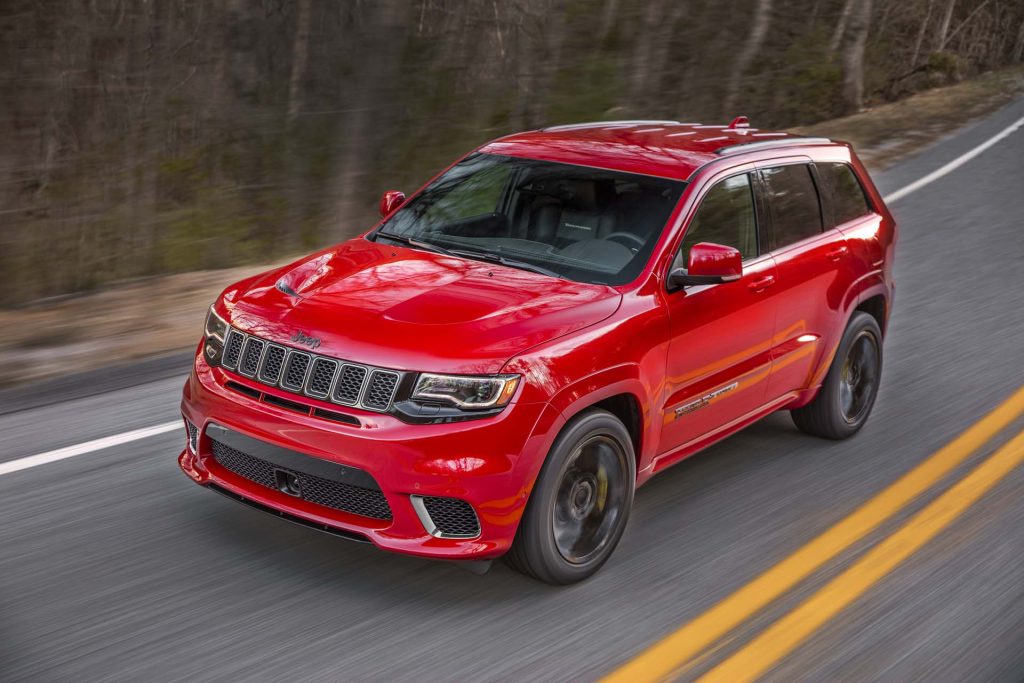
Jeep’s available Quadra-Trac and Quadra-Drive four-wheel-drive systems continue to distinguish the Grand Cherokee from many crossover rivals, providing genuine off-road capability without compromising ride comfort on paved roads.
Strong resale value, widespread parts availability, and a mature platform make the 2019 Grand Cherokee one of the safest purchases for buyers seeking a capable midsize SUV with proven long-term reliability.
Specifications
- Engine: 3.6-liter Pentastar V6
- Torque: 260 lb-ft
- Horsepower: 295 hp
- Length/Width: 189.8 inches / 76.5 inches
2. 2020 Jeep Grand Cherokee
Rather than introducing major mechanical changes, Jeep focused on refining an already successful formula for the 2020 Grand Cherokee. This approach allowed the vehicle to benefit from years of engineering improvements, resulting in one of the strongest model years in the Grand Cherokee’s long production run.
The standard 3.6-liter Pentastar V6 remains the preferred engine for most buyers because it combines dependable performance with relatively modest ownership costs.
It works seamlessly with the eight-speed automatic transmission, delivering smooth acceleration, confident highway passing, and enough towing capability for boats, campers, or utility trailers. Buyers wanting additional performance could also choose the V8, but the V6 remains the better long-term value.
Interior refinement continues to impress. Comfortable front seats, durable materials, and one of the easiest infotainment systems in its class make everyday driving enjoyable. The cabin remains quiet at highway speeds, while generous storage compartments improve practicality for families and frequent travelers.
Ride quality deserves equal recognition. The suspension absorbs rough pavement without sacrificing stability, allowing the Grand Cherokee to remain comfortable on long road trips while still feeling composed on winding roads.
When equipped with Jeep’s advanced four-wheel-drive systems, the SUV also maintains exceptional capability in snow, mud, and rocky terrain.
Routine servicing remains straightforward, replacement parts are widely available, and experienced mechanics are familiar with the platform. These advantages contribute to lower ownership stress than many luxury-oriented competitors.
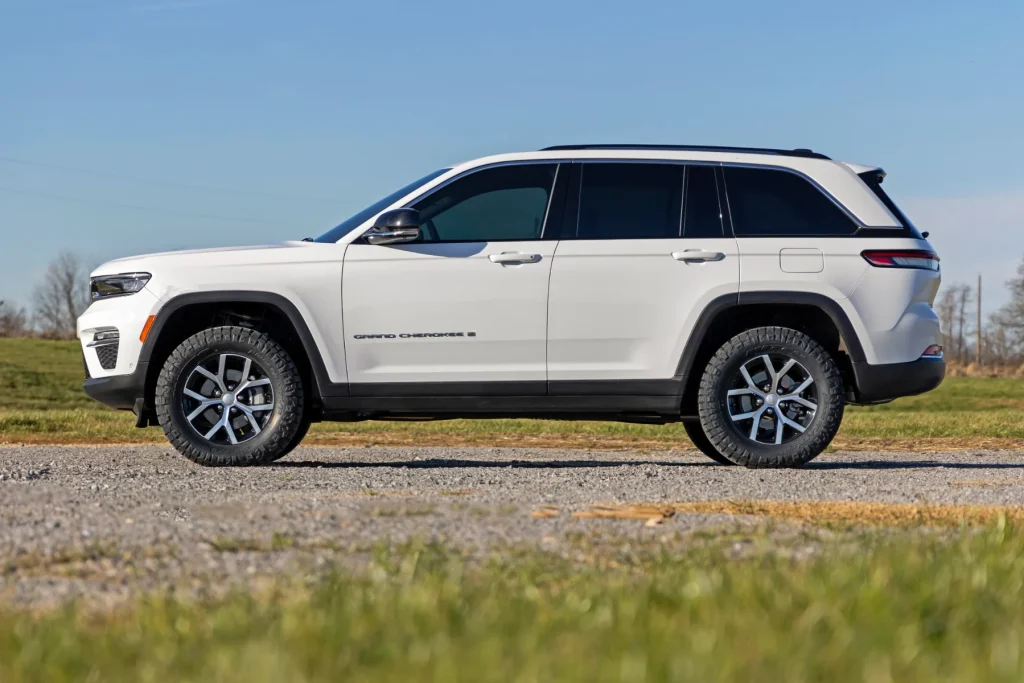
For buyers wanting an SUV that combines genuine off-road credentials with dependable daily transportation, the 2020 Jeep Grand Cherokee remains one of the most balanced choices Jeep has produced.
Specifications
- Engine: 3.6-liter Pentastar V6
- Torque: 260 lb-ft
- Horsepower: 295 hp
- Length/Width: 189.8 inches / 76.5 inches
3. 2018 Jeep Grand Cherokee
Not every successful SUV earns its reputation through dramatic redesigns. Sometimes the best ownership experience comes from a vehicle that has benefited from years of gradual refinement, and the 2018 Jeep Grand Cherokee is an excellent example.
By this point, Jeep had already addressed many of the mechanical and electronic issues that affected earlier versions of the fourth-generation platform. The result was an SUV that delivered dependable performance while preserving the rugged character that made the Grand Cherokee famous.
The standard 3.6-liter Pentastar V6 remains the strongest option for buyers focused on reliability. Producing 295 horsepower, it offers smooth acceleration and enough strength to tow trailers or handle steep mountain roads without feeling overworked.
The engine works exceptionally well with the ZF-designed eight-speed automatic transmission, which provides crisp shifts, improved fuel economy, and a much more refined driving experience than older Jeep transmissions.
One area where the 2018 Grand Cherokee continues to impress is cabin quality. Soft-touch materials, supportive seating, and an intuitive dashboard layout give the interior an upscale atmosphere.
The available Uconnect infotainment system is among the easiest to operate, while generous rear-seat space makes the SUV practical for families and long-distance travel.
Capability remains another defining characteristic. Jeep’s available Quadra-Trac II and Quadra-Drive II four-wheel-drive systems allow the Grand Cherokee to handle snow, mud, rocky trails, and rough terrain with confidence. Unlike many crossover competitors, it never loses its traditional Jeep identity.
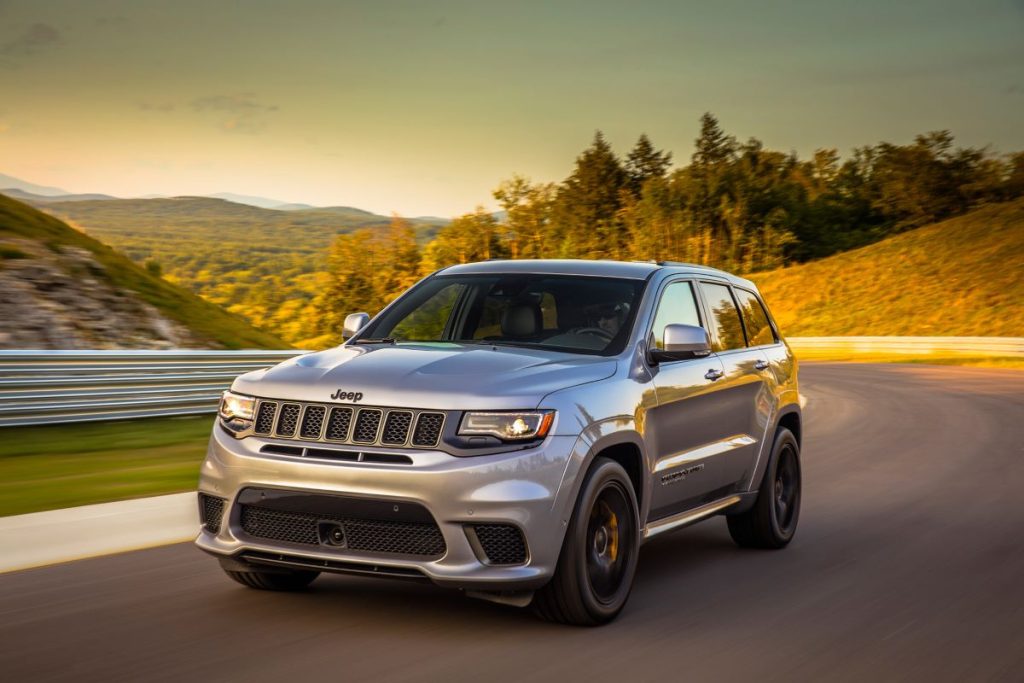
Maintenance costs remain reasonable for a midsize SUV with this level of capability, and replacement parts are widely available.
Buyers seeking a dependable Grand Cherokee that balances luxury, off-road performance, and long-term reliability will find the 2018 model to be one of the strongest used options available.
Specifications
- Engine: 3.6-liter Pentastar V6
- Torque: 260 lb-ft
- Horsepower: 295 hp
- Length/Width: 189.8 inches / 76.5 inches
4. 2017 Jeep Grand Cherokee
Choosing a used SUV often means finding a model that has already benefited from several years of engineering improvements without becoming outdated.
The 2017 Jeep Grand Cherokee fits that description remarkably well. It arrived after Jeep had refined the fourth-generation platform, producing an SUV that combined dependable mechanical components with premium comfort and excellent versatility.
Its naturally aspirated 3.6-liter Pentastar V6 has become one of Chrysler’s most respected engines because of its durability and relatively modest maintenance requirements.
Whether driving through city traffic or pulling a camper along the highway, the engine delivers steady performance while keeping fuel consumption in check. Paired with a dependable eight-speed automatic transmission, it provides smooth and predictable acceleration across the entire rev range.
The Grand Cherokee also distinguishes itself through its comfortable interior. Premium materials, supportive seats, and effective sound insulation make long-distance travel surprisingly relaxing.
Available leather upholstery, heated seats, and advanced infotainment features further increase comfort without introducing unnecessary complexity.
Jeep continued to emphasize capability as well. Even base four-wheel-drive models provide excellent traction in poor weather, while higher trims equipped with advanced terrain management systems are capable of tackling demanding off-road trails.
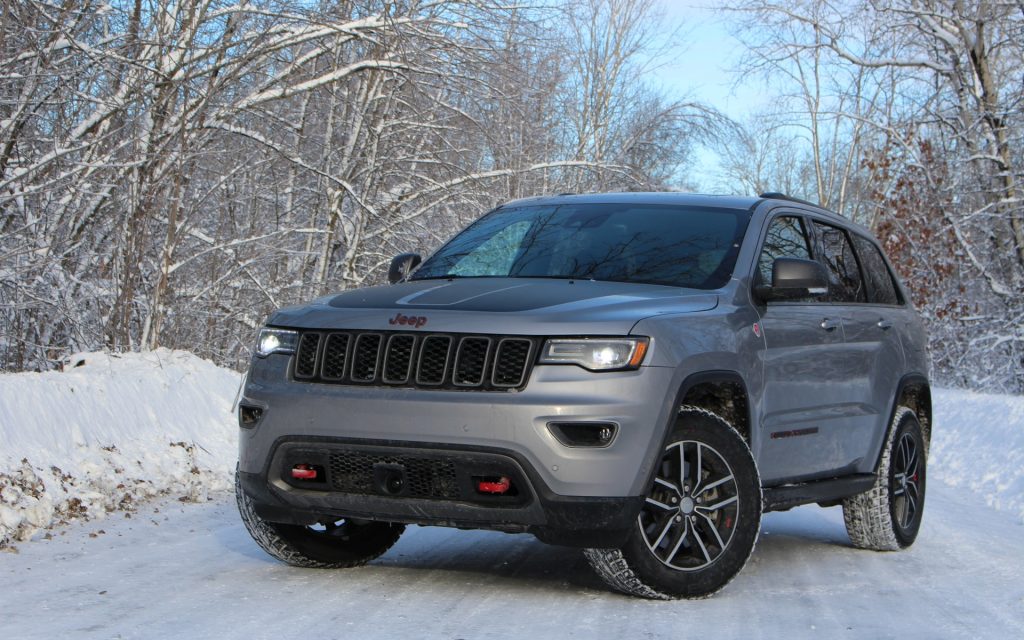
This versatility allows the Grand Cherokee to function equally well as a family SUV and an adventure vehicle.
Long-term ownership costs remain manageable because the Pentastar engine has established a solid reliability record, and experienced technicians are widely available.
Strong resale value and dependable engineering help the 2017 Grand Cherokee remain one of the most sensible used SUVs for buyers seeking comfort, utility, and authentic Jeep capability.
Specifications
- Engine: 3.6-liter Pentastar V6
- Torque: 260 lb-ft
- Horsepower: 295 hp
- Length/Width: 189.8 inches / 76.5 inches
4 Worst Years for the Jeep Grand Cherokee
The Jeep Grand Cherokee has built a loyal following by offering genuine off-road capability, powerful engine choices, and an upscale driving experience that few midsize SUVs can match.
Even with its long list of strengths, some production years have struggled with reliability issues that affected owner satisfaction and increased maintenance costs. Many of these concerns appeared during major redesigns or when Jeep introduced new technology before it had been fully refined.
The model years listed below experienced more complaints than surrounding years because of problems involving electrical systems, transmission behavior, Totally Integrated Power Module failures, air suspension components, engine issues, and electronic driver assistance features.
While not every vehicle developed these problems, they occurred often enough to influence reliability ratings and long-term ownership costs.
It is important to remember that a well-maintained Grand Cherokee from any year can still provide dependable transportation.
Complete service records, documented recall repairs, and regular maintenance significantly improve the likelihood of trouble-free ownership. However, buyers searching for the most reliable used SUV should pay close attention to the production years with the highest number of reported issues.
The following four Grand Cherokee model years deserve additional caution. They still offer the comfort, capability, and styling expected from Jeep, but recurring mechanical and electrical concerns make them riskier purchases than the stronger model years highlighted earlier.
1. 2011 Jeep Grand Cherokee
The 2011 Jeep Grand Cherokee marked the introduction of the fourth-generation WK2 platform, bringing dramatic improvements in ride quality, interior refinement, and technology.
While the redesign transformed the Grand Cherokee into a far more sophisticated SUV, the first production year also introduced numerous reliability concerns that affected many early owners.
Electrical problems became one of the most common complaints. The Totally Integrated Power Module, commonly known as the TIPM, developed failures that caused fuel pump issues, unexpected stalling, problems starting the engine, and erratic operation of electrical accessories.
Diagnosing these faults often proved difficult, resulting in expensive repairs and repeated visits to dealerships.
Transmission calibration also generated criticism during the early years. Some owners experienced rough shifting, hesitation, or delayed gear engagement before software updates improved performance.
Air suspension systems on higher trims occasionally developed leaks or compressor failures, creating costly repairs once warranty coverage expired.
Although the available 3.6-liter Pentastar V6 eventually became one of Jeep’s strongest engines, some early-production vehicles experienced cylinder head issues that required significant repairs.
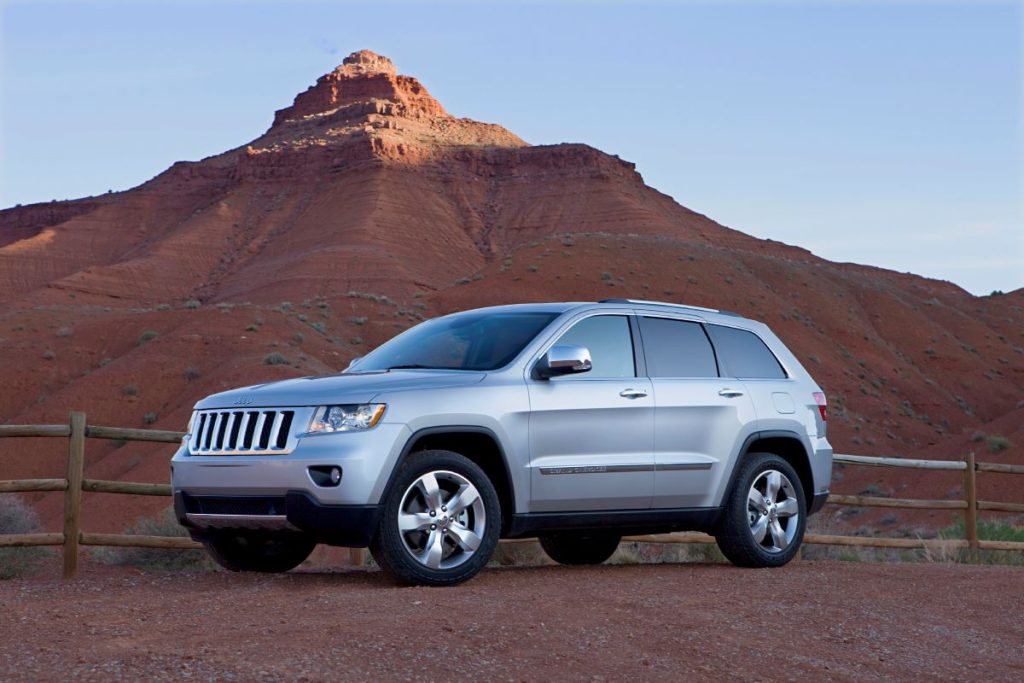
Interior quality represented a major improvement over previous generations, but electronic features such as keyless entry, navigation systems, and dashboard displays occasionally produced additional owner complaints.
The 2011 Grand Cherokee remains comfortable and highly capable, but buyers should verify that TIPM replacements, software updates, recall work, and engine repairs have already been completed. Later WK2 models generally provide a far more dependable ownership experience.
Specifications
- Engine: 3.6-liter Pentastar V6
- Torque: 260 lb-ft
- Horsepower: 290 hp
- Length/Width: 189.8 inches / 76.3 inches
2. 2014 Jeep Grand Cherokee
At first glance, the 2014 Jeep Grand Cherokee appears to be a strong used SUV because it introduced the highly regarded eight-speed automatic transmission and received meaningful styling updates.
However, this transitional model year also experienced several mechanical and electronic issues that prevent it from matching the reliability of later versions.
The newly introduced transmission occasionally suffered from rough shifting, hesitation, unexpected gear changes, and software calibration problems. Jeep released multiple software updates to improve transmission behavior, but some owners continued reporting inconsistent operation even after dealer servicing.
Electrical concerns remained another weakness. Malfunctions involving the Uconnect infotainment system, dashboard electronics, parking sensors, and various control modules became recurring owner complaints.
Vehicles equipped with the Quadra-Lift air suspension also experienced compressor failures, leaking air springs, and height sensor issues that could lead to expensive repairs.
Although the 3.6-liter Pentastar V6 generally remained dependable, some owners reported water pump failures and cooling system leaks after moderate mileage. Interior fit and finish also generated occasional complaints involving trim rattles and malfunctioning power accessories.
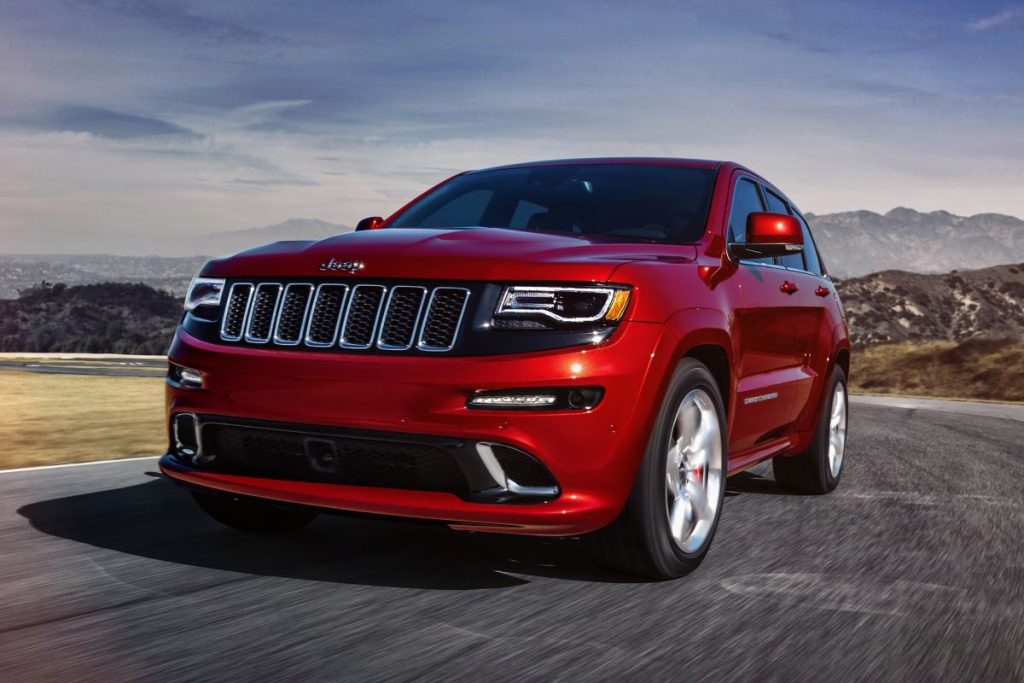
The 2014 Grand Cherokee still delivers a comfortable ride, premium interior, and impressive off-road capability, but buyers should confirm that transmission software updates, recall repairs, and air suspension maintenance have already been completed.
Later model years built on the same platform benefited from continued refinement and usually provide a more predictable long-term ownership experience.
Specifications
- Engine: 3.6-liter Pentastar V6
- Torque: 260 lb-ft
- Horsepower: 290 hp
- Length/Width: 189.8 inches / 76.5 inches
3. 2012 Jeep Grand Cherokee
The 2012 Jeep Grand Cherokee continued the fourth-generation platform introduced the previous year, offering a refined cabin, improved ride quality, and genuine off-road capability. While it addressed some early production concerns, several reliability problems remained, preventing it from becoming one of the stronger years in the lineup.
Buyers considering this model should pay close attention to maintenance history because repair costs can increase quickly if known issues have not been addressed.
One of the most frequently reported concerns involved the Totally Integrated Power Module. Failures within this component could lead to intermittent fuel pump operation, battery drain, electrical accessories malfunctioning, or difficulty starting the vehicle.
Because the TIPM controls numerous vehicle systems, diagnosing faults often required specialized equipment and could become expensive.
Some early 3.6-liter Pentastar V6 engines also experienced cylinder head problems that caused engine misfires and illuminated the check engine light. Jeep addressed many of these cases through warranty repairs, but buyers should verify that affected components have already been replaced.
Additional complaints involved water pumps, cooling system leaks, and occasional steering or suspension noise after higher mileage.
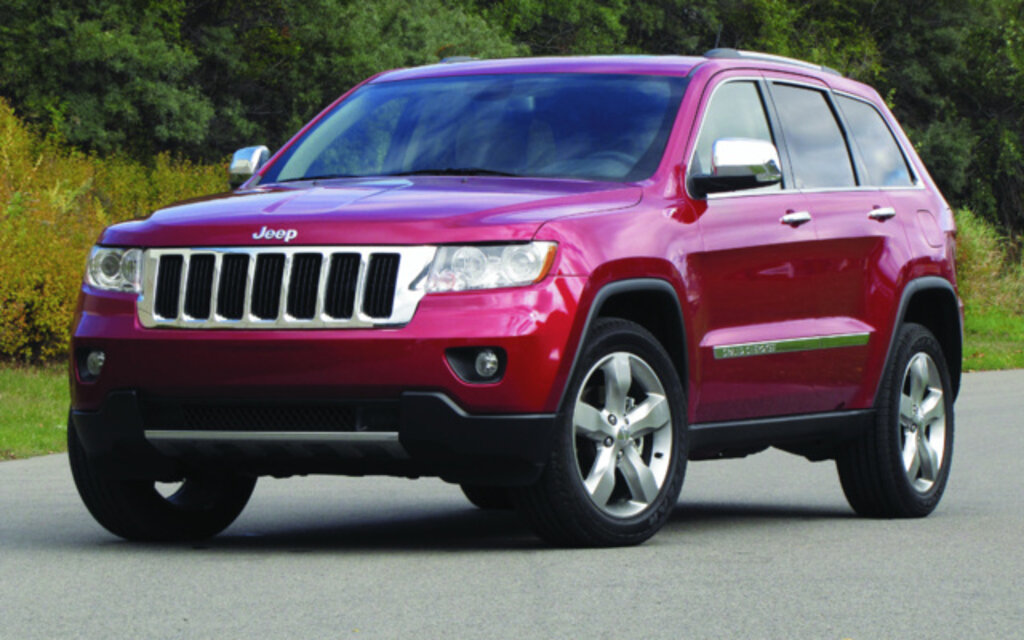
The Grand Cherokee continued to offer a comfortable interior and excellent road manners, making it enjoyable for daily driving as well as weekend adventures. Nevertheless, later production years resolved many of these mechanical and electronic concerns through continuous engineering improvements.
A complete service history showing recall completion, TIPM replacement where necessary, and regular maintenance greatly improves ownership prospects. Without documented repairs, the 2012 Grand Cherokee presents more financial risk than the stronger model years highlighted earlier.
Specifications
- Engine: 3.6-liter Pentastar V6
- Torque: 260 lb-ft
- Horsepower: 290 hp
- Length/Width: 189.8 inches / 76.3 inches
4. 2021 Jeep Grand Cherokee L
The introduction of the three-row Grand Cherokee L marked a significant milestone for Jeep, bringing a larger platform, a redesigned interior, and numerous new technologies.
While the vehicle impressed buyers with its premium appearance and increased passenger space, the first production year experienced several issues commonly associated with an all-new model.
Many owner complaints centered on electronics. The digital instrument cluster, infotainment system, driver assistance features, and various control modules occasionally experienced software glitches that resulted in warning messages, frozen displays, or intermittent operation.
Jeep released multiple software updates to improve system performance, but some owners required repeated dealer visits before all issues were resolved.
Air suspension-equipped models also generated complaints involving ride height sensors, compressor operation, and warning lights.
Although the available 3.6-liter Pentastar V6 and 5.7-liter HEMI V8 remained mechanically dependable, some owners reported transmission calibration concerns, including hesitation and inconsistent shifting at lower speeds.
Because the Grand Cherokee L introduced a completely new platform and significantly expanded technology, it naturally required time for engineering refinements. Later production years benefited from updated software, manufacturing improvements, and additional quality-control measures that reduced many early concerns.
The 2021 Grand Cherokee L remains spacious, comfortable, and highly capable, particularly for families needing three rows of seating. However, buyers should verify that all recall work, software updates, and technical service bulletins have been completed before purchasing a used example.
Specifications
- Engine: 3.6-liter Pentastar V6
- Torque: 257 lb-ft
- Horsepower: 290 hp
- Length/Width: 204.9 inches / 77.9 inches
