
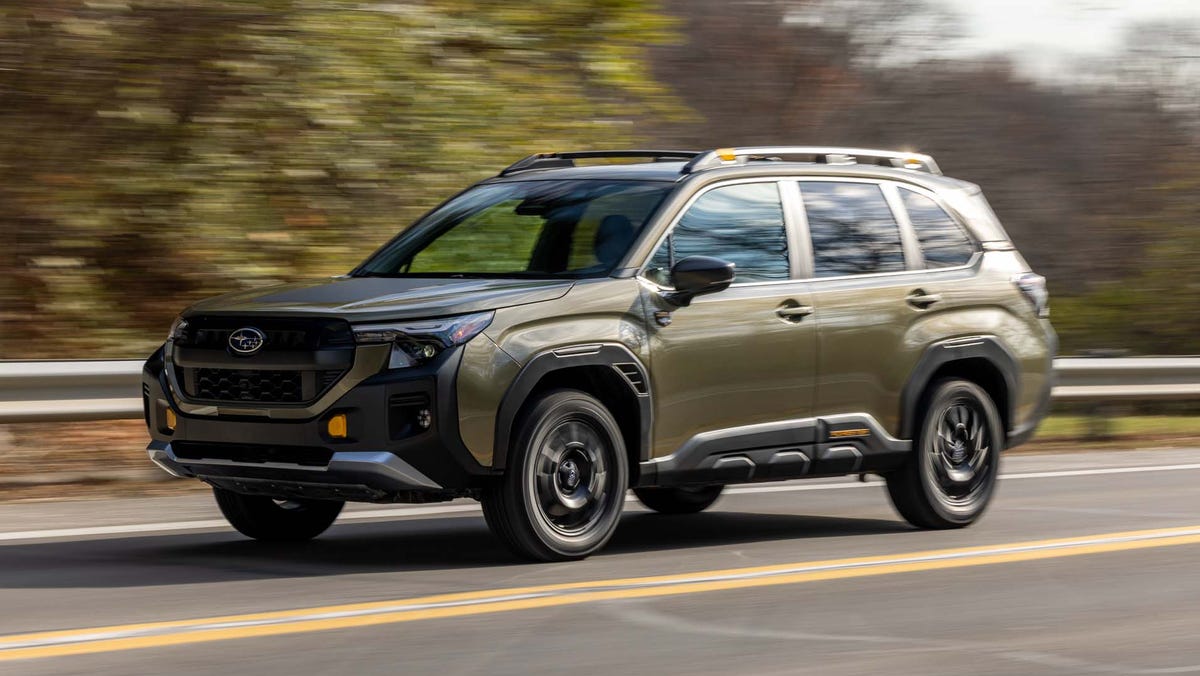
Since its debut in the late 1990s, the Subaru Forester has built a loyal following by combining the practicality of a compact SUV with the confident handling of a passenger car.
The Forester has remained true to Subaru’s long-standing commitment to its symmetrical all-wheel-drive system, even as many competing models shifted to front-wheel-drive platforms with optional all-wheel drive. This consistent design has made the Forester a preferred choice for drivers who regularly encounter snow, rain, gravel roads, and other demanding driving conditions.
Add in generous cargo space, excellent outward visibility, and a reputation for safety, and it is easy to understand why the Forester remains one of Subaru’s most successful vehicles.
That said, not every Forester model year has delivered the same ownership experience. Certain years stand out because they feature proven engines, refined transmissions, and durable mechanical components capable of lasting well beyond 200,000 miles with proper maintenance.
These models continue to receive praise from owners for their reliability, comfortable ride, and relatively low ownership costs.
Other production years have been associated with recurring issues such as excessive oil consumption, CVT transmission concerns, head gasket failures, and suspension or electrical problems.
While many of these vehicles still provide dependable transportation when maintained carefully, their history of owner complaints makes them less attractive choices for used-car buyers.
Choosing the right model year can significantly reduce maintenance expenses while increasing long-term satisfaction. Looking beyond appearance, mileage, and purchase price often reveals which Foresters truly represent the best value.
This guide highlights five Subaru Forester model years that consistently earn recognition for reliability and practicality, followed by five years that deserve additional caution because of documented mechanical concerns and higher ownership risks.
Also Read: 5 Volkswagen Models Worth Buying vs 5 to Avoid
5 Best Subaru Forester Years
1. 2021 Subaru Forester
By 2021, Subaru had refined the fifth-generation Forester into one of the most dependable compact SUVs in its lineup.
Building on the redesign introduced two years earlier, this model benefited from production improvements that enhanced reliability while preserving the qualities buyers expected from a Forester.
It combines a comfortable ride, advanced safety technology, and dependable engineering into a practical package suitable for nearly every lifestyle.
Power comes from Subaru’s naturally aspirated 2.5-liter BOXER four-cylinder engine paired with the company’s Lineartronic continuously variable transmission. The engine delivers smooth, predictable acceleration while maintaining impressive fuel economy.
The updated FB25 engine has developed a much stronger reputation for reliability than some earlier Subaru engines. When maintained according to Subaru’s recommended service schedule, it has largely avoided the oil consumption and head gasket problems that affected certain previous generations.
The Forester’s spacious interior remains one of its greatest strengths. Large windows provide exceptional visibility, rear-seat passengers enjoy generous legroom, and the cargo area easily accommodates luggage, bicycles, or camping equipment.
High-quality materials and thoughtfully designed controls create a cabin that feels functional without becoming overly complicated.
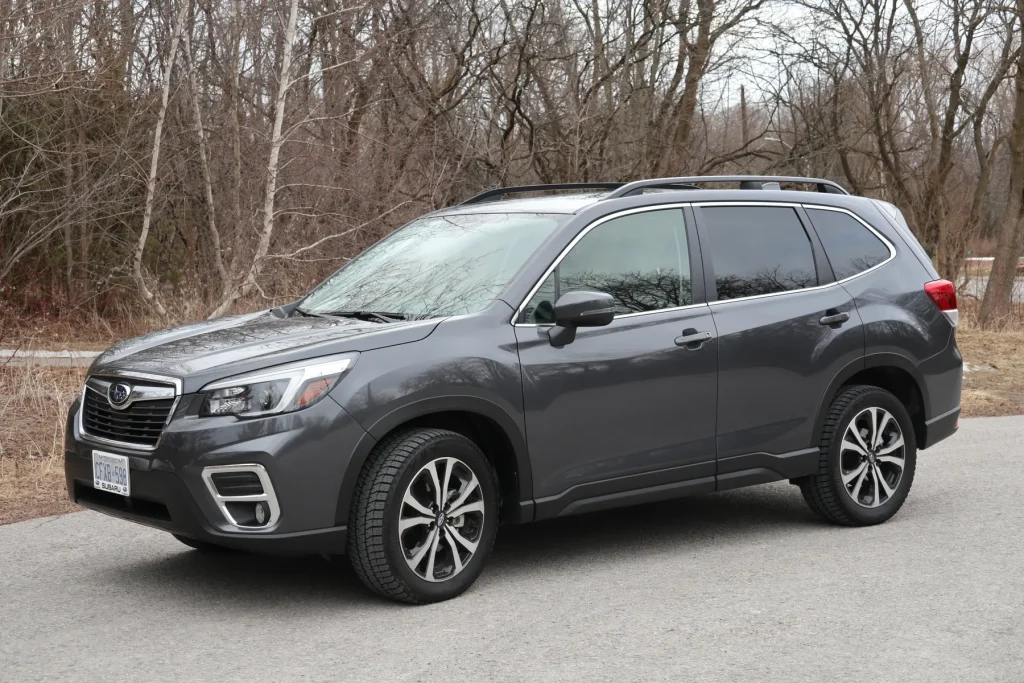
Every 2021 Forester includes Subaru’s EyeSight driver assistance system as standard equipment. Adaptive cruise control, lane centering assistance, pre-collision braking, and lane departure warning contribute to excellent safety ratings and increased driver confidence.
Maintenance costs remain reasonable, resale values are consistently strong, and Subaru’s all-wheel-drive system continues to perform exceptionally well in adverse weather.
Buyers seeking a dependable compact SUV that prioritizes practicality and long-term durability will find the 2021 Forester among the strongest choices in its class.
Specifications
- Engine: 2.5-liter naturally aspirated BOXER four-cylinder
- Torque: 176 lb-ft
- Horsepower: 182 hp
- Length/Width: 182.7 inches / 71.5 inches
2. 2018 Subaru Forester
Some of the best vehicles are produced near the end of a generation after years of engineering refinements have resolved early production issues. The 2018 Subaru Forester is an excellent example of that philosophy.
As the final model year before a complete redesign, it benefited from mature engineering and one of the strongest reliability records in the Forester lineup.
The naturally aspirated 2.5-liter BOXER engine provides dependable performance for daily driving while maintaining competitive fuel economy.
Paired with Subaru’s Lineartronic CVT, the drivetrain delivers smooth acceleration and predictable behavior in city traffic and on the highway. By 2018, Subaru had addressed many of the concerns associated with earlier CVT calibrations, improving long-term owner satisfaction.
Practicality remains central to the Forester’s appeal. The upright design creates exceptional headroom, wide door openings simplify entry and exit, and the cargo area ranks among the largest in the compact SUV segment. Visibility is another standout feature, allowing drivers to maneuver confidently in crowded parking lots and on narrow roads.
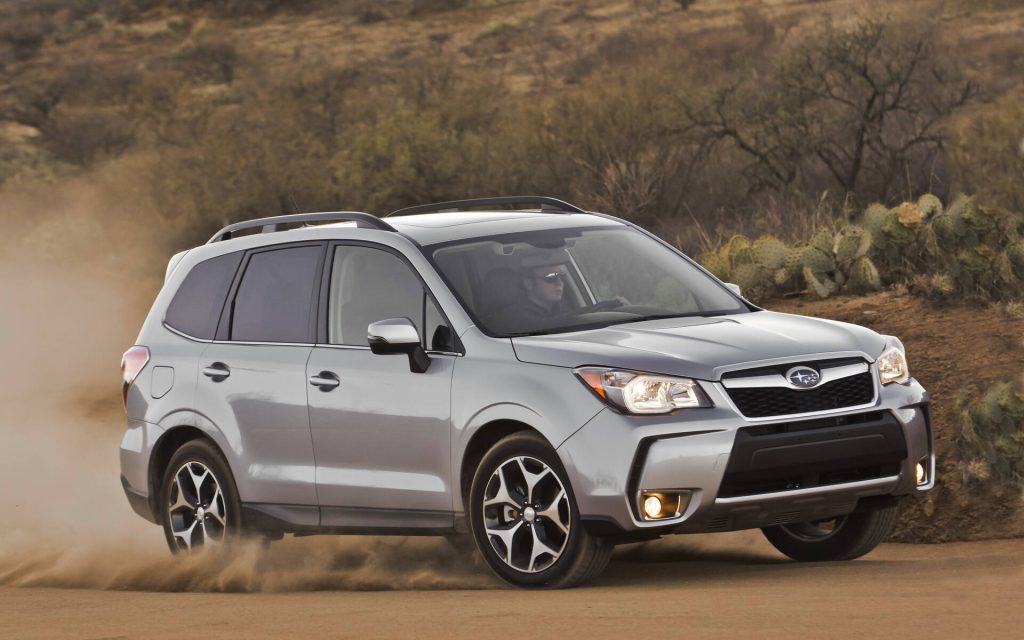
Ride quality strikes an effective balance between comfort and stability. The suspension absorbs rough pavement well while maintaining composed handling during cornering.
Subaru’s symmetrical all-wheel-drive system continues to provide dependable traction in rain, snow, and on loose surfaces, reinforcing the Forester’s reputation as a capable all-weather vehicle.
With a proven drivetrain, comfortable cabin, and relatively modest ownership costs, the 2018 Forester remains one of the smartest used compact SUV purchases for buyers seeking reliability without sacrificing versatility.
Specifications
- Engine: 2.5-liter naturally aspirated BOXER four-cylinder
- Torque: 174 lb-ft
- Horsepower: 170 hp
- Length/Width: 181.5 inches / 70.7 inches
3. 2019 Subaru Forester
The arrival of a new generation often creates uncertainty because buyers wonder whether fresh engineering will maintain the reliability of the outgoing model. In the case of the 2019 Subaru Forester, Subaru managed that transition remarkably well.
Built on the Subaru Global Platform, this redesign introduced a stiffer chassis, better crash protection, improved ride comfort, and a more refined cabin without sacrificing the rugged practicality that had defined the Forester for years.
Power comes from an updated 2.5-liter FB25 BOXER engine that features direct fuel injection for improved efficiency and smoother power delivery.
While horsepower remained modest compared with some competitors, the engine performs consistently during everyday driving and pairs well with the continuously variable transmission.
Acceleration feels predictable, and the all-wheel-drive system continues to provide excellent traction on wet roads, gravel, and snowy conditions.
One of the biggest improvements is the interior. Subaru increased passenger space, upgraded material quality, and redesigned the seats for greater comfort during long journeys.
The larger cargo compartment makes carrying luggage, outdoor equipment, or family gear remarkably easy. Excellent visibility remains one of the Forester’s defining characteristics thanks to its large windows and relatively thin roof pillars.
Safety also took a significant step forward. Subaru made the EyeSight driver assistance suite available across the lineup, providing adaptive cruise control, lane departure warning, lane centering, and automatic emergency braking.
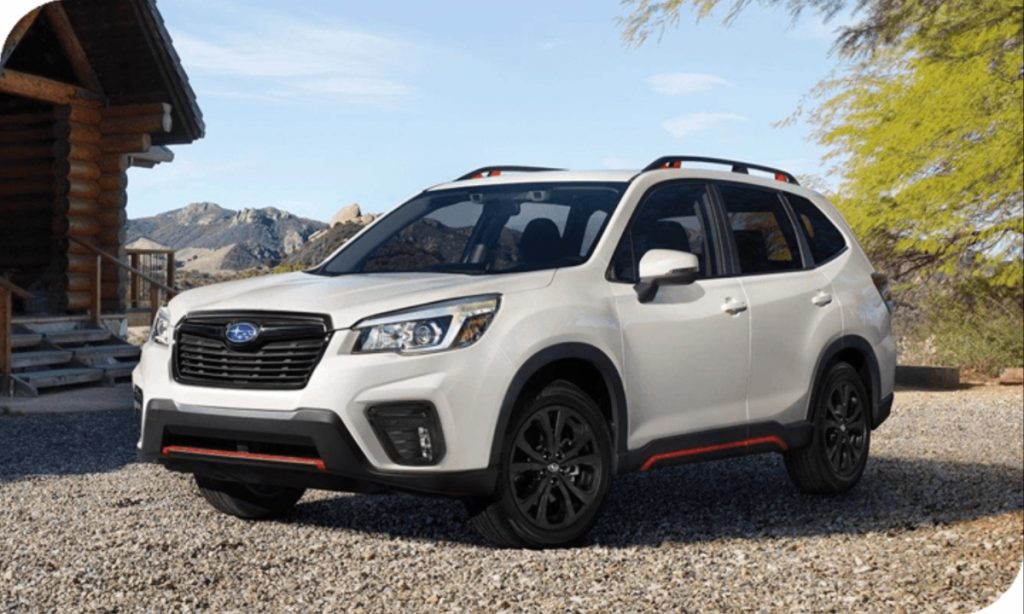
These features contributed to outstanding crash-test performance and reinforced the Forester’s family-friendly reputation.
For buyers who want a modern compact SUV with proven all-weather capability, practical packaging, and dependable engineering, the 2019 Forester remains one of Subaru’s strongest achievements.
Specifications
- Engine: 2.5-liter naturally aspirated BOXER four-cylinder
- Torque: 176 lb-ft
- Horsepower: 182 hp
- Length/Width: 182.1 inches / 71.5 inches
4. 2016 Subaru Forester
Some SUVs impress with dramatic styling, while others earn loyalty by consistently performing their everyday duties without complaint. The 2016 Subaru Forester belongs firmly in the second group.
By the middle of the fourth generation, Subaru had refined the vehicle into a dependable compact SUV that balanced comfort, efficiency, and capability while avoiding many of the widespread reliability concerns associated with earlier models.
Its naturally aspirated 2.5-liter BOXER engine has established a solid reputation for longevity when maintained properly. Routine oil changes, scheduled fluid replacements, and preventative maintenance are usually enough to keep the engine operating reliably for many years.
Combined with Subaru’s symmetrical all-wheel-drive system, the Forester delivers confident handling in changing weather without requiring driver intervention.
Inside, practicality takes priority over flashy design. The upgraded seating position provides an excellent view of the road, and generous rear-seat headroom makes the vehicle comfortable for taller passengers.
The cargo area easily accommodates bicycles, camping supplies, or home improvement materials, making the Forester particularly appealing to active families.
Ride comfort is another strength. The suspension handles rough pavement effectively while maintaining composed body control through corners. Road noise is kept to a reasonable level, allowing the Forester to remain comfortable during extended highway travel. Fuel economy also remains competitive within the compact SUV segment.
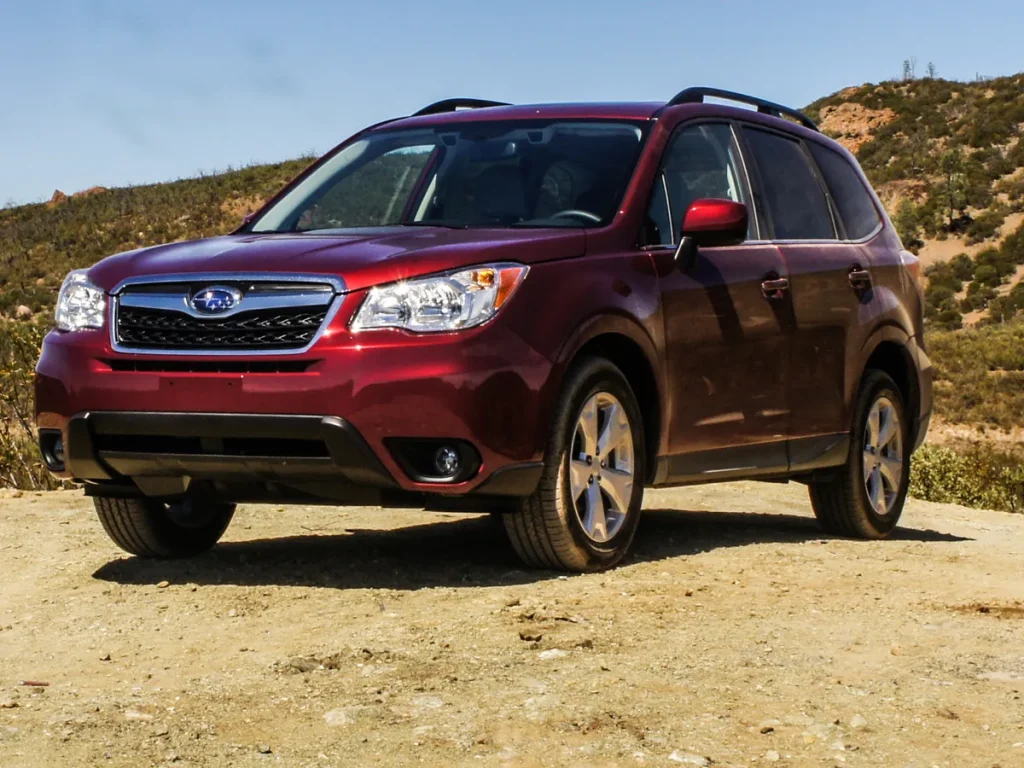
Long-term ownership costs remain manageable because replacement parts are readily available and many independent mechanics are experienced with Subaru’s BOXER engines.
Buyers looking for a dependable used SUV that combines practical design with proven all-weather capability will find the 2016 Forester among the best values available.
Specifications
- Engine: 2.5-liter naturally aspirated BOXER four-cylinder
- Torque: 174 lb-ft
- Horsepower: 170 hp
- Length/Width: 180.9 inches / 70.7 inches
5. 2014 Subaru Forester
The 2014 Subaru Forester marked the beginning of the fourth generation, introducing a completely redesigned platform that significantly improved interior space, fuel efficiency, and driving comfort.
While first-year redesigns often raise concerns among used-car buyers, the 2014 Forester proved to be one of Subaru’s more successful launches thanks to meaningful engineering improvements and a dependable naturally aspirated powertrain.
The standard 2.5-liter FB25 BOXER engine delivered a balance of efficiency and reliability that appealed to families and outdoor enthusiasts alike. Paired with Subaru’s Lineartronic continuously variable transmission, the drivetrain offered smooth operation during city commuting and relaxed highway cruising.
The all-wheel-drive system remained one of the Forester’s greatest strengths, providing dependable traction in rain, snow, and loose terrain without requiring driver input.
Subaru also focused heavily on practicality. The taller roofline increased headroom for every passenger, while the larger cargo compartment made the Forester even more versatile for camping gear, bicycles, luggage, and everyday shopping.
The wide rear hatch and low cargo floor simplified loading heavy items, making the vehicle especially useful for active households.
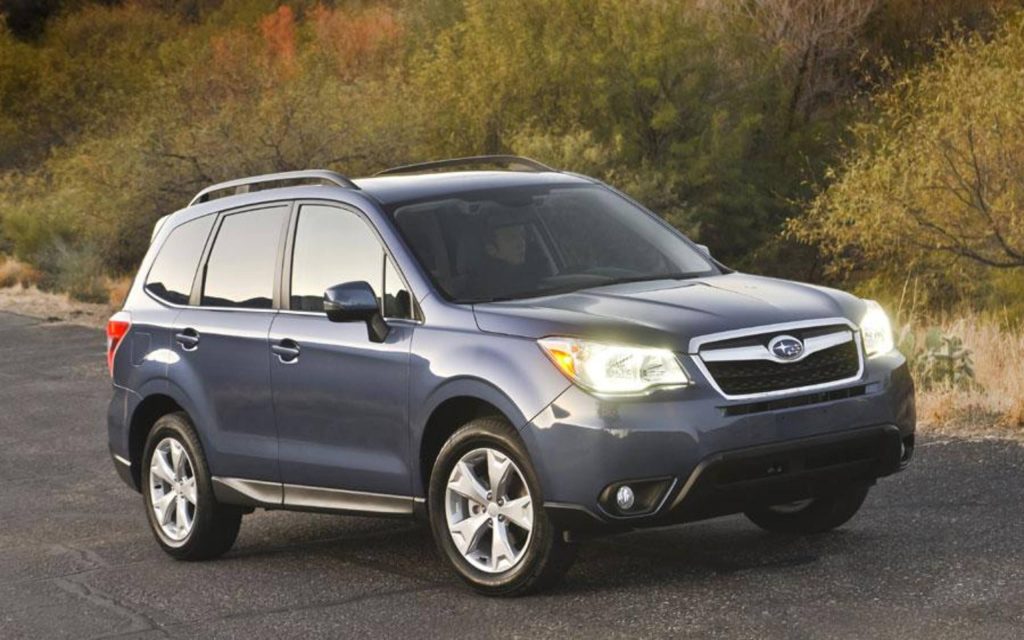
Ride quality improved considerably compared with the previous generation. The suspension absorbed uneven roads with greater confidence, and the cabin became noticeably quieter during highway driving. Visibility continued to be among the best in the compact SUV segment, reducing driver fatigue and improving confidence in busy traffic.
When serviced regularly, the naturally aspirated version of the 2014 Forester has demonstrated strong long-term durability.
Combined with excellent resale value, affordable operating costs, and Subaru’s dependable all-wheel-drive system, it remains one of the strongest choices for buyers seeking a capable compact SUV.
Specifications
- Engine: 2.5-liter naturally aspirated BOXER four-cylinder
- Torque: 174 lb-ft
- Horsepower: 170 hp
- Length/Width: 180.9 inches / 70.7 inches
5 Subaru Forester Years to Avoid
1. 2011 Subaru Forester
The 2011 Subaru Forester remains a capable compact SUV with excellent visibility and dependable all-wheel-drive performance, but it is also one of the model years most frequently associated with excessive oil consumption.
Many vehicles equipped with the naturally aspirated 2.5-liter FB25 BOXER engine began using noticeably more oil between scheduled service intervals, sometimes requiring owners to add oil regularly to prevent the engine level from dropping too low.
Subaru later acknowledged the concern through service campaigns and warranty extensions for certain vehicles, but the issue continues to define this model year.
Another area of concern involves the timing chain components and engine seals. While catastrophic failures were uncommon, some owners reported oil leaks around the valve covers and timing cover after higher mileage.
Suspension wear also appeared earlier than expected in some vehicles, particularly involving bushings and wheel bearings that required replacement to restore ride quality.
The interior remained practical and comfortable, with generous cargo capacity and excellent outward visibility, but the cabin also developed occasional rattles and premature wear as mileage increased.
Routine maintenance costs stayed relatively reasonable, yet buyers who overlooked oil consumption problems often faced more expensive engine repairs later.

The 2011 Forester still offers strong winter capability and predictable road manners, but anyone considering this model should carefully review maintenance records and verify whether Subaru’s recommended repairs or warranty work were completed.
Buyers who prioritize long-term reliability are generally better served by later Forester models that benefited from updated engine components and improved manufacturing processes.
Specifications
- Engine: 2.5-liter naturally aspirated BOXER four-cylinder
- Torque: 174 lb-ft
- Horsepower: 170 hp
- Length/Width: 179.5 inches / 70.1 inches
2. 2015 Subaru Forester
At first glance, the 2015 Subaru Forester appears to be an excellent used SUV because it combines generous interior space, impressive visibility, and Subaru’s dependable all-wheel-drive system.
However, beneath those strengths lies a collection of recurring issues that prevent this model year from matching the reliability of the best Foresters.
One of the most common complaints involves the Lineartronic continuously variable transmission. Some owners reported hesitation during acceleration, shuddering at lower speeds, unusual noises, and premature component wear.
Subaru extended warranty coverage for certain CVT-related concerns, but buyers should still confirm that any necessary repairs have already been completed before purchasing a used example.
Oil consumption remained another concern for some naturally aspirated 2.5-liter engines, although the problem was less widespread than on earlier models. Owners also reported wheel bearing failures, suspension noise, and occasional electrical issues involving sensors and dashboard warning lights.
While these problems did not affect every Forester, they occurred often enough to influence long-term owner satisfaction.
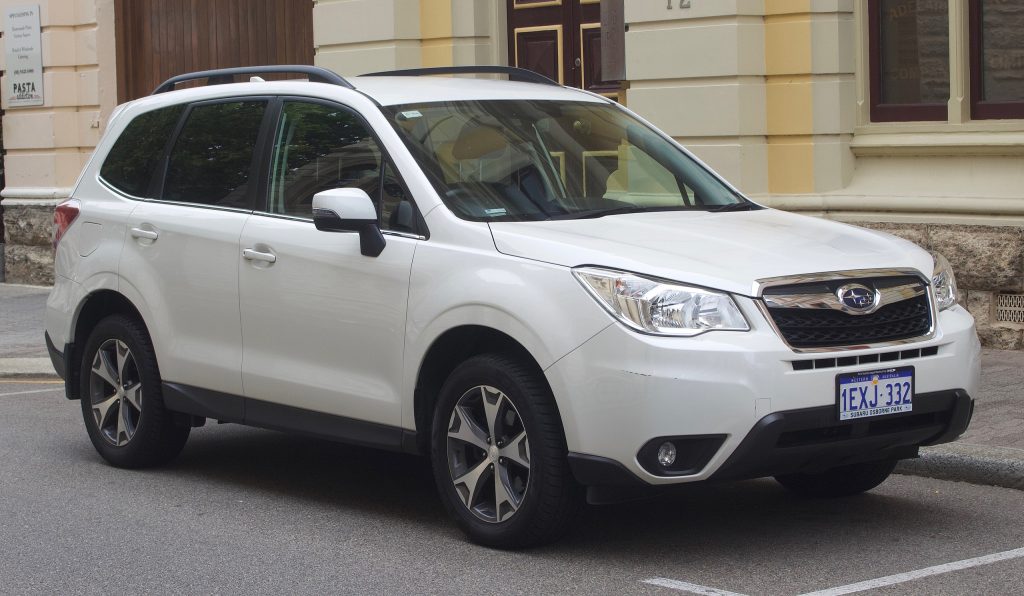
The Forester continues to provide excellent cargo capacity, comfortable seating, and confident performance during poor weather. Nevertheless, buyers seeking dependable long-term ownership should inspect service records carefully and confirm regular transmission maintenance.
Choosing a 2018 or newer Forester generally results in a more refined ownership experience with fewer recurring mechanical concerns.
Specifications
- Engine: 2.5-liter naturally aspirated BOXER four-cylinder
- Torque: 174 lb-ft
- Horsepower: 170 hp
- Length/Width: 180.9 inches / 70.7 inches
3. 2010 Subaru Forester
The 2010 Subaru Forester arrived with the same practical design and excellent all-wheel-drive capability that made the model popular, but it also carried forward several mechanical concerns that affected owner satisfaction.
While the SUV remained comfortable and highly capable in poor weather, recurring engine problems made this one of the less desirable years for buyers seeking dependable long-term ownership.
The most significant issue involved the 2.5-liter EJ25 BOXER engine, which continued to experience external head gasket leaks on some vehicles. Although Subaru had improved the design compared with earlier generations, coolant and oil leaks still appeared often enough to become a well-known concern.
Repairing head gaskets is labor-intensive because of the horizontally opposed engine layout, making the repair considerably more expensive than many owners anticipated.
Owners also reported premature wheel bearing wear, oil seepage from engine seals, and suspension components that required replacement earlier than expected. Some vehicles developed steering vibration or brake pulsation after accumulating higher mileage, adding further maintenance expenses.
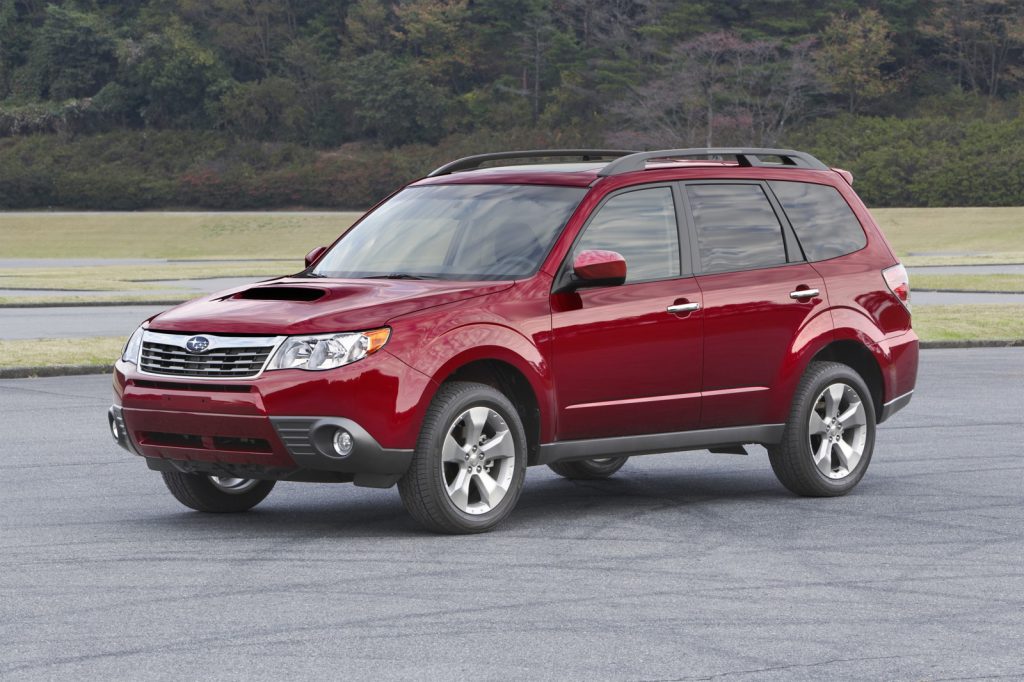
The Forester still delivers a spacious interior, excellent visibility, and dependable traction on slippery roads, making it an enjoyable vehicle for outdoor enthusiasts.
However, buyers should carefully inspect service records to determine whether head gasket repairs, wheel bearing replacements, and regular cooling system maintenance have already been completed.
Choosing a later Forester equipped with Subaru’s updated FB-series engine generally provides a more dependable ownership experience.
Specifications
- Engine: 2.5-liter naturally aspirated BOXER four-cylinder (EJ25)
- Torque: 166 lb-ft
- Horsepower: 170 hp
- Length/Width: 179.5 inches / 70.1 inches
4. 2003 Subaru Forester
The 2003 Subaru Forester introduced the second generation with improved safety, a stronger structure, and a more refined cabin.
While these updates represented meaningful progress, this model year also inherited several reliability concerns that have become increasingly important as the vehicles have aged.
The naturally aspirated 2.5-liter EJ25 engine is known for external head gasket failures, one of the most common problems affecting Subaru models from this period. Coolant leaks often developed gradually before becoming serious enough to require major repairs.
Timing belt maintenance is another important consideration because neglecting scheduled replacement can increase the risk of expensive engine damage.
Rust has become an additional concern in regions where road salt is commonly used during winter. Suspension mounting points, subframes, brake lines, and fuel lines should all be inspected carefully before purchase.
Owners have also reported aging electrical components, worn wheel bearings, and deteriorating rubber bushings after years of service.
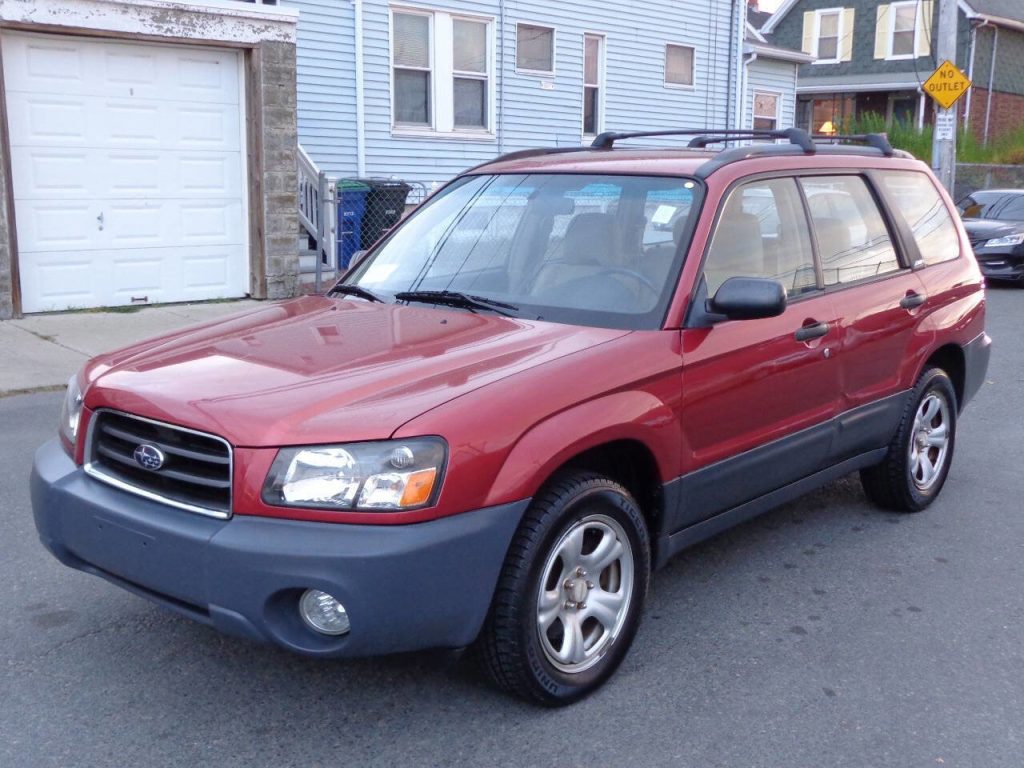
Despite these issues, the 2003 Forester remains surprisingly capable off paved roads thanks to its compact dimensions and dependable all-wheel-drive system.
Buyers interested in this generation should focus on examples with documented head gasket replacement, complete maintenance records, and minimal corrosion. Without those factors, repair costs can quickly exceed the vehicle’s purchase price.
Specifications
- Engine: 2.5-liter naturally aspirated BOXER four-cylinder (EJ25)
- Torque: 165 lb-ft
- Horsepower: 165 hp
- Length/Width: 175.2 inches / 68.3 inches
5. 2014 Subaru Forester XT
While the naturally aspirated 2014 Forester earned praise for its reliability, the turbocharged Forester XT followed a different ownership path.
Equipped with Subaru’s 2.0-liter direct-injected turbocharged FA20 engine, the XT delivered significantly stronger performance, but the added complexity introduced maintenance concerns that were not present on the standard model.
Some owners reported excessive oil consumption, carbon buildup on the intake valves due to direct injection, and occasional turbocharger-related issues after higher mileage. The Lineartronic CVT also received complaints involving hesitation, unusual noises, and premature wear in some vehicles subjected to frequent towing or spirited driving.
Subaru later introduced software updates and warranty extensions for certain transmission concerns, but buyers should still verify that all applicable service work has been completed.
Maintenance costs are naturally higher than those of the standard Forester because the turbocharged engine requires premium fuel, more frequent attention to oil quality, and additional cooling components.
While many XT models have proven reliable with meticulous maintenance, neglected examples can become expensive to restore.
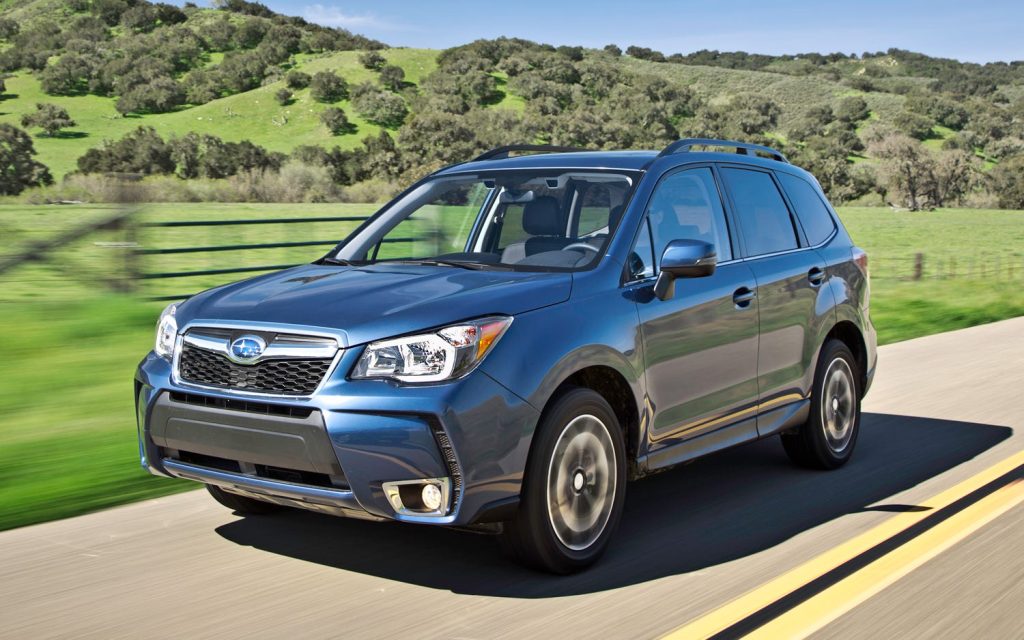
The Forester XT remains an enjoyable compact performance SUV with excellent traction, quick acceleration, and impressive practicality. However, buyers seeking the lowest ownership costs and greatest long-term reliability will generally be better served by the naturally aspirated Forester models highlighted earlier in this guide.
Specifications
- Engine: 2.0-liter turbocharged BOXER four-cylinder
- Torque: 258 lb-ft
- Horsepower: 250 hp
- Length/Width: 180.9 inches / 70.7 inches
Also Read: 5 Best and Worst Years for the Honda CR-V
