
Modern vehicles have evolved into sophisticated computers on wheels. Along with improving safety, navigation, and convenience, they also collect an unprecedented amount of operational data every time they are driven.
Many owners are unaware that their vehicles continuously record information such as speed, throttle position, braking force, steering input, seat belt usage, GPS location, diagnostic trouble codes, and even the moments leading up to a collision.
Much of this data is gathered automatically by onboard systems that function regardless of whether the driver actively enables connected services or smartphone applications.
It is important to distinguish between mandatory vehicle data recording and optional connected services. Many modern vehicles include Event Data Recorders (EDRs), which are designed to capture information before, during, and after certain crash events.
Other models also store operational data for diagnostics, maintenance, advanced driver assistance systems, and software improvements.
Depending on the manufacturer and vehicle settings, some connected services may transmit additional information to cloud-based servers, while certain core recording functions remain active because they are built into the vehicle’s electronic architecture.
Understanding how these systems work helps owners make informed decisions about privacy, connected features, and data sharing.
The following vehicles are among those equipped with extensive onboard data recording capabilities through factory-installed systems that collect operational information as part of their normal design.
Also Read: 10 Beginner Motorcycles That Hold Their Value Best
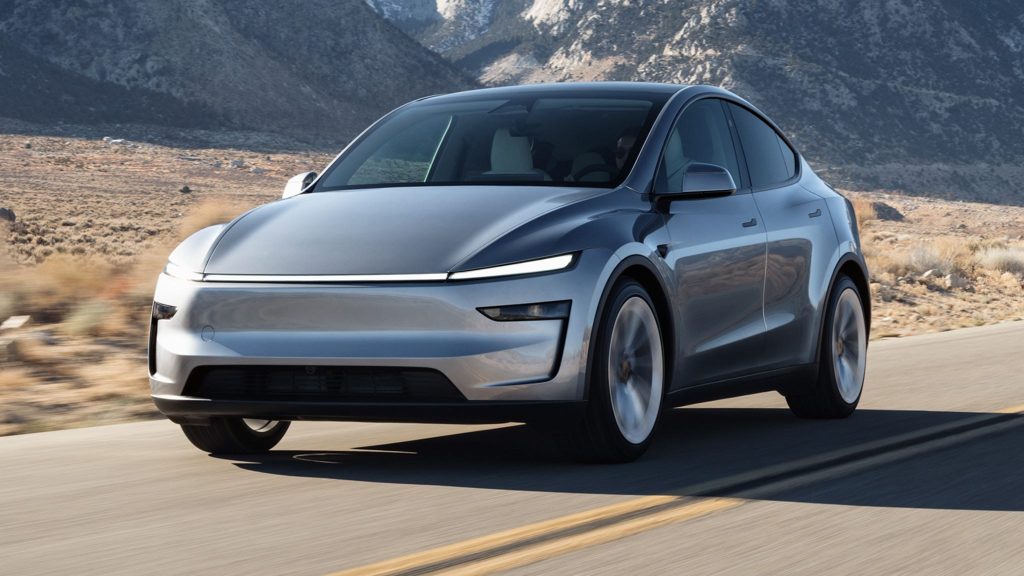
1. Tesla Model Y
The Tesla Model Y represents one of the most software-driven vehicles on the road today. Nearly every function, from acceleration to navigation and driver assistance, depends on an extensive network of sensors and electronic control modules.
As part of normal operation, the vehicle continuously records a wide range of operational information that supports diagnostics, safety systems, software validation, and advanced driver assistance features.
Much of this recording occurs automatically because it is fundamental to how the vehicle operates rather than an optional convenience feature.
One of the primary recording systems is the Event Data Recorder, which stores information related to certain crash events. Depending on the situation, this may include vehicle speed, accelerator position, brake application, steering input, seat belt status, and airbag deployment timing.
These systems are common throughout the automotive industry and are intended to assist engineers and investigators in understanding collision events.
Beyond crash recording, the Model Y also generates diagnostic information used to monitor battery health, electric drive performance, sensor operation, and software functionality.
Vehicles equipped with connected services may also transmit selected diagnostic information to Tesla for maintenance support, remote diagnostics, software updates, and feature improvements, subject to applicable settings and regional privacy regulations.
Owners should understand that some data collection is inherent to the vehicle’s electronic systems and cannot simply be disabled without affecting important safety or operational functions.
At the same time, Tesla provides privacy controls for certain connected services and data-sharing preferences, allowing owners to manage some categories of transmitted information.
The Model Y illustrates how modern electric vehicles increasingly rely on continuous data collection to improve reliability, safety, and software performance throughout the ownership experience.
Specifications
- Engine: Dual permanent-magnet electric motors
- Torque: 376 lb-ft
- Horsepower: 425 hp
- Length/Width: 187.0 in / 78.0 in
2. Chevrolet Equinox EV
The Chevrolet Equinox EV combines electric propulsion with a highly connected electronic architecture that constantly monitors vehicle operation. Like many modern vehicles, it includes an event data recorder that automatically captures specific operational information during qualifying crash events.
This recording is built into the vehicle’s safety systems and operates independently of many optional connected services, meaning it is present regardless of whether owners actively use smartphone applications or subscription features.
During an event that triggers the recorder, the system may store information such as vehicle speed, steering angle, accelerator position, brake usage, seat belt status, and airbag deployment timing.
These records are intended to assist engineers, manufacturers, and investigators in understanding how safety systems performed during a collision.
Outside of crash events, the Equinox EV also records diagnostic information used to monitor battery condition, charging performance, electric motor operation, thermal management systems, and numerous electronic control modules.
This data helps identify maintenance needs, supports warranty diagnostics, and assists technicians when servicing the vehicle.
Owners who activate connected services through GM’s digital ecosystem may choose to enable additional cloud-based features that rely on transmitting certain vehicle information.
However, the vehicle’s onboard diagnostic recording and Event Data Recorder remain integral parts of its factory safety and engineering systems regardless of participation in those optional services.
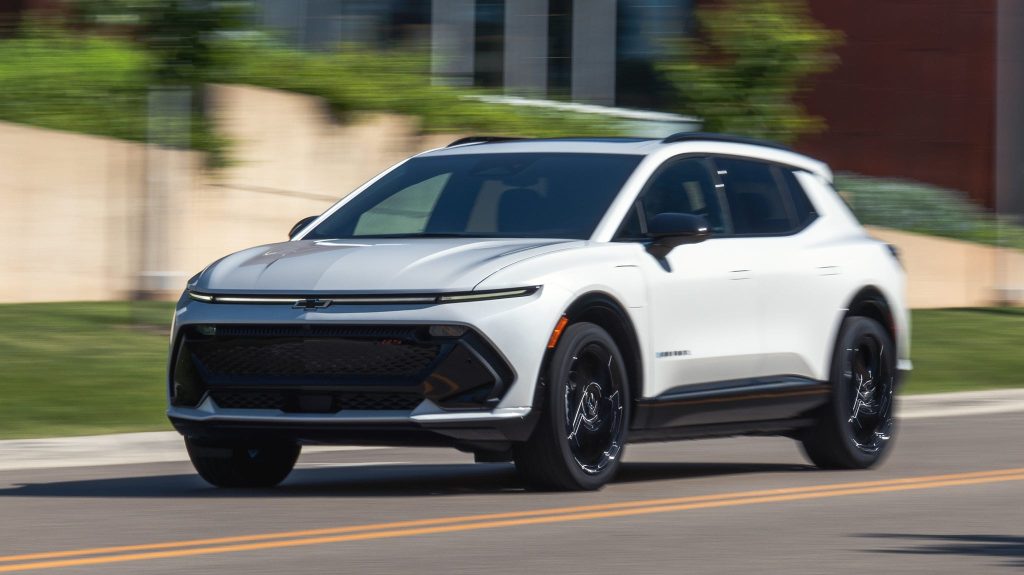
As vehicles become increasingly dependent on software, continuous operational monitoring has become a normal part of modern automotive engineering. The Equinox EV demonstrates how extensive onboard data recording now supports everything from crash analysis to preventive maintenance and long-term system reliability.
Specifications
- Engine: Single permanent-magnet electric motor
- Torque: 242 lb-ft
- Horsepower: 220 hp
- Length/Width: 190.6 in / 76.9 in
3. Ford F-150
The Ford F-150 has evolved into one of the most technologically advanced pickup trucks on the market. Alongside its towing capability and powerful engine options, the truck incorporates an extensive network of sensors and electronic control units that monitor vehicle performance continuously.
Like virtually all modern passenger vehicles sold in the United States, the F-150 includes a factory-installed event data recorder that automatically stores certain operational information during qualifying crash events.
This function is integrated into the truck’s safety systems and is not something owners typically activate or deactivate through everyday settings.
The Event Data Recorder is designed to capture a brief snapshot of vehicle operation surrounding a collision. Information may include speed, throttle position, brake application, steering input, seat belt usage, engine performance, and airbag deployment timing.
Engineers use this information to evaluate safety system performance, while investigators may access it under circumstances permitted by applicable laws.
The truck also records extensive diagnostic information during normal operation. Electronic modules continuously monitor the engine, transmission, emissions systems, four-wheel-drive components, trailer functions, and driver assistance technologies.
This information helps technicians diagnose faults more efficiently and supports preventive maintenance throughout the truck’s lifespan.
Owners who subscribe to connected services may enable additional remote features that transmit selected vehicle information through Ford’s connected platform.

However, these optional services are separate from the onboard recording performed by safety and diagnostic systems that remain active as part of the truck’s electronic architecture.
The modern F-150 illustrates how today’s pickups depend on continuous electronic monitoring to improve reliability, enhance safety, and simplify vehicle servicing while maintaining the advanced capabilities expected from a full-size truck.
Specifications
- Engine: 3.5-liter EcoBoost twin-turbocharged V6
- Torque: 500 lb-ft
- Horsepower: 400 hp
- Length/Width: 232.0 in / 79.9 in
4. BMW i5
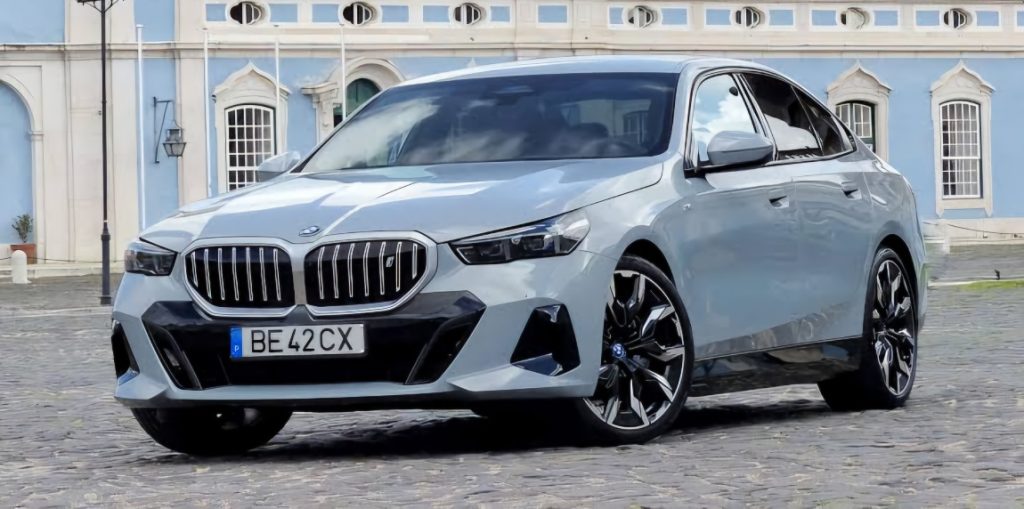
The BMW i5 demonstrates how premium electric sedans increasingly rely on software and electronic monitoring to deliver performance, efficiency, and safety. Beneath its luxury exterior operates a sophisticated collection of control modules that continually observe numerous vehicle systems.
As with other modern vehicles, the i5 incorporates an event data recorder that automatically captures certain information during specific crash events. This recording function exists independently of optional smartphone applications or subscription services.
When activated by a qualifying incident, the recorder may preserve details such as vehicle speed, steering angle, accelerator position, braking activity, seat belt status, and airbag deployment timing.
These records help engineers evaluate safety performance and may assist authorized investigators when reconstructing collision events.
The vehicle also generates diagnostic data throughout everyday driving. Battery temperature, charging behavior, motor efficiency, regenerative braking performance, suspension operation, and numerous electronic systems are continuously monitored to support maintenance, software optimization, and long-term reliability. This information allows technicians to identify issues more accurately during servicing.
Owners who choose to use BMW ConnectedDrive services can access additional connected functions that rely on transmitting selected vehicle information through secure cloud infrastructure. Those optional features operate separately from the onboard data recording required for vehicle diagnostics and safety functions.
As software becomes increasingly central to vehicle operation, electronic monitoring has become an essential engineering tool rather than simply a convenience feature.
The BMW i5 reflects this industry-wide transition by using continuous operational data to support advanced safety technologies, improve efficiency, and maintain the sophisticated systems expected from a modern luxury electric sedan.
Specifications
- Engine: Single electrically excited synchronous motor
- Torque: 295 lb-ft
- Horsepower: 335 hp
- Length/Width: 199.2 in / 74.8 in
5. Mercedes-Benz EQE Sedan
Luxury electric sedans rely heavily on electronic systems, and the Mercedes-Benz EQE Sedan is a prime example. Hundreds of sensors and multiple control units constantly monitor vehicle operation to support safety features, battery management, driver assistance systems, and full performance.
Like other modern passenger vehicles, the EQE includes a factory-installed event data recorder that automatically captures specific operational information during qualifying crash events. This function is integrated into the vehicle’s safety architecture and operates independently of many optional connected services.
When a collision meets predefined conditions, the recorder may save information such as vehicle speed, steering angle, accelerator input, brake usage, seat belt status, and airbag deployment timing.
The stored information is intended to help engineers evaluate vehicle safety systems and may also assist investigators when examining accident circumstances according to applicable laws and regulations.
Beyond crash recording, the EQE continuously generates diagnostic information during normal driving. Battery temperature, charging cycles, electric motor performance, suspension operation, climate control systems, and advanced driver assistance technologies are all monitored by onboard computers.
This allows service technicians to identify faults more efficiently and supports software optimization throughout the vehicle’s lifespan.
Owners who activate Mercedes me connected services may also enable remote functions that rely on transmitting selected vehicle information through secure manufacturer servers. Those connected services remain separate from the core recording systems built into the vehicle for engineering and safety purposes.
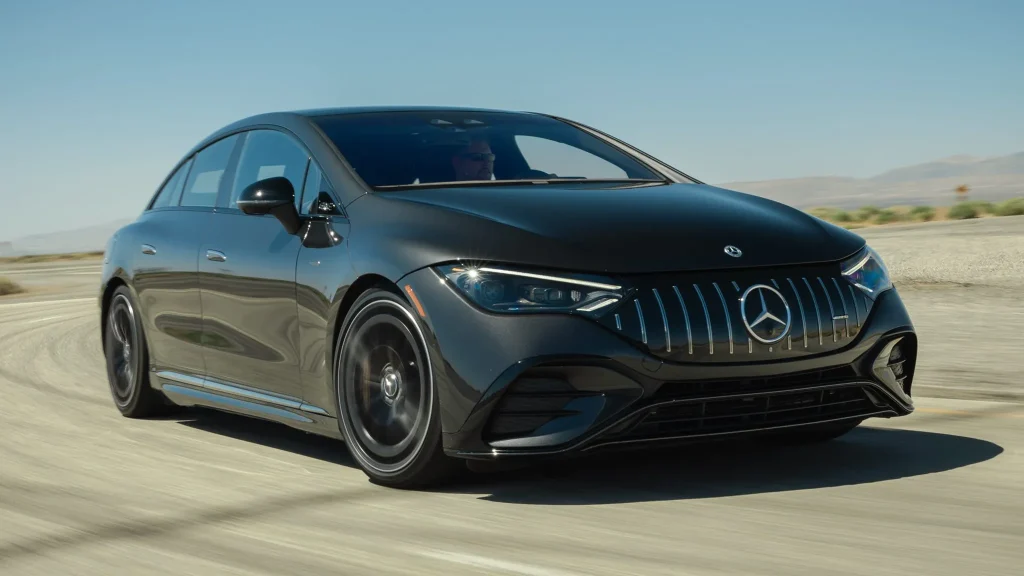
The EQE reflects the modern automotive industry’s increasing reliance on software and data collection. Continuous monitoring enables sophisticated safety systems, predictive maintenance, and ongoing software improvements while supporting the advanced technologies expected in today’s premium electric vehicles.
Specifications
- Engine: Single permanently excited synchronous electric motor
- Torque: 417 lb-ft
- Horsepower: 288 hp
- Length/Width: 195.9 in / 75.0 in
6. Hyundai Ioniq 6
The Hyundai Ioniq 6 combines aerodynamic efficiency with a highly digital electrical architecture that constantly evaluates vehicle operation. Like nearly every modern vehicle sold in North America, it includes an event data recorder that automatically stores certain information during qualifying crash events.
This recording capability forms part of the vehicle’s factory safety equipment and functions regardless of whether the owner uses connected smartphone services.
If a qualifying collision occurs, the recorder may capture information including vehicle speed, brake application, steering input, accelerator position, seat belt usage, and airbag deployment timing.
Engineers use these records to evaluate crash performance and improve future safety technologies, while investigators may access the information under conditions permitted by law.
Outside collision events, the Ioniq 6 continuously monitors battery condition, charging behavior, motor efficiency, regenerative braking, thermal management systems, and numerous electronic modules.
These diagnostic records assist technicians during maintenance and help ensure reliable operation throughout the ownership experience.
Hyundai also offers connected vehicle services that allow owners to access remote features through a smartphone application.
Those services may involve transmitting selected information when enabled by the owner, but they remain separate from the onboard event data recorder and diagnostic systems that are integral to the vehicle’s operation.
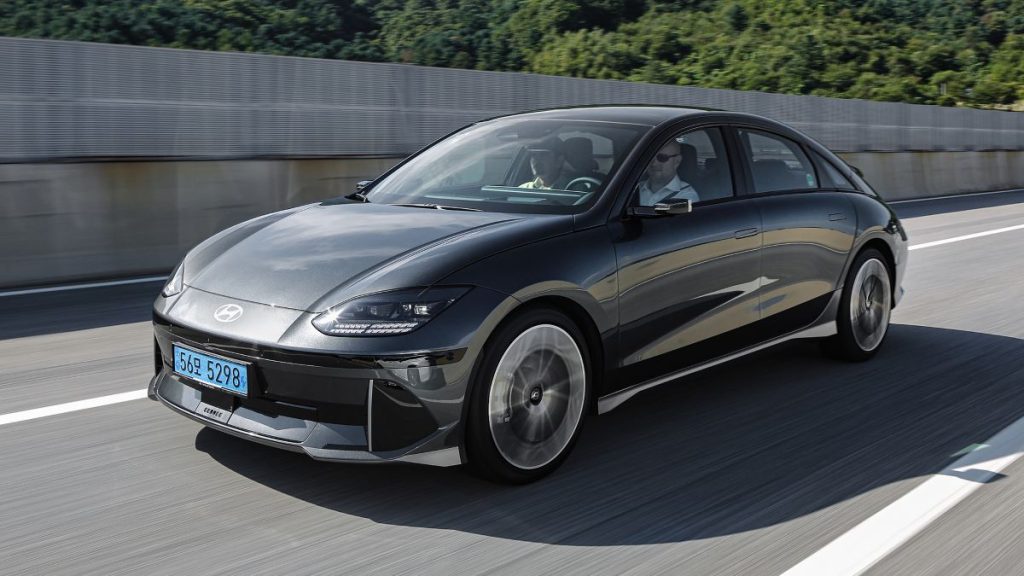
As electric vehicles become increasingly software-dependent, continuous data recording has become essential for maintaining reliability and supporting advanced driver assistance systems.
The Ioniq 6 demonstrates how operational monitoring now plays a central role in modern vehicle engineering while helping manufacturers improve safety, efficiency, and long-term performance.
Specifications
- Engine: Single permanent-magnet electric motor
- Torque: 258 lb-ft
- Horsepower: 225 hp
- Length/Width: 191.1 in / 74.0 in
7. Honda Pilot
The Honda Pilot is designed as a family SUV, yet beneath its comfortable interior operates a sophisticated network of electronic systems that continuously monitor vehicle operation.
Like other modern vehicles sold in the United States, the Pilot includes a factory-installed event data recorder that automatically stores certain operational information during qualifying crash events.
This recording capability is built into the vehicle’s safety systems and functions regardless of whether owners use optional connected services.
When activated by a qualifying event, the Event Data Recorder may preserve information such as vehicle speed, brake application, throttle position, steering input, seat belt usage, engine operating conditions, and airbag deployment timing.
These records help engineers evaluate the effectiveness of safety systems and may also assist authorized investigators in understanding how a collision occurred.
During everyday driving, the Pilot also records diagnostic information through numerous electronic control modules. The engine, transmission, all-wheel-drive system, emissions controls, braking systems, and driver assistance technologies are continuously monitored to detect irregularities and support efficient servicing.
This information allows technicians to diagnose mechanical or electrical issues more accurately during maintenance appointments.
Owners who activate Honda’s connected vehicle services can access additional smartphone-based functions that rely on transmitting selected vehicle information. Those optional services operate separately from the onboard recording systems that support safety and diagnostics.

The pilot demonstrates how data collection has become a routine part of modern automotive engineering. Continuous monitoring enables advanced safety technology, simplifies maintenance procedures, and helps improve long-term reliability without requiring active participation from the driver.
Much of this recording occurs automatically because it is fundamental to the vehicle’s electronic design rather than an optional convenience feature.
Specifications
- Engine: 3.5-liter naturally aspirated V6
- Torque: 262 lb-ft
- Horsepower: 285 hp
- Length/Width: 199.9 in / 78.5 in
8. Rivian R1T
The Rivian R1T represents a new generation of software-defined electric vehicles, where digital systems are responsible for managing nearly every aspect of operation.
Multiple processors, sensors, cameras, and electronic control units continuously collect operational information to support battery management, driver assistance technologies, suspension control, and full vehicle performance.
Like other modern passenger vehicles, the R1T also incorporates an event data recorder that automatically captures specific information during qualifying crash events.
In the event of a collision, the recorder may store details such as vehicle speed, steering input, braking activity, accelerator position, seat belt status, and airbag deployment timing. These records help engineers analyze vehicle performance during crashes and contribute to future safety improvements.
Beyond accident-related recording, the R1T constantly generates diagnostic information during routine driving. Battery temperature, charging characteristics, motor performance, suspension adjustments, thermal management systems, and numerous electronic modules are monitored continuously.
This allows Rivian to improve software, identify maintenance needs, and support service technicians during repairs.
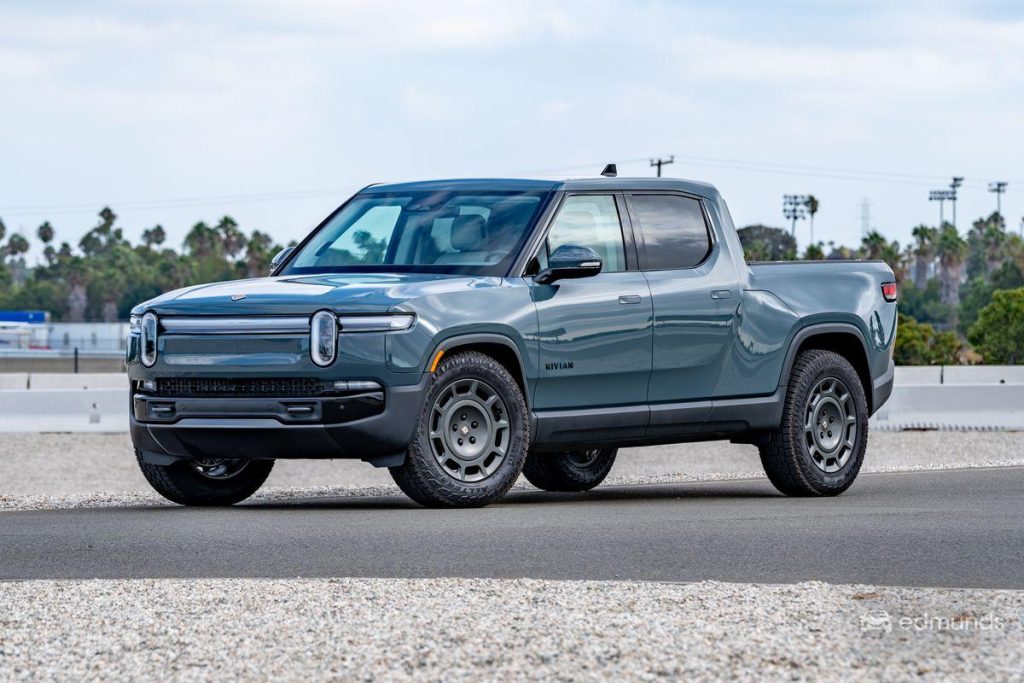
The vehicle’s connected architecture also enables over-the-air software updates and remote features.
Owners may choose to use connected services that transmit certain information through secure cloud infrastructure, but these optional functions exist separately from the onboard safety and diagnostic recording built into the truck’s electronic systems.
The Rivian R1T highlights how modern electric trucks increasingly depend on continuous operational monitoring to deliver advanced functionality, maintain reliability, and support future software enhancements.
Data collection has become an essential part of the vehicle’s engineering rather than simply an optional digital service.
Specifications
- Engine: Dual permanent-magnet electric motors
- Torque: 610 lb-ft
- Horsepower: 533 hp
- Length/Width: 217.1 in / 81.8 in
Also Read: 8 Vehicle Recalls From 2026 You Should Never Ignore