
Vehicle recalls are a routine part of the automotive industry, but some deserve far more attention than others. While many recalls address issues that are unlikely to cause immediate danger, others involve defects that significantly increase the risk of a crash, fire, loss of vehicle control, or failure of critical safety systems.
When manufacturers and regulators issue these high-priority recalls, owners should act as quickly as possible rather than delaying repairs.
During 2026, several major recalls affected hundreds of thousands, and in some cases more than a million, vehicles across the United States. These campaigns involved problems ranging from transmission failures and airbag malfunctions to fire hazards, steering defects, and suspension components that could compromise occupant safety.
Manufacturers worked with the National Highway Traffic Safety Administration (NHTSA) to notify owners and provide free repairs, but many affected vehicles remain on the road awaiting service.
Ignoring an important recall can have serious consequences. Beyond the obvious safety risks, unresolved recalls may reduce resale value and complicate future vehicle inspections or trade-ins. Checking your vehicle identification number periodically is one of the simplest ways to stay informed about open safety campaigns.
Here are eight significant vehicle recalls announced during 2026 that every affected owner should take seriously and schedule for repair as soon as possible.
Also Read: 10 Hidden Features in the Jeep Wagoneer
1. Ford F-150, Expedition, Explorer, Lincoln Navigator, and Aviator Transmission Recall
Among the largest automotive recalls announced during 2026, Ford’s transmission-related campaign affected more than 741,000 vehicles and immediately drew attention from safety regulators.
The recall centered on a defect that could damage the transmission’s park mechanism. If the internal components became worn, a driver could shift into park, remove the key, and exit the vehicle, only for it to roll away unexpectedly because the transmission had not fully engaged the parking position.
Rollaway incidents are particularly dangerous because they frequently occur after occupants have exited the vehicle.
A moving SUV or pickup can strike pedestrians, nearby traffic, buildings, or parked vehicles without warning. Since drivers often assume the vehicle is safely secured, there may be little opportunity to prevent an accident once movement begins.
Ford’s remedy included updated transmission control software and inspection of internal transmission components. If damage had already occurred, dealerships were instructed to replace affected parts at no cost.
Owners were encouraged to respond promptly after receiving recall notifications because continued operation without repairs could increase the likelihood of transmission damage.
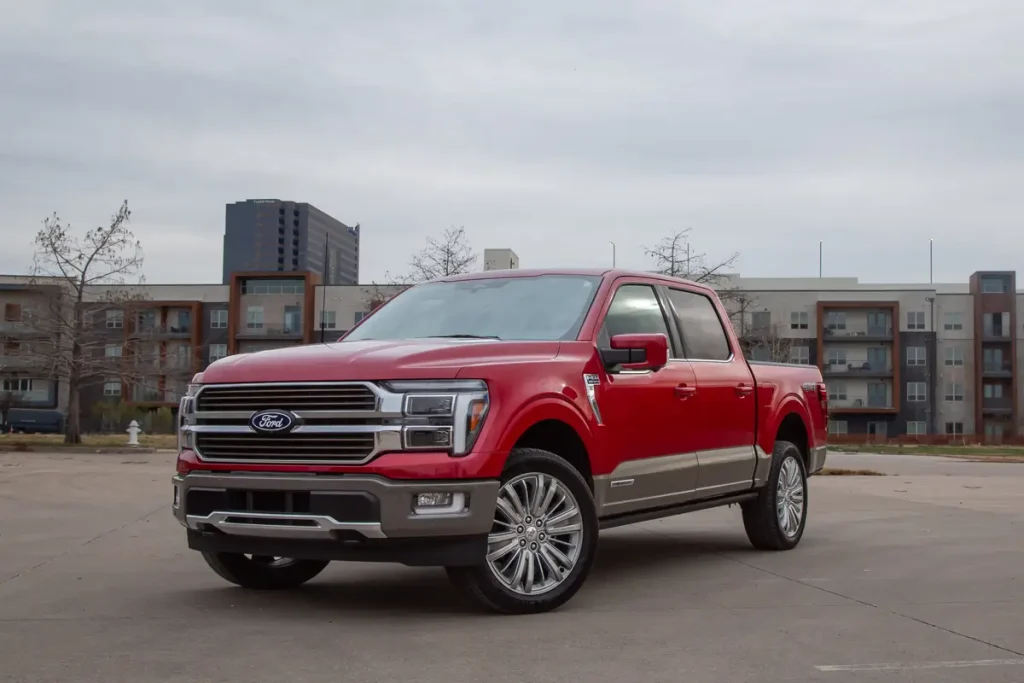
The affected vehicles remain popular family SUVs and work trucks, meaning many continue accumulating daily mileage. Drivers who regularly park on sloped driveways or tow heavy trailers face an even greater need to complete the repair quickly.
Although the defect may not produce obvious warning signs beforehand, that uncertainty is exactly why recall repairs should never be postponed. Addressing the issue restores proper park engagement and significantly reduces the possibility of an unexpected vehicle rollaway, protecting both occupants and everyone nearby.
Specifications
- Engine: 3.5-liter EcoBoost Twin-Turbo V6 (common application)
- Torque: 510 lb-ft
- Horsepower: 400 hp
- Length/Width: 231.7 inches / 79.9 inches
2. Ford Bronco Sport and Ford Maverick Suspension Recall
A recall becomes especially urgent when a manufacturer advises owners to stop driving their vehicles immediately. That was the case with certain Ford Bronco Sport and Ford Maverick models recalled in 2026 after engineers identified a potentially dangerous suspension defect.
Unlike many recalls that allow owners to schedule repairs at their convenience, this campaign carried an immediate warning because the failure could result in a sudden loss of vehicle control.
The problem involved improperly assembled or improperly repaired front lower control arm ball joints. If a ball joint separated from the steering knuckle while the vehicle was in motion, the front suspension could partially collapse, making steering extremely difficult and dramatically increasing the risk of a crash.
Since the defect could occur without noticeable warning, Ford instructed affected owners not to drive their vehicles until inspections and repairs were completed.
Although only a small percentage of Bronco Sport and Maverick models were affected, the seriousness of the defect required immediate action. Ford dealers were instructed to inspect both front suspension assemblies and replace or repair any improperly installed components free of charge.
The company also covered towing costs so owners would not have to drive potentially unsafe vehicles to dealerships.
This recall demonstrates why owners should never assume that every recall carries the same level of urgency. Some defects involve software updates or convenience features, while others involve components that directly affect steering and vehicle stability.
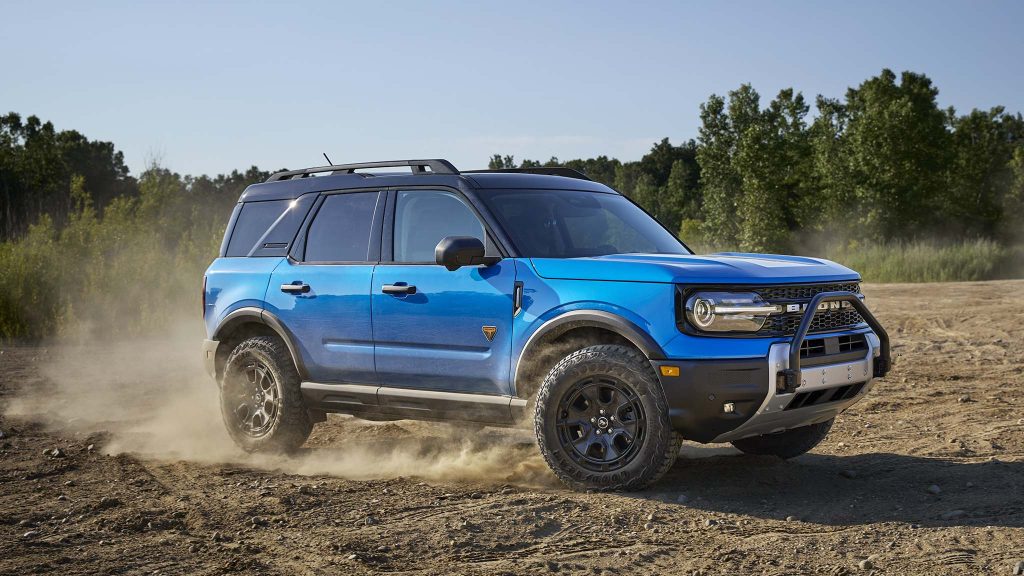
Ignoring a suspension-related recall could expose both occupants and other road users to unnecessary danger.
Owners who received recall notices were encouraged to verify their VIN immediately and arrange repairs as quickly as possible. Completing the inspection restored the integrity of the suspension system and eliminated the risk associated with the improperly assembled ball joints.
Specifications
- Engine: 2.0-liter EcoBoost Turbocharged Inline 4 (Bronco Sport Badlands)
- Torque: 277 lb-ft
- Horsepower: 250 hp
- Length/Width: 172.7 inches / 74.3 inches
3. Ford Focus Canister Purge Valve Recall
Not every safety recall involves dramatic mechanical failures, yet some seemingly small components can create significant hazards when they malfunction. Ford’s 2026 recall affecting more than 255,000 previously repaired Focus models highlighted exactly that situation.
The issue centered on the evaporative emissions system, specifically the canister purge valve, which could malfunction and ultimately increase the risk of an engine stall while the vehicle was being driven.
An engine that suddenly stalls in moving traffic presents obvious safety concerns. Drivers can immediately lose power assistance for steering and braking, making the vehicle much more difficult to control, particularly at highway speeds or in congested traffic.
Although experienced drivers may still guide the vehicle safely to the roadside, unexpected stalling significantly raises the possibility of a collision.
According to the recall information, some vehicles had previously received an incorrect repair during an earlier recall campaign. Ford determined that the original remedy did not completely resolve the issue in every affected vehicle, requiring a new recall to install updated software and ensure the purge valve operated correctly.
This follow-up action illustrates how manufacturers continue monitoring vehicles even after initial repairs have been completed.
Owners may notice warning signs such as an illuminated malfunction indicator light, inaccurate fuel gauge readings, rough engine operation, or occasional stalling before complete failure occurs.
Even if these symptoms appear only occasionally, they should never be dismissed because they may indicate the recall condition is present.
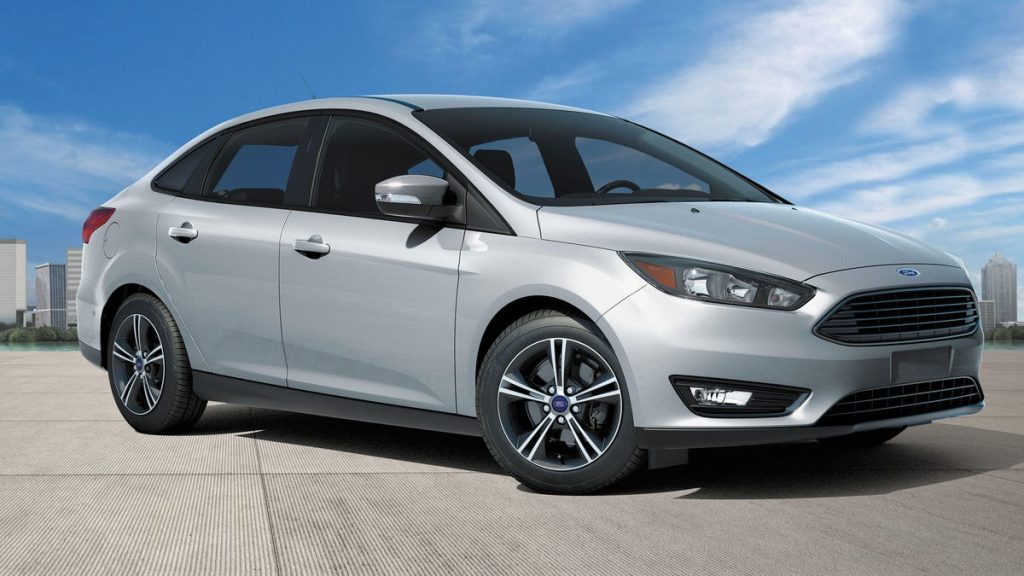
Ford instructed dealerships to update the powertrain control module software free of charge, restoring proper system operation and reducing the possibility of unexpected engine shutdowns.
Owners who completed the repair significantly improved both vehicle reliability and safety, reinforcing the importance of responding promptly whenever an official recall notice arrives.
Specifications
- Engine: 2.0 liter Naturally Aspirated Inline 4
- Torque: 146 lb-ft
- Horsepower: 160 hp
- Length/Width: 171.7 inches / 71.8 inches
4. Jeep Wrangler and Jeep Gladiator Fire Risk Recall
Some recalls require owners to change how they park their vehicles even before a repair becomes available. That was the case for more than one million Jeep Wrangler and Jeep Gladiator models recalled during 2026 after Stellantis identified a wiring defect that could lead to an underhood fire.
Rather than simply advising owners to schedule service, the company instructed them to park outside and away from buildings because the defect could potentially cause a fire even after the ignition had been switched off.
Investigators traced the problem to the electric hydraulic power steering pump wiring. A loose electrical connection could create excessive resistance, generating heat that might melt surrounding materials.
In certain situations, the overheating could ignite nearby components, creating a fire risk while the vehicle was parked unattended. Because the danger was not limited to driving conditions, owners were urged to avoid parking inside garages or near homes until repairs could be completed.
The recall affected numerous 2021-through-2025 model-year Wrangler SUVs and Gladiator pickup trucks, making it one of the largest Jeep safety campaigns in recent years. Stellantis reported dozens of field incidents associated with the defect while continuing to investigate additional cases before issuing the recall.
Dealers were instructed to inspect the affected wiring harness and replace the electric hydraulic power steering pump or related components whenever necessary.
Electrical problems are among the most serious recall categories because they may develop without warning. Drivers often receive no dashboard message before overheating begins, making preventive repairs especially important.
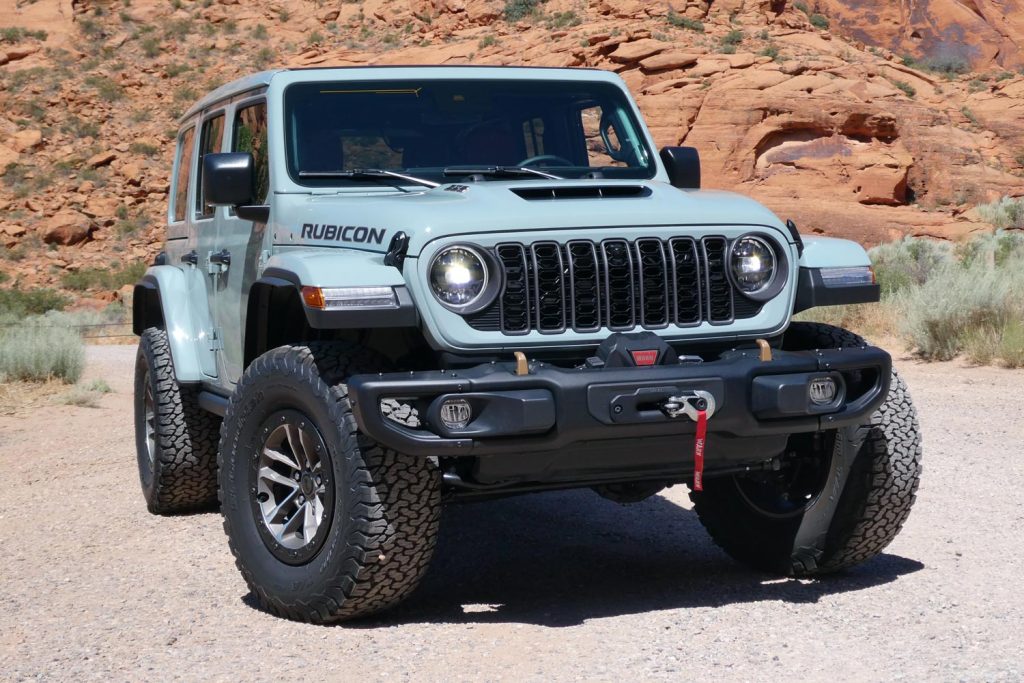
Owners who delayed repairs risked exposing both their vehicles and nearby property to unnecessary danger.
Completing the recall restored the integrity of the electrical system and eliminated the condition responsible for the overheating concern. For affected Jeep owners, arranging the repair promptly represented the safest course of action while protecting both the vehicle and surrounding property.
Specifications
- Engine: 3.6-liter Pentastar V6
- Torque: 260 lb-ft
- Horsepower: 285 hp
- Length/Width: 188.4 inches / 73.8 inches
5. Chrysler Pacifica Side Airbag Recall
Safety equipment is expected to operate flawlessly during a collision, which is why defects involving airbags receive immediate attention from both manufacturers and regulators.
During 2026, Stellantis recalled hundreds of thousands of Chrysler Pacifica minivans after identifying a software issue that could interfere with proper side airbag deployment during certain crashes.
Although the problem remained hidden during everyday driving, it had the potential to reduce occupant protection when it mattered most.
Modern airbags depend on sophisticated electronic control modules that analyze crash data within milliseconds. In the affected Pacifica models, software could prevent side curtain airbags from deploying under specific impact conditions.
Without those airbags functioning correctly, occupants seated near the impacted side of the vehicle could face a greater risk of injury.
The Pacifica is widely used as a family vehicle, meaning many affected models regularly transport children and multiple passengers. That fact increased the importance of the recall because families rely heavily on the vehicle’s complete safety system.
While owners would likely notice no symptoms before a collision, the hidden nature of the defect made timely repairs essential.
Unlike recalls requiring replacement of mechanical components, this campaign primarily involved updating the vehicle’s software.
Dealers installed revised programming that restored proper communication between crash sensors and the airbag control system. The repair required relatively little time but significantly improved occupant protection.
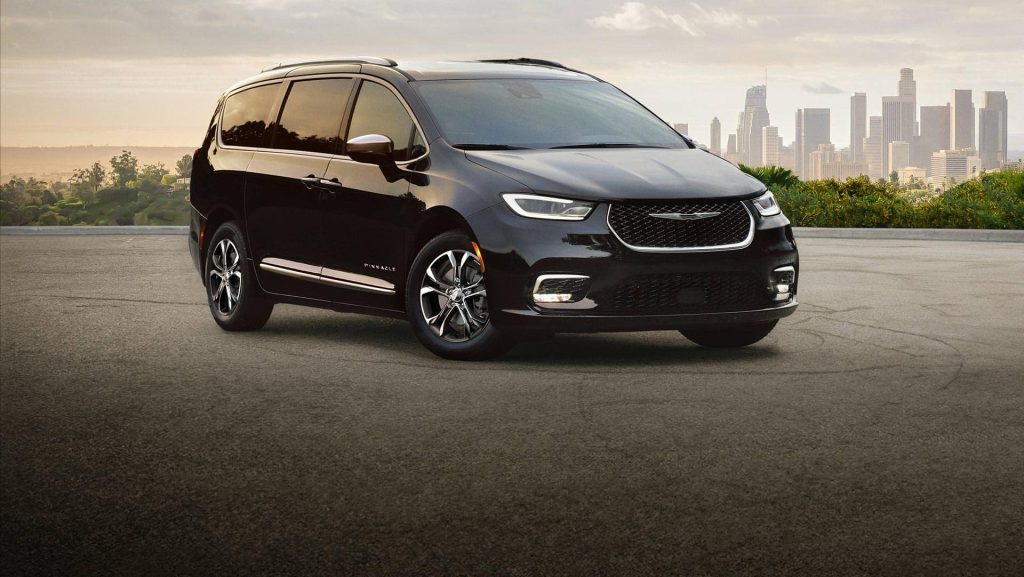
Many owners underestimate software-related recalls because they do not involve broken parts. However, today’s vehicles depend extensively on electronic systems that control essential safety functions. A simple software correction can be just as important as replacing a physical component when passenger protection is involved.
Responding quickly to the recall ensured the Pacifica’s advanced restraint systems would perform exactly as designed during a severe collision, providing occupants with the highest level of protection available.
Specifications
- Engine: 3.6-liter Pentastar V6
- Torque: 262 lb-ft
- Horsepower: 287 hp
- Length/Width: 204.3 inches / 79.6 inches
6. BMW 3 Series, 5 Series, X3, X5, and Other Models Starter Motor Recall
BMW owners expect refinement and engineering precision, but even premium manufacturers occasionally uncover defects that require immediate attention. In 2026, BMW announced a major recall affecting hundreds of thousands of vehicles worldwide after discovering a problem involving the engine starter motor.
Investigators found that excessive wear inside the starter’s magnetic switch could eventually create overheating, and in rare situations, increase the risk of a vehicle fire.
Unlike many starter-related issues that simply prevent an engine from cranking, this defect carried more serious implications. As internal wear accumulated after repeated starting cycles, electrical resistance could increase inside the starter assembly.
Under extreme conditions, that additional heat could lead to localized overheating capable of damaging surrounding components. BMW emphasized that although fires were uncommon, the potential hazard justified an immediate recall campaign.
The recall covered multiple BMW passenger cars and SUVs produced over several model years, including popular 3 Series, 4 Series, 5 Series, X3, X4, X5, X6, and selected Z4 models. Dealers were instructed to inspect affected vehicles and replace the starter motor free of charge whenever necessary.
Owners were also encouraged to respond quickly after receiving notification rather than waiting for symptoms to appear.
One reason this campaign attracted attention was that many drivers would notice only minor warning signs before a complete failure occurred.
Slow engine cranking, intermittent starting difficulties, or occasional no-start conditions could appear long before overheating became a concern. Addressing the recall promptly prevented those symptoms from developing into a more significant safety issue.
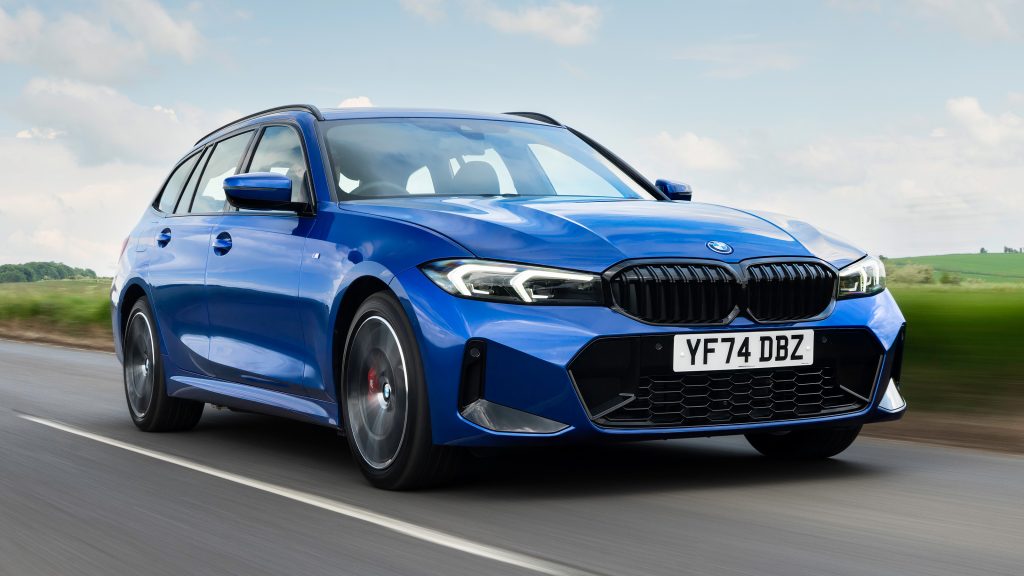
BMW’s response demonstrated the importance of preventative recalls. Replacing the affected starter assembly restored normal starting performance while eliminating the possibility of excessive internal heat generation.
For owners of the affected vehicles, scheduling the repair represented a simple step that significantly improved long-term reliability and safety.
Specifications
- Engine: 3.0-liter turbocharged inline-6 (common application)
- Torque: 369 lb-ft
- Horsepower: 382 hp
- Length/Width: 185.7 inches / 71.9 inches
7. Toyota Tundra and Tundra Hybrid Rear-View Camera Recall
Not every recall involves an engine or braking system. Sometimes a visibility problem can create an equally serious safety concern.
Early in 2026, Toyota recalled more than 161,000 Tundra and Tundra Hybrid pickup trucks in the United States because the rear-view camera display could fail to appear when the driver selected reverse.
Since backup cameras are an important safety feature, especially on large pickups with substantial blind spots, Toyota acted quickly to correct the issue.
Drivers depend heavily on rear-view camera systems when backing into parking spaces, connecting trailers, or maneuvering around pedestrians and obstacles. If the display remains blank after shifting into reverse, visibility becomes significantly more limited despite the presence of mirrors and rear sensors.
In busy parking lots or residential neighborhoods, that loss of visual information increases the possibility of a collision.
Toyota determined that affected trucks could experience software-related communication issues that prevented the camera image from displaying correctly.
Because federal safety standards require functioning rear visibility systems on modern vehicles, the defect qualified for an official recall rather than a routine service campaign. Dealers updated the necessary software and verified proper operation before returning the vehicles to customers.
Many owners may never have experienced the malfunction before receiving a recall notice, making it tempting to postpone repairs.
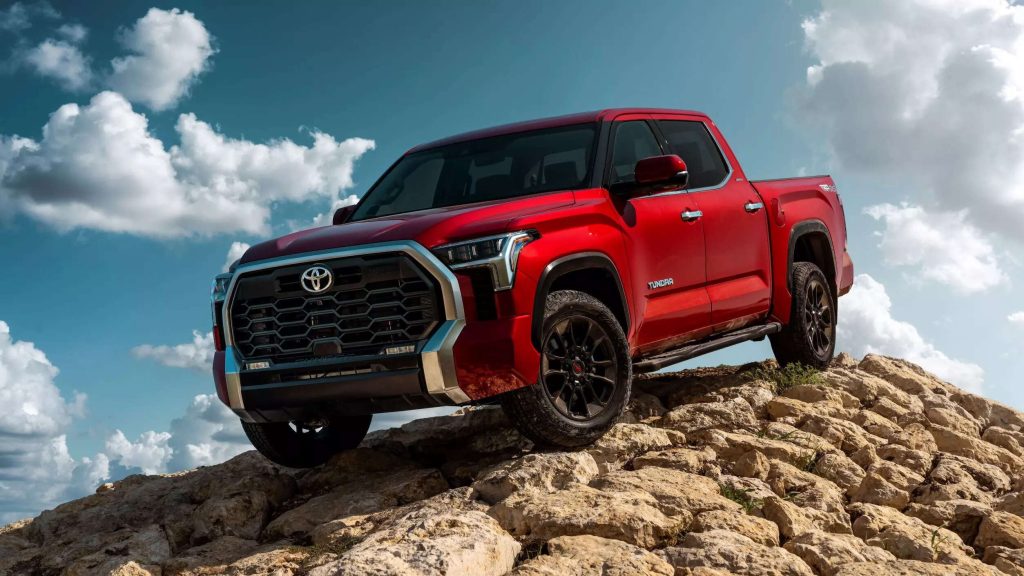
However, software defects can occur unpredictably, meaning the camera could fail without warning during a future backing maneuver. Completing the repair eliminated that uncertainty and restored full functionality to the truck’s safety systems.
Large pickup trucks already require extra attention when reversing because of their size. Ensuring the backup camera operates correctly provides drivers with an important additional layer of awareness, making this recall one that affected owners should not ignore.
Specifications
- Engine: 3.4-liter Twin Turbo V6 Hybrid
- Torque: 583 lb-ft
- Horsepower: 437 hp
- Length/Width: 233.6 inches / 80.2 inches
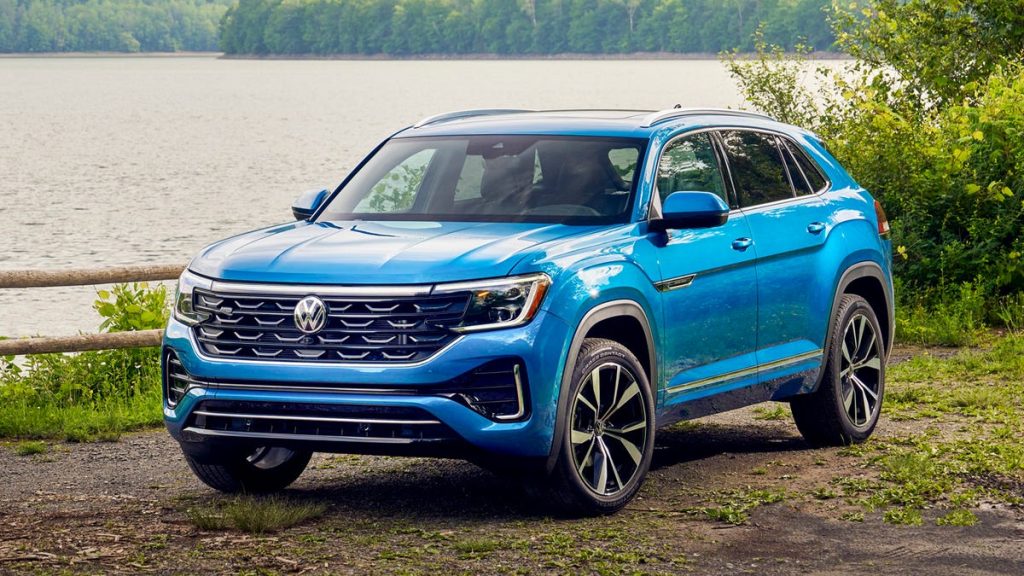
8. Volkswagen Atlas and Atlas Cross Sport Engine Cover Recall
Some recalls address components that owners rarely think about until they become a safety concern. That was the case with Volkswagen’s 2026 recall covering certain Atlas and Atlas Cross Sport SUVs.
Engineers discovered that an improperly secured decorative engine cover could loosen over time, come into contact with extremely hot engine components, and create an increased risk of an underhood fire. Although the issue involved a non-mechanical component, the potential consequences required immediate corrective action.
The recall demonstrated that even parts with no direct role in powering the vehicle can become hazardous under specific conditions. During normal driving, engine vibration and repeated heat cycles could cause the cover to shift from its intended position.
If it contacted hot areas of the engine, the material could begin to melt or ignite, particularly after extended operation when temperatures were at their highest.
Volkswagen responded by instructing dealers to remove or replace the affected engine cover with an updated design that eliminated the possibility of unwanted contact.
Owners did not have to pay for the repair, and the service could generally be completed during a routine dealership visit. Because the defect developed beneath the hood, many drivers would not indicate that anything was wrong until smoke or the smell of burning plastic appeared.
Although reports of actual fires were limited, the manufacturer chose to issue the recall before more serious incidents occurred. That proactive approach reflects the purpose of the recall system, which is to eliminate safety risks before they result in injuries or significant property damage.
Owners of affected Atlas and Atlas Cross Sport models were encouraged to schedule the repair promptly rather than assuming the problem would never occur.
Completing the recall restored the intended engine compartment configuration and removed the potential fire hazard, ensuring the SUVs could continue operating safely for years to come.
Specifications
- Engine: 2.0-liter turbocharged inline-4
- Torque: 273 lb-ft
- Horsepower: 269 hp
- Length/Width: 200.7 inches / 78.3 inches
