
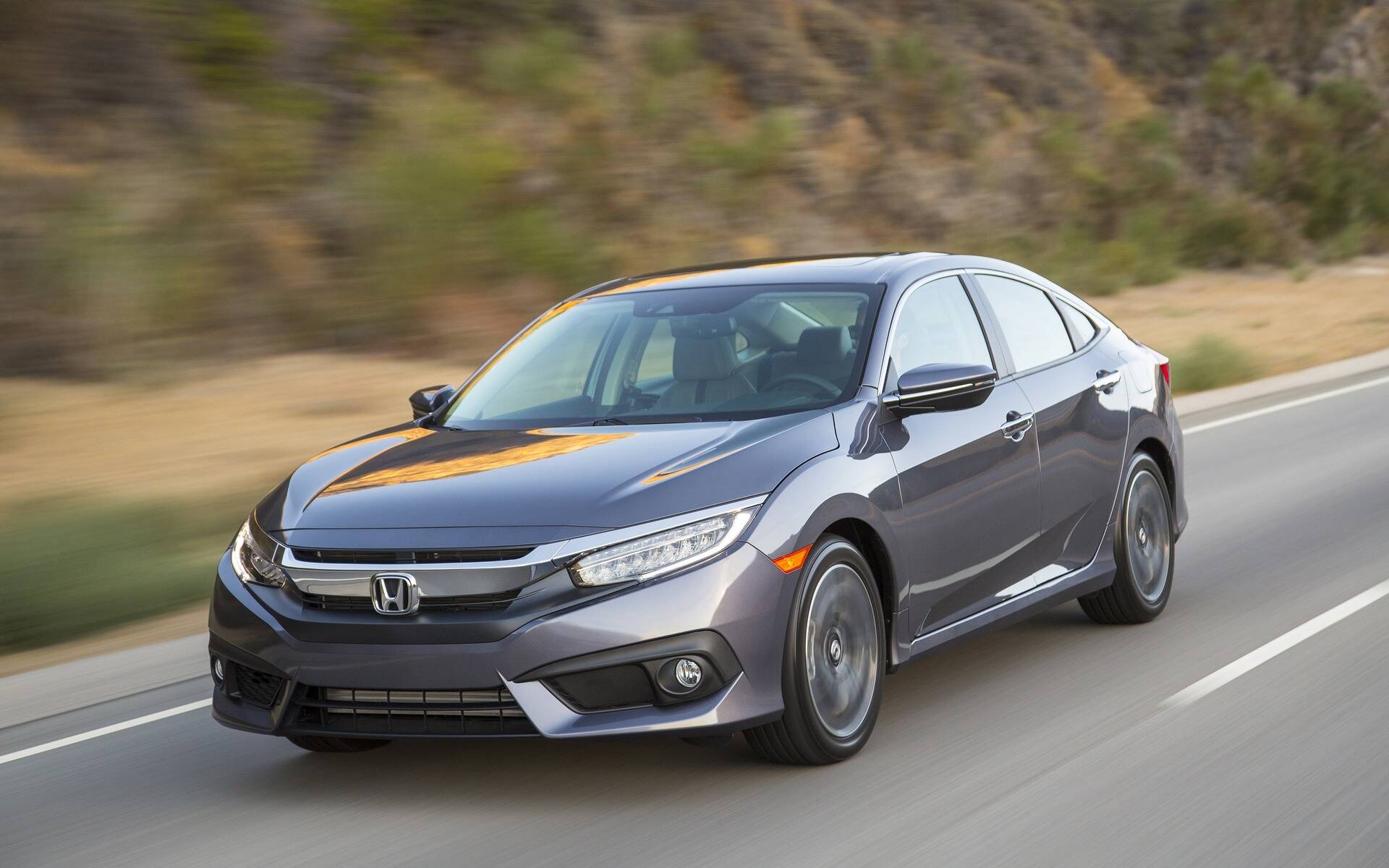
Walk into any dealership, and you’ll often find the same sedan offered in several trim levels. The base model may start around $25,000, while a fully loaded version of that same car can easily approach $40,000 or more.
At first glance, it can be difficult to understand how two vehicles sharing the same body, engine, and assembly line can have such a large difference in price.
Many buyers assume the loaded model must cost manufacturers dramatically more to build, while others believe automakers simply charge higher prices to increase profit margins.
The truth falls somewhere between those two assumptions. A fully equipped sedan does cost more to manufacture than its entry-level counterpart, but the increase in production cost is usually much smaller than the difference in retail price.
Much of the additional MSRP reflects research and development, supplier costs, technology integration, marketing, and the higher profit margins associated with premium trim levels.
Understanding where the money goes reveals why manufacturers continue expanding their trim lineups and why the gap between a base sedan and a flagship model has grown significantly over the past decade.
Also Read: What It Actually Costs to Charge an EV at Home vs a Public Fast Charger
The Platform Is Largely the Same
One reason automakers can offer multiple trim levels so efficiently is that nearly every version shares the same basic architecture. A base sedan and a loaded model often use the same:
- Chassis
- Body shell
- Roof structure
- Doors
- Glass
- Suspension mounting points
- Crash structure
- Assembly line
Developing an entirely different vehicle for each trim would be prohibitively expensive. Instead, manufacturers build thousands of nearly identical bodies before adding trim-specific components during final assembly.
This keeps production efficient while allowing customers to choose different equipment levels.
How Much Does a Base Sedan Cost to Build?
Although manufacturers rarely disclose exact figures, industry analysts estimate that a mainstream compact or midsize sedan typically costs between $16,000 and $22,000 to manufacture in base form.
That estimate generally includes:
- Raw materials
- Engine
- Transmission
- Factory labor
- Electronics
- Paint
- Interior components
- Quality control
- Manufacturing overhead
It does not include broader corporate expenses such as vehicle development, advertising, warranty reserves, dealer operations, or future product investment. The direct manufacturing cost is only one portion of the vehicle’s final selling price.
A Loaded Sedan Costs More, but not dramatically more.
Adding premium equipment certainly increases manufacturing costs. However, it rarely raises production expenses by the same amount that buyers pay at the dealership.
Industry estimates suggest a fully loaded version of the same sedan may cost approximately $20,000 to $28,000 to manufacture.
In other words:
- Base sedan production cost: $16,000 to $22,000
- Loaded sedan production cost: $20,000 to $28,000
The actual increase often falls between $3,000 and $6,000, even when the retail price rises by $8,000 to $15,000.
This difference reflects the value buyers place on premium features and the stronger profit margins available on higher trims.
Interior Materials Add Significant Cost
One of the biggest differences between trim levels is the cabin. A base sedan typically includes the following:
- Cloth seats
- Plastic trim panels
- Manual seat adjustments
- Standard steering wheel
- Basic carpeting
A loaded model may add the following:
- Leather upholstery
- Heated seats
- Ventilated seats
- Power seat adjustments
- Memory settings
- Premium interior trim
- Ambient lighting
- Heated steering wheel
Although these upgrades improve comfort considerably, their manufacturing cost is usually much lower than their retail price.
Leather seats, for example, increase supplier costs but rarely account for the several-thousand-dollar premium buyers often pay.
Technology Is One of the Fastest-Growing Expenses
Modern flagship trims include much more technology than entry-level versions. Common additions include:
- Larger infotainment displays
- Digital instrument clusters
- Premium navigation
- Wireless charging
- Head-up displays
- Surround-view cameras
- Premium audio systems
- Connected services
Each feature increases production cost through additional hardware, software, wiring, and electronic control modules. Software development itself has become a major expense.
Automakers now invest billions of dollars in creating infotainment platforms, smartphone integration, voice recognition, and over-the-air update capabilities. Those costs are spread across every vehicle sold.
Advanced Safety Systems Increase Manufacturing Cost
Higher trims often include driver-assistance technologies unavailable on base models.
Examples include:
- Adaptive cruise control
- Lane-centering assistance
- Blind-spot monitoring
- Rear cross-traffic alert
- Automatic parking systems
- Traffic sign recognition
These features require:
- Radar sensors
- Cameras
- Additional computers
- Software calibration
- Wiring
- Testing
Although individual sensors are not extraordinarily expensive, integrating multiple systems throughout the vehicle increases manufacturing complexity.
Premium Audio Systems Are More Than Extra Speakers
Many buyers underestimate the complexity of upgraded sound systems.
Premium packages frequently include the following:
- Additional speakers
- Subwoofers
- Dedicated amplifiers
- Digital signal processors
- Acoustic tuning
- Noise compensation
Brands such as Bose, Harman Kardon, JBL, Bang & Olufsen, and Burmester also license their names to manufacturers, contributing additional costs.
These systems improve cabin sound quality but also add weight, wiring, and electronic components.
Larger Wheels Cost More Than You Might Expect
Wheel upgrades are among the most visible trim differences.
Base models often use the following:
- Steel wheels with covers
- Smaller alloy wheels
Loaded trims may feature the following:
- Larger alloy wheels
- Machined finishes
- Performance tires
The larger wheels themselves cost more. Premium tires also increase manufacturing expenses. In addition, suspension tuning sometimes changes to accommodate different wheel sizes, requiring additional engineering work.
Panoramic Sunroofs Are Expensive Features
One of the costliest individual options on many sedans is the panoramic sunroof.
Adding this feature requires:
- Reinforced roof structure
- Glass panels
- Electric motors
- Drainage systems
- Control electronics
- Interior trim modifications
Although the retail option may cost several thousand dollars, its manufacturing cost remains considerably lower than the price buyers pay. Still, it represents one of the more expensive components added to premium trims.
Manufacturing Efficiency Keeps Costs Down
Despite all these upgrades, building multiple trim levels remains surprisingly efficient. Modern assembly plants use flexible production systems, allowing workers and robots to install different components based on each vehicle’s build specification.
A base sedan and a fully loaded version may move down the same assembly line only minutes apart. Barcode scanning, automated logistics, and just-in-time parts delivery ensure each vehicle receives the correct equipment without slowing production significantly.
This manufacturing flexibility is one reason automakers can profitably offer numerous trim combinations.
Why the Price Difference Is Larger Than the Cost Difference
If the loaded sedan costs only several thousand dollars more to build, why does the sticker price increase by much more?
Several reasons explain the gap:
- Higher profit margins
- Software development
- Supplier licensing fees
- Engineering investment
- Marketing
- Warranty reserves
- Product positioning
Premium trims also help manufacturers recover the billions of dollars invested in developing entirely new vehicle platforms. Buyers choosing luxury equipment effectively subsidize future product development.
Should Buyers Choose the Loaded Model?
Whether the extra cost is worthwhile depends on individual priorities. A loaded trim may make sense if you value the following:
- Long-term comfort
- Daily convenience
- Advanced safety
- Better technology
- Higher resale appeal
However, buyers expecting every dollar spent on premium equipment to return during resale are often disappointed. Many expensive luxury features depreciate faster than the vehicle itself.
Mid-level trims frequently offer the strongest balance between purchase price and long-term value.
Building a fully loaded sedan does cost manufacturers more than producing a base model, but the increase is usually far smaller than the difference in showroom price.
Industry estimates suggest that while a base sedan may cost $16,000 to $22,000 to manufacture, a fully equipped version often adds only $3,000 to $6,000 in direct production costs despite carrying a retail premium of $8,000 to $15,000 or more.
That pricing difference reflects far more than physical parts alone. Software development, advanced safety systems, engineering, supplier agreements, marketing, warranty coverage, and higher profit margins all contribute to the final MSRP.
For buyers, understanding these cost differences makes it easier to decide whether premium features are worth the extra money or if a well-equipped mid-level trim offers the best balance of price, features, and long-term ownership.
Also Read: Is Buying a Higher Trim Level Worth It for Resale Value?
