
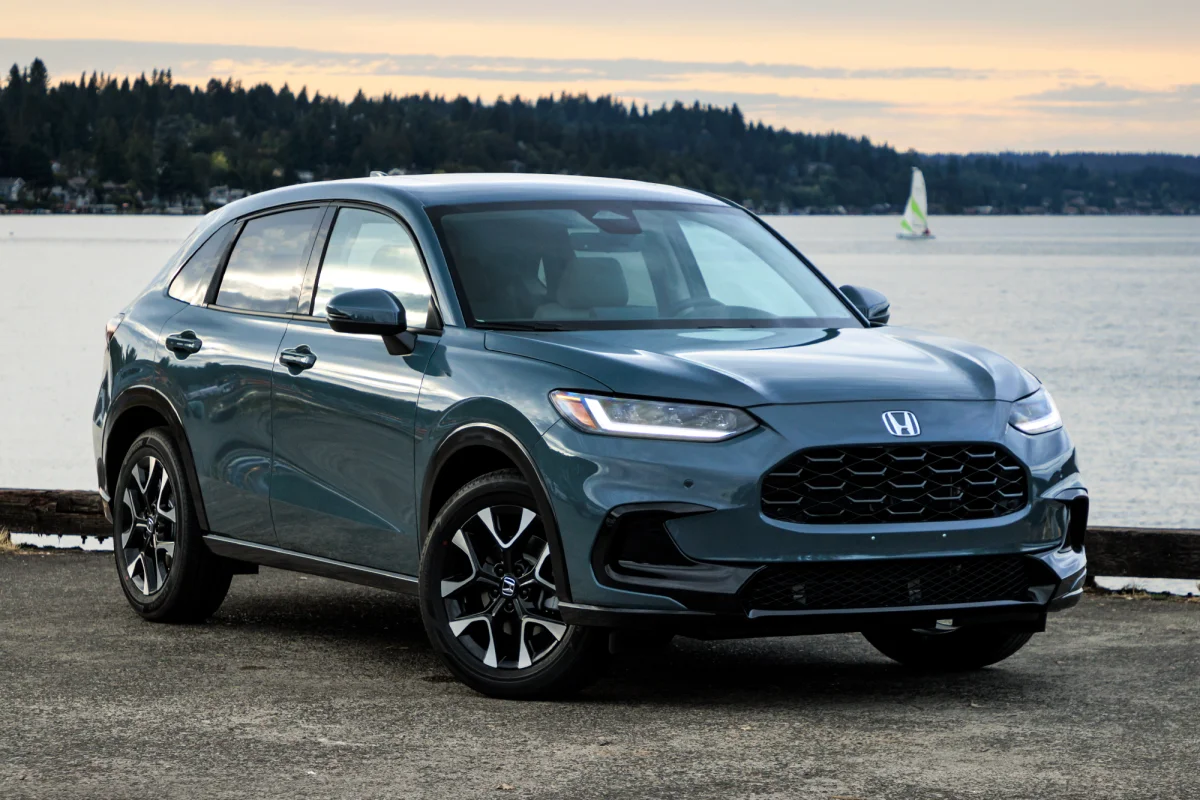
Buying a used Honda HR-V can be one of the smartest decisions in the compact SUV market, but only if you choose the right model year.
Since it arrived in North America for the 2016 model year, the HR-V has earned a reputation for practicality, excellent fuel economy, flexible interior packaging, and Honda’s long-standing engineering philosophy.
However, not every version has delivered the same ownership experience. Some years have proven exceptionally dependable with minimal mechanical complaints, while others have developed recurring issues involving the continuously variable transmission, electrical components, infotainment systems, and interior quality.
That is exactly why researching model years before purchasing is far more valuable than simply choosing the newest or cheapest vehicle available.
Two HR-Vs that appear nearly identical on the outside can offer very different ownership experiences depending on the year they were built. Repair costs, reliability ratings, safety improvements, resale value, and long-term durability can vary significantly from one production year to another.
This guide separates the strongest Honda HR-V model years from the ones that deserve extra caution. The best years highlighted here consistently demonstrate dependable mechanical performance, fewer owner complaints, better manufacturing quality, and stronger reliability records after years of real-world driving.
These vehicles continue to attract buyers because they balance affordability with low maintenance costs and dependable daily transportation.
The second half of this guide focuses on model years that experienced more widespread concerns. That does not necessarily mean every vehicle from those years will become problematic, but they have accumulated enough recurring complaints and service issues to justify careful inspection before purchase.
Understanding these weaknesses allows shoppers to negotiate better prices, request maintenance records, or simply move toward a more dependable alternative.
Reliability is rarely determined by a single feature. Proper engineering updates, manufacturing refinements, software improvements, and component durability all contribute to how a vehicle performs over hundreds of thousands of miles.
By comparing both the strongest and weakest Honda HR-V years, buyers can make a much more informed decision and avoid expensive surprises after purchase.
Whether your priority is dependable commuting, family transportation, or maximizing long-term value, choosing the right production year remains one of the most important decisions you can make.
Also Read: 5 Best Chevrolet Silverado Years vs 5 Years to Avoid
5 Best Honda HR-V Years
1. 2021 Honda HR-V
Among first-generation HR-V models, the 2021 version represents one of Honda’s most refined efforts. Rather than introducing dramatic redesigns, Honda spent several years correcting smaller shortcomings that had affected earlier production.
Those gradual improvements resulted in a compact SUV that combined dependable mechanics with mature build quality.
The biggest advantage of the 2021 HR-V is consistency. Owners generally report fewer unexpected repairs compared with earlier examples, particularly regarding electronic systems and cabin components.
By this point, Honda had refined the CVT calibration, making acceleration smoother and reducing many of the drivability complaints that appeared in older versions.
Safety technology also became more attractive to buyers. Depending on trim level, features such as adaptive cruise control, lane keeping assistance, automatic emergency braking, and improved driver assistance systems made the HR-V feel much newer than its original platform suggested.
Interior materials also benefited from incremental quality improvements, giving the cabin a more durable appearance after years of ownership.
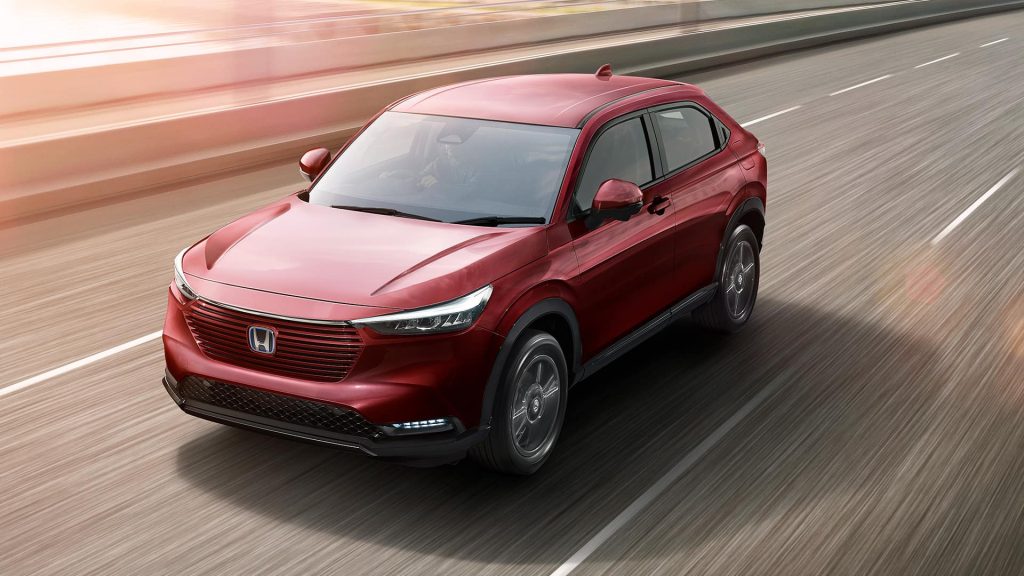
Fuel economy remained one of its strongest characteristics. Combined with Honda’s famous Magic Seat system, the vehicle continued to deliver outstanding cargo flexibility without increasing its exterior size.
Owners frequently praise how easily bicycles, furniture, luggage, and large shopping items fit inside despite the compact dimensions.
The 2021 model is worth recommending because it demonstrates how continuous engineering refinements can produce a dependable vehicle without requiring a complete redesign. Buyers looking for a reliable used crossover with predictable maintenance costs frequently place this year near the top of their shopping list.
Specifications
- Engine: 1.8-liter Naturally Aspirated Inline-4
- Torque: 127 lb-ft
- Horsepower: 141 hp
- Length/Width: 170.9 in / 69.8 in
2. 2022 Honda HR-V
The 2022 Honda HR-V closed the first-generation chapter with confidence. Instead of rushing major engineering changes before introducing a new generation, Honda concentrated on delivering a mature product whose strengths had already been proven through years of customer feedback.
One reason this model deserves recognition is its excellent reliability record during the first years of ownership. Many owners report routine maintenance consisting mainly of oil changes, tire replacements, brake service, and scheduled inspections rather than expensive mechanical repairs. That predictability makes ownership considerably less stressful.
Another benefit comes from Honda’s careful refinement of interior ergonomics. Everything feels familiar and easy to operate, from climate controls to cargo management.
The Magic Seat remains one of the vehicle’s defining features, allowing owners to configure the interior in multiple ways depending on cargo needs. Few compact SUVs offer comparable versatility without increasing exterior size.
Ride quality also improved through suspension tuning that better absorbs rough pavement while maintaining responsive steering. Drivers who primarily commute through cities appreciate its compact footprint, excellent visibility, and confidence when parking in tight spaces.
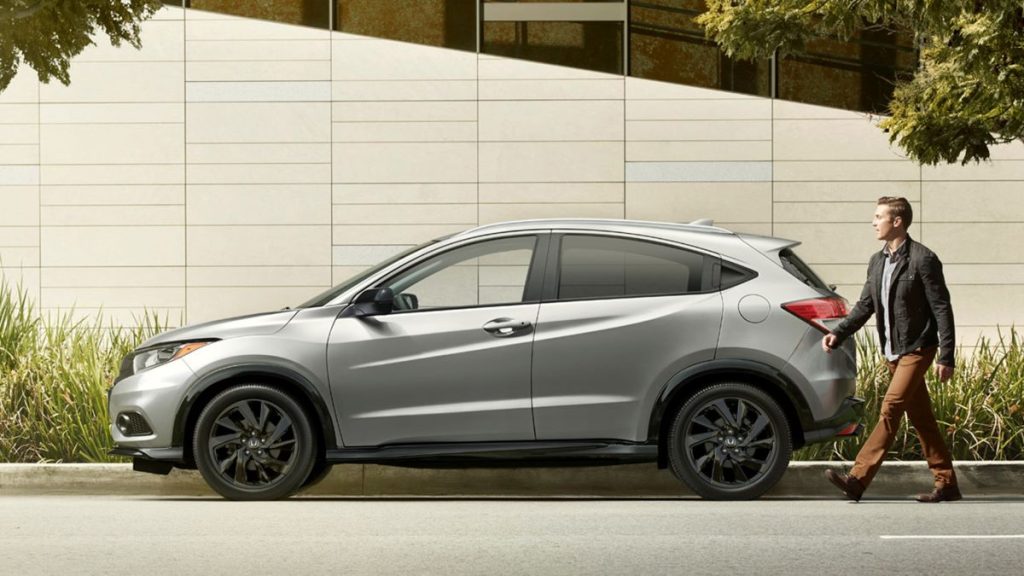
The 2022 HR-V may not have introduced revolutionary technology, yet that restraint became one of its greatest strengths. Instead of chasing trends, Honda delivered a dependable crossover with proven engineering, making it one of the safest choices in the used compact SUV market for buyers prioritizing reliability above flashy features.
Specifications
- Engine: 1.8-liter Naturally Aspirated Inline-4
- Torque: 127 lb-ft
- Horsepower: 141 hp
- Length/Width: 170.9 in / 69.8 in
3. 2019 Honda HR-V
Not every successful vehicle earns its reputation through dramatic redesigns. Sometimes the most meaningful improvements arrive quietly, and the 2019 Honda HR-V is a perfect example.
This model year introduced a mid-cycle refresh that addressed several owner concerns while preserving the qualities that had already made the HR-V a practical compact SUV. Buyers searching for a dependable used crossover frequently consider the 2019 version because it strikes an excellent balance between affordability and long-term durability.
One of the biggest reasons this model deserves a place among the best years is its updated technology package.
Honda modernized the infotainment system on higher trims, offering improved responsiveness, smartphone integration through Apple CarPlay and Android Auto, and a more intuitive interface than previous versions.
These upgrades made daily driving noticeably more enjoyable without affecting the vehicle’s proven mechanical reliability.
Honda also expanded the availability of its Honda Sensing safety suite. Features such as the Collision Mitigation Braking System, Road Departure Mitigation, Adaptive Cruise Control, and Lane Keeping Assist provided an extra level of confidence for commuters and families alike.
These additions helped the HR-V remain competitive despite increasing competition within the compact SUV segment.
Mechanically, the naturally aspirated 1.8-liter engine continued to demonstrate dependable performance when maintained according to Honda’s recommended service schedule.
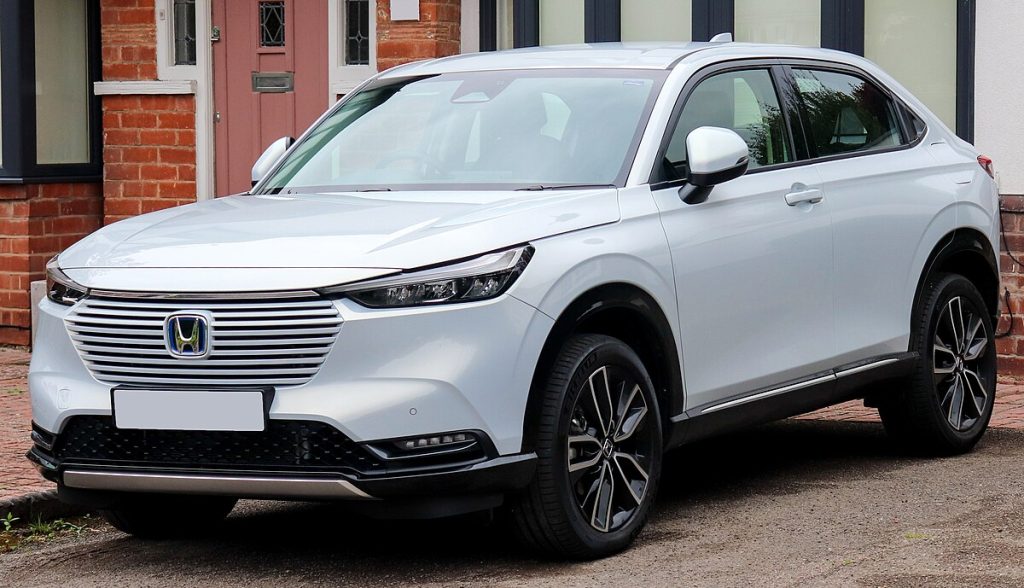
Routine maintenance costs remained relatively low, and the vehicle retained its reputation for excellent fuel economy and practical ownership. The suspension also delivered a comfortable ride while maintaining stable handling during highway travel.
The 2019 HR-V is worth recommending because it combines proven engineering with meaningful improvements in safety and technology. Buyers receive many of the conveniences found in newer vehicles while still benefiting from the reliability that Honda gradually refined throughout the first generation.
Specifications
- Engine: 1.8-liter Naturally Aspirated Inline-4
- Torque: 127 lb-ft
- Horsepower: 141 hp
- Length/Width: 170.9 in / 69.8 in
4. 2024 Honda HR-V
A completely different philosophy defines the 2024 Honda HR-V. Rather than refining an existing platform, Honda had already transitioned to the second-generation design, giving the vehicle a much stronger foundation.
The result is a crossover that feels substantially more sophisticated in nearly every aspect, from ride quality to interior craftsmanship.
Unlike the earlier HR-V, the 2024 model rides on a platform closely related to the Honda Civic. That change immediately transformed its driving characteristics.
Steering became more precise, body movements felt better controlled, and highway stability improved considerably. The suspension absorbed road imperfections with greater confidence while maintaining composure through corners, making longer trips less tiring for both drivers and passengers.
The cabin also reflects Honda’s newer design language. Cleaner dashboard styling, improved materials, reduced cabin noise, and better seat comfort contribute to a noticeably more premium atmosphere.
Storage solutions remain practical, and the increased interior width provides passengers with additional shoulder room compared to the outgoing generation.
Reliability continues to be another strong point. Since its launch, the second-generation HR-V has demonstrated solid build quality with relatively few widespread mechanical complaints.
Honda also equipped the SUV with an updated suite of driver assistance technologies that operate more smoothly than earlier systems, enhancing both convenience and safety during daily commuting.
Another advantage is the upgraded 2.0-liter engine, which delivers stronger acceleration than the previous 1.8-liter unit without sacrificing Honda’s reputation for dependable operation. Although it is not designed as a performance vehicle, the additional power makes highway merging and passing significantly easier.
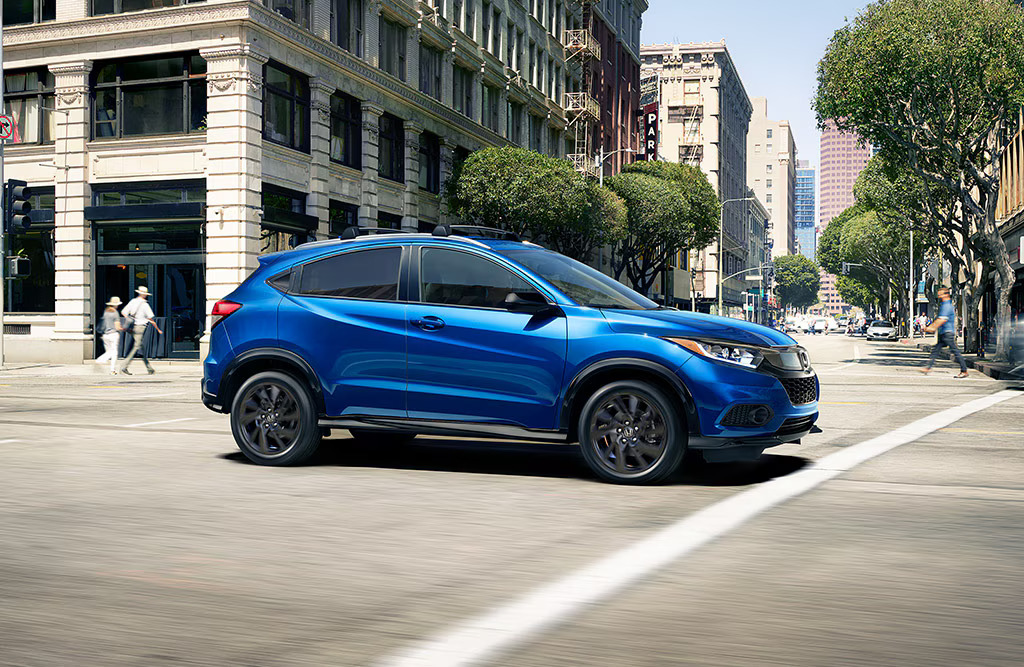
The 2024 Honda HR-V earns its place among the best years because it successfully combines modern engineering, refined driving manners, improved comfort, and encouraging long-term reliability into one well-rounded compact SUV.
Specifications
- Engine: 2.0-liter Naturally Aspirated Inline-4
- Torque: 138 lb-ft
- Horsepower: 158 hp
- Length/Width: 179.8 in / 72.4 in
5. 2025 Honda HR-V
The newest model in this list demonstrates how continuous refinement can strengthen an already capable compact SUV. By the time the 2025 Honda HR-V reached dealerships, Honda had several years of real-world feedback from the second-generation platform.
Instead of making dramatic mechanical changes, the company focused on polishing the driving experience, improving software integration, and maintaining the dependable engineering that buyers expect from the brand.
One of the strongest reasons to recommend the 2025 HR-V is its impressive consistency. Early ownership reports indicate very few widespread mechanical concerns, with most owners only performing routine maintenance such as oil changes, tire rotations, and scheduled inspections.
That level of dependability is especially important for buyers planning to keep the vehicle for many years rather than replacing it after a short lease.
The cabin feels noticeably more refined than older HR-V generations. Better insulation reduces wind and road noise, while the dashboard layout remains clean and intuitive.
Physical controls for frequently used functions help reduce distractions, and the infotainment system responds more quickly than earlier Honda interfaces. Comfortable front seats and generous rear passenger space make the vehicle suitable for both daily commuting and longer road trips.
The updated 2.0-liter engine provides adequate acceleration for city and highway driving while maintaining competitive fuel efficiency.
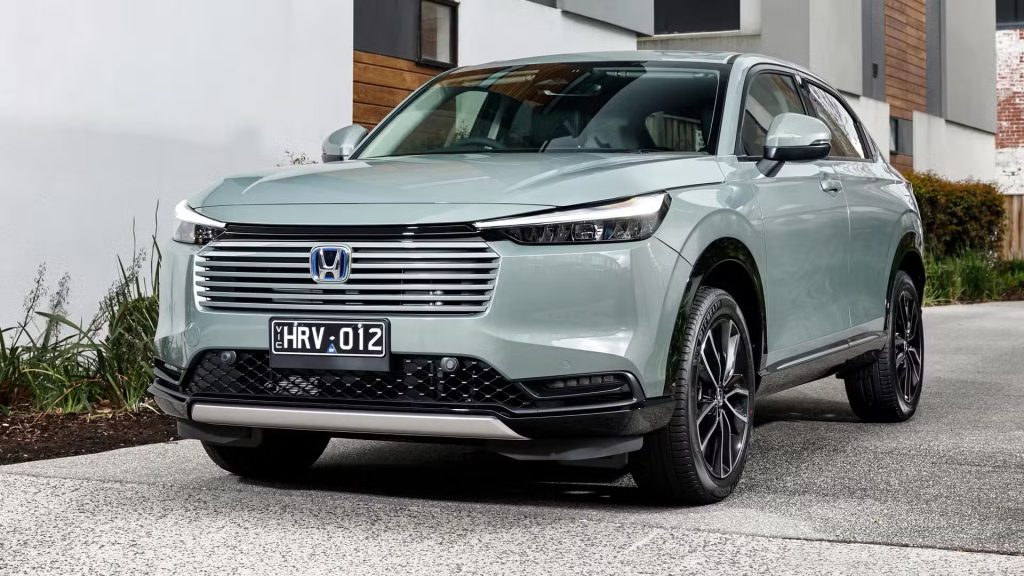
Although it is not intended as a performance SUV, the smooth power delivery pairs well with the continuously variable transmission, creating a relaxed driving character that many owners appreciate.
The 2025 Honda HR-V deserves recognition because it represents one of the most polished versions Honda has produced. Buyers receive modern safety technology, refined driving manners, strong resale value, and encouraging reliability without the uncertainty that sometimes accompanies an all-new vehicle.
Specifications
- Engine: 2.0-liter Naturally Aspirated Inline-4
- Torque: 138 lb-ft
- Horsepower: 158 hp
- Length/Width: 179.8 in / 72.4 in
5 Honda HR-V Years to Avoid
1. 2016 Honda HR-V
Being the first model year often means carrying the burden of introducing an entirely new vehicle, and the 2016 Honda HR-V illustrates why many experienced used-car buyers approach first-year models cautiously.
While the HR-V entered the market with an appealing design, versatile interior, and excellent fuel economy, owners gradually reported several recurring concerns that affected its long-term reputation.
The issue most frequently associated with this model involves the continuously variable transmission. Some owners experienced hesitation during acceleration, shuddering at low speeds, excessive vibration, and inconsistent power delivery.
Although not every vehicle developed these problems, enough complaints emerged to place additional attention on transmission servicing and software updates.
Electrical issues also appeared more frequently than in later production years. Reports included malfunctioning infotainment systems, intermittent warning lights, power accessory glitches, and occasional sensor-related concerns. Individually, these problems were not always severe, but repeated dealership visits reduced owner satisfaction.
Ride comfort received mixed opinions as well. Road noise was more noticeable than in many competing compact SUVs, particularly at highway speeds, and some interior materials showed premature wear after extended use. Small rattles and cabin noises also became common discussion points among long-term owners.
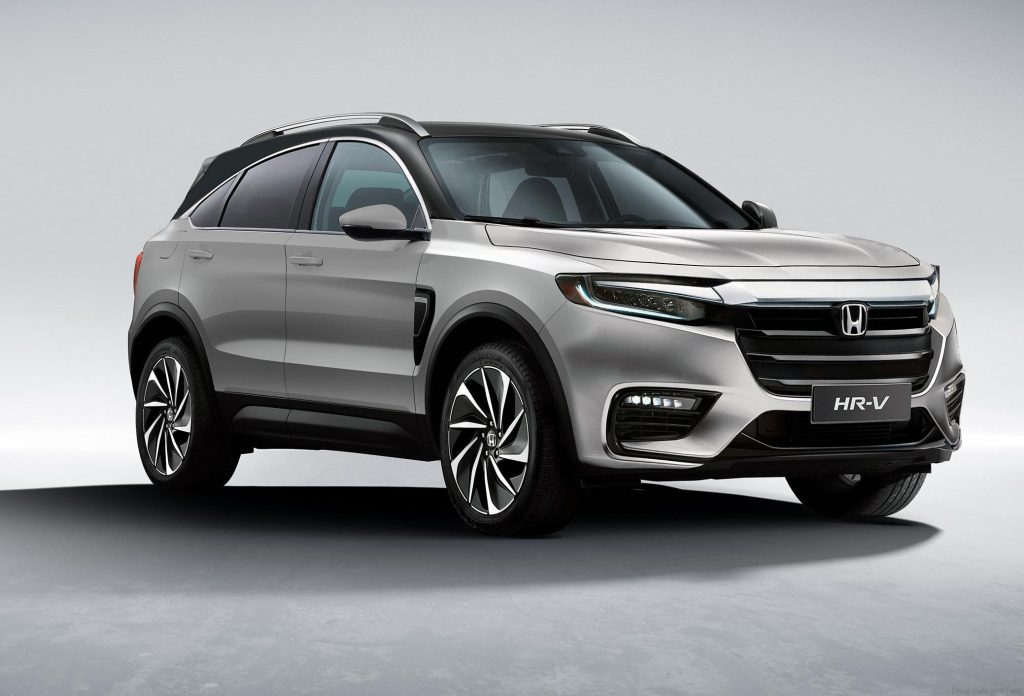
Another reason buyers should be cautious is that first-year production vehicles often miss the engineering refinements introduced later. Honda gradually addressed many of these concerns through software updates, manufacturing improvements, and component revisions in subsequent model years.
The 2016 Honda HR-V is included among the years to approach carefully because it carries the highest concentration of early production issues.
Anyone considering this model should verify a complete maintenance history, confirm that recall work has been completed, and pay close attention to transmission behavior during a thorough test drive.
Specifications
- Engine: 1.8-liter Naturally Aspirated Inline-4
- Torque: 127 lb-ft
- Horsepower: 141 hp
- Length/Width: 169.1 in / 69.8 in
2. 2017 Honda HR-V
At first glance, the 2017 Honda HR-V appears to be a safer purchase than the original 2016 model because Honda had an extra year to refine production.
While certain improvements were made, the vehicle still inherited several concerns that kept it from becoming one of the strongest choices in the used market. For that reason, buyers should approach this model with careful research rather than assuming it solves every early issue.
The most commonly discussed concern remained the continuously variable transmission. Some owners continued to report hesitation during acceleration, vibration at lower speeds, and an occasional shudder when pulling away from a stop.
Honda issued service updates for certain vehicles, but shoppers should verify maintenance records and ensure the transmission has received proper fluid changes throughout its life.
Another area of concern involves the electrical system. Complaints included malfunctioning push-button start systems, infotainment glitches, and warning lights that appeared without a major mechanical failure. While these problems were not universal, they occurred often enough to affect owner confidence.
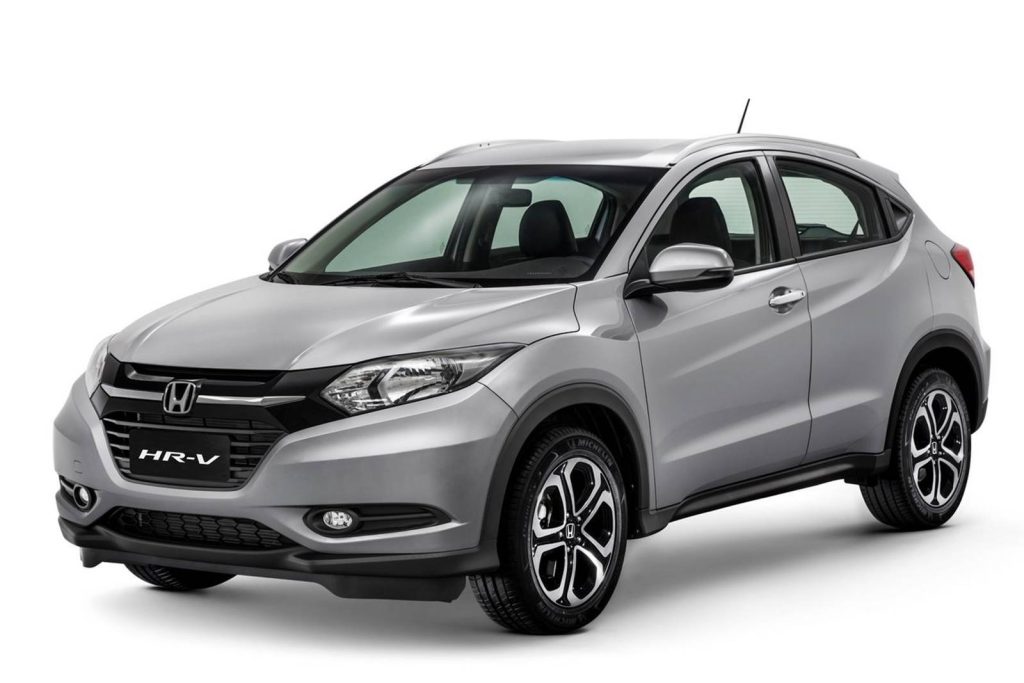
Despite these drawbacks, the 2017 HR-V still offers good fuel economy and a practical interior. However, buyers can often find newer model years with fewer reported issues for only a modest increase in price.
That makes the 2017 version a less attractive value unless it has been exceptionally well maintained and thoroughly inspected before purchase.
Specifications
- Engine: 1.8-liter Naturally Aspirated Inline-4
- Torque: 127 lb-ft
- Horsepower: 141 hp
- Length/Width: 169.1 in / 69.8 in
3. 2018 Honda HR-V
The 2018 Honda HR-V sits in an unusual position within the lineup. It was not plagued by a single catastrophic defect, yet it continued to receive enough recurring owner complaints to prevent it from being considered one of the most dependable model years.
Buyers looking at used examples should pay close attention to the vehicle’s service history rather than relying solely on mileage.
Transmission behavior remained one of the biggest talking points. Although many HR-Vs operated without major trouble, others developed symptoms such as delayed acceleration, inconsistent throttle response, or vibration that became more noticeable as mileage increased.
Proper CVT maintenance is particularly important on this model because neglected fluid changes can shorten transmission life.
Interior quality also generated criticism. Some owners experienced premature wear on seat materials, loose trim pieces, and occasional cabin rattles after years of daily driving. These issues do not usually leave the vehicle stranded, but they can reduce long-term satisfaction and suggest that later production years benefited from better manufacturing refinement.
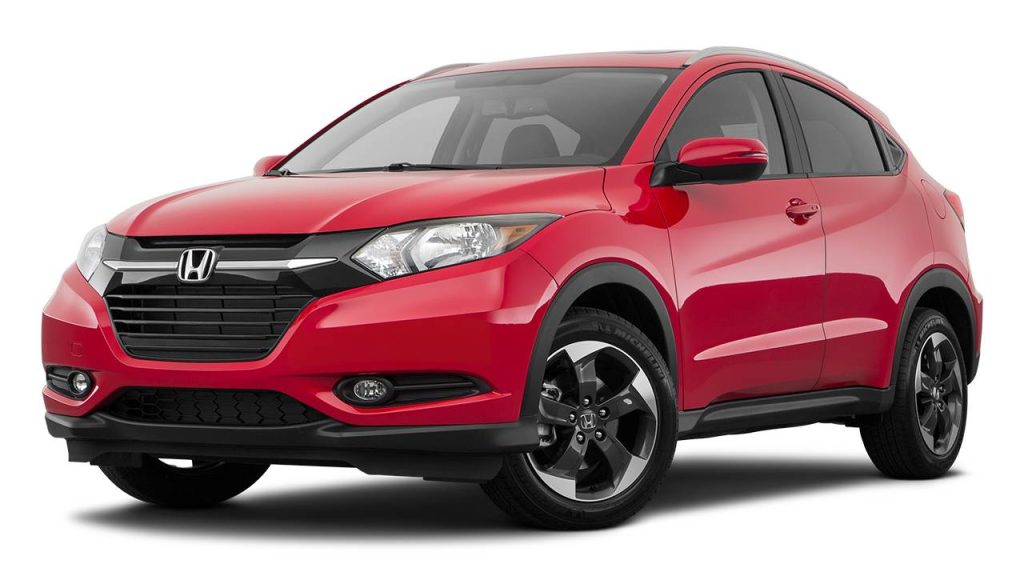
Safety and practicality remain positive aspects of the 2018 HR-V, and many examples continue to serve their owners reliably.
Nevertheless, if a buyer has the flexibility to choose between this model and a well-maintained 2019 or newer version, the newer vehicle generally offers a better ownership experience with fewer recurring complaints.
Specifications
- Engine: 1.8-liter Naturally Aspirated Inline-4
- Torque: 127 lb-ft
- Horsepower: 141 hp
- Length/Width: 170.9 in / 69.8 in
4. 2023 Honda HR-V
The second-generation Honda HR-V introduced a completely redesigned platform, updated styling, a larger cabin, and a more powerful engine. While those improvements made it a much more refined crossover than its predecessor, the 2023 model also carried some of the typical challenges associated with the first year of a new generation.
It is not an unreliable SUV, but it experienced enough early ownership concerns to deserve extra attention before buying used.
One of the most widely discussed issues involved the rear windshield. Some owners reported spontaneous cracking without any obvious impact, leading Honda to investigate the problem and issue service guidance for affected vehicles. Although not every vehicle experienced this defect, it became one of the defining concerns of the 2023 model year.
There were also isolated complaints regarding software glitches affecting the infotainment system and driver assistance features. In many cases, dealership software updates resolved these problems, but buyers should verify that all applicable updates and recalls have been completed before purchasing.
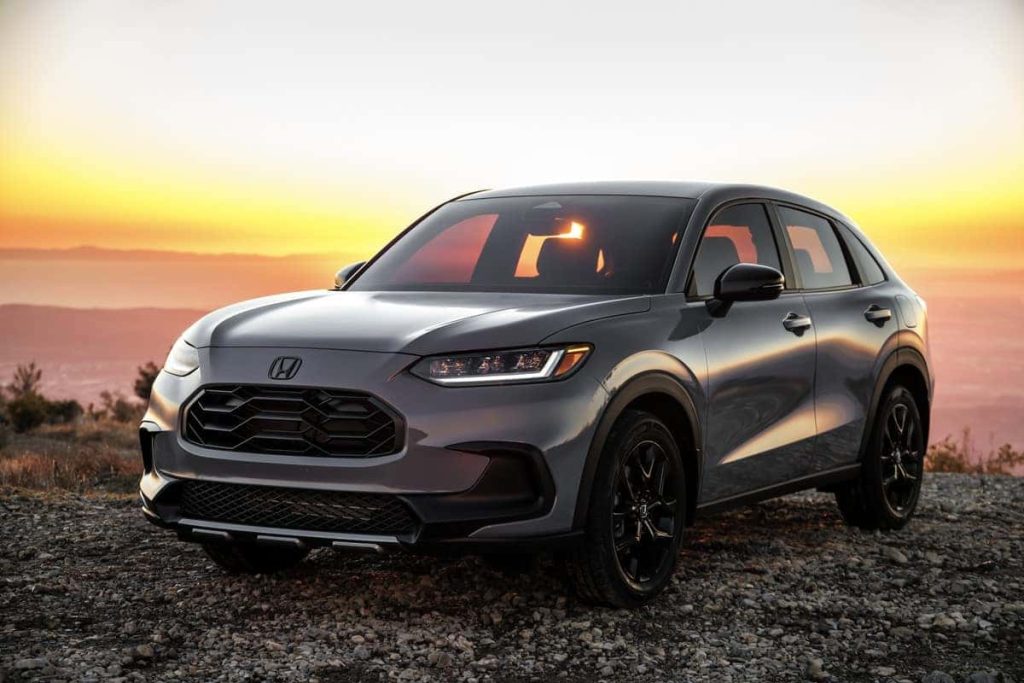
Mechanically, the 2.0-liter engine has generally proven dependable, and the vehicle offers a comfortable ride with improved handling compared to the previous generation.
However, because it was the first year of an entirely new design, long-term durability data is still less established than in later production years. Buyers seeking maximum peace of mind may prefer a newer 2024 or 2025 model that benefited from additional production refinements.
Specifications
- Engine: 2.0-liter Naturally Aspirated Inline-4
- Torque: 138 lb-ft
- Horsepower: 158 hp
- Length/Width: 179.8 in / 72.4 in
5. 2020 Honda HR-V
The 2020 Honda HR-V is not a poor vehicle by any means, which makes its inclusion on this list somewhat surprising.
It appears here primarily because several surrounding model years offer a stronger combination of reliability, refinement, and long-term value. Buyers comparing multiple HR-Vs will often find better options from 2019, 2021, or 2022 with similar pricing.
Some owners reported continued concerns related to CVT performance, including occasional hesitation during acceleration and less responsive power delivery under heavier throttle. While these issues were generally less severe than those reported on earlier models, they remained noticeable enough to influence owner satisfaction.
The cabin also began to show its age compared with newer competitors. The infotainment system lacked the responsiveness and modern interface expected by many buyers, while certain interior materials felt less premium than those found in later Honda models. Road and wind noise were also more noticeable during extended highway driving.
On the positive side, the 2020 HR-V still provides excellent cargo flexibility, impressive fuel economy, and Honda’s reputation for dependable engineering when properly maintained.
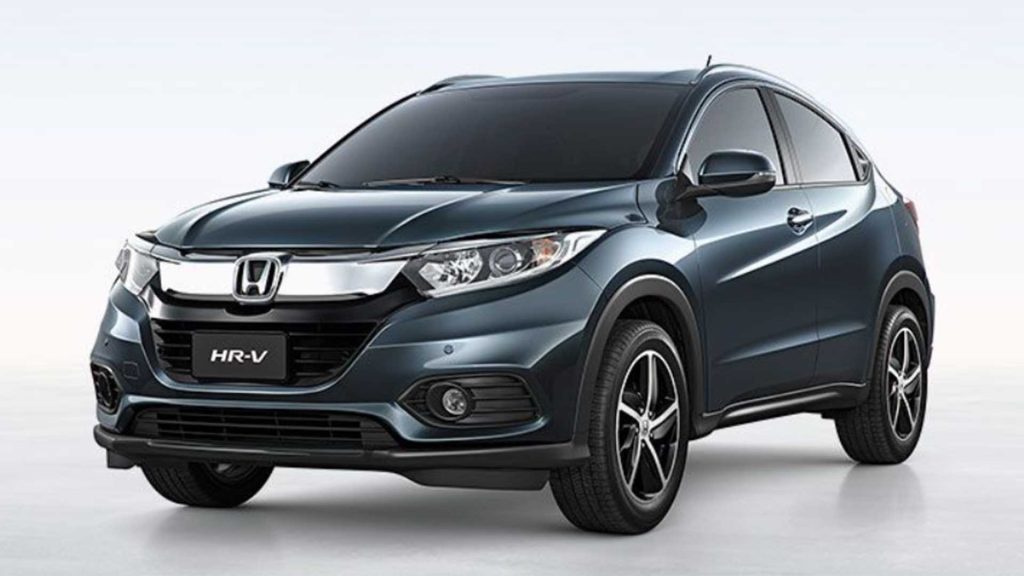
However, because the used market often places similarly priced 2021 or 2022 examples within reach, many shoppers find better long-term value by choosing those newer model years instead.
The 2020 model is worth approaching carefully rather than avoiding outright. A complete maintenance history, documented transmission servicing, and a thorough pre-purchase inspection can make a significant difference in determining whether a particular vehicle is a worthwhile purchase.
Specifications
- Engine: 1.8-liter Naturally Aspirated Inline-4
- Torque: 127 lb-ft
- Horsepower: 141 hp
- Length/Width: 170.9 in / 69.8 in
Also Read: 5 Best Honda Odyssey Years vs 5 With Known Problems
