
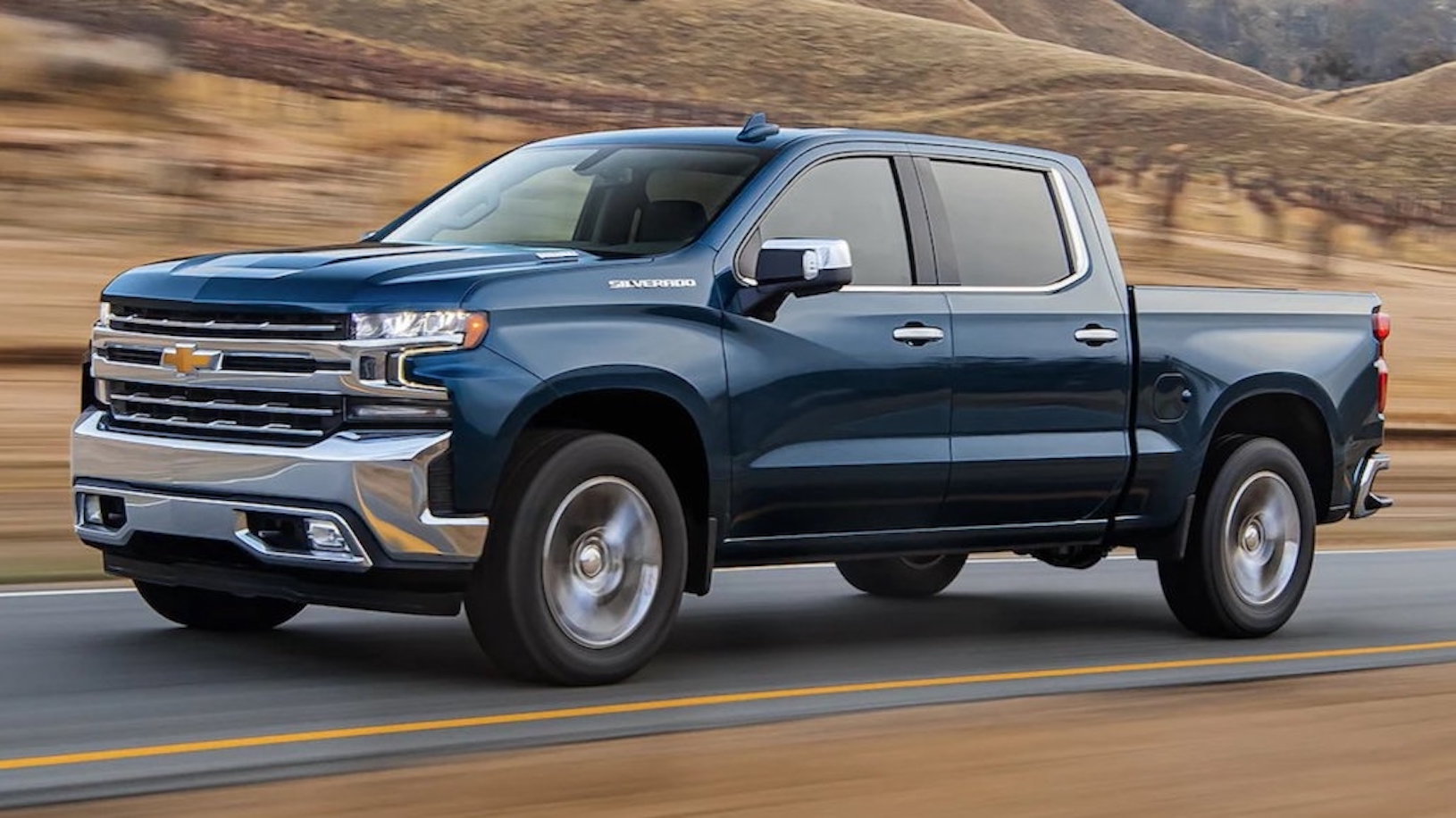
The Chevrolet Silverado has earned a reputation for strong towing performance, durable construction, and versatile engine options, but reliability varies significantly by model year. Long-term owner reports and NHTSA complaint data reveal recurring issues such as transmission failures, engine lifter problems linked to GM’s Active Fuel Management (AFM) system, electrical faults, and drivetrain repairs.
Older early-2000s models are often praised for their mechanical simplicity and durability despite age-related rust, while newer Silverados offer improved technology, comfort, and efficiency but introduce greater mechanical and electronic complexity. Recent generations have also faced engine-related investigations and recalls involving certain V8 models.
The Chevrolet Silverado has delivered its best reliability in model years when GM had already refined its powertrains while avoiding unnecessary mechanical complexity. By comparison, years that introduced major redesigns or new technologies often proved less dependable. This guide examines five Silverado model years known for their reliability, along with five that have developed a reputation for recurring issues, helping buyers choose a truck with stronger long-term ownership potential.
Also Read: 10 Hidden Features in the Kia Telluride
5 Best Chevrolet Silverado Years
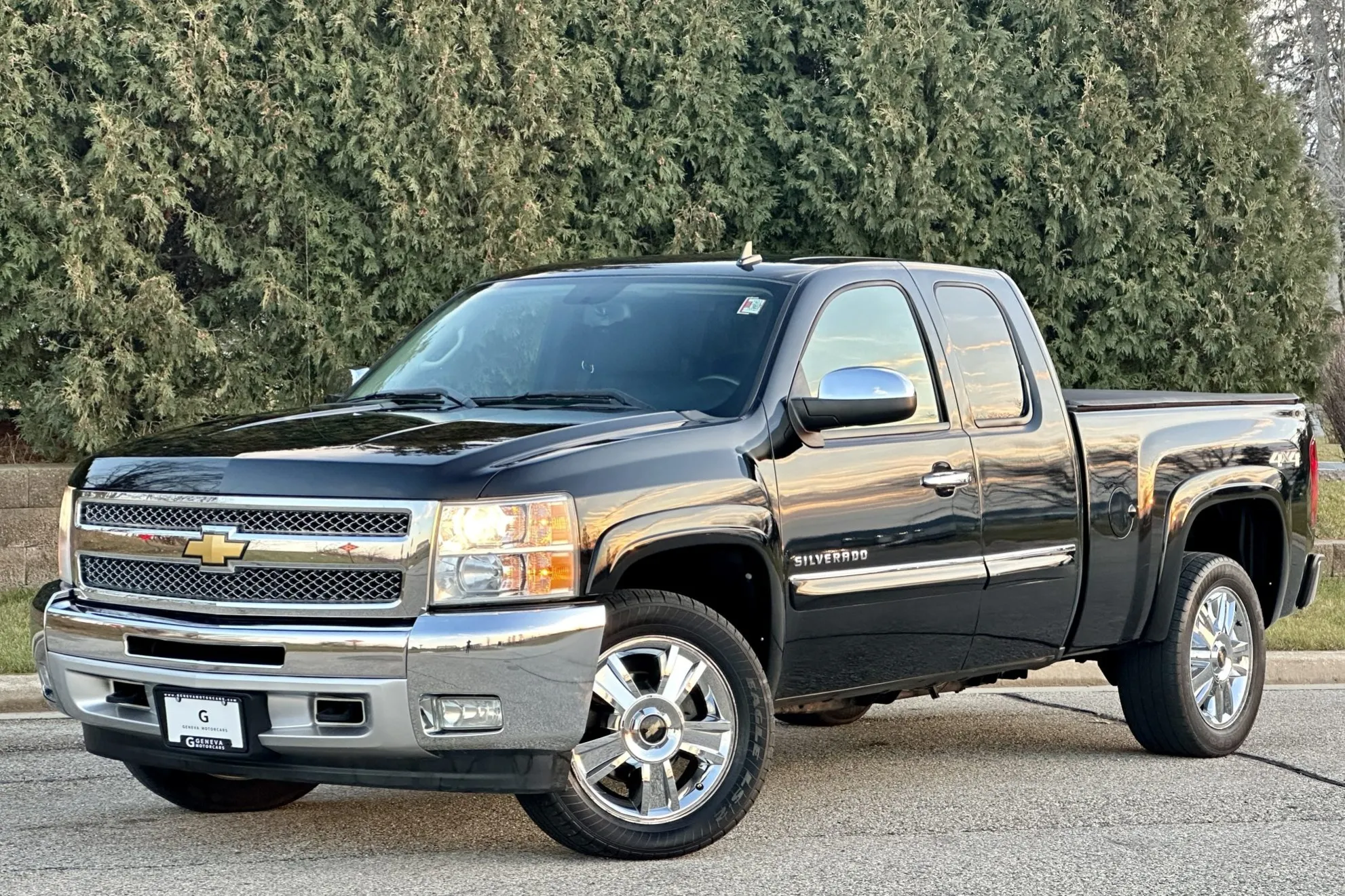
- Engine: 5.3L V8 Vortec (Active Fuel Management)
- Horsepower: 315 hp
- Torque: 335 lb-ft
- Length: ~230.2 inches (Crew Cab short bed)
- Width: ~79.9 inches (without mirrors)
1. 2012 Chevrolet Silverado 1500
The 2012 Chevrolet Silverado 1500 stands out as one of the most refined and mechanically stable years of the GMT900 generation, largely because it arrived after several years of real-world testing and gradual engineering corrections.
By this point, General Motors had already worked through many of the early implementation issues related to the Active Fuel Management system and electronic throttle control, which were more problematic in the 2007 to 2009 model years. As a result, the 2012 model benefits from improved calibration of cylinder deactivation behavior, reducing instances of excessive engine oil consumption and lifter noise that earlier owners frequently reported.
From a drivetrain perspective, the 5.3L V8 paired with the 6-speed automatic transmission shows noticeably improved long-term consistency.
Transmission shift quality is smoother, particularly under moderate towing loads, and fewer reports of harsh downshifting or torque converter shudder appear in owner reliability databases compared to earlier production years.
Many long-term owners report that with routine maintenance such as regular transmission fluid servicing and timely spark plug replacement, the truck is capable of exceeding 200,000 miles without requiring major engine or transmission overhauls.
Structurally, the 2012 Silverado also benefits from a mature chassis design that had already been in production for several years. This reduces the likelihood of early-life suspension geometry issues or steering component recalls.
While rust can still be a concern in regions with heavy road salt use, the core frame integrity is generally strong if properly maintained. Interior electronics remain relatively simple compared to modern trucks, which significantly reduces failure points such as infotainment glitches or sensor malfunctions.
The 2012 model year represents a sweet spot where mechanical simplicity meets refined engineering, making it one of the most dependable used Silverado options available in the full-size pickup market.
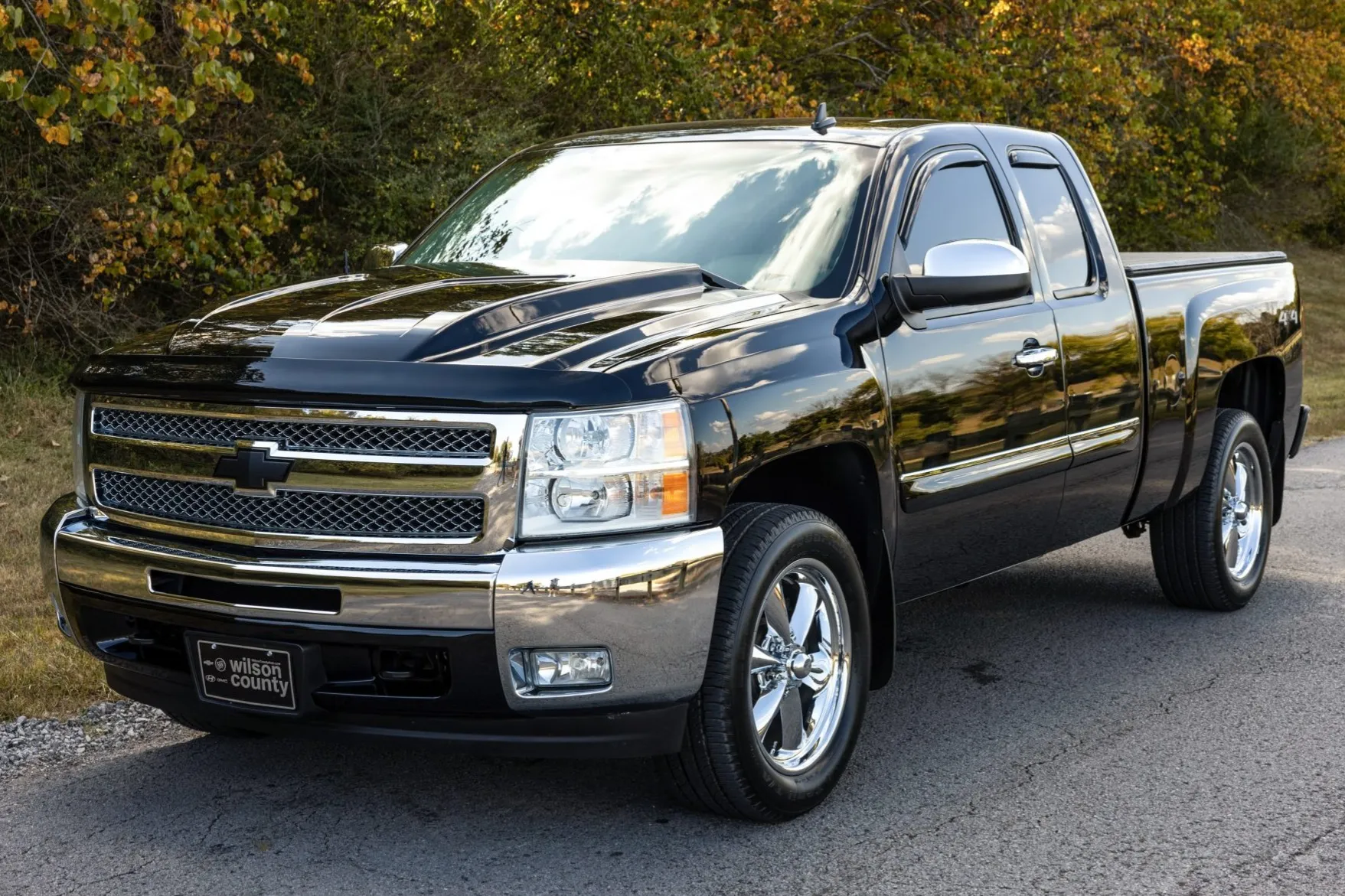
- Engine: 5.3L V8 Vortec (AFM)
- Horsepower: 315 hp
- Torque: 335 lb-ft
- Length: ~230.2 inches
- Width: ~79.9 inches
2. 2013 Chevrolet Silverado 1500
The 2013 Chevrolet Silverado 1500 is widely regarded as the final and most refined iteration of the GMT900 platform, benefiting from nearly a decade of continuous improvement before the major redesign in 2014.
This model year reflects GM’s most optimized version of the traditional Silverado formula, with fewer mechanical inconsistencies and better system integration compared to earlier versions. One of the biggest reliability advantages of the 2013 model is its improved engine calibration, particularly in relation to the AFM system, which by this stage had been tuned to operate more smoothly under real-world driving conditions.
The 5.3L V8 engine in the 2013 Silverado is known for its durability when properly maintained, and it shows lower rates of lifter failure compared to earlier AFM-equipped engines. While AFM-related issues are not entirely eliminated, their frequency is significantly reduced, especially in trucks that received consistent oil changes using high-quality synthetic oil.
Transmission performance also shows improved consistency, with fewer complaints of gear hunting or delayed engagement under load. This makes the 2013 model particularly appealing for drivers who regularly tow trailers or use the truck for work-related hauling.
A key advantage of the 2013 Silverado is its reduced electronic complexity. Unlike newer generations that rely heavily on integrated digital systems, this model maintains a relatively straightforward electrical architecture.
This translates into fewer sensor failures, lower diagnostic complexity, and reduced repair costs over the long term. Common maintenance issues are typically limited to wear items such as ball joints, brake components, and minor suspension bushings rather than major drivetrain failures.
Because it represents the final evolution of a proven platform, the 2013 Silverado is often considered one of the safest used truck purchases in terms of predictable long-term ownership costs and mechanical reliability.
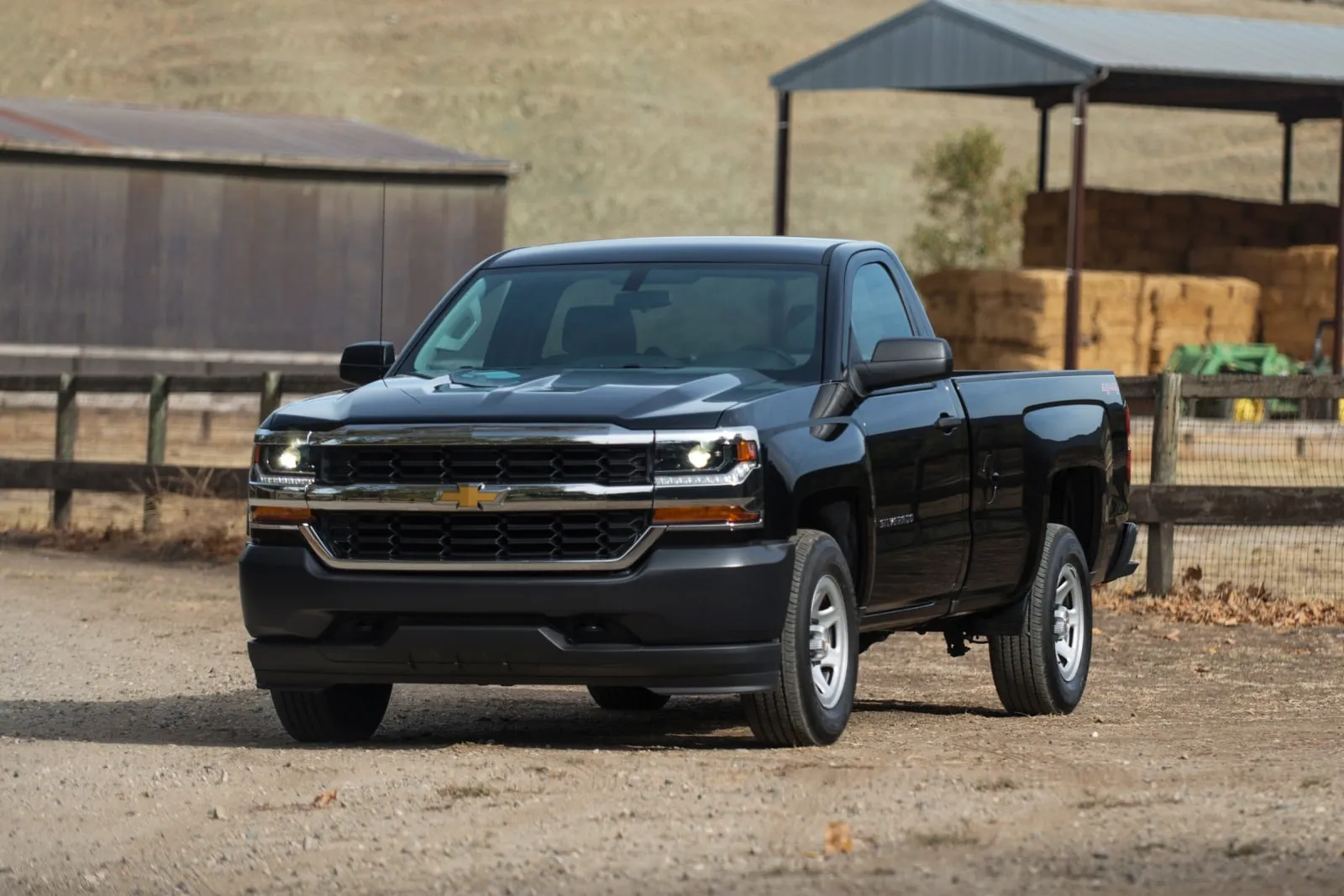
- Engine: 5.3L V8 EcoTec3 (Direct Injection + AFM)
- Horsepower: 355 hp
- Torque: 383 lb-ft
- Length: ~230.0 inches
- Width: ~80.0 inches
3. 2018 Chevrolet Silverado 1500
The 2018 Chevrolet Silverado 1500 is one of the strongest years within the K2XX generation, primarily because it represents a mature phase of production where early design flaws had already been addressed.
Earlier models from 2014 to 2016 experienced a higher concentration of transmission-related complaints, particularly involving rough shifting patterns and torque converter issues. By 2018, however, GM had implemented multiple software updates and mechanical refinements that significantly improved transmission behavior and drivability.
The 5.3L and 6.2L V8 engines available in this model year benefit from improved fuel management calibration, which helps reduce the severity of AFM-related concerns that were more noticeable in earlier production years.
While AFM is still present, its operation is less intrusive, and long-term engine wear appears more controlled based on owner-reported mileage data. Many high-mileage examples of the 2018 Silverado have demonstrated strong durability when maintained with regular oil changes and preventive maintenance schedules.
Another important improvement in the 2018 model is the interior and electronic stability. Early K2 generation trucks often suffered from infotainment system freezing, Bluetooth connectivity issues, and sensor inconsistencies.
By 2018, these problems were significantly reduced due to updated software architecture and more stable hardware integration. This results in fewer non-mechanical repair visits, which is an important factor in ownership satisfaction.
From a structural standpoint, the frame and suspension design remain robust and well-suited for towing and payload use. The suspension tuning also provides a better balance between ride comfort and load stability compared to earlier K2 models.
The 2018 Silverado is considered one of the most well-rounded modern used pickup options because it combines relatively modern features with a high level of mechanical maturity.
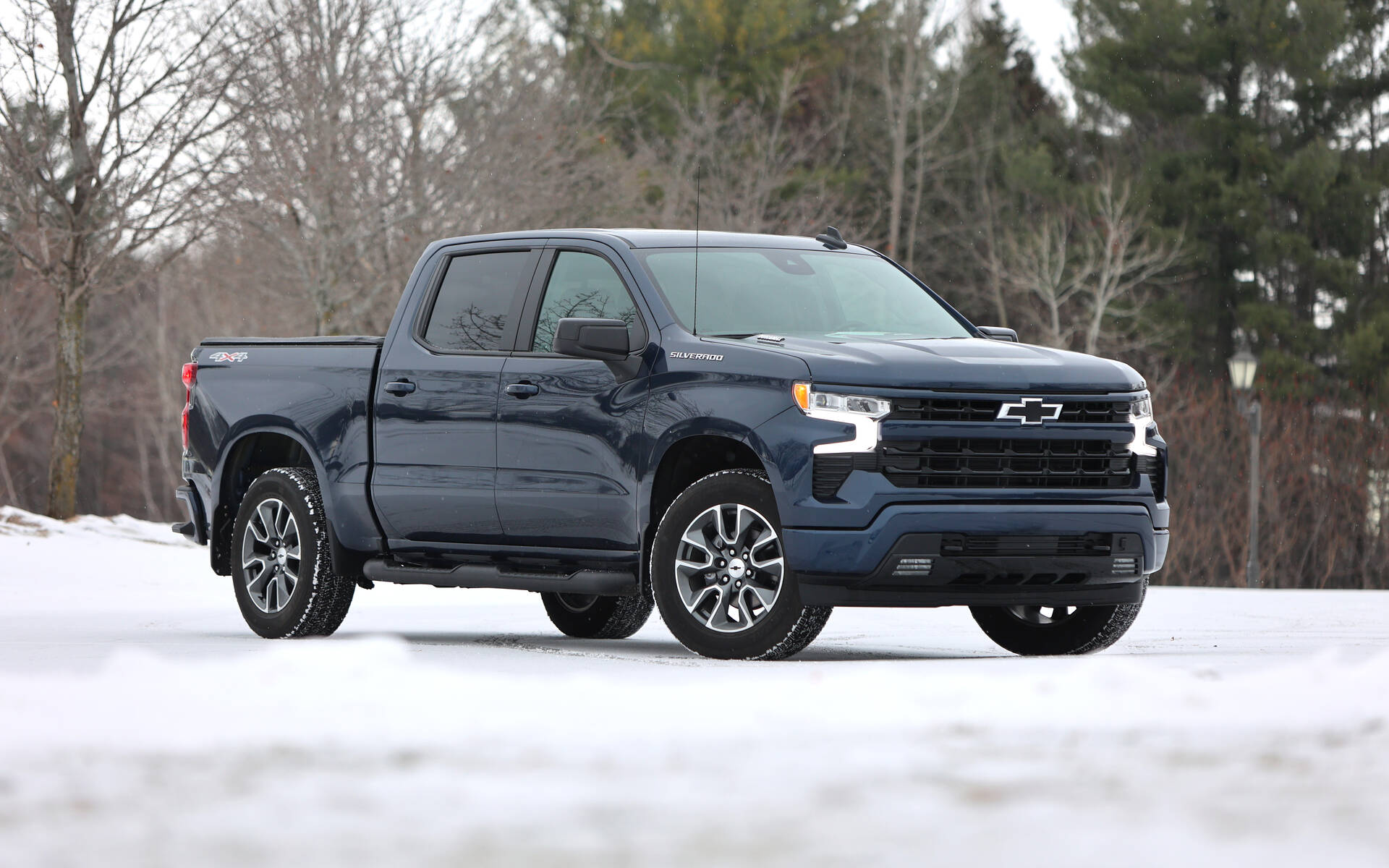
- Engine: 5.3L V8 EcoTec3 (Dynamic Fuel Management in newer tuning)
- Horsepower: 355 hp
- Torque: 383 lb-ft
- Length: ~231.7 inches
- Width: ~81.1 inches
4. 2023 Chevrolet Silverado 1500
The 2023 Chevrolet Silverado 1500 represents one of the most refined points in the current generation, benefiting from several years of production adjustments following the initial launch of the updated platform.
Early T1 generation models, particularly those from 2019 and 2020, experienced a higher number of complaints related to software glitches, transmission tuning inconsistencies, and early manufacturing variability. By 2023, many of these issues had been addressed through updated calibration strategies and improved assembly consistency.
The engine lineup in the 2023 Silverado includes refined versions of GM’s V8 engines as well as turbocharged options, all of which benefit from improved thermal management and updated software controls.
While long-term reliability data is still developing due to the model’s relatively recent release, early indicators suggest fewer widespread mechanical defects compared to the initial production years of the generation. Transmission performance is also more stable, with smoother gear transitions and fewer reports of hesitation or jerky behavior during low-speed driving.
One notable improvement in the 2023 model is the electronic system stability. Infotainment responsiveness, driver assistance features, and sensor reliability show measurable improvement compared to earlier T1 trucks.
This is important because modern vehicles increasingly rely on integrated electronics for both safety and drivability functions. Reduced electronic failure rates directly improve long-term ownership satisfaction and reduce unexpected repair costs.
Although it is still a relatively new model in terms of long-term data collection, the 2023 Silverado is currently viewed as one of the most reliable modern entries in the lineup due to its position in the production cycle, where most early development issues have already been resolved.
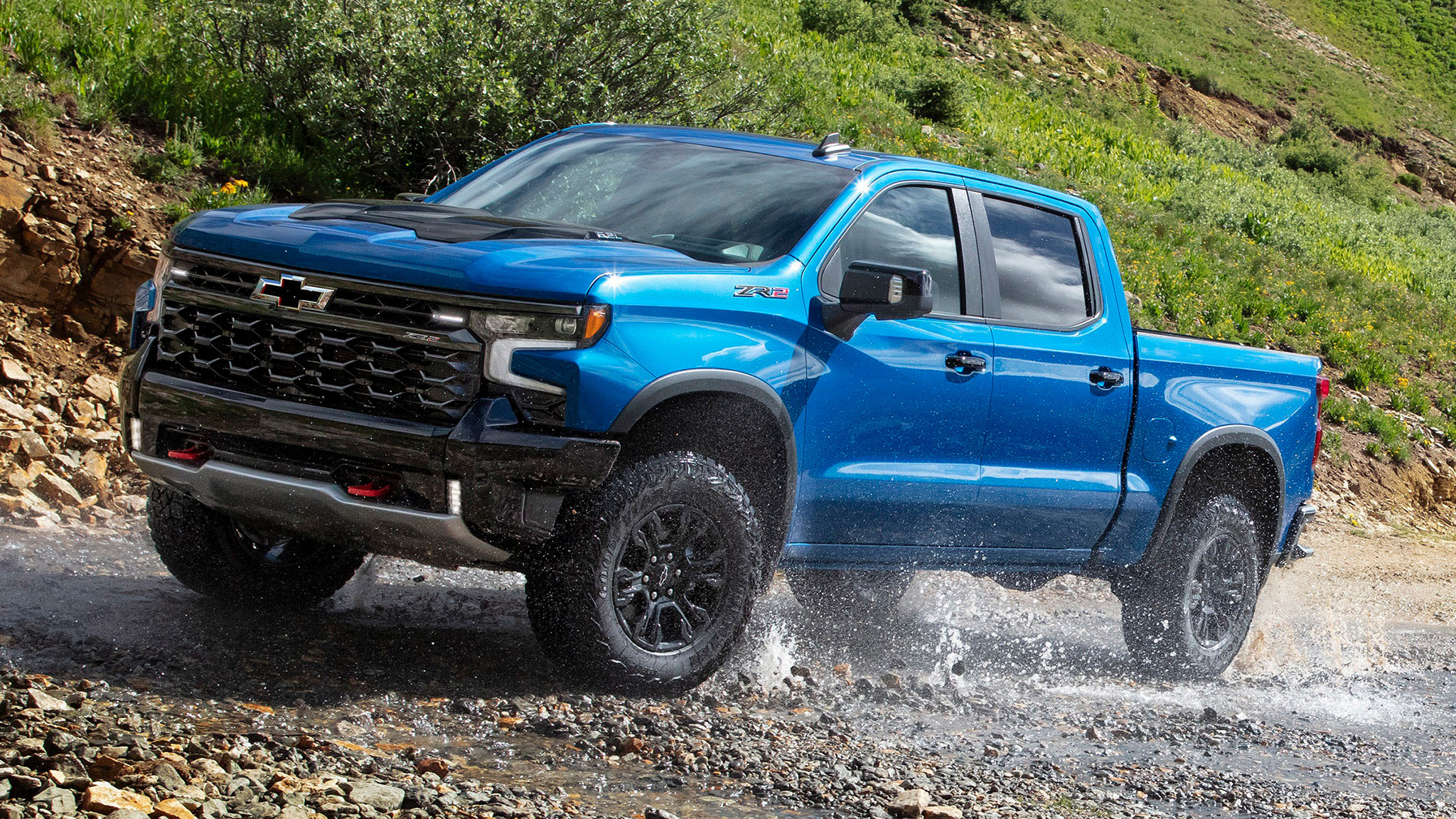
- Engine: 5.3L V8 EcoTec3 (updated calibration)
- Horsepower: 355 hp
- Torque: 383 lb-ft
- Length: ~231.7 inches
- Width: ~81.1 inches
5. 2024 Chevrolet Silverado 1500
The 2024 Chevrolet Silverado 1500 continues the refinement trend established in the 2023 model year and benefits from incremental improvements in both manufacturing quality and software calibration.
At this stage of the production cycle, the platform has reached a high level of maturity, meaning that many of the early-generation issues that typically affect redesign models have already been corrected through iterative updates and engineering refinements.
One of the most important improvements in the 2024 model is enhanced drivetrain consistency. Transmission behavior has been further optimized to deliver smoother shifting under both light and heavy load conditions, reducing the hesitation and abrupt gear changes that were more commonly reported in earlier T1-generation trucks.
Engine performance also benefits from improved fuel mapping and thermal management strategies, which help enhance long-term durability under varying driving conditions.
Electronic systems in the 2024 Silverado also show improved reliability compared to earlier years. Infotainment responsiveness, camera systems, and driver assistance features operate more consistently due to updated software architecture and better integration between control modules.
This reduction in electronic instability plays a major role in lowering non-mechanical repair visits, which are increasingly common cost drivers in modern vehicles.
While long-term durability data is still limited due to the model’s recent release, early ownership feedback suggests that the 2024 Silverado is one of the most stable modern versions available so far. It represents a continuation of the trend toward improved refinement after the initial learning curve of the platform redesign phase.
Also Read: 8 Hidden Features in the Cadillac Lyriq
5 Chevrolet Silverado Years to Avoid
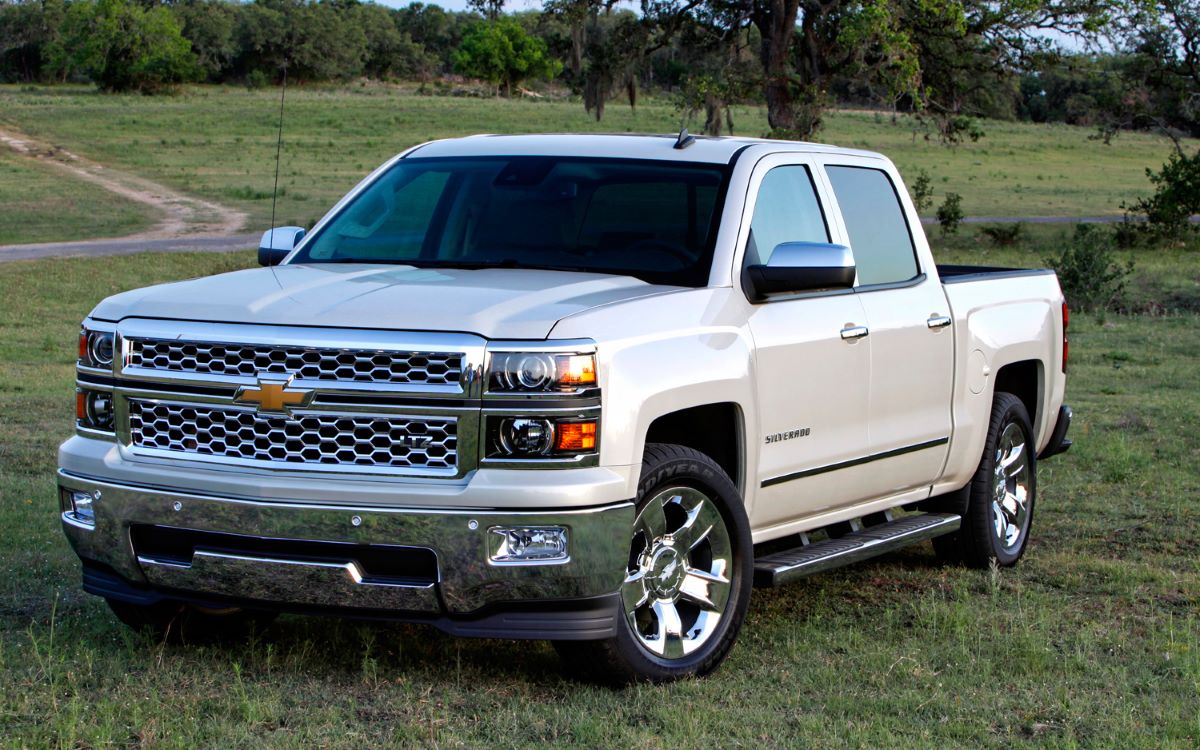
- Engine: 5.3L V8 EcoTec3 (early K2XX AFM setup)
- Horsepower: 355 hp
- Torque: 383 lb-ft
- Length: ~230.0 inches
- Width: ~80.0 inches
1. 2014 Chevrolet Silverado 1500
The 2014 Chevrolet Silverado 1500 is widely regarded as one of the most problematic transition-year trucks in modern Silverado history because it marked the complete redesign into the K2XX platform.
While redesigns often bring improvements in fuel efficiency, safety, and interior quality, they also tend to introduce early production instability, and the 2014 Silverado is a clear example of that pattern. One of the biggest issues reported by owners involves widespread electrical system inconsistencies, including malfunctioning sensors, infotainment freezes, and intermittent failures in dashboard warning systems that can be difficult to diagnose and expensive to repair.
From a drivetrain standpoint, the 2014 model suffers from a combination of transmission calibration issues and early-generation AFM-related engine concerns. The 5.3L V8, in particular, has been linked to lifter noise, excessive oil consumption in some cases, and uneven cylinder deactivation behavior under light load.
These problems are often not immediately catastrophic but tend to develop gradually, leading to long-term reliability concerns and increasing maintenance costs as mileage increases.
The 6-speed automatic transmission in this model year is also frequently reported to exhibit harsh downshifts, hesitation during acceleration, and occasional torque converter shudder, especially in trucks used for towing or heavy hauling.
One significant issue with the 2014 Silverado is the sheer volume of early-production defects. Because this was the first year of a new generation, component suppliers, assembly processes, and software systems were still being refined. This led to a higher-than-average rate of recalls and technical service bulletins compared to later model years.
Interior quality complaints also appear frequently, including premature wear of seat materials, dashboard rattles, and inconsistent climate control performance.
The 2014 Silverado is considered a high-risk purchase because it combines early-generation mechanical uncertainty with electronic complexity that had not yet been fully stabilized, making long-term ownership costs significantly less predictable.
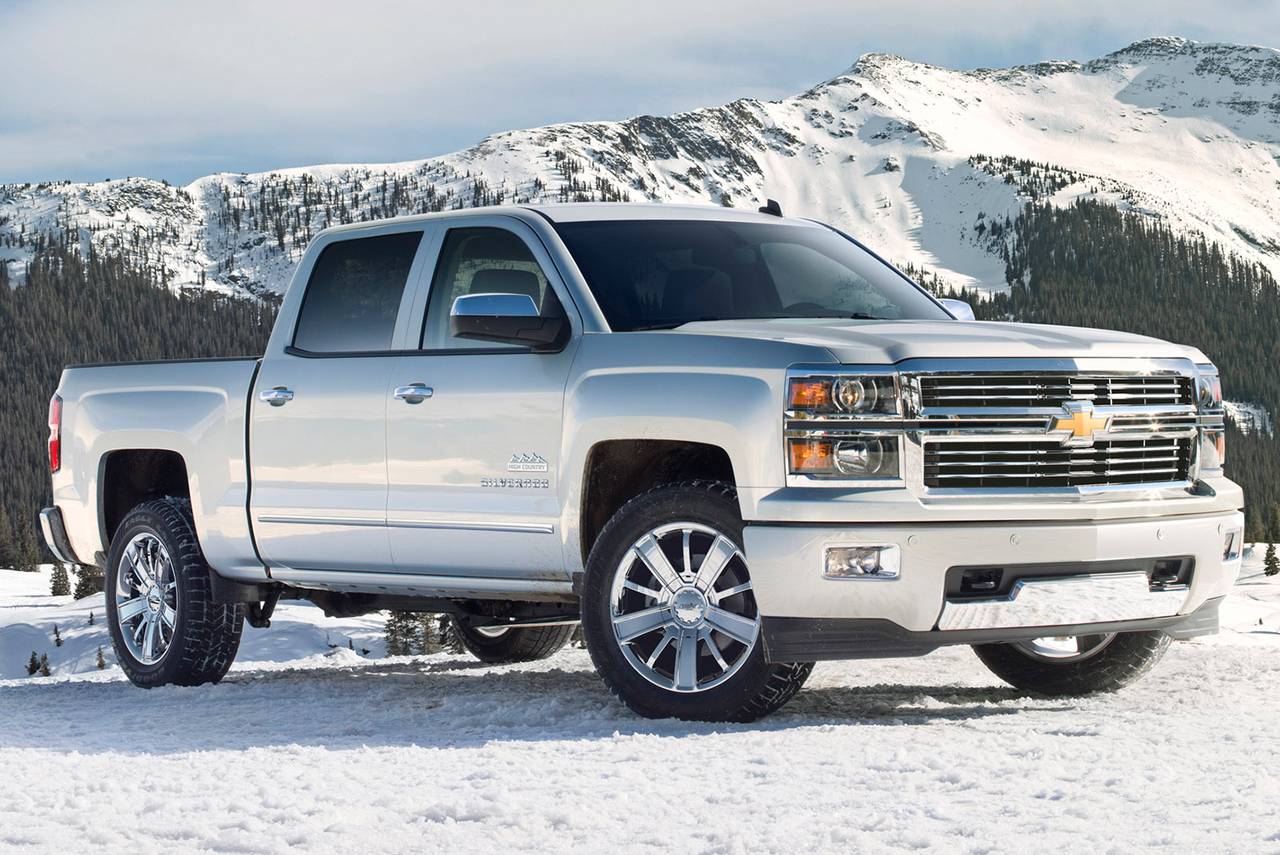
- Engine: 5.3L V8 EcoTec3
- Horsepower: 355 hp
- Torque: 383 lb-ft
- Length: ~230.0 inches
- Width: ~80.0 inches
2. 2015 Chevrolet Silverado 1500
The 2015 Chevrolet Silverado 1500 continues many of the unresolved issues introduced in the 2014 redesign, which is why it is also frequently listed among the least reliable years of the K2XX generation.
While GM made incremental improvements over the first production year, many of the core mechanical and electronic weaknesses persisted, particularly in the drivetrain and transmission systems. Owners frequently report that the truck exhibits inconsistent shifting behavior, including delayed gear engagement, rough transitions between gears, and occasional surging at low speeds.
The engine lineup, especially the 5.3L V8 with Active Fuel Management, continues to show a pattern of lifter-related concerns and oil consumption complaints in certain vehicles. Although not every truck is affected, the frequency of these issues is high enough in owner databases to be considered a recurring reliability concern.
When AFM systems malfunction or wear prematurely, they can lead to expensive engine repairs that may include camshaft and lifter replacement, which significantly increases total ownership cost.
Transmission performance remains one of the most criticized aspects of the 2015 Silverado. The 6-speed automatic often struggles under variable load conditions, particularly in stop-and-go driving or towing scenarios.
Some owners report that transmission behavior improves temporarily after software updates, but long-term consistency remains questionable in higher-mileage vehicles. This unpredictability makes it difficult for buyers to estimate future repair needs.
In addition to mechanical concerns, the 2015 model also shows continued electronic system complaints. Issues such as touchscreen lag, Bluetooth connectivity failures, and intermittent warning lights are commonly reported. While these problems may not always affect drivability directly, they contribute to a lower ownership satisfaction rating and increase time spent on dealership visits.
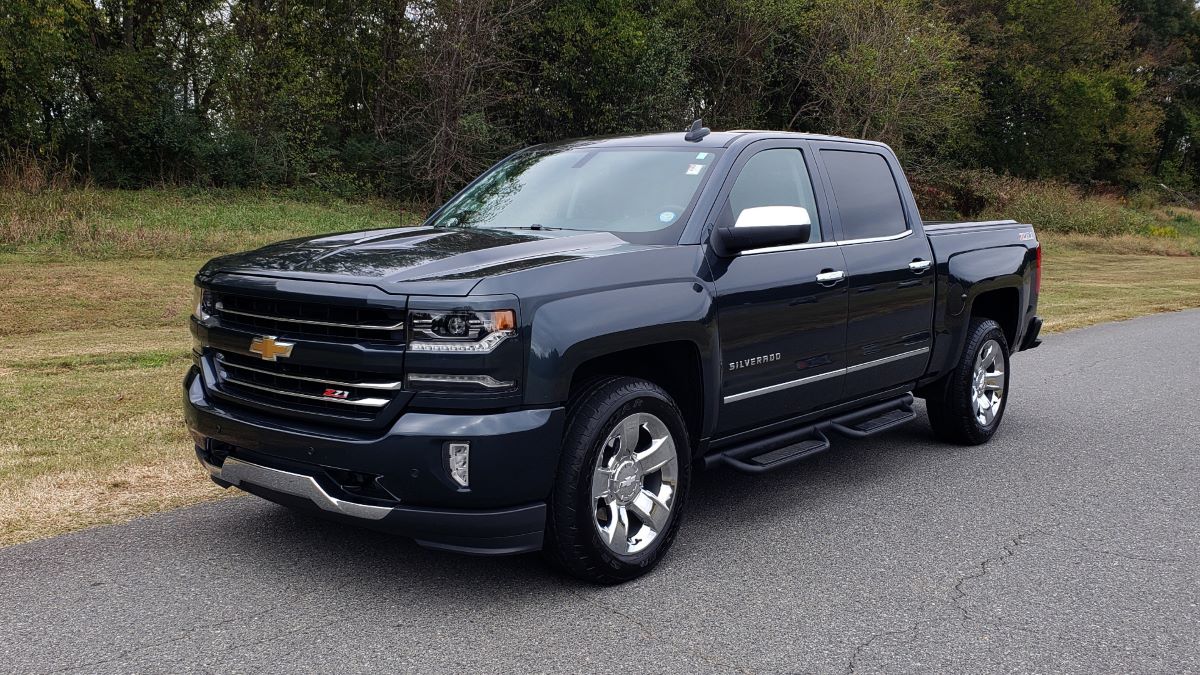
- Engine: 5.3L V8 EcoTec3
- Horsepower: 355 hp
- Torque: 383 lb-ft
- Length: ~230.0 inches
- Width: ~80.0 inches
3. 2016 Chevrolet Silverado 1500
The 2016 Chevrolet Silverado 1500 represents a slight improvement over the earliest K2XX models, but it still falls within a high-risk reliability category due to ongoing drivetrain and transmission concerns.
While some refinements were introduced by this point in the generation, the underlying architecture remained unchanged, meaning that core problem areas continued to affect a significant number of vehicles. One of the most commonly reported issues is transmission hesitation and rough shifting, particularly during acceleration from a stop or during low-speed gear changes.
The 6-speed automatic transmission in the 2016 model continues to show signs of long-term wear patterns that appear earlier than expected in many cases. Torque converter shudder and gear hunting are frequently mentioned in owner complaints, especially in vehicles that are used for towing or heavy payload applications.
These issues are not always catastrophic in the short term, but they tend to worsen over time and often require expensive rebuilds or replacements if not addressed early.
The engine system also continues to show AFM-related concerns, including lifter noise and uneven cylinder deactivation behavior. While GM attempted to improve calibration in later K2 years, the fundamental design remained the same, meaning that some of the same weaknesses persisted. Oil consumption complaints also appear in certain engines, particularly in higher-mileage vehicles that did not follow strict maintenance schedules.
Electronic systems in the 2016 Silverado remain inconsistent as well, with reports of sensor malfunctions, infotainment glitches, and electrical gremlins that are difficult to trace. These issues contribute to increased diagnostic time and repair costs because modern truck systems are heavily integrated, meaning a small fault can trigger multiple warning indicators.
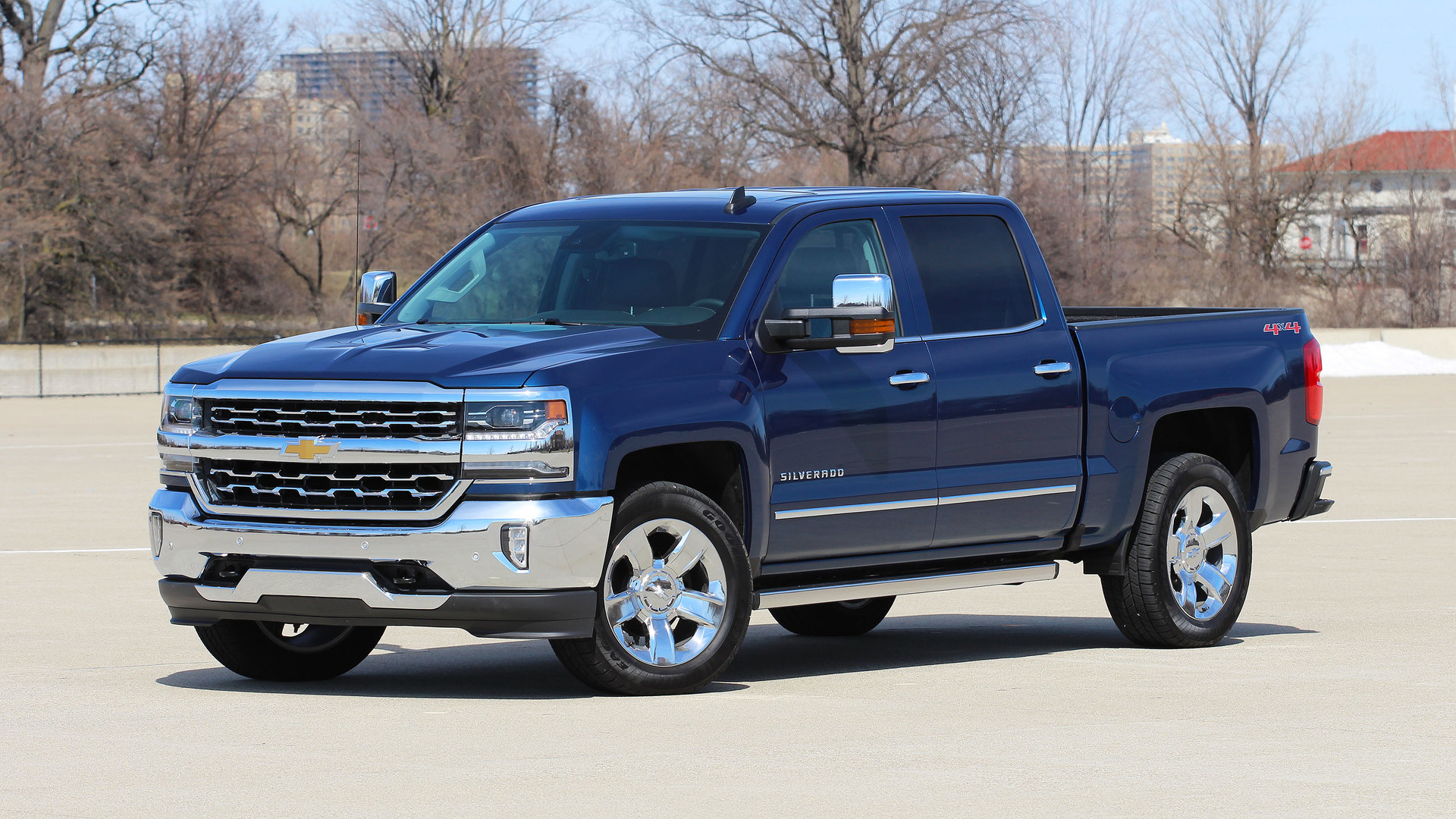
- Engine: 5.3L V8 EcoTec3
- Horsepower: 355 hp
- Torque: 383 lb-ft
- Length: ~230.0 inches
- Width: ~80.0 inches
4. 2017 Chevrolet Silverado 1500
The 2017 Chevrolet Silverado 1500 is often considered one of the most frustrating model years within the K2XX generation because it shows a noticeable spike in drivetrain complaints despite being near the end of the platform’s lifecycle.
One of the most significant issues reported by owners is transmission shuddering and surging, particularly at low speeds or during steady cruising. This behavior is often linked to torque converter issues and transmission calibration inconsistencies that were not fully resolved in this production year.
A major concern in the 2017 model is drivability inconsistency. Many owners report that the truck feels unpredictable under light throttle conditions, with sudden changes in acceleration response or delayed downshifting when extra power is needed. This can make daily driving less smooth and towing performance less reliable compared to earlier or later refined model years.
The 5.3L V8 engine continues to show AFM-related wear patterns, including lifter collapse in some cases and increased engine ticking noise over time. While not every vehicle experiences these failures, the occurrence rate is high enough in reliability databases to make this model year a concern for long-term ownership.
Repair costs for these issues are often high because they involve internal engine work rather than simple external component replacement.
The 2017 Silverado still experiences a range of electronic and interior quality issues, including infotainment system lag, intermittent electrical faults, and premature wear of interior components. These combined issues contribute to lower owner satisfaction ratings compared to both earlier and later model years in the same generation.
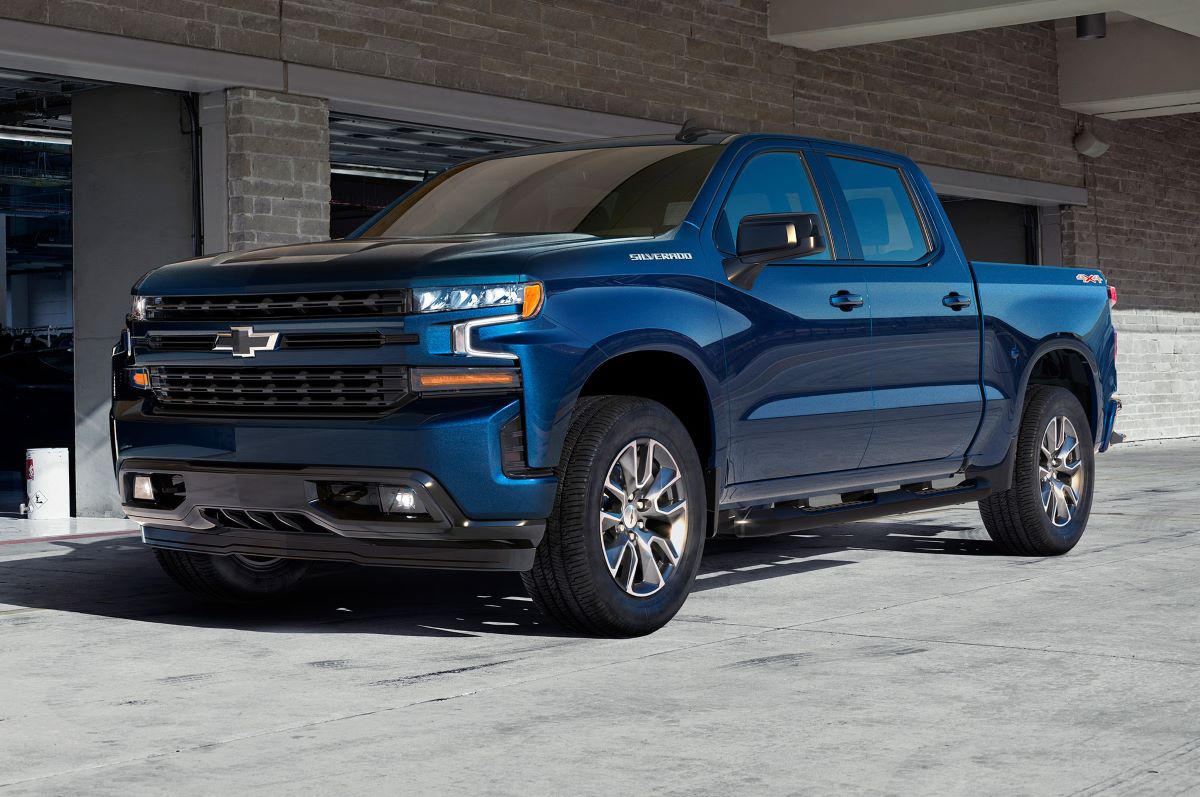
- Engine: 5.3L V8 EcoTec3 (plus optional 4.3L V6 / 6.2L V8)
- Horsepower: 355 hp (5.3L)
- Torque: 383 lb-ft (5.3L)
- Length: ~231.7 inches
- Width: ~81.1 inches
5. 2019 Chevrolet Silverado 1500
The 2019 Chevrolet Silverado 1500 marks the beginning of the new T1 generation, but as is common with first-year redesign models, it introduces a new set of reliability challenges that make it a higher-risk purchase compared to more mature versions of the same platform.
One of the most commonly reported concerns involves inconsistent transmission behavior, particularly hesitation during acceleration, rough gear changes, and unpredictable shifting patterns in both city and highway driving conditions.
Because this was a full platform redesign, GM introduced new engine configurations, updated structural components, and redesigned electronic systems.
While these changes were intended to improve performance and efficiency, early production models often suffer from calibration and integration issues. In the 2019 Silverado, this is reflected in software-related glitches affecting infotainment systems, driver assistance features, and sensor-based safety systems. These issues can lead to frustrating ownership experiences even when the vehicle is mechanically sound.
Engine reliability in the 2019 model is generally acceptable in the short term, but long-term data is still developing, and some concerns have been raised regarding newer iterations of AFM and dynamic fuel management systems. These systems introduce additional complexity to the engine’s operation, which can increase long-term maintenance sensitivity compared to simpler older designs.
Another factor contributing to the 2019 Silverado’s “avoid” classification is its early production variability. Build quality inconsistencies are more common in first-year redesigns due to supplier transitions and manufacturing ramp-up challenges. As a result, owners may experience a wider range of reliability outcomes compared to later model years of the same generation.
