
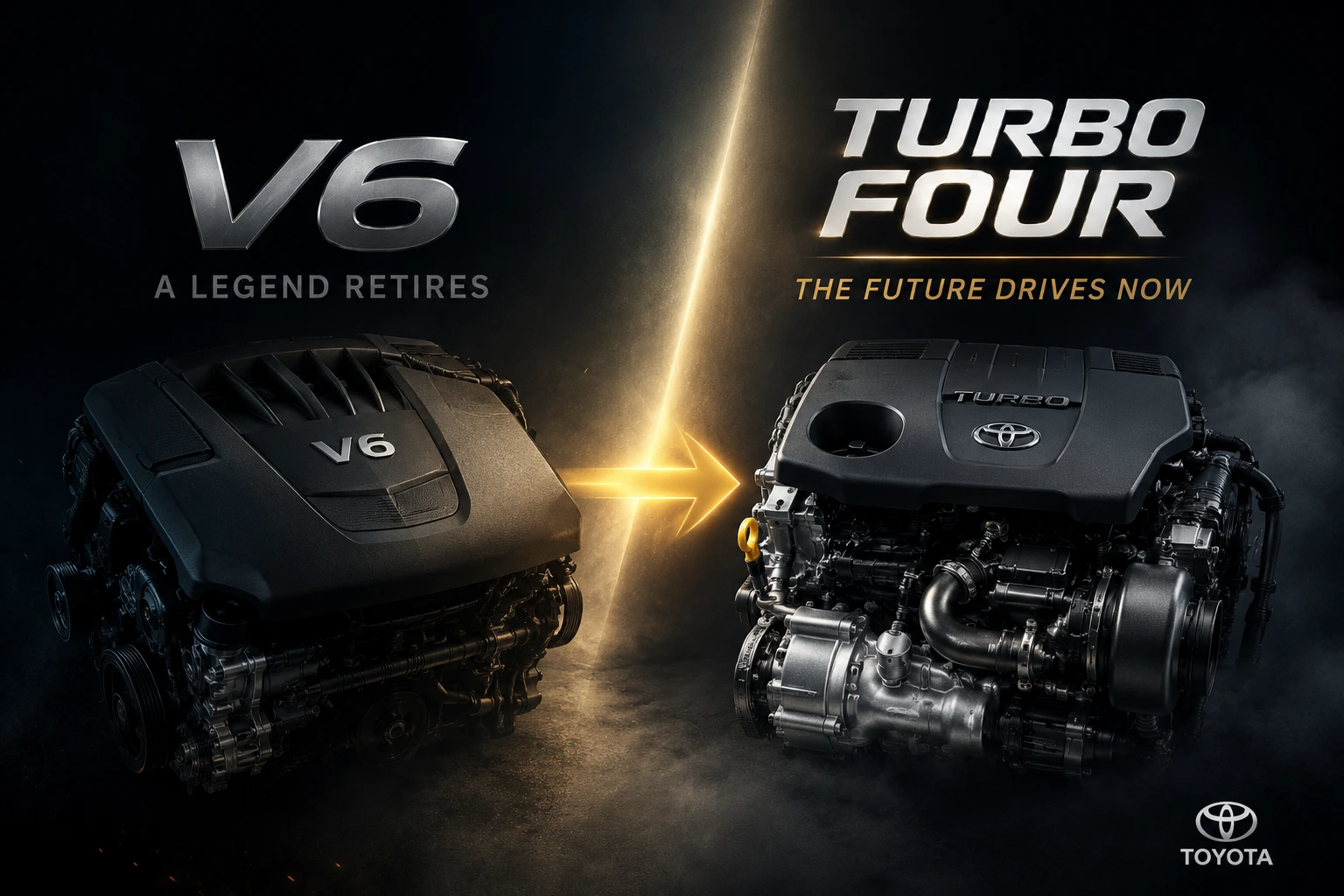
Automakers spent decades convincing buyers that six cylinders meant power, smoothness, and reliability, and for the most part, that pitch was accurate. A naturally aspirated V6 delivers a particular kind of linear, effortless power that is easy to live with across hundreds of thousands of miles, and the automotive public responded by buying V6-powered SUVs and trucks in enormous numbers across several generations of product.
Then fuel economy regulations got tighter, electrification timelines got shorter, and engineers discovered that a turbocharged four-cylinder with proper tuning could match or exceed V6 output numbers while burning considerably less fuel under light-throttle everyday driving conditions.
The transition happening right now across multiple brands is not subtle. Engine families that powered entire model lineups for over a decade are being quietly retired, replaced by smaller-displacement engines that compensate for their reduced cylinder count with forced induction.
Some of these replacements are genuine improvements. Others sacrifice the buttery smoothness that made the original engines beloved. Here are seven situations where a V6 is being pushed aside in favor of a turbocharged four, and what that change actually means for buyers.
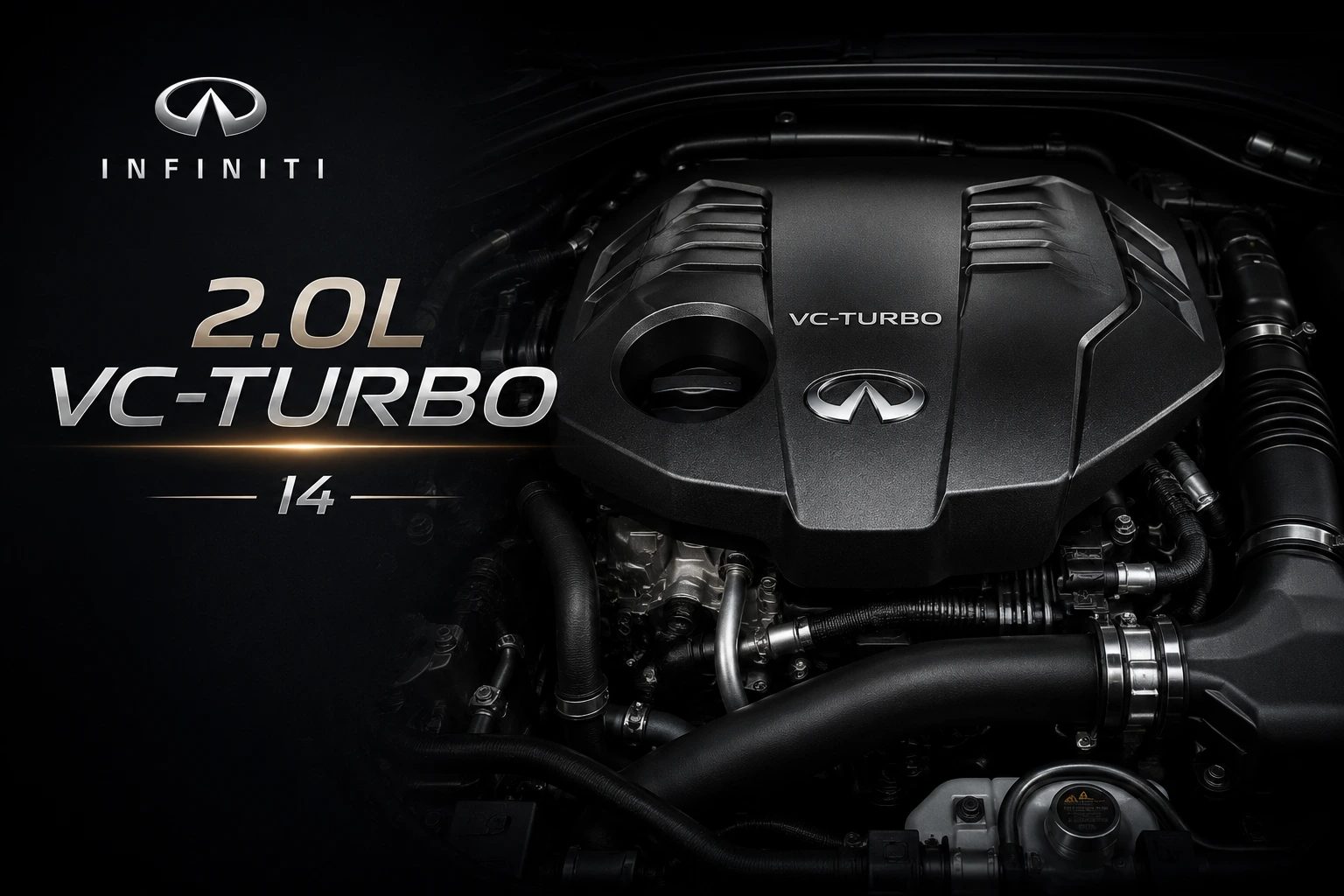
1. Infiniti 3.5L VQ V6 Replaced by 2.0L VC-Turbo I4
- Engine: 2.0L Variable Compression Turbo I4
- Horsepower: 268 hp
- Torque: 286 lb-ft
- Size: 192.8 in Long x 78.0 in Wide x 69.7 in High (QX60 platform)
Infiniti’s VQ V6 engine family earned a genuine reputation throughout its production run, appearing on Ward’s Ten Best Engines list multiple times and powering everything from the G35 sports sedan to the QX60 three-row family SUV with the kind of refinement that helped Infiniti establish credibility as a legitimate premium brand rather than simply a rebadged Nissan.
That engine’s retirement in the QX60 in favor of a completely new 2.0L VC-Turbo four-cylinder represents both an engineering achievement and a meaningful departure from what long-time Infiniti customers came to expect from their powertrain. The variable compression technology built into the VC-Turbo represents genuinely innovative engineering that no other production engine currently matches.
Rather than using a fixed compression ratio like every conventional engine on the market, the VC-Turbo mechanically adjusts its compression ratio between 8:1 for maximum power output under boost and 14:1 for maximum fuel efficiency during light-load cruising. A multi-link system changes the piston stroke dynamically to achieve this compression adjustment, allowing the engine to essentially act as two different engines depending on what the driver demands at any given moment.
The result is 268 horsepower and 286 lb-ft of torque from a 2.0L displacement, alongside genuine improvements in fuel economy compared to the 3.5L V6 it replaced. The transition does not come without tradeoffs, though. Infiniti’s 3.5L VQ produced its power with a smoothness at idle and under light acceleration that the four-cylinder simply cannot replicate with equal refinement, since six cylinders firing in sequence create inherently less vibration than four.
Buyers who prioritized the VQ’s silky power delivery may find the VC-Turbo’s character different enough to notice during relaxed daily driving, even if the performance numbers tell a competitive story.
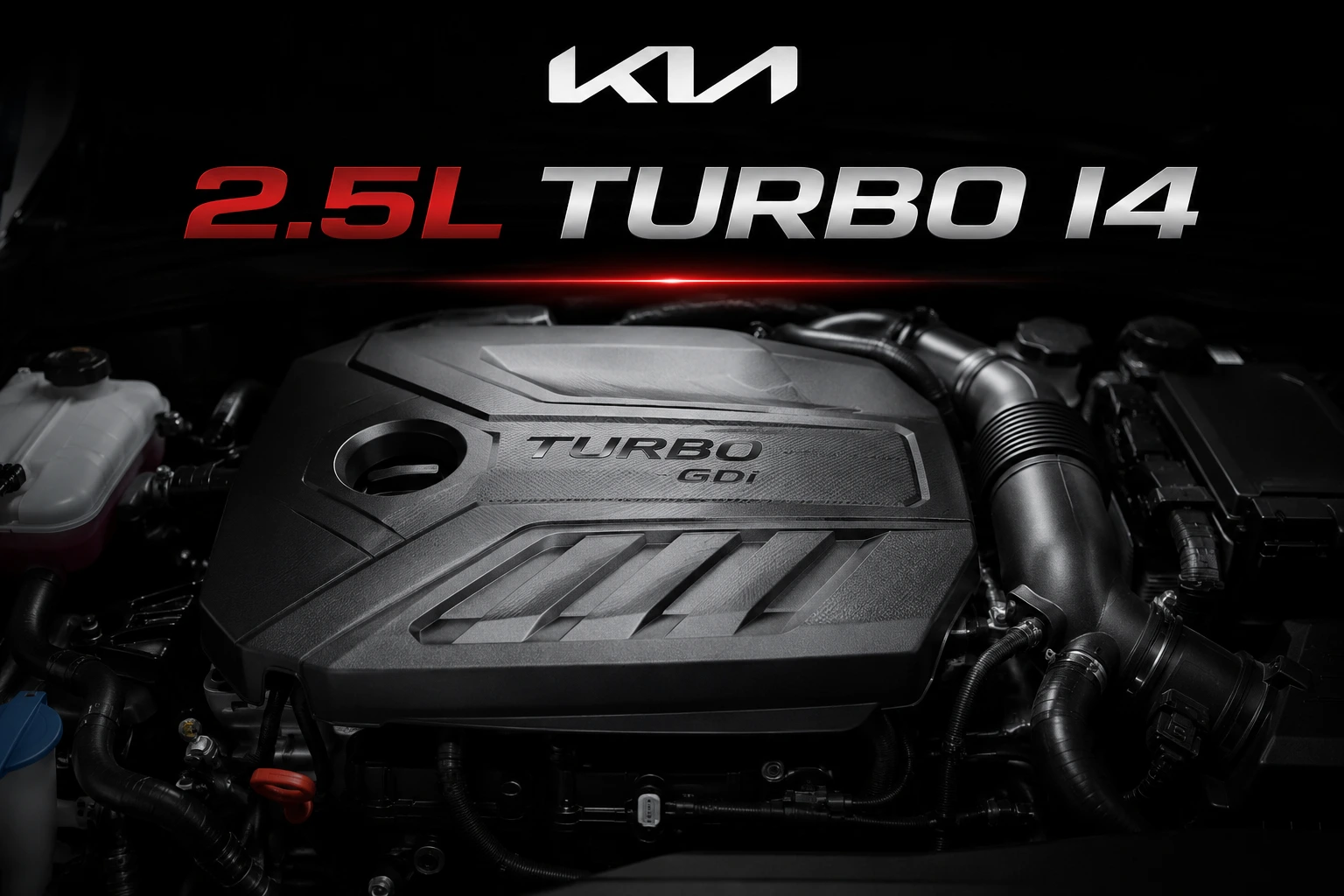
2. Kia 3.8L Lambda V6 Replaced by 2.5L Turbo I4
- Engine: 2.5L Turbocharged I4
- Horsepower: 281 hp
- Torque: 311 lb-ft
- Size: Approximately 196 to 197 in Long x 78 in Wide x 69 in High (Telluride platform)
For many years, the Kia Telluride depended on its 3.8-liter Lambda V6, earning a strong reputation as one of the better naturally aspirated six-cylinder engines in the midsize SUV class. Drivers appreciated its smooth performance, quiet operation, and dependable power delivery.
The engine matched the Telluride’s premium feel and helped the SUV stand out in Kia’s lineup. Moving to a 2.5-liter turbocharged four-cylinder shows how Korean carmakers are responding to stricter fuel economy and emissions rules. Smaller engines also make it easier to add hybrid technology, helping manufacturers meet modern environmental standards without sacrificing everyday usability.
Looking at the numbers, the new 2.5-liter turbocharged engine delivers about 281 horsepower and 311 lb-ft of torque. While horsepower remains close to the outgoing V6, torque is higher, giving the newer engine stronger pulling power during takeoff and city driving.
Most family SUV owners spend more time driving in traffic than pushing their vehicles to high speeds, so this extra low-end strength can make daily driving feel quicker and more responsive. That gives the newer engine a practical advantage beyond better fuel efficiency.
Even so, the older V6 still offered a driving experience many people appreciated. Its smooth character, lower vibration levels, and refined engine sound made long highway trips feel more relaxed. A four-cylinder engine, even with turbocharging, cannot completely match that level of refinement.
Adding hybrid technology in certain versions helps improve fuel savings while meeting current regulations. Although some Telluride owners will miss the Lambda V6, Kia’s decision follows changing market demands and future engineering priorities.
Also Read: 9 Powertrains Known for Lasting Past 300K Miles
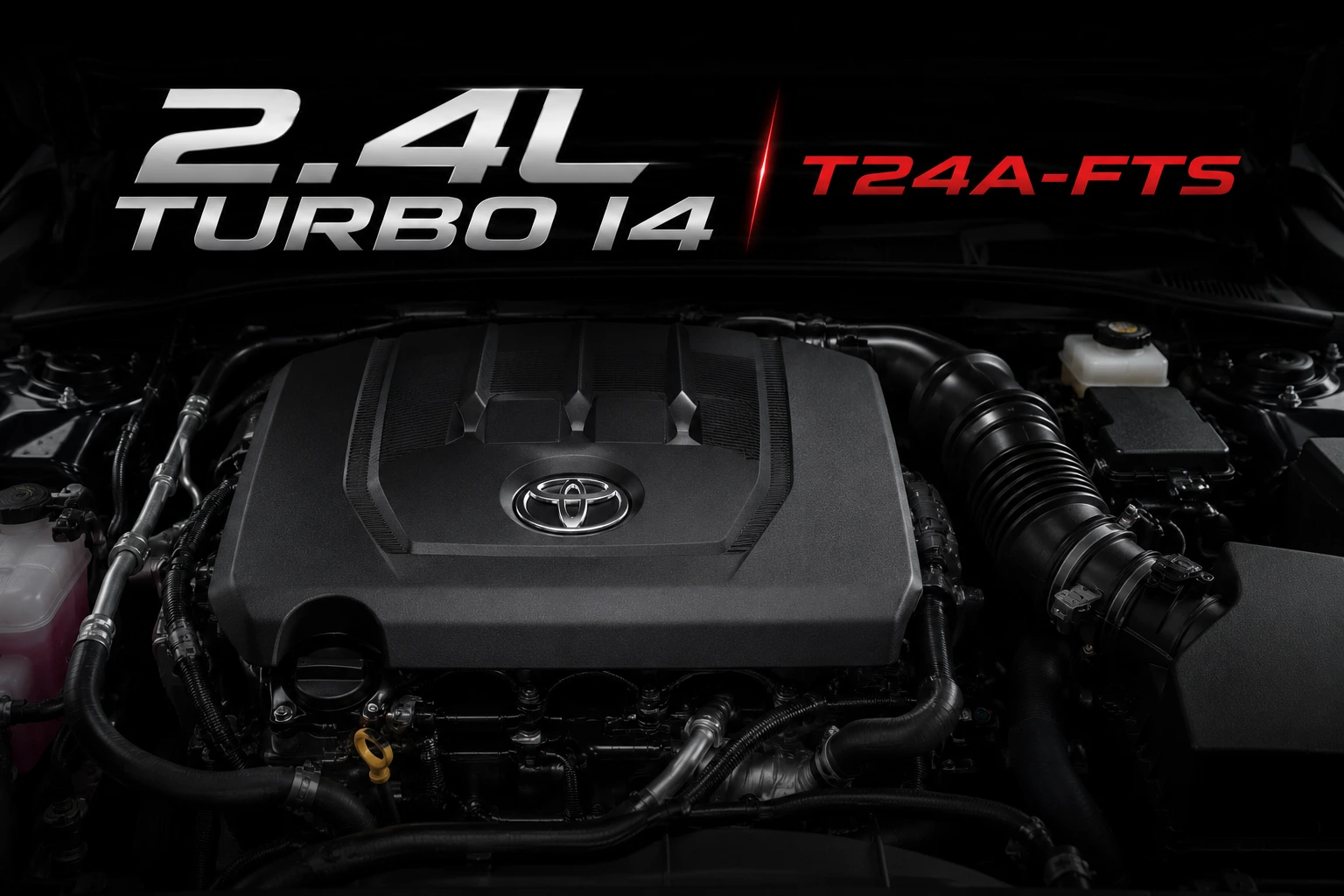
3. Toyota 3.5L V6 (2GR Series) Replaced by 2.4L Turbo I4 (T24A-FTS)
- Engine: 2.4L Turbocharged I4
- Horsepower: 265 hp to 278 hp
- Torque: 310 lb-ft
- Size: Approximately 195 to 197 in Long x 76 to 78 in Wide x 68 to 70 in High (Highlander and Tacoma platform)
For many years, Toyota’s 2GR 3.5-liter V6 served as the trusted engine in the Highlander, Tacoma, 4Runner, Sienna, and several Lexus models. Its strong reputation for reliability made it one of the main reasons many buyers preferred Toyota over rival brands.
Producing about 295 horsepower in the Highlander, the engine became known for lasting well beyond 200,000 miles with proper maintenance. That level of confidence was built across several generations before Toyota introduced the T24A-FTS turbocharged four-cylinder in many of its mainstream vehicles.
Performance figures show the newer 2.4-liter turbo engine produces between 265 and 278 horsepower, depending on the model. While horsepower is slightly lower than the older V6, torque rises to 310 lb-ft, giving drivers stronger pulling power during daily driving. Toyota also pairs this engine with hybrid technology in many versions, allowing the combined output to match or exceed what the V6 delivered. This makes the newer powertrain a practical choice without giving up everyday performance.
Replacing the respected 2GR V6 also means convincing buyers to trust a newer engine design. Turbocharged engines demand closer attention to oil quality and regular servicing because the turbocharger operates under high temperatures. Toyota’s long history of building durable engines gives many buyers confidence that the T24A-FTS will earn the same reputation with enough years of proven service.
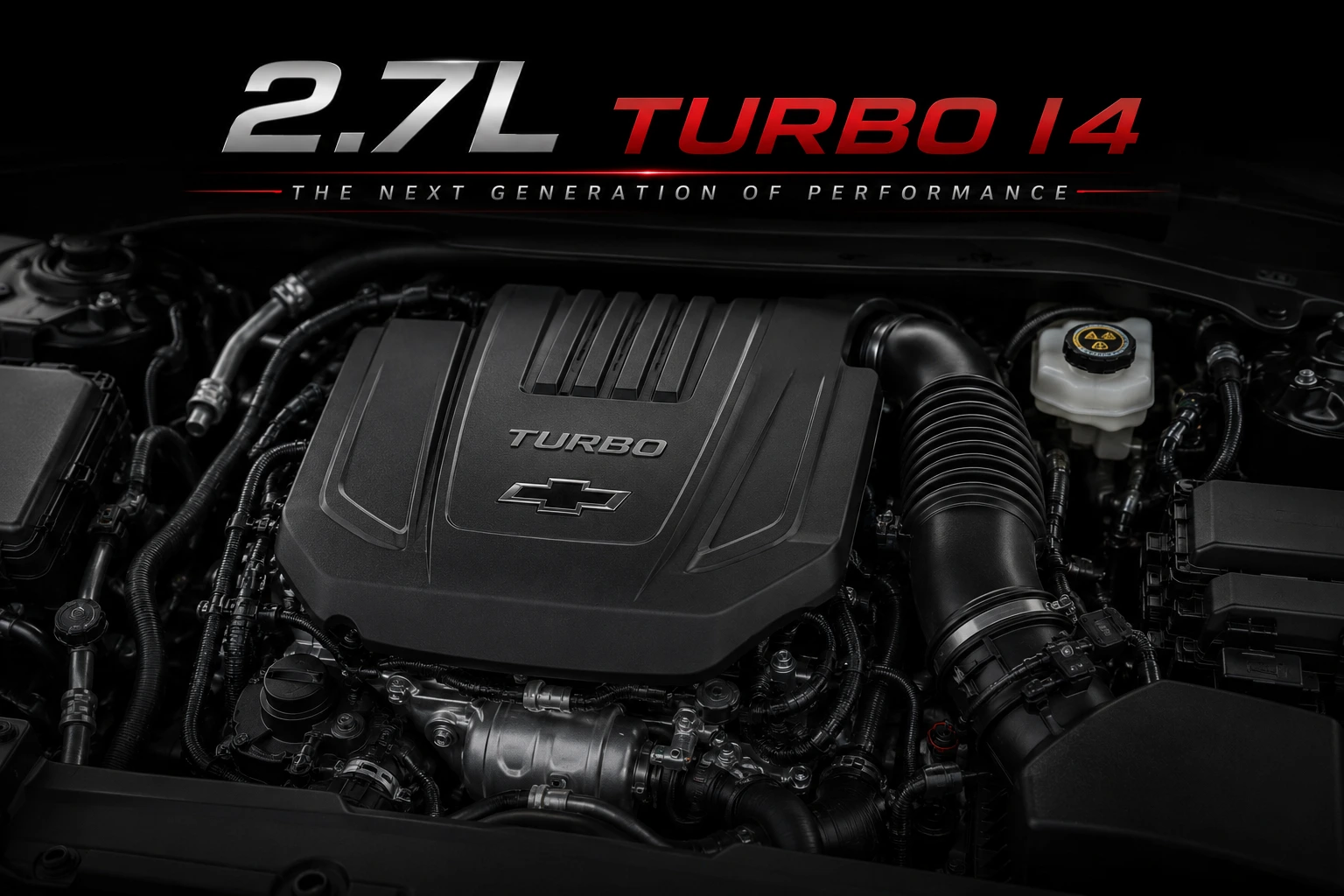
4. General Motors 3.6L LGX V6 Replaced by 2.7L Turbo I4
- Engine: 2.7L Turbocharged I4
- Horsepower: Up to 310 hp
- Torque: Up to 430 lb-ft
- Size: 213.0 in Long x 74.9 in Wide x 70.7 in High (Colorado platform)
General Motors deploying its 2.7L turbocharged four-cylinder in the midsize truck segment to replace roles previously handled by the 3.6L LGX V6 is one of the more commercially interesting engine transitions covered here, because it happened in a segment where consumers historically equate engine cylinder count with capability and where the marketing narrative surrounding the replacement engine had to work harder than usual to bring traditional truck buyers along for the change.
The 2.7L turbo four-cylinder, producing up to 310 horsepower and an impressive 430 lb-ft of torque, makes a strong argument through raw numbers alone, since those torque figures substantially exceed what the 3.6L V6 delivered, and torque is the specification that governs real-world truck capability more directly than horsepower during towing and hauling situations.
A midsize truck buyer whose primary concern is how confidently the vehicle handles a loaded trailer or a full bed on a hilly highway will find the 2.7L turbo’s torque advantage genuinely noticeable compared to the naturally aspirated V6 it replaced in the Colorado and Canyon.
The variable displacement technology built into some versions of this engine allows GM to deactivate cylinders under light load, reducing the four-cylinder to two-cylinder operation during highway cruising to maximize fuel efficiency in operating conditions where full power is unnecessary.
This active fuel management integration makes the 2.7L’s real-world fuel economy story more competitive than its displacement alone would suggest, helping GM position this engine as an improvement rather than a downgrade in a segment where buyers monitor fuel costs across high annual mileage use cases like regular work truck operation.
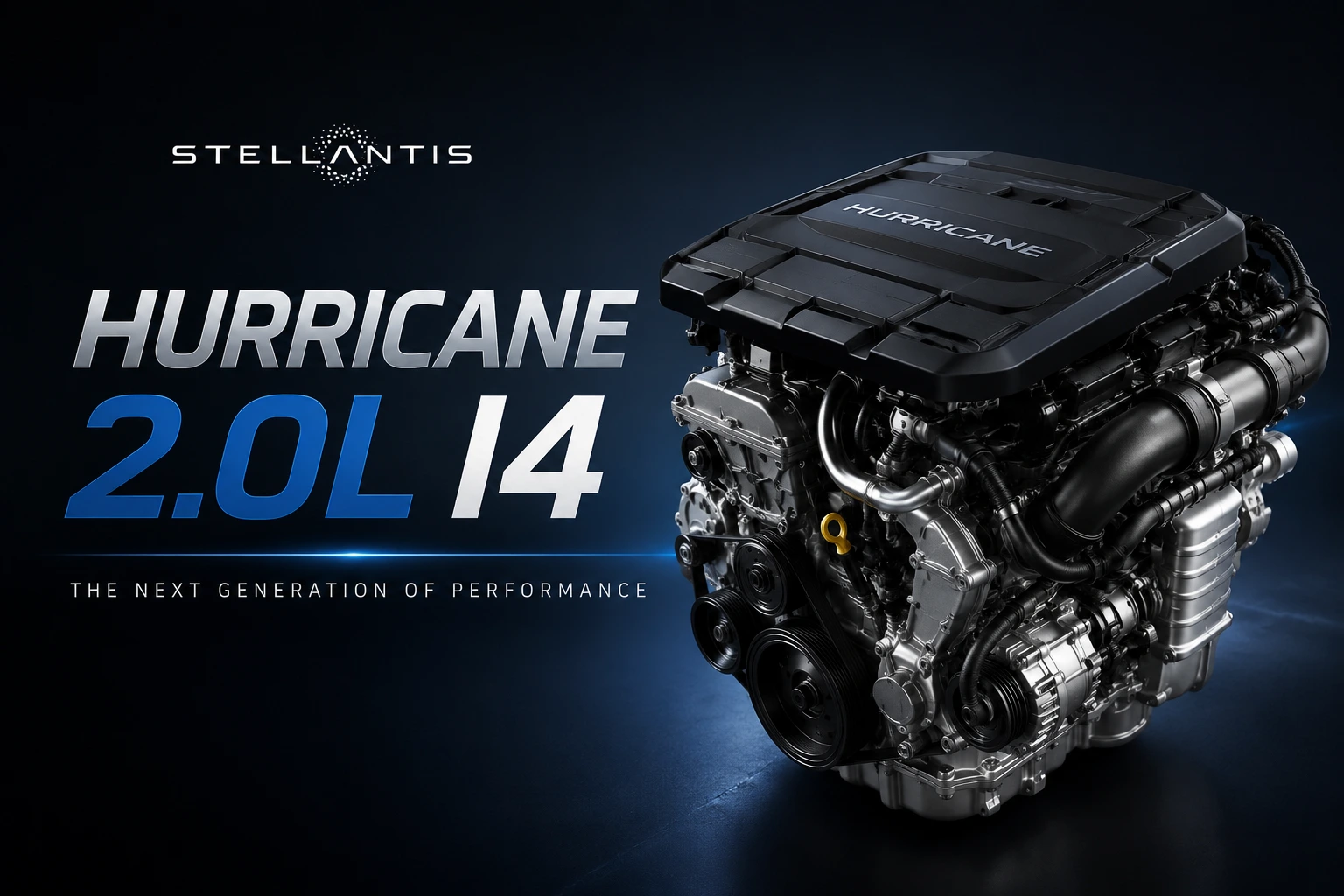
5. Stellantis 3.6L Pentastar V6 Replaced by 2.0L Hurricane I4
- Engine: 2.0L Turbocharged Hurricane I4
- Horsepower: 300 hp to 324 hp
- Torque: 332 lb-ft
- Size: Varies (Jeep Grand Cherokee platform)
For more than a decade, Stellantis relied on the Pentastar V6 as one of its most dependable engines across Jeep, Ram, Dodge, and Chrysler vehicles. It served in a wide variety of models and earned a solid reputation for reliability, respectable performance, and easy adaptability.
Because of its proven record, the Pentastar became the preferred engine across many Stellantis products. Replacing part of its role with the Hurricane turbocharged four-cylinder marks an important step for the company, although the transition is happening gradually instead of all at once.
Looking at performance, the 2.0-liter Hurricane engine delivers between 300 and 324 horsepower, depending on the version. That gives it a clear power advantage over the Pentastar V6 in many applications. Rather than serving only as a fuel-saving replacement, the new engine also offers stronger performance.
Achieving this level of output from a 2.0-liter engine highlights how far turbocharging technology has progressed. Fifteen years ago, figures like these would have been difficult to imagine from an engine of this size. The replacement plan goes beyond introducing a single new engine.
Stellantis has also added a 3.0-liter Hurricane inline-six for models that demand higher performance. This arrangement allows the four-cylinder version to handle vehicles that previously depended on the Pentastar V6, while the larger inline-six takes care of applications requiring greater power and stronger capability.
Drivers choosing a Jeep Grand Cherokee with the Hurricane four-cylinder should still expect solid performance for daily driving, light towing, and off-road trips. Even so, some owners may still prefer the smooth and predictable feel that made the naturally aspirated Pentastar V6 such a trusted engine for many years.
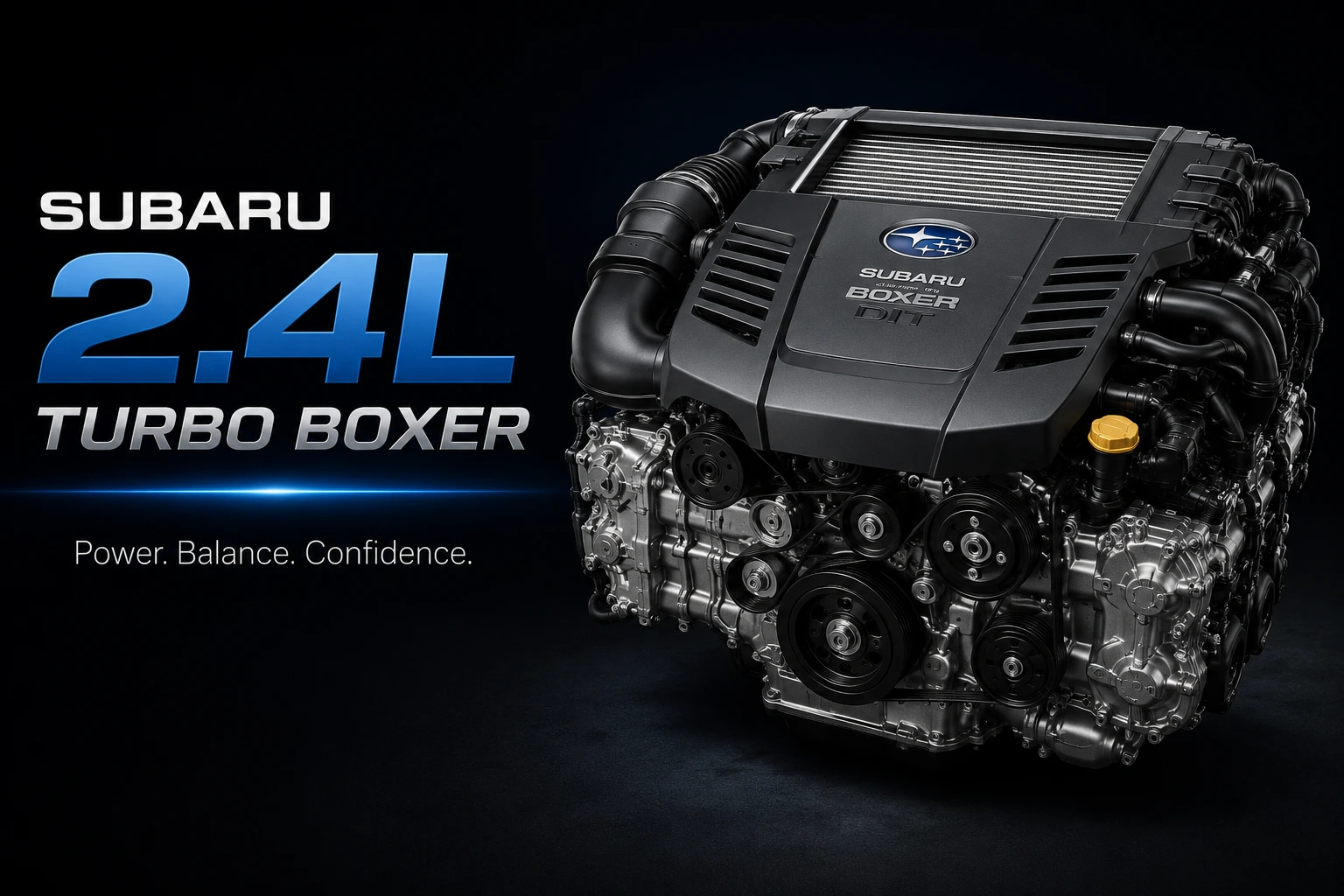
6. Subaru 3.6L EZ36 Flat-Six Replaced by 2.4L Turbo Boxer
- Engine: 2.4L Turbocharged Boxer-4 (FA24)
- Horsepower: 260 hp
- Torque: 277 lb-ft
- Size: 191.3 in Long x 73.0 in Wide x 66.1 in High (Outback platform)
Subaru’s flat-six engine occupied a specific and genuinely unusual position within the brand’s lineup, serving as a premium option that gave certain Outback and Legacy models a character upgrade beyond what the standard four-cylinder configuration provided.
The horizontally opposed six-cylinder produced a particularly smooth and distinctive acoustic signature that Subaru enthusiasts specifically appreciated, since the flat-six’s mechanical balance creates vibration characteristics noticeably calmer than a conventional inline or V configuration of similar displacement.
Replacing this engine with the FA24 turbocharged flat-four represents a transition that prioritizes performance numbers and fuel economy over the flat-six’s specific refinement qualities. The FA24 produces 260 horsepower and 277 lb-ft of torque, figures that position it competitively against similarly sized turbocharged four-cylinders from other manufacturers while delivering genuine performance improvements compared to the naturally aspirated flat-six’s output levels in certain configurations.
What disappears with the EZ36 is primarily a character element rather than a capability deficit. The flat-six’s smoothness at idle and under light acceleration created an ownership experience that buyers who specifically sought out the six-cylinder option valued beyond simple performance metrics, and the turbocharged four-cylinder’s inherent vibration signature, though well-managed by Subaru’s engineering team, cannot fully replicate the mechanical tranquility that six cylinders firing in the flat-six configuration naturally produces.
The FA24 turbo’s advantages manifest most clearly under hard acceleration and during situations where the turbocharged four-cylinder’s torque delivery punches above its displacement. For buyers whose driving primarily involves highway cruising and light around-town use, the flat-six’s departure represents a genuine change in how their Subaru feels during the moments when V6 smoothness was most appreciated in the original configuration.
Also Read: 10 Economy Car Engines That Are Surprisingly Bulletproof
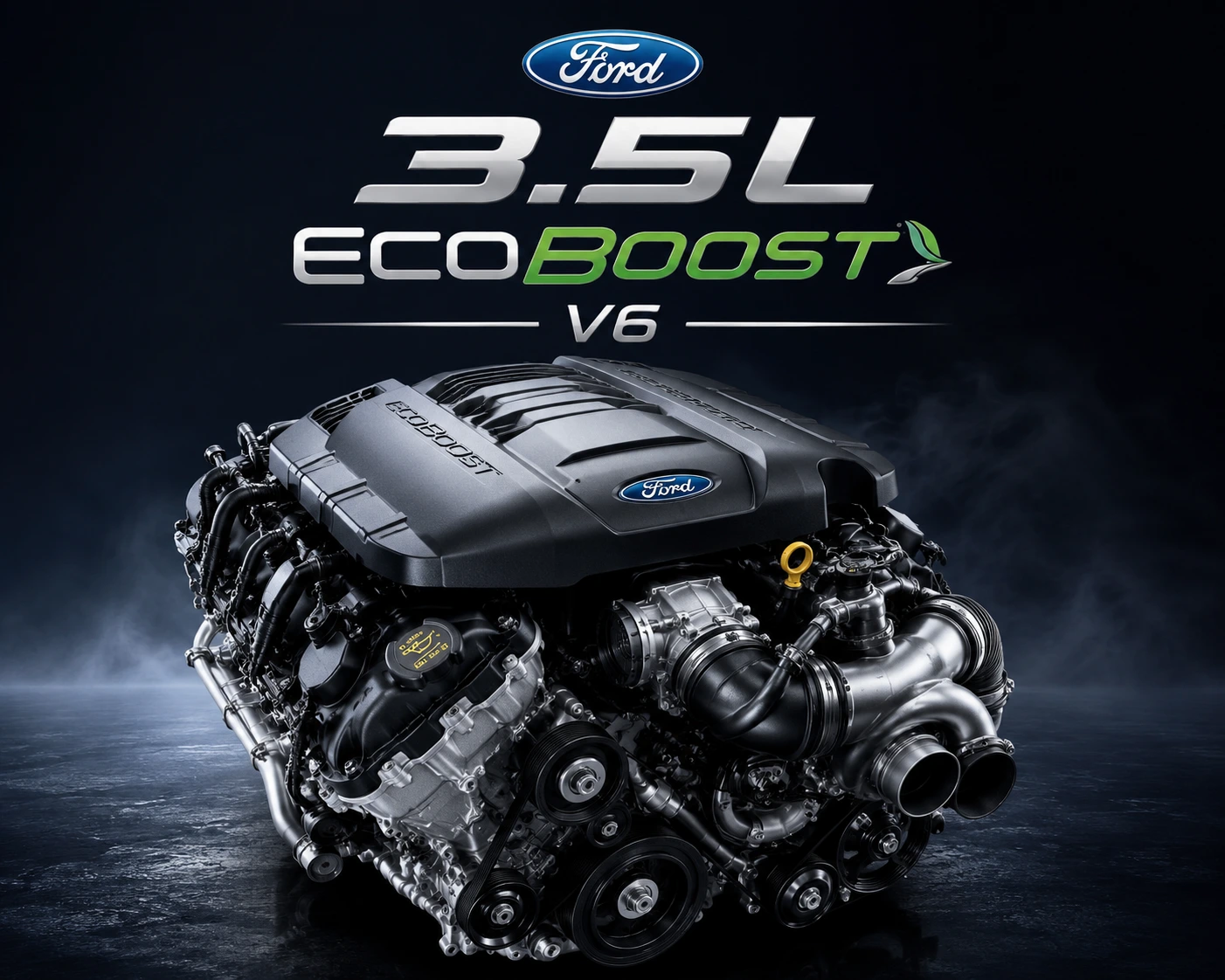
7. Ford 3.5L EcoBoost V6: The Engine That Has No Replacement
- Engine: 3.5L EcoBoost Twin-Turbo V6
- Horsepower: Up to 400 hp and above
- Torque: Up to 500 lb-ft and above
- Size: Varies (Ford Explorer and F-150 platform examples)
Many people assume Ford’s 3.5-liter EcoBoost V6 is being replaced by a turbocharged four-cylinder, but that is not the case. The engine remains the main high-performance option in some of Ford’s most important vehicles, including the F-150, Expedition, and Explorer ST.
Although Ford also offers the 2.3-liter EcoBoost four-cylinder, it serves different models and does not take the place of the larger V6 in trucks and SUVs that demand higher output and greater capability. A closer look at the figures explains why the 3.5-liter EcoBoost still holds its position.
In its higher-output versions, it produces close to 400 horsepower and 500 lb-ft of torque. Current turbocharged four-cylinder engines cannot match that level of performance without pushing beyond practical engineering limits or increasing engine size close to the maximum for a four-cylinder design.
The twin-turbo V6 gives Ford the strength needed for heavy towing while still delivering better fuel efficiency during lighter driving conditions, making it well suited for the duties expected from the F-Series lineup. Ford has also expanded the engine’s capabilities through the PowerBoost hybrid system instead of replacing it. By combining the 3.5-liter EcoBoost with electric motors, total output reaches about 430 horsepower and 570 lb-ft of torque.
This approach allows the company to improve performance and efficiency while keeping the trusted V6 in service. While several manufacturers have retired naturally aspirated six-cylinder engines, Ford continues to develop this powertrain because it still meets the demands of buyers who expect strong towing ability, dependable performance, and modern technology in one package.
