
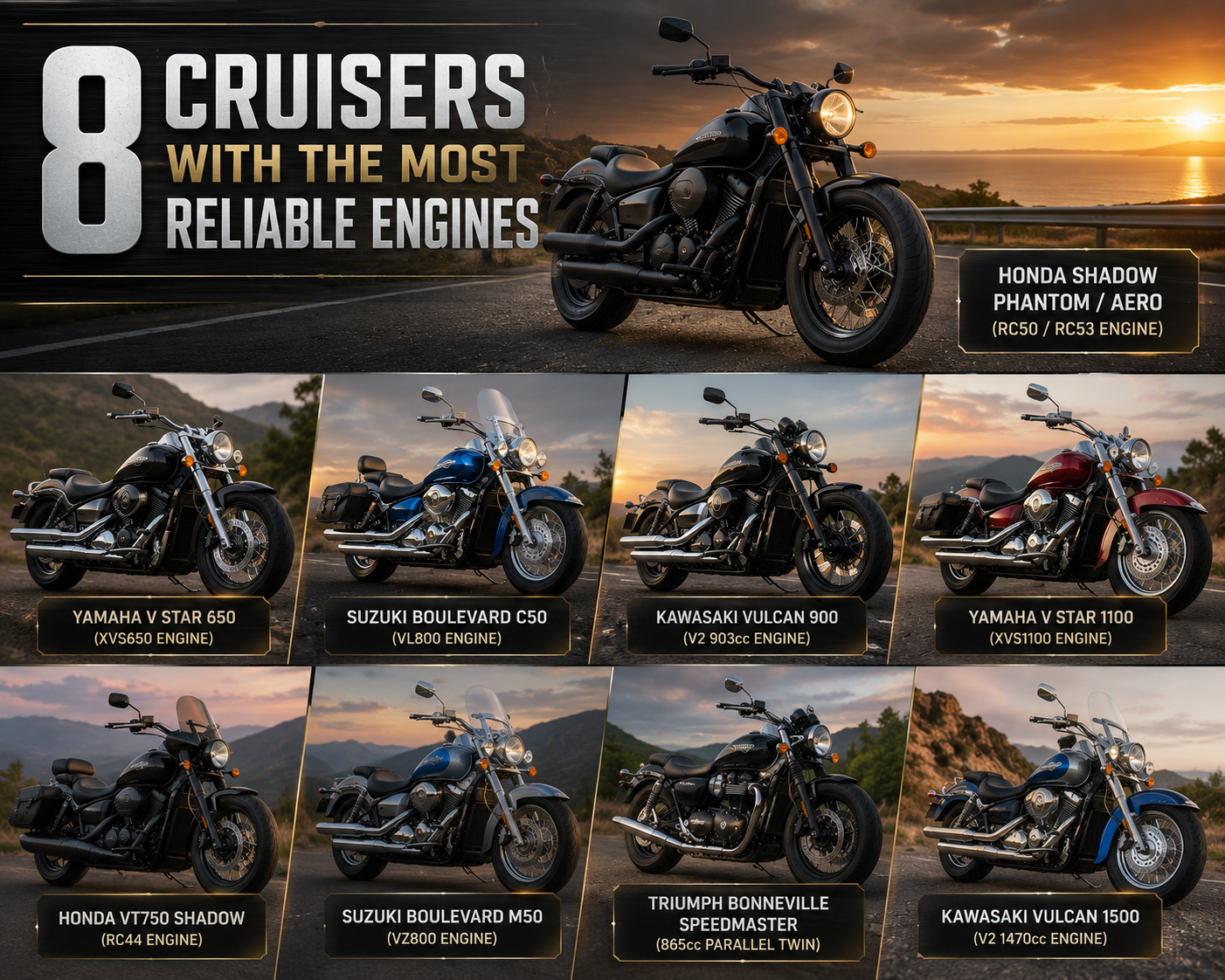
Many motorcycle buyers spend too much time comparing horsepower, exhaust sound, and shiny chrome parts while overlooking the factor that matters most during ownership: engine reliability. A motorcycle may look impressive or deliver exciting performance, but none of that means much if it spends more time in the workshop than on the road. For riders planning to keep their bikes for many years, dependable engineering should always be high on the list of priorities.
Independent reliability studies paint a much clearer picture than sales brochures. According to Consumer Reports, the four major Japanese motorcycle manufacturers continue to lead when it comes to long-term dependability. Yamaha recorded an impressive four-year failure rate of only 11%, while Honda and Suzuki followed closely at 12%.
Kawasaki also performed well with a 15% failure rate. These results reflect years of careful engineering, with engines designed to operate under less stress instead of chasing the highest possible performance figures. Cruiser motorcycles benefit greatly from this design philosophy.
Their engines usually run at lower revolutions, produce strong low-end torque, and maintain stable operating temperatures during everyday riding. With regular servicing and proper care, many of these motorcycles comfortably exceed 100,000 miles without requiring major engine repairs. That level of durability is something many high-performance motorcycles struggle to achieve.
Using information from Consumer Reports, RepairPal, and official recall records, this list highlights eight cruiser motorcycles that have built their reputations through dependable performance. Their lasting success comes from proven reliability, giving owners confidence to enjoy many years of trouble-free riding.
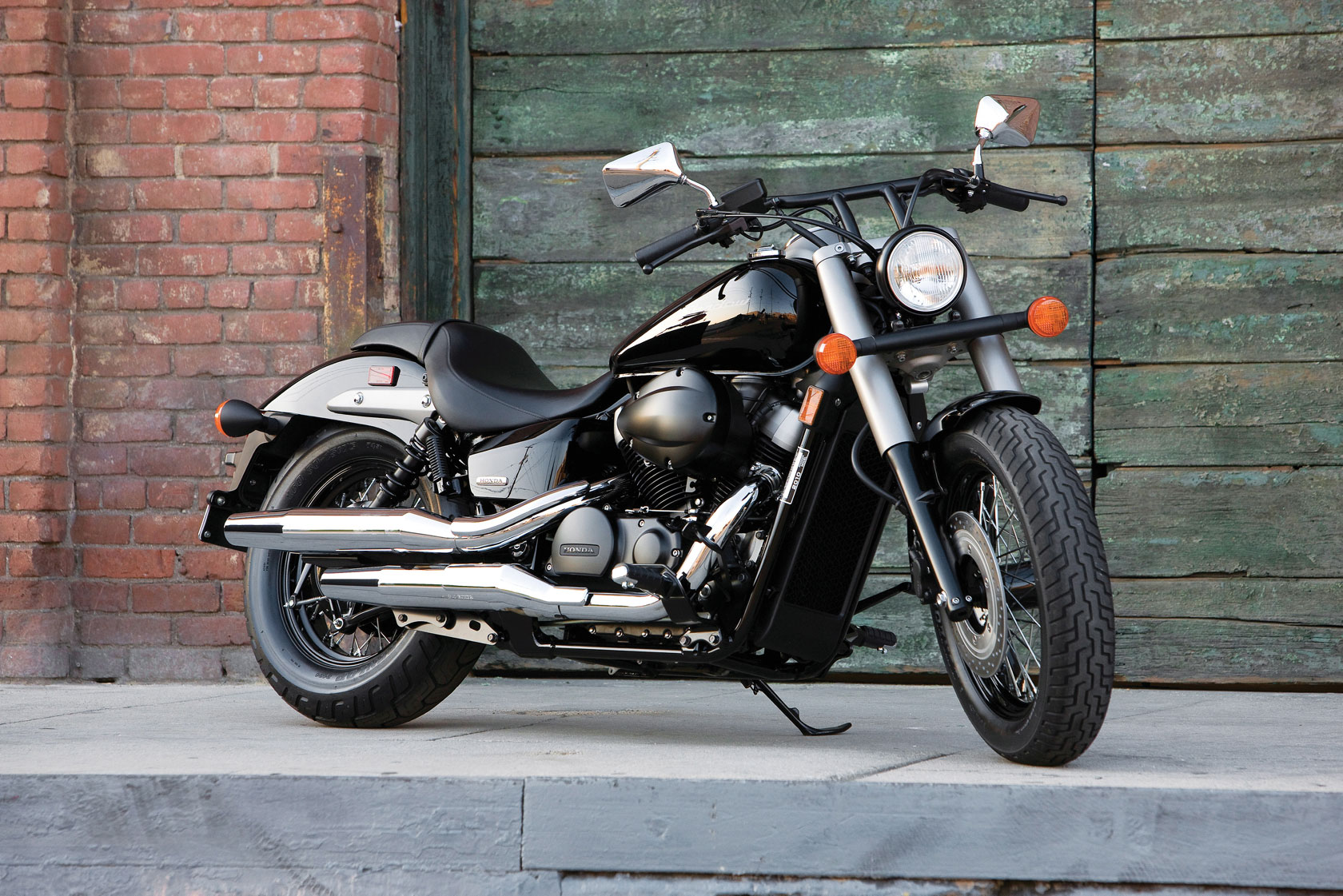
1. Honda Shadow Phantom / Aero (RC50 / RC53 Engine)
- Engine: 745cc Liquid-Cooled 52-degree V-Twin
- Horsepower: 45 hp
- Torque: 48 lb-ft
- Final Drive: Shaft Drive
If you asked a mechanical engineer to design a motorcycle engine specifically for maximum longevity, the result would look very much like the Honda Shadow’s RC50/RC53 V-twin. Every single design decision in this powerplant points toward one outcome: outlasting everything around it.
Start with the compression ratio. At 9.6:1, the Shadow operates well below the thermal stress zone that accelerates wear on performance-oriented engines. Three valves per cylinder improve breathing efficiency without adding the mechanical fragility that comes with more aggressive four-valve layouts. The result is an engine that generates its modest 45 horsepower without ever working particularly hard, staying cool and composed regardless of traffic conditions or ambient temperature.
The shaft drive system deserves equal attention. Chains stretch, snap, and require regular tension adjustments. Belts crack in extreme cold and can fray with age. The Shadow’s fully enclosed shaft eliminates both failure modes entirely, transferring power to the rear wheel through a sealed, maintenance-free system that simply does not wear out under normal use.
RepairPal’s Climate Index reports zero chronic design flaws associated with this engine across its production history, a distinction almost impossible to find in any vehicle category. Owners regularly report clearing 80,000, 90,000, and even 100,000-plus miles on engines that received nothing more complicated than scheduled oil changes. No valve shims, no starter clutch replacements, no cooling system failures.
For a buyer who wants a cruiser that will start reliably on the first morning of a long trip and every morning after that, the Shadow’s engine represents the simplest possible answer to a question riders shouldn’t have to ask twice.
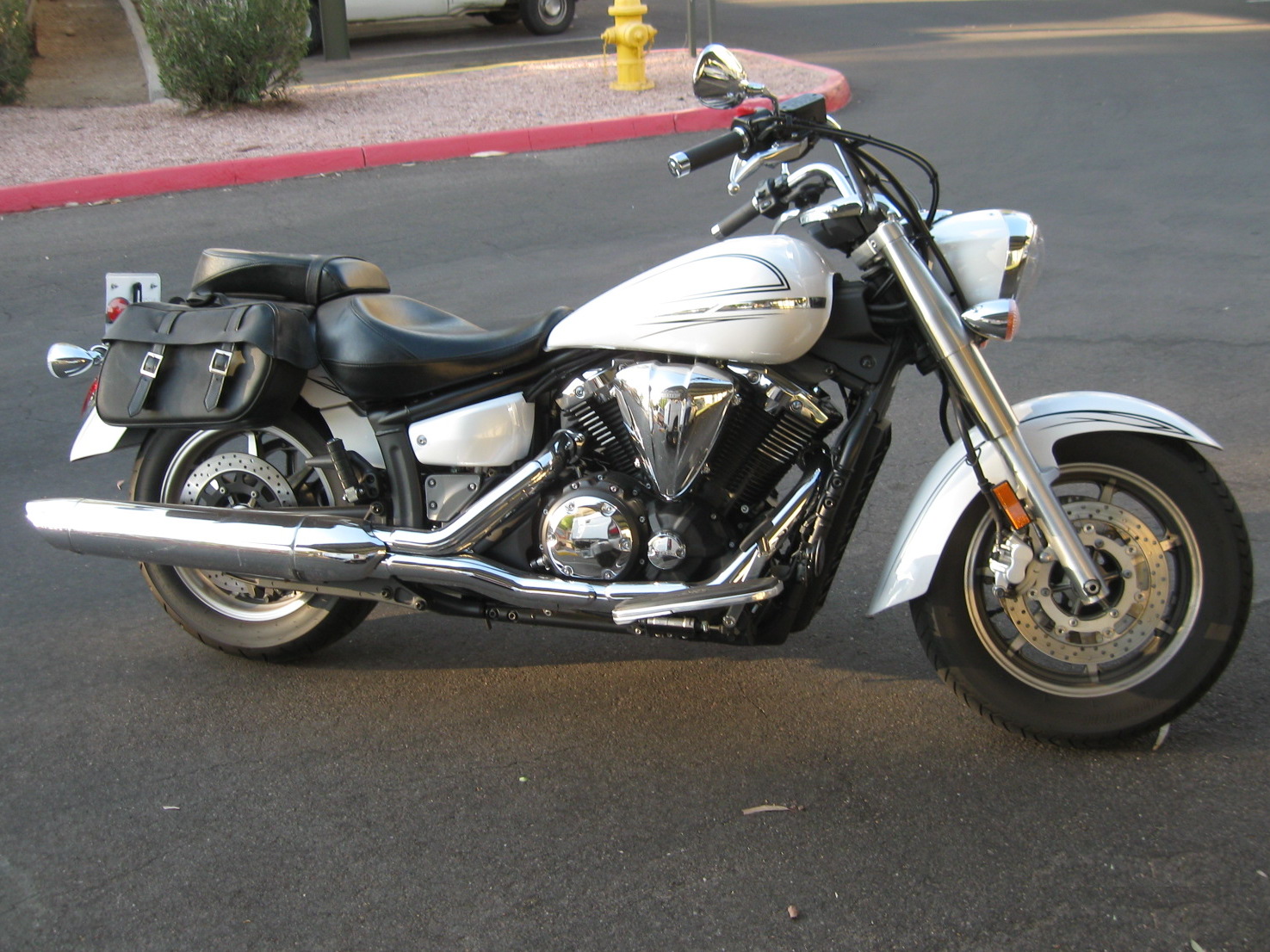
2. Yamaha V-Star 1300 / 950
- Engine: 1304cc or 942cc Liquid-Cooled 60-degree V-Twin
- Horsepower: 70 hp
- Torque: 81 lb-ft
- Final Drive: Belt Drive
Yamaha’s 11% four-year failure rate sits at the absolute top of the motorcycle industry, and the V-Star platform is where that engineering philosophy shows up most convincingly in a cruiser format. The 1300cc variant, in particular, builds reliability through architecture rather than conservative tuning alone, making it a mechanical benchmark that Japanese competitors consistently reference when developing their own long-term durability targets.
The single-overhead-cam layout uses four valves per cylinder, a design that balances breathing efficiency with mechanical simplicity. Fewer moving parts mean fewer wear points, and the SOHC configuration achieves this without the top-end output penalties that plagued earlier two-valve cruiser engines from the same era.
Ceramic-composite cylinder wall plating stands out as the most forward-thinking reliability feature in the V-Star’s specification list. This surface treatment dramatically reduces piston-to-wall friction, the primary source of cylinder wear in high-mileage engines. Owners who inspect their V-Star cylinders at 60,000 miles typically find bore measurements that barely differ from factory specifications, a result that conventional cast-iron cylinder liners struggle to match.
Long-term owner data compiled on MotoFomo’s registry confirms the V-Star completely avoids the premature starter-clutch failures that plagued older air-cooled Japanese cruisers from the 1980s and 1990s. That specific failure mode costs owners hundreds of dollars in parts and labor while leaving them stranded at inconvenient moments.
The V-Star simply doesn’t have this problem, a fact that loyal owners mention consistently when discussing why they recommend the platform to anyone entering the cruiser segment.
Also Read: 9 Best Motorcycles for Riders Under 5’8″
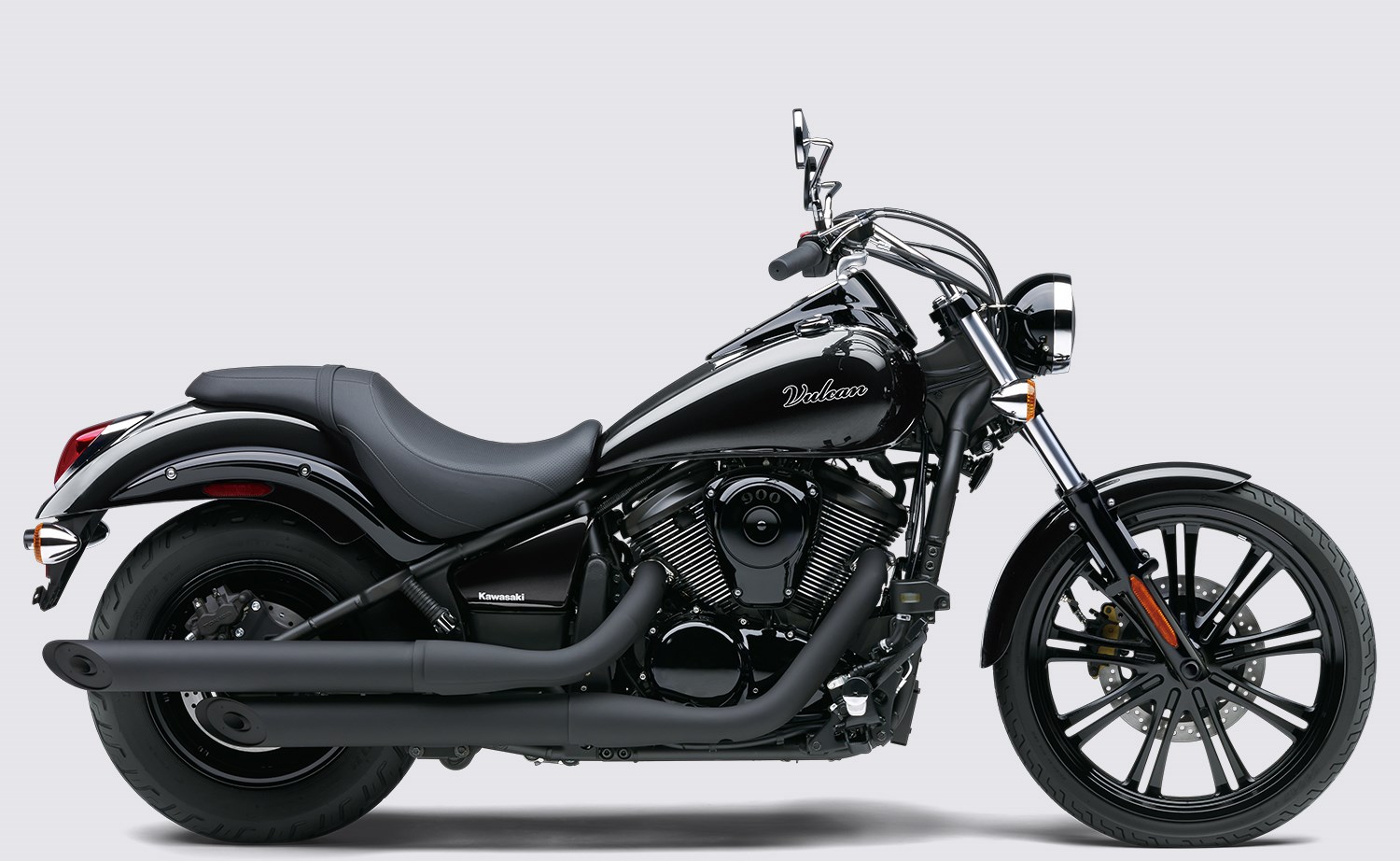
3. Kawasaki Vulcan 900 Classic / Custom
- Engine: 903cc Liquid-Cooled 4-Stroke V-Twin
- Horsepower: 50 hp
- Torque: 58 lb-ft
- Final Drive: Belt Drive
If you ever meet someone who has owned a high-mileage Kawasaki Vulcan 900, ask about the engine’s reliability. Chances are, they will tell you it has given them very few problems. That reputation did not happen by accident. Kawasaki designed the Vulcan 900 with durability in mind, choosing dependable performance instead of chasing impressive horsepower figures.
The motorcycle is powered by a 903cc liquid-cooled V-twin engine that produces 50 horsepower and 58 lb-ft of torque. Rather than focusing on high-speed performance, Kawasaki tuned the engine to deliver strong pulling power at lower engine speeds. Since most cruiser riders spend their time between 2,000 and 4,500 RPM, the Vulcan feels smooth and responsive where it matters most during everyday riding.
One feature that contributes to its long-term reliability is the gear-driven balancer shaft. V-twin engines naturally produce vibration, which can place extra stress on engine components over many years. The balancer shaft helps reduce those vibrations, protecting parts such as gaskets, electrical connections, and mounting hardware from unnecessary wear.
The Vulcan 900 also uses a liquid-cooling system hidden within its classic cruiser styling. This allows the motorcycle to keep its traditional appearance while maintaining stable engine temperatures. Even in heavy traffic or hot weather, the cooling system helps prevent overheating, giving riders greater confidence and making the Vulcan 900 a dependable choice for daily use and long-distance trips alike.
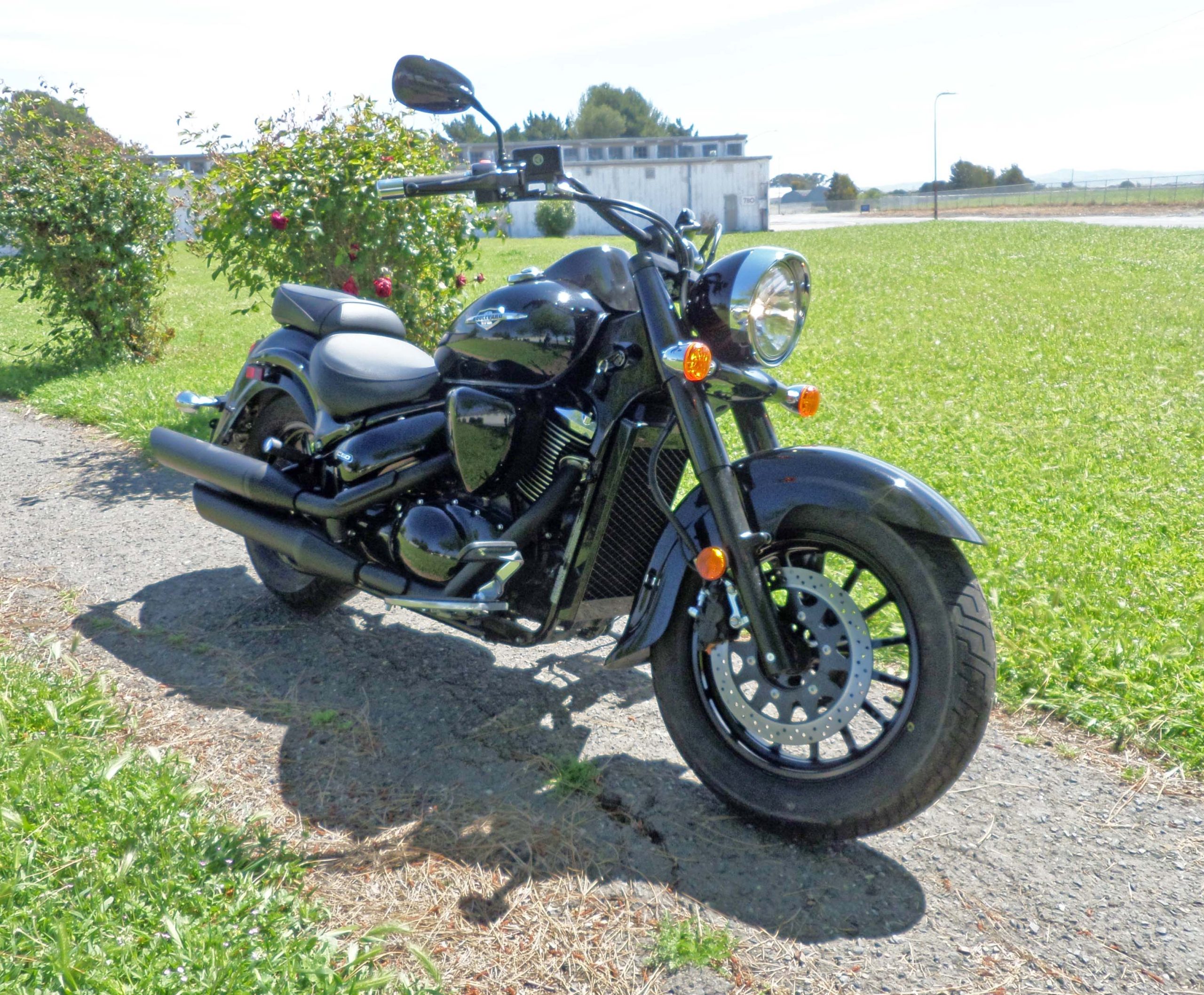
4. Suzuki Boulevard C50 / M50 (Volusia Architecture)
- Engine: 805cc Liquid-Cooled 45-degree V-Twin
- Horsepower: 53 hp
- Torque: 52 lb-ft
- Final Drive: Shaft Drive
Picture an engine that runs properly at idle, pulls smoothly from low RPM, handles a rush-hour traffic jam in July without drama, and asks for minimal mechanical attention across a decade of daily use. That description fits the Suzuki Boulevard C50/M50’s 805cc V-twin so precisely that it reads like an advertising brief written after the fact rather than an aspirational engineering target set before development began.
The Suzuki Dual Throttle Valve fuel-injection system manages air and fuel delivery with a precision that carburetor-equipped predecessors simply couldn’t achieve. Two throttle valves per cylinder, one mechanically linked to the rider’s hand and one controlled electronically, optimize mixture quality at every RPM point rather than relying on a single static calibration. Cold starts, high-altitude riding, and extended idle periods that stress carbureted systems all fall within the SDTV system’s management range without requiring choke adjustments or warm-up rituals.
Shaft drive returns as a recurring theme among the most reliable cruisers for good reason. Removing the chain or belt from the drivetrain equation eliminates an entire maintenance category that catches neglectful owners by surprise. The Boulevard’s shaft-driven rear axle pairs with an over-engineered crankshaft and connecting rod assembly that tolerates heat cycles, load variation, and occasional high-temperature idling without consuming excessive oil or losing internal clearance.
Summer heat tests reveal the Boulevard’s thermal management most convincingly. While comparable air-cooled V-twins from other manufacturers show measurable oil consumption increases in sustained high-temperature operation, the C50/M50 maintains consistent consumption figures regardless of conditions, a direct result of the engine architecture’s thermal stability.
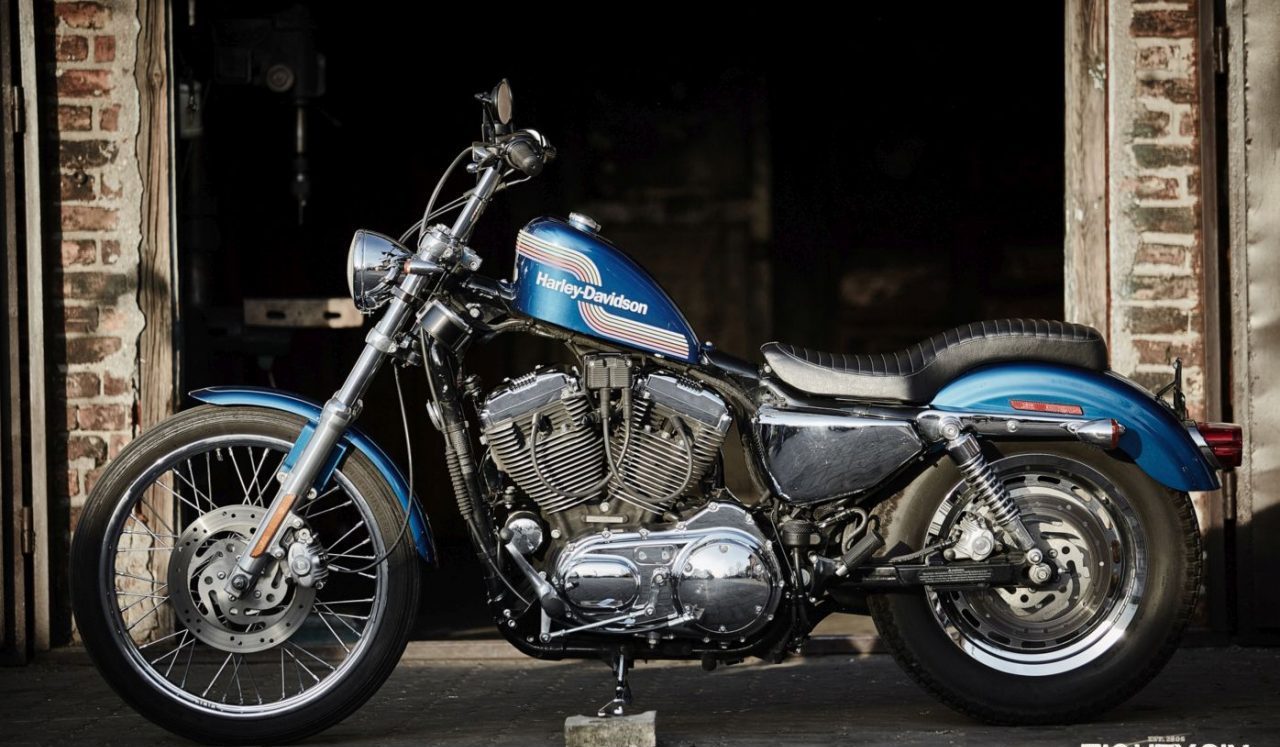
5. Harley-Davidson Evolution Sportster 1200 / 883
- Engine: 1202cc or 883cc Air-Cooled 45-degree V-Twin (Evolution)
- Horsepower: 67 hp (1200) / 50 hp (883)
- Torque: 73 lb-ft (1200) / 54 lb-ft (883)
- Final Drive: Belt Drive
Harley-Davidson did not always enjoy a strong reputation for engine reliability. Earlier models were often criticized for oil leaks, overheating, and faster-than-expected engine wear. Those issues affected the brand’s image until the Evolution engine arrived and changed public opinion. Its introduction marked an important period for Harley-Davidson, helping the company regain the confidence of riders and remain competitive during a challenging time in the 1980s.
Rather than relying on advanced technology, the Evolution engine earned respect through careful engineering and dependable construction. It used a traditional overhead-valve design with two valves per cylinder, a layout that had already been around for many years.
Harley-Davidson focused on improving manufacturing quality, using stronger materials, and building the engine with tighter tolerances. The addition of hydraulic lifters also reduced maintenance because they automatically kept the valve clearance at the correct setting without regular manual adjustment.
Another reason the Evolution engine became so dependable was its ability to handle constant heating and cooling during daily riding. Air-cooled engines naturally expand and contract as temperatures change, and many older engines required frequent valve adjustments to avoid damage. With hydraulic lifters doing this work automatically, owners faced fewer maintenance concerns and reduced the chances of expensive engine repairs caused by missed service intervals.
Many riders and experienced mechanics still regard the Evolution Sportster engine as one of Harley-Davidson’s finest achievements. Replacement parts remain widely available, making repairs straightforward even many years after production ended.
Independent workshops can also service these motorcycles without relying on dealership support. This combination of durability, simple maintenance, and easy access to spare parts continues to make Evolution-powered Sportsters an attractive choice for riders looking for dependable long-term ownership.
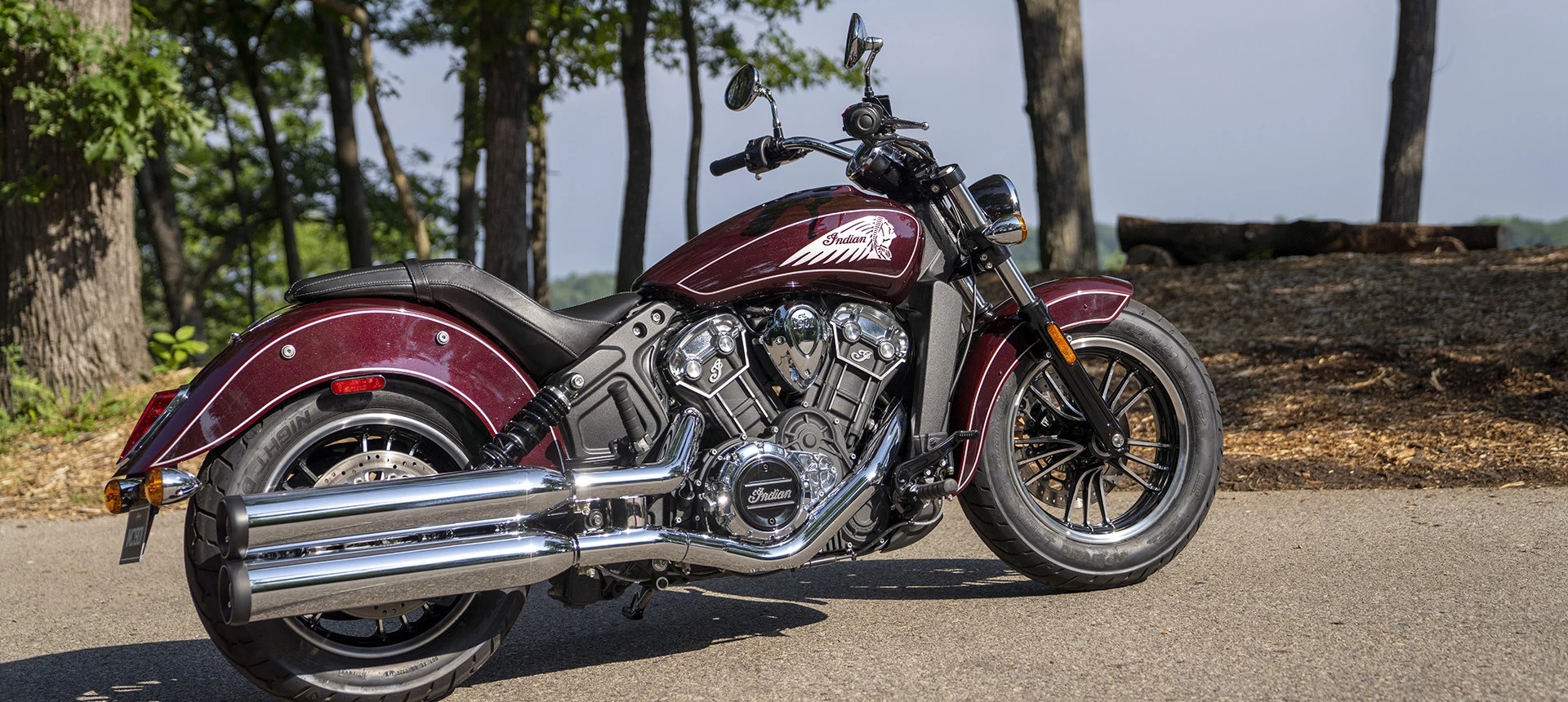
6. Indian Scout (Liquid-Cooled 69 Engine)
- Engine: 1133cc Liquid-Cooled 60-degree V-Twin
- Horsepower: 100 hp
- Torque: 72 lb-ft
- Final Drive: Belt Drive
The revival of the Indian Motorcycle brand required an engine that could blend classic American V-twin character with modern engineering standards. Polaris achieved this with the Scout’s 1133cc liquid-cooled V-twin, which delivers the distinctive sound and performance expected by traditional riders while also meeting current emissions requirements and offering dependable long-term reliability. The result exceeded the expectations of many industry observers and helped establish the Scout as a modern interpretation of a classic American motorcycle.
Dual overhead camshafts handle valve actuation with precision that traditional pushrod layouts can’t fully match at higher RPM, ensuring the Scout’s 100-horsepower output arrives cleanly across the rev range rather than concentrated in a narrow power band. The DOHC configuration also reduces the number of mechanical components between the camshaft and the valve compared to overhead-valve pushrod designs, shrinking the potential failure chain rather than extending it.
The split-crankcase design allows thorough engine inspection and service without the full disassembly that integral crankcase designs require. Mechanics who need to address internal components access them more directly, reducing labor time and the risk of reassembly errors that sometimes create new problems during servicing.
Thermal management addresses the specific failure mode that traditional V-twin riders know too well: rear cylinder overheating. Traditional air-cooled American V-twins run their rear cylinders dangerously hot under certain conditions because airflow reaches the front cylinder preferentially. The Scout’s liquid thermal management system circulates coolant through both cylinder banks uniformly, maintaining consistent temperatures across the engine and preventing the head gasket failures that result from chronic thermal imbalance.
This single engineering decision protects the engine in city traffic and slow summer riding conditions where air-cooled alternatives run the highest risk.
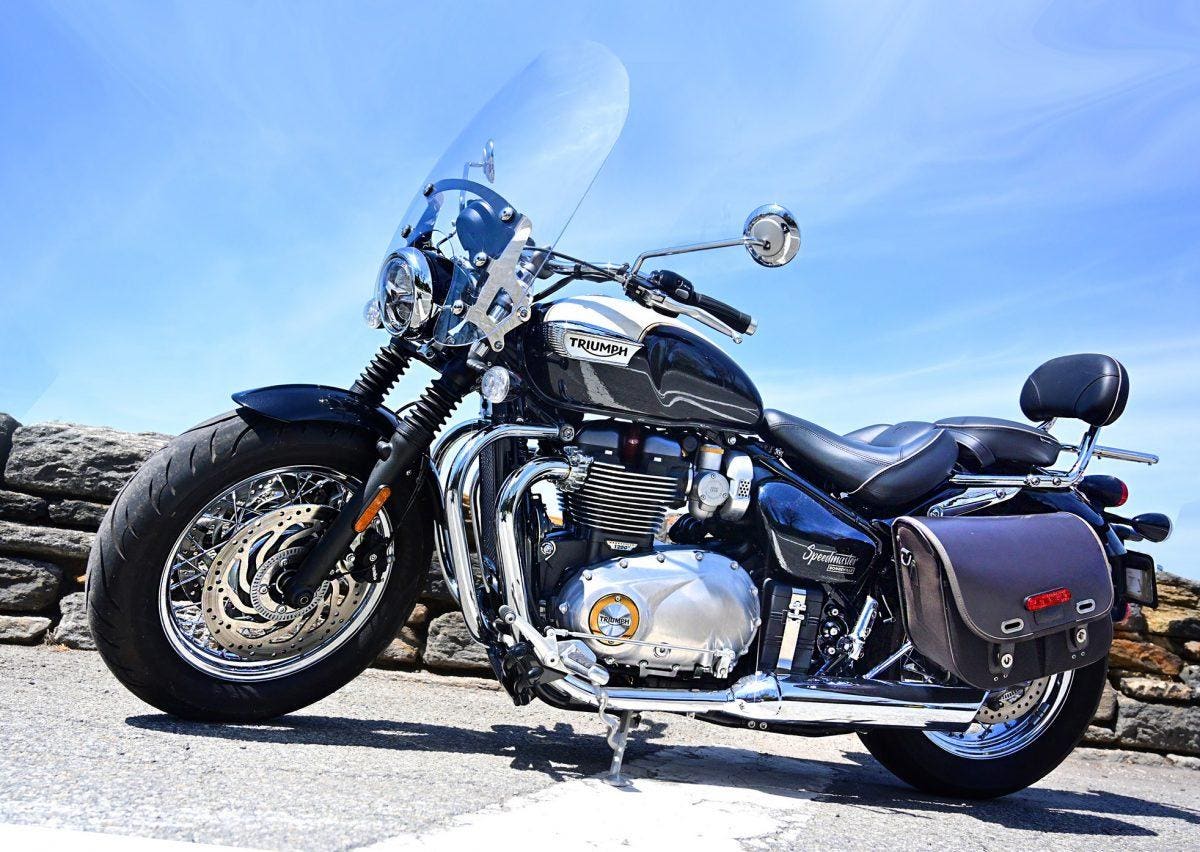
7. Triumph Bonneville Speedmaster / Bobber
- Engine: 1200cc Liquid-Cooled Parallel-Twin (High Torque Spec)
- Horsepower: 77 hp
- Torque: 78 lb-ft
- Final Drive: Chain Drive
British motorcycles were once known more for their character than their long-term reliability. That perception began to change when Triumph introduced a new generation of dependable machines backed by solid engineering. Today, the brand has earned a reputation as one of Britain’s most reliable motorcycle manufacturers, and its 1200cc parallel-twin engine, found in the Speedmaster and Bobber, plays a major role in that achievement. The engine combines classic styling with dependable performance, giving riders confidence on both daily rides and longer journeys.
One feature that attracts plenty of attention is the 270-degree crankshaft design. Unlike a traditional parallel-twin engine that fires both cylinders in a regular pattern, this setup produces an uneven firing order. The result is an exhaust sound and riding feel that closely resemble a V-twin engine.
Riders enjoy the familiar cruiser character while still benefiting from the stronger and more durable construction of a parallel-twin engine. It delivers smooth power with enough personality to make every ride enjoyable. The parallel-twin layout also provides mechanical advantages that many riders may not immediately notice.
Since the crankshaft operates in a straighter and better-balanced arrangement, it experiences less side loading than a typical V-twin. This helps reduce wear on important engine components, allowing the motorcycle to remain dependable even after many years of regular use. That extra durability is one reason many owners keep these motorcycles for a long time.
Triumph also equips the engine with a torque-assist slipper clutch, which helps protect the transmission during hard downshifts. The system reduces stress on the gearbox and limits unnecessary wear when slowing into corners or riding on winding roads.
With fewer maintenance concerns and dependable engineering, the Speedmaster and Bobber continue to offer a rewarding ownership experience for riders who value reliability as much as performance.
Also Read: 8 Best Cruiser Motorcycles Under $12,000
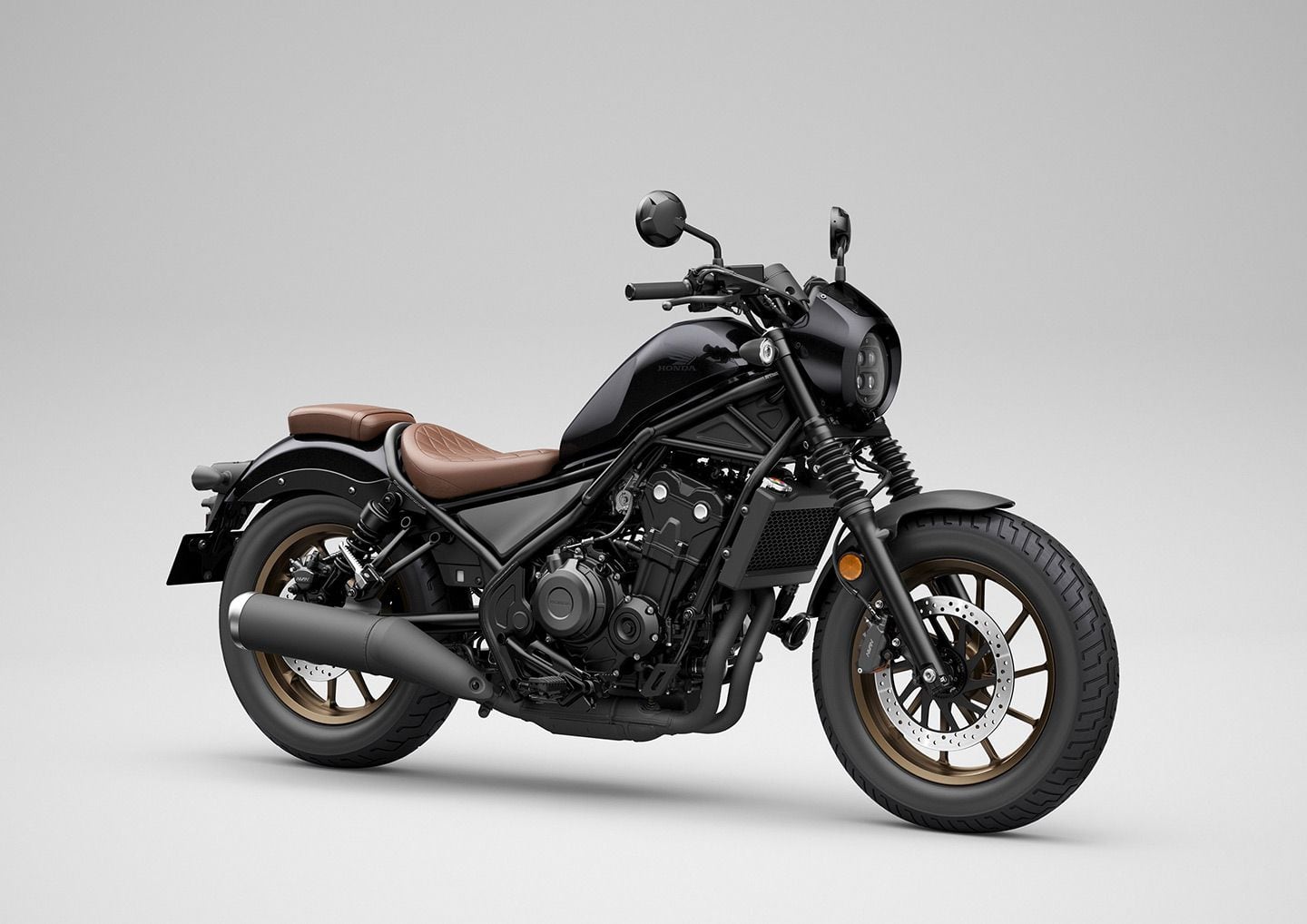
8. Honda Rebel 500 (PC56E Engine)
- Engine: 471cc Liquid-Cooled Parallel-Twin
- Horsepower: 47 hp
- Torque: 32 lb-ft
- Final Drive: Chain Drive
Entry-level motorcycles carry a particular reputation risk: manufacturers sometimes prioritize price accessibility over engineering depth, producing engines that meet minimum performance targets while cutting corners on the durability features that experienced riders recognize immediately.
Honda took the opposite approach with the Rebel 500, installing an engine borrowed directly from the CB500 sport-touring line, a powertrain already proven across millions of miles in a completely different application. That cross-platform borrowing is the Rebel 500’s strongest reliability credential.
The CB500 engine didn’t undergo cost reductions or specification downgrades for its cruiser application. Honda simply adapted the mounting and tuning for the Rebel’s character and installed an engine that was already validated through real-world sport-touring use, skipping the reliability risk that comes with an all-new powertrain entering production without a field track record behind it.
The nearly square bore and stroke configuration, where bore diameter and piston stroke measure close to equal dimensions, operates the engine in its most mechanically balanced state. Long-stroke engines produce strong low-RPM torque but run pistons at higher speeds for any given wheel output.
Over-square engines rev freely but sacrifice bottom-end pull. Square configurations balance both demands, and the Rebel 500’s architecture sits close enough to this ideal to benefit from both the torque accessibility and the reduced mechanical stress of the balanced geometry.
Vanadium-treated pins in the silent cam chain resist the stretch that conventional cam chains experience progressively through high-mileage use. Chain stretch creates valve timing errors as mileage accumulates, eventually producing the rattling noise that tells experienced mechanics an engine needs attention.
The Rebel 500’s cam chain resists this process, maintaining accurate valve timing well beyond the mileage points where comparable engines begin showing timing drift.
