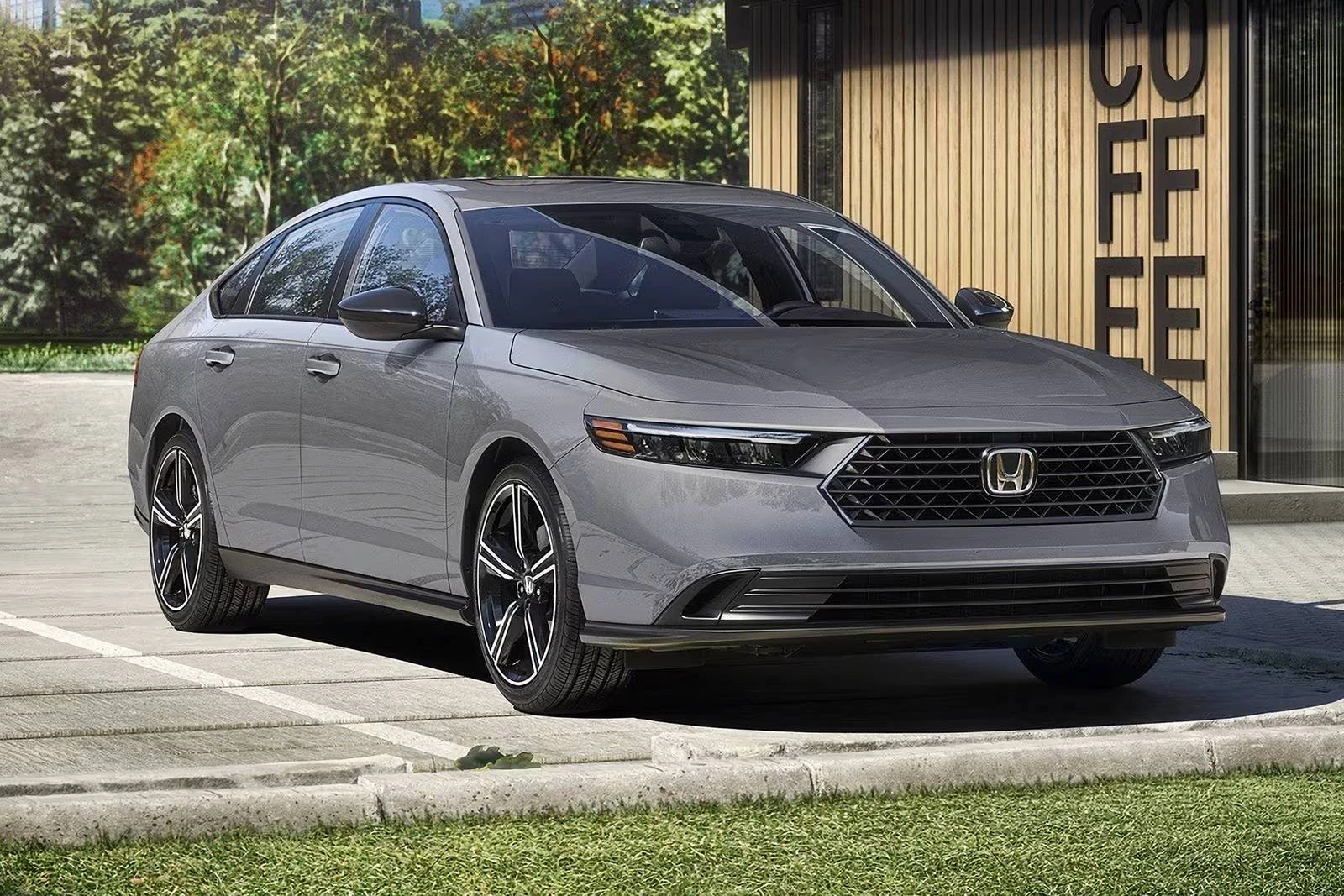
The Honda Accord has long been one of America’s most popular midsize sedans, earning a reputation for reliability, strong resale value, comfortable ride quality, and relatively low ownership costs.
Whether equipped with its turbocharged gasoline engine or available hybrid powertrain, the Accord consistently ranks among the least expensive family sedans to own over the long term. However, the purchase price tells only part of the story.
Owning any vehicle involves much more than making monthly loan payments. Insurance, fuel, maintenance, repairs, registration fees, depreciation, and financing costs all contribute to the true cost of ownership.
While the Accord is generally less expensive to own than many competitors, buyers are often surprised to discover that depreciation remains the single largest expense over five years.
The actual cost varies depending on trim level, driving habits, local fuel prices, insurance rates, and annual mileage.
Still, industry ownership data provides a realistic picture of what most drivers can expect. Looking beyond the sticker price helps explain why the Accord continues to be considered one of the best long-term values in the midsize sedan segment.
Also Read: 10 Vehicles With the Highest Theft-Recovery Rates
The Purchase Price Is Only the Starting Point
A new Honda Accord typically sells for anywhere between $30,000 and $40,000, depending on the trim level and optional equipment.
While buyers naturally focus on negotiating the purchase price, that initial payment represents only one portion of the total ownership cost.
Over the next five years, owners will also pay for insurance, fuel, maintenance, tires, registration, financing, and depreciation. These ongoing expenses often equal or even exceed the amount spent on routine servicing.
Understanding the complete financial picture is far more useful than comparing sticker prices alone.
Depreciation Is the Largest Expense
Like virtually every new vehicle, the Accord loses value over time. Fortunately, it depreciates more slowly than many competing midsize sedans because of Honda’s strong reputation for reliability and healthy demand in the used-car market.
After five years, a typical Accord retains roughly 50 to 60 percent of its original value, depending on mileage, condition, and trim.
For a vehicle purchased at $35,000, depreciation may total approximately $14,000 to $17,000 over five years.
Although owners never receive a bill for depreciation, it remains the single biggest ownership cost because it represents the value lost when the vehicle is eventually sold or traded.
Fuel Costs Depend on the Powertrain
One of the Accord’s strengths is its fuel efficiency. The gasoline model delivers impressive economy for a midsize sedan, while the hybrid version significantly reduces fuel expenses for drivers covering higher annual mileage.
Assuming 15,000 miles per year and average U.S. fuel prices, five-year fuel costs generally range between $6,000 and $8,500, depending on the engine, driving conditions, and regional gasoline prices.
Drivers choosing the hybrid model often save several hundred dollars each year compared with the standard gasoline version, particularly during city driving, where the electric motor contributes most.
Insurance Remains Reasonably Affordable
Insurance premiums vary widely based on age, location, driving history, and coverage levels. The Accord generally falls near the middle of the midsize sedan segment because repair costs are moderate and safety ratings are consistently strong.
Many owners spend approximately $1,400 to $2,000 per year for full coverage. Over five years, insurance expenses commonly total $7,000 to $10,000, making insurance one of the largest recurring ownership costs after depreciation and fuel.
Drivers with clean records or those living in lower-cost insurance markets may pay considerably less.
Routine Maintenance Is One of the Accord’s Strengths
Honda has built its reputation partly on low maintenance costs. Routine service typically includes the following:
Oil changes, tire rotations, air filter replacements, cabin filters, brake fluid service, transmission maintenance when required, and periodic inspections.
Most owners spend approximately $2,000 to $3,000 on scheduled maintenance during the first five years.
Because modern Honda engines have proven durable when properly maintained, unexpected repair bills are generally less common than with many competitors.
Following the manufacturer’s maintenance schedule remains the best way to preserve reliability and resale value.
Tires Are a Predictable Expense
Most Accord owners replace their tires once during the first five years. The exact timing depends on driving style, road conditions, and the original tire model.
Replacing a full set of quality tires generally costs between $700 and $1,200, including installation, balancing, and alignment if necessary.
Higher trim levels equipped with larger wheels often require more expensive replacement tires than entry-level models. Maintaining proper tire pressure and performing regular rotations help maximize tread life.
Repairs Are Usually Limited During the First Five Years
One advantage of buying a Honda Accord is its strong long-term reliability. Most owners experience few unexpected mechanical repairs during the first five years, particularly while factory warranty coverage remains in effect.
Occasional expenses may include:
Battery replacement, windshield repairs, brake pads, or minor electronic components.
Compared with many vehicles in the same class, the Accord generally avoids the costly engine or transmission repairs that can dramatically increase ownership costs later in life. This reliability contributes directly to the vehicle’s excellent resale value.
Registration and Taxes Add Up
Government fees are often overlooked when calculating ownership costs. Depending on the state, owners may pay annual registration fees, license renewals, inspections, and property taxes where applicable.
Over five years, these expenses commonly total between $1,000 and $2,500, although the exact amount varies significantly by location.
While relatively small compared with depreciation, these costs remain part of the full ownership experience.
Financing Can Add Thousands
Many buyers finance their vehicle purchase. Interest rates, loan length, and down payment size all influence the total cost.
For a buyer financing most of a $35,000 purchase, interest alone may add $3,000 to $6,000 over a typical five-year loan, depending on market rates and credit history.
Although financing does not increase the vehicle’s value, it represents a real ownership expense that should be considered alongside fuel and maintenance. Paying cash eliminates this cost but is not practical for every buyer.
Hybrid Models Cost More Up Front but Save Later
The Accord Hybrid typically carries a higher purchase price than the standard gasoline model. However, improved fuel economy helps offset part of that difference over several years.
Drivers who spend most of their time in city traffic often realize the greatest savings because hybrids rely more heavily on electric assistance at lower speeds.
Highway drivers may see a smaller financial advantage, although the hybrid still offers excellent efficiency for long-distance commuting.
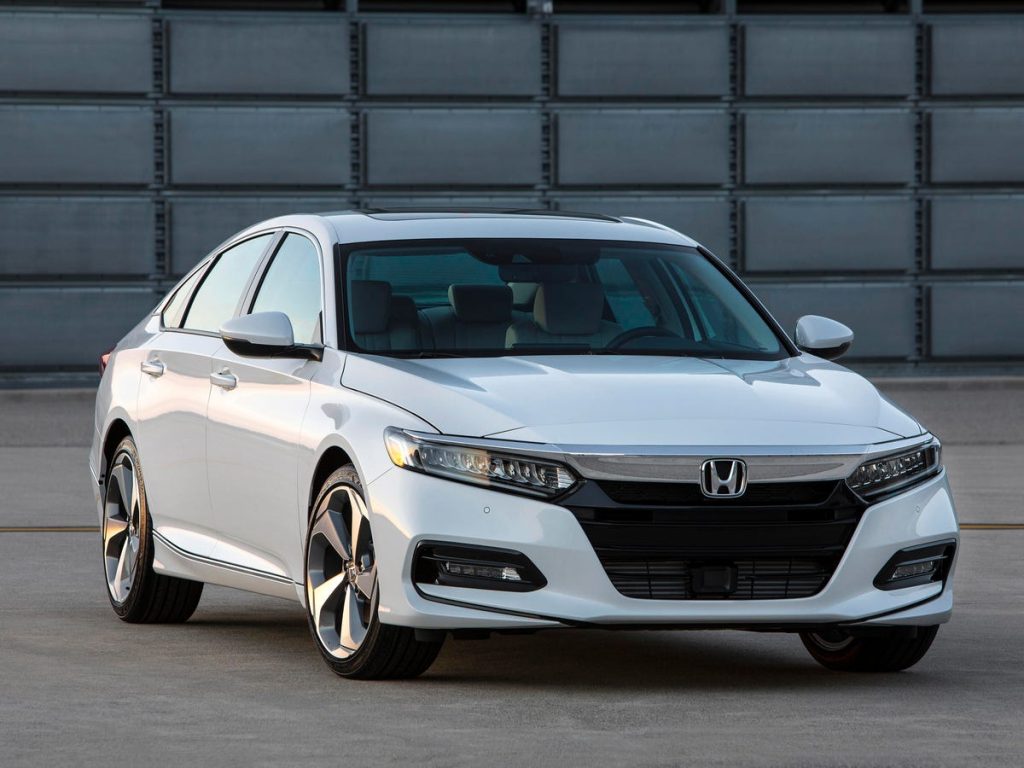
The choice ultimately depends on annual mileage and driving habits rather than fuel economy alone.
Resale Value Helps Offset Ownership Costs
One of the Accord’s biggest financial advantages is its ability to retain value. Honda’s reputation for durability keeps demand strong in the used-car market, allowing owners to recover a larger percentage of their original investment compared with many competing sedans.
Well-maintained vehicles with complete service records, clean accident histories, and moderate mileage typically command the highest resale prices.
Choosing popular trim levels and maintaining the vehicle according to factory recommendations further strengthens resale performance.
Estimated Five-Year Ownership Costs
For a typical owner driving 15,000 miles annually, the total five-year ownership expenses often fall within the following ranges:
- Depreciation: $14,000 to $17,000
- Fuel: $6,000 to $8,500
- Insurance: $7,000 to $10,000
- Maintenance: $2,000 to $3,000
- Tires: $700 to $1,200
- Registration and fees: $1,000 to $2,500
- Financing (if applicable): $3,000 to $6,000
Combined, the total cost of ownership commonly reaches $34,000 to $48,000 over five years, depending on financing, driving habits, and local expenses.
Is the Honda Accord Expensive to Own?
Compared with many midsize competitors, not really. The Accord consistently ranks among the least expensive vehicles in its class when long-term ownership costs are considered.
Its strong fuel economy, dependable mechanical components, relatively affordable maintenance, and excellent resale value help offset the inevitable costs of depreciation and insurance.
While no new vehicle is inexpensive to own, the Accord remains one of the safest financial choices for buyers planning to keep a car for several years.
Owning a Honda Accord for five years involves far more than paying the purchase price. Depreciation, insurance, fuel, maintenance, financing, and routine operating expenses combine to create a total ownership cost that typically falls between $34,000 and $48,000, depending on driving habits and local costs.
Even so, the Accord remains one of the most affordable midsize sedans to own thanks to its excellent reliability, strong fuel economy, modest maintenance requirements, and impressive resale value.
For buyers seeking a comfortable, dependable family sedan with predictable long-term expenses, the Honda Accord continues to stand out as one of the strongest values on the market.
While every vehicle requires ongoing investment throughout its life, the Accord’s balanced ownership costs help explain why it has remained a favorite among commuters, families, and long-term owners for decades.
Also Read: 10 Vehicles That Record Your Driving Whether You Consent or Not