
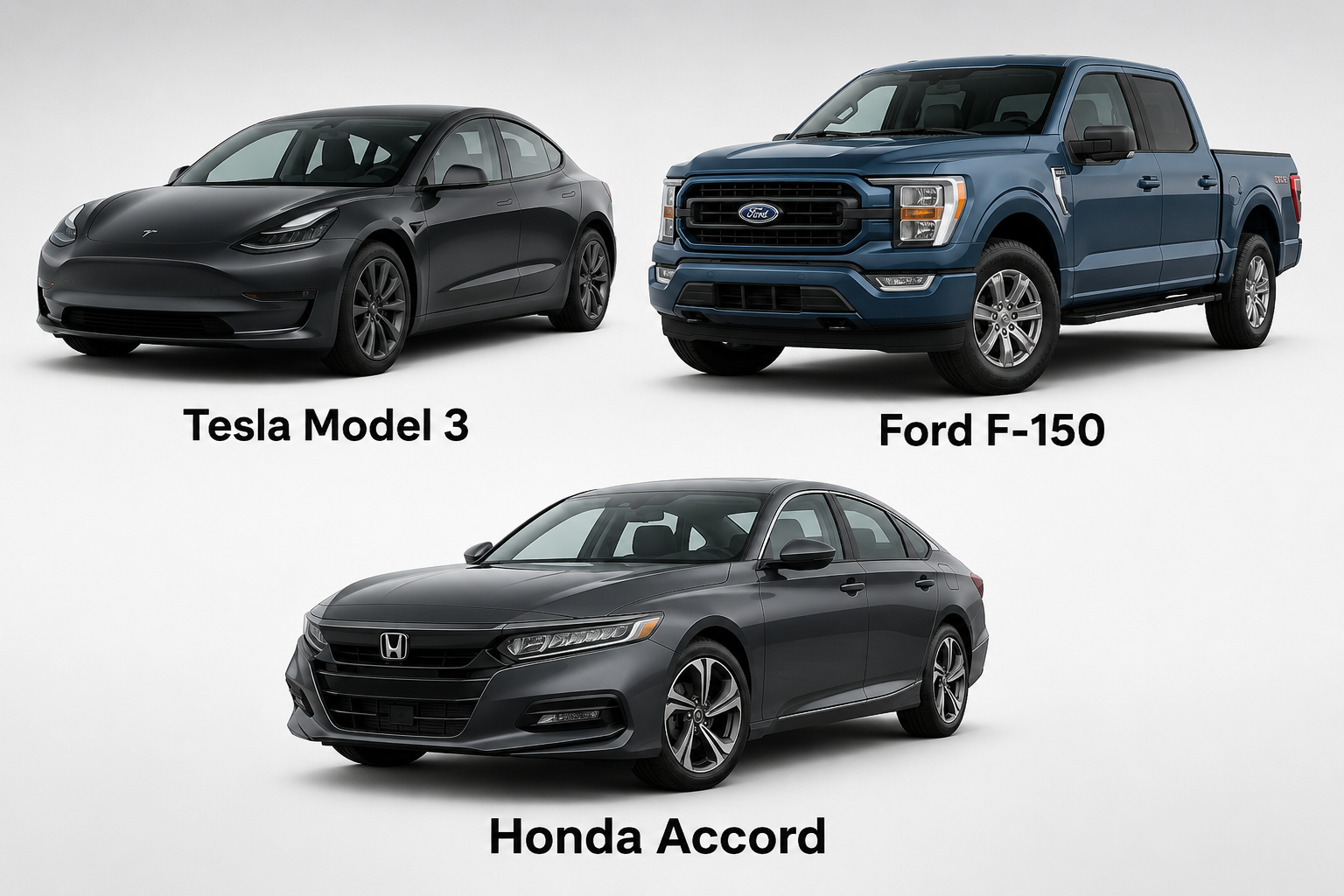
Having your car stolen is one of the worst feelings a vehicle owner can experience. But here is something most people do not know: the type of vehicle you drive has a dramatic impact on whether you ever see it again after it disappears from a parking lot or your driveway.
According to stolen vehicle recovery data from tracking firms like LoJack and various telematics research groups, two very different vehicle categories dominate the high-recovery end of the statistics. Electric vehicles with factory-integrated GPS systems and always-on connectivity are recovered at extraordinarily high rates because thieves simply cannot disable the tracking without specialized knowledge, and the manufacturer can pinpoint the vehicle’s location in real time.
On the other end of the spectrum, extremely common mass-market vehicles like popular trucks and midsize sedans are recovered at high rates for a completely different reason: they are too ubiquitous to hide, and law enforcement is experienced at locating them quickly.
Factory-active connectivity is the single biggest driver pushing recovery rates above 90% on modern vehicles. When a vehicle can call home, thieves are working against a clock they cannot stop. Here are the ten vehicles that consistently achieve the highest theft-recovery rates, with the factory specs that put each one in context.
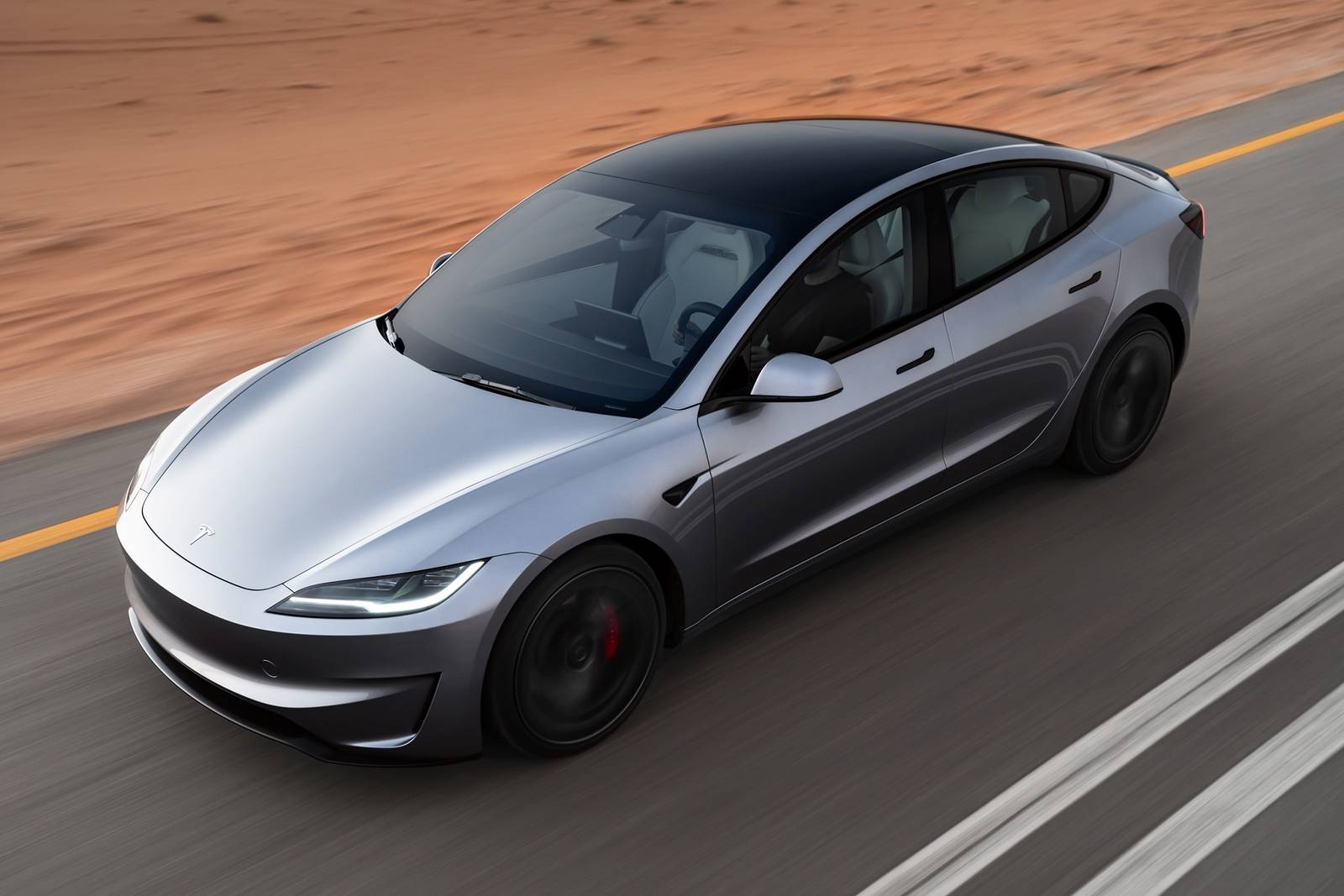
1. Tesla Model 3
- Engine: Single Motor Electric (Rear-Wheel Drive)
- Horsepower: 271 hp
- Torque: 310 lb-ft
- Size: 185.8 in Long x 72.8 in Wide x 56.7 in High
Recovery rates for the Tesla Model 3 push into territory that conventional vehicles cannot match, and the engineering reason is straightforward: this car never loses contact with Tesla’s servers as long as it has battery charge remaining. Every Model 3 ships from the factory with an always-on cellular connection that continuously reports GPS location, speed, direction, and vehicle status to Tesla’s cloud infrastructure.
When a Model 3 is reported stolen, law enforcement can receive pinpoint location data in real time rather than working from last-known-position estimates. Beyond passive GPS reporting, the Model 3 includes an active Sentry Mode security system that uses the vehicle’s external cameras to continuously monitor the surrounding area when the car is parked and locked.
Any detected impact, approach, or forced entry triggers an alarm and saves camera footage to an internal USB drive or to the owner’s Tesla app directly. Owners receive push notifications on their smartphones the moment the system detects suspicious activity, often while the theft attempt is still in progress rather than after the fact.
Tesla’s companion app allows the owner to track the vehicle’s location independently and share that live location data with law enforcement without waiting for a formal request process through the manufacturer. This direct owner-to-law-enforcement data sharing dramatically compresses the time between a theft report and a recovery response, which is the most critical variable in whether a stolen vehicle is found before it is stripped or transported across a state line.
At 271 horsepower and 310 lb-ft of torque from its single rear-wheel-drive electric motor, the Model 3 is also a quick vehicle that police can identify based on its performance characteristics if a pursuit becomes necessary. The combination of proactive tracking, owner notification, and direct location sharing makes the Tesla Model 3 one of the most difficult vehicles to successfully steal and keep.
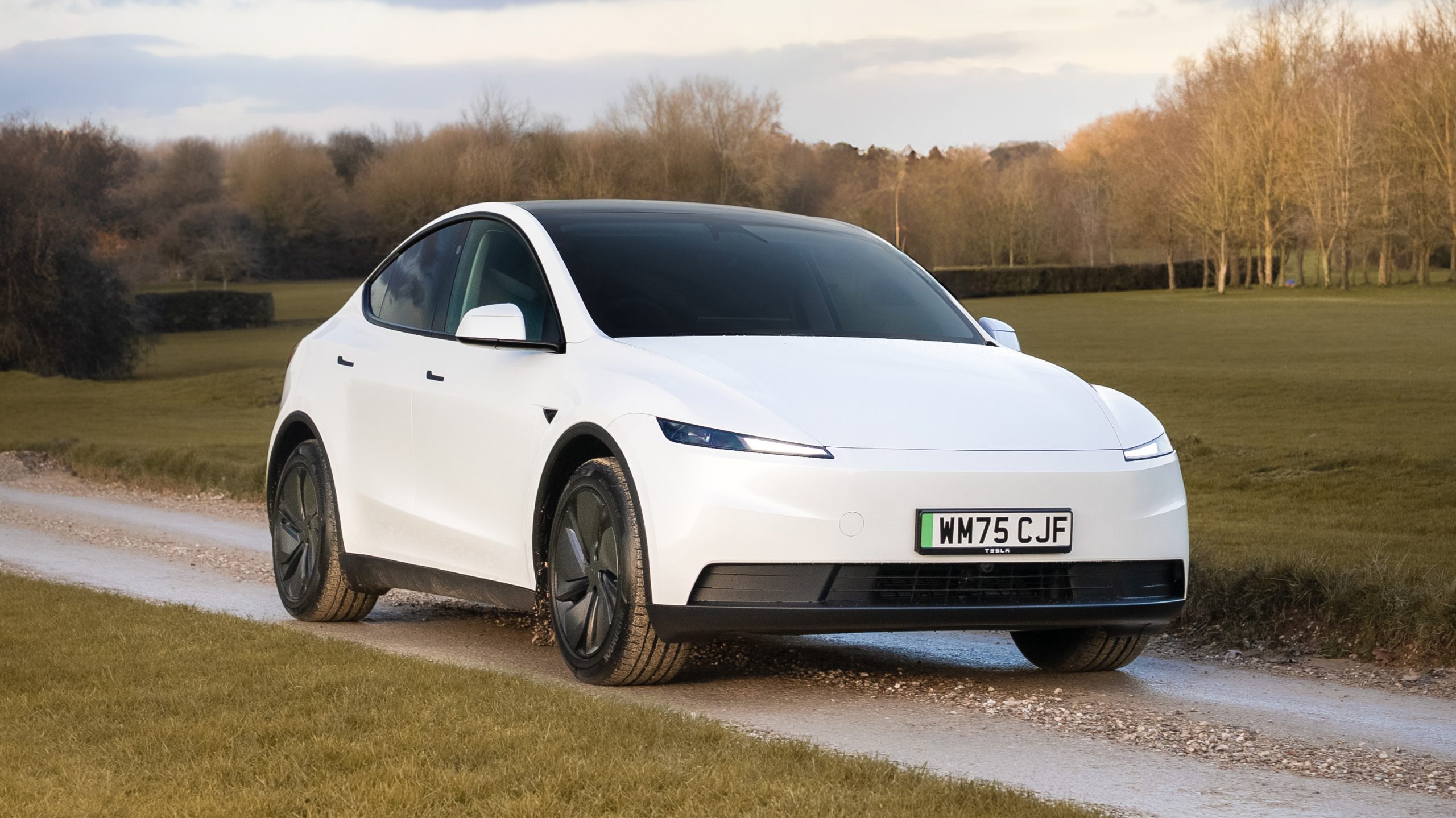
2. Tesla Model Y
- Engine: Dual Motor Electric (Long Range AWD)
- Horsepower: 425 hp
- Torque: 475 lb-ft
- Size: 187.0 in Long x 75.6 in Wide x 63.9 in High
Tesla’s Model Y carries the same integrated tracking architecture as the Model 3, wrapped in a larger, more practical SUV body that has made it one of the best-selling vehicles globally. Its popularity creates a paradox: the Model Y is frequently targeted by thieves precisely because it is valuable and in high demand, yet it is also one of the most consistently recovered stolen vehicles because its tracking systems are nearly impossible to defeat without cutting power to the vehicle entirely.
Cutting power to a Tesla to defeat its tracking creates its own problem for thieves. A Model Y with no battery power cannot be driven anywhere, which means defeating the tracking system and stealing a functional vehicle are mutually exclusive goals.
Thieves who try to transport a dead Model Y on a flatbed or trailer face the challenge of a visually distinctive vehicle that attracts immediate attention from law enforcement agencies that have been trained to watch for exactly this method.
Producing 425 horsepower and 475 lb-ft of torque from its dual-motor all-wheel-drive system, the Model Y accelerates from zero to 60 mph in around four seconds in Long Range AWD configuration. The Sentry Mode monitoring system, identical in function to the one on the Model 3, provides continuous perimeter monitoring and owner notification through the Tesla app.
The system also records video of anyone who approaches too close to the vehicle while it is parked, creating evidentiary footage that has contributed to theft prosecutions in multiple documented cases. Law enforcement agencies in markets where Tesla vehicles are common have developed specific rapid response protocols for stolen Model Y reports because the real-time location data available through Tesla’s systems makes recovery straightforward when agencies respond quickly.
Also Read: 10 Cars With the Lowest Theft Rates in the Country
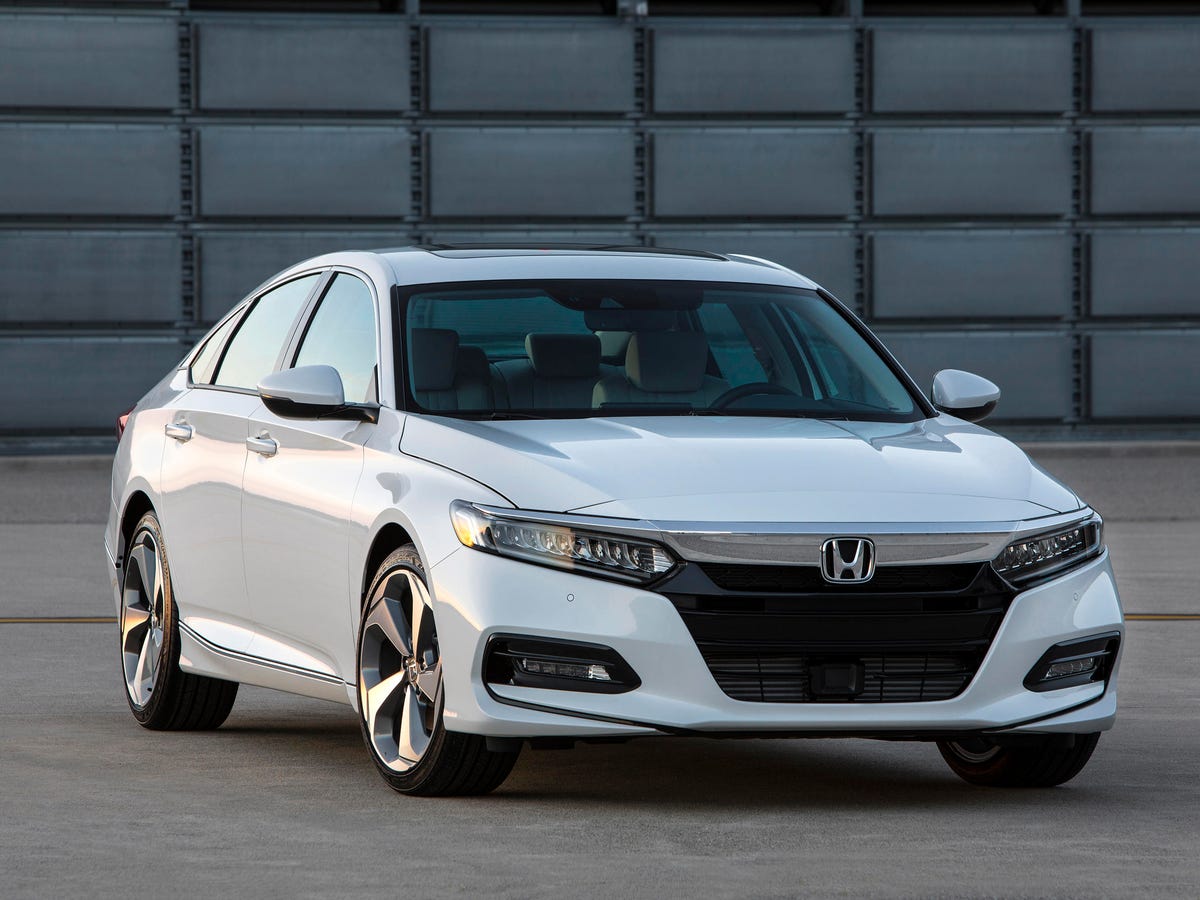
3. Honda Accord
- Engine: 1.5L Turbocharged 4-Cylinder
- Horsepower: 192 hp
- Torque: 192 lb-ft
- Size: 195.7 in Long x 73.3 in Wide x 57.1 in High
The Honda Accord holds a unique position in US vehicle theft records, appearing frequently among both most stolen cars and also among top recovery cases. Older versions are often taken for parts because large numbers of Accords on the roads make components easy to sell in secondary markets.
Newer models are usually stolen for temporary use or careless driving rather than organised dismantling operations. High availability of the model across the country helps law enforcement identify patterns quickly since officers have dealt with similar cases for many years.
Current Accord delivers 192 horsepower and 192 lb-ft of torque from a 1.5-liter turbocharged engine while measuring 195.7 inches long and 73.3 inches wide, giving it balanced midsize sedan proportions. Honda ConnectedCare on newer units provides location services and roadside assistance support through subscription-based features, but recovery success also depends heavily on how widespread the model is.
Police departments in major US cities have long experience recovering stolen Accords, knowing common hiding spots and movement patterns used during theft cases. This familiarity allows faster recovery times and keeps Accord recovery rates higher than many other midsize sedans in the market.
Because of these conditions, the Accord remains both frequently targeted and quickly recovered, showing how experience and volume influence law enforcement response outcomes across different cities in the United States. Insurance data and police tracking coordination also contribute to faster identification of stolen units, especially in urban areas where reporting systems are highly active and well coordinated across jurisdictions nationwide today.
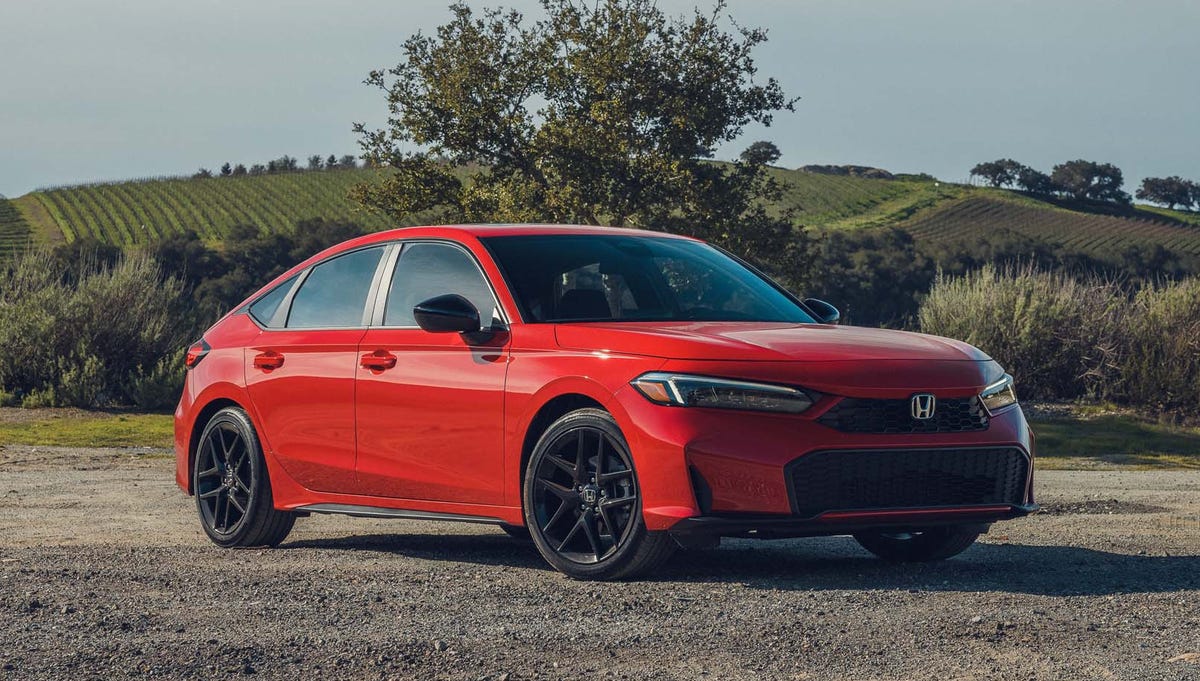
4. Honda Civic
- Engine: 2.0L 4-Cylinder
- Horsepower: 150 hp
- Torque: 133 lb-ft
- Size: 184.1 in Long x 70.9 in Wide x 55.7 in High
Alongside the Accord, the Honda Civic consistently ranks among the most frequently stolen vehicles in North America, and like its larger sibling, it also maintains a recovery rate that outperforms most of the vehicles around it in the theft statistics.
The reasons mirror the Accord story in several ways: extreme commonality makes the vehicle harder to hide effectively, law enforcement familiarity with Civic theft patterns is deep and current, and the joyriding motivation that drives a large percentage of Civic thefts results in vehicles being abandoned relatively quickly after the act rather than being professionally dismantled.
At 150 horsepower and 133 lb-ft of torque from a 2.0-liter naturally aspirated four-cylinder, the base Civic LX produces modest but adequate performance for daily commuting use. Measuring 184.1 inches long and 70.9 inches wide, it is a compact vehicle that parks easily in tight urban environments, which is part of why it attracts opportunistic thieves in urban markets. That same urban environment, however, means a higher density of traffic cameras, parking garage surveillance systems, and patrol coverage that makes hiding a stolen vehicle for extended periods difficult.
Newer Honda Civic models include Honda Connect features that offer vehicle location services, adding another layer of convenience for owners. Even so, one of the biggest reasons for the Civic’s high recovery rate is its sheer popularity.
With so many Civics on American roads, opportunistic thieves rarely invest the time and planning needed to conceal a stolen vehicle for long. Many are abandoned before long, allowing law enforcement to recover them and contributing to the model’s consistently high recovery rate.
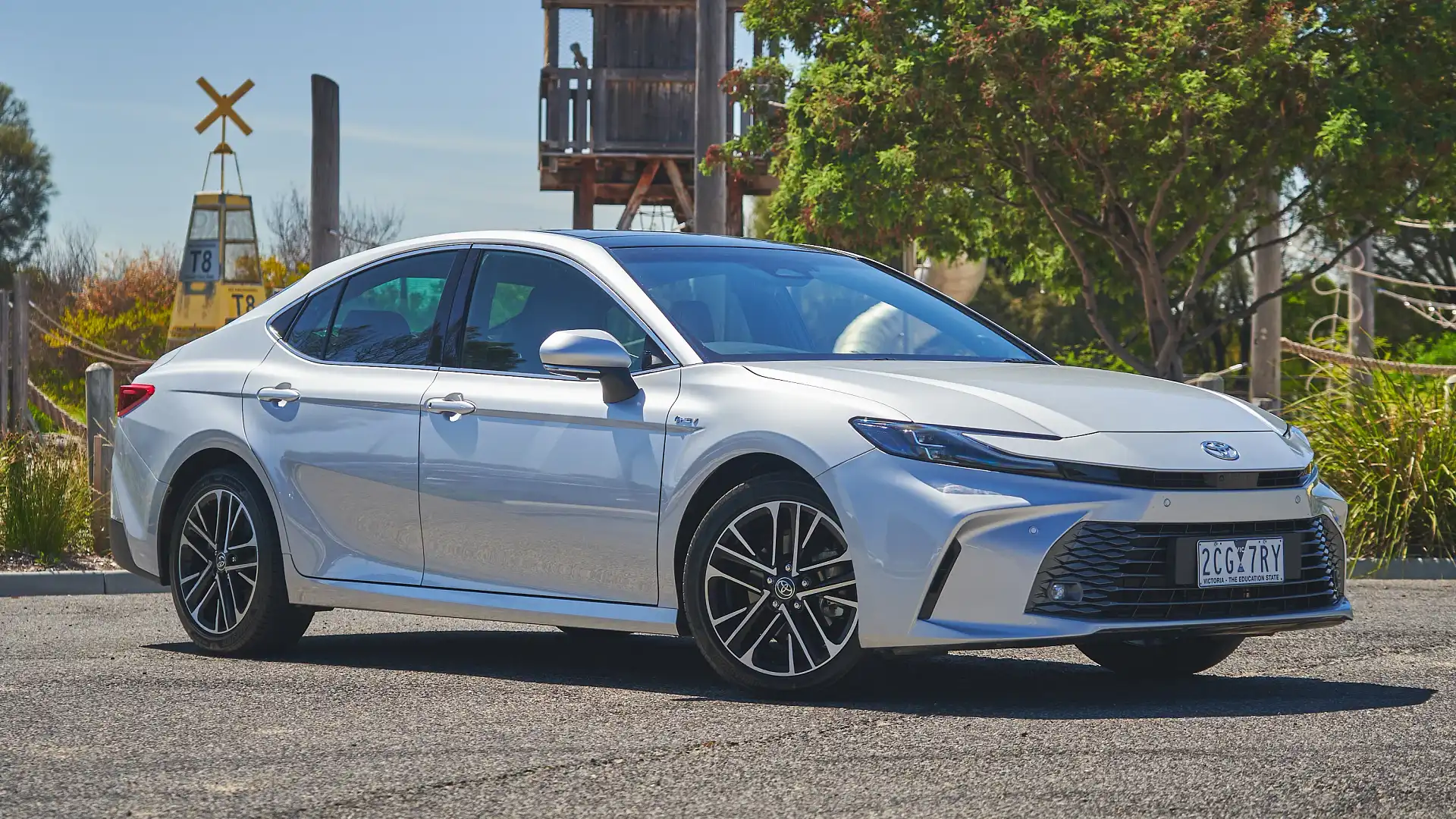
5. Toyota Camry
- Engine: 2.5L 4-Cylinder Hybrid
- Horsepower: 225 hp
- Torque: 163 lb-ft
- Size: 193.5 in Long x 72.4 in Wide x 56.9 in High
Toyota made the current-generation Camry hybrid-only, and that architectural decision introduced a connected vehicle infrastructure that adds a meaningful layer to the Camry’s already-strong theft recovery profile. At 225 horsepower from a 2.5-liter hybrid system and measuring 193.5 inches long by 72.4 inches wide, the Camry is one of the best-selling vehicles in the United States, which gives it the ubiquity-based recovery advantage that benefits the Honda models above it on this list.
Toyota’s Safety Connect subscription service on current Camry models provides automatic collision notification, emergency assistance, and vehicle location services that allow Toyota to share GPS coordinates with law enforcement when a Camry is reported stolen. This manufacturer-side tracking capability supplements the owner’s own recovery resources by providing an institutional response channel that does not depend on aftermarket tracking devices or third-party subscriptions.
The hybrid powertrain creates an additional practical consideration for thieves. Modern hybrid systems integrate the hybrid battery management computer with the vehicle’s security architecture in ways that make bypassing the immobilizer system more complicated than on conventional gasoline vehicles. The increased technical complication required to defeat hybrid security systems reduces the pool of thieves capable of successfully stealing and operating a current Camry without triggering the vehicle’s factory security responses.
Toyota’s dealer network and manufacturer response coordination also contribute to recovery outcomes. When Toyota’s Safety Connect system detects unauthorized vehicle movement following a theft report, the manufacturer’s response team can assist law enforcement with location updates in real time, compressing the window between theft and recovery that determines whether the vehicle is found intact or stripped.
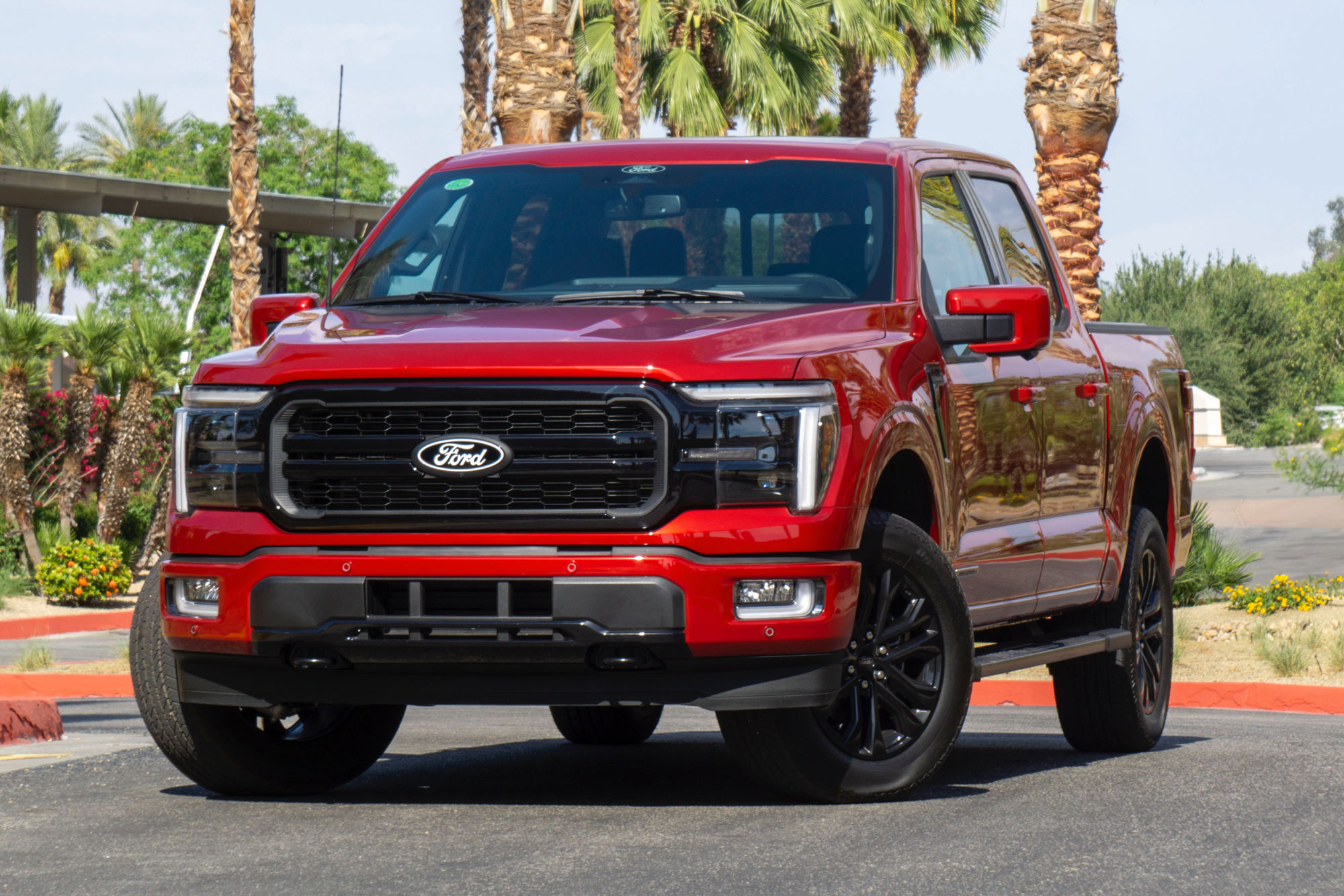
6. Ford F-150
- Engine: 2.7L EcoBoost V6
- Horsepower: 325 hp
- Torque: 400 lb-ft
- Size: 231.7 in Long x 79.9 in Wide x 75.6 in High (SuperCab standard bed)
Across American roads, the Ford F-150 has recorded more theft incidents than any other vehicle in the country, yet its recovery performance still matches that of models fitted with more advanced tracking systems. This situation comes from a mix of conditions that make it difficult for thieves to keep the truck hidden or maintain control for long periods.
The size of the Ford F-150 also plays a role in recovery efforts. Measuring 231.7 inches in length and 79.9 inches in width, it is not a vehicle that can easily disappear in crowded spaces or residential garages. Security teams and police units are already familiar with common theft patterns involving this truck due to years of repeated cases, which helps speed up response actions when reports are made.
Newer versions of the F-150 come with FordPass Connect, a built-in system that allows live location tracking and remote access through a mobile application. At 325 horsepower and 400 lb ft of torque from a 2.7-liter EcoBoost V6 engine, current models also use coded key fob verification before ignition is allowed, which reduces the chances of older theft methods succeeding.
The Pro Power Onboard feature adds continuous electrical activity within the system, supporting constant monitoring functions that help maintain tracking signals even when the vehicle is parked. These combined features place more pressure on anyone attempting unauthorized access, as location reporting remains active through connected services that alert owners and response teams when unusual movement is detected in real-time alerts
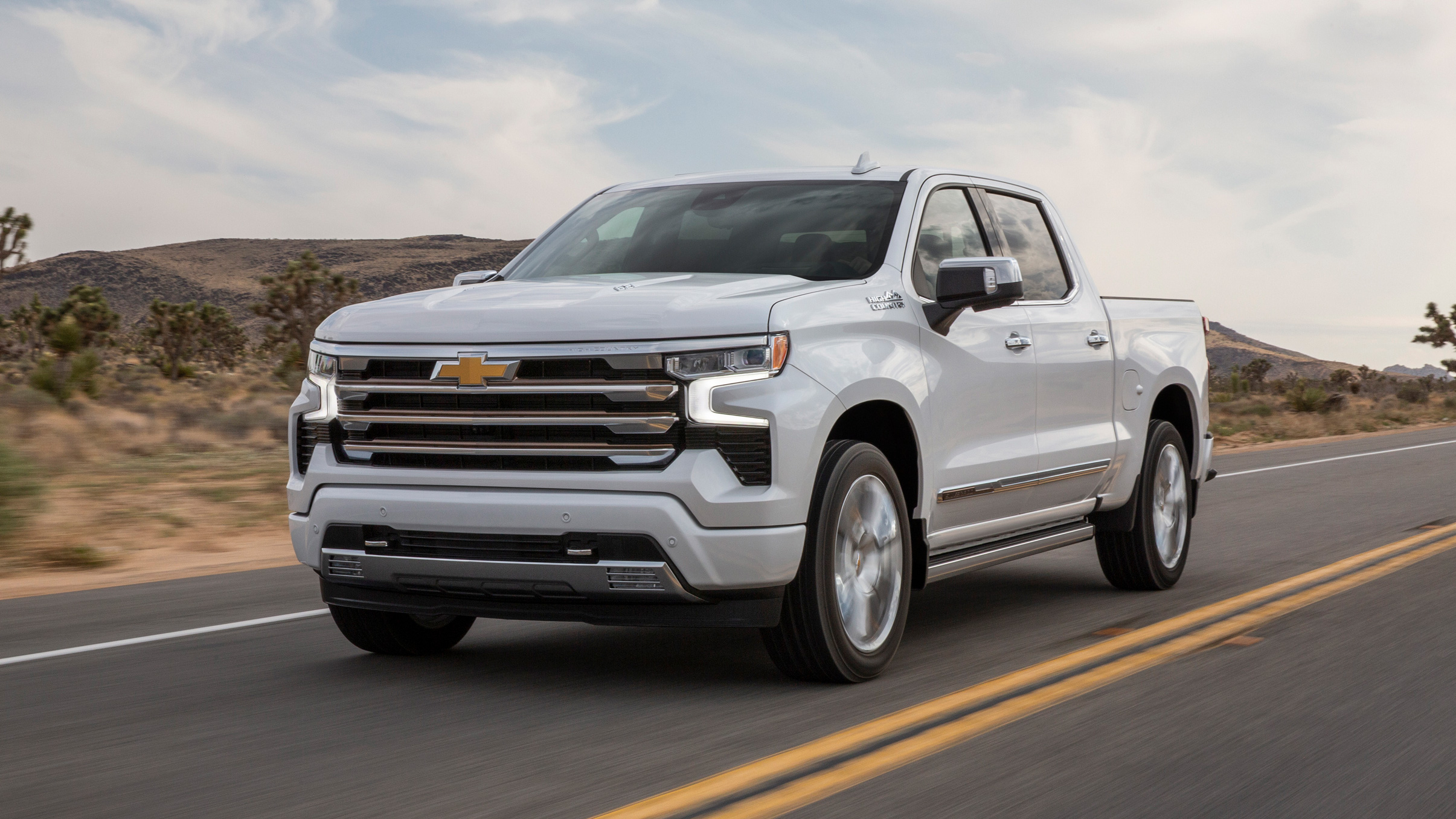
7. Chevrolet Silverado 1500
- Engine: 2.7L Turbocharged 4-Cylinder TurboMax
- Horsepower: 310 hp
- Torque: 430 lb-ft
- Size: 231.9 in Long x 81.2 in Wide x 75.6 in High (Double Cab standard bed)
The Chevrolet Silverado 1500 shares the F-150’s fundamental recovery advantage: at 231.9 inches long and 81.2 inches wide in Double Cab standard bed configuration, it is a physically large vehicle that demands specific hiding logistics that most thieves are not prepared to manage.
Add the factory tracking capability from GM’s OnStar system, which has been one of the automotive industry’s longest-running connected vehicle platforms, and the Silverado becomes one of the more difficult trucks to steal and keep successfully.
OnStar’s Stolen Vehicle Assistance service allows law enforcement to work directly with OnStar advisors to receive live GPS coordinates of a reported stolen Silverado, slow the vehicle remotely by cutting fuel delivery when law enforcement is in position to safely intercept it, and lock the doors remotely to prevent occupant escape during a recovery operation.
This suite of active recovery tools goes beyond passive tracking to give law enforcement direct intervention capabilities that few other manufacturers have matched at scale. Producing 310 horsepower and an impressive 430 lb-ft of torque from its 2.7-liter TurboMax turbocharged four-cylinder, the base Silverado 1500 delivers strong work truck performance without requiring a V8 engine.
The TurboMax unit’s torque output makes this engine well suited to the hauling and towing work that most Silverado buyers purchase the truck to perform, and the modern engine management system integrates with OnStar’s vehicle health monitoring in ways that keep the manufacturer connected to the vehicle’s operational status.
GM’s extended history with the OnStar platform means that law enforcement agencies across North America have established procedures for requesting Silverado location data quickly when a theft is reported.
8. Range Rover Sport
- Engine: 3.0L Turbocharged Inline-6 Mild Hybrid P360
- Horsepower: 355 hp
- Torque: 369 lb-ft
- Size: 194.7 in Long x 80.6 in Wide x 71.7 in High
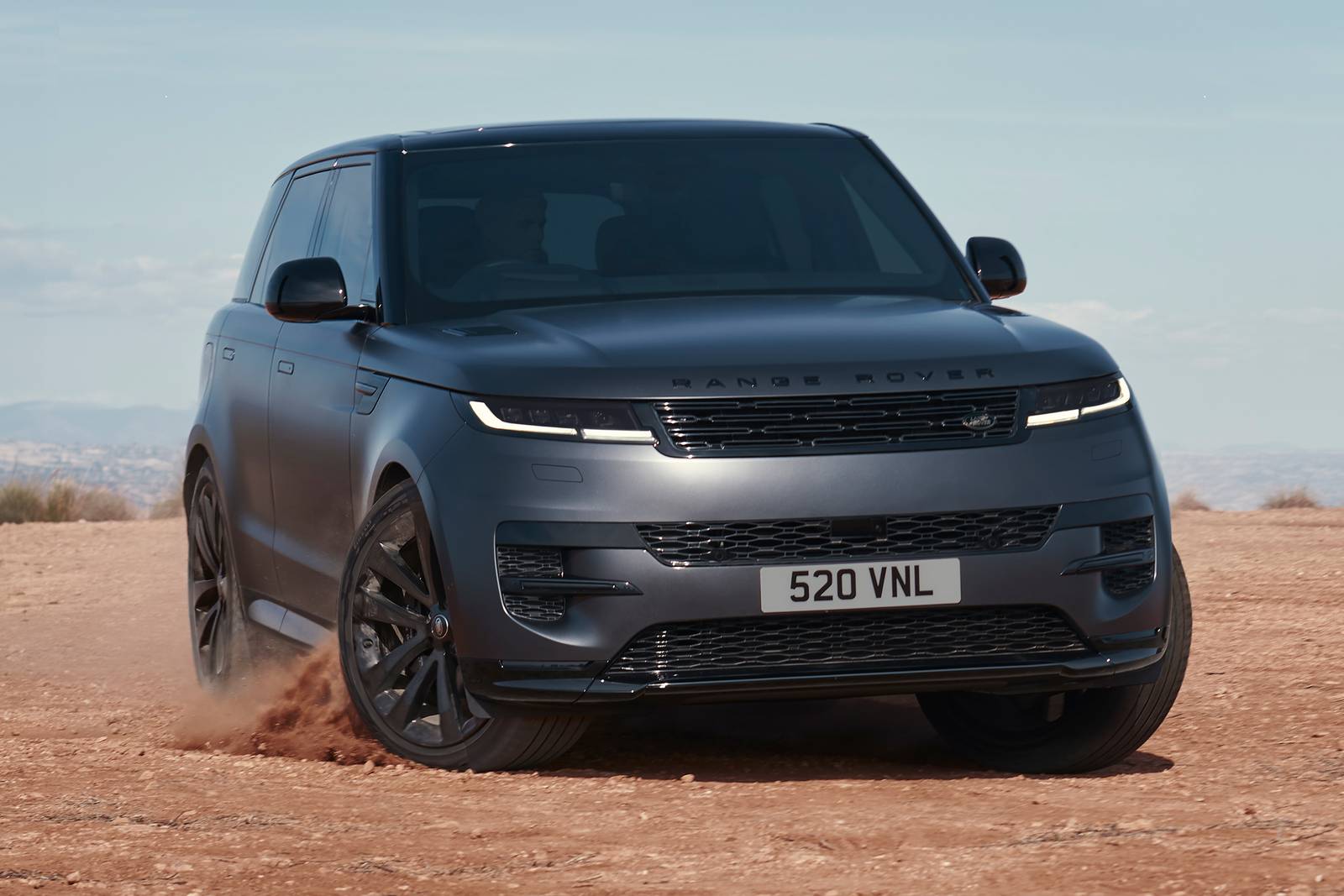
Range Rovers occupy a paradoxical position in UK and European theft statistics specifically: they are among the most frequently targeted luxury vehicles in those markets, yet Land Rover has responded to that targeting with a multi-layer security and tracking response that has pushed recovery rates for newer models substantially higher than the brand’s historical averages. The Range Rover Sport’s recovery rate reflects that defensive investment.
Land Rover’s InControl Remote and Protect system provides factory GPS tracking, stolen vehicle tracking assistance, and law enforcement support coordination through Land Rover’s own response center. At 355 horsepower and 369 lb-ft of torque from the P360 mild-hybrid turbocharged inline-six, and measuring 194.7 inches long by 80.6 inches wide, the Range Rover Sport is a large, distinctively styled vehicle that is difficult to make anonymous in an urban environment regardless of how a thief attempts to conceal it.
Land Rover has also implemented a Thatcham-approved alarm system and electronic key authentication on current Range Rover Sport models that specifically addresses the relay attack theft method that was responsible for a large percentage of keyless-entry luxury vehicle thefts in the UK market.
A relay attack involves amplifying the key fob signal from inside the owner’s home to make the car believe the key is present, and Land Rover’s ultra-wideband key fob technology on newer models requires the key to be within a very short physical distance rather than just within signal range, defeating the relay method at the hardware level.
9. BMW 3 Series 330i
- Engine: 2.0L Turbocharged 4-Cylinder
- Horsepower: 255 hp
- Torque: 295 lb-ft
- Size: 185.7 in Long x 71.9 in Wide x 56.8 in High
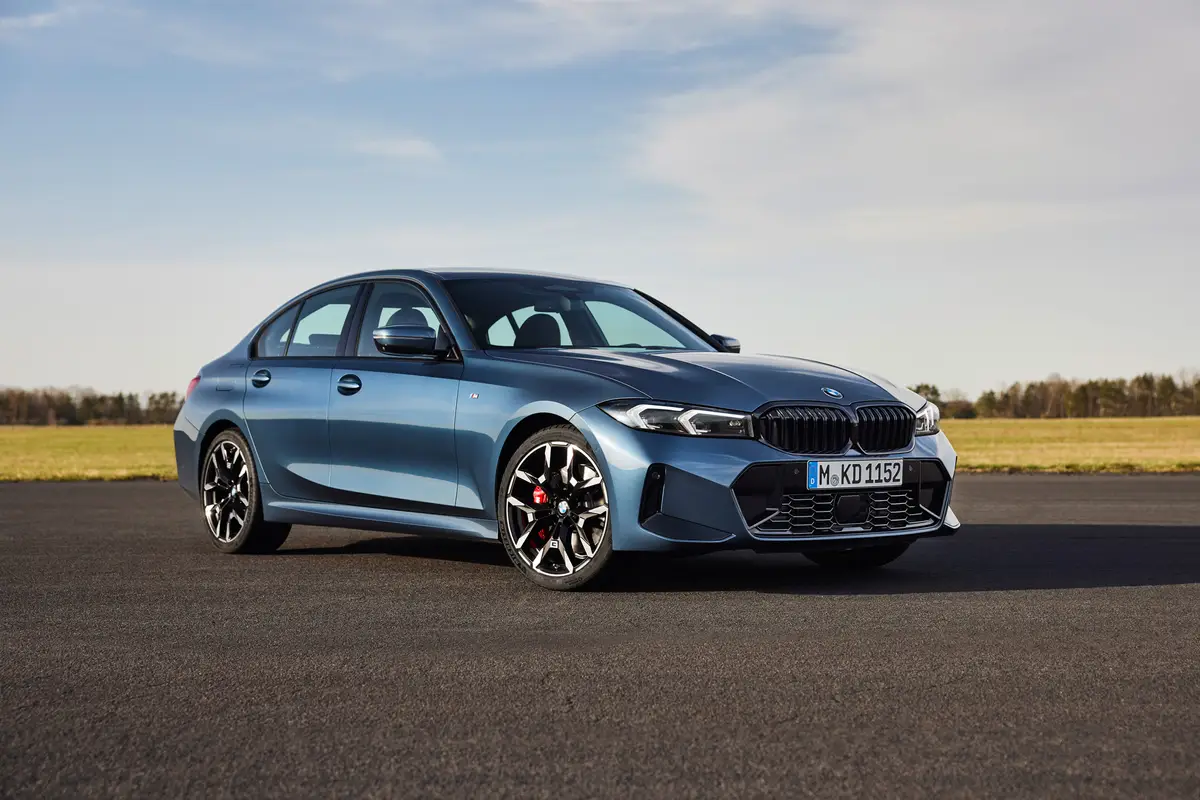
BMW ConnectedDrive on the BMW 3 Series 330i provides real-time vehicle monitoring and theft response services that improve recovery outcomes compared with many premium sport sedans. It delivers 255 horsepower and 295 lb-ft of torque from a 2.0-liter turbocharged four-cylinder engine, with a body length of 185.7 inches and width of 71.9 inches, giving the sedan balanced proportions suited for daily driving and performance use.
The Stolen Vehicle Recovery function within BMW ConnectedDrive allows law enforcement to receive live GPS tracking data for a reported BMW 330i through the response center. This system relies on combined GPS and cellular triangulation to deliver frequent location updates, enabling patrol units to intercept the vehicle while it is still in motion rather than after it has been parked or stripped for parts.
BMW also integrates advanced key authentication systems on current 3 Series models that require encrypted key communication before the engine can start. This setup addresses relay attack vulnerabilities that have affected luxury vehicles across multiple brands by strengthening digital verification between the key and the car. Combined with an active alarm system that monitors door, hood, and trunk tamper events, the 330i presents a layered security approach that increases the effort required to compromise the vehicle.
This combination makes the 330i harder to target, while also giving owners stronger confidence in daily use and long-distance travel security. It also reduces response delays during theft events through continuous tracking updates shared with authorized security personnel in real time.
Also Read: 10 Cars With the Highest Insurance Premiums for Average Drivers
10. Toyota RAV4
- Engine: 2.5L 4-Cylinder
- Horsepower: 203 hp
- Torque: 184 lb-ft
- Size: 180.9 in Long x 73.0 in Wide x 67.0 in High
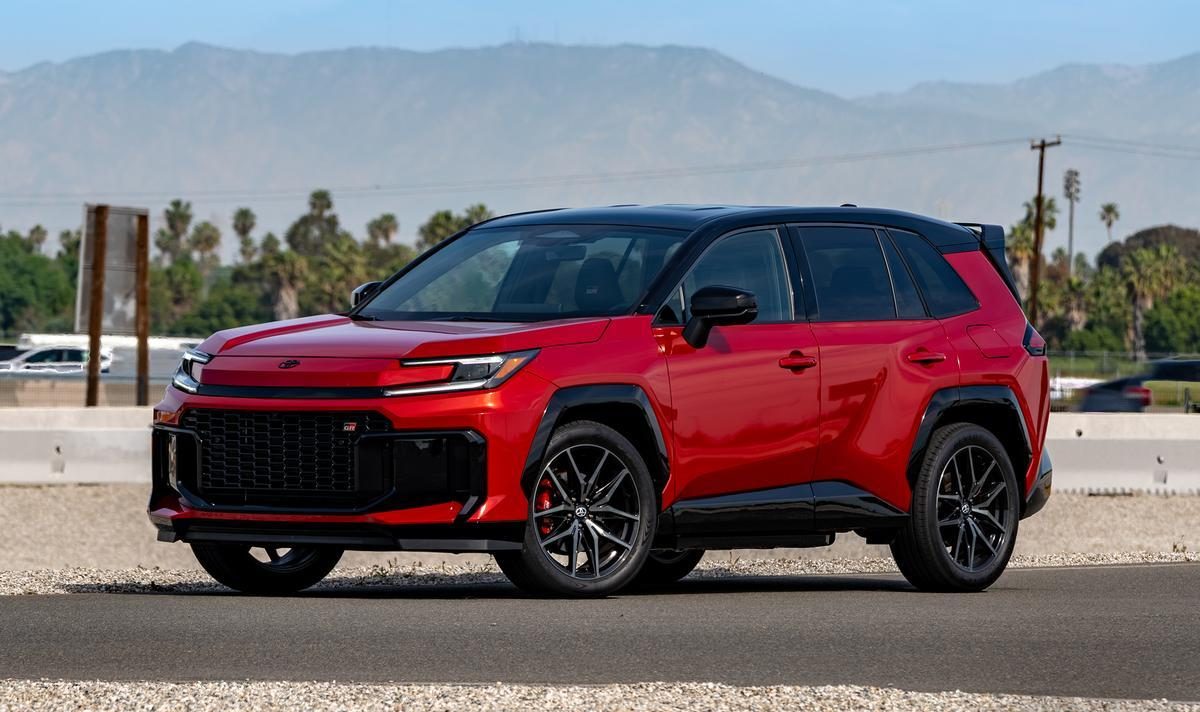
Rounding out this list is the Toyota RAV4, which holds the distinction of being one of the best-selling SUVs on the planet across multiple consecutive years. At 203 horsepower and 184 lb-ft of torque from a 2.5-liter naturally aspirated four-cylinder, and measuring 180.9 inches long by 73.0 inches wide, the RAV4 is a compact SUV with an enormous global presence.
That global presence creates the same ubiquity-based recovery advantage that benefits the Honda and Toyota sedan entries earlier on this list, amplified by Toyota’s own factory connectivity systems on current production models. Toyota Safety Connect on current RAV4 models provides automatic collision notification and stolen vehicle location services that give law enforcement access to factory GPS data when a RAV4 is reported stolen.
The RAV4’s position as one of the most common vehicles on roads across North America, Europe, and Australia means that law enforcement agencies at every level have accumulated extensive experience identifying, pursuing, and recovering stolen examples of this specific model.
Older RAV4 models without factory connectivity still benefit from the volume advantage. With millions of RAV4 units across global markets, the probability that a stolen example will be spotted by a patrol officer, captured on a traffic or parking garage camera, or identified at a routine traffic stop is substantially higher than for less common vehicles.
Recovery specialists note that RAV4 theft tends to follow predictable patterns because the vehicle’s common parts make it attractive to professional operations that use consistent methods, and law enforcement’s familiarity with those methods translates directly into faster recovery outcomes for owners whose RAV4 is taken.
