
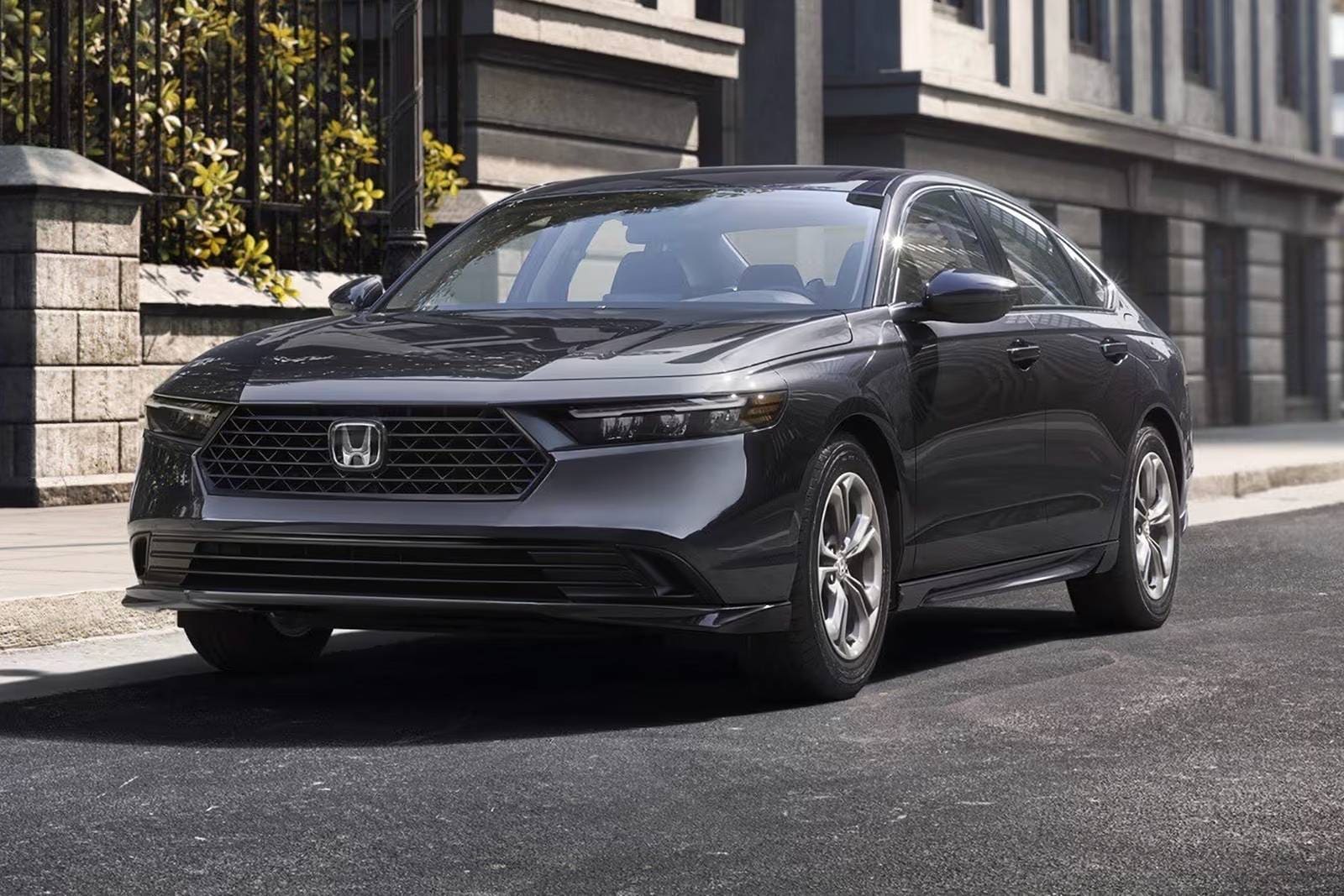
For decades, the Honda Accord has been one of the benchmark midsize sedans, earning a reputation for reliability, comfort, strong resale value, and low ownership costs.
Since its debut in the American market in the 1970s, the Accord has evolved through multiple generations, each introducing new technology, improved safety, and more efficient powertrains. It has consistently attracted commuters, families, and enthusiasts alike because it delivers a balanced driving experience without sacrificing practicality.
Yet despite its impressive history, not every Accord model year has achieved the same level of success. Some have become legendary for their durability and ability to exceed 200,000 miles with routine maintenance, while others have struggled with transmission failures, excessive oil consumption, electrical issues, or premature component wear.
That is why researching individual model years is far more valuable than simply buying the newest Accord within your budget.
Two vehicles that appear nearly identical can provide completely different ownership experiences depending on the engineering updates, manufacturing improvements, and reliability record of the year they were built.
A carefully chosen Accord can deliver years of dependable transportation with minimal repair costs, whereas selecting a weaker model year may result in unexpected maintenance expenses that quickly outweigh the savings from a lower purchase price.
This guide identifies the five Honda Accord model years that have consistently earned praise from owners, mechanics, and reliability studies.
These vehicles stand out because they combine dependable engines, durable transmissions, strong safety ratings, comfortable interiors, and fewer reported mechanical complaints.
Many have proven themselves through hundreds of thousands of miles of real-world driving while maintaining excellent resale value.
The second half focuses on five Accord model years that deserve greater caution. Inclusion on this list does not mean every vehicle will experience major problems, but these years have accumulated enough recurring complaints to make buyers think twice before purchasing without a detailed inspection and documented maintenance history. Choosing the right Honda Accord is about much more than mileage or appearance.
Understanding which production years represent Honda at its best and which ones experienced notable shortcomings allows buyers to make informed decisions, avoid expensive repairs, and invest in a sedan capable of providing dependable service for many years.
Also Read: 5 Best Subaru Forester Years vs 5 to Avoid
5 Best Honda Accord Years
1. 2022 Honda Accord
Few midsize sedans demonstrate the value of gradual refinement as effectively as the 2022 Honda Accord. Rather than introducing unnecessary changes, Honda spent several years perfecting the tenth-generation platform, resulting in one of the most polished versions of the Accord ever produced.
Buyers seeking a dependable used sedan frequently place the 2022 model near the top of their shopping list because it combines proven engineering with modern technology and excellent driving dynamics.
The standard 1.5-liter turbocharged engine delivers an impressive balance between fuel economy and everyday performance, while the optional 2.0-liter turbo provides significantly stronger acceleration for drivers wanting a more engaging experience.
Both engines benefit from years of refinement, helping reduce many of the concerns occasionally associated with earlier production years.
Inside the cabin, the Accord continues to impress with generous passenger space, supportive seating, and high-quality materials.
The infotainment system is intuitive, featuring Apple CarPlay and Android Auto integration, while physical controls remain easy to use during daily driving. The quiet cabin also contributes to a premium feel that rivals many luxury sedans costing considerably more.
Honda Sensing comes standard, offering features such as adaptive cruise control, lane keeping assist, collision mitigation braking, and road departure mitigation. These technologies operate smoothly and enhance driver confidence without becoming intrusive.
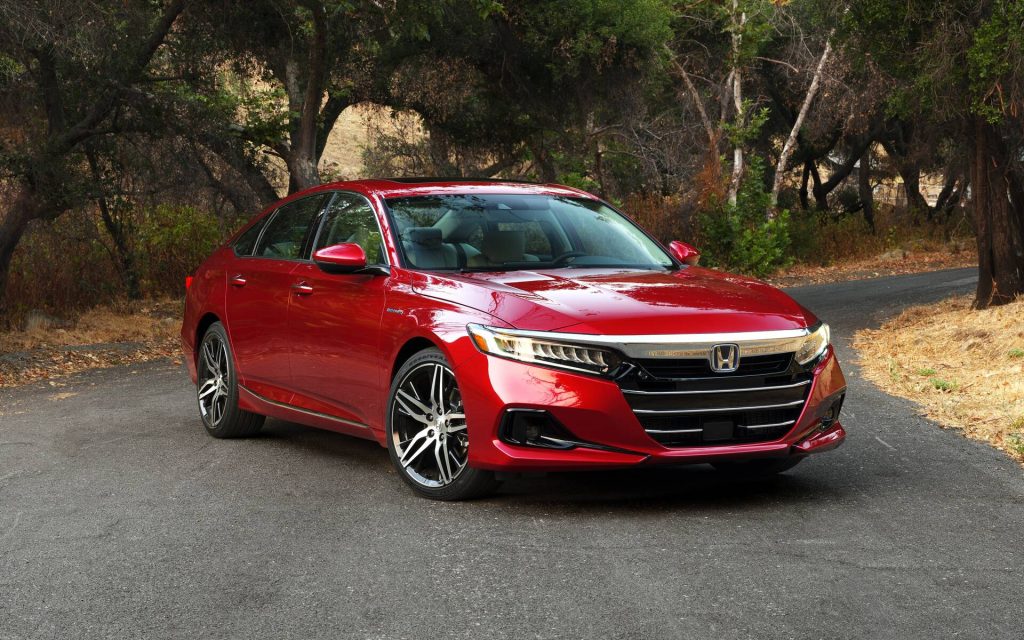
The 2022 Accord earns its position among the best years because it delivers exceptional reliability, excellent fuel efficiency, refined ride quality, and modern safety technology in a package that continues to hold its value exceptionally well.
For buyers seeking dependable transportation with minimal compromises, this model year represents one of the strongest choices available.
Specifications
- Engine: 1.5-liter Turbocharged Inline-4 (Base)
- Torque: 192 lb-ft
- Horsepower: 192 hp
- Length/Width: 196.1 in / 73.3 in
2. 2017 Honda Accord
Some vehicles become favorites because they represent the final evolution of a successful generation, and the 2017 Honda Accord fits that description perfectly.
As the closing model year of the ninth generation, it benefited from years of engineering refinements that addressed many of the minor issues found in earlier production. This maturity makes it one of the most dependable used Honda Accords available today.
A major reason for its popularity is the availability of two proven naturally aspirated engines. The standard 2.4-liter four-cylinder is widely respected for its durability, excellent fuel economy, and ability to accumulate high mileage with routine maintenance.
Buyers seeking stronger performance can opt for the smooth and reliable 3.5-liter V6, which remains one of Honda’s finest naturally aspirated engines.
Ride quality is another highlight. The suspension delivers a comfortable balance between handling and comfort, making the Accord equally capable during long highway drives and urban commuting. Steering feels responsive without becoming overly firm, giving the sedan a confident personality behind the wheel.
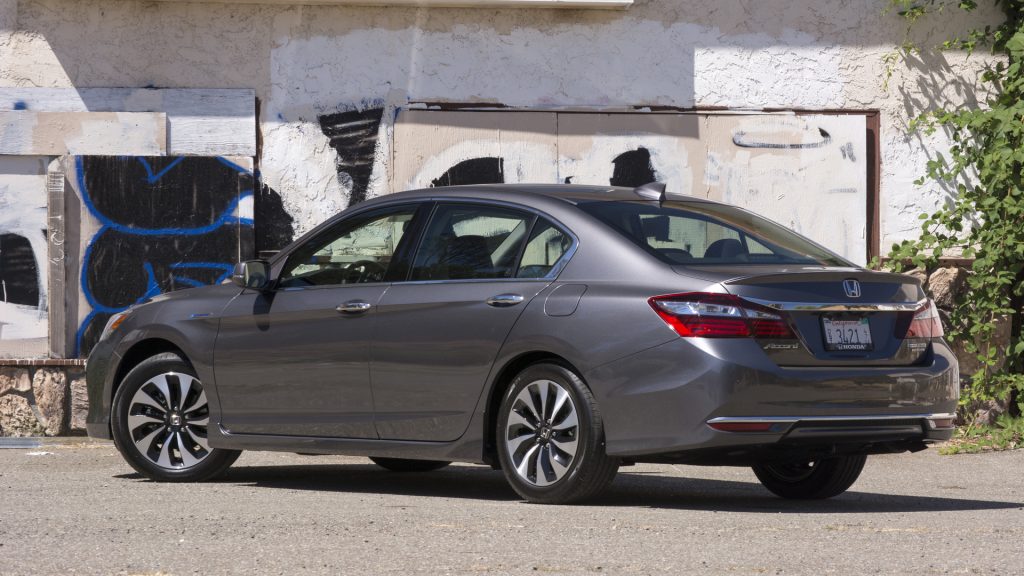
Honda also updated the interior with improved infotainment features, Apple CarPlay, Android Auto, and higher-quality materials. Safety equipment expanded significantly, with many trims receiving Honda Sensing technologies that improved collision avoidance and driver assistance.
The 2017 Honda Accord deserves recognition because it blends proven mechanical reliability with modern conveniences that remain competitive years after production ended.
Buyers receive a comfortable, efficient, and dependable sedan whose reputation continues to be supported by strong owner satisfaction and excellent long-term durability.
Specifications
- Engine: 2.4-liter Naturally Aspirated Inline-4 (Base)
- Torque: 181 lb-ft
- Horsepower: 185 hp
- Length/Width: 191.4 in / 72.8 in
3. 2020 Honda Accord
The 2020 Honda Accord demonstrates why a carefully refined platform often becomes more appealing than an all-new redesign.
By this point, Honda had already addressed the small issues reported during the early years of the tenth generation, resulting in a sedan that combined excellent reliability with an enjoyable driving experience.
It remains one of the strongest recommendations for buyers looking for a modern used midsize sedan.
What immediately stands out is the Accord’s balanced performance. The standard 1.5-liter turbocharged engine provides brisk acceleration while returning excellent fuel economy, making it ideal for commuters.
Buyers wanting additional performance can choose the 2.0-liter turbocharged engine, which produces noticeably stronger acceleration and is paired with a smooth 10-speed automatic transmission. Both powertrains have earned positive reliability records when maintained according to Honda’s recommended service intervals.
Inside, the cabin offers impressive passenger space and one of the largest rear seating areas in the segment. High-quality materials, supportive seats, and an uncluttered dashboard create an environment that feels refined without becoming overly complicated.
The infotainment system is responsive, and physical controls for climate functions make daily operation straightforward.
Safety remains another important advantage. Honda Sensing comes standard, providing features such as adaptive cruise control, lane keeping assist, forward collision warning, and collision mitigation braking. These systems work seamlessly and contribute to the Accord’s excellent safety reputation.
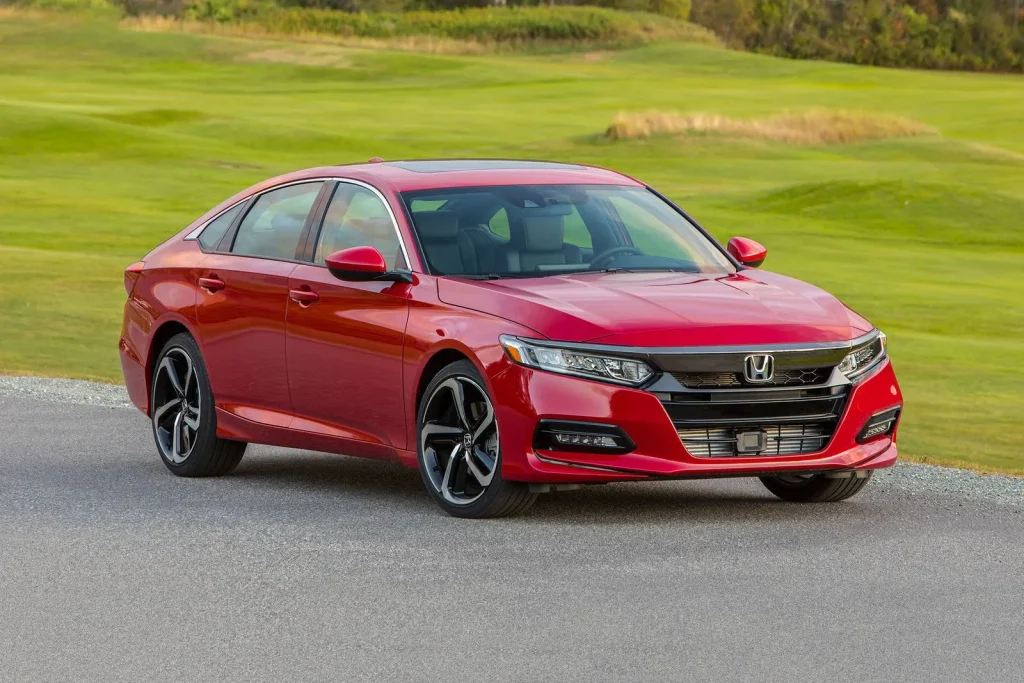
The 2020 Honda Accord earns its place among the best years because it combines dependable engineering, impressive efficiency, strong resale value, and a comfortable driving experience.
Buyers seeking a vehicle capable of providing years of reliable service with relatively low maintenance costs will find this model particularly attractive.
Specifications
- Engine: 1.5-liter Turbocharged Inline-4 (Base)
- Torque: 192 lb-ft
- Horsepower: 192 hp
- Length/Width: 196.1 in / 73.3 in
4. 2013 Honda Accord
The introduction of the ninth-generation Honda Accord in 2013 marked one of the company’s most successful redesigns.
Rather than making unnecessary changes, Honda focused on improving efficiency, comfort, and structural strength while preserving the reliability that had made the Accord one of America’s favorite sedans. More than a decade later, this model continues to earn praise from owners and mechanics alike.
One of the strongest qualities of the 2013 Accord is its dependable engine lineup. The standard 2.4-liter four-cylinder has proven capable of extremely high mileage with routine maintenance, while the available 3.5-liter V6 delivers smooth and confident performance for drivers wanting extra power. Both engines are known for their durability, making them popular choices in the used market.
The driving experience also deserves recognition. The suspension provides excellent ride comfort while maintaining composed handling through corners.
Highway stability is particularly impressive, allowing the Accord to feel secure during long-distance travel. Noise insulation also improved significantly compared with the previous generation, creating a quieter cabin.
Interior design focuses on practicality. Controls are logically arranged, passenger space is generous, and trunk capacity comfortably accommodates luggage for family trips or everyday errands. The materials used throughout the cabin have also aged well in properly maintained examples.
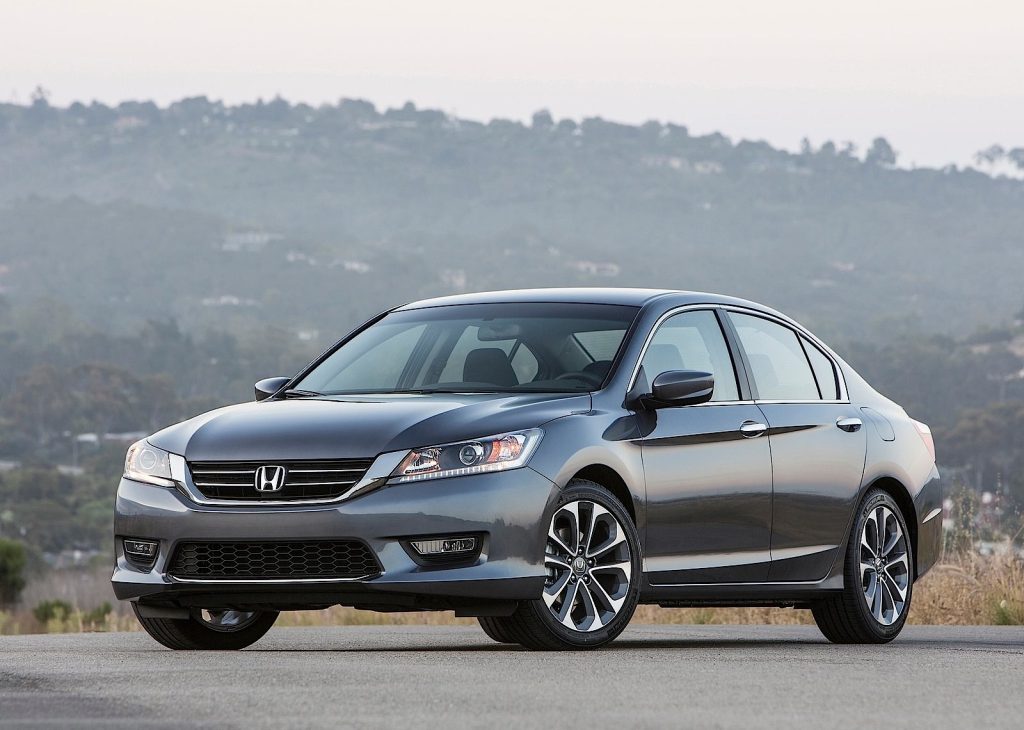
The 2013 Honda Accord is recommended because it successfully combined modern engineering with Honda’s reputation for durability.
It offers a dependable ownership experience, strong fuel economy, comfortable accommodations, and excellent resale value, making it one of the smartest used midsize sedan purchases available.
Specifications
- Engine: 2.4-liter Naturally Aspirated Inline-4 (Base)
- Torque: 181 lb-ft
- Horsepower: 185 hp
- Length/Width: 191.4 in / 72.8 in
5. 2007 Honda Accord
Long before turbocharged engines and advanced driver assistance systems became common, the 2007 Honda Accord established itself as one of the most dependable midsize sedans Honda ever built. As the final model year of the seventh generation, it benefited from years of engineering improvements and production refinements.
Even today, well-maintained examples continue to accumulate impressive mileage, making this Accord a favorite among mechanics and budget-conscious buyers.
A major reason for its lasting reputation is the durability of its powertrains. The standard 2.4-liter four-cylinder engine is widely recognized for running reliably beyond 250,000 miles with routine oil changes and scheduled maintenance.
Buyers looking for stronger acceleration can choose the smooth 3.0-liter V6, which delivers excellent highway performance while maintaining Honda’s reputation for long-term dependability.
Another strength is the vehicle’s straightforward design. Unlike many modern cars filled with complex electronics, the 2007 Accord uses proven mechanical components that are generally less expensive to repair. Replacement parts remain widely available, and most independent repair shops are familiar with servicing the platform.
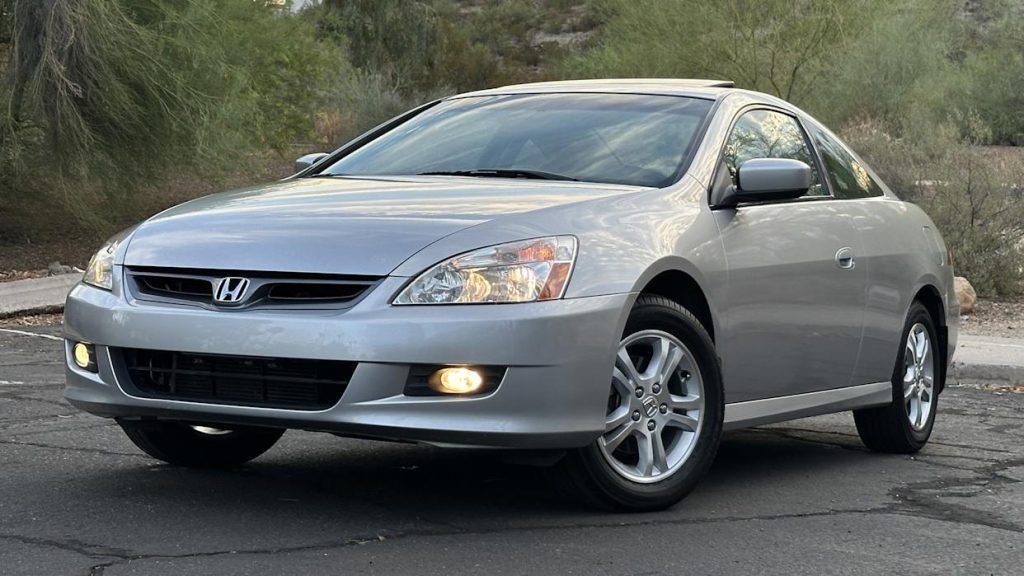
The cabin emphasizes practicality instead of flashy technology. Seats remain comfortable for extended trips, outward visibility is excellent, and the controls are logically positioned. The suspension delivers a composed ride while providing enough responsiveness to keep the Accord enjoyable on winding roads.
The 2007 Honda Accord deserves recognition because it represents Honda’s traditional strengths at their peak. Buyers receive a sedan known for exceptional longevity, affordable maintenance, dependable engineering, and strong resale value even many years after production ended.
Specifications
- Engine: 2.4-liter Naturally Aspirated Inline-4 (Base)
- Torque: 160 lb-ft
- Horsepower: 166 hp
- Length/Width: 191.1 in / 71.5 in
5 Honda Accord Years to Avoid
1. 2003 Honda Accord
The 2003 Honda Accord introduced the seventh generation with a completely redesigned platform, updated styling, and new powertrain options. Although the redesign brought many improvements, it also introduced several issues that affected the model’s long-term reliability.
While many examples continue to serve their owners well, this particular year deserves extra caution because it accumulated more owner complaints than the later models built on the same platform.
The automatic transmission is the biggest concern. Early V6-equipped models experienced higher-than-average transmission failures, including slipping gears, delayed engagement, harsh shifting, and premature internal wear. Some four-cylinder versions also reported transmission-related problems, although they generally occurred less frequently.
Owners also reported electrical issues involving dashboard warning lights, power door locks, ignition switches, and climate control systems. Individually, these problems were often manageable, but together they increased maintenance costs as the vehicle aged.
The suspension and steering systems can also require significant attention on high-mileage examples. Worn control arm bushings, aging ball joints, and deteriorating suspension components may affect ride quality if regular maintenance has been neglected.
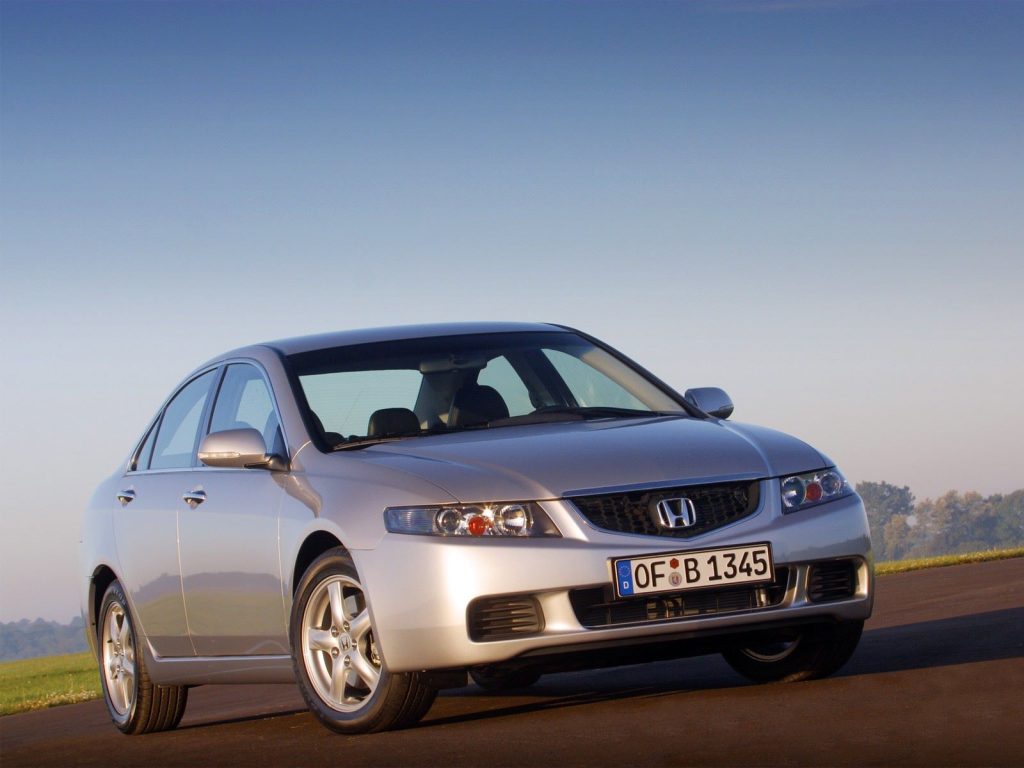
The 2003 Honda Accord appears on this list because later seventh-generation models corrected many of these early concerns through engineering revisions and improved manufacturing.
Buyers considering this model should verify transmission service records, inspect the vehicle carefully, and prioritize examples with documented maintenance histories rather than focusing only on purchase price.
Specifications
- Engine: 2.4-liter Naturally Aspirated Inline-4 (Base)
- Torque: 160 lb-ft
- Horsepower: 160 hp
- Length/Width: 189.5 in / 71.6 in
2. 2008 Honda Accord
The 2008 Honda Accord arrived with a bold redesign that introduced a larger body, updated interior, and more powerful engine lineup. While the eighth generation eventually became a successful family sedan, the first production year experienced enough recurring problems to make it less desirable than the models that followed.
Buyers considering this version should pay close attention to maintenance records and completed recall work before making a purchase.
One of the most frequently discussed concerns involves excessive oil consumption, particularly in vehicles equipped with the 3.5-liter V6 engine featuring Variable Cylinder Management (VCM).
Some owners reported the engine using oil at a much faster rate than expected, which, if ignored, could contribute to premature engine wear. Honda introduced service programs to address certain affected vehicles, but not every example received corrective work.
Brake wear is another area where owners have reported frustration. Premature brake pad and rotor wear appeared more often than expected, increasing routine maintenance costs. In addition, some drivers experienced inconsistent brake pedal feel that required further inspection.
Electrical complaints also surfaced over time. Faulty door lock actuators, intermittent dashboard warning lights, and air conditioning problems became increasingly common as these vehicles accumulated mileage. While none of these issues affected every Accord, they appeared frequently enough to influence the model year’s reputation.
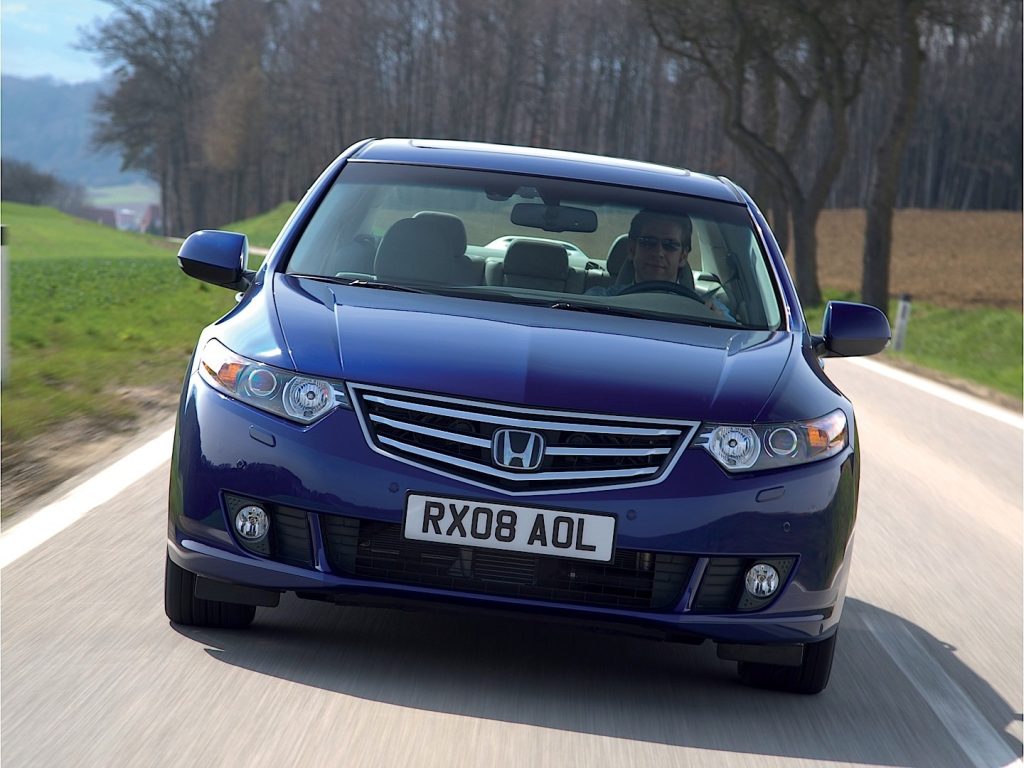
The 2008 Accord remains comfortable and spacious, but later eighth-generation models resolved many early concerns. Buyers willing to spend slightly more can often secure a better ownership experience by choosing a newer production year.
Specifications
- Engine: 2.4-liter Naturally Aspirated Inline-4 (Base)
- Torque: 161 lb-ft
- Horsepower: 177 hp
- Length/Width: 194.1 in / 72.8 in
3. 2018 Honda Accord
The tenth-generation Honda Accord represented a major leap forward in design and technology, introducing turbocharged engines, a lighter platform, and a completely redesigned cabin.
Although the vehicle received widespread praise, the 2018 model also carried the typical risks associated with being the first production year of an all-new generation. For that reason, buyers should approach it with a little more caution than the refined models that followed.
One of the most widely discussed issues involved the 1.5-liter turbocharged engine. Some owners reported fuel mixing with engine oil under certain driving conditions, particularly in colder climates and during frequent short trips.
Honda responded with software updates and technical improvements, but this concern remains one of the defining characteristics of the early tenth-generation Accord.
Infotainment software also generated occasional complaints. Some owners experienced touchscreen freezing, Bluetooth connectivity interruptions, and delayed system responses. Most issues were resolved through software updates, although dealership visits were sometimes necessary.
Despite these concerns, the 2018 Accord delivers excellent fuel economy, impressive handling, and one of the most spacious cabins in the midsize sedan segment. The vehicle itself remains enjoyable to drive, but later model years benefited from additional engineering refinements that improved reliability and reduced owner complaints.
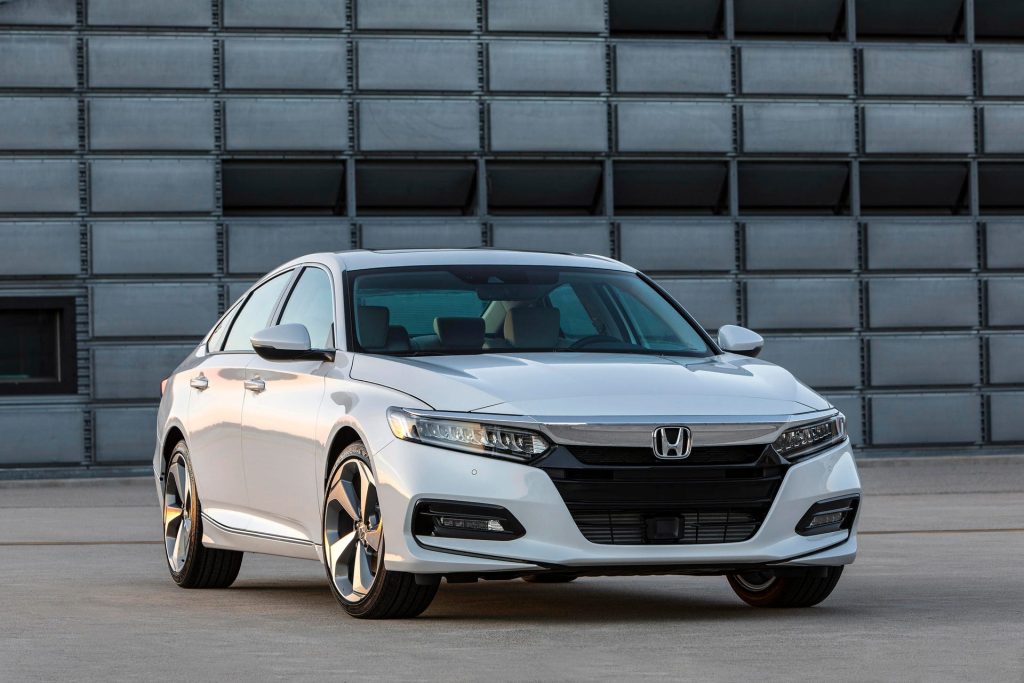
The 2018 Accord appears on this list not because it is fundamentally unreliable, but because buyers shopping for a tenth-generation Accord will usually find the 2020 or 2022 models to be stronger long-term choices.
Specifications
- Engine: 1.5-liter Turbocharged Inline-4 (Base)
- Torque: 192 lb-ft
- Horsepower: 192 hp
- Length/Width: 192.2 in / 73.3 in
4. 2001 Honda Accord
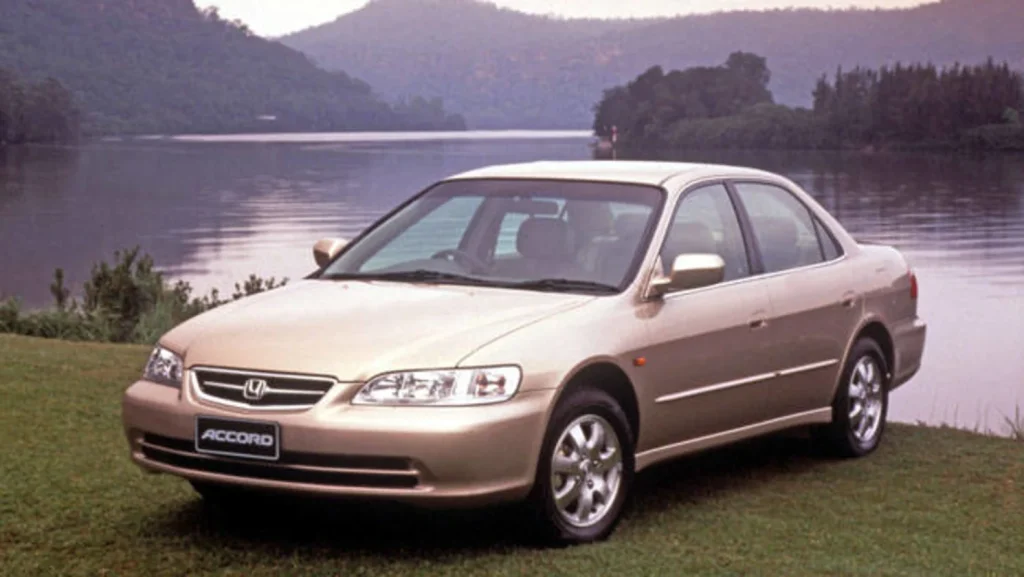
The 2001 Honda Accord came from a generation that helped strengthen Honda’s reputation for building durable family sedans. Even so, this particular model year developed several recurring issues that make it less attractive than many other Accords available on the used market.
Age is also becoming a significant factor, meaning even well-maintained examples may require repairs simply because components have reached the end of their service life.
One of the most common concerns involves the automatic transmission, especially on V6-equipped models. Owners have reported slipping gears, delayed shifting, harsh engagement, and complete transmission failure after higher mileage.
Rebuilding or replacing the transmission can be expensive, making this one of the most important systems to inspect before purchasing.
Oil leaks are another issue frequently found on older examples. Valve cover gaskets, distributor seals, and camshaft seals may deteriorate over time, allowing engine oil to escape. While these repairs are generally manageable, ignoring them can lead to additional maintenance problems.
Electrical components also deserve careful inspection. Aging power window regulators, malfunctioning door locks, worn ignition switches, and climate control failures become more common as these vehicles continue to age.
Suspension bushings and steering components may also require replacement to restore proper ride quality.
The 2001 Accord still offers comfortable seating and dependable engine performance when maintained correctly, but buyers looking for maximum reliability will usually find better long-term value in later Honda Accord model years that benefited from engineering improvements and updated transmissions.
Specifications
- Engine: 2.3-liter Naturally Aspirated Inline-4 (Base)
- Torque: 152 lb-ft
- Horsepower: 150 hp
- Length/Width: 189.4 in / 70.3 in
5. 2010 Honda Accord
At first glance, the 2010 Honda Accord seems like a safe used-car purchase because it belongs to one of Honda’s most popular generations.
However, this model year accumulated enough recurring owner complaints to place it behind several stronger alternatives within the same generation. It remains capable of providing dependable transportation, but buyers should investigate its maintenance history thoroughly before making a final decision.
The most frequently discussed issue involves excessive oil consumption in certain four-cylinder engines. Some owners noticed oil levels dropping between scheduled service intervals, requiring more frequent monitoring and top-offs. If left unchecked, low oil levels can contribute to accelerated engine wear over time.
Vehicles equipped with the 3.5-liter V6 and Variable Cylinder Management system also experienced complaints involving premature spark plug wear, engine vibration, and increased oil consumption.
Although not every vehicle developed these problems, they occurred often enough to affect the model year’s reputation among long-term owners.
Brake wear and suspension components are additional areas worth inspecting. Higher-mileage examples may require replacement of bushings, struts, or wheel bearings, particularly if routine maintenance has been delayed. Interior materials generally remain durable, but some owners reported premature wear on frequently touched surfaces.
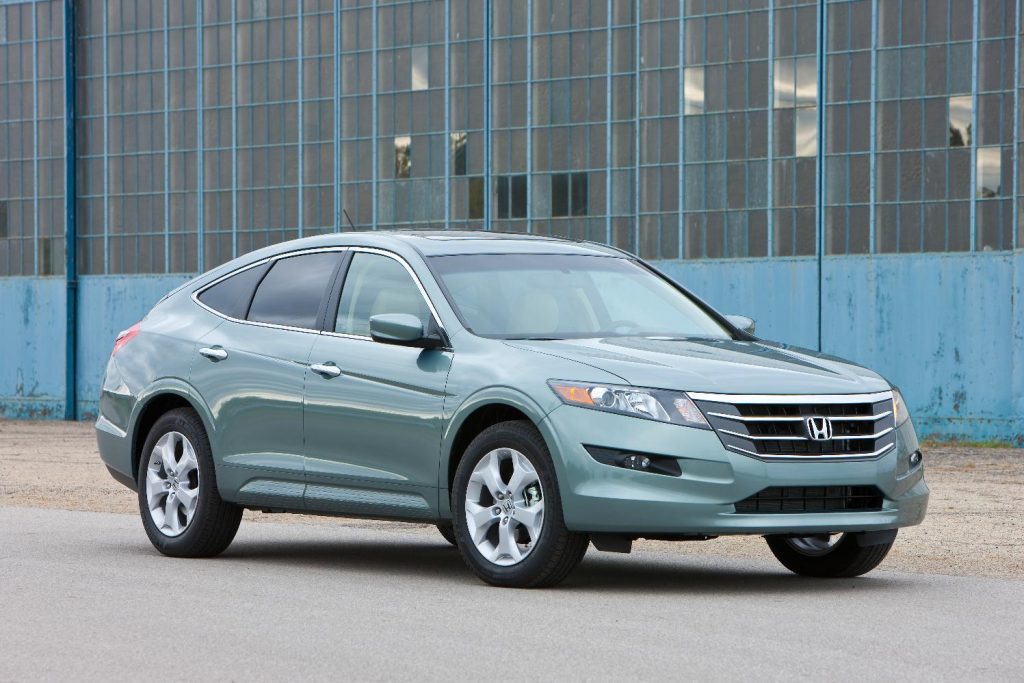
The 2010 Honda Accord is not a model that should automatically be dismissed. A carefully maintained example with complete service records can still provide years of reliable transportation.
However, buyers comparing multiple Accord model years will often find better long-term value in refined versions such as the 2013, 2017, 2020, or 2022 models, all of which demonstrated stronger reliability and fewer recurring ownership concerns.
Specifications
- Engine: 2.4-liter Naturally Aspirated Inline-4 (Base)
- Torque: 161 lb-ft
- Horsepower: 177 hp
- Length/Width: 194.1 in / 72.7 in
Also Read: 5 Best Honda Odyssey Years vs 5 With Known Problems
