
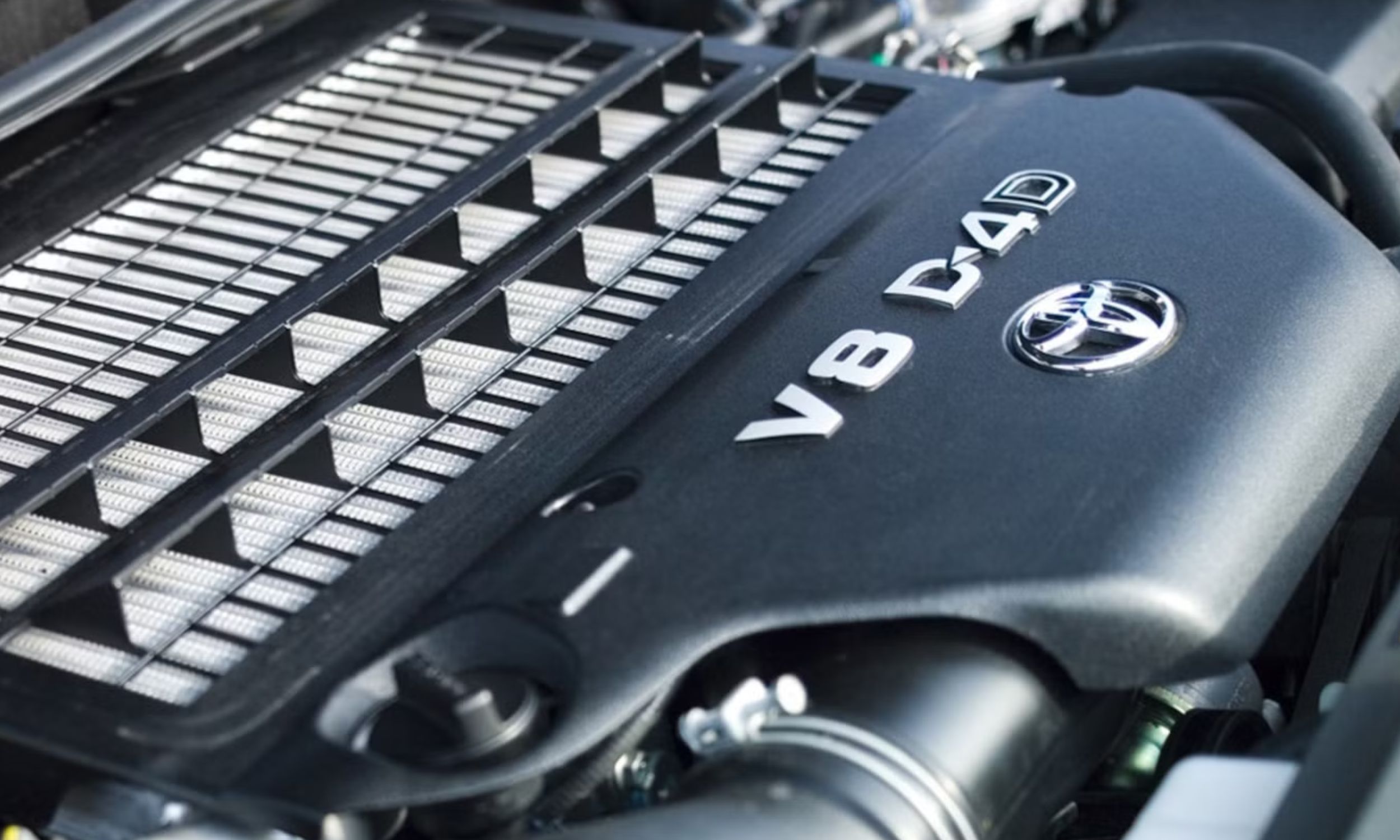
Ask any experienced mechanic why diesel engines have such a loyal following, and the answer usually comes down to one thing: durability. While gasoline engines have become more refined and efficient, many diesel engines still have a reputation for lasting far longer when properly maintained. That reputation did not happen by chance. It came from years of engineering focused on building engines that could handle demanding workloads without giving up reliability.
Many classic diesel engines were built with heavy cast-iron blocks that could withstand high temperatures and constant use for hundreds of thousands of miles. They also operate at lower engine speeds than most gasoline engines, reducing stress on moving parts and slowing the wear that naturally develops with age.
Diesel engines rely on compression to ignite fuel instead of spark plugs, removing another component that can fail and making the design mechanically simpler in many cases. With routine oil changes, clean fuel, and regular maintenance, many diesel engines continue running long after comparable gasoline engines have reached the end of their service lives.
Even among diesel powerplants, a few stand above the rest. Some have earned worldwide respect after powering work trucks, commercial fleets, off-road vehicles, and passenger cars for decades with very few major mechanical problems. It is common to find examples that have covered several hundred thousand miles, while others have passed the one-million-mile mark with proper care.
Those achievements have made these engines trusted choices for owners who value dependability above everything else. The eight diesel engines featured here have built their reputations through years of proven service, making them some of the most reliable ever produced.
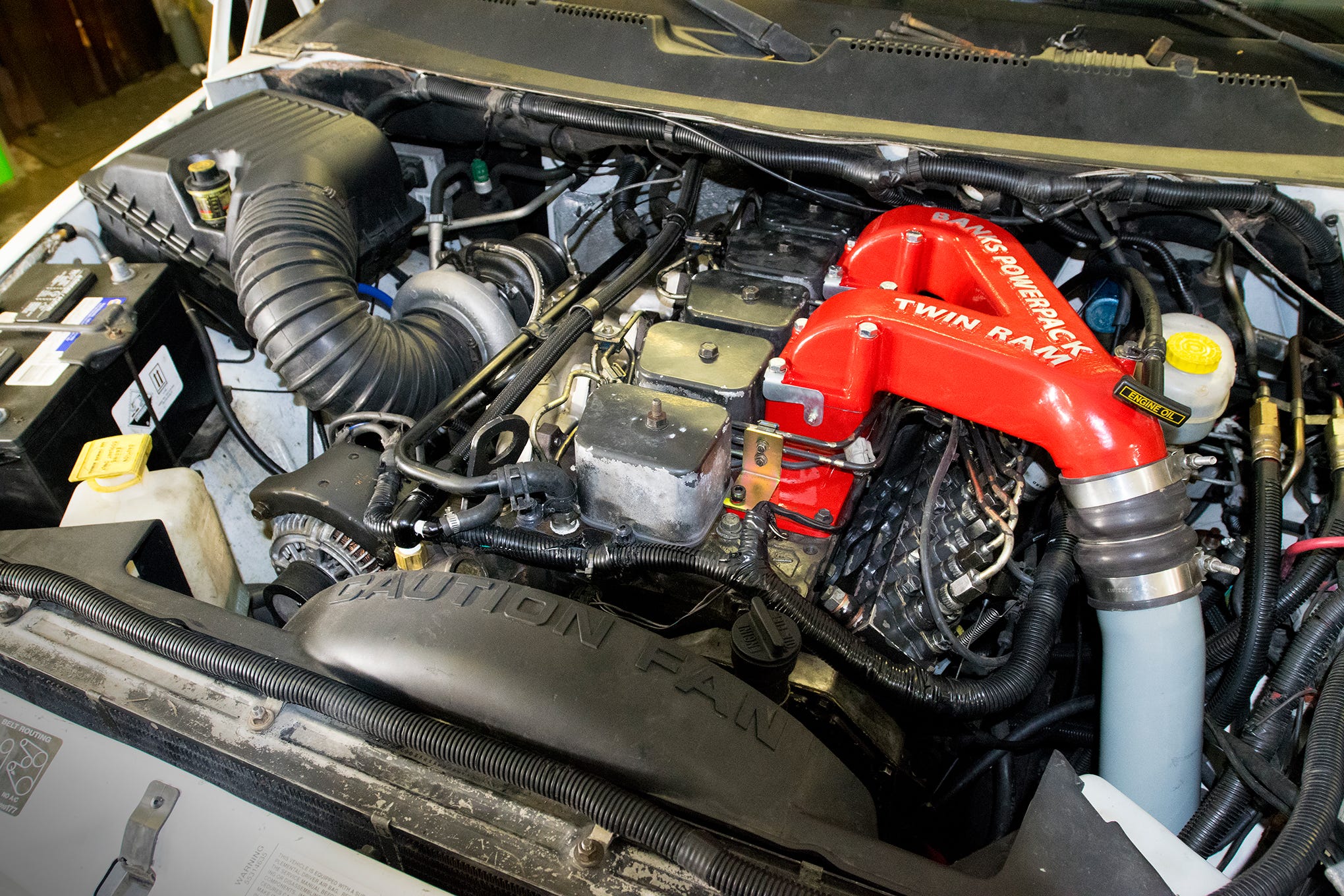
1. Cummins 5.9L 12-Valve Inline-6 (6BT)
Example Vehicle: 1998 Dodge Ram 2500
- Engine: 5.9L Turbocharged Diesel Inline-6
- Horsepower: 215 hp
- Torque: 440 lb-ft
- Size: 244.1 in Long x 79.4 in Wide x 74.7 in High
Nothing in the diesel truck world carries quite the same level of passionate community devotion as the Cummins 5.9L 12-valve, and that devotion is not nostalgia for its own sake. It traces directly back to a documented, real-world reliability record that separates this specific engine from everything that came before it in the consumer truck market and much of what followed.
Used examples of the 1998 Dodge Ram 2500 equipped with this engine routinely sell for prices that would surprise anyone unfamiliar with the market, because buyers who understand diesel engines specifically seek out 12-valve examples as a deliberate purchasing choice.
A 5.9L turbocharged inline-six producing 215 horsepower and 440 lb-ft of torque in stock form was already impressive for its era, yet the output numbers tell only a fraction of the durability story. The 12-valve 6BT’s architecture was derived from Cummins commercial and agricultural equipment applications, where continuous high-load operation across thousands of working hours was the design expectation rather than an occasional stress event.
Thick-walled iron block construction gave the cylinder bores dimensional stability that resists wear across extreme mileage in ways that thinner-walled or aluminum-block alternatives simply cannot replicate, regardless of how well those engines are maintained.
Mechanical fuel injection without electronic control units meant this engine had essentially no electronics to fail, no sensors to clean, and no software to update or diagnose when something felt wrong. An experienced mechanic with basic diesel knowledge could understand, service, and repair every major system on this engine without specialized diagnostic equipment.
That accessibility kept maintenance affordable and encouraged owners to stay current with fluid changes rather than deferring service when shop fees became complicated. Documented 500,000-mile and even million-mile examples of this engine exist in sufficient numbers to qualify as a genuine statistical pattern rather than exceptional individual outcomes.
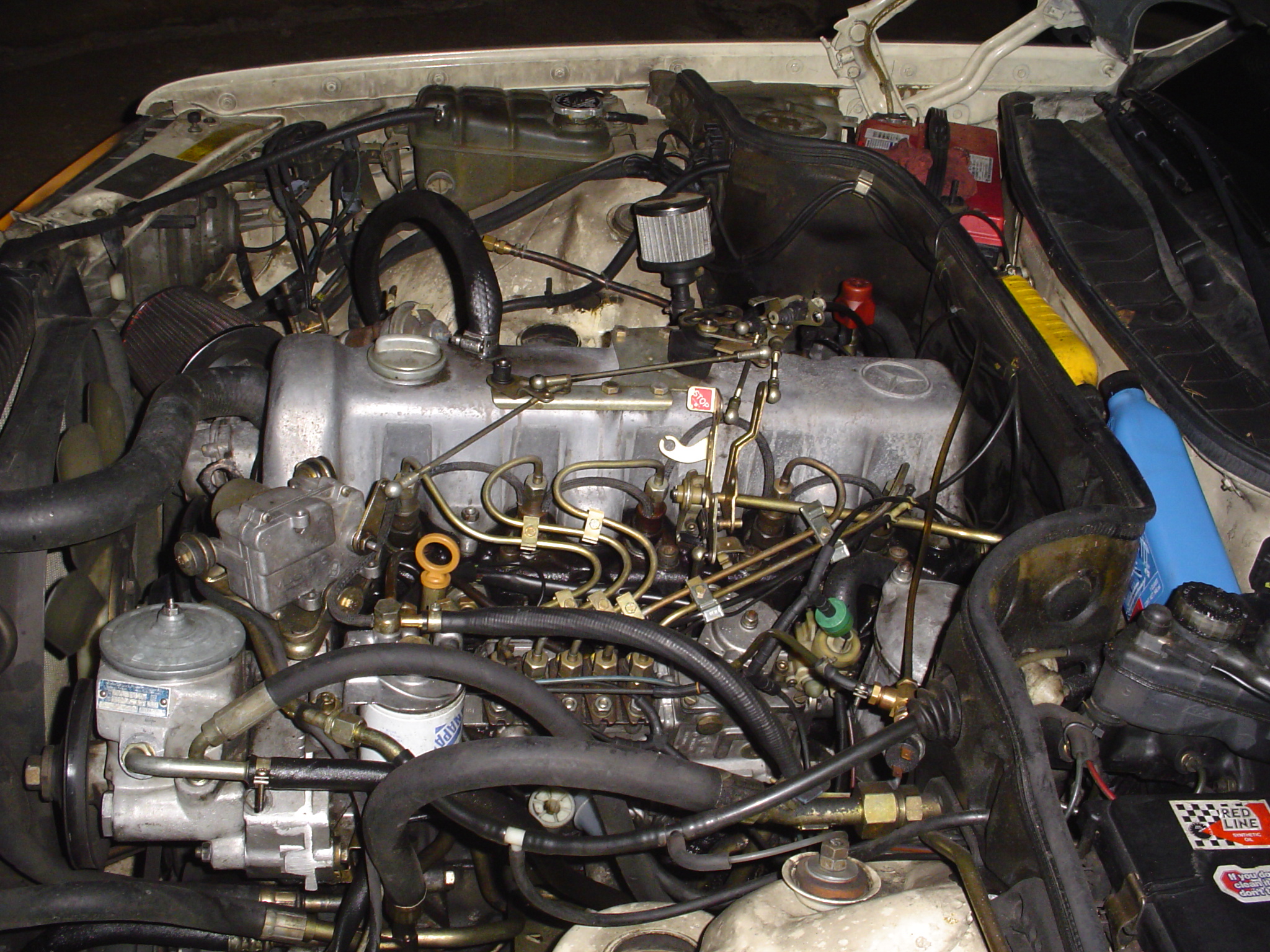
2. Mercedes-Benz OM617 Turbo Inline-5
Example Vehicle: 1985 Mercedes-Benz 300D Turbo
- Engine: 3.0L Turbocharged Diesel Inline-5
- Horsepower: 120 hp
- Torque: 170 lb-ft
- Size: 186.7 in Long x 70.1 in Wide x 56.5 in High
Long before modern diesel engines became packed with advanced electronics, Mercedes-Benz built the OM617 with durability as its highest priority. The company focused on creating an engine that could handle years of demanding use while maintaining dependable performance. In the 1985 Mercedes-Benz 300D Turbo, the 3.0-liter turbocharged inline-five produced 120 horsepower and 170 lb-ft of torque.
Those figures may seem modest by today’s standards, but power was never the engine’s strongest selling point. Its true value came from its ability to deliver reliable service for hundreds of thousands of miles with proper maintenance. A closer look at the OM617 shows why it earned such a respected reputation.
The connecting rods, bearings, and cylinder walls were built with generous strength, following engineering practices commonly found in commercial vehicles instead of ordinary passenger cars. This approach allowed the engine to operate well below its mechanical limits during everyday driving. As a result, internal components experienced less wear, helping the engine remain dependable even after decades of continuous use.
The 1985 Mercedes-Benz 300D Turbo has also developed a loyal following among diesel enthusiasts. Many owners have successfully converted these cars to run on biodiesel or properly filtered waste vegetable oil because the OM617 handles alternative fuels remarkably well. It is not unusual to find examples with mileage approaching or even exceeding one million miles while still using their original internal engine components.
That level of durability remains rare for a production passenger car engine and continues to earn the OM617 respect from mechanics, collectors, and long-time Mercedes-Benz owners.
Also Read: 10 Engines No Automaker Will Offer After 2027
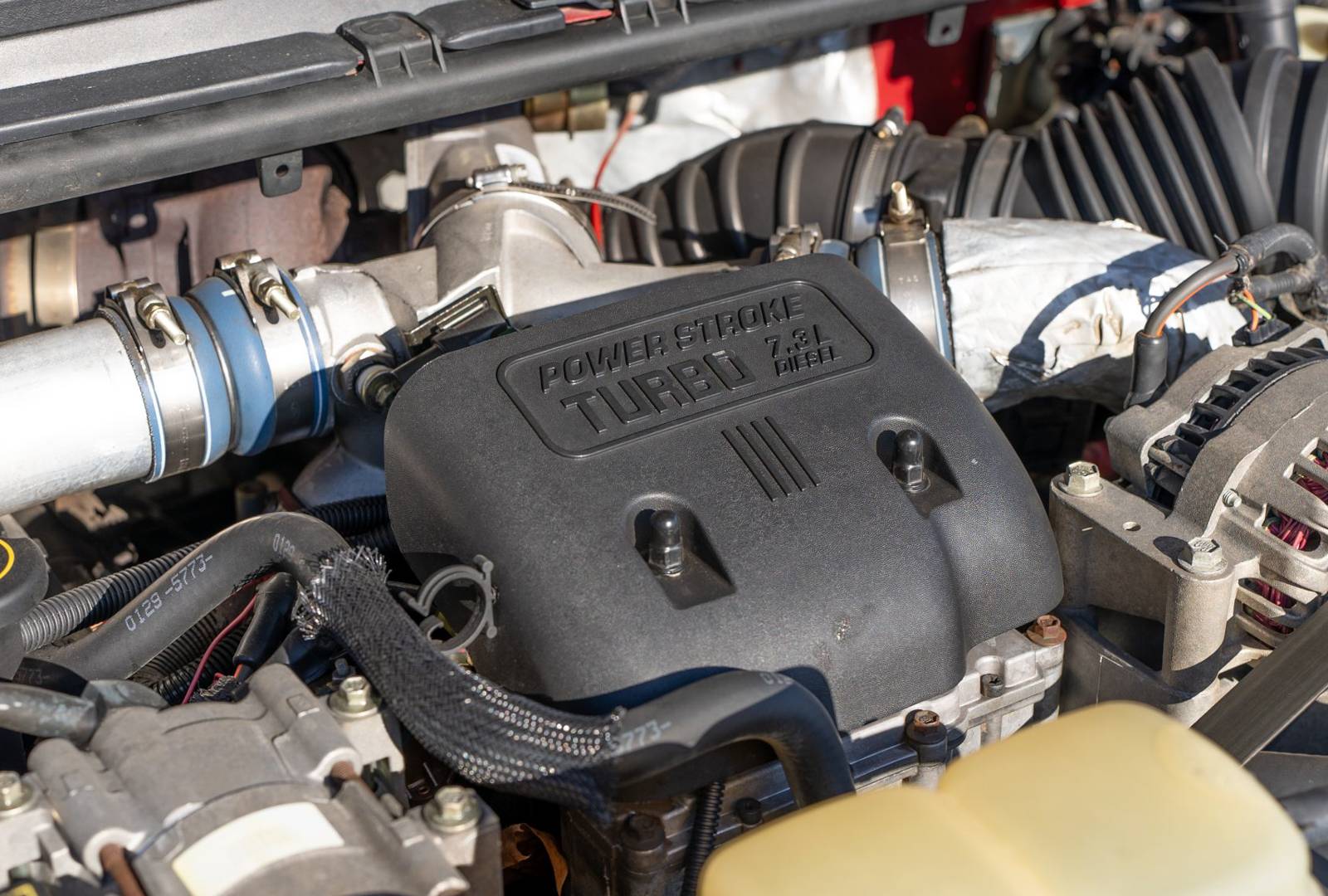
3. Ford and International 7.3L Power Stroke Turbocharged Diesel V8
Example Vehicle: 1999 Ford F-250 Super Duty
- Engine: 7.3L Turbocharged Diesel V8
- Horsepower: 235 hp
- Torque: 500 lb-ft
- Size: 226.7 in Long x 79.9 in Wide x 76.2 in High
Ford’s partnership with Navistar International produced one of the most commercially successful and mechanically respected diesel engines ever installed in an American consumer truck, an engine whose used market valuation decades after production ended still reflects the premium that informed buyers willingly pay for documented durability credentials.
A 7.3L turbocharged diesel V8 producing 235 horsepower and 500 lb-ft of torque gave the 1999 Ford F-250 Super Duty genuine heavy-duty towing and hauling capability, yet the commercial engine heritage embedded in this architecture gave it a mechanical durability profile far exceeding what typical consumer truck duty cycles actually demanded.
Navistar designed this engine around commercial fleet applications where an engine might accumulate 200,000 miles within its first three years of service, and that design intent produced wall thicknesses, bearing dimensions, and rotating assembly specifications that treated consumer truck use almost gently by comparison.
The hydraulic electronic unit injector system, abbreviated HEUI, used engine oil pressure to actuate fuel injection rather than a high-pressure common rail, a configuration that provided reliable injection timing across the engine’s full operating range under towing and payload stress conditions that challenged competing diesel architectures. This specific engine created the foundation of the Power Stroke brand identity, and its reputation became the benchmark against which subsequent Ford diesel offerings were compared, sometimes favorably and sometimes less so.
Owners who accumulated 400,000 and 500,000 miles on original engine internals attributed their longevity to consistent oil changes above all else, since the HEUI system depends on clean oil pressure for injection quality, and any degradation in oil cleanliness compromised injection performance before it affected engine longevity directly. That maintenance dependency is the 7.3L’s primary operational requirement for reaching its full potential service life.
4. Caterpillar 3406E Turbocharged Diesel Inline-6
Example Vehicle: Peterbilt 379 (Multiple configurations; no single fixed dimension)
- Engine: 14.6L Turbocharged Diesel Inline-6
- Horsepower: 475 hp
- Torque: 1,650 lb-ft
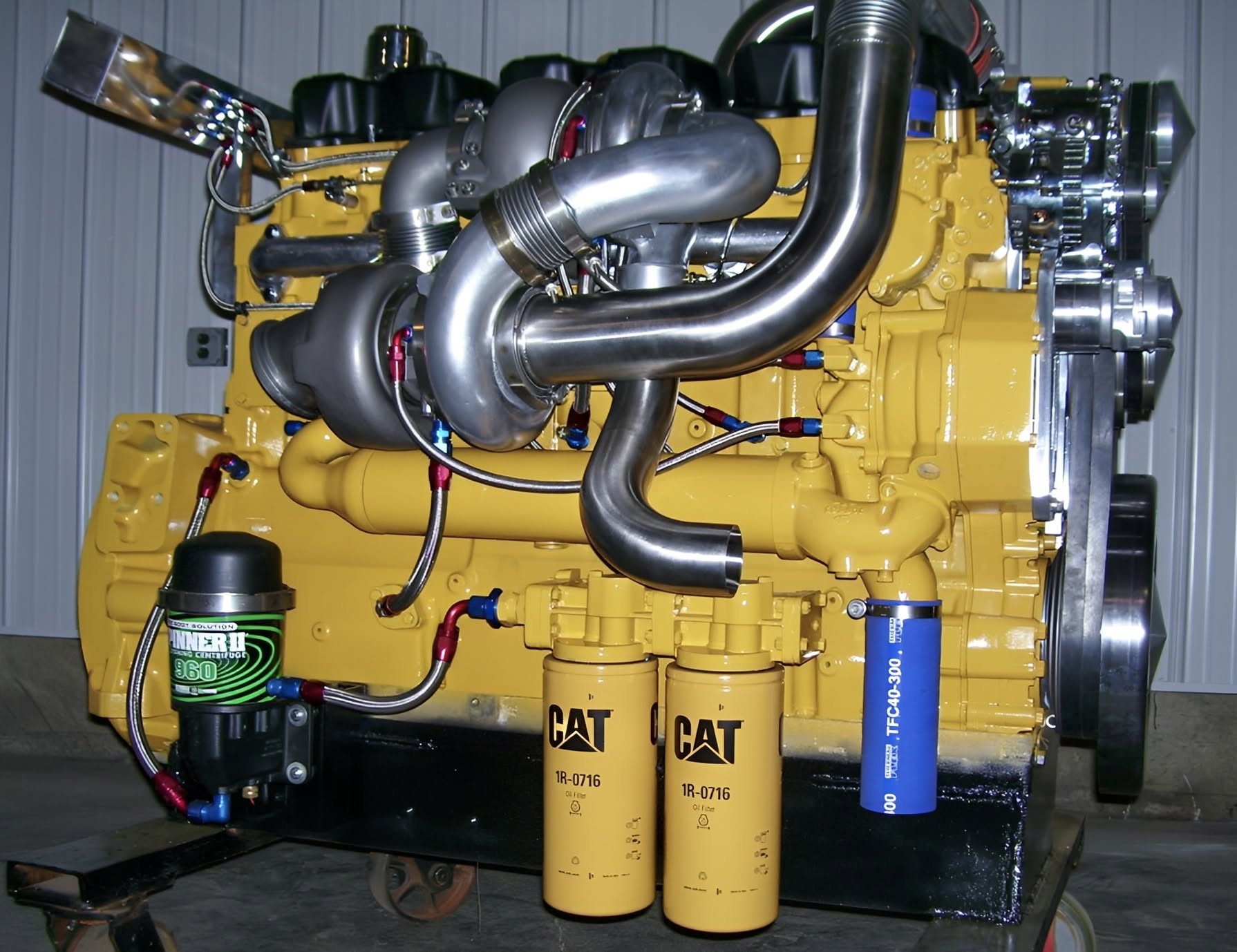
Caterpillar’s 3406E represents diesel engineering at a scale that consumer truck engines simply do not approach, a 14.6L turbocharged inline-six producing 475 horsepower and 1,650 lb-ft of torque that powered Peterbilt, Kenworth, and other Class 8 semi-truck applications through some of the most demanding commercial duty cycles in transportation history.
An engine at this displacement and application scale faces operational stresses that make typical consumer truck use seem mild, and the 3406E’s survival and continued operation across millions of commercial miles define what mechanical durability means at the highest level of working vehicle design.
Commercial trucking operators who accumulated direct experience with multiple diesel engine families across their fleets during the 3406E’s production era frequently cite it as the gold standard for predictable mechanical behavior under sustained heavy load, a reference point used when evaluating subsequent engine generations against a proven benchmark.
Gear-driven accessories eliminated belt-driven auxiliary components from the failure equation, and the mechanical fuel injection system in earlier variants gave way to electronic management without sacrificing the fundamental robustness of the core architecture.
The 3406E’s documented service life in commercial applications regularly extended past one million miles on original block architecture when operators maintained proper fluid service intervals and addressed minor issues before they became major ones.
Rebuilding the top end of this engine at high mileage rather than replacing the entire unit was standard commercial fleet practice, since the block’s fundamental integrity continued well past the point where other components had consumed their service life.
Caterpillar’s exit from the on-highway diesel market after emissions regulation changes left a gap that competing manufacturers acknowledged by explicitly marketing against the 3406E’s legendary reputation.
5. Detroit Diesel Series 60 Turbocharged Diesel Inline-6
Example Vehicle: Freightliner Century Class (Multiple configurations; no single fixed dimension)
- Engine: 12.7L Turbocharged Diesel Inline-6
- Horsepower: 430 hp
- Torque: 1,450 lb-ft
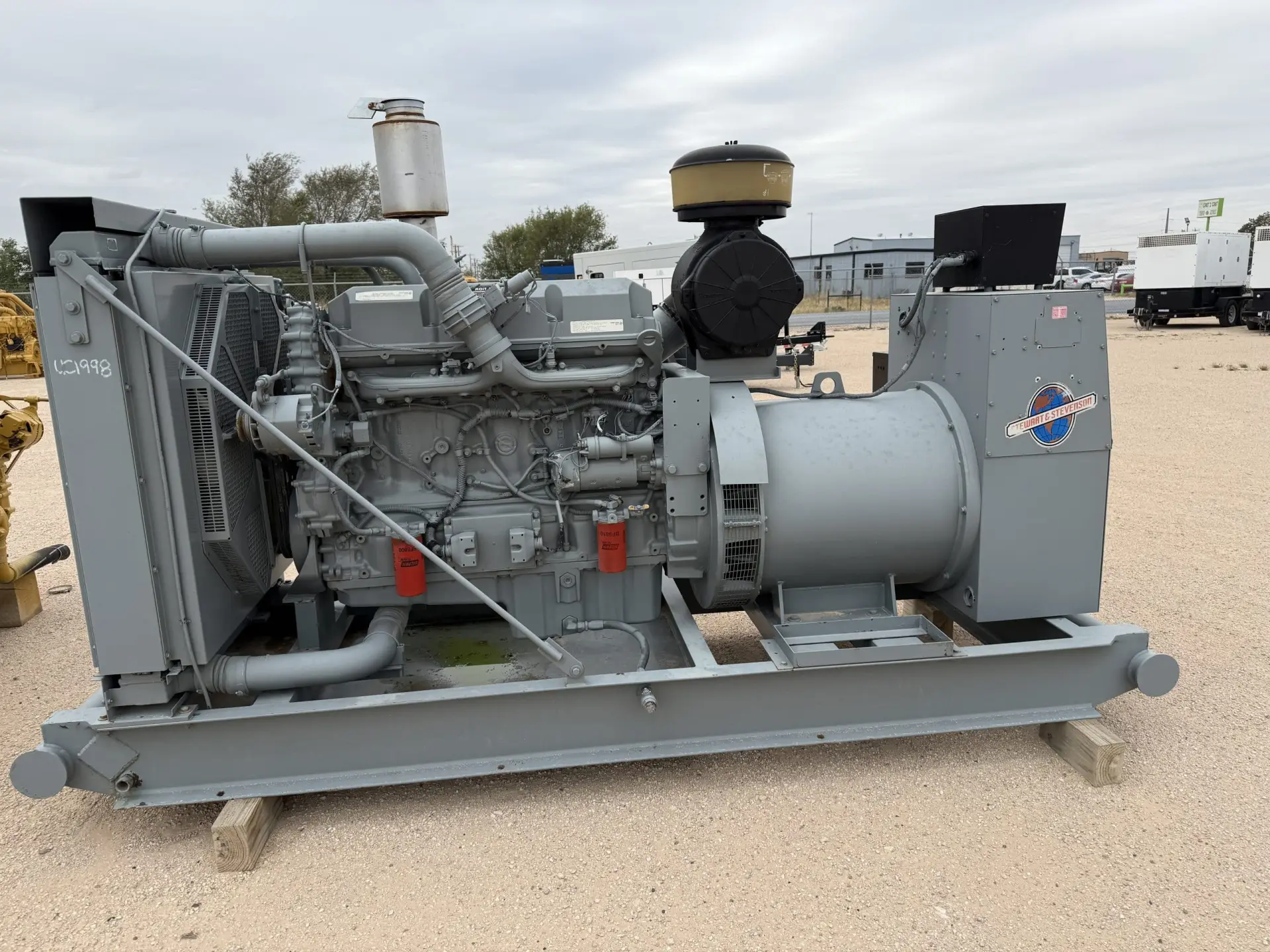
When Detroit Diesel introduced the Series 60, it brought a fresh approach to heavy-duty truck engines by combining electronic controls with proven mechanical durability. At a time when many competing diesel engines still depended on mechanical fuel systems, the 12.7-liter turbocharged inline-six offered a more advanced design. Producing 430 horsepower and 1,450 lb-ft of torque, it delivered the strength commercial operators expected while improving fuel delivery and engine management through electronic control.
One of the biggest advantages of the Series 60 was its ability to adjust fuel injection with greater accuracy under different driving conditions. This allowed the engine to maintain smooth performance during long highway trips while also improving fuel efficiency.
Better control over combustion helped reduce unnecessary engine stress and maintain stable operating temperatures during demanding workloads. For trucking companies covering thousands of miles every week, these improvements translated into dependable performance and lower operating costs.
Many Freightliner Century Class trucks equipped with the Series 60 have built an impressive record for durability in commercial service. Fleet operators regularly reported engines reaching extremely high mileage before requiring major internal repairs. Years of dependable service strengthened confidence in the engine and made it one of the most respected diesel powerplants in the trucking industry.
Even after stricter emissions rules led to newer engine designs, many fleet managers continued comparing replacement models with the Series 60. Its reputation for reliability, long service life, and dependable day-to-day performance remains one of the reasons it is still highly regarded by truck owners and experienced diesel mechanics.
6. Toyota 1HZ Naturally Aspirated Diesel Inline-6
Example Vehicle: Toyota Land Cruiser HZJ70
- Engine: 4.2L Naturally Aspirated Diesel Inline-6
- Horsepower: 129 hp
- Torque: 210 lb-ft
- Size: 186.2 in Long x 70.5 in Wide x 75.2 in High
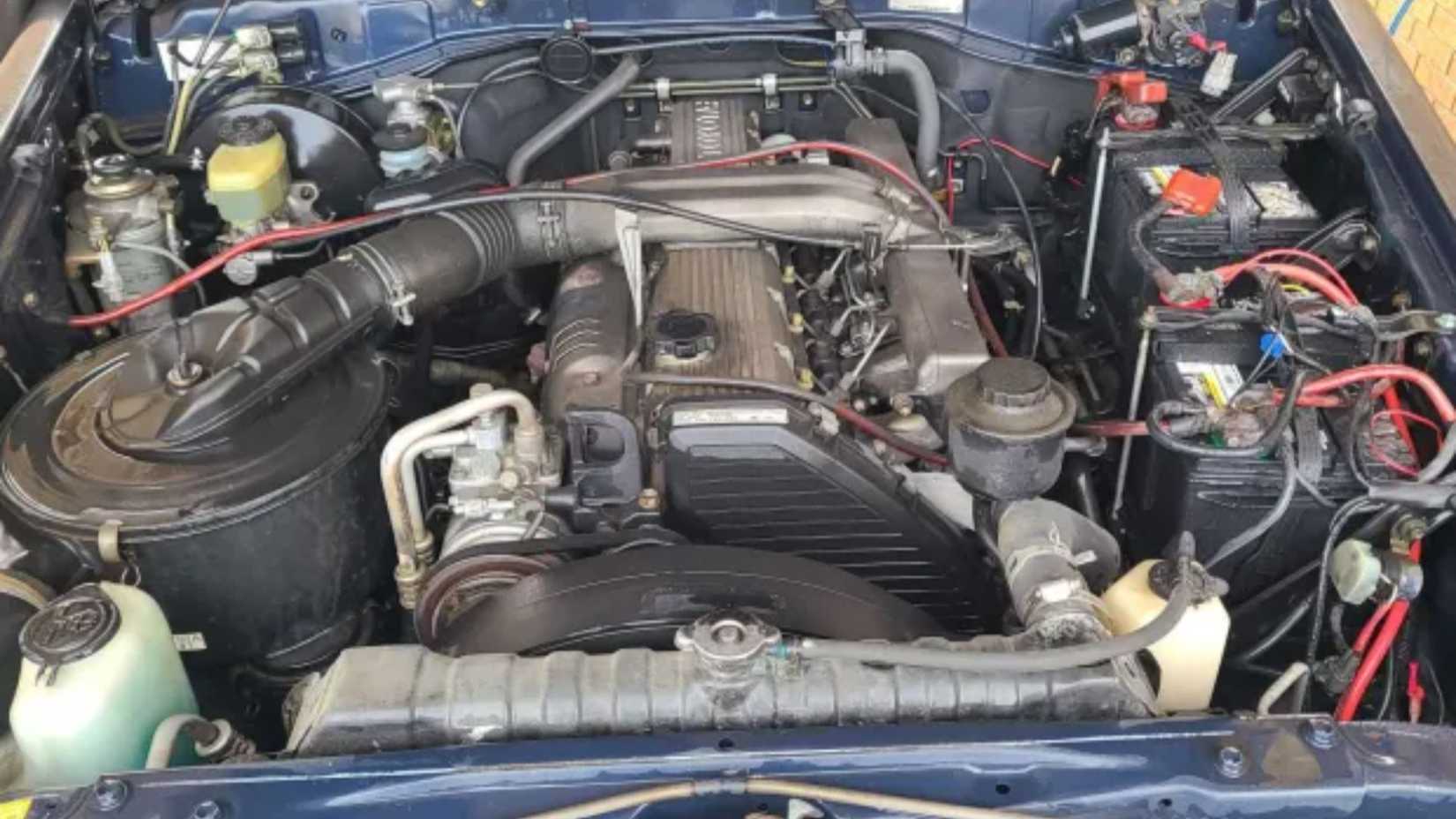
Few diesel engines have earned the level of trust enjoyed by Toyota’s 1HZ. Its reputation comes from much more than lasting a long time. These engine-powered Land Cruiser models are used in some of the toughest parts of the world, where mechanical failure could leave drivers stranded far from assistance. Humanitarian organizations, military units, commercial operators, and long-distance expedition teams relied on the Land Cruiser HZJ70 for dependable transportation in areas with limited access to repair facilities or advanced diagnostic equipment.
Built as a 4.2-liter naturally aspirated inline-six, the 1HZ produces 129 horsepower and 210 lb-ft of torque. Toyota intentionally kept performance modest to reduce stress on internal engine components. Its cast-iron construction and simple mechanical design contributed to outstanding durability under demanding conditions. Without a turbocharger, the engine avoided another component that could require repairs, allowing owners to prioritize reliability instead of maximum power or fuel efficiency.
The 1HZ also strengthened the Land Cruiser’s reputation in markets where durability mattered more than speed. Many fleet operators found that its higher purchase price was worthwhile because of its long service life and dependable performance. Replacement parts also became widely available, making repairs easier in many regions around the world.
To keep the engine performing at its best, owners mainly needed regular oil changes and clean air filters, especially when driving in dusty environments. With proper maintenance, the 1HZ continues to stand among the most respected diesel engines ever produced.
7. GM and Isuzu Duramax LB7 Turbocharged Diesel V8
Example Vehicle: 2002 Chevrolet Silverado 2500HD
- Engine: 6.6L Turbocharged Diesel V8
- Horsepower: 300 hp
- Torque: 520 lb-ft
- Size: 227.7 in Long x 79.7 in Wide x 76.2 in High
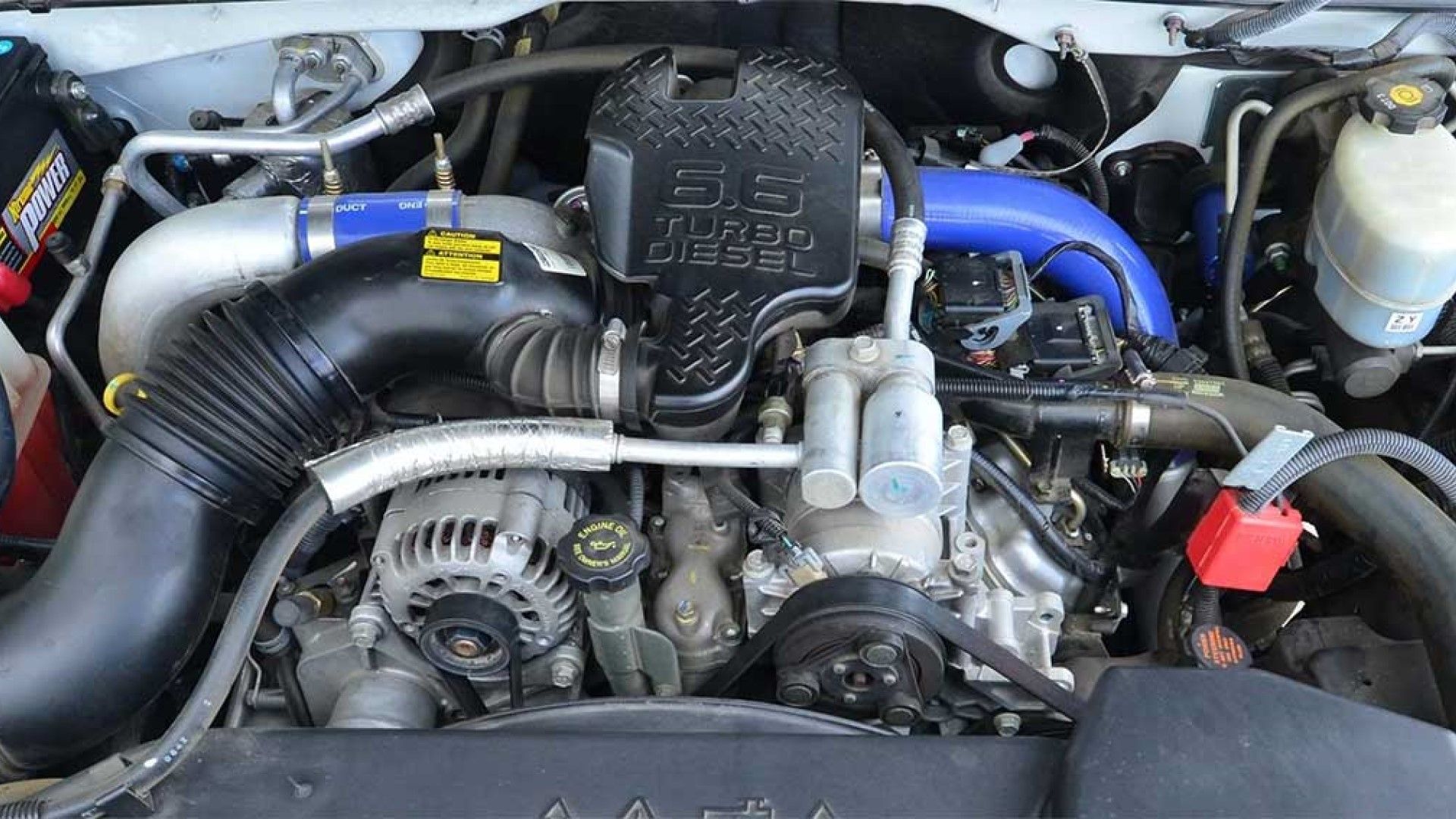
General Motors entered the heavy-duty diesel truck market with fresh confidence when it introduced the Duramax LB7 in the 2001 Chevrolet Silverado and GMC Sierra. Developed together with Isuzu, the 6.6-liter turbocharged diesel V8 delivered 300 horsepower and 520 lb-ft of torque, giving GM a strong competitor against the Ford 7.3-liter Power Stroke and the Cummins engines available in Ram trucks. Its compact design also allowed it to fit neatly into GM’s existing truck platform without sacrificing towing or hauling capability.
Years of real-world use proved that the LB7 was built on a durable foundation. The cast-iron engine block, strong rotating assembly, and solid internal construction earned the respect of diesel technicians and commercial operators alike. With routine maintenance, many of these engines have covered well beyond 400,000 miles without requiring major internal repairs. They performed reliably in different environments, including farm work, commercial fleets, and personal towing duties, giving owners confidence in their long-term durability.
Early production models did experience one well-known weakness involving the fuel injectors. In some cases, injector sealing problems caused premature wear, leading to failures much earlier than expected. General Motors responded with warranty coverage and updated components that improved reliability. Trucks that received these repairs have continued to demonstrate the engine’s true durability.
For anyone considering a used LB7-powered truck, service records showing injector replacement are worth checking. Once that issue has been addressed, the engine remains one of the strongest diesel choices from its generation, offering dependable performance and a long service life.
Also Read: 7 V6 Engines Being Retired in Favor of Turbo Fours
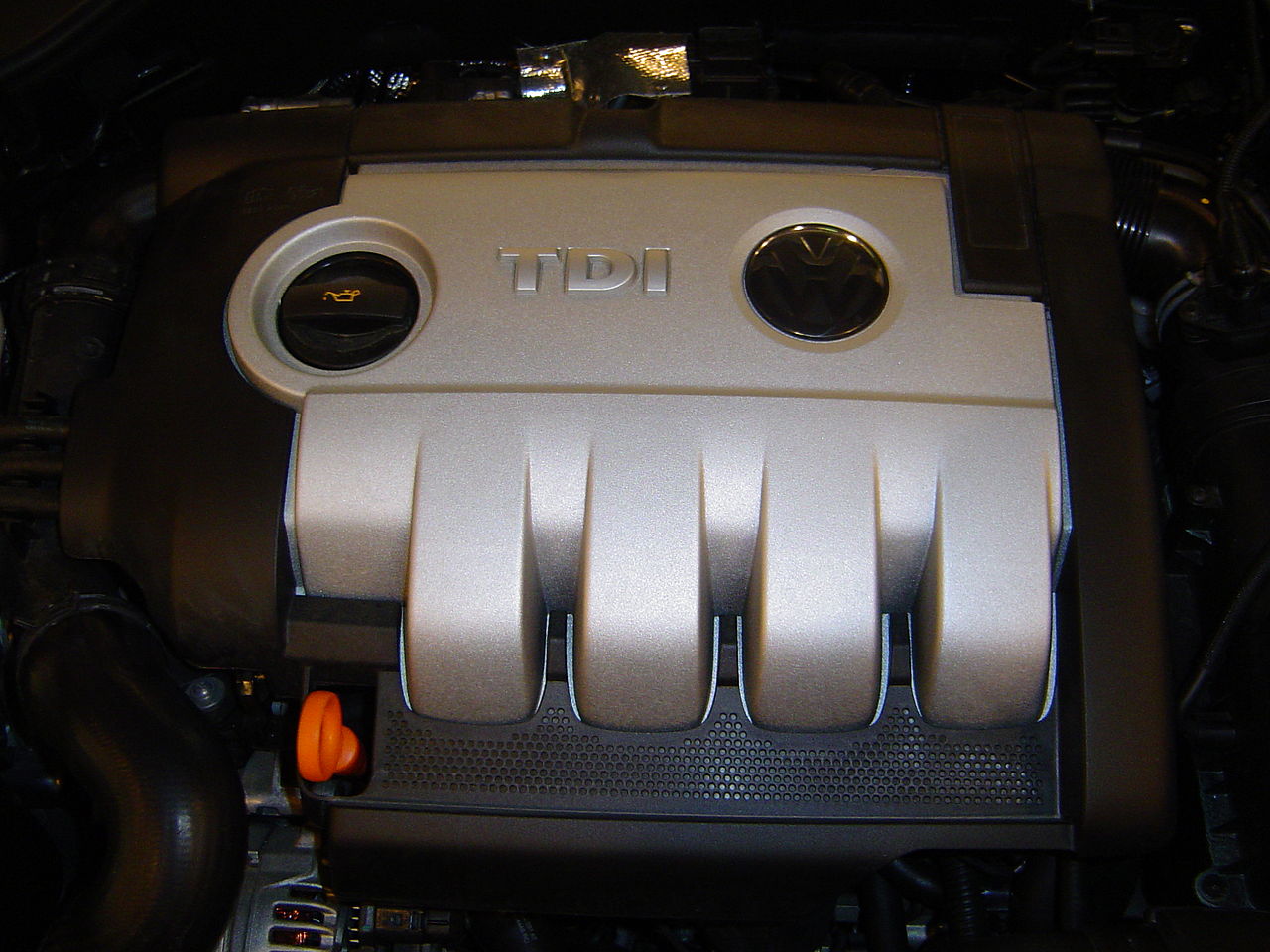
8. Volkswagen 1.9L TDI Turbocharged Diesel Inline-4 (ALH)
Example Vehicle: 2001 Volkswagen Jetta TDI
- Engine: 1.9L Turbocharged Diesel Inline-4
- Horsepower: 90 hp
- Torque: 155 lb-ft
- Size: 172.3 in Long x 68.3 in Wide x 56.7 in High
Among passenger-car diesel engines, the Volkswagen 1.9L TDI ALH earned a reputation that few rivals could match. Its achievement was not about producing huge power like a Cummins truck engine or a Caterpillar commercial diesel. Instead, it became famous for delivering exceptional durability in a compact, everyday car. With 90 horsepower and 155 lb-ft of torque, the ALH-powered Jetta proved that a small diesel could travel far beyond the mileage many drivers expected from a passenger vehicle.
For many American buyers, the 2001 Volkswagen Jetta TDI became a practical benchmark for fuel economy and long-term ownership. Diesel passenger cars were still uncommon in the United States, yet owners who followed regular maintenance schedules often reported 300,000 to 400,000 miles on original engine internals. That level of longevity was usually associated with the most dependable gasoline-powered cars, making the ALH stand out in a market where diesel sedans remained a niche choice.
What helped the ALH earn this reputation was its relatively simple fuel system. The engine used a rotary injection pump rather than the higher-pressure common-rail systems that appeared in later TDI models. Lower injection pressures reduced stress on fuel-system components and often contributed to longer injector life.
The one maintenance item owners could not ignore was the timing belt. Because the ALH is an interference engine, a failed belt can cause major valve damage immediately. Drivers who replaced the timing belt on schedule usually enjoyed the exceptional durability that made this engine so highly regarded among diesel enthusiasts.
