
The 1990s are remembered as a quiet decade for American muscle. Emissions rules had gutted horsepower through the eighties. Detroit was still finding its footing again.
But underneath that reputation, something wild was happening. Dodge built a ten-cylinder roadster with no doors and no mercy. Chevrolet handed its Corvette engine program to Lotus engineers. Independent tuners like Callaway and Saleen turned showroom cars into 170-mph missiles, all while wearing Chevy and Ford badges.
Ferrari’s 348 served as the company’s entry point during that period, yet it still offered serious supercar performance. With a 0-60 mph sprint of about 5.6 seconds and a top speed approaching 163 mph, it delivered the kind of numbers that defined the segment in the era. Unsurprisingly, that level of performance came with a premium price, with buyers paying more than $100,000 for the experience.
These ten American cars matched it, or beat it outright, for a fraction of the price. Some did it with brute displacement. Others did it with turbochargers bolted on in Connecticut garages, or with hand-built engines borrowed from Formula racing programs.
This list ranks ten 1990s muscle cars that could embarrass a Ferrari badge on a back road or a runway. Every spec below comes from period road tests and manufacturer data. All speeds are in miles per hour, since this is an American list through and through.
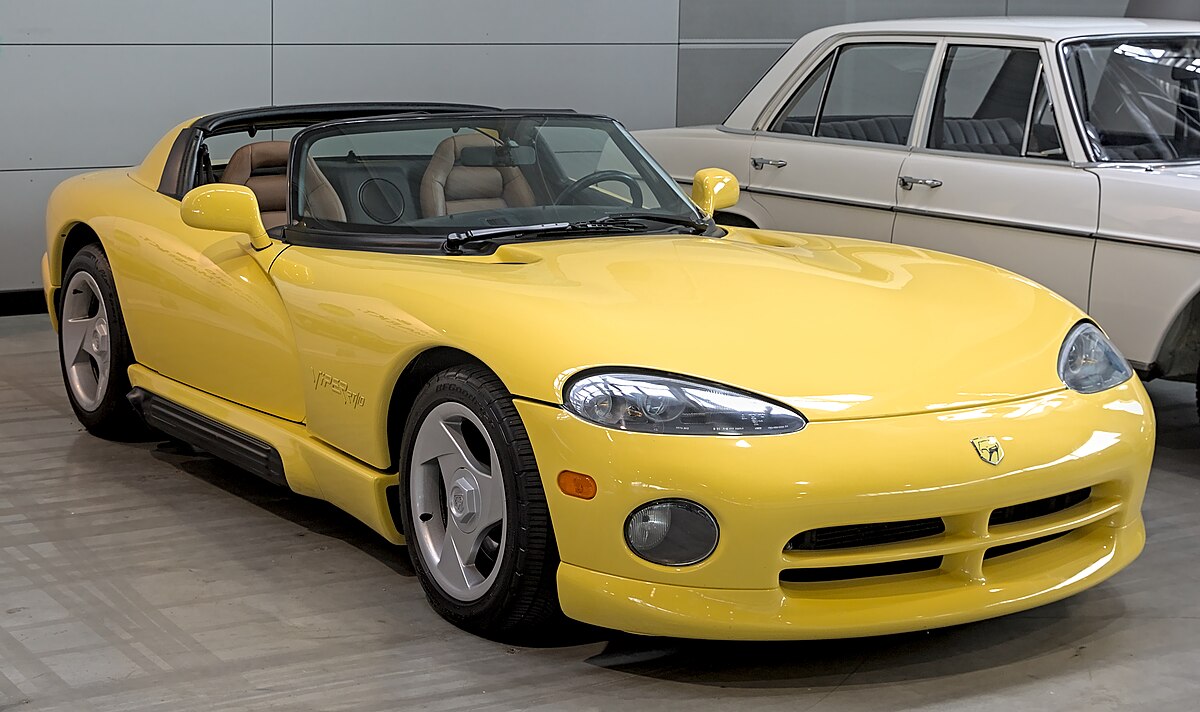
1. Dodge Viper RT/10 (1992)
The original Viper had no windows, no air conditioning, and barely any weather protection. It also had an 8.0-liter V10 borrowed loosely from Chrysler’s truck program.
That engine made 400 horsepower. It also produced 450 lb-ft of torque, a number that dwarfed nearly everything else on American roads in 1992.
Car and Driver clocked the first Vipers at 4.5 to 4.7 seconds to 60 mph. Top speed landed around 165 mph in period testing, with some contemporary reviews pushing that figure closer to 180 mph.
That alone edged out the Ferrari 348’s 163 mph benchmark. The Viper’s acceleration beat it too, by a full second or more. Dodge stripped the car down to basics on purpose. There was no power steering assist worth mentioning in the earliest cars.
There were no airbags in the first production models either. Chrysler wanted a raw, analog driving experience above anything else. The result was intense and occasionally terrifying. Buyers either loved it instantly or found it too much car to handle.
Chrysler built only 285 examples in that debut year. Every single one sold before production even ramped up to full speed. Reeves Callaway, the same tuner who later built turbocharged Corvettes, once called the Viper the last great American hot rod.
Enthusiasts still argue that exact point today. The side exhaust pipes ran directly beneath the doors. Drivers learned quickly not to rest bare legs against them after a hard run.
Specifications:
- Engine: 8.0L V10
- Horsepower: 400 hp @ 4,600 rpm
- Torque: 450 lb-ft @ 3,600 rpm
- Length: 175.1 inches
- Width: 75.7 inches
2. Chevrolet Corvette ZR-1 (1990)
Chevrolet needed help building a supercar-grade engine. So it turned to Lotus, which was under General Motors’ ownership at the time. The result was the LT5, a 5.7-liter V8 with dual overhead cams. It made 375 horsepower, a huge number for a Corvette in 1990.
Car and Driver tested the ZR-1 at 4.5 to 4.9 seconds to 60 mph. Top speed reached 178 mph in independent testing that same year. That number alone put it ahead of nearly every Ferrari sold at the time. The Testarossa was quicker to 60 mph, but slower at the top end by a noticeable margin.
Enthusiasts nicknamed it the King of the Hill almost immediately. The name stuck because nothing else built in Detroit could touch it. Chevrolet built the ZR-1 with wider rear bodywork to hide the bigger tires underneath.
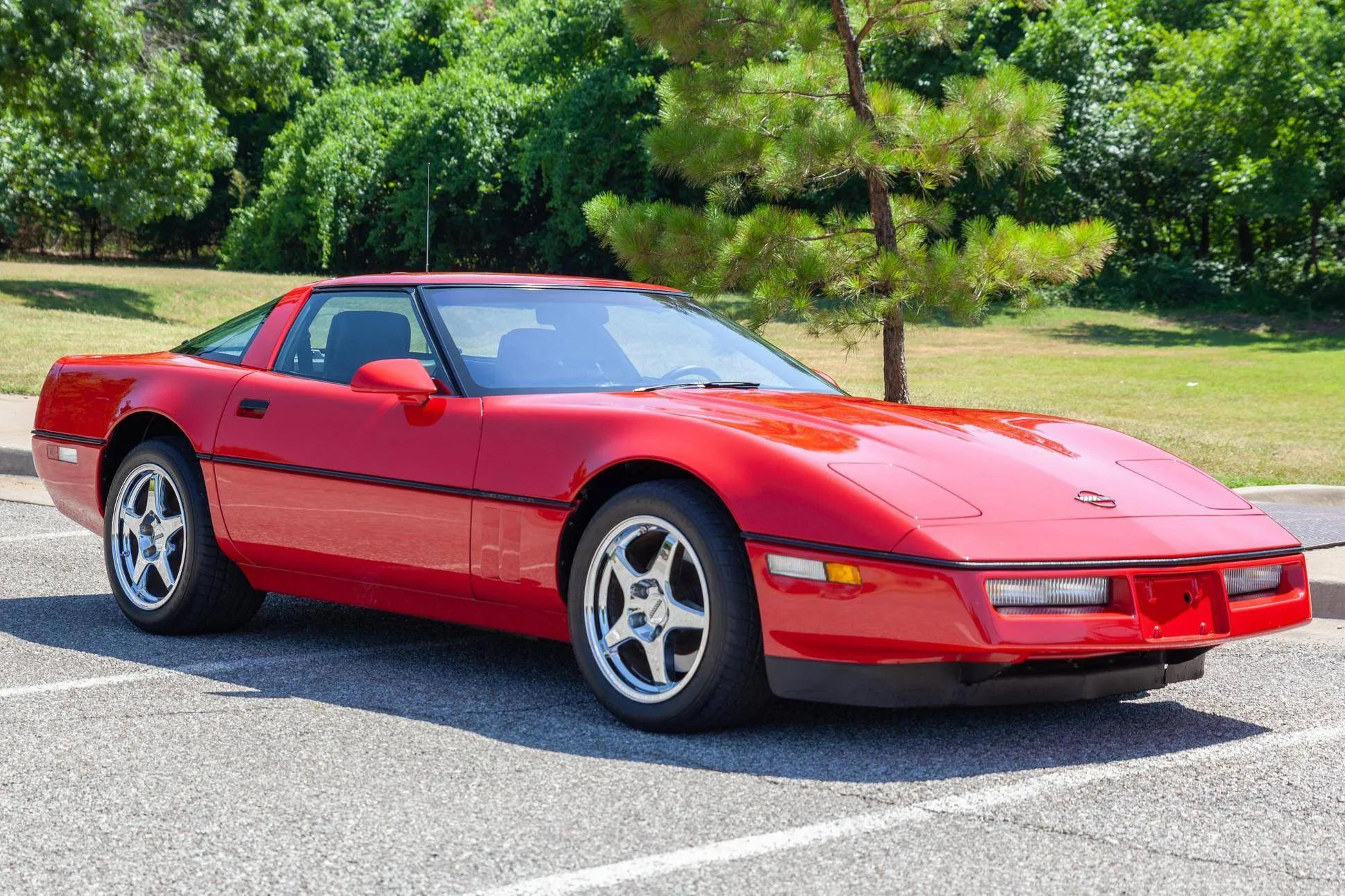
Only the rear fascia and taillight panel gave away which Corvette you were looking at from a distance. Mercury Marine actually assembled the LT5 engines, not Chevrolet itself. That partnership stayed a closely guarded secret for years after launch.
Production stayed limited compared to the standard Corvette lineup. Chevrolet built roughly 3,000 examples in 1990 alone, dropping steadily in the years that followed.
A 1990 magazine comparison pitted the ZR-1 directly against a Porsche 911 Turbo. The Corvette came out ahead in braking, acceleration, and outright speed.
That scarcity, combined with the Lotus pedigree, has only grown its reputation since. Clean, low-mileage ZR-1s now command serious money among collectors.
Specifications:
- Engine: 5.7L V8 (LT5)
- Horsepower: 375 hp @ 5,800 rpm
- Torque: 370 lb-ft @ 4,800 rpm
- Length: 177.4 inches
- Width: 74.0 inches
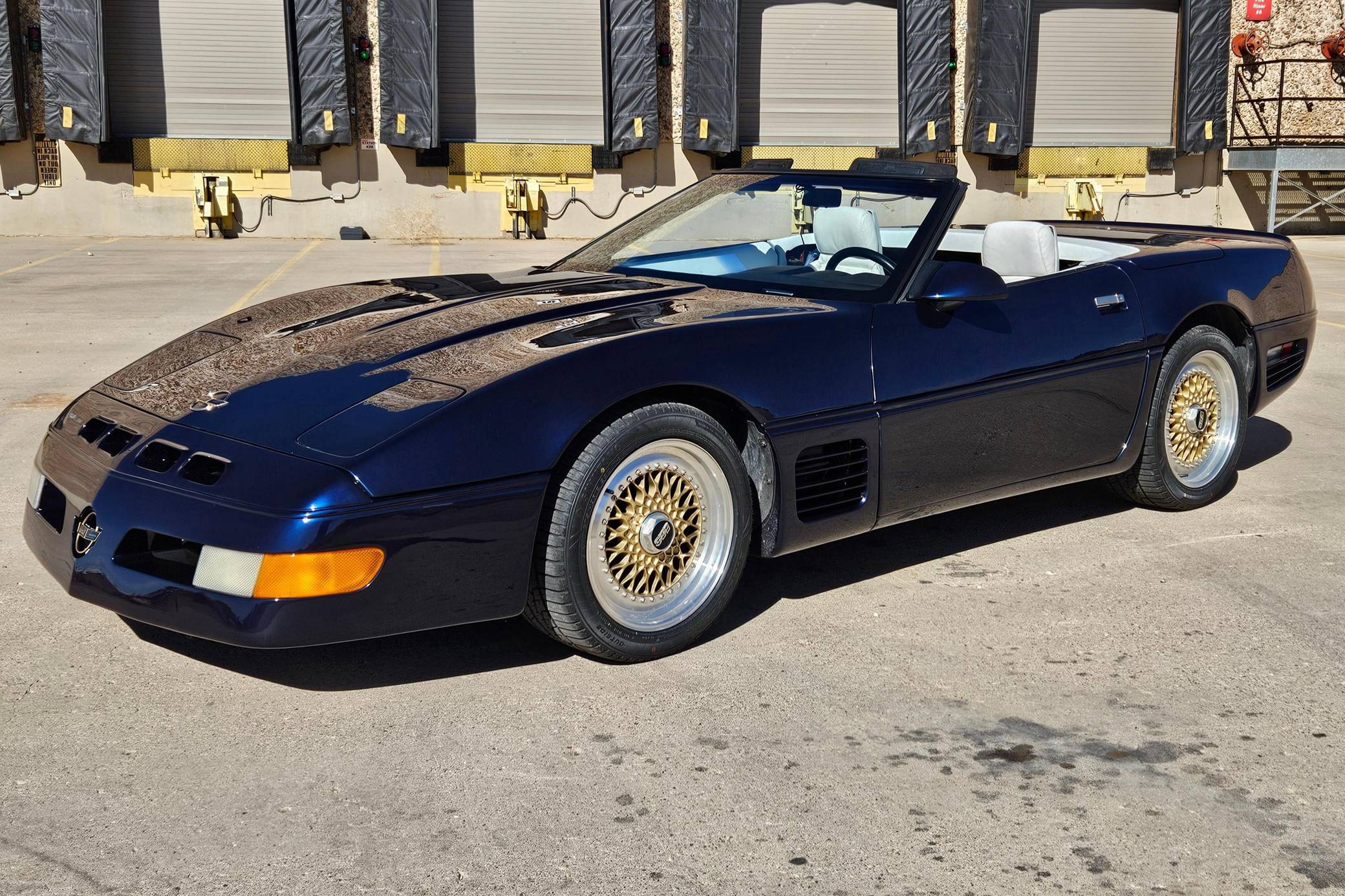
3. Callaway Twin Turbo Corvette (1990)
Reeves Callaway convinced General Motors to let him build a factory-warrantied Corvette option. Chevrolet dealers could order it straight from the regular production order sheet.
The package added twin turbochargers to the standard L98 V8. Output jumped to 382 horsepower in 1990 trim, a massive gain over the base engine.
Torque reached an enormous 562 lb-ft, more than double a stock Corvette’s figure at the time. Sports Car International clocked the car’s top speed at nearly 185 mph that same year.
That figure alone crushed the Ferrari 348’s top end by more than 20 mph. Even the pricier Testarossa struggled to keep pace with a fully boosted Callaway.
Only 58 Callaway Twin Turbos were built for the 1990 model year specifically. Fewer than 500 examples were made across the full five-year production run between 1987 and 1991.
The price tag pushed the finished car past $100,000 new, once the option was added to a base Corvette. That made it the most expensive American production car of its era, ahead of even the ZR-1.
Buyers got a factory-backed warranty despite the aftermarket build process. That was practically unheard of anywhere else in the tuning world at the time.
The upgrade used over 2,000 proprietary parts, including forged pistons and a stronger crankshaft. Everything was assembled at Callaway’s own facility in Old Lyme, Connecticut, before being shipped back to dealers.
Callaway’s earlier “Sledgehammer” prototype, built on this same platform, later hit 254 mph at a test facility in Ohio. That record briefly made it the fastest street-legal car.
Specifications:
- Engine: 5.7L Twin-Turbo V8
- Horsepower: 382 hp @ 5,700 rpm
- Torque: 562 lb-ft @ 3,000 rpm
- Length: 177.4 inches
- Width: 74.0 inches
4. Ford Mustang SVT Cobra R (1995)
Ford’s Special Vehicle Team stripped this Mustang down to race car basics. There was no back seat, no radio, and no air conditioning offered in this car.
In their place sat a 5.8-liter V8 pulled loosely from the Lightning pickup program. It produced 300 horsepower, more than any small-block Mustang built before it.
Motor Trend recorded 0-60 mph in 5.2 seconds flat during factory testing. That number alone nearly matched the Ferrari 348’s official factory claim of 5.3 to 5.6 seconds.
Car and Driver measured its top speed at 151 mph in a period test. It fell short of Ferrari’s number there, but the Cobra R’s price told an entirely different story.
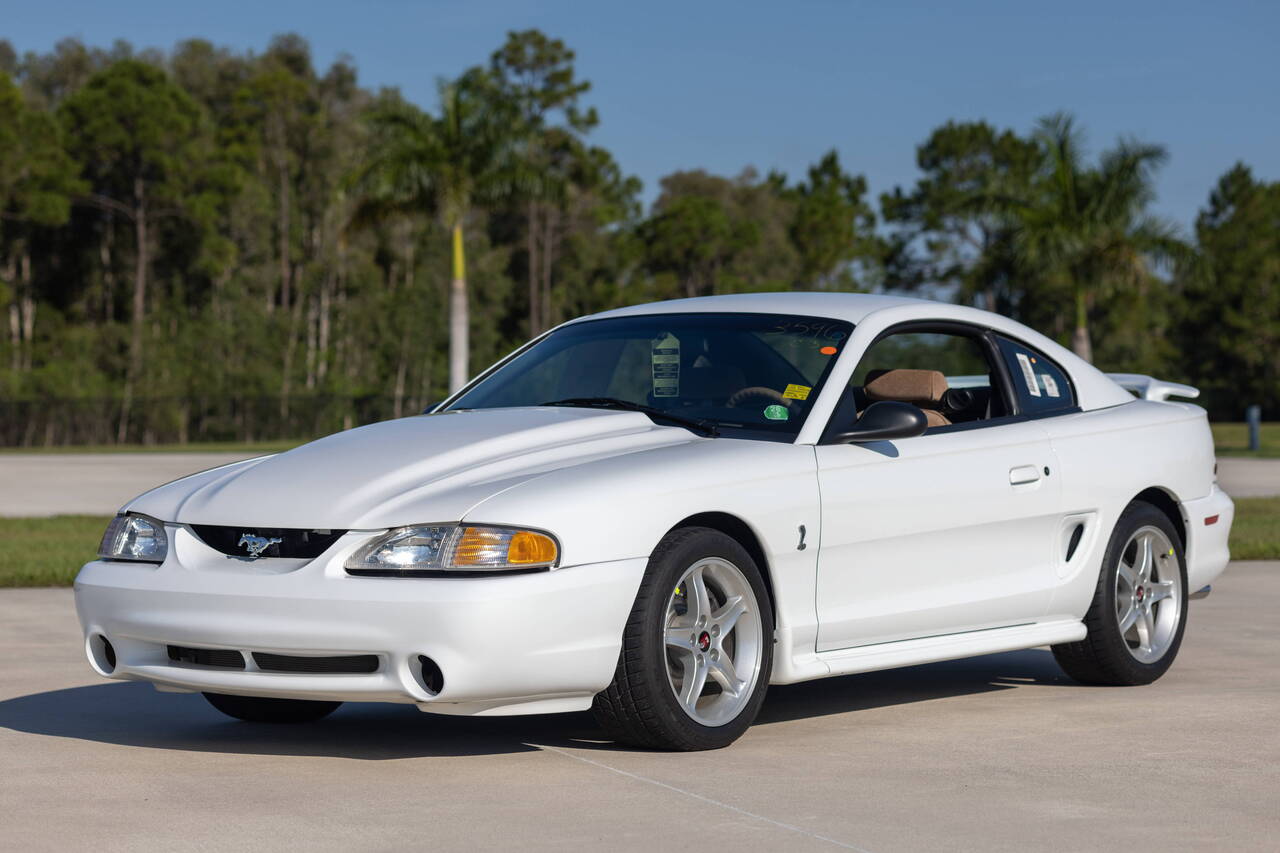
Only 250 examples were built, and buyers needed a valid NHRA or SCCA racing license just to purchase one. Ford wanted these cars on race tracks, not sitting in showrooms.
Every unit came painted Crystal White with a saddle tan interior. No other exterior color combination was ever offered by the factory. The stripped-out philosophy echoed the original 1965 Shelby GT350R directly. SVT engineers built it as a spiritual successor on purpose, decades later.
A taller fiberglass hood was required just to clear the larger 351 engine. The standard Mustang hood simply would not fit over the bigger induction system.
Braking distance from 60 mph came in around 109 feet, according to Motor Trend. That figure beat several contemporary sports cars costing far more money. The Cobra R also posted nearly 1g of lateral grip on the skidpad. That number rivaled dedicated sports cars twice its price at the time.
Specifications:
- Engine: 5.8L V8 (351 Windsor)
- Horsepower: 300 hp @ 4,800 rpm
- Torque: 365 lb-ft @ 3,750 rpm
- Length: 181.5 inches
- Width: 71.8 inches
Also Read: Once Outdated, Manual-Transmission Cars Are Now a Premium Category
5. Pontiac Firebird Trans Am WS6 (1998)
Pontiac dropped the Corvette’s all-aluminum LS1 into the Firebird for the 1998 model year. The WS6 Ram Air package pushed that engine to its highest state of tune.
Output landed at 320 horsepower with 345 lb-ft of torque. That combination made the WS6 the quickest Firebird built up to that point in the model’s history.
MotorWeek recorded 0-60 mph in about 5.5 seconds during factory testing that year. Independent tests with the manual transmission occasionally beat that figure by a few tenths.
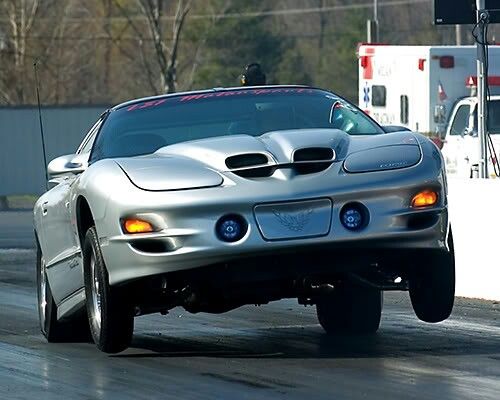
Top speed for the WS6 package reached the 160 mph range, according to period magazine tests. That was enough to close in on the Ferrari 348’s benchmark from a car costing a fraction of the price.
Pontiac priced the whole package under $27,000, fully loaded with every option checked. That made it one of the best performance values of the entire decade, muscle car or otherwise.
The Ram Air hood scoops were functional, not just decoration bolted on for looks. They fed genuinely cooler, denser air straight into the intake system.
Buyers could pick a six-speed manual or a four-speed automatic transmission. The manual version delivered noticeably quicker acceleration numbers across every test published.
Insurance companies at the time reportedly adjusted rates specifically for Firebirds and Camaros of this generation. Word had spread that these cars could hit 150 mph straight off the showroom floor.
The WS6 package also included firmer shocks and a retuned suspension for better high-speed stability. That made the car far more composed than the base V8 Firebird at speed.
Pontiac would carry this same basic formula through the model’s final year in 2002. The WS6 remained the performance flagship of the Firebird lineup the entire time.
Specifications:
- Engine: 5.7L V8 (LS1)
- Horsepower: 320 hp @ 5,600 rpm
- Torque: 345 lb-ft @ 4,400 rpm
- Length: 193.5 inches
- Width: 74.5 inches
6. Chevrolet Camaro SS (1996)
SLP Engineering took Chevrolet’s Z28 and turned it into something meaner. The Camaro SS badge returned for the first time in 24 years, dating back to the muscle car era.
The LT1 V8 under the hood made around 310 horsepower with the optional exhaust package installed. Torque landed at 325 lb-ft, delivered low in the rev range for strong midrange pull.
Road & Track recorded 0-60 mph in 5.3 seconds during a period test that same year. The quarter mile passed in 13.7 seconds at 102 mph on the same test run.
Top speed reached roughly 157 mph in independent reviews published at the time. That trailed the Ferrari 348 slightly, but the acceleration numbers nearly matched it stride for stride.
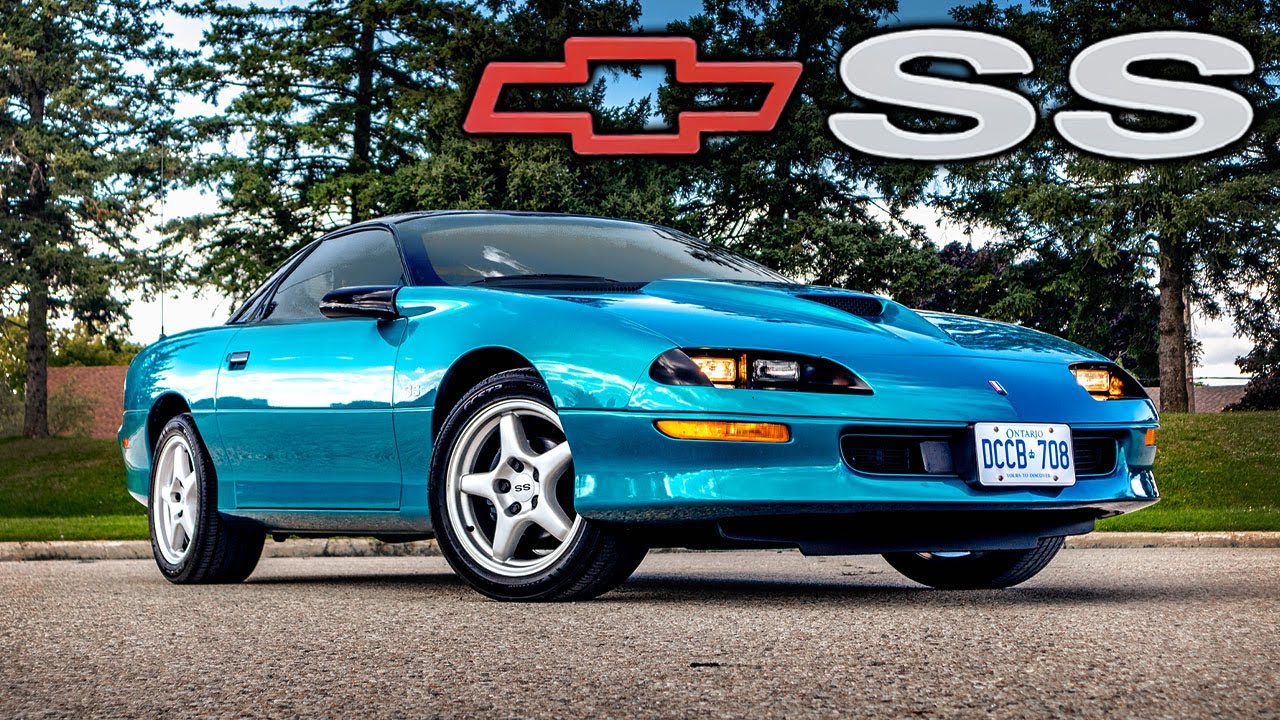
SLP’s changes went well beyond just the engine tuning itself. Larger wheels, a functional ram-air hood scoop, and a retuned suspension all came bundled into the package.
Only 2,410 examples wore the SS badge in the United States during that first model year. Convertibles were rarer still, with just 265 units built for buyers who wanted open-top thrills.
Reviewers at the time called it a testosterone enhancer on wheels, and few disagreed after an actual test drive. The car evoked the muscle era directly, right down to the Hurst-style shifter.
This was also the only year the car wore both Z28 and SS badges simultaneously. Chevrolet simplified the naming the following year, dropping the Z28 designation from the SS entirely.
The upgrade cost an additional $7,243 over a standard Z28 at the dealership. That made the SS an accessible performance bargain compared to nearly anything from Europe.
By 1998, the SS switched over to the newer LS1 engine, pushing output even higher. That later version narrowed the gap to the Ferrari 348 even further still.
Specifications:
- Engine: 5.7L V8 (LT1)
- Horsepower: 310 hp @ 5,500 rpm
- Torque: 325 lb-ft @ 3,200 rpm
- Length: 193.2 inches
- Width: 74.1 inches
7. Saleen Mustang S351 (1995)
Steve Saleen wanted something beyond a warmed-over Mustang GT. So his shop built a custom engine and transmission combination Ford never offered from the factory.
A supercharged 5.8-liter V8 sat under a raised hood scoop built specifically for clearance. Output ranged from 371 to 510 horsepower, depending on the specific build and tune level.
The highest-output R-Code version reached an estimated 172 mph top speed in period testing. That came within 8 mph of a Ferrari Testarossa, a car costing multiples more money at the time.
Torque peaked around 495 lb-ft in the strongest examples built that year. Saleen paired that power with a Tremec TR3550 five-speed transmission built to handle the added abuse.
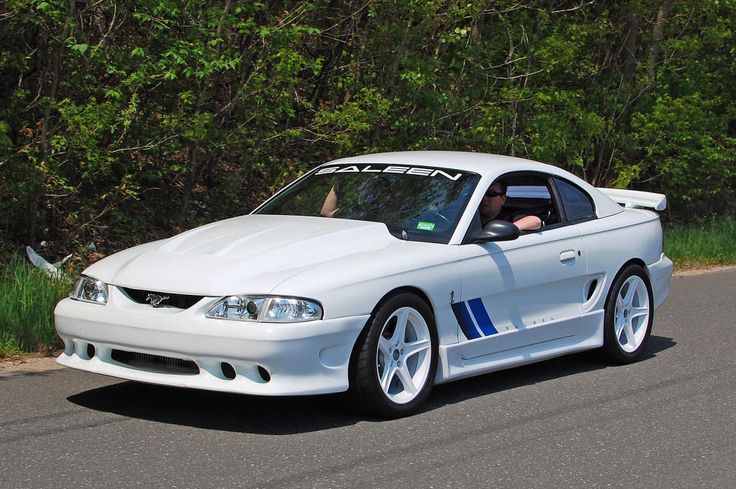
Only 126 examples of the S351 were built for the entire 1995 model year. Prices at the time approached $60,000, an enormous sum for a Mustang-based car.
Saleen upgraded the suspension and brakes to match the added engine output. The Racecraft package brought genuine track capability, not just straight-line speed alone.
The quarter mile passed in around 12.7 seconds at 122 mph in the fastest configurations. That number rivaled genuine exotic cars costing three or four times as much.
Boxing legend George Foreman reportedly owned one of these cars for decades after buying it. That alone tells you how far Saleen’s reputation traveled beyond typical car enthusiast circles.
The S351 used a Ford SVO iron-block engine, rebuilt from the ground up with forged internals. A Vortech centrifugal supercharger pressurized the whole setup for its dramatic power gains.
Saleen would go on to build the S7 supercar just a few years later. The S351 effectively served as the proving ground for everything that followed.
Specifications:
- Engine: 5.8L Supercharged V8
- Horsepower: 495 hp @ 5,400 rpm
- Torque: 490 lb-ft @ 3,500 rpm
- Length: 181.5 inches
- Width: 71.8 inches
8. Vector W8 (1990)
Vector Aeromotive built this car with aerospace materials and aerospace ambitions to match. The chassis used aluminum honeycomb panels bonded together like an aircraft fuselage.
Power came from a twin-turbocharged 6.0-liter V8 based on a Rodeck racing block. Advertised output reached 625 horsepower, an almost unbelievable number for an American car built in 1990.
Road & Track recorded 0-60 mph in 4.2 seconds during factory testing that year. Car and Driver measured an even quicker 4.1-second run during their own independent test.
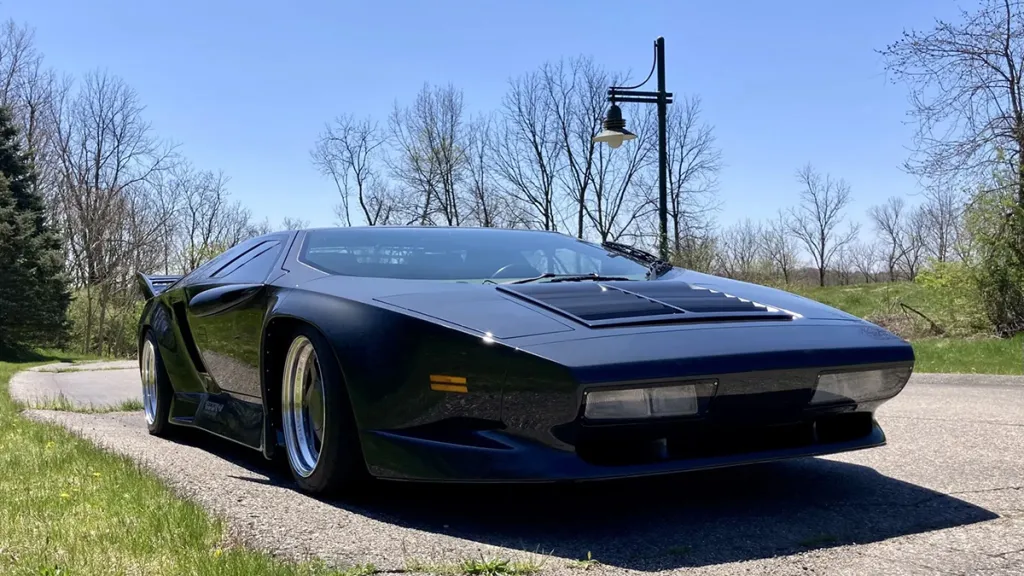
Top speed estimates ranged from 218 mph up to over 240 mph, depending on the source cited. That obliterated every Ferrari on sale at the time, including the legendary F40 supercar.
Only 19 examples of the W8 were ever built across its entire production run. The very first production car went to a Saudi prince in September of 1990.
The transmission was a heavily modified three-speed automatic unit. Vector borrowed the base gearbox from an old front-wheel-drive Oldsmobile Toronado, of all things.
Boost pressure was fully adjustable by the driver, ranging between 8 and 14 psi. During factory dyno testing, the engine reportedly produced up to 1,200 horsepower at its highest boost setting.
Prices reached nearly $448,000 when new, an astronomical figure at the time. Today, surviving examples sell for well over a million dollars whenever one appears at auction.
The car’s drag coefficient measured just 0.32 after aerodynamic refinement work. That figure rivaled dedicated race cars far more focused on outright speed.
A red Vector W8 even made a television cameo in an episode of the 1990 series The Flash. It remains one of the rarest and strangest American performance cars ever built.
Specifications:
- Engine: 6.0L Twin-Turbo V8
- Horsepower: 625 hp @ 5,700 rpm
- Torque: 630 lb-ft @ 4,900 rpm
- Length: 172.0 inches
- Width: 76.0 inches
9. Dodge Viper GTS (1996)
Dodge closed the Viper’s roof for 1996 and reworked the whole package top to bottom. The result borrowed its double-bubble roofline directly from the 1964 Shelby Daytona Coupe.
Under the hood, the aluminum V10 grew to 450 horsepower for this second generation. Torque climbed to 490 lb-ft, an improvement over the original RT/10 roadster.
Independent testing recorded 0-60 mph in around 4.1 to 4.2 seconds for the new coupe. That time comfortably beat the Ferrari 348 by more than a second flat.
Top speed reached 185 to 189 mph, depending on the specific test source consulted. That was enough to leave most Ferraris of the era well behind in the rearview mirror.
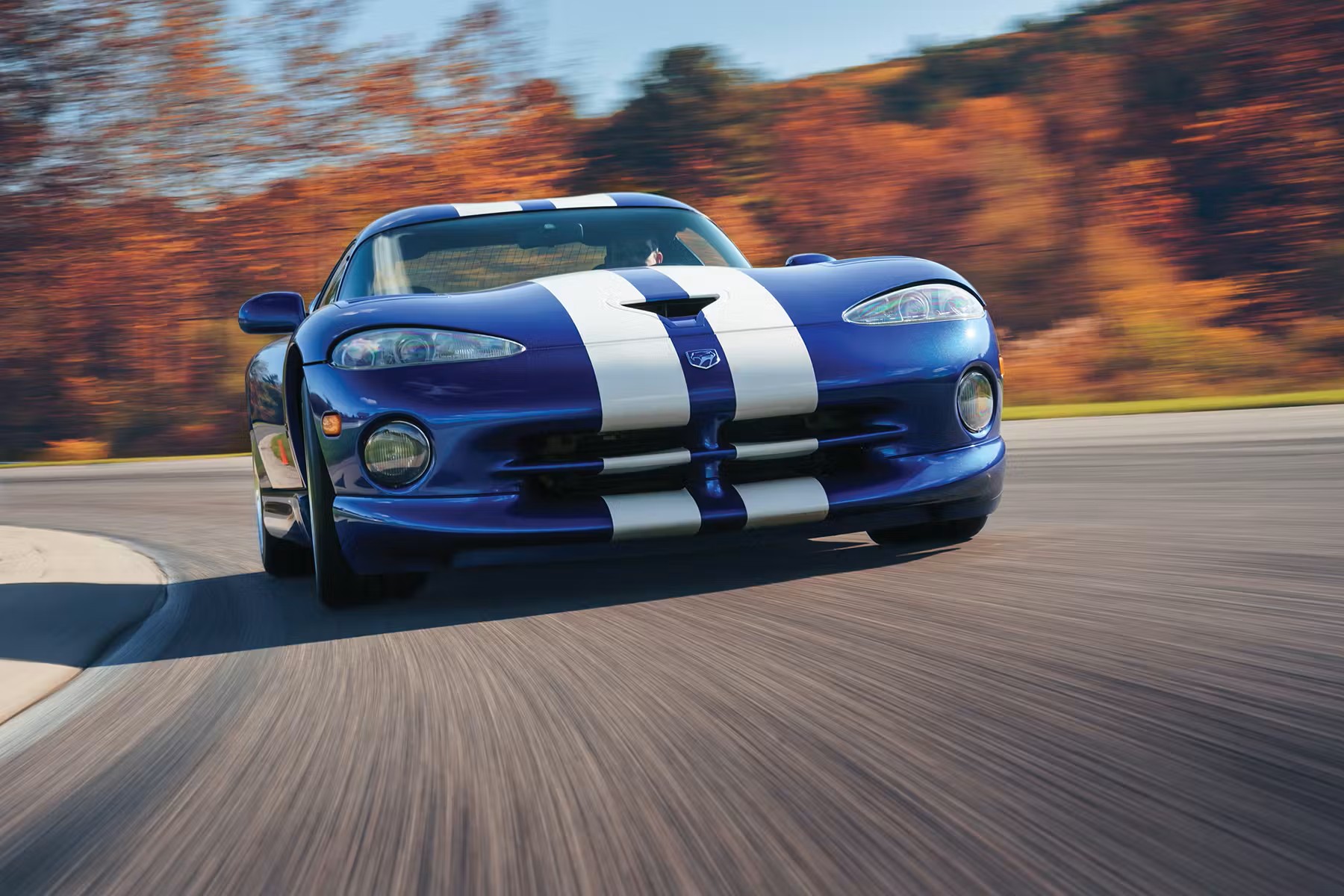
Dodge also improved the handling significantly compared to the original roadster body. Aluminum suspension components made the GTS noticeably more composed and predictable at high speed.
The double-bubble roof design wasn’t purely stylistic either. It gave taller drivers wearing racing helmets the headroom needed for track days.
The GTS paced the 1996 Indianapolis 500 that same model year. A racing version called the GTS-R would go on to win its class at Le Mans multiple times.
Just 1,166 GTS coupes were built for that first model year of production. Values on clean, unmodified examples have climbed steadily in the years since.
Dodge relocated the side exhaust from the RT/10 to a rear-mounted setup on the GTS. That single change alone cooled down the notoriously hot rocker panels considerably.
The GTS-R race variant, built by the French team Oreca, dominated the FIA GT Championship for years. It won the GT2 class title repeatedly through the late 1990s and beyond.
Specifications:
- Engine: 8.0L V10
- Horsepower: 450 hp @ 5,200 rpm
- Torque: 490 lb-ft @ 3,700 rpm
- Length: 175.1 inches
- Width: 75.7 inches
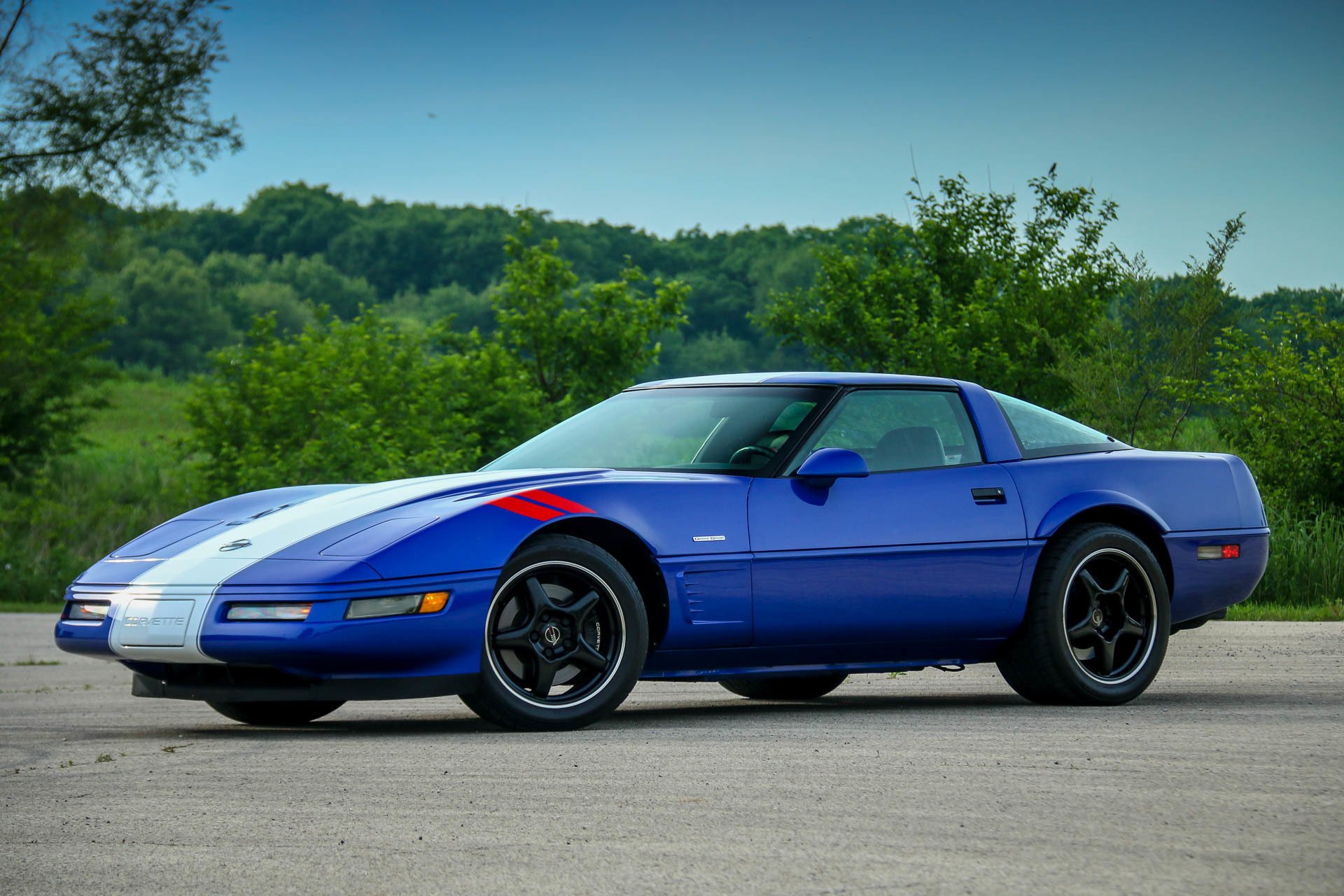
10. Chevrolet Corvette Grand Sport (1996)
Chevrolet closed out the C4 Corvette generation with a tribute to its 1963 racing namesake. The Grand Sport wore Admiral Blue paint with a white stripe running down the center.
Power came from the LT4 V8, a hand-built version of the standard Corvette engine. Output reached 330 horsepower, the most of any 1996 small-block Corvette sold that year.
Car and Driver recorded 0-60 mph in about 5.1 seconds during the testing period. Top speed reached 168 mph in that same drag-limited test run.
That figure edged past the Ferrari 348’s benchmark by several miles per hour outright. It did so at roughly a third of the Ferrari’s original purchase price.
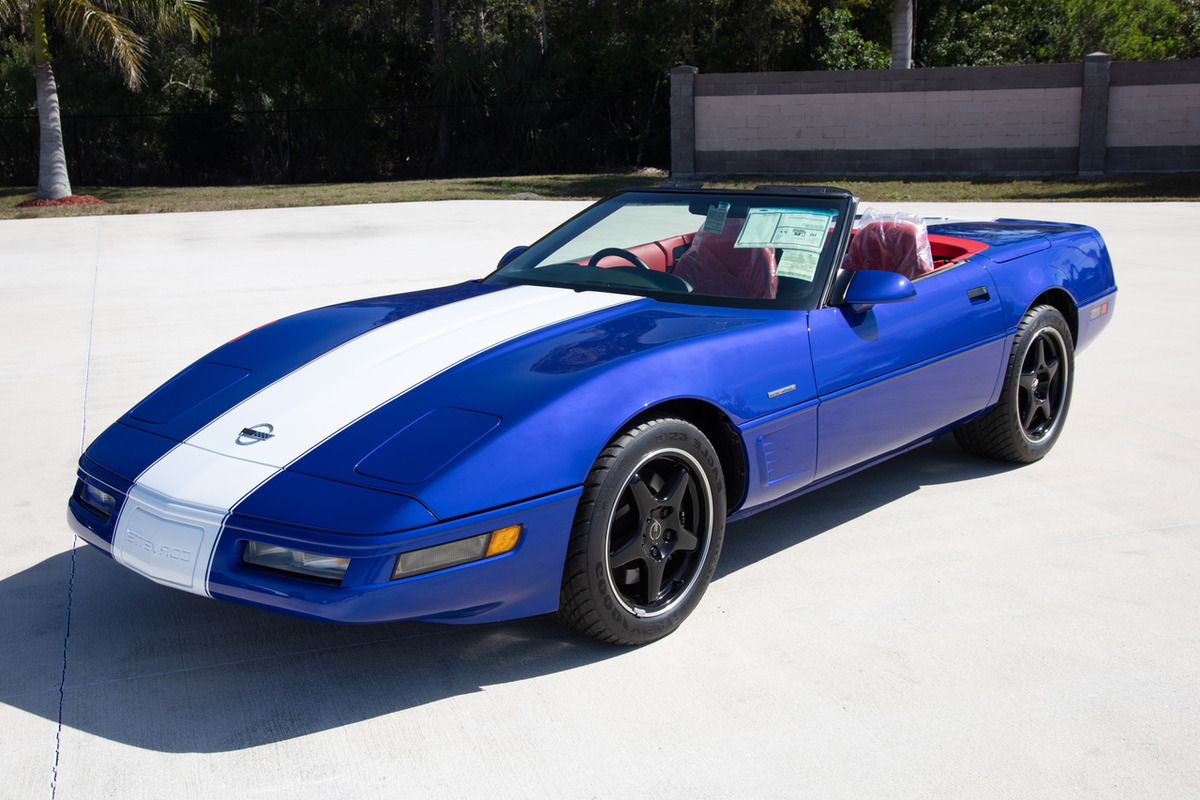
Chevrolet limited production to exactly 1,000 units worldwide for this final special edition. Most were coupes, with a smaller number of convertibles built alongside them.
The LT4 engine used a specific hydraulic roller camshaft not found in lesser Corvette trims. It also revved noticeably higher than the standard LT1 engine it effectively replaced.
Every Grand Sport rode on wider rear wheels borrowed from the ZR-1 program. That gave the car a distinctive stance compared to a standard Corvette coupe.
The quarter mile passed in 13.7 seconds at 104 mph, according to Car and Driver’s published test. Braking from 70 mph took just 164 feet, a genuinely strong number for the era.
Enthusiasts still consider the Grand Sport the ultimate send-off for the entire C4 generation. It closed out an era before the all-new C5 platform arrived the following year.
Each Grand Sport included a numbered plaque on the dashboard, marking its place in the limited run. That detail alone has made surviving examples highly sought after among collectors today.
Specifications:
- Engine: 5.7L V8 (LT4)
- Horsepower: 330 hp @ 5,800 rpm
- Torque: 340 lb-ft @ 4,500 rpm
- Length: 177.4 inches
- Width: 74.0 inches
Also Read: 12 Cars With Bulletproof Drivetrains You Can Buy for Peanuts
