
There was a time when driving a manual-transmission car was simply a matter of practicality. Almost every car on the road requires a driver to operate a clutch pedal and shift gears manually. Then came the automatic transmission, and the world changed almost overnight.
Automatics were marketed as modern, effortless, and sophisticated. Manuals were quietly pushed to the budget end of the market. Fleet managers preferred them for fuel economy reasons, not for driver engagement. For decades, the manual gearbox seemed destined for extinction.
But something unexpected happened. As automatics improved and dual-clutch transmissions outpaced manuals in pure speed, a different kind of buyer emerged. This buyer did not want the fastest lap time. They wanted to feel every gear change in their fingertips, to be part of the mechanical conversation between driver and machine.
Today, the manual transmission has quietly repositioned itself as a luxury item. Porsche charges a premium for the manual in the 911. BMW limits manual allocation in the M3. Aston Martin made headlines by offering a manual in the Vantage. The stick shift is no longer a cost-cutting measure. It is a deliberate, premium choice made by enthusiasts who know exactly what they are doing.
1. Porsche 911 Carrera S (992 Generation)
The Porsche 911 992.2 generation has significantly shifted the availability of the manual transmission compared to its predecessor. While manual gearboxes were widely available across many Carrera and Targa variants in the 992.1 generation, the 992.2 lineup has largely moved toward the 8-speed PDK dual-clutch transmission for most core models.
The Carrera T is specifically positioned as the purist’s 911, prioritizing a lightweight ethos and a 7-speed manual transmission as a core part of its identity.
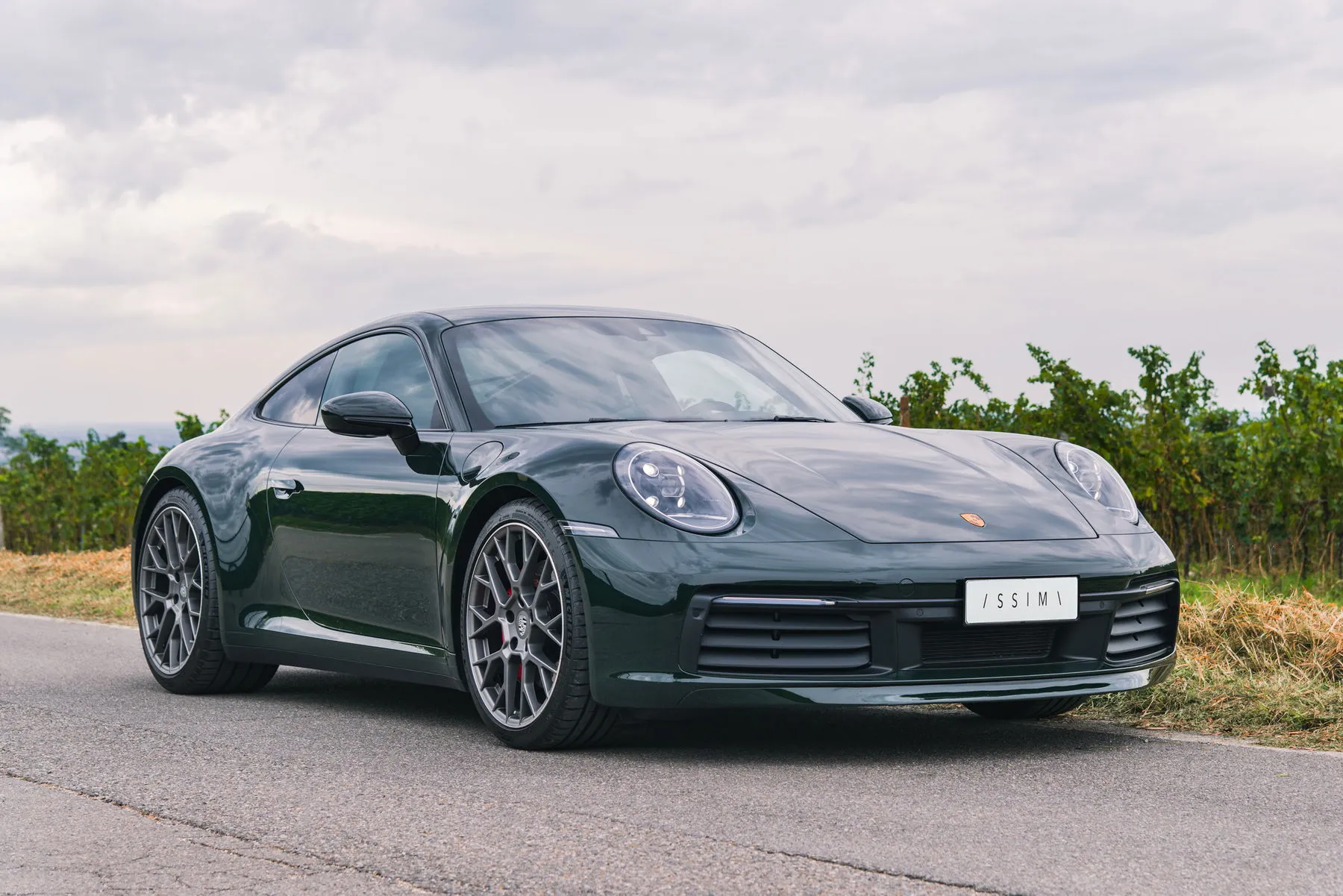
Beyond the Carrera T, manual transmissions remain a hallmark of specialized, performance-oriented models like the GT3 and GT3 Touring, which continue to cater to drivers who prioritize tactile engagement and mechanical connection over pure automatic shift speed.
It is important to note that the broader Carrera, Carrera S, and GTS models in the 992.2 generation are now standard with the PDK automatic. This strategic narrowing of manual availability reflects Porsche’s broader shift toward automated performance, reserving the manual transmission as a premium, niche offering for specific enthusiast-focused trims.
Consequently, while the “third pedal” is not extinct, the days of finding a manual option on virtually every 911 variant have passed, making the manual-equipped 992.2 models, particularly the Carrera T and GT variants, increasingly significant and sought-after by collectors and purists alike.
Specifications:
- Engine: 3.0-liter twin-turbocharged flat-six
- Horsepower: 443 hp
- Torque: 390 lb-ft
- Length: 178.2 inches
- Width: 74.0 inches
2. BMW M3 Competition xDrive
The BMW M3 has long maintained a celebrated reputation as a driver’s car, with the manual gearbox serving as a centerpiece of that legacy across generations from the E30 to the F80. While the G80 generation continues this tradition, it is crucial to distinguish between the various trim levels regarding transmission availability.
The BMW M3 Competition and the Competition xDrive models are strictly equipped with an 8-speed M Steptronic automatic transmission. These high-performance variants, which produce 503 horsepower, do not offer a manual option. The 6-speed manual gearbox is reserved exclusively for the base-model, rear-wheel-drive M3.
To ensure the longevity of the manual transmission’s clutch plates, BMW detunes the S58 3.0-liter twin-turbocharged inline-six engine in the base-model manual configuration to 473 horsepower.
Despite this power difference, the manual M3 remains one of the most engaging vehicles in its class. It offers a mechanical connection that resonates with purists, allowing them to dictate engine character and gear changes with precision.
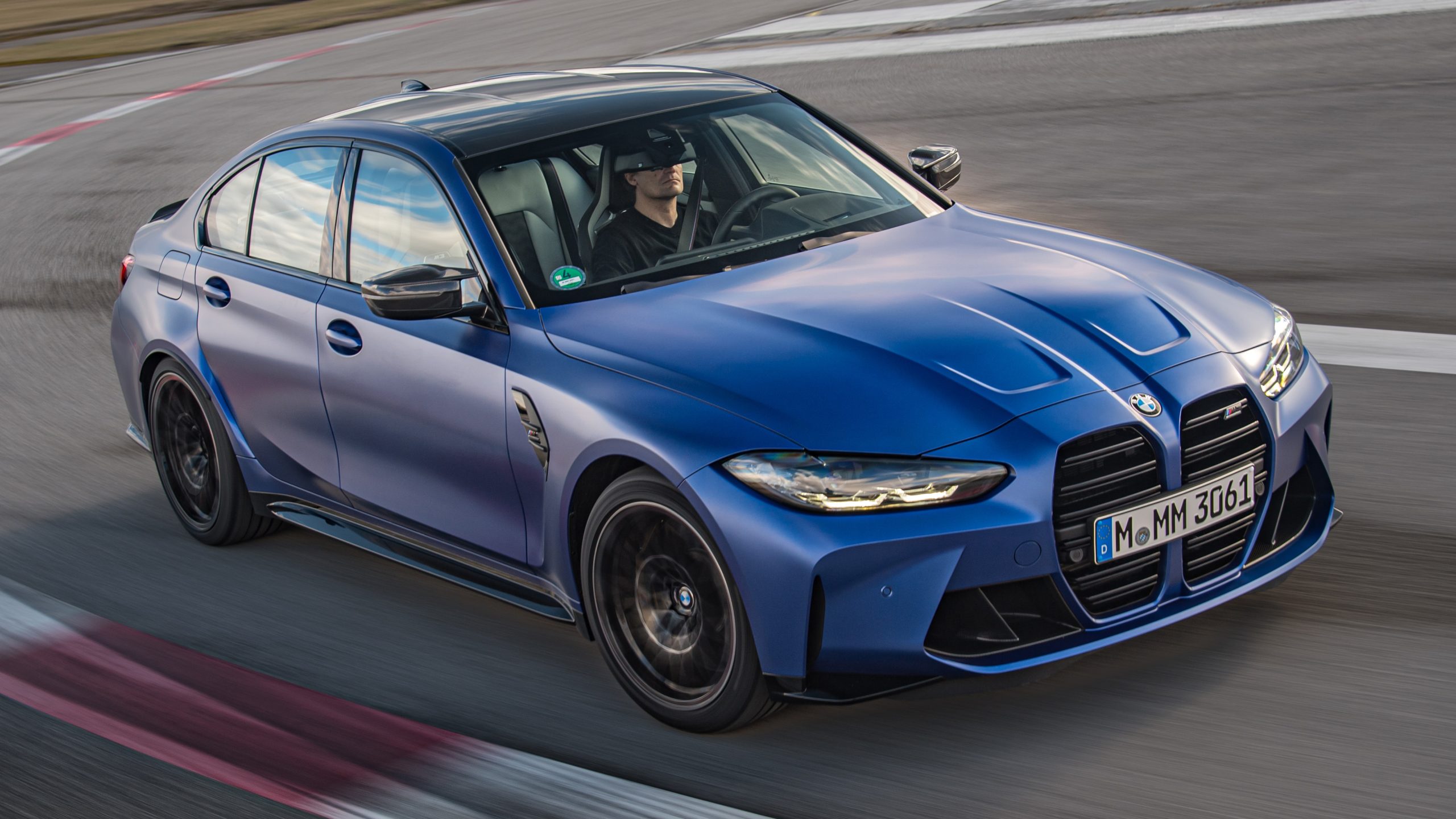
While the Competition models prioritize the rapid, seamless shifts of the automatic for maximum performance and xDrive traction, the manual remains a deliberate choice for those prioritizing engagement over pure lap times.
BMW’s decision to limit manual availability has turned these specific configurations into sought-after units, often resulting in dedicated waiting lists.
Owning a manual M3 today signals a conscious preference for a more tactile, driver-involved experience. It remains a rare, rewarding path in an automotive world increasingly dominated by automated gearboxes, proving that for many, the “third pedal” is not merely a tool, but an essential component of the mechanical conversation between driver and machine.
Specifications:
- Engine: 3.0-liter S58 twin-turbocharged inline-six
- Horsepower: 503 hp
- Torque: 479 lb-ft
- Length: 187.4 inches
- Width: 74.9 inches
3. Aston Martin Vantage
The Aston Martin Vantage previously garnered significant attention when the manufacturer introduced a bespoke 7-speed manual gearbox option for its 4.0-liter twin-turbocharged V8 engine.
This manual variant was featured in the limited “AMR” edition and early base models of the 2018-introduced generation. The inclusion of this gearbox was considered a distinct statement by the marque, emphasizing the driving experience through mechanical precision, deliberate gate resistance, and a heavier, more tactile clutch pedal.
However, that manual option was discontinued years ago due to very low sales. The modern, heavily revised version of the Aston Martin Vantage is now strictly equipped with an 8-speed automatic transmission.
While the manual-equipped models were designed to offer a more communicative and strategic driving experience, the current iteration of the car has moved toward higher-performance capabilities, now producing 656 horsepower.
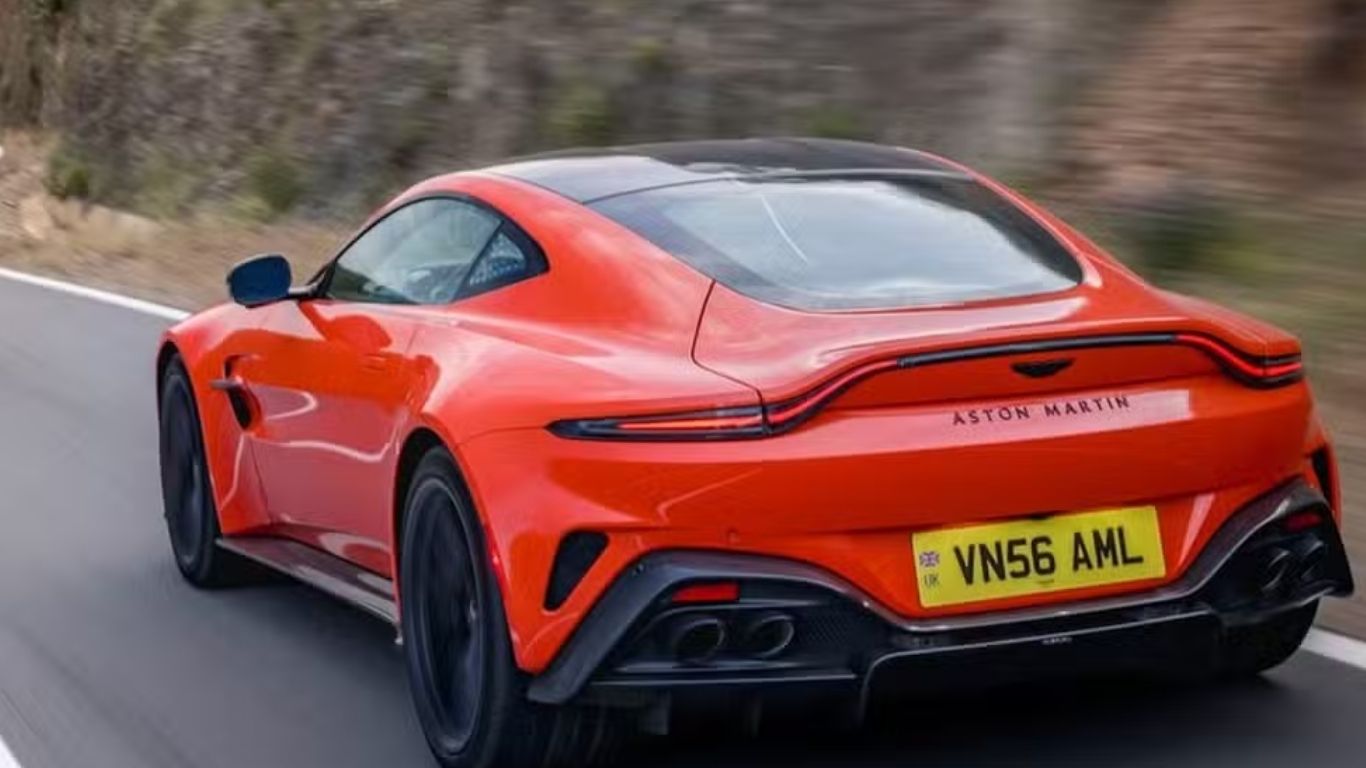
Consequently, while the manual Vantage represents a unique chapter in recent automotive history, it is no longer available as part of the current production lineup.
The brand has effectively pivoted to the automated precision required for the higher-horsepower capabilities of its latest model. Enthusiasts who valued the manual transmission for its ability to transform the car into a more “thoughtful” driving experience are left with only the secondary market to seek out these specific, now-rare configurations.
Ultimately, the modern Vantage showcases a shift in industry philosophy, where even luxury marques that once championed the “third pedal” have transitioned to advanced automatic systems to harness increasing power outputs and performance metrics, leaving the bespoke 7-speed manual unit as a celebrated but retired relic of the brand’s recent past.
Specifications:
- Engine: 4.0-liter AMG twin-turbocharged V8
- Horsepower: 503 hp
- Torque: 505 lb-ft
- Length: 172.6 inches
- Width: 76.4 inches
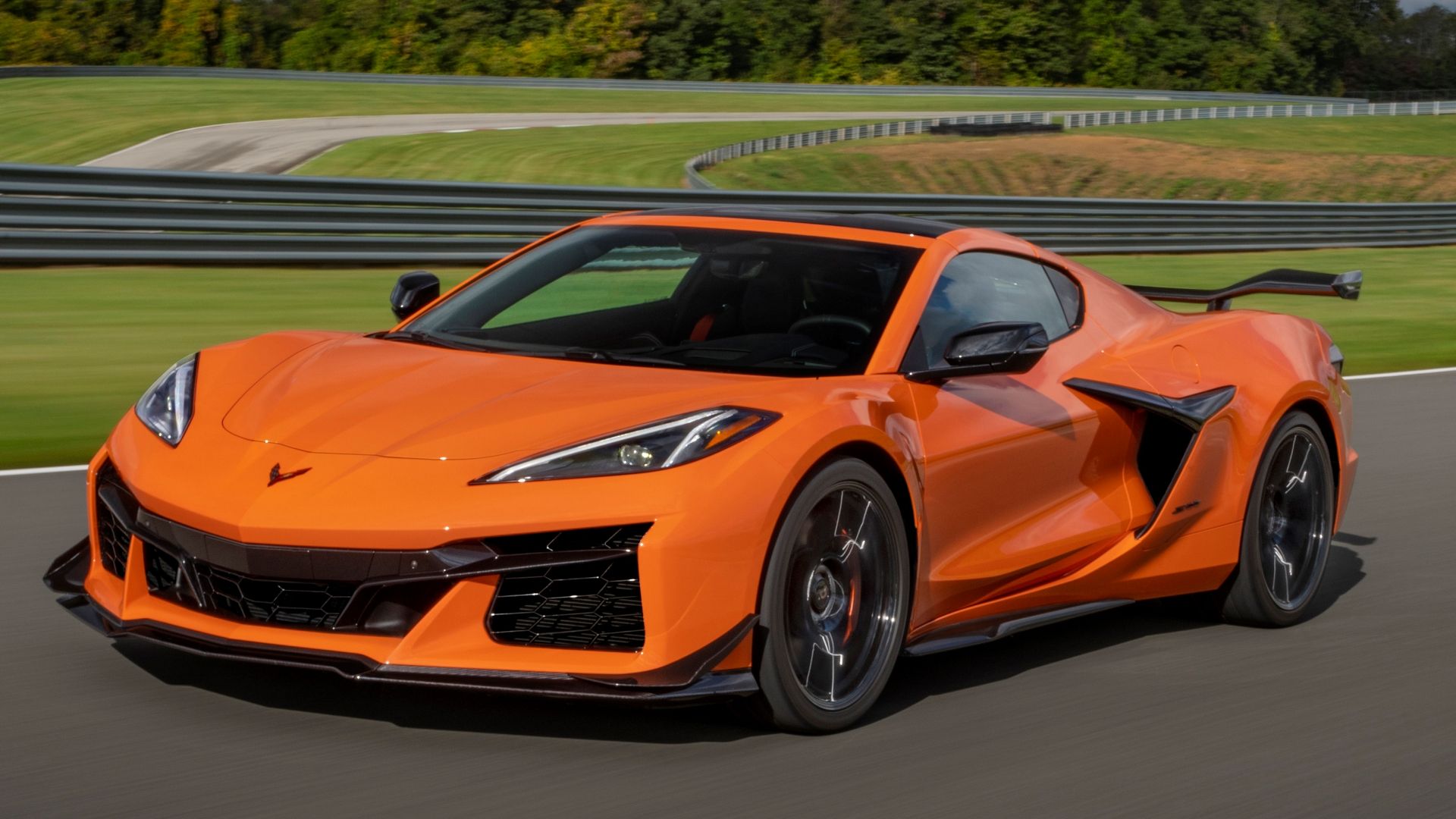
4. Chevrolet Corvette Z06
The Chevrolet Corvette Z06 (C8) represents a bold leap in American performance, fundamentally altering the identity of the brand. By transitioning to a mid-engine layout, Chevrolet prioritized elite-level handling and supercar-rivaling dynamics.
At the heart of the Z06 is the naturally aspirated, 5.5-liter LT6 V8, which features a flat-plane crankshaft and a high-revving 8,600 RPM redline, an engineering achievement more typical of Italian exotics than mass-market American sports cars.
However, the narrative regarding the transmission in the C8 Corvette Z06 is factually incorrect. Contrary to the claim that Chevrolet kept a manual transmission alive for the Z06, the reality is that the eighth-generation (C8) Corvette is strictly available with an 8-speed dual-clutch automatic (DCT).
Chevrolet completely abandoned the manual transmission for the C8 platform due to the structural packaging limitations inherent in the mid-engine architecture.
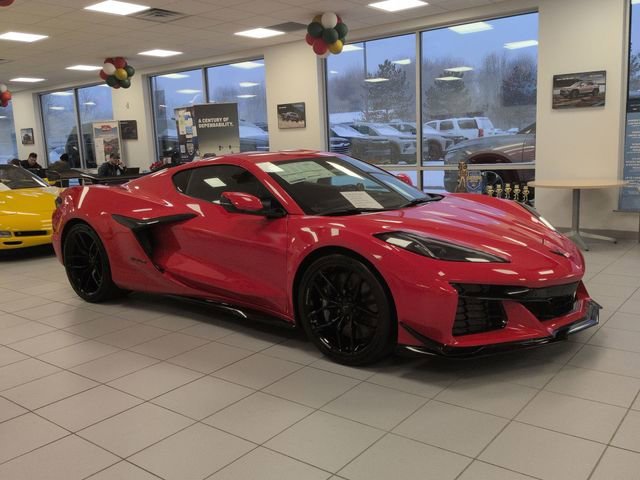
While enthusiasts often lament the loss of the “third pedal,” the transition to the 8-speed DCT was a deliberate move to ensure the vehicle could manage the immense power and torque of the LT6 engine effectively.
The C8 Z06 provides an unparalleled experience, producing 670 horsepower and offering sound profiles and performance capabilities that democratize the supercar segment.
Ultimately, while the C8 Z06 stands as one of the most capable and advanced performance vehicles ever produced in America, it does not offer a manual gearbox.
For those seeking an “analog” driving experience, the C8 does not provide a factory manual option, as the vehicle was designed from the ground up to utilize only the high-speed, automated precision of the dual-clutch transmission.
Specifications:
- Engine: 5.5-liter naturally aspirated flat-plane V8 (LT6)
- Horsepower: 670 hp
- Torque: 460 lb-ft
- Length: 182.3 inches
- Width: 76.0 inches
Also Read: 8 Minivans Ranked by Cargo and Passenger Space
5. Porsche 718 Cayman GT4 RS
The Porsche 718 Cayman GT4 RS stands as a pinnacle of track-focused engineering, designed for drivers who demand the closest experience to a racing car on public roads.
Every aspect, from its sophisticated aerodynamics to its precision-tuned suspension, is calibrated specifically for maximum circuit performance. At its core lies a 4.0-liter naturally aspirated flat-six engine sharing the same architecture as the 911 GT3, which produces 493 horsepower and screams to a 9,000 RPM redline.
However, the narrative suggesting that this model offers a manual transmission is factually incorrect. Unlike the standard 718 Cayman GT4, which provided a six-speed manual option, the GT4 RS is produced exclusively with a 7-speed Porsche Doppelkupplung (PDK) dual-clutch transmission.
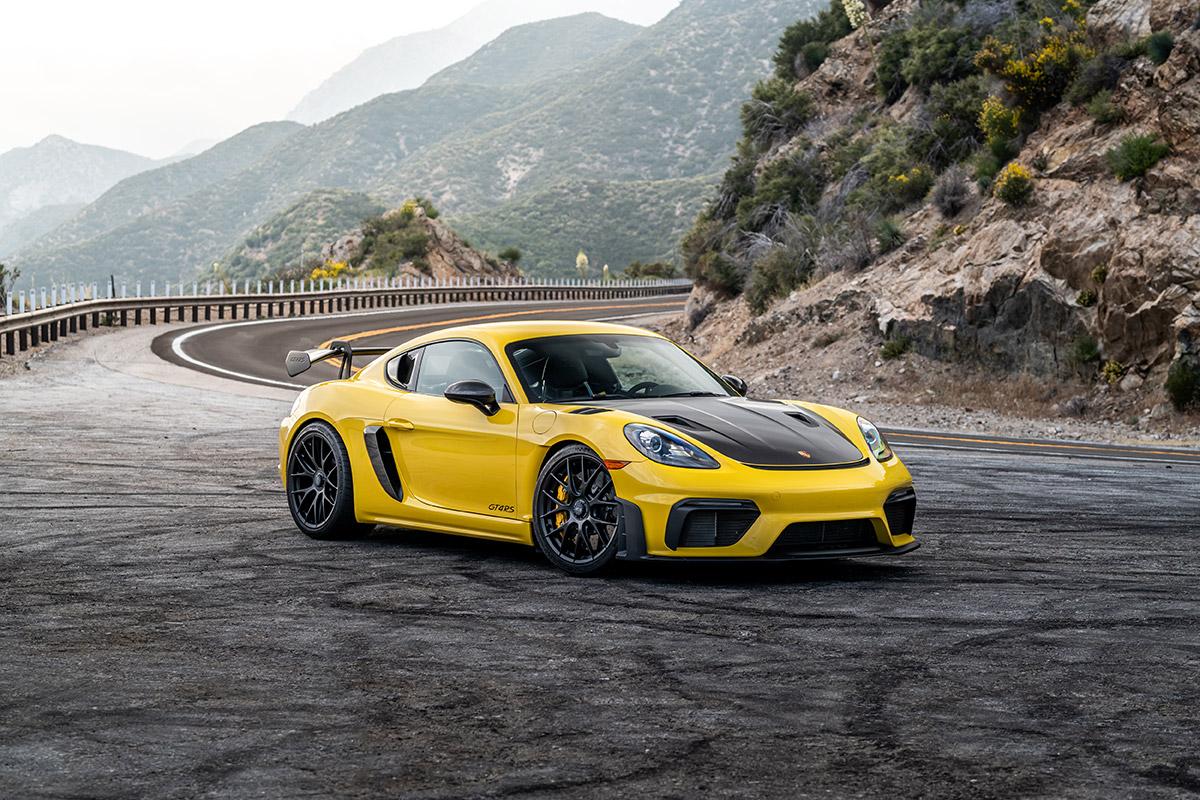
Porsche made this strategic decision to prioritize the rapid, seamless shifts required to manage the high-strung, high-revving nature of the GT3-derived engine. By opting for the PDK, Porsche ensures the GT4 RS maintains the extreme level of optimization and efficiency necessary for its record-setting track capabilities.
The mid-engine layout of the Cayman platform provides exceptional balance, with weight distributed almost perfectly between the axles. This configuration gives the GT4 RS a sharpness and tactile precision that allow it to communicate road texture through the steering wheel with remarkable clarity.
While some enthusiasts may lament the absence of a third pedal, the PDK system is integral to the car’s identity as a track-slayer. The GT4 RS is a masterclass in modern performance, intentionally engineered to favor the high-speed, automated precision of dual-clutch technology over the traditional manual gearbox to satisfy the demands of dedicated track enthusiasts.
Specifications:
- Engine: 4.0-liter naturally aspirated flat-six
- Horsepower: 493 hp
- Torque: 331 lb-ft
- Length: 177.7 inches
- Width: 72.9 inches
6. Ferrari Roma
The Ferrari Roma serves as a poignant study of the industry’s shift away from the mechanical purity of the past. For decades, Ferrari’s gated manual gearbox was an iconic hallmark, featured in legends like the 308, 355, and 360. However, as technology evolved, performance demands led the brand to adopt automated systems.
The transition was not instantaneous. While the F430 used a single-clutch “F1” automated manual, the 458 Italia heralded the brand’s definitive move toward lightning-fast dual-clutch transmissions (DCT). Today, this shift has created a fascinating market paradox.
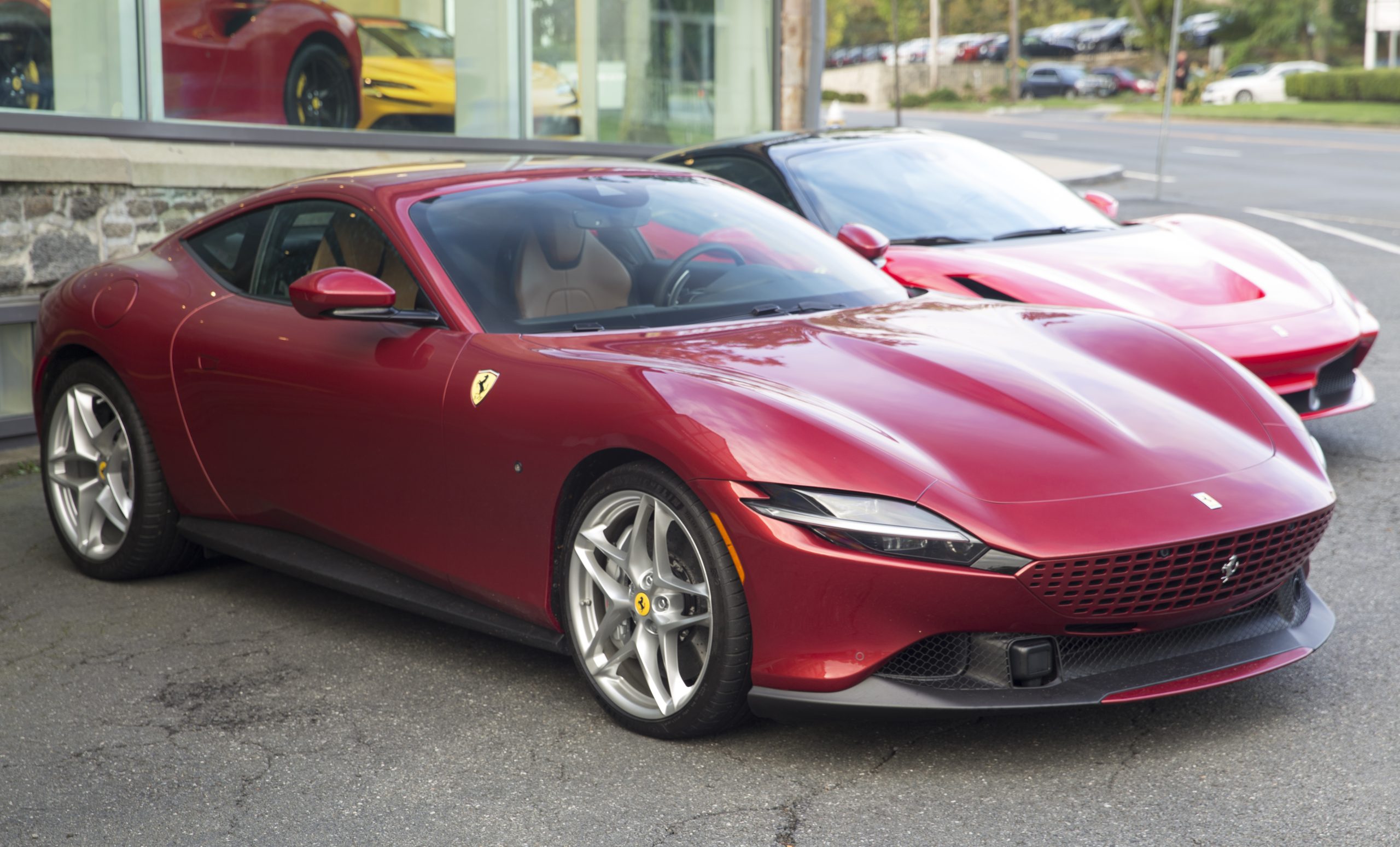
Modern Ferraris, including the 2019-launched Roma, a stunning grand tourer powered by a 612-horsepower twin-turbo V8, feature highly sophisticated 8-speed DCTs. While these units are marvels of efficiency and speed, they lack the visceral, analog engagement of the open-gate shifters that enthusiasts crave.
This divide has fueled a massive surge in collector interest. Used gated-manual Ferraris now command astronomical premiums, often far exceeding their original prices or even the cost of contemporary models.
The market clearly signals that the manual experience has transitioned from standard equipment to a rare, luxury commodity. While Ferrari has experimented with bespoke projects to satisfy exclusive clients, true manual transmissions remain absent from standard production lineups.
The Roma stands as a symbol of this evolution: a brilliant, high-performance machine that represents the peak of modern automated engineering, while simultaneously highlighting the growing divide between raw driver engagement and the seamless, computerized precision that defines the modern automotive world.
Specifications:
- Engine: 3.9-liter twin-turbocharged V8
- Horsepower: 612 hp
- Torque: 561 lb-ft
- Length: 178.7 inches
- Width: 76.3 inches
Also Read: 8 Family Cars That Have Bad Safety Ratings for Back Seats
