
Buying a Toyota Camry feels simple at first. You look at the sticker price and think that’s the number. But that number is only the beginning of the story. The real cost of ownership hides in five years of insurance bills, fuel stops, oil changes, and interest payments.
Toyota’s Camry has long been America’s default midsize sedan. It’s known for reliability, decent fuel economy, and strong resale value compared to rivals.
Yet even a dependable car adds up over time. Depreciation alone can erase thousands of dollars from your investment. Add insurance premiums, routine maintenance, financing interest, taxes, and the occasional repair, and the picture changes fast. Most buyers underestimate this total by a wide margin.
Industry data suggests people guess their annual car costs at roughly $2,500, when the real number often lands closer to $6,700 once everything is counted. That gap is the whole reason this breakdown matters.
The Purchase Price and Depreciation Reality
Depreciation is the single biggest expense of owning any new car. It’s also the one buyers notice least, because it never shows up as a bill. A new 2026 Toyota Camry starts around $29,500.
That’s because Toyota now sells it exclusively as a hybrid, discontinuing the gas-only version after the 2024 model year. Over five years, that Camry loses a substantial chunk of its value. Estimates from Edmunds put five-year depreciation on a base 2026 model near $12,500.
Kelley Blue Book’s figures land in a similar range. They estimate roughly $12,100 in depreciation over the same five-year window, with a residual value around $18,400.
CarEdge’s numbers run a bit higher across their broader sample. Their estimate places five-year depreciation closer to $14,300 on a typically equipped Camry.
The pattern across every source is consistent. Most of that value loss happens fast, then slows down. Cars lose the most value in their first two to three years. After that point, depreciation tapers off considerably.
This matters because timing your purchase changes your math. Buying a one or two-year-old used Camry can dodge the steepest depreciation curve entirely.
A good example comes from comparing a 2022 Camry to a new 2026 model. The older car, bought used, already absorbed its worst depreciation hit.
That 2022 Camry, which sold new for about $26,000, now trades for $21,000 to $23,000 on used lots. That’s a relatively gentle decline for a four-year-old vehicle.
Trim level and drivetrain choice shift this number somewhat. A more heavily optioned Camry starts higher and typically depreciates by a larger dollar amount, even if the percentage stays similar. The takeaway here is straightforward. Depreciation alone can represent close to a third of your total five-year ownership cost.
Running Costs: Insurance, Fuel, and Maintenance
Depreciation happens quietly in the background. Running costs, by contrast, hit your wallet regularly and are easier to track. Insurance is usually the second-largest expense after depreciation. It also varies more than almost any other category based on your personal situation.
National averages put annual Camry insurance somewhere between $2,000 and $2,400 per year for a typical driver profile. Over five years, that adds up to roughly $10,000 to $12,000 in premiums.
Some estimates run notably higher depending on driver age and location. One source cited an annual premium near $18,295, which shows just how wide this range can swing.
Your age, credit history, driving record, and even your zip code all shape this number heavily. A 40-year-old driver with a clean record and good credit will pay far less than a 22-year-old with a recent accident.
Location matters just as much as personal history. Urban areas with higher accident and theft rates routinely carry noticeably higher premiums than rural or suburban zones.
Shopping around before you buy is genuinely worth the effort here. Insurance costs can differ by thousands of dollars between carriers for identical coverage on the same car.
Fuel costs come next, and this is where the Camry’s hybrid-only lineup pays off. The current model delivers combined fuel economy in the high 40s to low 50s miles per gallon.
A front-wheel-drive Camry LE reportedly hits 52 city, 49 highway, and 51 combined miles per gallon. That’s genuinely impressive for a midsize sedan.
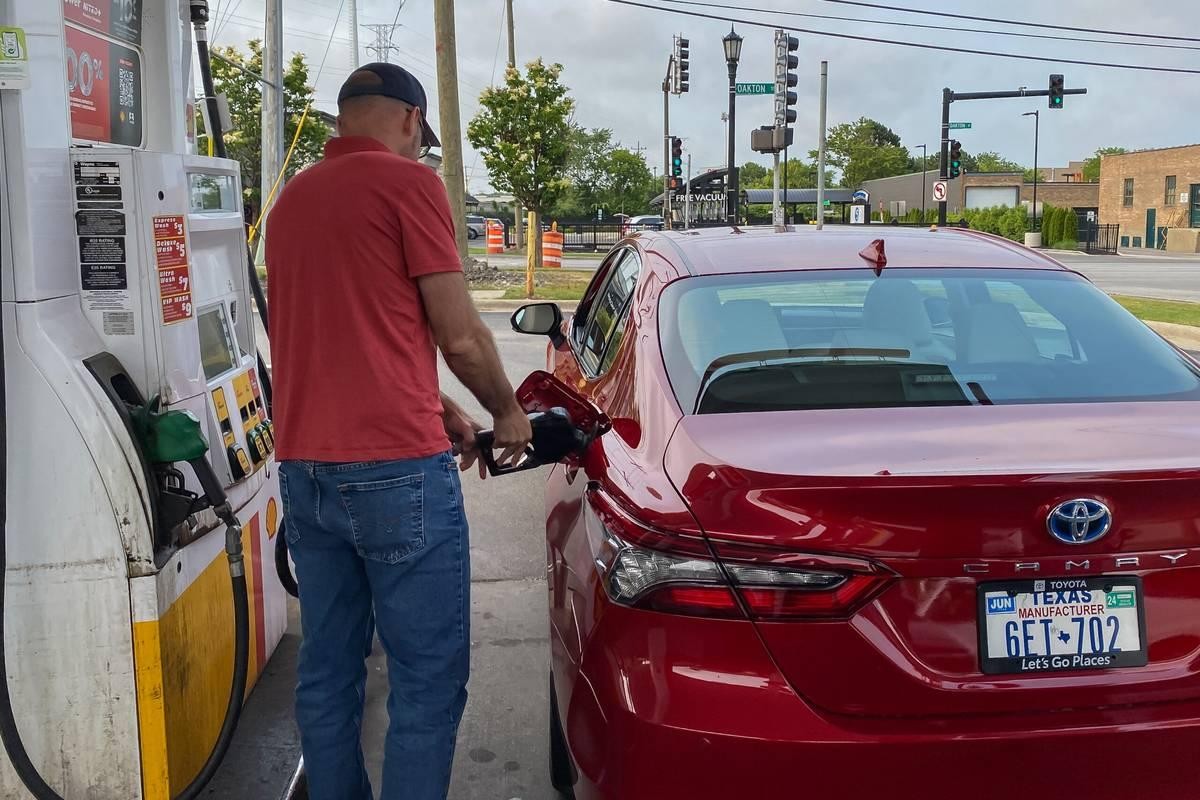
At that efficiency, annual fuel costs for the LE trim run around $950. The all-wheel-drive XSE trim comes in at just slightly higher, near $1,050 per year.
Over five years, that translates to roughly $4,750 to $5,250 spent purely on fuel. Compare that to an older gas-only Camry averaging around 28 miles per gallon, and the hybrid’s advantage becomes obvious.
One detailed comparison found nearly $3,800 in fuel savings over five years when switching from a 28 mpg gas Camry to the 47 mpg hybrid. That’s a meaningful chunk of the price difference between used and new models.
Maintenance rounds out this category, and it’s where the Camry’s reputation truly shines. Toyota has built decades of trust around low maintenance demands and dependable parts.
Estimates for five-year maintenance costs cluster between $3,200 and $6,600, depending on the source and driving conditions. Kelley Blue Book puts the number around $6,600, while Edmunds estimates closer to $3,600.
CarEdge’s figure sits lower still, near $1,500 for combined maintenance and repairs. The spread exists because “maintenance” gets defined differently across these calculators.
Scheduled maintenance covers the predictable stuff. Oil changes, tire rotations, filter swaps, and fluid checks all fall into this bucket at regular mileage intervals.
Unscheduled maintenance covers wear items you can’t fully predict. Brakes, batteries, wiper blades, and tires eventually need replacing regardless of how well you maintain the car.
Hybrid components add a small wrinkle here, worth mentioning. Regenerative braking actually reduces brake wear over time, which can lower costs slightly compared to a traditional gas engine.
The one long-term concern with any hybrid is battery replacement. Modern replacement batteries have gotten considerably cheaper, but this remains one of the pricier maintenance jobs a hybrid owner might eventually face.
For a car still within its warranty period, this risk stays mostly theoretical. Toyota’s warranty coverage protects most major components for the first several years of ownership.
Repair costs, separate from routine maintenance, tend to stay remarkably low on the Camry. Edmunds estimates just $683 to $773 in unexpected repairs over five years for a new model.
That low figure reflects the Camry’s engineering reputation directly. Fewer surprise breakdowns mean fewer unplanned trips to the shop. Adding insurance, fuel, and maintenance together paints a clear picture. These three categories combined typically run between $18,000 and $24,000 over five years, depending on your specific circumstances.
That’s a wide range, but it’s also the most controllable part of ownership. Your driving habits, location, and how well you maintain the car all shift these numbers directly.
Financing, Taxes, and the Real Five-Year Total
Financing costs get overlooked constantly, yet they can add thousands to your total. Almost nobody pays cash for a new Camry outright. Most calculators assume a standard loan structure to estimate this cost. A common assumption uses a 10% to 20% down payment with a 60 to 72-month loan term.
Under these assumptions, five-year financing costs typically range from $5,400 to $6,400. That number climbs or falls based on your credit score and the prevailing interest rate at the time of purchase.
Buyers with excellent credit secure noticeably better rates than those with average or poor credit. A one or two-point difference in your APR can shift the total interest paid by over a thousand dollars across a loan term.
Making a larger down payment reduces this cost directly. So does choosing a shorter loan term, even though it raises your monthly payment. Taxes and fees add another layer that buyers often forget to budget for. These typically run between $3,600 and $4,000 over five years, covering sales tax, registration, and title fees.
This category varies enormously by state. Some states charge no sales tax on vehicle purchases, while others charge close to 8% or more. Now let’s assemble the full five-year picture using the most consistent industry estimates. Depreciation contributes around $12,000 to $14,000, the single largest line item.

Insurance adds roughly $7,600 to $10,000 across the same period. Fuel costs land near $5,000 given the hybrid’s strong efficiency numbers. Maintenance contributes somewhere between $3,600 and $6,600, depending on the source used. Repairs stay low, typically under $800 for a new model still under warranty.
Financing interest adds another $5,400 to $6,400 if you take out a typical loan. Taxes and fees round things out at roughly $3,600 to $4,000. Adding these categories together produces a total five-year ownership cost. Depending on the exact assumptions used, that number lands somewhere between $34,000 and $46,000.
Edmunds’ own calculator for the 2026 model puts the total near $39,500 when every category is combined. Kelley Blue Book’s estimate comes in slightly higher, around $46,900, once out-of-pocket expenses and depreciation are added together.
CarEdge’s broader dataset estimates closer to $34,300 for the same five-year span. The differences between these figures come down to methodology, driver assumptions, and regional cost variables.
The used car does carry hidden risks that these calculators don’t always capture well. Vehicles crossing 80,000 to 100,000 miles often need timing service, transmission fluid changes, or suspension work.
These deferred maintenance items can add $2,000 to $4,000 in years three through five of ownership. Most buyers never model this cost until the bill actually arrives.
A new Camry under full warranty largely sidesteps this specific risk. Toyota’s proven hybrid drivetrain has demonstrated reliability well past 200,000 miles in fleet use worldwide, according to reliability data cited by multiple outlets.
So what should you actually expect to pay? For a new 2026 Camry, budgeting for a total five-year cost between $35,000 and $45,000 is realistic for most drivers.
That figure sits on top of your initial purchase price, not in addition to some separate accounting. It already includes the value you lose through depreciation.
Your personal number will shift based on where you live, your credit profile, and your driving record. Insurance alone can vary by thousands of dollars between two otherwise identical buyers.
The clearest lesson from all this data is simple. The sticker price is never the real price, and ownership costs deserve just as much research as the car itself.
Also Read: 10 Luxury Sedans That Become Bargains at Three Years Old
