
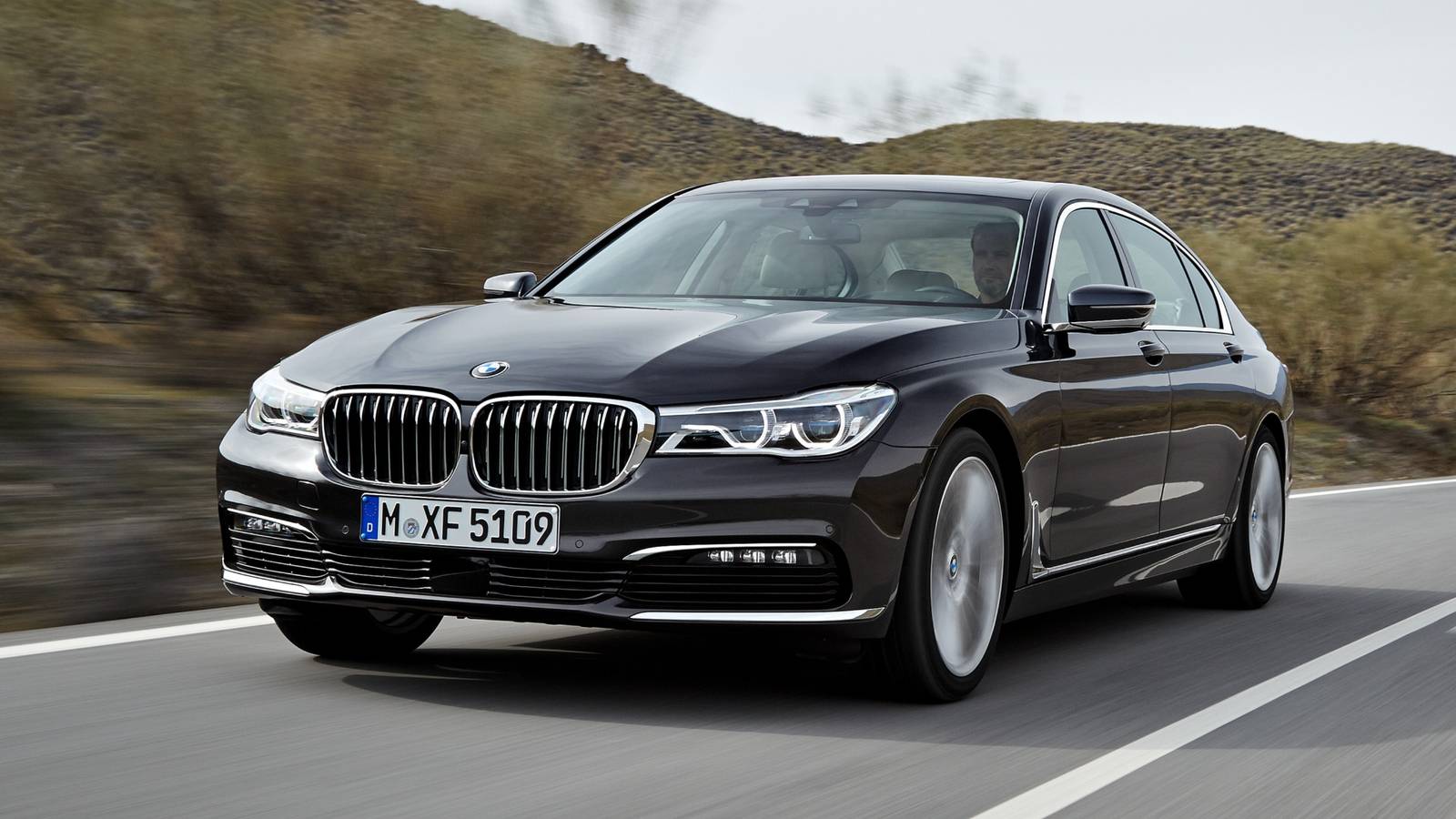
Luxury sedans lose value faster than almost any other vehicle category. The reason is simple economics. Buyers pay a massive premium for cutting-edge tech, brand badges, and first-owner bragging rights.
That premium evaporates fast. Once the newest model replaces it, the three-year-old car becomes “outdated” in showroom terms. It isn’t outdated to drive.
Industry data from CarEdge, iSeeCars, and Kelley Blue Book consistently show luxury sedans losing 40 to 65 percent of their value in just three years. Compare that to the industry average of roughly 38 percent over five years. It’s a dramatically steeper curve.
This works entirely in favor of the used buyer. A car that cost $90,000 new can be had for $40,000 with two-thirds of its useful life remaining. You get the same V8 growl, the same massaging seats, the same 8K displays.
Below are ten luxury sedans where this math plays out most dramatically. Each one combines real depreciation data with genuine engineering credentials. These aren’t just “cheap used luxury cars.” They are specific models with specific reasons buyers should pay attention.
1. BMW 7 Series
The 7 Series is BMW’s flagship, and it depreciates like one. Industry data pegs its five-year depreciation near 62 percent, among the worst in the segment.
The 2023 redesign made things worse for early owners. It is packed with a 31.3-inch 8K theater screen and reinvents the cabin around tech that ages fast in resale terms.
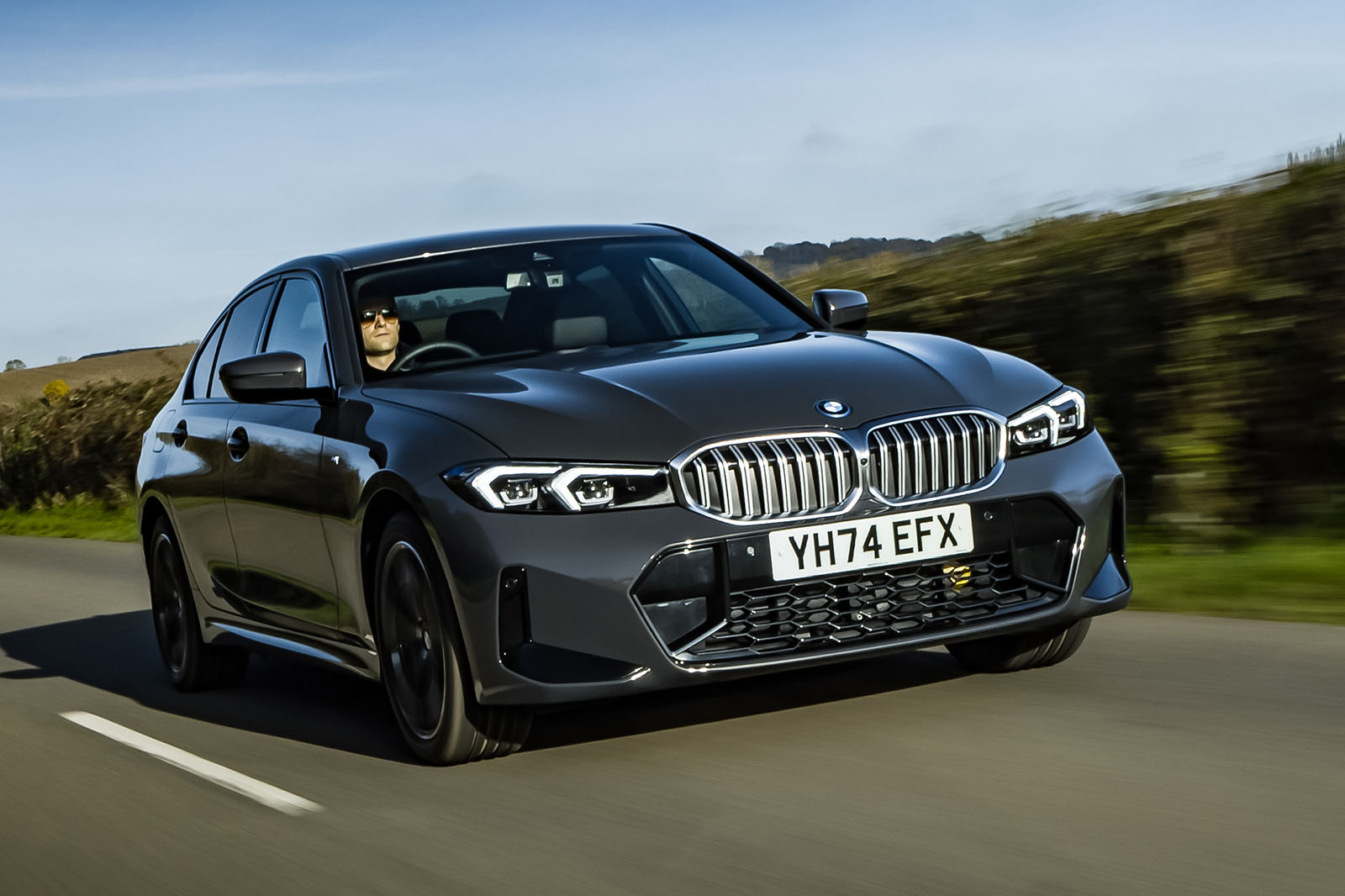
That’s good news for a buyer three years later. The base 740i uses a turbocharged 3.0-liter inline-six making 375 horsepower. The 760i xDrive steps up to a twin-turbo 4.4-liter V8 producing 536 horsepower. Both pair with an 8-speed automatic and BMW’s signature rear-biased chassis tuning.
This generation grew substantially over its predecessor. It’s now 5.1 inches longer and 1.9 inches wider, giving rear passengers limousine-like space.
A used 740i buyer inherits massaging seats, rear-seat entertainment, and Bowers & Wilkins audio. None of that stopped depreciating just because the badge is German.
Specifications (740i):
- Engine: Turbocharged 3.0L Inline-6
- Horsepower: 375 hp @ 5,200 rpm
- Torque: 383 lb-ft
- Length: 212.2 in
- Width: 76.8 in
2. Mercedes-Benz S-Class
The S-Class defines the segment it competes in. Every generation introduces safety and infotainment tech that trickles down to cheaper Mercedes models years later.
That first-mover status is exactly why it depreciates hard. Buyers pay dearly to be first, then the tech becomes standard elsewhere. The current W223-generation S500 uses a 3.0-liter turbocharged inline-six with mild-hybrid assistance. It produces 429 horsepower and 384 lb-ft of torque through 4MATIC all-wheel drive.
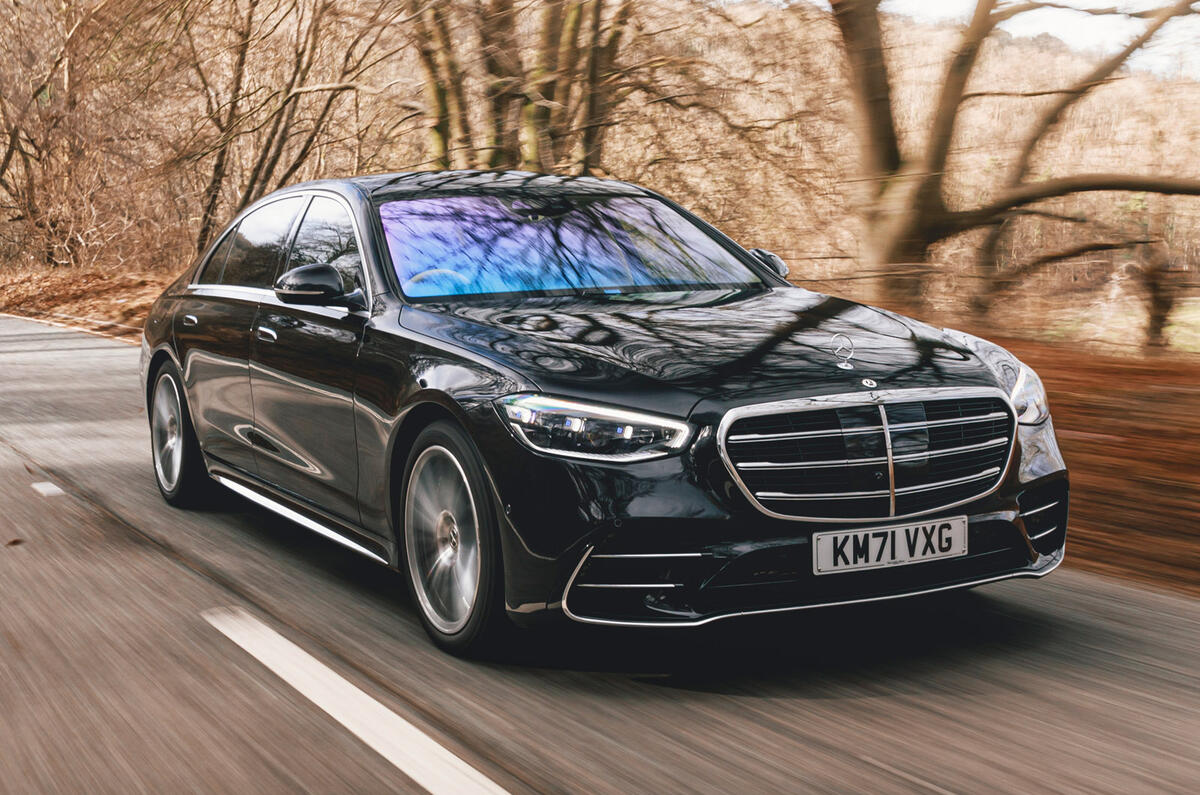
Step up to the S580, and you get a twin-turbo 4.0-liter V8. That configuration makes 496 horsepower and 516 lb-ft of torque. Inside, Mercedes fits a 12.3-inch digital cluster, MBUX voice assistant, and available rear-seat touchscreens. A used example three years old still feels genuinely futuristic.
Ride comfort remains the S-Class’s calling card. The E-Active Body Control suspension can even lean the car into corners like a motorcycle. Depreciation here tracks close to the luxury-sedan average of 48 percent over five years. At the three-year mark, six-figure option packages become attainable for half that.
Specifications:
- Engine: Turbocharged 3.0L Inline-6, Mild-Hybrid
- Horsepower: 429 hp
- Torque: 384 lb-ft
- Length: 208.6 in
- Width: 76.9 in
3. Genesis G90
The G90 depreciates almost as hard as its German rivals, despite costing considerably less to insure and maintain. CarEdge data shows a 2023 G90 losing roughly 49 percent of its value in just three years.
That’s a $44,000 drop from an original sticker near $90,000. Few full-size sedans anywhere fall that fast, that quickly. Genesis still hasn’t built the brand cachet of BMW or Mercedes in North America. That’s precisely why used buyers benefit; the car outperforms its reputation.
Power comes from a 3.5-liter twin-turbocharged V6 making 375 horsepower and 391 lb-ft of torque. An electric supercharger variant bumps that to 409 horsepower.
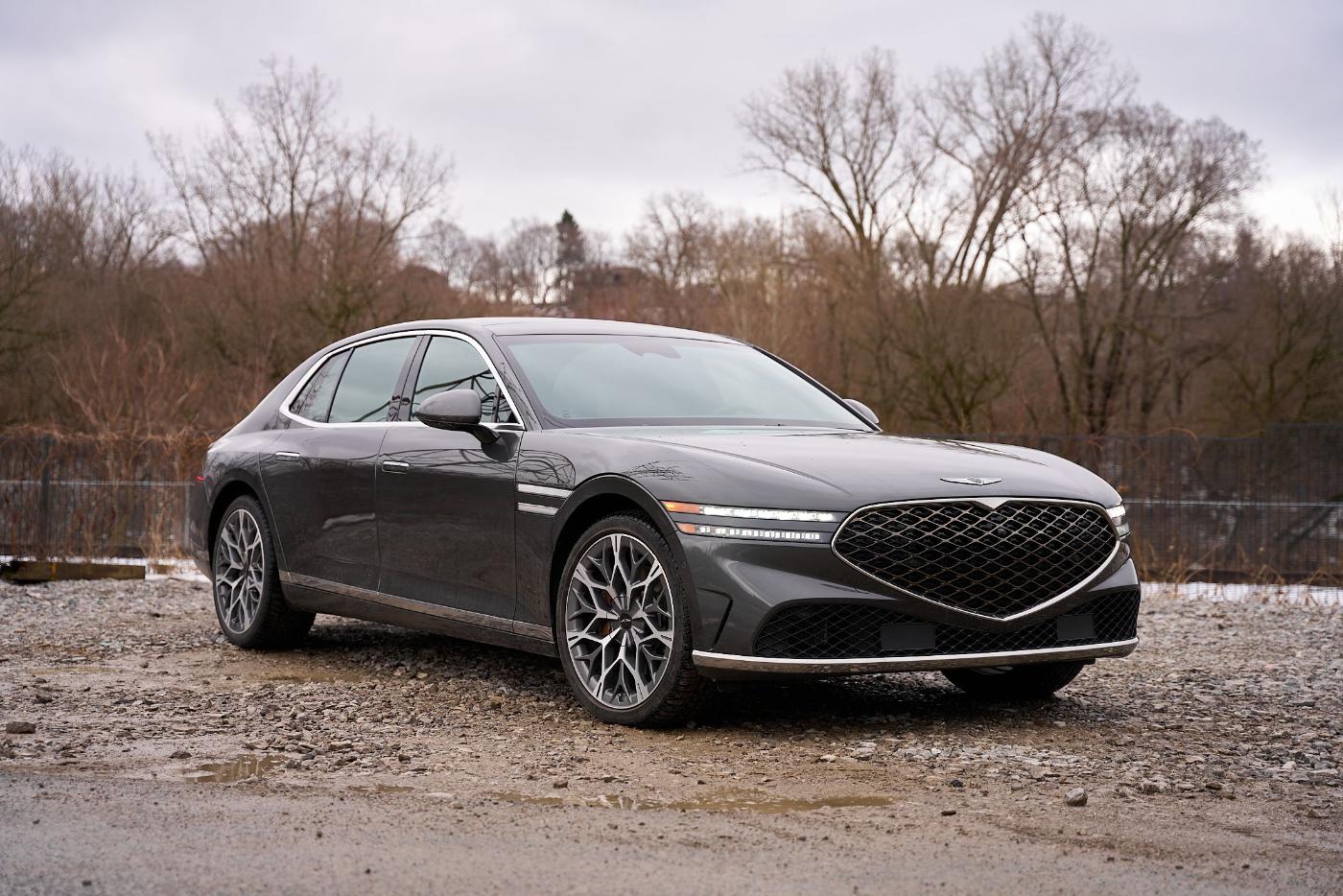
Every G90 runs an 8-speed automatic and standard all-wheel drive. Rear-wheel steering shrinks the turning radius despite the car’s imposing size.
The cabin rivals anything from Stuttgart or Munich. A 26-speaker Bang & Olufsen system and reclining rear massage seats come standard on upper trims.
Genesis also backs every vehicle with a 10-year, 100,000-mile powertrain warranty. That warranty often transfers to second owners, softening the usual used-luxury risk.
Specifications (3.5T):
- Engine: Twin-Turbocharged 3.5L V6
- Horsepower: 375 hp @ 5,800 rpm
- Torque: 391 lb-ft
- Length: 207.7 in
- Width: 76.8 in
4. Jaguar XF
Jaguar’s mid-size sedan depreciates roughly 40 to 44 percent within its first two to three years. Kelley Blue Book data shows a 2024 XF is already down 44 percent after just two years on the road.
Jaguar’s smaller dealer network and shakier long-term reliability reputation drag resale values down. Buyers pay a “British tax” in reverse once the car is used.
The base P250 trim uses a turbocharged 2.0-liter four-cylinder. It makes 246 horsepower and 269 lb-ft of torque, enough for a 6.5-second sprint to 60 mph.
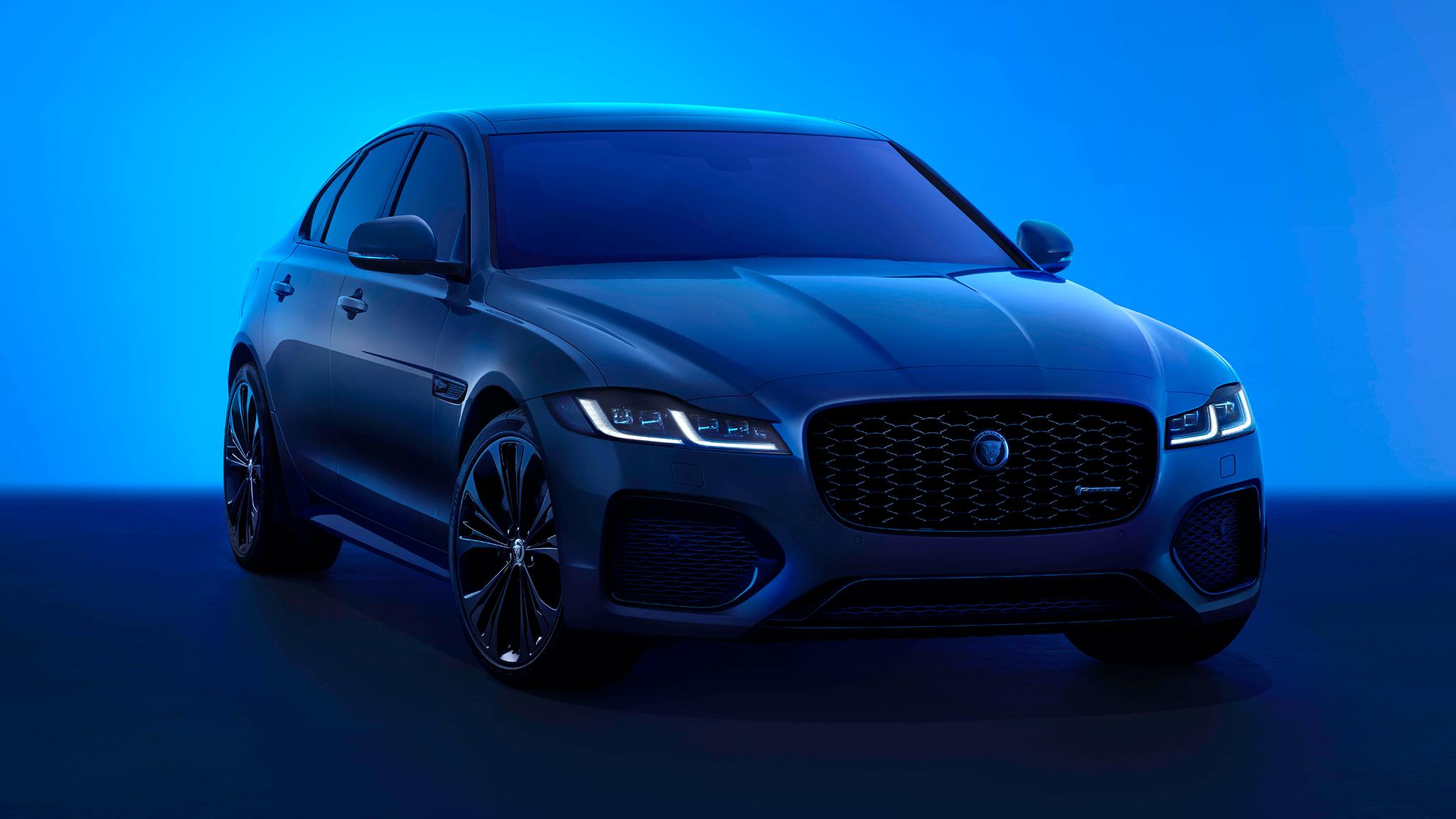
The P300 shares that engine block but adds output, reaching 296 horsepower in most markets. Every XF pairs with an 8-speed automatic transmission.
Jaguar’s chassis tuning remains a genuine strength. Steering feel and suspension compliance still outclass most German rivals in this bracket. Meridian audio comes standard across the lineup, a rarity at this price point.
A heated steering wheel and adaptive cruise are now standard equipment, too. At three years old, an XF undercuts a comparable BMW 5 Series or Audi A6 substantially. You get a genuinely distinctive design at a discount.
Specifications (P250):
- Engine: Turbocharged 2.0L Inline-4
- Horsepower: 246 hp
- Torque: 269 lb-ft
- Length: 195.6 in
- Width: 74.4 in
Also Read: How Many Miles the Average American Drives Per Year by States
5. Audi A8
The A8 sits just below average luxury-sedan depreciation, hovering closer to 40 percent over three years per CarEdge comparison data. It’s still steep in absolute dollar terms given its six-figure ceiling.
Audi’s understated design philosophy works against resale value, ironically. The A8 looks similar generation to generation, so buyers don’t chase “the latest look” the way they do with flashier rivals.
The U.S.-spec A8 uses a turbocharged 3.0-liter V6 producing 335 horsepower. Torque comes in at 369 lb-ft, delivered through Quattro all-wheel drive standard.
Every A8 pairs that engine with a smooth-shifting 8-speed Tiptronic automatic. The long-wheelbase A8 L adds rear legroom that rivals a chauffeured limousine.
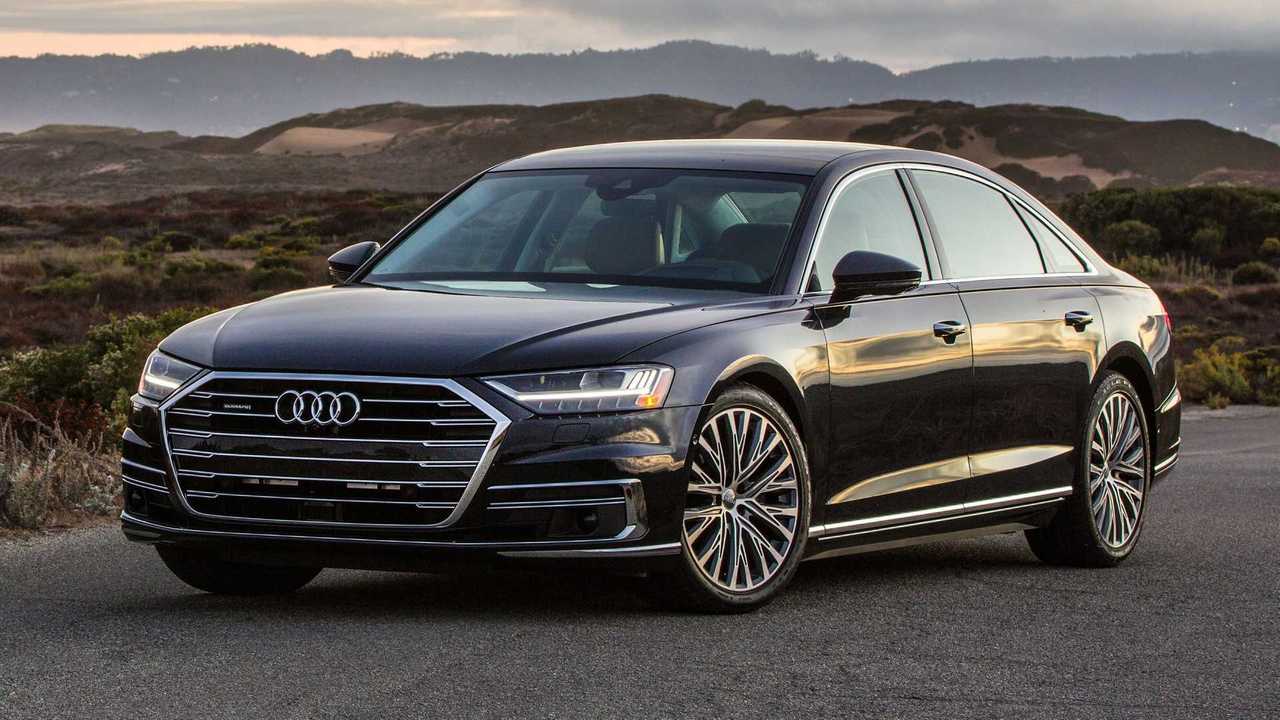
Interior tech includes dual touchscreens replacing most physical buttons. Predictive air suspension reads the road ahead and adjusts damping before you feel a bump.
Audi’s Matrix LED headlights and a 730-watt Bang & Olufsen 3D sound system round out the flagship feel. None of these features age in three years the way a phone does.
Reliability data on the A8 remains mixed, particularly around air suspension components. Buyers should budget for a pre-purchase inspection given the car’s complexity.
Specifications (A8 60 TFSI):
- Engine: Turbocharged 3.0L V6
- Horsepower: 335 hp @ 5,000 rpm
- Torque: 369 lb-ft
- Length: 208.0 in
- Width: 76.3 in
6. Maserati Quattroporte
No luxury sedan depreciates faster than the Quattroporte. iSeeCars data crowns it the single worst five-year depreciator among luxury sedans, at roughly 64.5 percent.
That’s an average loss of nearly $90,600 off the original sticker. Even the notoriously fast-depreciating BMW 7 Series, at 61.8 percent, trails behind it. The upside for used buyers is enormous. A 2022 Quattroporte GT with a $100,395 original MSRP now trades around $40,900, per KBB data.
Every Quattroporte uses Ferrari-derived engines, a rare pedigree at this price. The base GT trim runs a twin-turbo V6 built on Maranello’s assembly know-how.
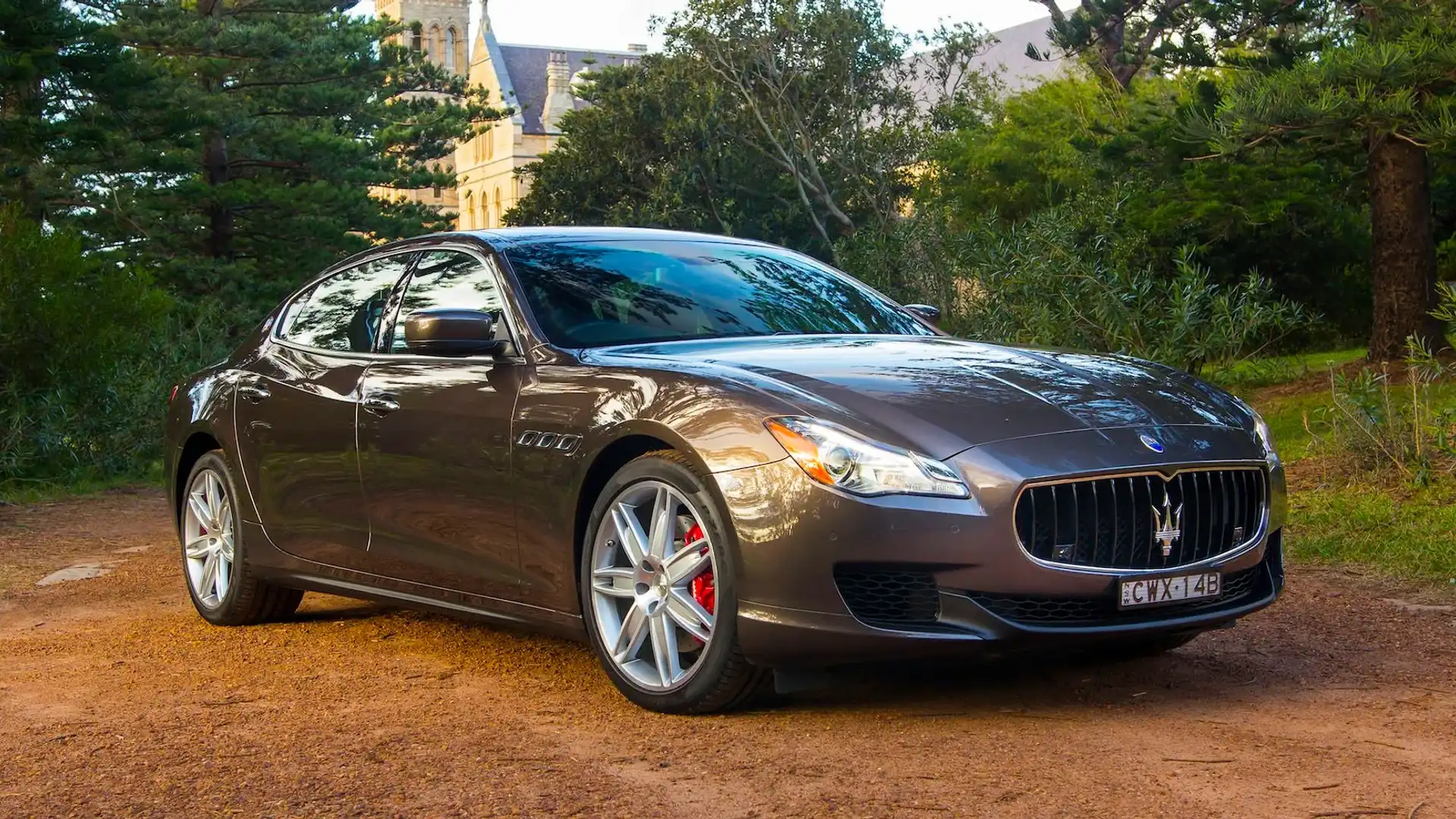
The range-topping Trofeo swaps in a 580-horsepower twin-turbo V8. A Corsa drive mode unlocks the sedan’s full aggression on demand. Interior quality doesn’t quite match German or British rivals at this price. That’s part of why it depreciates so hard, but it’s also why the used discount is so extreme.
Skyhook adaptive suspension keeps the ride composed despite the car’s sporting intentions. For buyers chasing something genuinely different from the usual German trio, this is the play.
Specifications:
- Engine: Twin-Turbocharged 3.8L V8
- Horsepower: 580 hp
- Torque: 538 lb-ft
- Length: 207.1 in
- Width: 76.7 in
7. Cadillac CT5
The CT5 depreciates hard for a distinctly American reason. Cadillac’s brand positioning still struggles against German and Japanese luxury rivals in resale markets.
That drags private-party and trade-in values down faster than the car’s actual quality would suggest. It’s genuinely competitive against its rivals dynamically and technologically.
The base CT5 uses a turbocharged 2.0-liter four-cylinder, making 237 horsepower. Torque lands at 258 lb-ft, sent through a 10-speed automatic transmission.
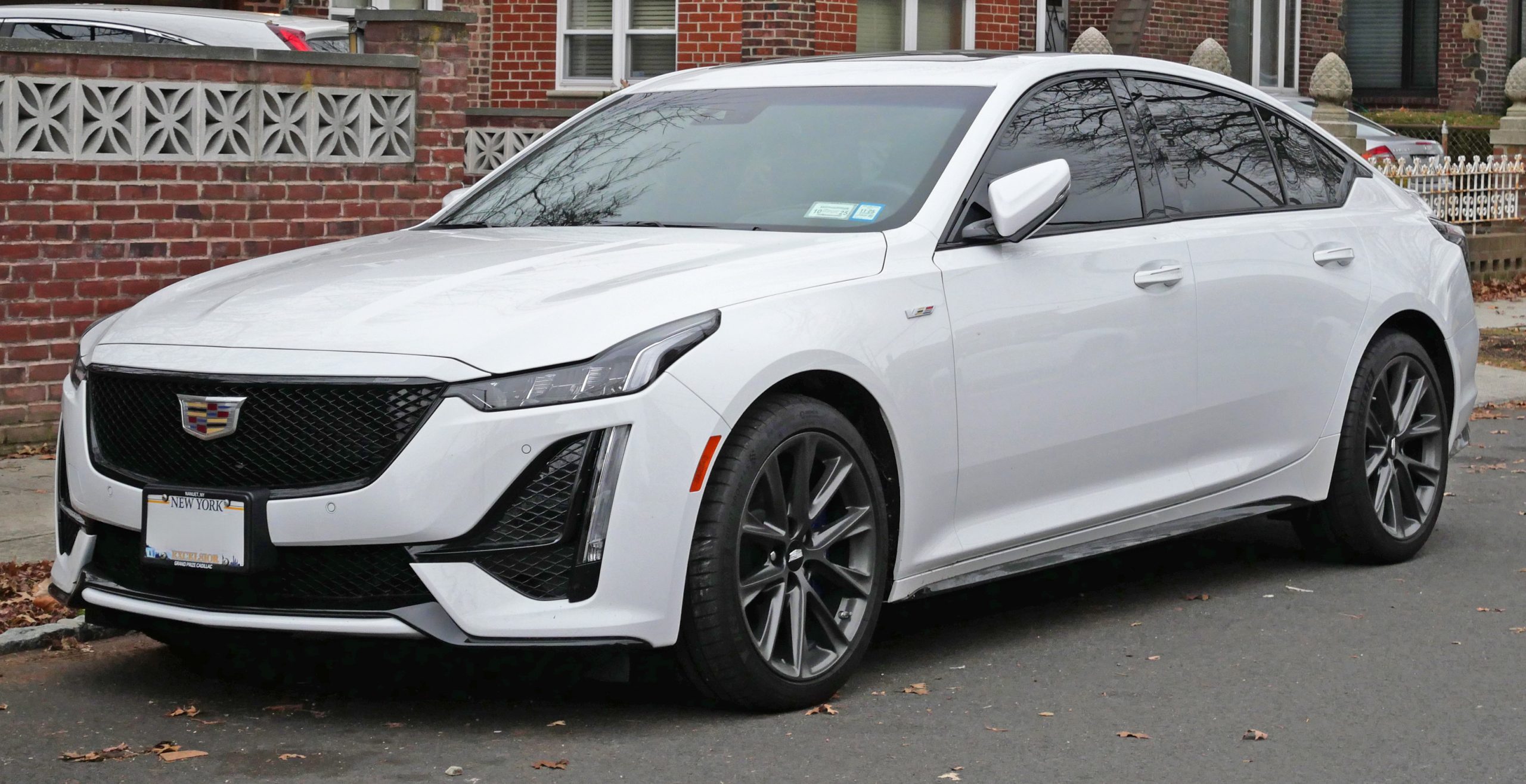
Opt for the Premium Luxury or Sport trim, and Cadillac offers a twin-turbo 3.0-liter V6. That engine makes 335 horsepower and 405 lb-ft of torque.
The CT5-V pushes further, extracting 360 horsepower from the same V6 block. Cadillac’s Super Cruise hands-free driving system is available on upper trims, a genuine tech advantage.
Magnetic Ride Control, borrowed from Cadillac’s V-Series performance heritage, sharpens handling noticeably. It reads road surfaces a thousand times per second and adjusts damping instantly.
A used CT5, three years old, typically undercuts a comparable BMW 3 Series or Audi A4 significantly. Buyers get more standard power for meaningfully less money.
Specifications:
- Engine: Twin-Turbocharged 3.0L V6
- Horsepower: 335 hp
- Torque: 405 lb-ft
- Length: 193.8 in
- Width: 74.1 in
8. Lincoln Continental
The Continental is discontinued, which paradoxically makes it a smarter used buy. Production ended after the 2020 model year, removing any risk of chasing a moving target.
Depreciation on discontinued luxury models tends to accelerate once buyers realize no successor is coming. Lincoln dealers stopped pushing incentives, and resale values fell accordingly.
Three engine choices existed across the lineup. The base is a naturally aspirated 3.7-liter V6 making 305 horsepower and 280 lb-ft of torque. A twin-turbo 2.7-liter V6 option produced 335 horsepower. The range-topping twin-turbo 3.0-liter V6 delivered 400 horsepower and 400 lb-ft of torque.
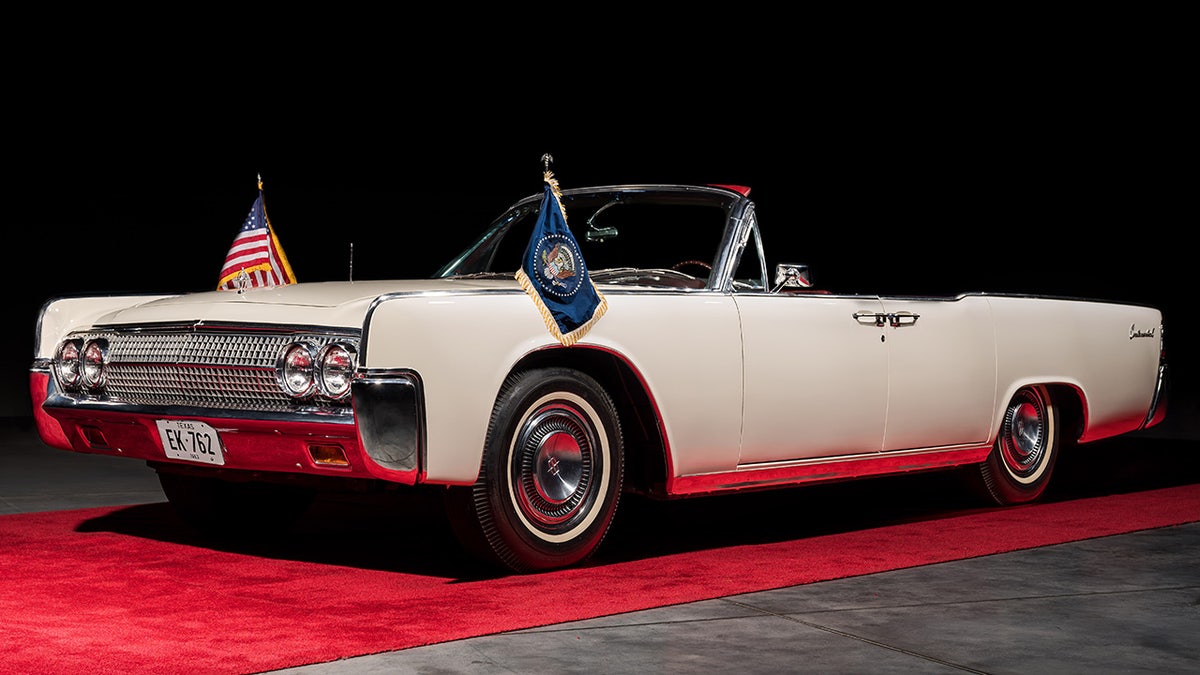
Every Continental stretched past 200 inches in length, prioritizing rear-seat space above all else. The Black Label trim added 30-way adjustable “Perfect Position” seats with massage functions.
Concierge services came bundled with Black Label ownership, too, though those benefits don’t transfer to second owners. The car’s soft, quiet ride remains its enduring strength.
A used Continental now competes on price with mainstream mid-size sedans. For buyers who want old-school American luxury without German complexity, it’s a genuine sleeper.
Specifications:
- Engine: Twin-Turbocharged 3.0L V6
- Horsepower: 400 hp
- Torque: 400 lb-ft
- Length: 201.4 in
- Width: 79.0 in
9. Alfa Romeo Giulia
The Giulia depreciates around 56 percent over three years, among the steepest drops of any sedan sold in America. Limited sales volume and a reputation for costly upkeep both drag resale figures down hard.
That reputation isn’t entirely fair to how the car drives. Alfa Romeo built the Giulia’s chassis with genuine input from Ferrari and Maserati engineers during development.
The base engine is a turbocharged 2.0-liter four-cylinder producing 280 horsepower. Torque comes in at 306 lb-ft, sent through a standard 8-speed automatic.
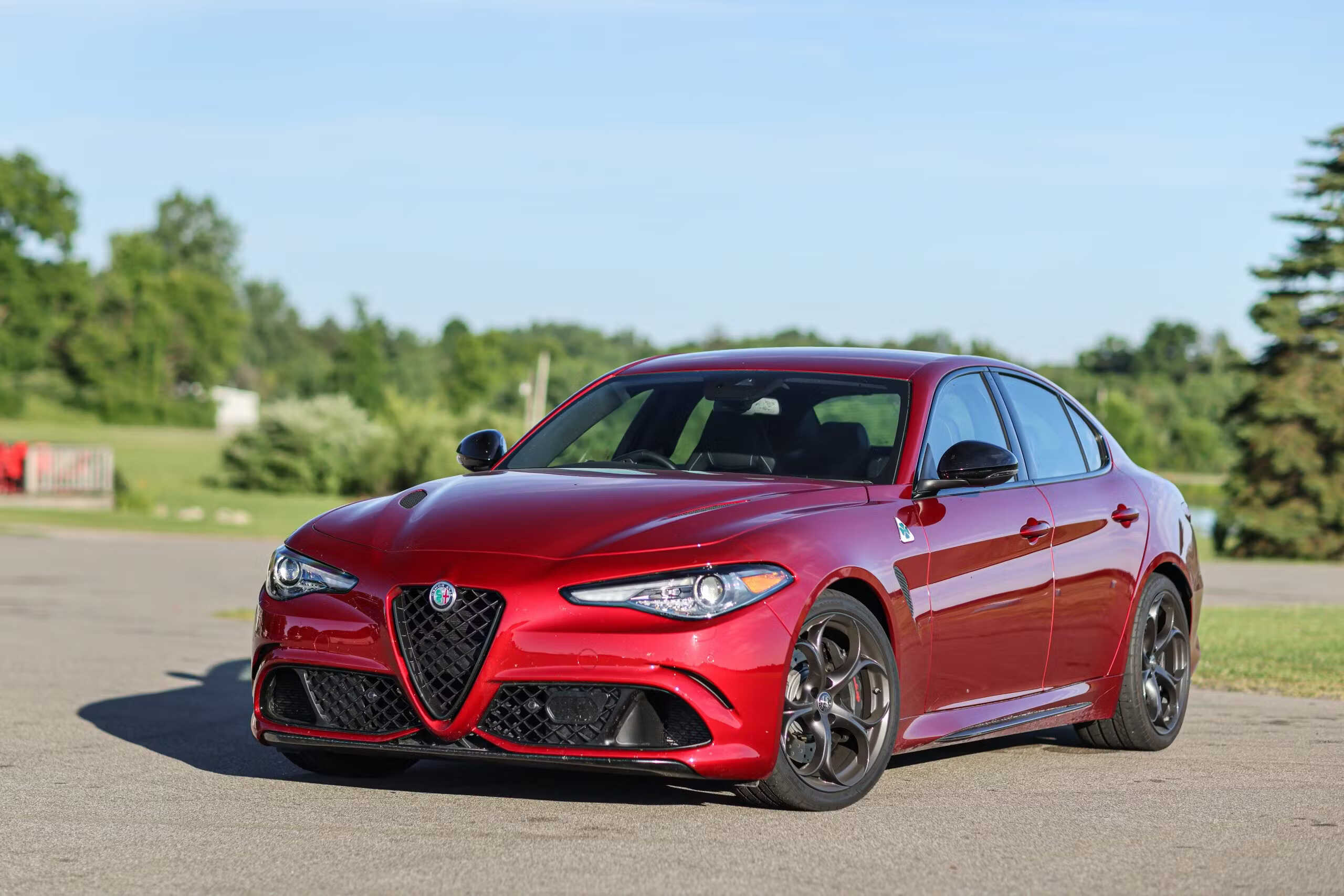
The Quadrifoglio trim swaps in a twin-turbocharged 2.9-liter V6 making 505 horsepower. That engine reaches 60 mph in just 3.8 seconds, a genuinely sports-car number.
A carbon-fiber driveshaft, near-perfect 50/50 weight distribution, and rear-wheel-drive-biased setup define the driving experience. Few sedans at any price feel this alive through a corner.
Interior fit and finish lag behind German rivals somewhat. That gap is exactly why depreciation runs so steep and why used pricing looks so appealing.
Buyers should budget for maintenance regardless of purchase price. Italian mechanics reward enthusiasts more than they reward penny-pinchers.
Specifications:
- Engine: Twin-Turbocharged 2.9L V6
- Horsepower: 505 hp @ 6,500 rpm
- Torque: 443 lb-ft
- Length: 182.8 in
- Width: 73.2 in
10. Tesla Model S
The Model S occupies an unusual place in this list. It’s a luxury sedan that depreciates almost like an EV and a tech product simultaneously. Frequent price cuts on new Teslas hammer used-car values industry-wide. When Tesla drops a new Model S sticker price, every existing used one instantly loses equivalent value.
The Long Range trim uses dual electric motors producing a combined output of nearly 670 horsepower. It sprints to 60 mph in roughly 3.1 seconds with genuine everyday usability.
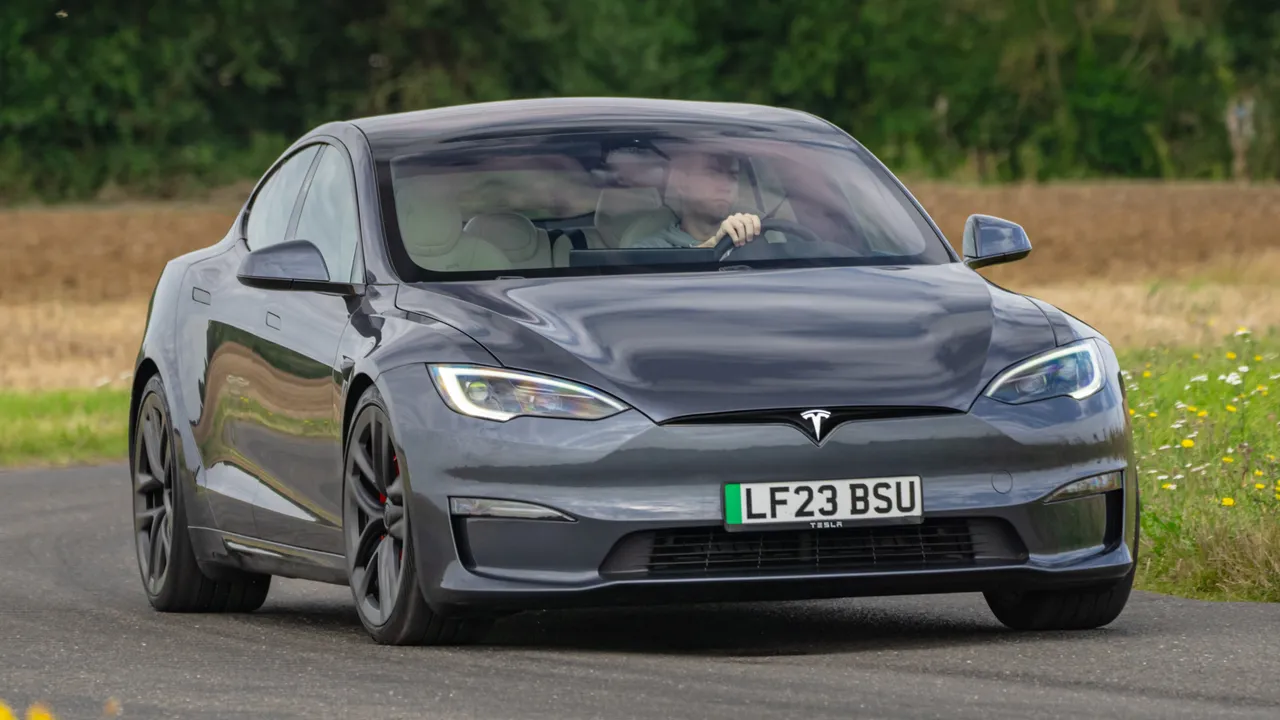
The Plaid variant adds a third motor, reaching 1,020 horsepower total. Tesla claims a sub-2-second 0-60 time with rollout subtracted, among the quickest production numbers ever recorded.
Range on the Long Range trim reaches an EPA-estimated 405 miles. That figure alone still beats most rivals released years later. The minimalist interior, dominated by a 17-inch center touchscreen, ages differently from traditional luxury cabins. Software updates keep adding features long after purchase, something no German rival matches.
A three-year-old Model S can be bought for a fraction of its original price, sometimes under $50,000 for a Long Range example. Battery health checks are essential before buying, but degradation is typically modest this early in ownership.
Specifications:
- Engine: Dual Electric Motors, AWD
- Horsepower: ~670 hp combined
- Torque: N/A (electric, instant delivery)
- Length: 197.7 in
- Width: 77.3 in
Also Read: What Skipping Maintenance Really Costs You at Trade-In
