
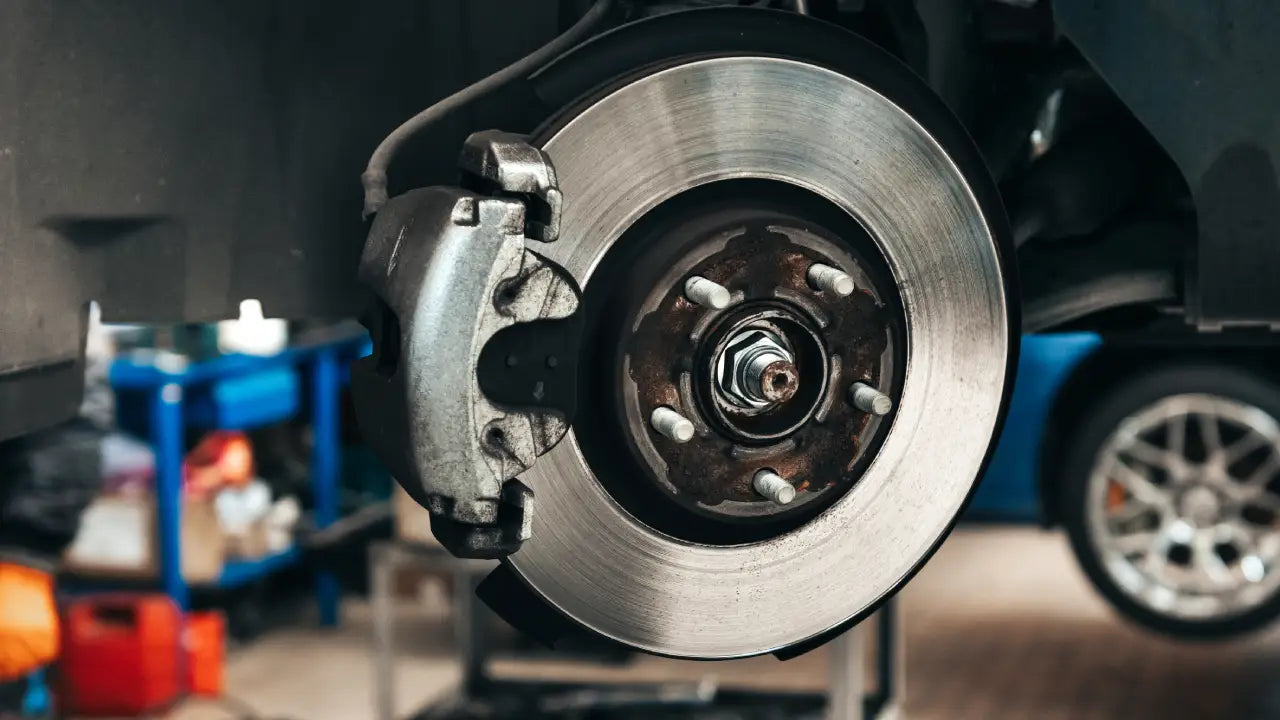
Walk into a performance workshop or browse car forums for a few minutes, and you will hear a common belief repeated again and again. Many drivers think that installing larger brake rotors and bigger calipers automatically shortens stopping distance. At first, it sounds logical. Bigger parts should mean stronger braking power. In reality, braking performance works very differently.
A vehicle stops based on much more than brake size. Tyre grip, road surface, weight transfer, and friction between the tyre and the road all play a bigger role. The tyre’s contact patch is the main factor that determines how quickly a car can come to a stop, not how large the brake rotor looks behind the wheel.
Big brake kits still have value in certain situations. They help manage heat better during repeated hard braking and reduce brake fade in performance driving or heavy-duty use. However, they do not automatically reduce stopping distance in normal driving if tyre grip remains unchanged.
Many drivers spend a lot of money on upgrades that improve appearance more than actual performance. Large brake setups may look impressive, but the real improvement in stopping distance usually comes from better quality tyres and a properly maintained braking system.
Understanding how braking actually works helps prevent unnecessary spending and leads to smarter decisions that genuinely improve safety and control on the road.
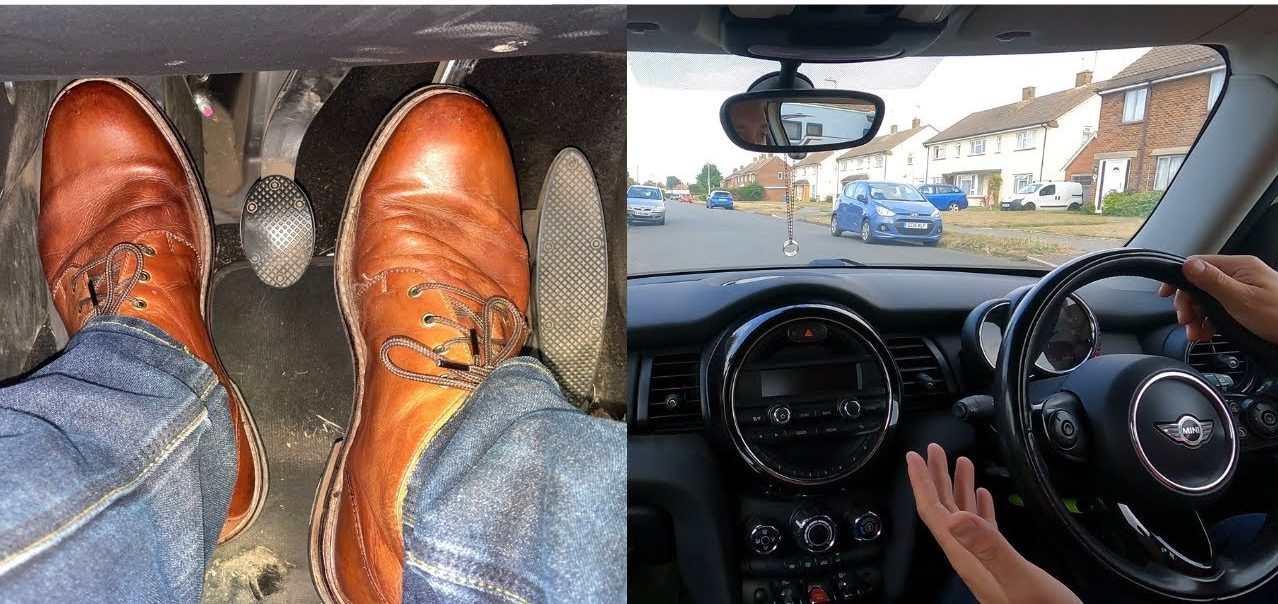
The Physics Behind Stopping Power
Stopping a car comes down to one simple exchange: kinetic energy is converted into heat through friction between your brake pads and rotors. That’s the entire mechanism, and it’s governed by a piece of physics called the coefficient of friction, a number that depends entirely on which materials are rubbing against each other, not how much surface area they cover.
This is the part that surprises most people. A bigger brake pad pressing against a bigger rotor doesn’t generate more friction simply because there’s more material involved. The coefficient of friction stays the same regardless of pad size, which means the actual grip between pad and rotor remains essentially unchanged whether you’re running stock components or an oversized racing kit. What changes with a bigger pad is how that same clamping force gets distributed. Spread across a larger surface, the pressure per square inch drops, but the total friction generated doesn’t meaningfully increase.
Stopping distance depends on how much force can be transferred to the road through your tires, not how large your brake components happen to be. Even the most powerful braking system in existence can only stop a car as quickly as the tires allow before they lose grip and begin sliding. Once you understand that connection, it becomes clear why upgrading rotors and calipers alone rarely changes the numbers that matter most.
None of this means larger brakes are pointless, though. Their real advantage lies elsewhere, specifically in how they manage heat during repeated hard stops, a topic worth its own full explanation. But if your only goal is a shorter emergency stopping distance from highway speed, the rotor and caliper size sitting in your wheel wells isn’t where that improvement comes from.
What Big Brake Kits Are Actually Built For
Racing conditions place demands on a braking system that everyday driving rarely comes close to matching. On a track, brakes are used hard and repeatedly with very little time to cool down between corners. That constant heat buildup is exactly why big brake kits were created in the first place.
Each time a vehicle slows down, kinetic energy is converted into heat. If that heat has nowhere to go, brake performance begins to drop. Larger brake pads and rotors help by providing more material to absorb and spread that heat, allowing the system to stay effective for longer periods of heavy use. This becomes very important in racing, where one overheated braking point can ruin a lap or cause loss of control.
Daily driving is very different. Most road use involves short braking moments, such as stopping at traffic lights or reacting to unexpected situations. These events do not generate the same continuous heat levels seen on a track. Because of that, the advantages of big brake kits are rarely felt in normal street conditions, even though they may look impressive behind aftermarket wheels.
There is also a downside when brakes are pushed beyond their limits. Excessive heat can cause brake pads to glaze, which happens when the material hardens after partially melting. This reduces grip, creates noise, and can lead to vibration during braking. Larger brake systems delay this issue by handling heat better, but that benefit is mainly useful in racing situations rather than everyday driving.
Also Read: 8 Common Driving Mistakes That Kill Brakes Early
Why Wider Tires Change the Equation
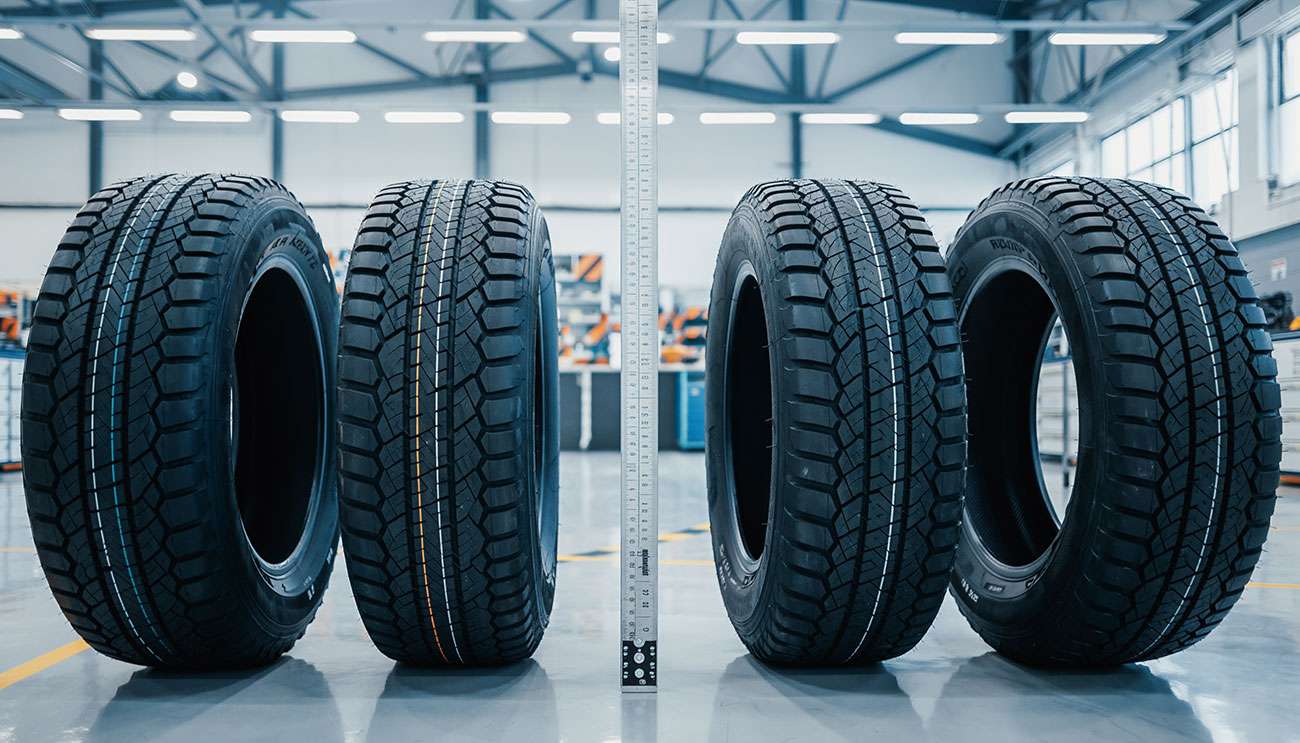
If bigger brakes aren’t the answer to a shorter stopping distance, what actually is? The honest answer points toward your tires, specifically the width of the contact patch connecting rubber to pavement. This is where genuine, measurable stopping distance improvements come from, and it’s a completely different mechanism than anything happening inside your wheel well.
A wider tire creates a larger contact patch against the road surface, giving your car more available grip to work with during hard braking. More grip means your tires can generate greater friction against the pavement before reaching the point of slipping, which directly translates into shorter stopping distances measured in actual feet, not just theoretical improvement.
This comes back to the basic limit of any braking system. A vehicle can only slow down as effectively as its tires can maintain grip with the road. Even brakes that produce enormous stopping force cannot improve performance once the tires lose traction. From that moment, additional braking force no longer shortens the stopping distance. Instead, the wheels are more likely to lock up, and the vehicle will slide across the pavement rather than come to a controlled stop.
Tire compound matters just as much as width here. A soft, grippy performance tire will outperform a harder, longer-lasting all-season tire in emergency braking situations, regardless of what brake components sit behind either wheel. This is precisely why performance driving schools and racing teams treat tire selection as one of the single most important variables affecting lap times and braking performance, often ranking it above brake upgrades entirely.
For anyone genuinely trying to shorten their car’s stopping distance, upgrading to a quality set of wider, grippier tires delivers real, measurable results in a way that swapping rotors and calipers simply doesn’t. It’s a less flashy upgrade, certainly, but it’s the one actually backed by the physics governing how a car interacts with the road beneath it.
Where Bigger Brakes Genuinely Help
None of this means bigger brakes are a waste of money for every driver in every situation. Their real value shows up clearly once you understand exactly what problem they’re solving. Anyone who tracks their car regularly, tows heavy loads, or drives a performance vehicle that sees repeated hard braking will notice genuine benefits from upgraded components, just not the ones marketing materials often imply.
Heat management sits at the center of this benefit. Larger rotors and pads absorb and dissipate heat more effectively than smaller stock components, which means your braking system stays consistent through longer, more demanding sessions instead of fading as temperatures climb. Brake fade, that unsettling feeling of your pedal sinking toward the floor with less stopping response after repeated hard use, becomes far less likely with a properly sized big brake kit installed.
Fade resistance matters enormously for anyone descending a long mountain grade with a loaded trailer behind them or running consecutive laps at a track day event. In both situations, brakes get worked continuously without much recovery time, and a system with more thermal capacity simply holds up better under that kind of sustained demand compared to smaller factory components.
Bigger brakes can also improve consistency and pedal feel during aggressive driving, giving drivers more confidence during repeated hard stops since the system isn’t struggling against accumulated heat the way a stock setup might. This consistency, rather than any single stopping distance number, represents the genuine performance case for upgrading.
So the honest recommendation looks like this: if you’re chasing shorter everyday stopping distances, focus on tires first. If you’re managing sustained heat during towing or track driving, bigger brakes earn their keep.
Also Read: 8 Vehicles With Manual Handbrakes Still Available New
Common Misconceptions Worth Clearing Up
A lot of the confusion around braking systems comes from ideas that sound reasonable but do not hold up once the real mechanics are understood. These misunderstandings are common in car discussions and are a big reason the big brake myth continues to circulate.
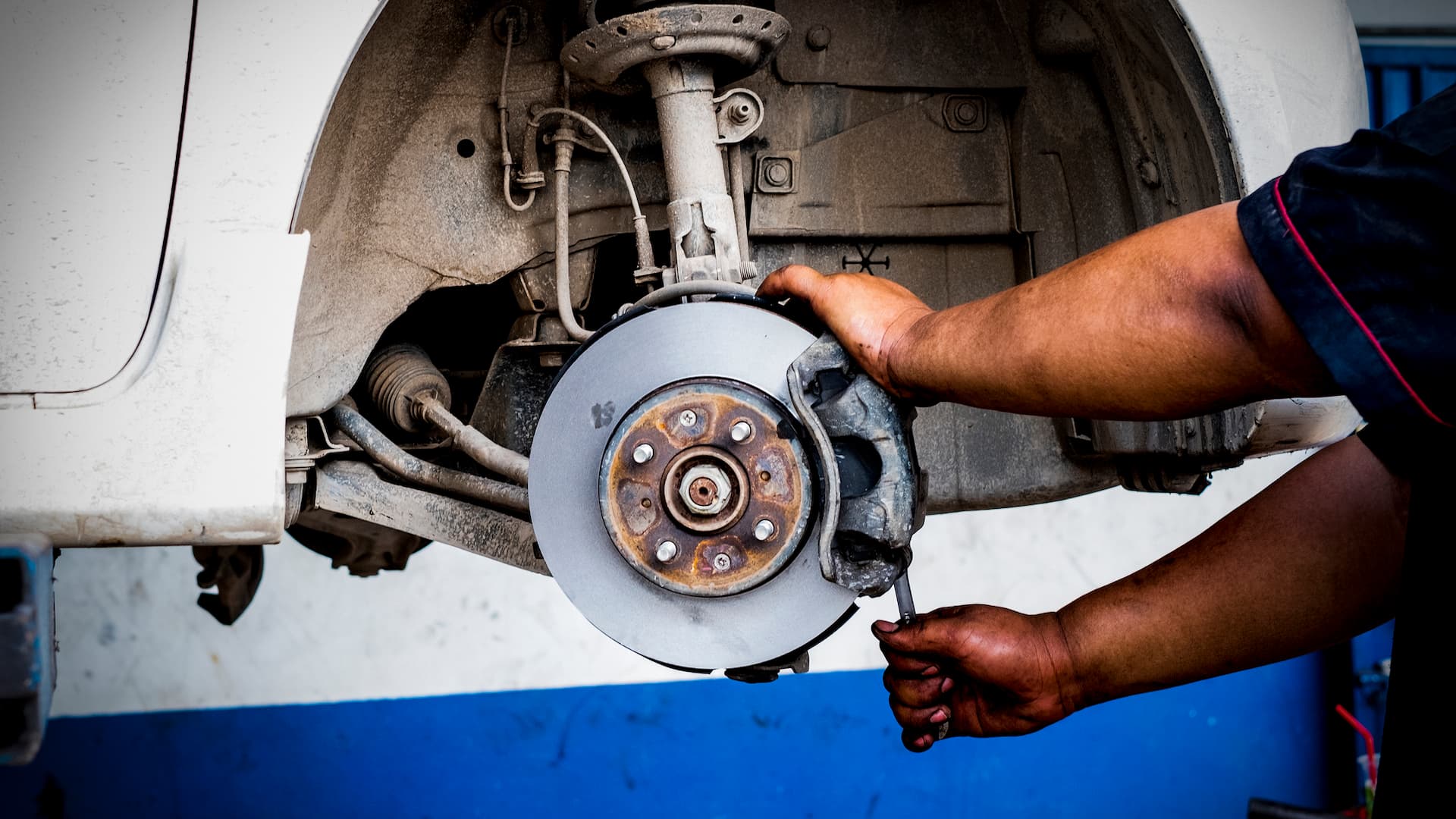
One common belief is that a larger brake pad automatically creates more grip on the rotor. That is not correct. Braking force is not determined by surface area, but by the friction coefficient between the pad and rotor materials. If two brake setups use the same compound, a larger pad does not generate extra stopping force. It only spreads the same pressure across a wider area.
Another misunderstanding comes from how people judge brake size visually. Large brake kits are often associated with high-performance cars, so many assume bigger parts equal stronger braking. In reality, stopping ability depends on several factors working together, including tyre quality, suspension setup, vehicle weight balance, and heat management during repeated braking.
There is also confusion about how anti-lock braking systems behave. ABS helps prevent wheel lock by adjusting brake pressure quickly, but it cannot increase the grip between tyres and the road. That limit is set by the tyres themselves, not the size of the brake components.
Understanding these points makes it clear that big brake kits are not designed to shorten stopping distance in everyday use. Their real purpose is to handle heat during demanding driving conditions, not to increase basic braking force on normal roads.
