
Something as simple as a handbrake lever used to be part of every driving experience. You pulled it, felt the tension, and trusted it without a second thought. Today, that familiar motion is fading. Electronic parking brakes now dominate dashboards, replacing physical levers with buttons and automated systems. While convenience has improved, a certain level of connection has quietly disappeared.
Drivers who value control still recognize the difference. A manual handbrake offers immediate feedback. It responds without delay, works without software, and provides a sense of involvement that digital systems cannot fully replicate. Whether it is holding a car steady on a slope or adding precision during spirited driving, the mechanical lever continues to serve a purpose that goes beyond simple parking.
Manufacturers have not completely abandoned this feature. A handful of vehicles still include manual handbrakes, often in models designed for engagement, simplicity, or affordability. These cars stand out because they retain a traditional approach in an era focused on automation.
This page highlights eight vehicles that still offer manual handbrakes from the factory. Each one represents a different angle, from lightweight sports cars to practical sedans. What ties them together is a shared commitment to keeping the driver involved
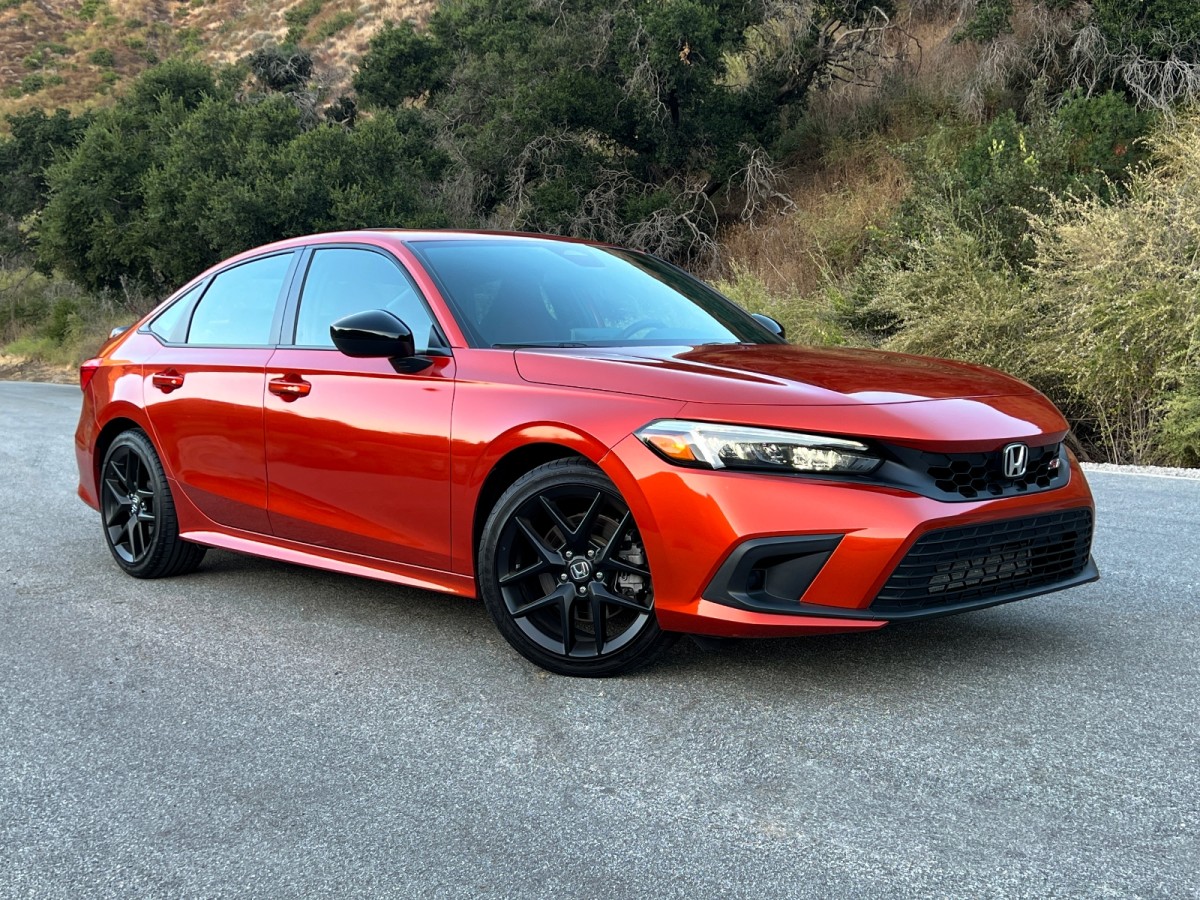
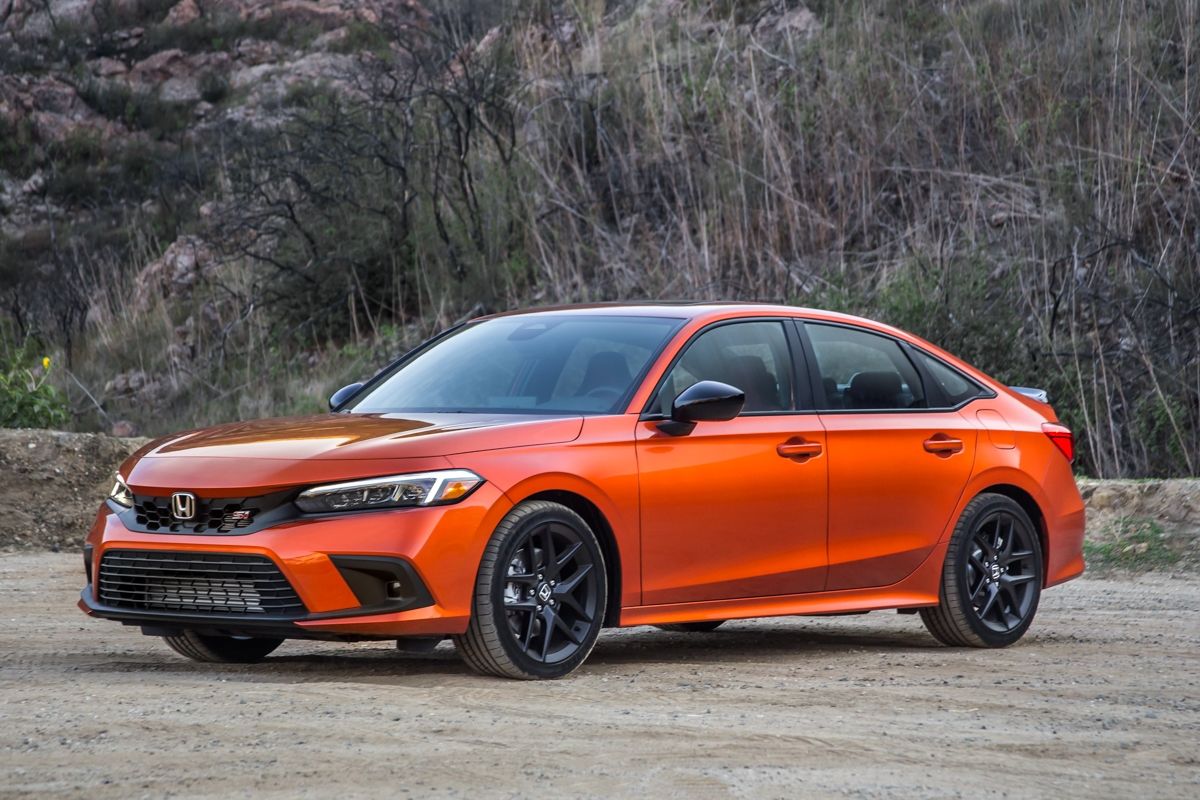
1. 2024 Honda Civic Si
A performance sedan with a practical edge, the 2024 Honda Civic Si continues to deliver a driving experience centered on engagement. One detail that reinforces this identity is the inclusion of a traditional manual handbrake. While many compact cars have transitioned to electronic systems, Honda retains a mechanical lever in this model, preserving a level of driver interaction that enthusiasts appreciate.
Sharp handling defines the Civic Si. Engineers tuned the suspension for responsiveness, allowing the car to maintain composure through corners. Within this setup, the manual handbrake becomes more than a parking tool. It offers an additional method of controlling weight transfer, especially during tight maneuvers. Drivers can rely on it for precise inputs rather than depending entirely on electronic aids.
Interior design reflects a focus on usability. Controls are placed logically, and the handbrake lever sits within easy reach of the driver. This placement ensures that it can be operated quickly without disrupting driving rhythm. The tactile feel of the lever adds to the sense of connection, making every action deliberate.
Reliability plays a strong role in the Civic Si’s appeal. Mechanical handbrakes are known for their straightforward construction, reducing the risk of electronic malfunctions. This simplicity aligns with Honda’s reputation for durability, offering peace of mind for long-term ownership.
Daily driving remains effortless. The handbrake performs its standard function with ease, whether securing the car on an incline or assisting during stop-and-go traffic. Its versatility ensures that it remains useful beyond performance scenarios.
Choosing the Civic Si means prioritizing control and consistency. The presence of a manual handbrake supports that philosophy, reinforcing the car’s focus on delivering an engaging and dependable driving experience.
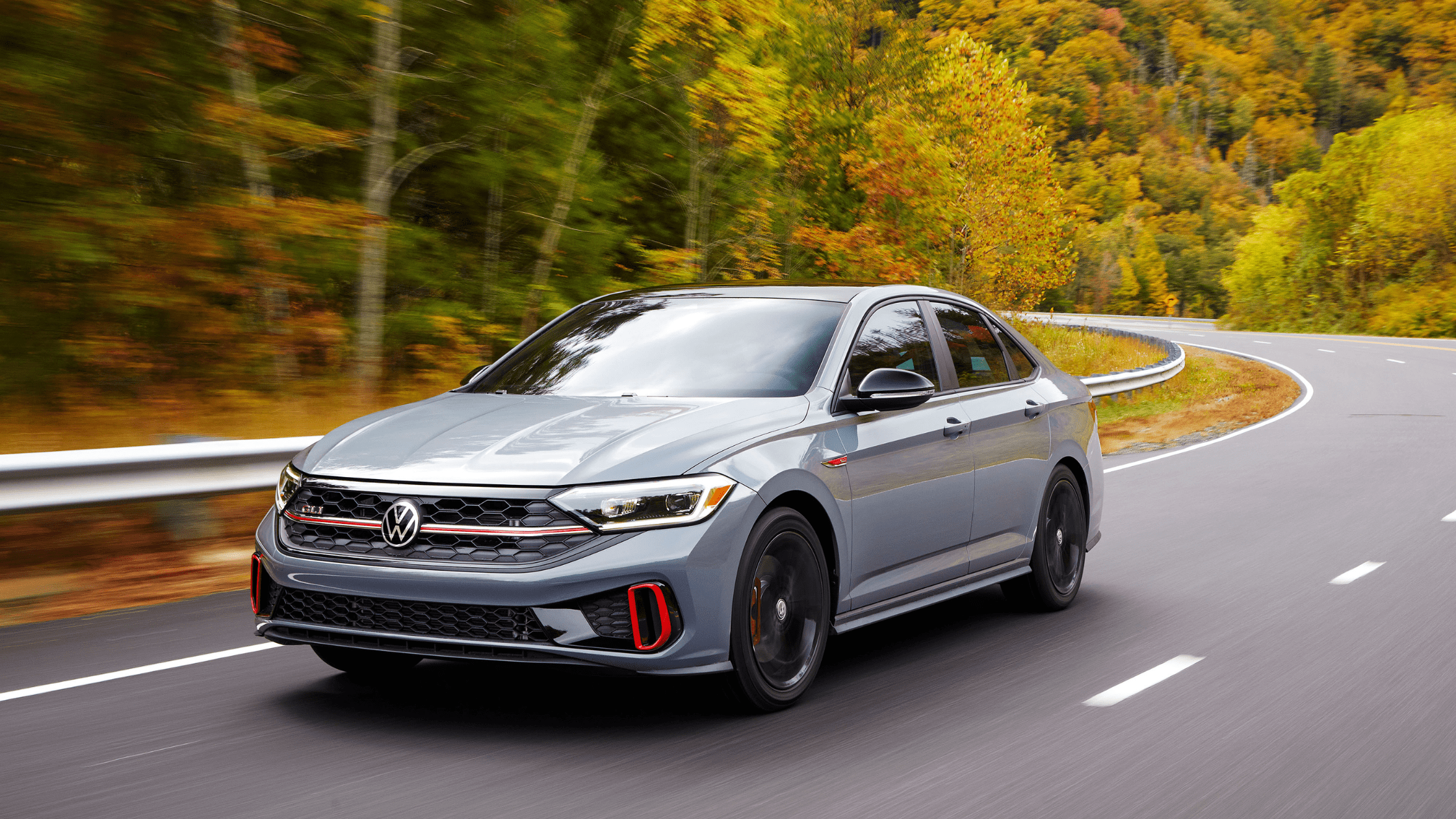
2. 2024 Volkswagen Jetta GLI
A careful blend of refinement and responsive performance defines the 2024 Volkswagen Jetta GLI, presenting a sedan that appeals to drivers who value both everyday usability and an engaging driving experience. Within this balanced configuration, the presence of a manual handbrake is not incidental; it reflects a purposeful design decision aimed at preserving direct driver control in a market that increasingly favors electronic systems.
Turbocharged performance forms the foundation of the Jetta GLI’s character. The engine delivers steady and confident acceleration, allowing the vehicle to respond promptly under varying driving conditions. Paired with this powertrain is a well-calibrated chassis that promotes stability while maintaining agility during cornering.
In such a setup, the manual handbrake becomes more than a simple parking aid. It offers an additional means of influencing vehicle behavior, particularly during low-speed maneuvers or situations requiring careful modulation of rear-wheel engagement. Drivers who appreciate technical precision will recognize the advantage of having this level of control readily available.
Attention to cabin arrangement reinforces the vehicle’s driver-focused philosophy. Controls are positioned with clarity and purpose, reducing the need for unnecessary movement or distraction. Placement of the handbrake lever alongside the gear selector allows for a natural transition between inputs, ensuring that operation feels fluid and coordinated.
This thoughtful layout supports a driving environment where actions are executed with confidence and minimal effort, contributing to a sense of cohesion between driver and machine. Durability remains an important consideration in the design of mechanical systems.
A traditional handbrake relies on straightforward components that are generally easier to maintain than their electronic counterparts. This simplicity reduces the likelihood of unexpected malfunctions and ensures that servicing can be carried out without specialized diagnostic procedures. For owners, this translates into predictable maintenance requirements and a reduced risk of escalating repair costs as the vehicle ages.
Comfort has not been overlooked in the pursuit of performance. Supportive seating, well-insulated cabin materials, and a composed ride quality ensure that the Jetta GLI remains suitable for daily commuting as well as extended journeys.
Despite its performance-oriented engineering, the vehicle maintains a level of refinement that enhances long-term usability. The manual handbrake integrates seamlessly into this environment, performing routine functions such as securing the vehicle on inclines with consistent reliability.
Also Read: 8 Vehicles That Defied Depreciation Through Sheer Reputation
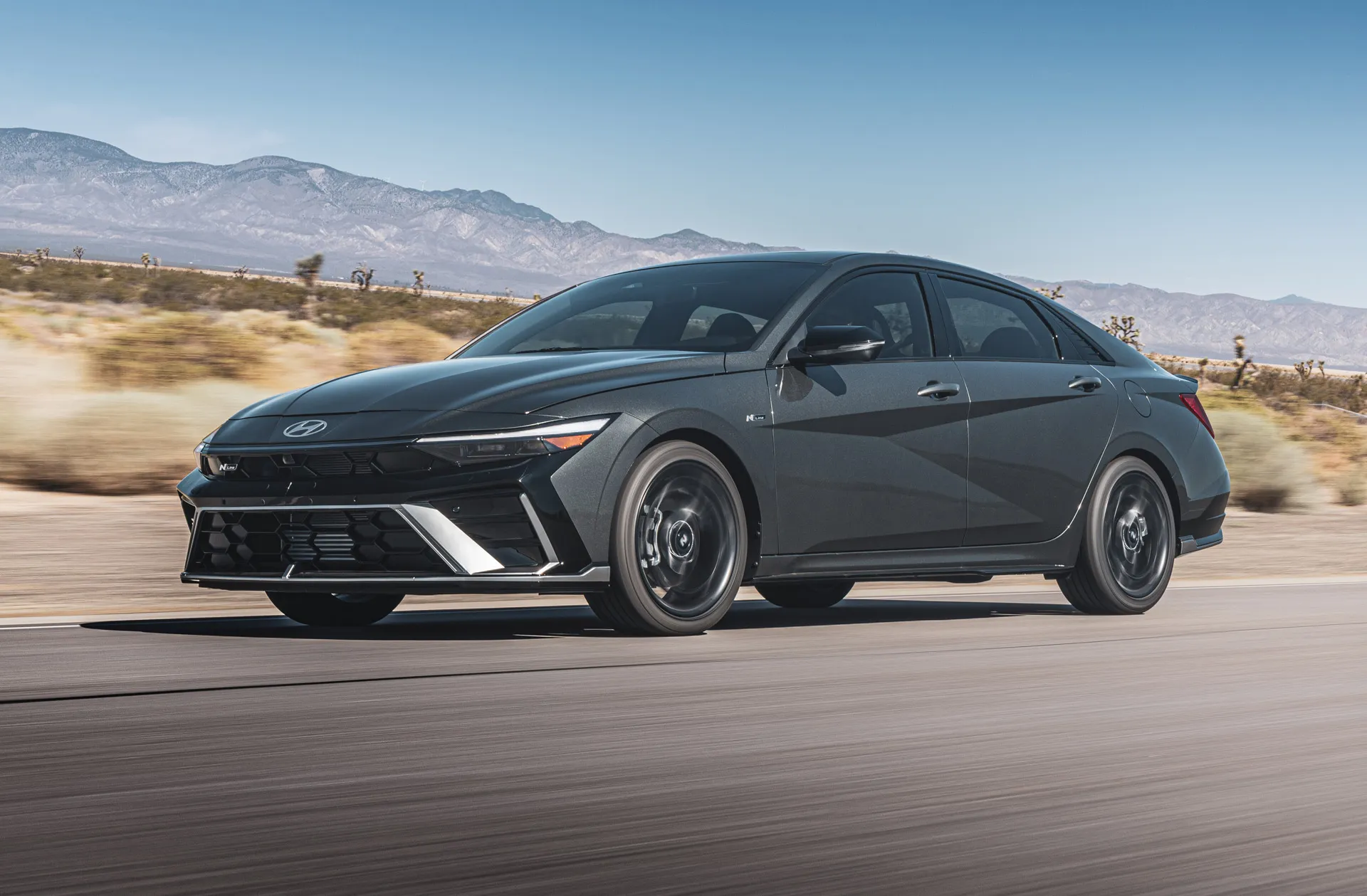
3. 2024 Hyundai Elantra N
A strong sense of engagement defines the 2024 Hyundai Elantra N, presenting a performance-oriented sedan that places the driver at the center of every decision on the road. Within this carefully engineered package, the retention of a manual handbrake reflects a deliberate commitment to traditional control methods that many modern vehicles have gradually abandoned. This feature does not exist merely for nostalgia; it serves a functional purpose that complements the car’s dynamic capabilities.
Power delivery is immediate and assertive, supported by a turbocharged engine that responds promptly to driver input. Acceleration feels purposeful, while the suspension system works in harmony with the chassis to maintain composure during spirited driving.
Under such conditions, the manual handbrake introduces an additional layer of control, particularly in situations that demand precise weight transfer or quick directional adjustments. Drivers who understand vehicle dynamics can use this feature to influence handling characteristics in a manner that electronic systems may not fully replicate.
Attention to interior design reinforces usability. Controls are logically arranged, allowing for intuitive operation without unnecessary distraction. Placement of the handbrake lever reflects thoughtful ergonomics, ensuring that it remains within easy reach while avoiding interference with other driving functions. This positioning supports confidence, especially during moments that require quick and deliberate action.
Mechanical simplicity continues to offer clear advantages in terms of durability and long-term ownership. A manual handbrake operates through a straightforward system that reduces dependence on electronic components, which can be prone to faults as vehicles age.
By maintaining this traditional mechanism, Hyundai provides owners with a system that is easier to service and less likely to incur unexpected repair costs. Such an approach aligns with the broader objective of delivering performance without introducing avoidable complications.
Choosing the Elantra N represents a deliberate preference for engagement rather than passive driving. The manual handbrake reinforces this philosophy by maintaining a direct mechanical connection between driver input and vehicle response.
In a period where automation continues to expand, this decision stands as a clear statement in favor of driver involvement, offering a refreshing alternative for those who value control, precision, and mechanical clarity.
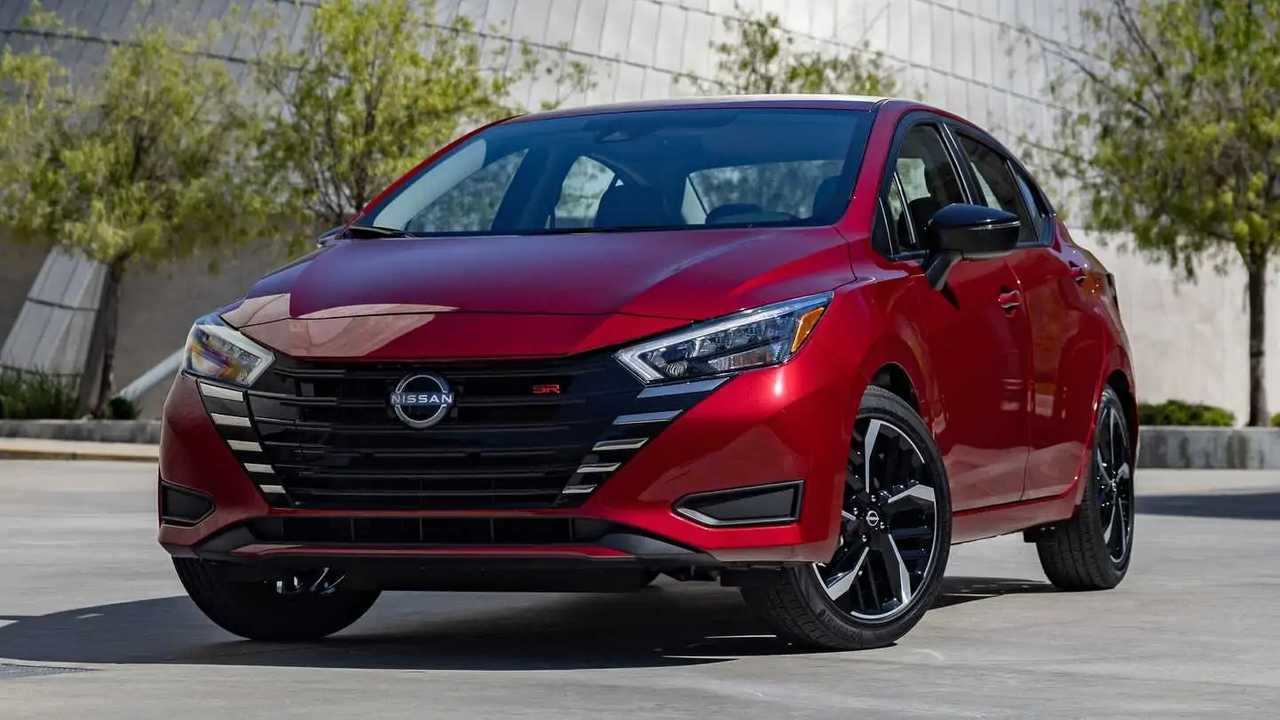
4. 2024 Nissan Versa
Practicality takes precedence in the design of the 2024 Nissan Versa, presenting a compact sedan that focuses on reliability, affordability, and ease of use. Within this straightforward approach, the inclusion of a manual handbrake highlights a continued reliance on proven mechanical solutions that remain effective in everyday driving conditions. This feature underscores the vehicle’s emphasis on simplicity and functional design.
Efficiency guides the entire concept of the Versa. Every component is selected with the intention of delivering dependable transportation without unnecessary additions that could complicate ownership. The manual handbrake fits seamlessly into this framework, offering a system that operates with clarity and consistency. Its mechanical nature ensures that drivers can rely on it without concerns related to software or electronic malfunctions.
Ease of operation becomes evident from the first use. The handbrake lever engages with a defined motion, providing clear tactile feedback that informs the driver of its status. This level of responsiveness enhances confidence, particularly in situations such as parking on steep inclines or securing the vehicle in confined areas. Such reliability is essential for drivers who prioritize function over novelty.
Cost considerations play a central role in shaping the Versa’s appeal. Mechanical systems generally involve lower production and maintenance expenses compared to electronic alternatives. This advantage contributes to the vehicle’s affordability, making it accessible to a wider range of buyers. In addition, servicing a traditional handbrake system tends to be straightforward, reducing both labor time and associated costs.
Functionality remains at the forefront of the ownership experience. While the Versa does not pursue high-performance ambitions, it delivers dependable performance suitable for daily commuting and routine travel. The presence of a manual handbrake reinforces this reliability, ensuring that drivers have access to a system that performs its role without unnecessary complications.
Selecting the Nissan Versa reflects a practical mindset, one that values dependability and ease of ownership. The retention of a manual handbrake serves as a reminder that simplicity can still provide meaningful benefits. Through this approach, the Versa demonstrates that essential features, when executed properly, continue to hold relevance in modern vehicle design.
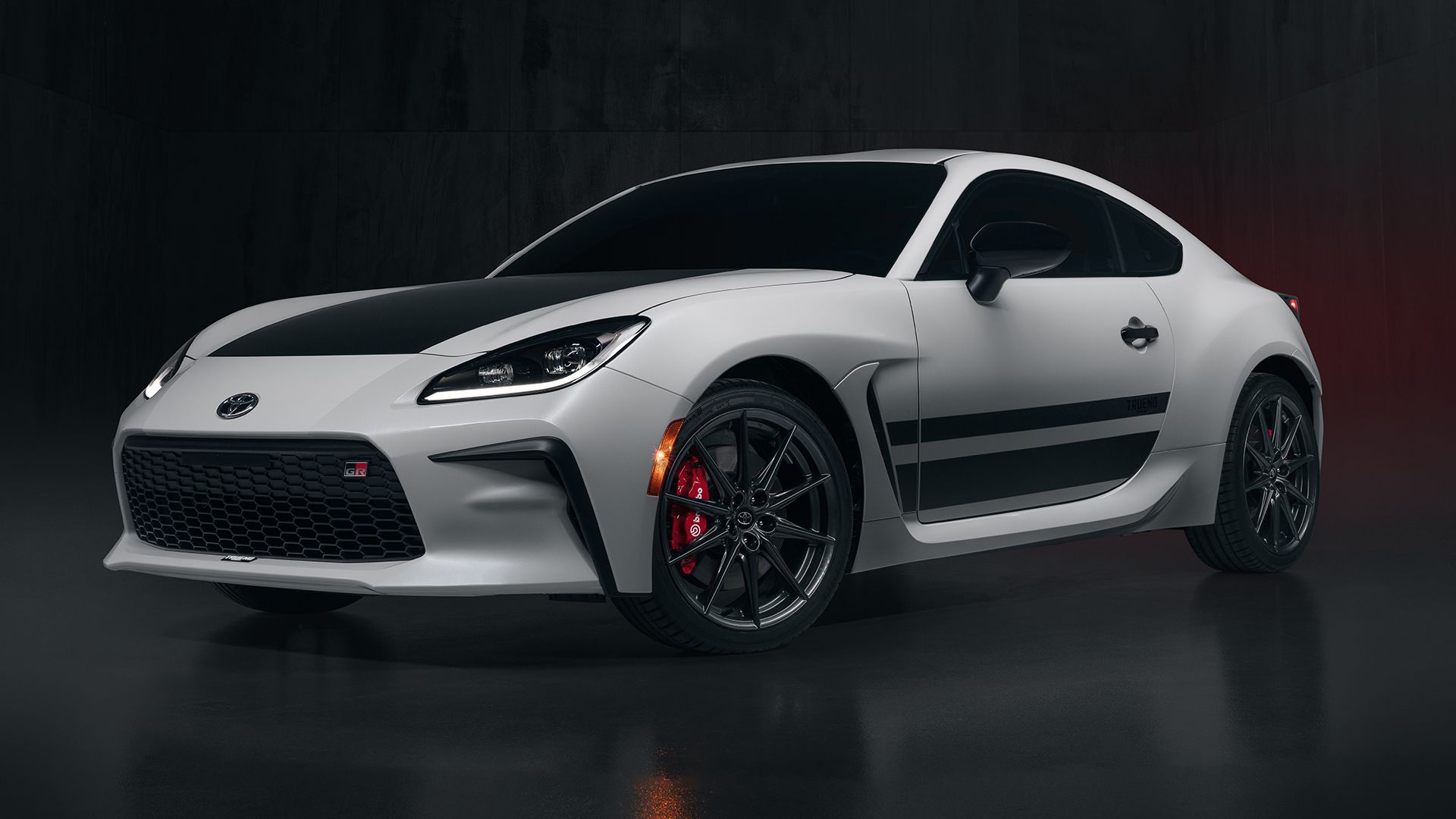
5. 2024 Toyota GR86
Driving enthusiasts often look for machines that feel honest, and the 2024 Toyota GR86 answers that call with clarity. One detail that reinforces its purpose is the continued use of a manual handbrake. While many modern sports cars rely on electronic systems, this coupe stays committed to a mechanical setup that strengthens the bond between driver and machine.
Lightweight construction plays a central role in how the GR86 behaves. With a balanced chassis and rear-wheel-drive layout, the car responds quickly to inputs. Within this setup, the manual handbrake becomes an extension of the driver’s intent. It allows controlled rotation in tight corners, especially during spirited driving. Rather than relying on software to manage stability, the driver takes an active role in shaping the car’s movement.
Precision matters in a car like this. The handbrake delivers immediate response, free from electronic delay. When engaged, it provides predictable feedback, allowing drivers to make fine adjustments. This level of control builds confidence, particularly for those who enjoy track sessions or technical driving roads.
Interior design supports this hands-on approach. The handbrake lever sits within natural reach, positioned alongside the gear shifter. Every control feels purpose-built, creating an environment where the driver remains fully engaged. There is no sense of distraction, only a clear connection between input and response.
Mechanical simplicity adds long-term value. A traditional handbrake system contains fewer electronic components, which can reduce the likelihood of costly repairs. For owners planning to keep the car for years, this reliability becomes an important advantage.
Daily usability has not been sacrificed. The GR86 may be performance-oriented, yet it handles routine tasks without difficulty. Parking on inclines, holding position in traffic, and other everyday scenarios remain straightforward. The handbrake functions consistently, proving that simplicity can coexist with performance.
Another point worth considering is driver development. Vehicles like the GR86 encourage skill growth. A manual handbrake allows drivers to understand vehicle dynamics more clearly, offering opportunities to learn techniques that electronic systems often mask. This educational aspect adds depth to the ownership experience.
Choosing the 2024 Toyota GR86 means embracing a philosophy centered on involvement. Every feature supports that goal, including the manual handbrake. It is not included for nostalgia alone. It remains because it serves a purpose, enhancing control and reinforcing the car’s identity.
As automotive design continues to favor automation, the GR86 stands apart. It proves that mechanical interaction still has a place, delivering a driving experience that feels direct, engaging, and deeply satisfying.
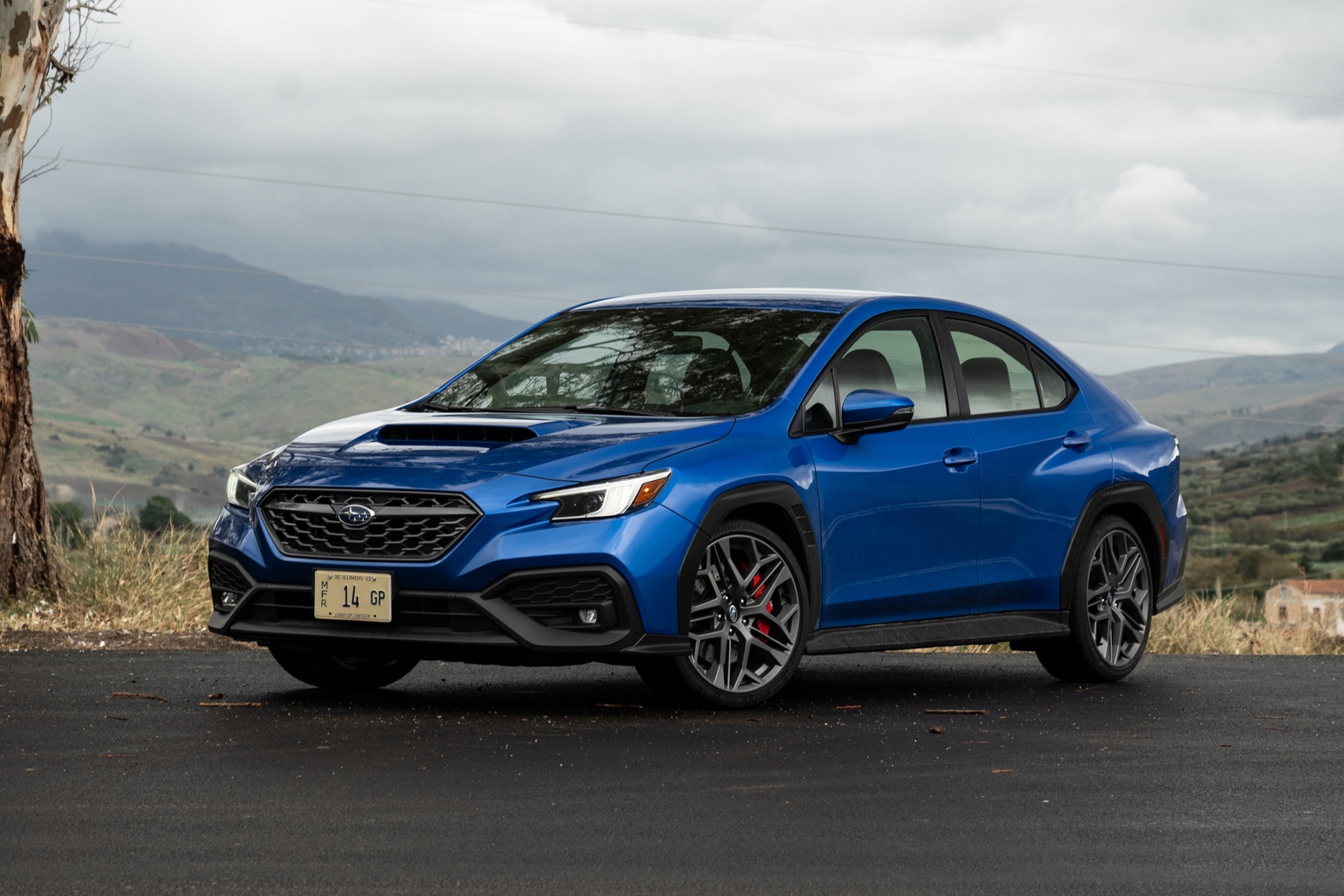
6. 2024 Subaru WRX
Performance sedans rarely maintain traditional features, yet the 2024 Subaru WRX continues to offer a manual handbrake, preserving a connection that many drivers still appreciate. This decision aligns with the WRX’s long-standing reputation as a vehicle built for engagement across a wide range of driving conditions.
Rally-inspired engineering shapes the WRX’s character. Its all-wheel-drive system provides strong traction, while the turbocharged engine delivers consistent power. Within this framework, the manual handbrake becomes a functional tool rather than a simple parking device. Drivers can use it to influence vehicle rotation, particularly in low-grip situations or tight corners.
Control defines the experience. A mechanical handbrake offers direct input, allowing drivers to manage the car’s behavior without relying on electronic intervention. This becomes especially valuable during dynamic driving, where precision matters. The ability to adjust the rear of the vehicle manually adds a layer of versatility that enhances confidence.
Interior layout reflects thoughtful design. The handbrake lever is positioned within easy reach, ensuring that it can be operated quickly. This placement supports smooth transitions between steering, shifting, and braking. Every action feels coordinated, reinforcing the sense of connection.
Durability remains a strong advantage. Mechanical systems tend to be more straightforward, reducing reliance on sensors and software. In a performance-oriented vehicle like the WRX, this simplicity contributes to long-term reliability. Owners benefit from a system that performs consistently under demanding conditions.
Practicality also plays a role. The WRX is designed for everyday use, and the handbrake functions effectively in routine scenarios. Whether securing the car on a slope or assisting with controlled starts, it remains a dependable feature. Another aspect worth noting is driver confidence.
Having a manual handbrake allows drivers to feel more in control, especially in challenging conditions such as wet or uneven surfaces. This sense of assurance can make a noticeable difference in how the car is perceived and enjoyed. Selecting the 2024 Subaru WRX means choosing a vehicle that values interaction. The manual handbrake supports that philosophy, offering a level of control that complements the car’s performance capabilities.
Automotive trends continue to favor automation, yet the WRX demonstrates that traditional features still have relevance. By retaining a manual handbrake, Subaru ensures that drivers remain actively involved, preserving the aim of what makes driving engaging.
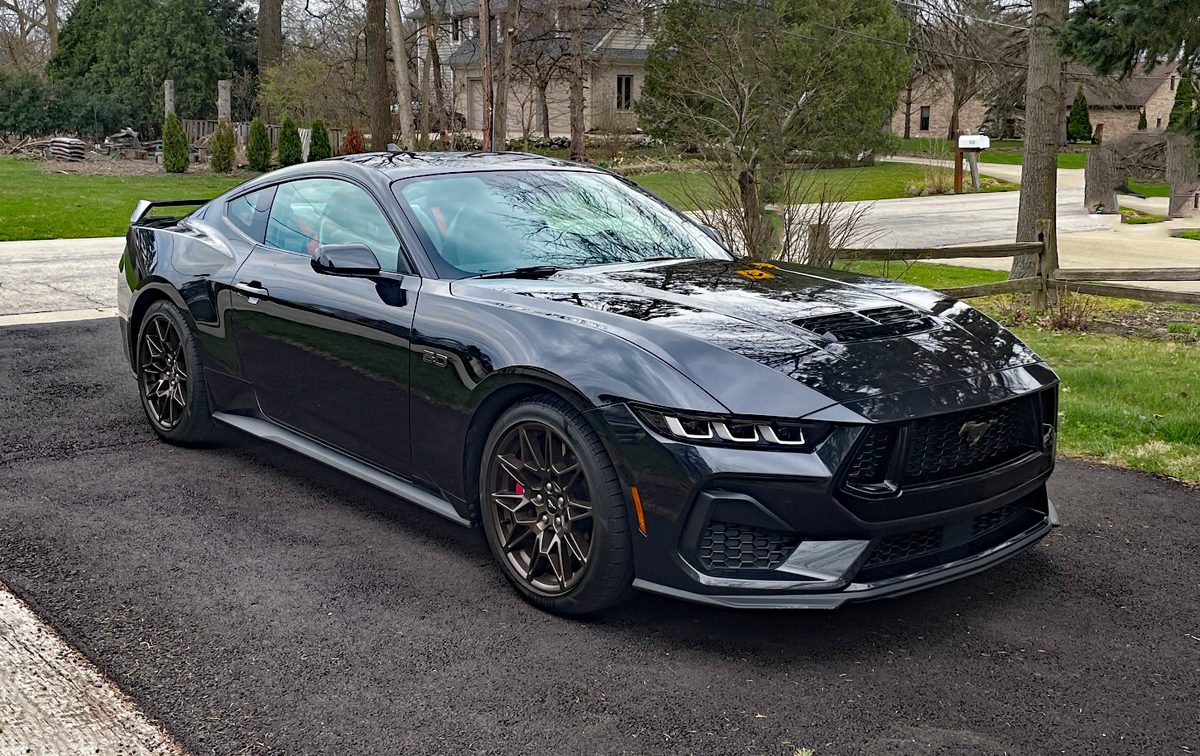
7. 2024 Ford Mustang GT
Power and heritage define the 2024 Ford Mustang GT, a car that continues to honor its roots while embracing modern performance. Among its traditional elements, the manual handbrake remains an important feature, reinforcing the connection between driver and machine.
Strong acceleration characterizes the Mustang GT. Its V8 engine delivers immediate power, creating a sense of authority on the road. Within this context, the manual handbrake provides an additional layer of control. Drivers can use it to manage vehicle behavior during dynamic driving situations, particularly when executing tight maneuvers.
Handling improvements in recent models enhance the relevance of this feature. With refined suspension and improved balance, the Mustang responds more precisely to inputs. The manual handbrake complements these traits, allowing drivers to fine-tune control when needed.
Interior design blends modern technology with classic elements. Digital displays and advanced systems coexist with the traditional handbrake lever, creating an environment that balances innovation with familiarity. This combination appeals to drivers who value both progress and tradition.
Ease of use remains consistent. The handbrake engages smoothly, providing predictable feedback. This reliability becomes especially valuable during performance driving, where precise timing is essential. Drivers can trust the system to respond exactly as expected.
Maintenance considerations also favor mechanical setups. Compared to electronic systems, manual handbrakes often require less specialized servicing. This can reduce long-term ownership concerns, particularly for those who prioritize durability. Daily driving scenarios benefit from its presence as well. Parking on inclines, holding position in traffic, and other routine tasks become straightforward.
The handbrake performs reliably, ensuring that practicality is not compromised. Another factor to consider is driver engagement. The Mustang GT is designed to deliver an emotional experience, and the manual handbrake contributes to that feeling. It provides a tangible connection that enhances every drive.
Choosing the 2024 Ford Mustang GT involves more than selecting a powerful coupe. It represents a commitment to an engaging driving experience where mechanical feedback plays a central role. The handbrake supports that goal, adding depth to the car’s character.
As automotive design advances, features like this become less common. The Mustang stands firm, proving that certain elements remain valuable. By retaining a manual handbrake, it preserves an important aspect of driving interaction.
Also Read: 6 Utility Vehicles for Horse Country In Louisville vs. 6 Small Hatchbacks with No Space
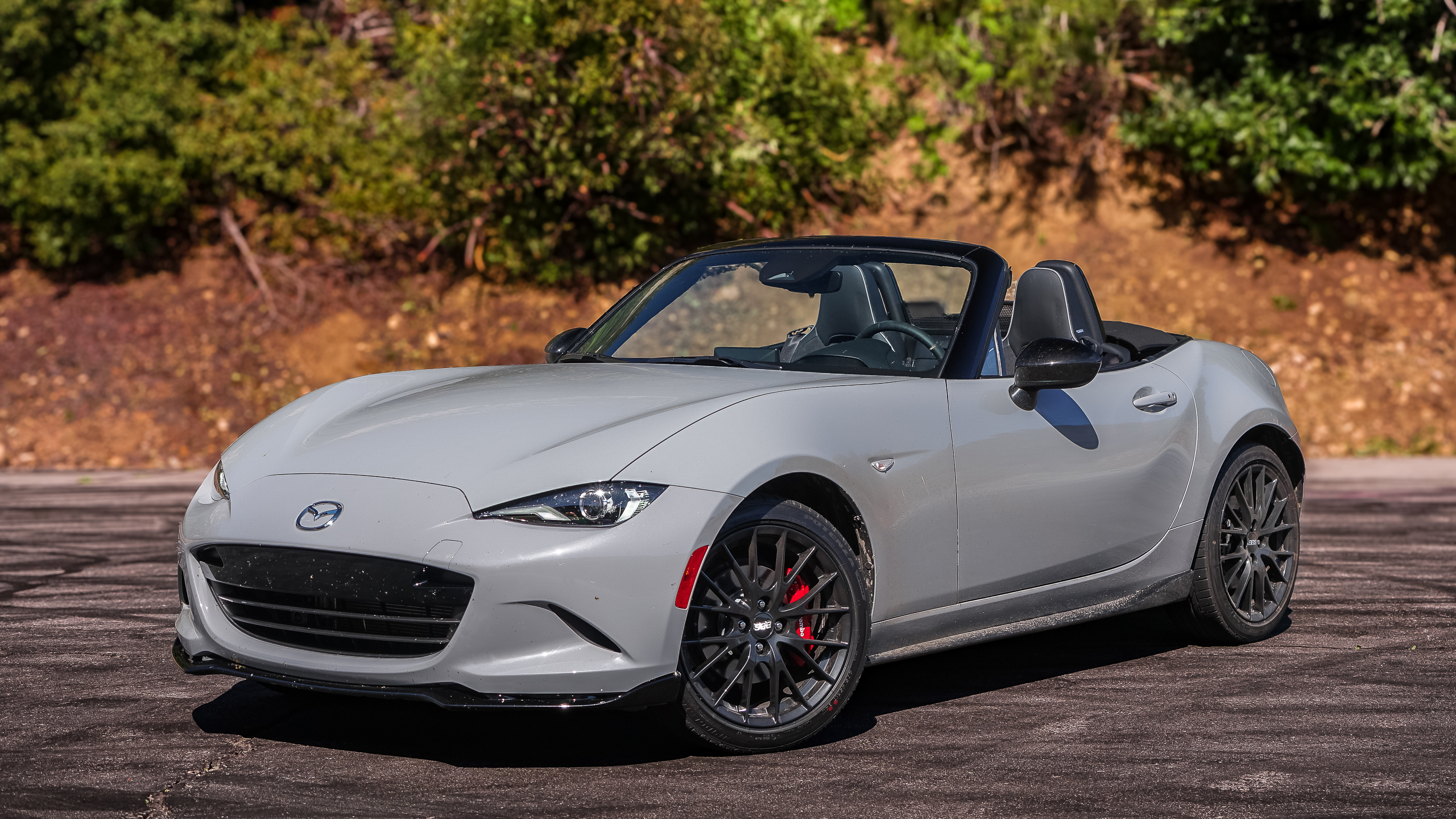
8. 2024 Mazda MX-5 Miata
Few cars emphasize simplicity as effectively as the 2024 Mazda MX-5 Miata, and the inclusion of a manual handbrake strengthens that approach. This lightweight roadster continues to prioritize driver engagement, offering a pure experience that stands apart from more complicated alternatives.
Balance defines the Miata’s personality. Its compact size, responsive steering, and rear-wheel-drive layout create a cohesive driving experience. Within this setup, the manual handbrake plays an important role. It allows drivers to adjust the car’s behavior with precision, particularly during tight turns or spirited driving.
Responsiveness stands out immediately. The handbrake delivers instant feedback, enabling drivers to make quick adjustments. This direct connection enhances confidence, making the car feel predictable and easy to control. Interior design reflects a focus on accessibility.
Controls are placed within easy reach, and the handbrake lever feels natural to operate. This simplicity ensures that drivers can remain focused on the road without unnecessary distractions. Mechanical reliability adds to the appeal. A traditional handbrake relies on straightforward components, reducing the likelihood of electronic issues.
This durability aligns with the Miata’s reputation for dependable performance. Every day usability remains strong. Despite its sporty nature, the Miata handles routine tasks with ease. The handbrake functions effectively in standard parking situations, proving that performance features can also serve practical purposes.
Another aspect worth highlighting is driver enjoyment. The Miata is designed to make every drive engaging, and the manual handbrake contributes to that goal. It offers a level of interaction that enhances the whole experience, making each journey feel purposeful.
Skill development also becomes part of the equation. Drivers can learn advanced techniques using the handbrake, gaining a deeper understanding of vehicle dynamics. This educational element adds value beyond simple transportation.
Choosing the 2024 Mazda MX-5 Miata means prioritizing connection and simplicity. The manual handbrake plays a central role in delivering that experience, offering control that feels natural and rewarding. As technology continues to develop, fewer vehicles maintain this level of purity. The Miata stands apart by preserving features that keep drivers involved, proving that simplicity can still deliver a deeply satisfying experience.
