
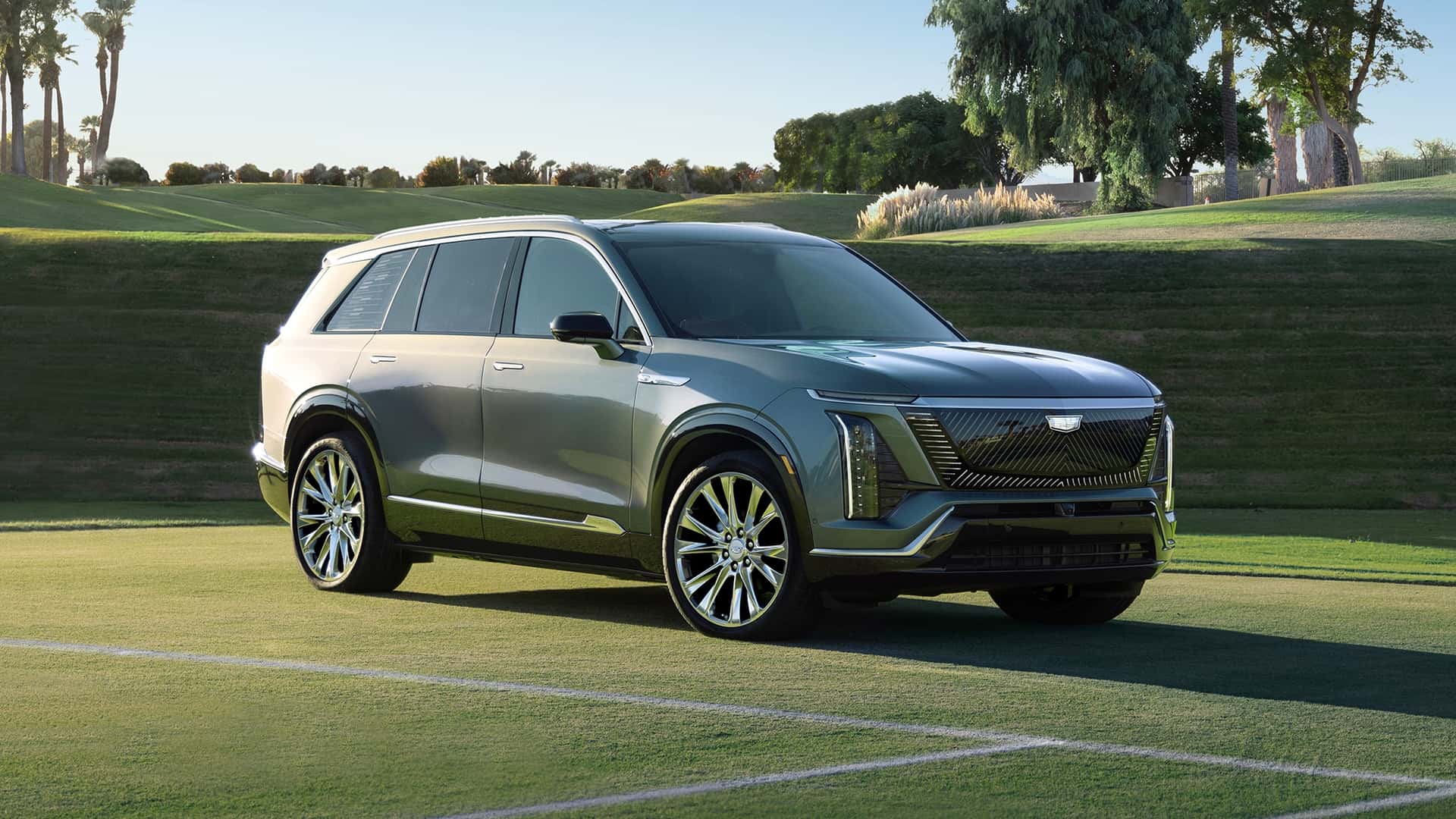
Cadillac has issued a safety recall affecting certain 2026 and 2027 Vistiq electric SUVs after identifying a defect involving the vehicle’s power-folding third-row seat.
Although the recall involves one of General Motors’ newest premium electric models, the issue has attracted significant attention because it relates to occupant safety rather than conventional mechanical or software concerns.
The Vistiq represents an important addition to Cadillac’s expanding electric vehicle portfolio, positioned between the Lyriq and the larger Escalade IQ. As one of the brand’s newest luxury EVs, it incorporates advanced technology, including a power-operated third-row seating system designed to improve convenience for families.
However, an internal safety review determined that the system may continue folding even when resistance is detected, creating the potential for occupants or objects to become trapped.
According to documents filed with the National Highway Traffic Safety Administration (NHTSA), the recall affects certain 2026 and 2027 Cadillac Vistiq models equipped with power-folding third-row seats.
Engineers found that the seatback may continue closing even when an object is positioned on the seat, preventing the obstruction from being released without manually reversing the folding mechanism.
Federal safety standards require power-operated seating systems to respond appropriately when resistance is encountered, and General Motors determined that the current system does not fully satisfy those requirements.
Although no injuries have been reported, safety experts note that a malfunction involving an automatically operated seat presents a different type of risk than traditional structural defects.
Instead of affecting crash performance directly, the concern involves the possibility of occupants, particularly children, or personal belongings becoming trapped while the power-folding function is operating.
Also Read: 8 Sedans Faster Than a V6 Mustang for Half the Price
Internal Safety Review Prompted the Recall
The issue was first identified through General Motors’ internal Speak Up For Safety (SUFS) program, which encourages engineers and employees to report potential product concerns for immediate investigation.
According to recall documents reviewed by the NHTSA, an engineer observed unusual behavior while evaluating the third-row seat mechanism.
During testing, the power-folding system continued operating even after encountering weighted objects placed on the seat, indicating that the obstruction detection system was not functioning as intended.
Engineers subsequently performed additional evaluations using standardized test weights to verify the concern before recommending a voluntary recall.
The investigation became especially significant because of a similar incident involving another manufacturer that highlighted the potential consequences of power-operated seat systems failing to detect occupants properly.
While General Motors emphasized that no comparable injuries have occurred in affected Vistiq vehicles, the company concluded that corrective action was appropriate before additional vehicles accumulated customer use.
The recall also demonstrates how manufacturers increasingly rely on internal reporting systems alongside warranty claims and customer complaints to identify potential safety issues early in a vehicle’s production cycle.
Rather than waiting for a larger number of field incidents, GM initiated the campaign shortly after confirming the defect during engineering evaluations.
Why the Third-Row Seat Matters
Power-folding seats have become increasingly common in premium SUVs because they improve convenience when switching between passenger and cargo configurations.
Unlike manually operated seatbacks, electric folding systems rely on motors, electronic control modules, and obstruction detection software to prevent injuries during operation.
Safety regulations require these systems to stop or reverse if significant resistance is encountered. If the mechanism continues applying force despite an obstruction, there is an increased possibility of trapping an occupant or object between the moving seatback and surrounding interior components.
According to the recall documentation, engineers observed that the Vistiq’s third-row seat continued folding even when test objects weighing approximately 33 and 40 pounds were placed on the seat cushion.
Those objects could not be removed until the seatback was manually reversed, indicating the system did not respond as intended. Although the testing involved weighted objects rather than passengers, General Motors concluded that the behavior presented an unacceptable safety risk requiring immediate corrective action.
Dealers Will Apply an Interim Remedy
General Motors has instructed Cadillac dealers to implement an interim repair while engineers finalize a permanent solution.
According to the recall documents, dealerships will temporarily disable the power-folding function of the third-row seat by replacing or reprogramming the related control module until an updated component becomes available.
Owners who prefer not to wait for the permanent repair can have the feature disabled immediately at no charge.
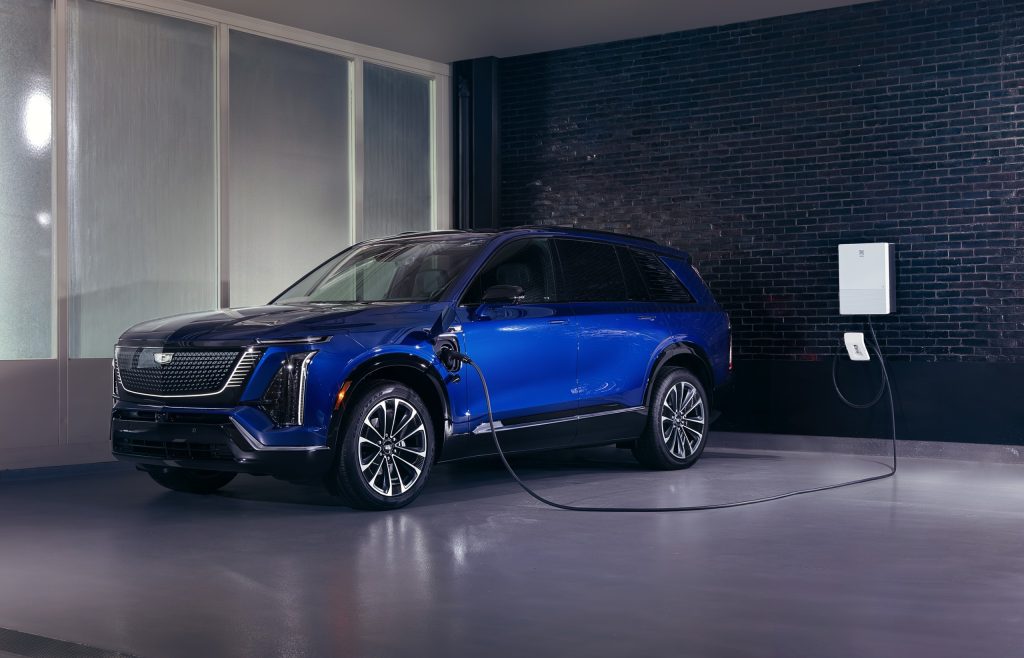
GM also confirmed that shipments of affected 2027 Vistiq models were paused after the issue was identified, while production vehicles already delivered to dealerships are being repaired before retail sale whenever possible.
Owner notification letters are scheduled to begin mailing in early August, with a permanent repair campaign expected once updated hardware or software has completed validation testing.
Recall Highlights the Growing Complexity of Modern Vehicle Safety
The Cadillac Vistiq recall illustrates how vehicle safety has expanded well beyond traditional concerns such as brakes, steering systems, or structural crash protection. Modern electric vehicles incorporate dozens of electronically controlled convenience features, many of which must also comply with strict federal safety standards.
Power-operated seats, automatic doors, hands-free liftgates, and advanced driver assistance systems are all subject to regulations designed to minimize the risk of injury during everyday use.
As manufacturers introduce more automated features, validating every possible operating condition has become increasingly challenging. Engineers must evaluate how these systems respond not only during normal operation but also when unexpected situations occur, such as an obstruction blocking a moving component.
In the case of the Vistiq, General Motors determined that the third-row seat’s obstruction detection logic did not perform as required under specific test conditions, making a voluntary recall the most appropriate response.
Industry analysts note that this type of recall demonstrates the increasing role of software and electronic controls in vehicle safety.
Unlike many traditional recalls that require replacing damaged mechanical components, modern campaigns often involve recalibrating electronic systems, updating control modules, or installing revised software to ensure the vehicle behaves as intended.
That shift reflects the rapid technological evolution taking place across the automotive industry, particularly within premium electric vehicles that rely heavily on integrated electronic architecture.
For Cadillac, the timing of the recall is especially significant because the Vistiq is one of the newest additions to the brand’s electric vehicle portfolio.
General Motors has invested heavily in expanding Cadillac’s EV lineup as part of its long-term electrification strategy, positioning the Vistiq as a luxury three-row SUV designed to compete with premium electric models from BMW, Mercedes-Benz, Volvo, and other established brands.
Maintaining customer confidence in these new products is therefore an important priority as the company continues introducing additional Ultium-based vehicles.
Owners of affected vehicles are encouraged to respond promptly once recall notifications are received. Although no injuries or crashes have been linked to the defect, scheduling the interim repair ensures the power-folding seat cannot operate in a manner that may increase the risk of occupant entrapment.
Once General Motors completes development of the permanent repair, dealerships will contact customers again to install the final solution at no cost.
The recall also reflects the effectiveness of modern quality assurance programs. Rather than waiting for customer complaints or real-world incidents to expose the issue, General Motors identified the concern through internal engineering evaluations and voluntarily notified federal regulators after confirming that the seat mechanism did not fully comply with applicable safety standards.
Safety experts frequently point to these proactive investigations as evidence that manufacturers are becoming increasingly effective at identifying potential defects during the early stages of a vehicle’s lifecycle.
As luxury vehicles continue incorporating additional automation and electronically controlled convenience features, recalls involving software calibration, sensors, and intelligent safety systems are expected to become more common.
While these campaigns may appear different from traditional recalls involving engines or suspension components, they reflect the same underlying objective: ensuring every vehicle meets federal safety requirements and provides the level of occupant protection customers expect.
For Cadillac, addressing the Vistiq issue quickly will help reinforce confidence in one of its most important new electric models while demonstrating the company’s commitment to maintaining safety standards as its EV portfolio continues to expand.
Also Read: 8 SUVs That Reach 0-60 Faster Than Muscle Cars From the 2000s
