
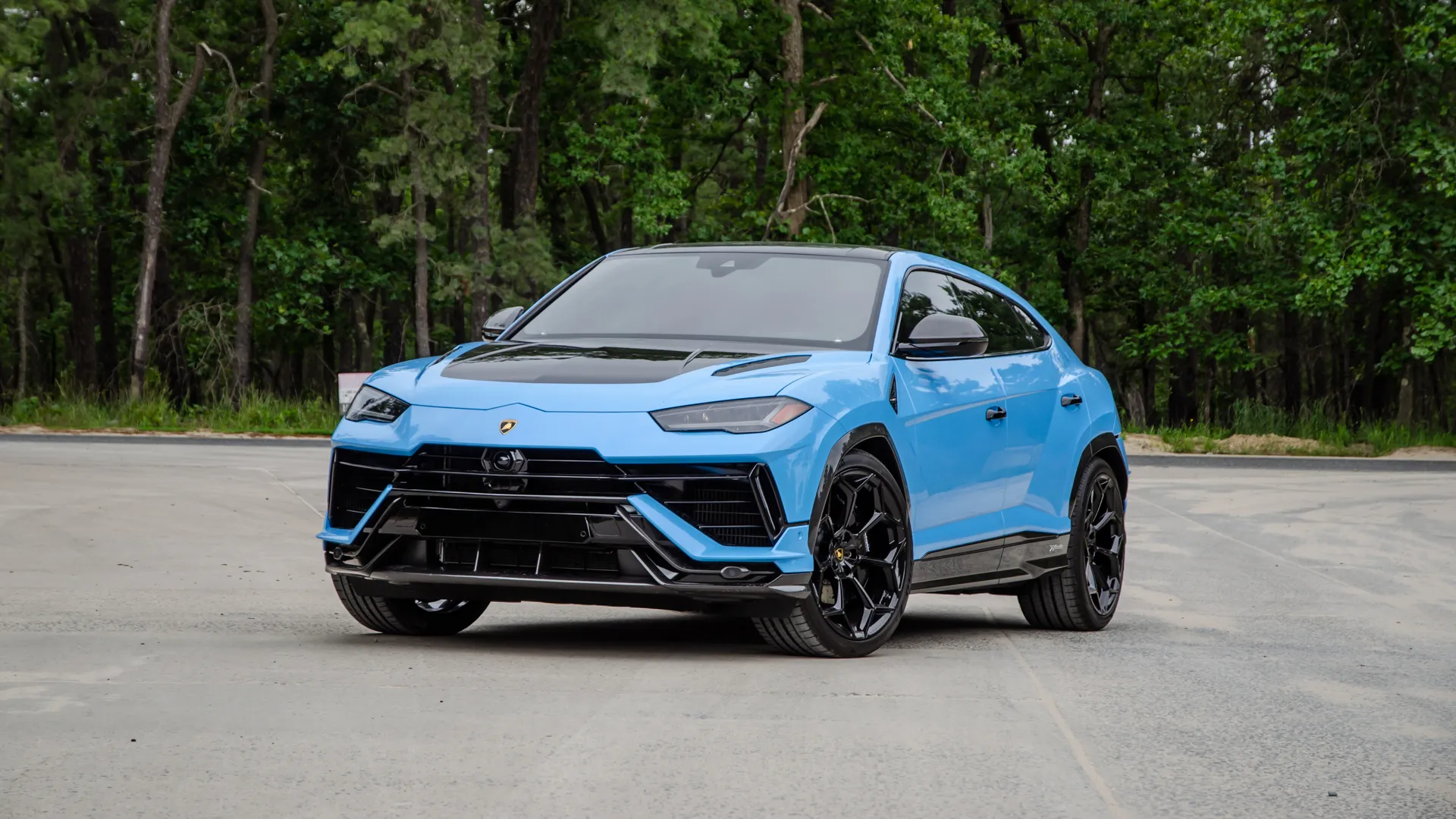
The 2000s gave us some genuinely quick machines. Cars like the Dodge Charger SRT8 and the Pontiac GTO ruled stoplights across America. Most of them hit 60 mph in around five seconds. Back then, that number felt like the ceiling of what a production car could achieve.
Big naturally aspirated V8s and rear-wheel drive were the only formula that worked. Turbochargers existed, but they weren’t common in mainstream performance cars yet.
Fast forward to today, and the world has flipped completely. SUVs, once slow and heavy family haulers, now humble those old legends without much effort.
Turbocharging became mainstream. Electrification followed soon after, adding instant torque that gasoline engines simply cannot match. All-wheel-drive grip changed everything, too. A three-row family SUV can now out-accelerate a purpose-built muscle car from a dead stop.
This list looks at eight SUVs that beat the 2000s benchmark convincingly. Every one of them dips under five seconds to 60 mph, with several diving under 3.5 seconds.
We cover the engines, the horsepower, and the torque behind each one in detail. We also break down real dimensions, since size plays a huge role in how these SUVs manage their speed and weight distribution.
This isn’t a list of concept cars or one-off specials that never reached buyers. Every SUV here is a real, purchasable vehicle that redefines what a family hauler can accomplish.
Some use twin-turbo V8s borrowed from luxury sedans. Others use supercharged American muscle engines dropped straight into taller bodies. One even skips gasoline entirely, relying purely on electric motors and battery torque. Together, they show just how far performance engineering has traveled since the early 2000s.
1. Tesla Model X Plaid
The Model X Plaid is arguably the most shocking entry on this list. It uses three electric motors, one mounted up front and two working together out back.
Combined output lands at 1,020 horsepower. That figure alone would have seemed like science fiction to muscle car buyers back in 2005. Torque is equally massive, rated around 1,050 lb-ft, available instantly from a complete standstill. Electric motors don’t need to build boost or climb through a rev range first.
That instant torque delivery is what makes electric SUVs so brutal off the line. There’s no turbo lag and no gear hunting to slow the launch down. Tesla claims a 0-60 mph time of 2.5 seconds using launch mode. That’s quicker than most supercars from the entire 2000s decade, let alone muscle cars.
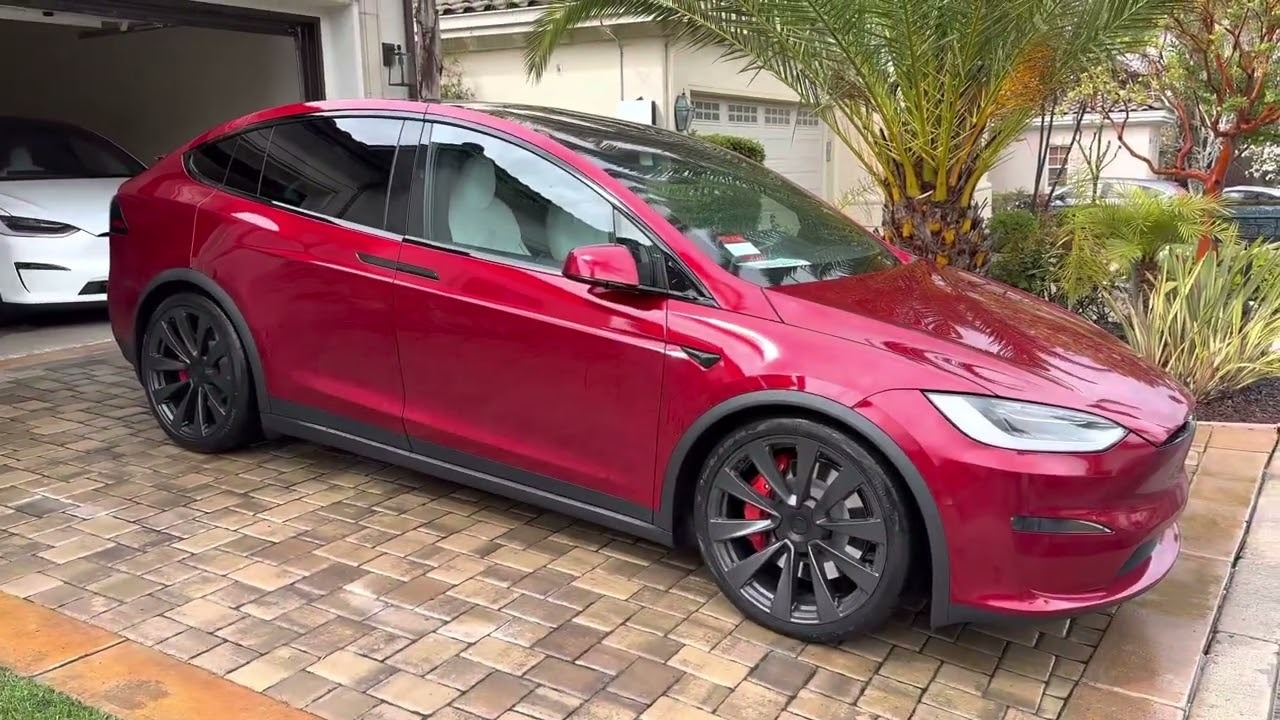
For comparison, a 2005 Dodge Charger SRT8 needed nearly five seconds for the same sprint. The Model X Plaid does it in roughly half that time, which is a staggering gap.
Despite the violence of its acceleration, it comfortably seats up to seven people. Falcon-wing rear doors add a futuristic touch that no muscle car from any era ever offered buyers.
The interior feels more like a spaceship cockpit than a traditional SUV cabin. A massive touchscreen controls nearly every function, from climate to entertainment.
Braking performance matches the acceleration too, thanks to regenerative braking working alongside physical brakes. This combination helps repeated launches stay consistent without overheating.
Weight remains its biggest handicap on a twisty road, given the heavy battery pack underneath. But in a straight line, nothing from the muscle car era comes remotely close.
Specifications:
- Engine: Tri-motor all-electric powertrain
- Horsepower: 1,020 hp
- Torque: 1,050 lb-ft (approx.)
- Length: 198.3 inches
- Width: 78.7 inches (excluding mirrors)
2. Lamborghini Urus Performante
Lamborghini took its already quick Urus and sharpened it further for track enthusiasts. The Performante variant drops weight and adds aggressive aerodynamic tweaks throughout.
Power comes from a 4.0-liter twin-turbocharged V8 engine. It’s a Volkswagen Group-derived unit, but Lamborghini tunes it with its own distinct character.
Output sits at 657 horsepower, paired with 627 lb-ft of torque. That torque hits hard and early, thanks to the twin turbochargers spooling quickly.
While Lamborghini officially quotes a 0–100 km/h (0–62 mph) time of 3.3 seconds, the vehicle is actually quicker in the North American 0–60 mph sprint, typically clocking in between 3.0 and 3.1 seconds.
That is roughly two seconds quicker than a 2004 Pontiac GTO managed on its best day. The Performante also gets a stiffer suspension setup and a louder titanium exhaust system. It feels more like a sports car than a traditional family SUV.
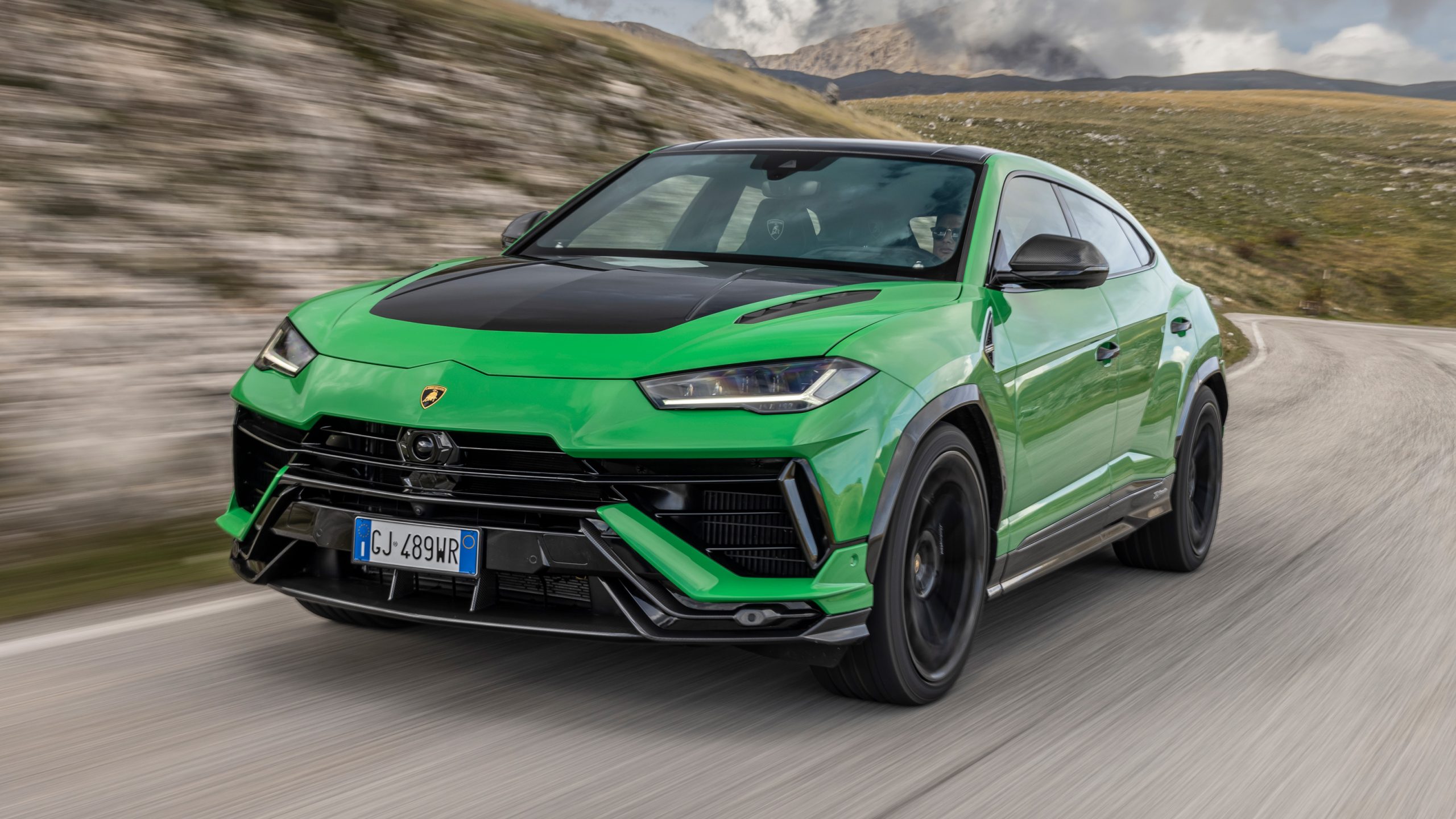
At speed, the all-wheel-drive system shuffles power intelligently between the front and rear axles. This grip advantage is something 2000s muscle cars simply never had access to.
Lamborghini also fitted carbon-fiber body panels to shed weight compared to the standard Urus. Every kilogram removed helps both acceleration and cornering response.
The cabin uses Alcantara and carbon trim extensively, emphasizing its performance intentions. Rear seats remain usable, but this Urus clearly prioritizes speed over pure comfort.
Its exhaust note draws heavily from Lamborghini’s supercar lineage rather than typical SUV tuning. Enthusiasts often say it sounds closer to a Huracán than an SUV.
Despite weighing over two tons, the Performante corners flatter than most sedans. Lamborghini’s engineering team clearly prioritized dynamics over outright comfort here.
Specifications:
- Engine: 4.0L Twin-Turbocharged V8
- Horsepower: 657 hp
- Torque: 627 lb-ft
- Length: 201.7 inches
- Width: 79.9 inches (excluding mirrors)
3. Aston Martin DBX707
Aston Martin’s DBX707 takes its name directly from its power output figure. It produces 707 metric horsepower, which translates to roughly 697 horsepower in American units.
The engine is a 4.0-liter twin-turbo V8, originally sourced from Mercedes-AMG. Aston Martin retunes it heavily to suit its own performance applications.
Torque peaks at 663 lb-ft, arriving early in the engine’s rev range. This flat torque curve helps the DBX707 launch with real, sustained aggression. Aston Martin claims a 0-60 mph sprint of just 3.1 seconds. That number would embarrass nearly every muscle car ever built during the 2000s.
A nine-speed wet-clutch transmission replaces the usual torque converter setup found in most SUVs. This gearbox type is normally reserved for dedicated performance sports cars.
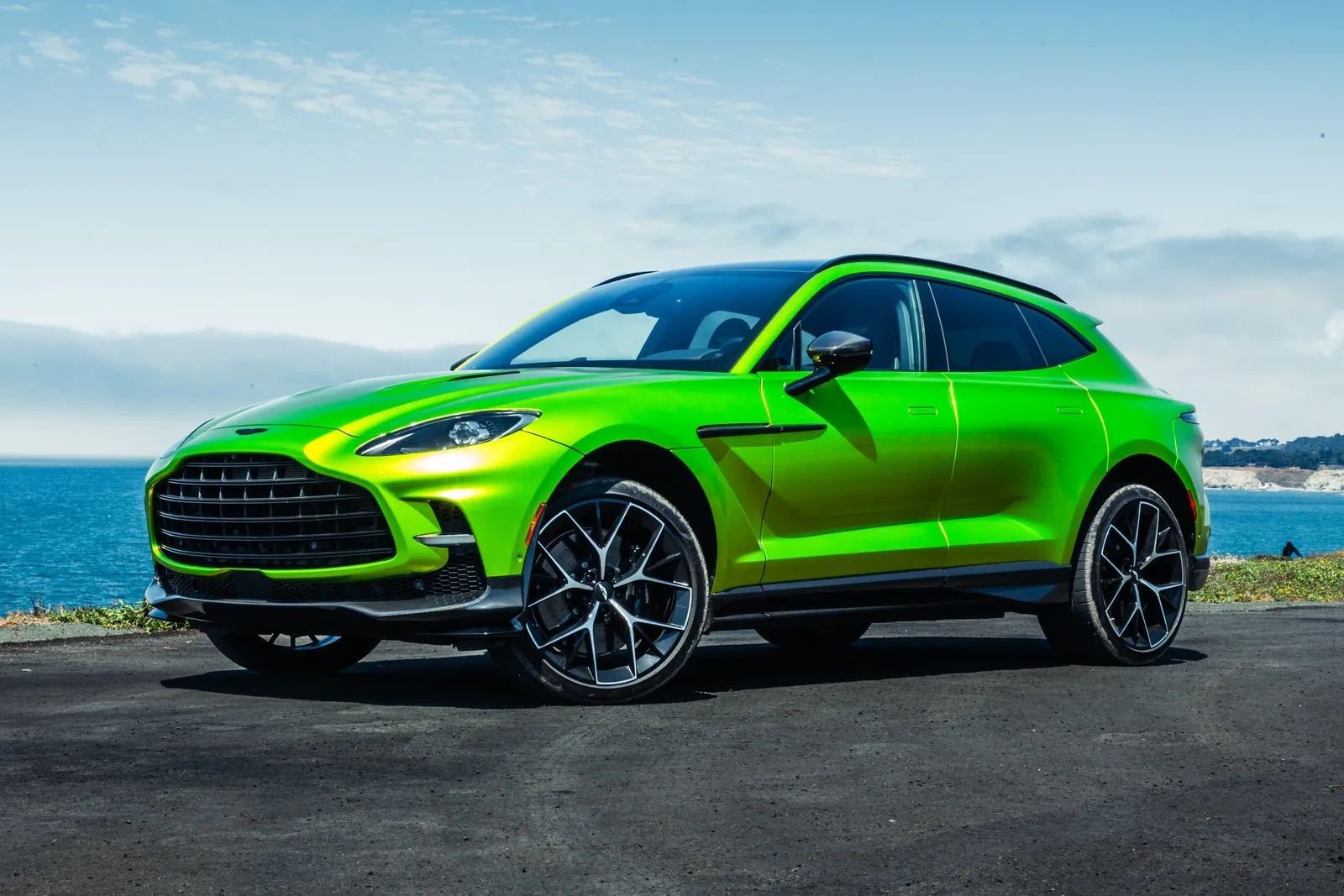
Despite its speed, the DBX707 still offers proper luxury and generous cargo space. It blends supercar-level performance with genuine everyday practicality for families.
Aston Martin also fitted larger brakes and a reinforced chassis compared to the standard DBX. These upgrades help the SUV handle repeated hard launches without fading.
The interior uses hand-stitched leather and real metal switchgear throughout the cabin. It feels distinctly British, unlike the more digital-heavy cockpits of German rivals.
Adaptive air suspension allows the DBX707 to lower itself automatically at higher speeds. This reduces drag and improves stability during aggressive acceleration runs.
Aston Martin positioned this SUV as the performance flagship of its entire current lineup. In many markets, it actually outsells the brand’s traditional sports cars.
Specifications:
- Engine: 4.0L Twin-Turbocharged V8
- Horsepower: 697 hp
- Torque: 663 lb-ft
- Length: 198.4 inches
- Width: 78.7 inches (excluding mirrors)
4. Porsche Cayenne Turbo GT
Porsche built the Cayenne Turbo GT as the ultimate version of its performance SUV lineup. It was designed specifically with track use in mind. Power comes from a 4.0-liter twin-turbo V8 engine. This same engine architecture appears across several Porsche and Audi performance models today.
Output reaches 631 horsepower, with 626 lb-ft of torque available. That torque band stays strong across a wide range of engine speeds. Porsche lists a 0-60 mph time of just 3.1 seconds flat. That’s nearly two full seconds quicker than a 2006 Ford Mustang GT.
The Turbo GT also holds a production SUV lap record at the Nürburgring circuit. It genuinely handles like a lowered sports sedan, not a tall crossover.
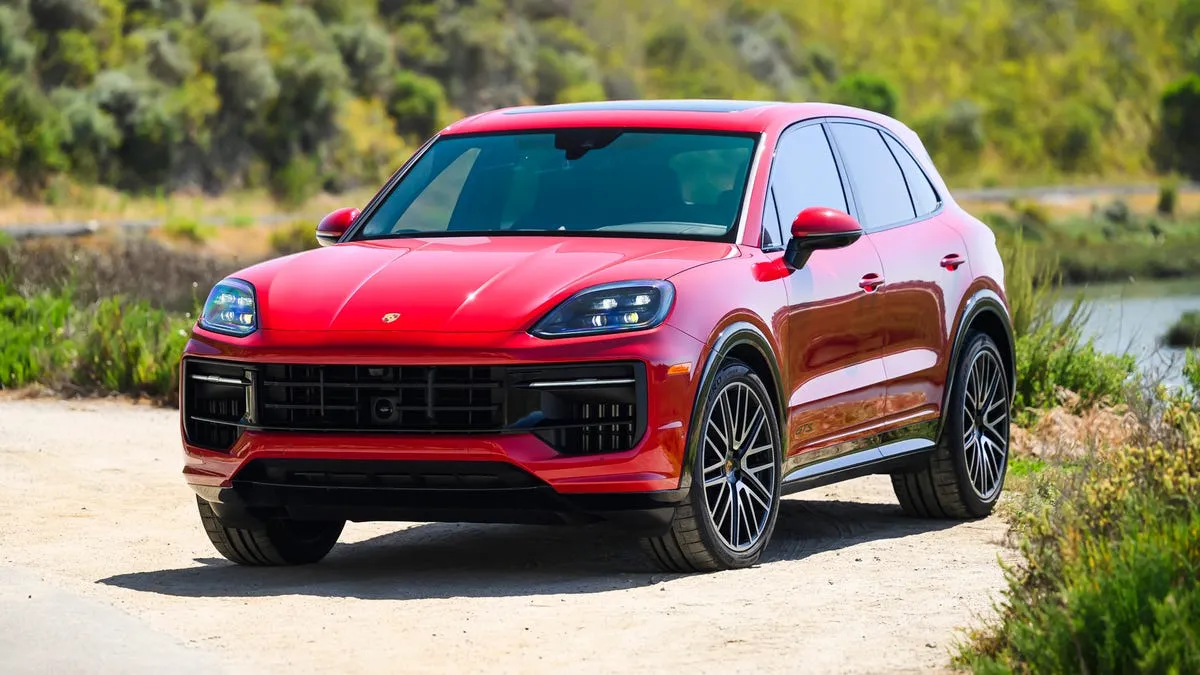
Wider tires and a lowered ride height help it corner flatter than most people expect. This is a Cayenne built to chase apexes, not just handle grocery runs.
Porsche fitted a rear spoiler that’s notably larger than those on other Cayenne variants for extra downforce. This helps stability at the car’s staggering top speed of 186 mph.
Carbon-ceramic brakes come standard, offering serious stopping power to match the acceleration. Repeated hard stops don’t fade the way standard steel brakes eventually would.
While the Cayenne Turbo GT is a highly focused performance vehicle, it remains a four-passenger SUV. Instead of a standard three-person rear bench, it features two individual sport bucket seats separated by a central storage tray, preserving rear-seat functionality.
This is the only Cayenne variant tuned to prioritize the front axle less. Engineers rebalanced the suspension to sharpen turn-in response noticeably.
Specifications:
- Engine: 4.0L Twin-Turbocharged V8
- Horsepower: 631 hp
- Torque: 626 lb-ft
- Length: 194.0 inches
- Width: 78.1 inches (excluding mirrors)
Also Read: 10 Toughest Cars, SUVs and Trucks on the Road
5. Jeep Grand Cherokee Trackhawk
The Trackhawk shocked the automotive industry when Jeep first revealed it years ago. It borrowed the supercharged Hellcat V8 straight from Dodge’s own muscle car lineup.
That 6.2-liter supercharged engine produces 707 horsepower on premium fuel. Torque checks in at a stout 645 lb-ft, delivered with a menacing supercharger whine.
Jeep engineers paired this engine with a proper all-wheel-drive system for traction. That grip advantage is the real secret behind its blistering, repeatable launches.
Official 0-60 mph times land around 3.5 seconds from the factory. Independent testing has recorded it even quicker, closer to 3.4 seconds in ideal conditions.
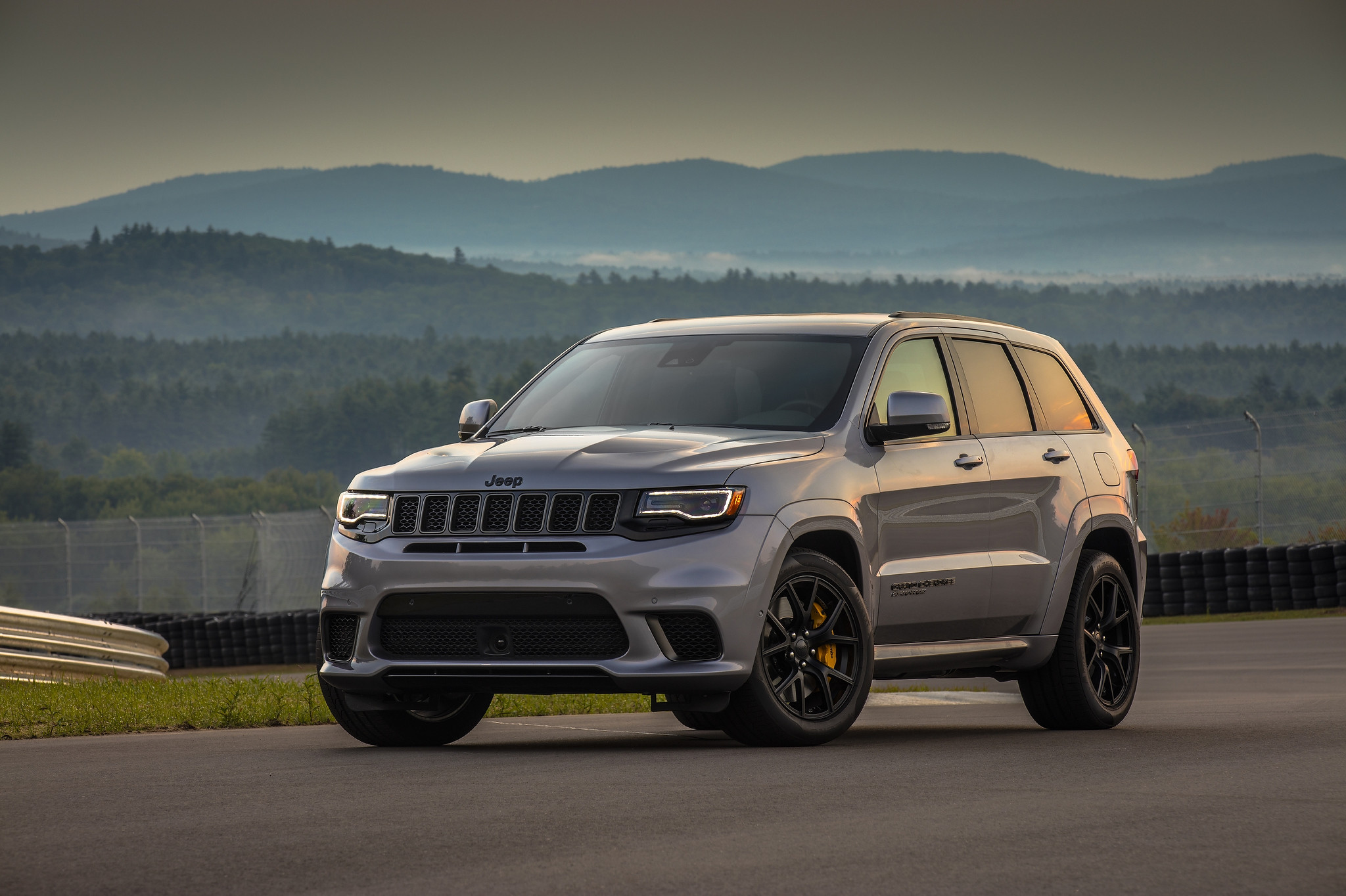
Ironically, the Trackhawk is quicker than the Dodge Challenger Hellcat it originally borrowed from. The added traction from all four wheels makes a massive real-world difference.
Production ended in 2021, but used examples remain highly sought after by enthusiasts. It proved conclusively that a family SUV could out-drag a purpose-built muscle car.
Jeep upgraded the brakes significantly, borrowing six-piston Brembo calipers up front. These were necessary to reliably stop nearly 5,400 pounds from serious speeds.
Inside, the cabin looked largely stock Grand Cherokee, which surprised many first-time passengers. That understated appearance made its acceleration feel even more shocking in person.
Cooling was another major engineering challenge Jeep had to solve carefully. The supercharged engine needed additional radiators just to survive repeated hard launches.
Resale values for the Trackhawk have held remarkably strong since production ended. Enthusiasts recognize it as a genuine unicorn in SUV history.
Specifications:
- Engine: 6.2L Supercharged V8 (Hellcat)
- Horsepower: 707 hp
- Torque: 645 lb-ft
- Length: 189.8 inches
- Width: 76.5 inches (excluding mirrors)
6. Ferrari Purosangue
Ferrari resisted building an SUV for decades, insisting it wasn’t part of their identity. When it finally did, the Purosangue arrived with a genuine Ferrari heart underneath.
Under the hood sits a naturally aspirated 6.5-liter V12 engine. It’s the same basic architecture found in Ferrari’s flagship supercar models today. Output reaches 715 horsepower, with 528 lb-ft of torque available. Unlike turbocharged rivals, this power builds smoothly all the way to a high 8,250 rpm redline.
Ferrari claims a 0-60 mph time of 3.3 seconds flat. That’s remarkable for a naturally aspirated engine without any turbo assistance whatsoever. The Purosangue also uses rear-hinged back doors and a low, sloping roofline design. Ferrari insists it’s a four-door, four-seat sports car, not technically an SUV.
Regardless of labeling, it dwarfs any 2000s muscle car in both technology and outright speed. It represents the pinnacle of naturally aspirated performance available today.
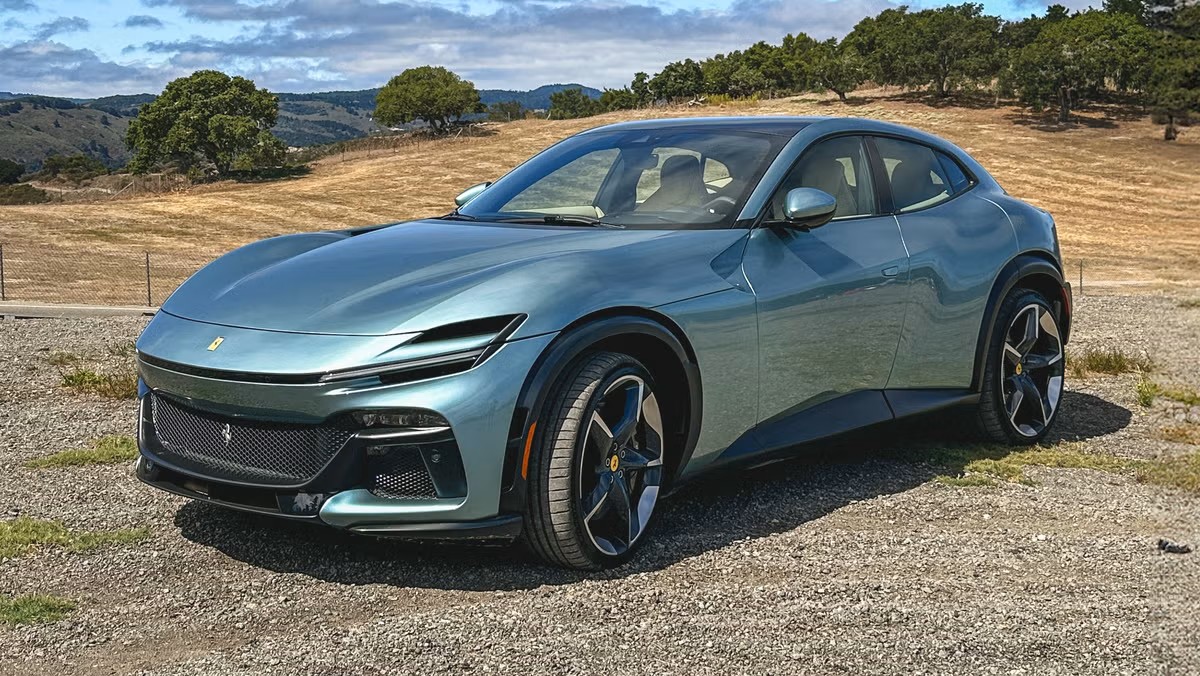
Ferrari fitted an active suspension system that eliminates body roll almost entirely during hard cornering. This technology first appeared on Formula One-adjacent research projects.
The V12 soundtrack remains a major selling point for buyers chasing an emotional connection. Few engines anywhere sound as dramatic near redline as this one does.
Cargo space is limited compared to rivals, reflecting Ferrari’s sports car priorities over practicality. Buyers accept this tradeoff in exchange for genuine supercar dynamics.
Waiting lists for the Purosangue stretched years after its initial reveal. Demand has consistently outpaced Ferrari’s deliberately limited production numbers.
Specifications:
- Engine: 6.5L Naturally Aspirated V12
- Horsepower: 715 hp
- Torque: 528 lb-ft
- Length: 195.7 inches
- Width: 79.1 inches (excluding mirrors)
7. Cadillac Escalade-V
Cadillac’s Escalade-V proves that even a massive, three-row luxury SUV can be genuinely fast. It’s the first true performance variant in Escalade’s long history.
Power comes from a supercharged 6.2-liter V8 engine, shared with Corvette-adjacent GM performance products. This engine has a strong racing pedigree behind it.
Output lands at 682 horsepower, with 653 lb-ft of torque available. That’s enough grunt to move nearly 6,000 pounds of SUV with real authority. Cadillac quotes a 0-60 mph time of 4.4 seconds from a stop. That may sound modest next to others on this list, but remember the sheer size involved.
A 2005 Chevrolet SSR or base Mustang GT couldn’t touch that time at all. Moving this much mass this quickly is a genuine engineering achievement.
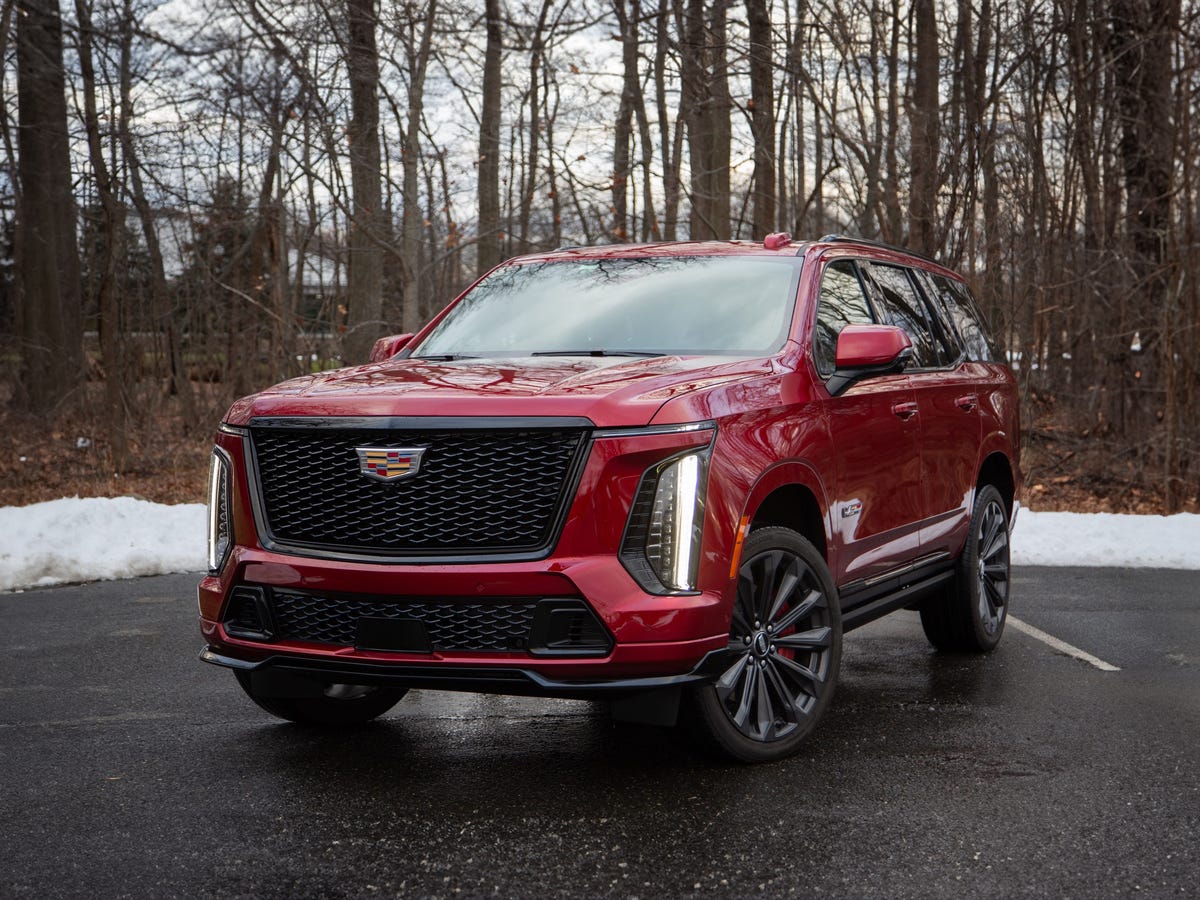
Adaptive air suspension keeps body roll in check despite the Escalade’s considerable height. It’s proof that size and speed aren’t mutually exclusive anymore in 2026.
Cadillac also fitted massive Brembo brakes to handle the added weight and speed. Six-piston front calipers help scrub speed confidently despite the SUV’s mass.
Inside, the Escalade-V retains three full rows of genuinely comfortable seating. Few performance vehicles anywhere offer this level of everyday family practicality.
A curved OLED display dominates the dashboard, blending luxury with modern technology. It’s one of the largest screens fitted to any production vehicle currently sold.
Magnetic ride control adjusts damping thousands of times per second for stability. This helps the Escalade-V feel composed even during aggressive highway merges.
Specifications:
- Engine: 6.2L Supercharged V8
- Horsepower: 682 hp
- Torque: 653 lb-ft
- Length: 211.9 inches
- Width: 81.0 inches (excluding mirrors)
8. Dodge Durango SRT Hellcat
Dodge took the same supercharged Hellcat engine from its muscle cars and dropped it into the Durango. The result is a three-row SUV with genuine muscle car DNA running through it.
The 6.2-liter supercharged V8 produces 710 horsepower on premium fuel. Torque reaches 645 lb-ft, delivered with an unmistakable supercharger growl under acceleration.
This makes the Durango SRT Hellcat the most powerful three-row SUV ever built. While Dodge initially planned for a limited, one-year-only production run for 2021 due to emissions regulations, overwhelming customer demand led them to reverse course.
The vehicle was revived for 2023 and has remained in continuous production through subsequent model years, including various special editions. It was never permanently locked to an original 2,000-unit limit.
Dodge claims a 0-60 mph time of 3.5 seconds from a standstill. That directly matches, or beats, most 2000s muscle cars despite carrying three full rows of seats.
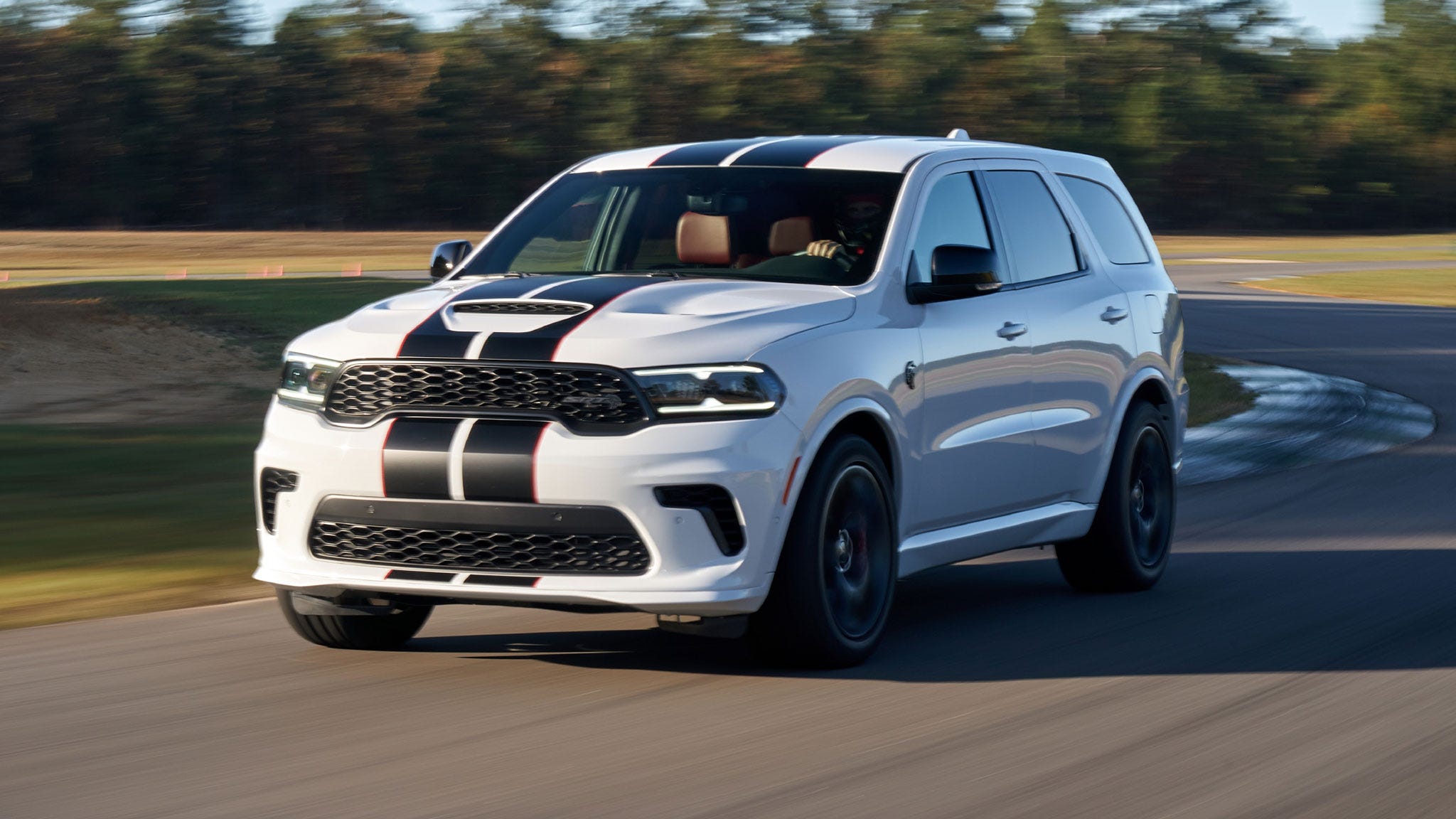
All-wheel drive helps put that power down more effectively than rear-drive-only muscle cars ever could. Launch control makes repeatable quick starts genuinely easy for average drivers.
It’s essentially a family hauler with a genuine muscle car heart underneath its skin. Few vehicles blend practicality and raw power this convincingly.
Dodge fitted a functional hood scoop that feeds cold air directly to the supercharger. This isn’t cosmetic; it’s a genuine performance component borrowed from Charger and Challenger models.
The exhaust system uses active valves that open fully under hard acceleration. This gives the Durango a genuinely aggressive soundtrack matching its muscle car siblings.
Braking hardware was upgraded substantially over the standard Durango to match the power increase. Six-piston Brembo calipers grip massive rotors up front.
Specifications:
- Engine: 6.2L Supercharged V8 (Hellcat)
- Horsepower: 710 hp
- Torque: 645 lb-ft
- Length: 201.2 inches
- Width: 76.0 inches (excluding mirrors)
Also Read: 8 Cars With Knee Airbags for Both Front Passengers
