
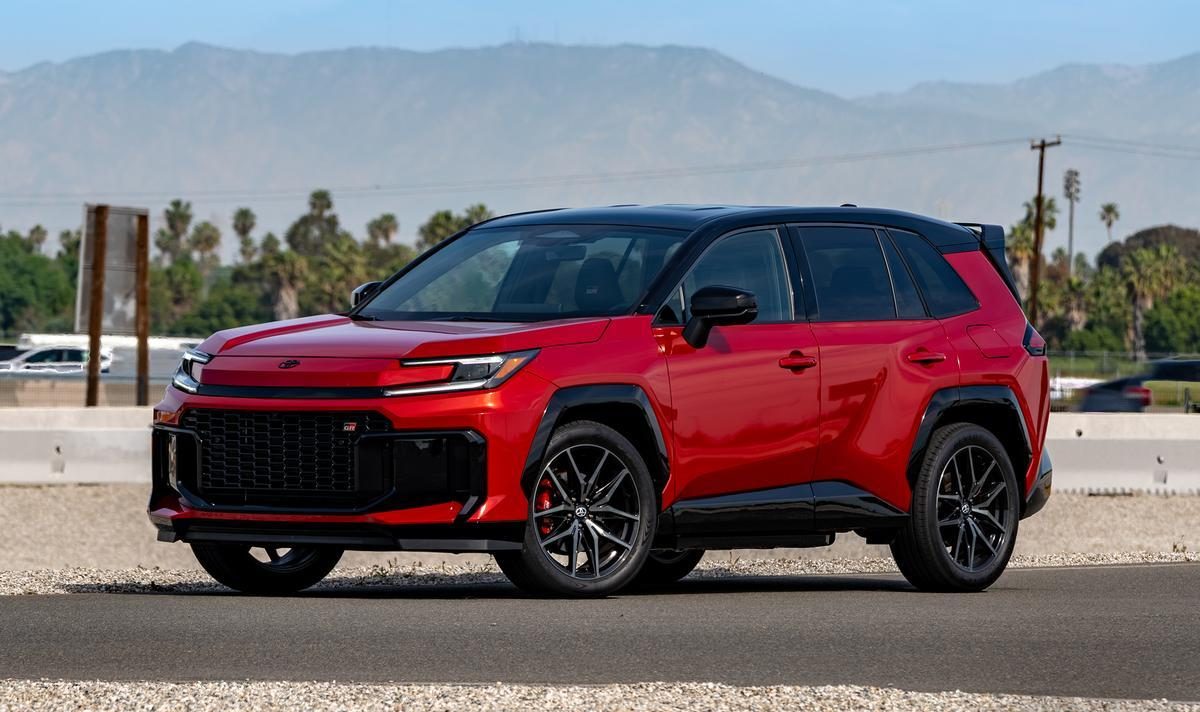
When shopping for a new SUV, many buyers compare price, fuel economy, performance, safety, and technology, but long-term maintenance costs are just as important. An SUV with a lower purchase price may end up costing more if it requires frequent repairs, expensive replacement parts, or regular servicing.
In contrast, models with lower maintenance expenses can provide better long-term value while keeping ownership costs more affordable. Routine services such as oil changes, tire rotations, brake inspections, and fluid replacements are unavoidable, but reliable engineering, durable components, and proven mechanical systems help minimize these expenses and reduce the likelihood of unexpected repair bills.
Factors such as reliability history, parts availability, and simple vehicle design also play a major role in maintenance affordability. The SUVs featured in this list are known for combining low five-year maintenance costs with practicality, comfort, efficiency, and dependability. Choosing one of these models can help owners enjoy reliable transportation while keeping long-term ownership expenses manageable and predictable.
Also Read: 2027 Kia Telluride Grows Larger and Adds a Hybrid for the First Time
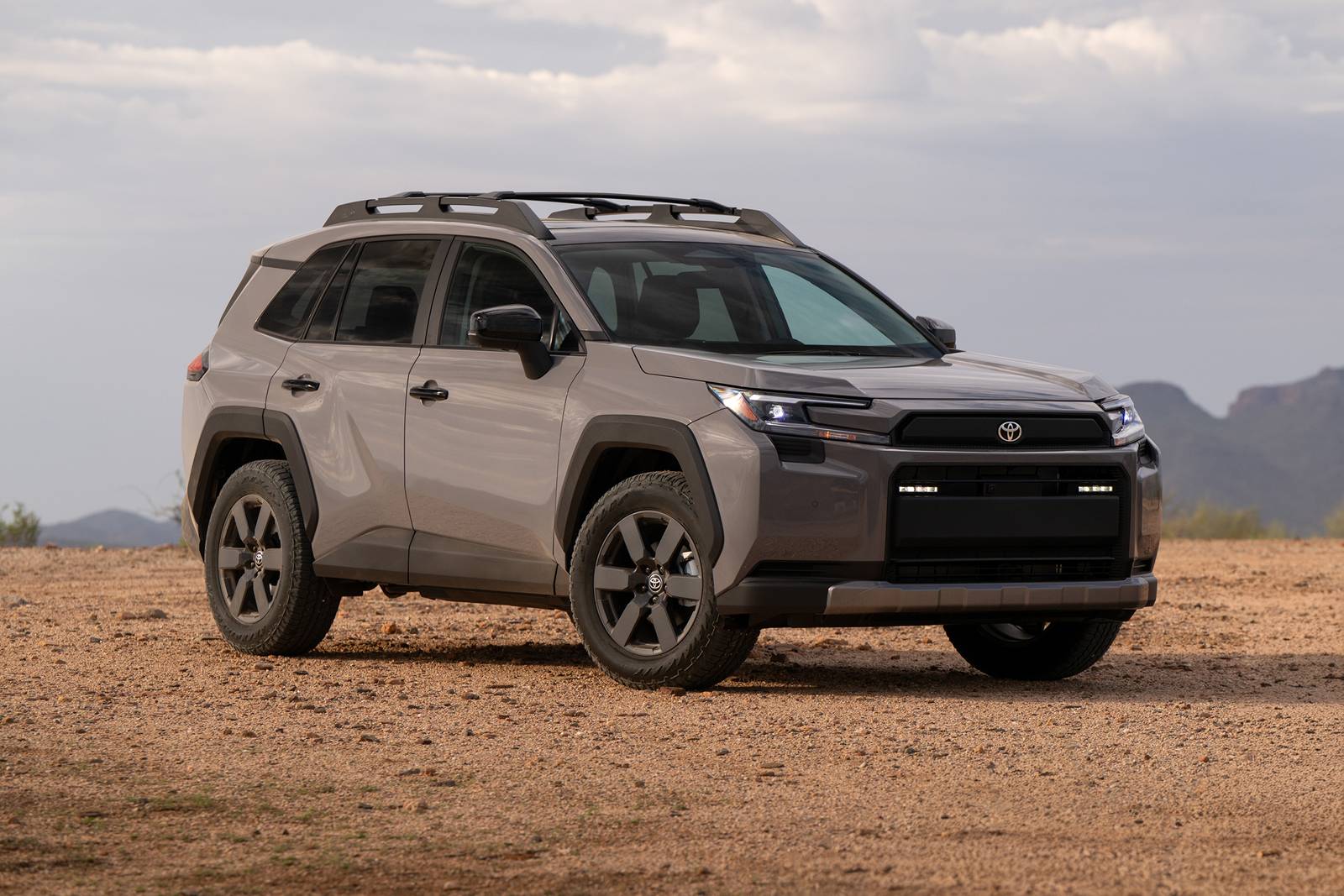
- Engine: 2.5-liter 4-cylinder petrol engine (Hybrid option also available with a 2.5-liter hybrid powertrain)
- Horsepower: 203 hp (gasoline), up to 219 hp (hybrid AWD)
- Torque: 184 lb-ft (250 Nm)
- Length: 180.9 inches (4,598 mm)
- Width: 73.4 inches (1,864 mm)
1. Toyota RAV4
The Toyota RAV4 has earned a strong reputation as one of the most dependable compact SUVs available. It is widely recognized for combining practicality, efficiency, and long-term reliability.
Many owners choose the RAV4 because it offers a comfortable driving experience while maintaining reasonable ownership costs. Toyota’s reputation for durable engineering has helped make the RAV4 a popular choice among families and individual buyers who want an SUV that can handle years of daily use.
One of the main reasons the RAV4 has affordable maintenance costs is its proven mechanical design. Toyota has used reliable engine technology in the RAV4 for many years, helping reduce the likelihood of major mechanical issues.
Routine maintenance tasks are generally straightforward, and replacement parts are widely available. Because the vehicle is sold in large numbers, many repair shops are familiar with servicing it, which can help keep labor costs reasonable.
The RAV4 also benefits from strong fuel efficiency, especially in hybrid versions. Lower fuel consumption does not directly reduce maintenance bills, but it contributes to lower ownership expenses.
Hybrid models can also experience less brake wear because of regenerative braking technology, which helps extend brake component life. This makes the hybrid version an appealing choice for buyers focused on long-term savings.
One advantage of the Toyota RAV4 is its strong resale value. Vehicles that are reliable and affordable to maintain often attract more buyers in the used market. This means owners may recover more value when they eventually sell or trade the vehicle. A strong resale value can offset some ownership costs and make the SUV a financially sensible choice.
Although no vehicle is completely free from maintenance needs, the Toyota RAV4 consistently ranks among SUVs that offer a balanced combination of dependability and affordability. Its durable construction, accessible parts, efficient powertrains, and strong reputation make it one of the best options for drivers looking for low five-year maintenance expenses.
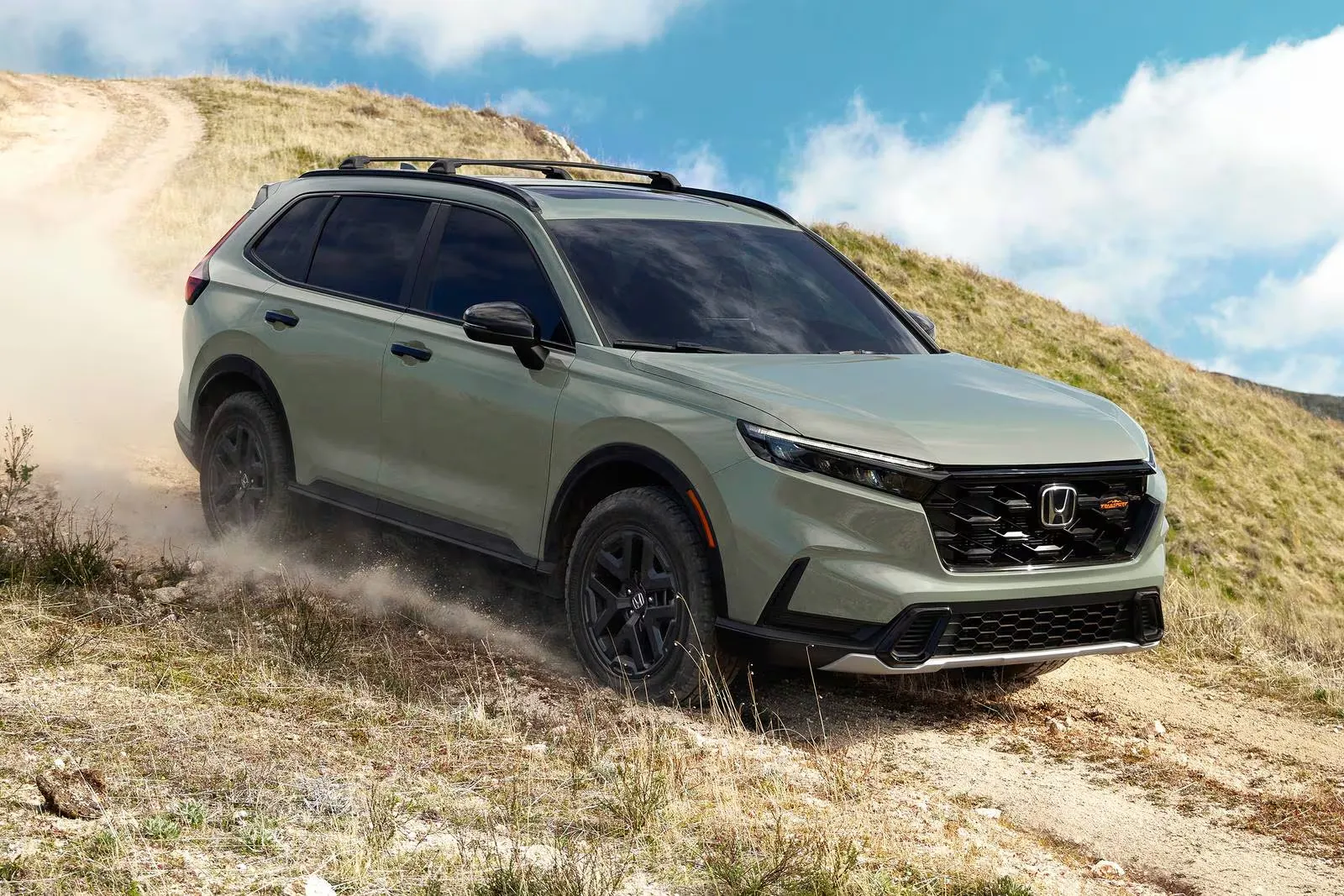
- Engine: 1.5-liter turbocharged 4-cylinder petrol engine (Hybrid option available with a 2.0-liter hybrid system)
- Horsepower: 190 hp (turbo petrol), up to 204 hp (hybrid)
- Torque: 179 lb-ft (243 Nm) for turbo engine
- Length: 184.8 inches (4,694 mm)
- Width: 73.5 inches (1,867 mm)
2. Honda CR-V
The Honda CR-V is a compact SUV that has built a reputation for reliability and affordable ownership. For decades, Honda has focused on producing vehicles that provide dependable performance with relatively low running costs.
The CR-V continues this tradition by offering practical interior space, comfortable driving manners, and engineering designed for long-term durability.
One reason the CR-V maintains affordable service costs is Honda’s emphasis on efficient and reliable engines. The SUV’s powertrains are designed to provide strong performance while remaining economical.
Routine services are generally simple, and many independent repair shops have extensive experience working on Honda vehicles. This widespread familiarity can make ownership more convenient and affordable.
The CR-V is also popular because of its practical design. Its spacious cabin, flexible cargo area, and comfortable seating make it suitable for families and daily commuters.
A vehicle that meets multiple needs reduces the pressure for owners to replace it frequently, allowing them to benefit from long-term ownership savings. Keeping a reliable SUV for several years is often one of the best ways to reduce transportation costs.
Honda vehicles are also known for their durability when properly maintained. Regular oil changes, inspections, and scheduled services can help the CR-V continue performing efficiently for many years. Owners who follow maintenance recommendations are more likely to avoid expensive problems and maximize the vehicle’s lifespan.
With its combination of reliability, practicality, and reasonable service expenses, the Honda CR-V remains one of the strongest choices for buyers who want an SUV with affordable five-year maintenance costs. It provides the everyday usefulness many drivers need without creating unnecessary ownership expenses.
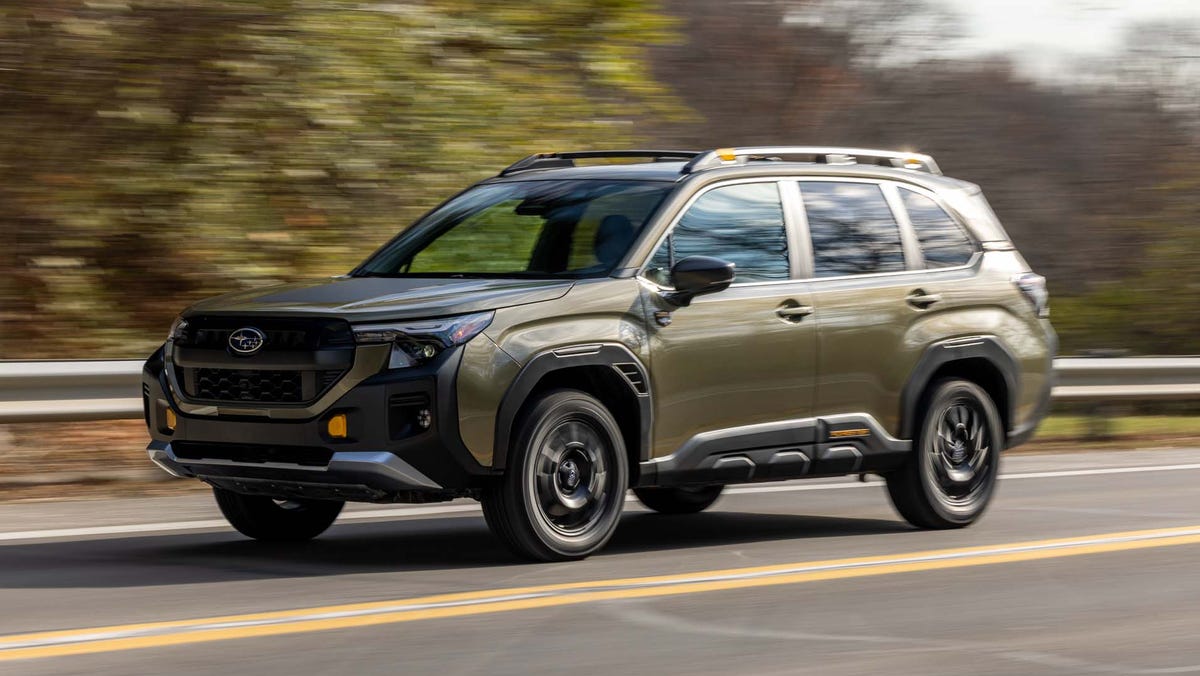
- Engine: 2.5-liter naturally aspirated 4-cylinder Boxer engine
- Horsepower: 180 hp
- Torque: 178 lb-ft (241 Nm)
- Length: 183.5 inches (4,661 mm)
- Width: 72.4 inches (1,839 mm)
3. Subaru Forester
The Subaru Forester is a compact SUV that has developed a loyal following among drivers who value practicality, safety, and dependable performance. Known for its standard all-wheel-drive system and excellent visibility, the Forester is especially popular among buyers who live in areas with challenging weather conditions.
Beyond its outdoor-focused reputation, the vehicle is also recognized for offering reasonable maintenance costs compared with many other SUVs in its class.
One of the reasons the Subaru Forester can maintain affordable ownership costs is its durable construction and straightforward design. Subaru has continued refining the Forester over multiple generations, improving efficiency and reliability while keeping many of its core mechanical characteristics. The availability of parts and the large number of Subaru service specialists also help make routine maintenance more manageable for owners.
Regular maintenance plays an important role in keeping a Subaru Forester affordable to own. Like any vehicle, it requires oil changes, tire care, brake inspections, and fluid checks. However, owners who follow the recommended maintenance schedule can often enjoy years of dependable service.
Proper care is particularly important for vehicles equipped with all-wheel drive because maintaining systems such as differentials and drivetrain components helps prevent larger repair issues.
The Forester’s practicality also contributes to its value. Many owners keep their vehicles for a long time because the SUV continues to meet their needs as lifestyles change.
Its spacious interior, comfortable seating, and cargo flexibility make it useful for families, commuters, and outdoor enthusiasts. A vehicle that remains useful for many years can reduce the financial pressure of frequent replacements.
While maintenance costs can vary depending on driving conditions and location, the Subaru Forester remains a strong option for buyers searching for an affordable SUV to own over several years. Its combination of reliability, practicality, and reasonable service requirements helps it compete with some of the most economical SUVs available.
- Engine: 2.5-liter 4-cylinder petrol engine (Hybrid and plug-in hybrid options available)
- Horsepower: 187 hp (petrol), up to 261 hp (plug-in hybrid)
- Torque: 178 lb-ft (241 Nm)
- Length: 182.3 inches (4,630 mm)
- Width: 73.4 inches (1,864 mm)
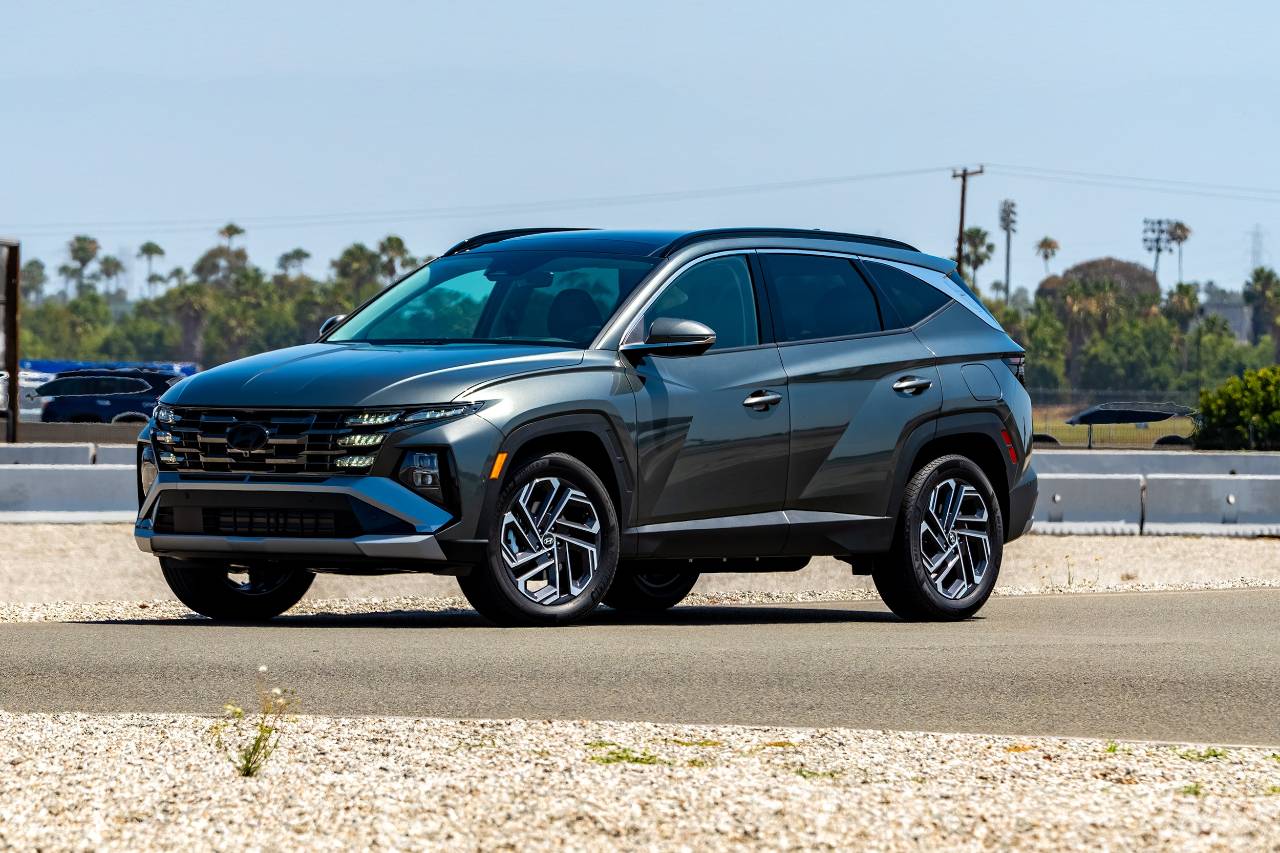
4. Hyundai Tucson
The Hyundai Tucson has become a strong competitor in the compact SUV market by offering modern features, comfortable driving characteristics, and affordable ownership costs.
Hyundai has improved its reputation significantly over the years by focusing on quality improvements, longer warranties, and vehicles designed to provide good value for buyers. The Tucson is a strong example of an SUV that balances affordability with everyday practicality.
One of the biggest advantages of the Hyundai Tucson is that routine maintenance is generally affordable compared with many competitors.
Hyundai vehicles often use widely available parts, and service procedures are designed to be relatively straightforward. This helps keep costs manageable for owners who want a dependable SUV without expensive maintenance requirements.
The Tucson also benefits from Hyundai’s focus on efficient powertrain technology. Modern engines are designed to provide a balance between performance and fuel economy, helping reduce daily operating expenses. Lower fuel usage combined with reasonable service costs can make a noticeable difference over five years of ownership.
Another factor that makes the Tucson appealing is its strong feature list. Many versions include advanced safety technology, comfortable interiors, and convenient technology features. Buyers often do not need to spend significantly more money to get a well-equipped SUV, making the Tucson attractive from both a purchase and ownership perspective.
The Hyundai Tucson is also backed by Hyundai’s commitment to customer confidence through warranty coverage in many markets.
While warranties do not eliminate regular maintenance expenses, they can provide additional protection against certain unexpected repair costs. For buyers seeking a modern SUV with affordable ownership expenses, the Tucson remains a smart choice.
- Engine: 2.5-liter Skyactiv-G 4-cylinder petrol engine (Turbo option available)
- Horsepower: 187 hp (standard), up to 256 hp (turbo with premium fuel)
- Torque: 186 lb-ft (252 Nm) standard, up to 320 lb-ft (434 Nm) turbo
- Length: 180.1 inches (4,575 mm)
- Width: 72.6 inches (1,845 mm)
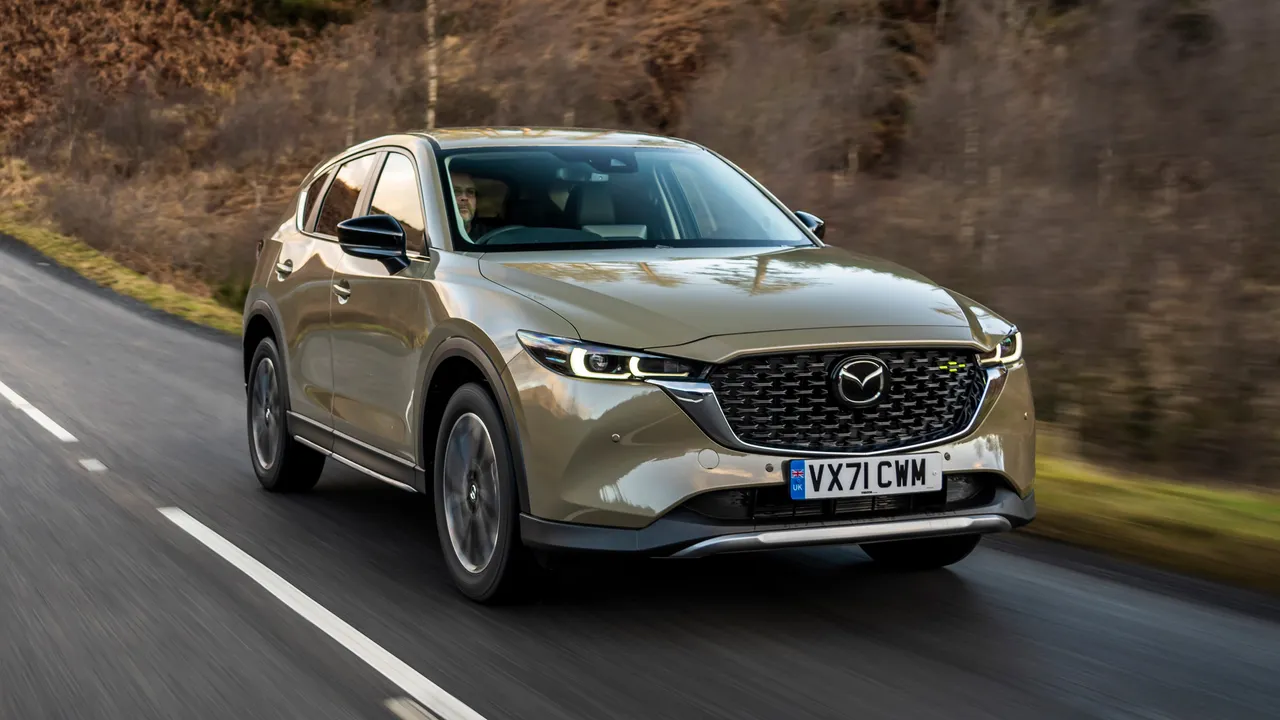
5. Mazda CX-5
The Mazda CX-5 stands out in the compact SUV segment by combining enjoyable driving dynamics with strong reliability.
Unlike some SUVs that focus only on practicality, the CX-5 offers a more engaging driving experience while still delivering the comfort and versatility expected from a family vehicle. Its reputation for quality construction and dependable performance helps keep long-term maintenance costs reasonable.
Mazda has developed a reputation for building vehicles with solid engineering and high-quality interiors. The CX-5 benefits from this approach through its carefully designed components and attention to detail. Many owners appreciate that the SUV feels refined while still maintaining manageable service requirements.
Maintenance expenses for the CX-5 are generally predictable because the vehicle uses proven mechanical systems.
Routine services such as oil changes, inspections, and brake maintenance are normal ownership costs, but the SUV does not typically require excessive attention when properly maintained. This makes it appealing to buyers who want a premium-feeling vehicle without premium-level maintenance expenses.
Another advantage of the Mazda CX-5 is its strong build quality. A well-built vehicle often experiences fewer issues related to interior wear, mechanical components, and long-term durability. This can help owners enjoy a more consistent ownership experience and reduce unexpected expenses.
The CX-5 demonstrates that affordable maintenance does not require sacrificing driving enjoyment. It provides a combination of comfort, style, reliability, and practicality that appeals to a wide range of drivers. For those looking for an SUV that feels more refined while still keeping maintenance costs under control, the Mazda CX-5 is worth considering.
Also Read: The 2027 Kia Telluride vs the Hyundai Palisade
- Engine: 2.5-liter 4-cylinder petrol engine (Hybrid and plug-in hybrid options available)
- Horsepower: 187 hp (petrol), up to 261 hp (plug-in hybrid)
- Torque: 178 lb-ft (241 Nm)
- Length: 183.5 inches (4,661 mm)
- Width: 73.4 inches (1,864 mm)
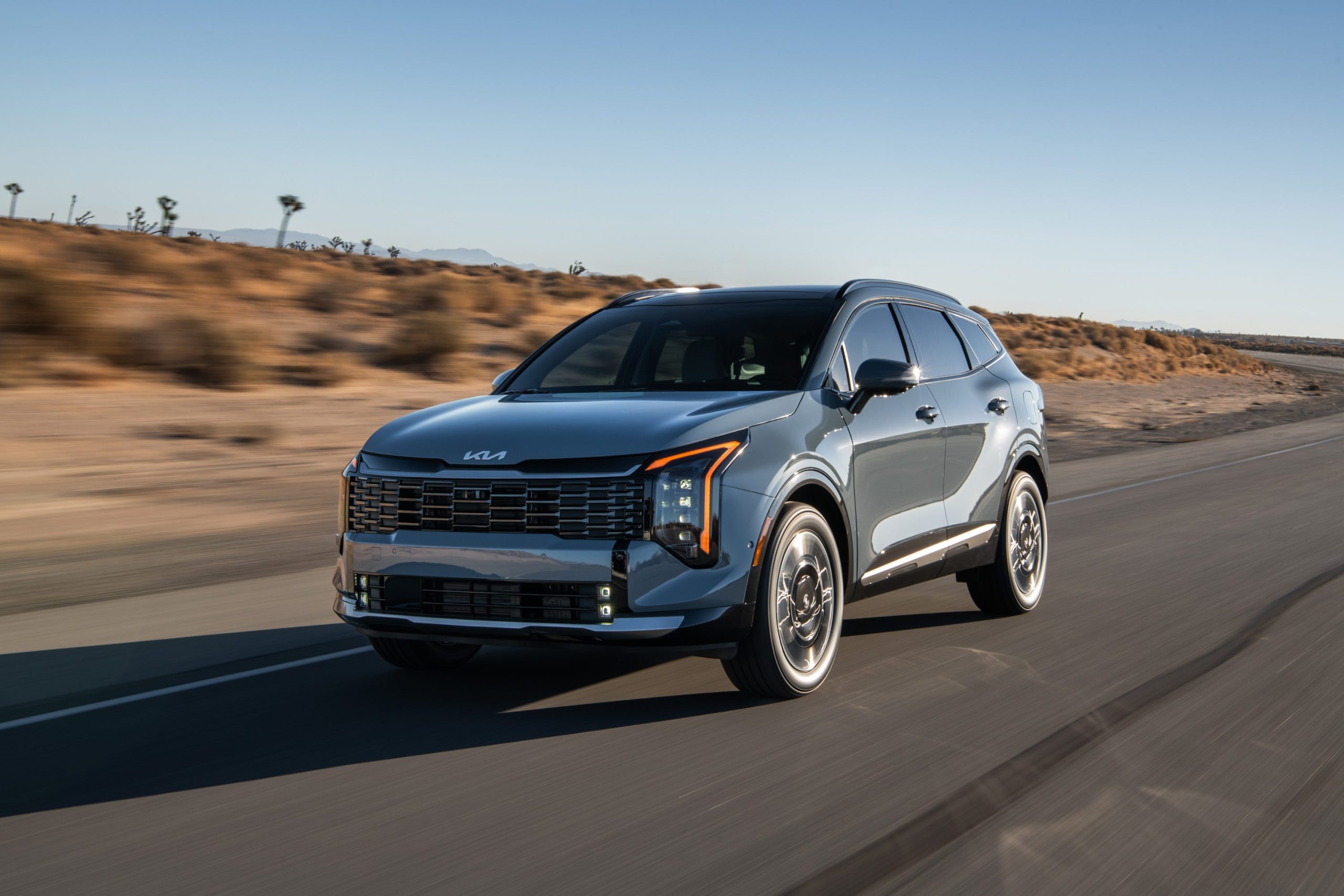
6. Kia Sportage
The Kia Sportage has become one of the most competitive compact SUVs thanks to its combination of value, technology, and affordable ownership. Kia has invested heavily in improving vehicle quality and reliability, and the Sportage reflects those improvements. It offers a comfortable interior, modern features, and practical performance while maintaining reasonable maintenance expenses.
One reason the Sportage can be affordable to maintain is Kia’s focus on efficient manufacturing and accessible service. Replacement parts are generally available, and routine maintenance procedures are designed to be straightforward. This helps owners avoid excessive costs during regular service visits.
The Sportage is also appealing because it provides a strong feature-to-price ratio. Many buyers choose the SUV because they can access desirable technology and comfort features without moving into a more expensive vehicle category. Lower purchase costs combined with reasonable maintenance can create strong value.
Kia’s improvements in reliability have helped increase consumer confidence. Modern Sportage models benefit from updated engineering and improved quality standards compared with older generations. When properly maintained, the SUV can provide dependable transportation for many years.
The Sportage is a practical choice for drivers who want a well-equipped SUV without high ownership expenses. Its affordable maintenance requirements, comfortable design, and strong value proposition make it one of the more economical options in the compact SUV market.
- Engine: 1.5-liter turbocharged 3-cylinder petrol engine with variable compression technology
- Horsepower: 201 hp
- Torque: 225 lb-ft (305 Nm)
- Length: 183.0 inches (4,648 mm)
- Width: 72.4 inches (1,839 mm)
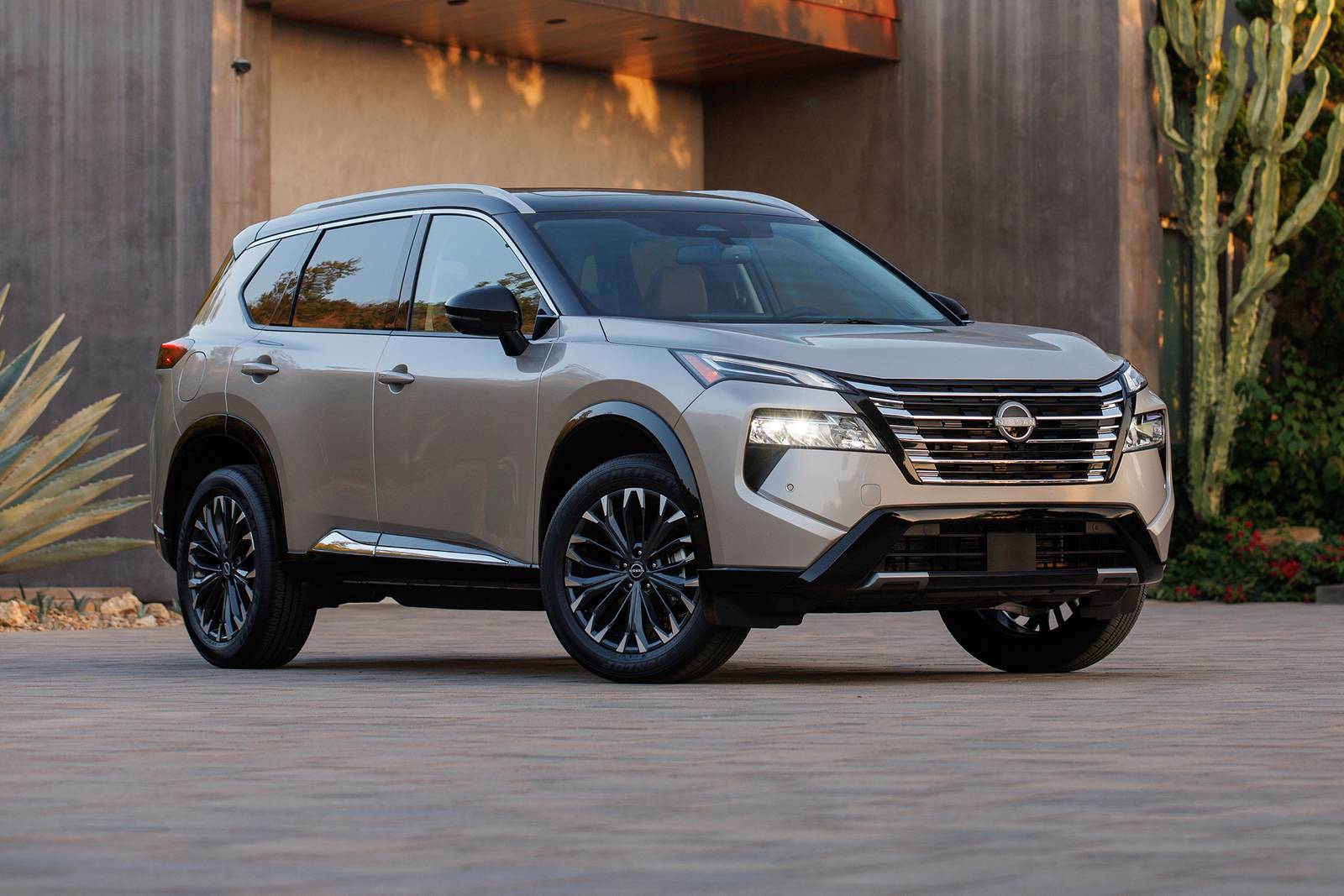
7. Nissan Rogue
The Nissan Rogue is one of the most recognizable compact SUVs on the market and has remained popular because of its comfort, practicality, and affordability. It offers a spacious interior, smooth driving experience, and features designed for everyday convenience. For many buyers, the Rogue provides an attractive balance between purchase price and long-term ownership expenses.
Routine maintenance costs for the Rogue are generally competitive because Nissan vehicles are widely serviced across many regions. Parts availability is strong, and many mechanics are familiar with Nissan models. This can help reduce service delays and keep repair expenses reasonable.
The Rogue is also designed with everyday drivers in mind. Its comfortable ride, useful cargo space, and family-friendly features make it a practical choice for commuting, road trips, and daily errands. Vehicles that are versatile enough to serve multiple purposes often provide better long-term value.
Keeping maintenance costs low requires following recommended service schedules, especially for vehicles with advanced transmissions and electronic features. Regular inspections and proper care can help prevent issues and support long-term reliability.
For buyers searching for an affordable compact SUV, the Nissan Rogue remains a strong contender. It offers a combination of comfort, practicality, and manageable maintenance expenses that make it suitable for many different types of drivers.
- Engine: 2.4-liter turbocharged 4-cylinder petrol engine (Hybrid option available with a 2.5-liter hybrid system)
- Horsepower: 265 hp (turbo petrol), up to 243 hp (hybrid)
- Torque: 310 lb-ft (420 Nm) turbo engine
- Length: 194.9 inches (4,950 mm)
- Width: 76.0 inches (1,930 mm)
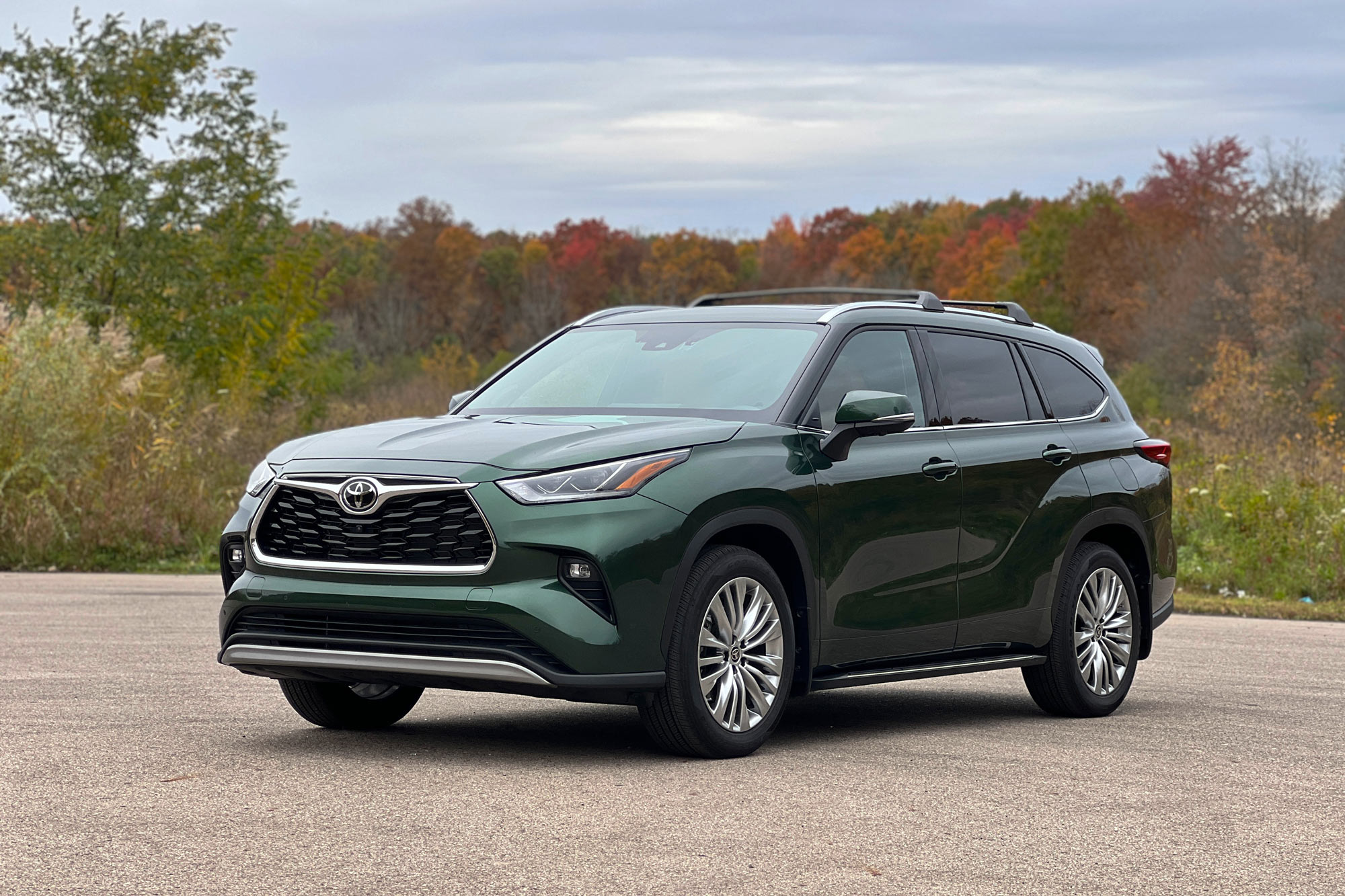
8. Toyota Highlander
The Toyota Highlander is a midsize SUV that proves larger vehicles do not always have to come with extremely high maintenance costs.
Known for its spacious three-row seating, smooth driving experience, and strong reliability reputation, the Highlander has become a popular choice for families who need extra passenger capacity without moving into a full-size SUV. Toyota’s focus on durability has helped the Highlander maintain reasonable long-term ownership expenses.
One of the biggest advantages of the Toyota Highlander is its proven engineering. Toyota has built a reputation for creating vehicles that can handle years of regular use with proper maintenance.
The Highlander benefits from reliable engines, well-developed drivetrain systems, and durable components that are designed to withstand daily driving demands. These characteristics help reduce the likelihood of major repair expenses during the first several years of ownership.
Routine maintenance on the Highlander is generally predictable. Like other SUVs, it requires regular oil changes, tire rotations, brake inspections, and fluid services.
However, Toyota’s widespread dealer network and the availability of replacement parts help keep service costs manageable. Many independent repair shops also have extensive experience with Toyota vehicles, giving owners additional options for affordable maintenance.
The Highlander’s hybrid version adds a level of efficiency for buyers who want lower operating costs. Hybrid technology can help reduce fuel expenses, and Toyota’s long experience with hybrid systems has helped build consumer confidence.
While hybrid models may have slightly different maintenance considerations, many owners appreciate the potential savings from improved efficiency and reduced brake wear.
Another factor that makes the Highlander attractive is its long-term value. Families often keep midsize SUVs for many years because they provide the space and flexibility needed for changing lifestyles.
A reliable vehicle that remains useful over time can help owners avoid frequent replacement costs. The Highlander’s combination of durability, practicality, and manageable maintenance expenses makes it one of the best choices for buyers looking for an affordable midsize SUV.
- Engine: 1.5-liter turbocharged 4-cylinder petrol engine
- Horsepower: 175 hp
- Torque: 203 lb-ft (275 Nm)
- Length: 183.2 inches (4,654 mm)
- Width: 74.9 inches (1,902 mm)
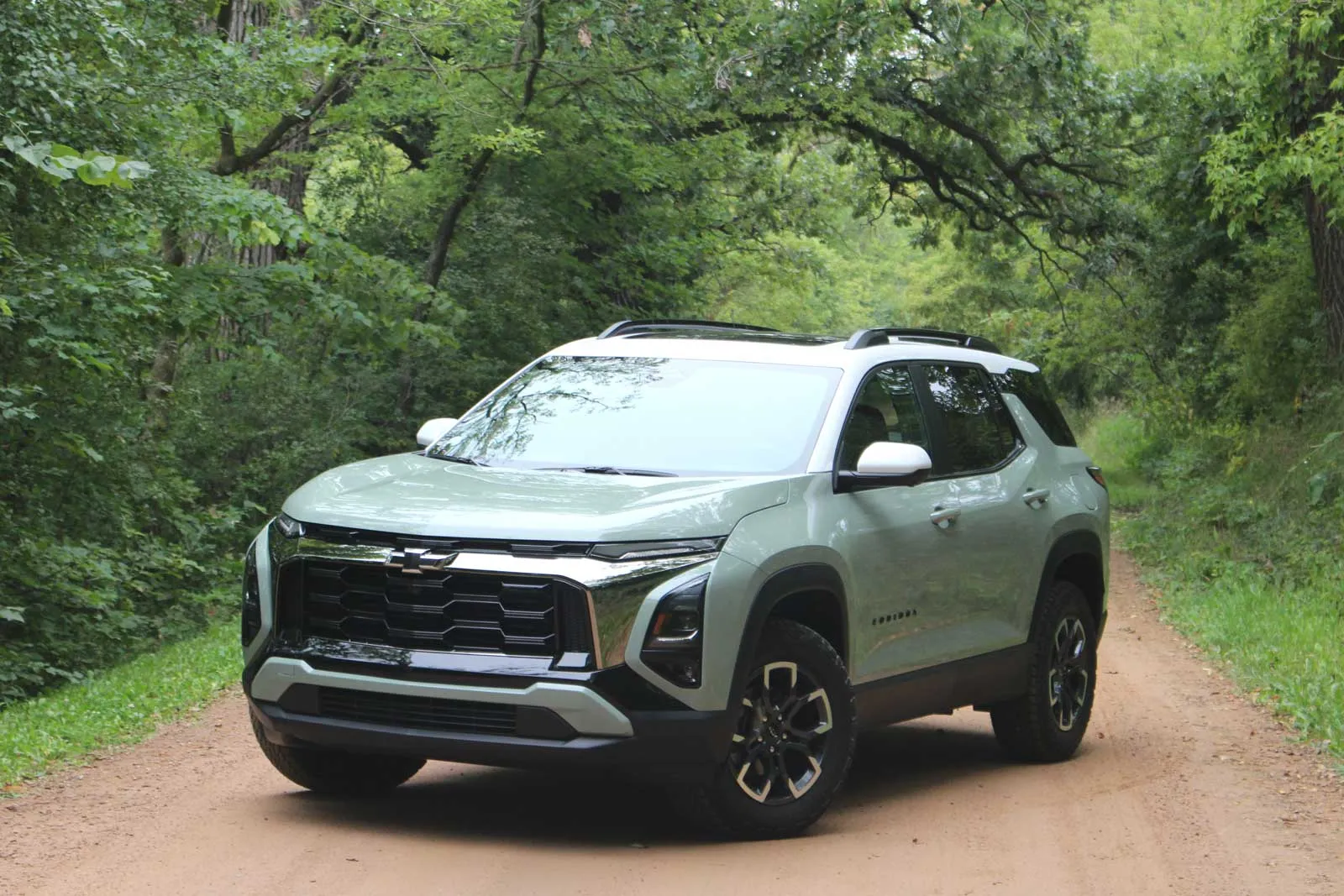
9. Chevrolet Equinox
The Chevrolet Equinox is a compact SUV that has remained popular because of its comfortable design, practical features, and accessible ownership costs. It provides an appealing option for drivers who want a reliable daily vehicle without paying premium prices for maintenance. Chevrolet’s extensive service network also makes ownership convenient for many drivers.
One of the reasons the Equinox can offer affordable maintenance is the availability of parts and service options. Chevrolet vehicles are common across many regions, which means replacement components are generally easy to find. A large number of mechanics are familiar with Chevrolet models, allowing owners to choose from various service providers.
The Equinox is designed primarily as a practical family SUV. Its comfortable interior, useful cargo capacity, and easy driving characteristics make it suitable for commuting, errands, and road trips. A vehicle that performs well in everyday situations can provide strong value because owners can rely on it for multiple transportation needs.
Regular maintenance remains essential for keeping the Equinox affordable over five years. Following recommended service intervals, addressing small issues early, and maintaining important systems such as brakes and tires can help prevent more expensive repairs. Responsible ownership habits often have a major impact on long-term costs.
The Chevrolet Equinox remains a sensible option for buyers who want a compact SUV with reasonable maintenance expenses. While maintenance costs can differ depending on model year and driving conditions, the Equinox continues to appeal to drivers seeking affordability, practicality, and convenience.
- Engine: 2.5-liter 4-cylinder petrol engine (Plug-in hybrid option available)
- Horsepower: 181 hp
- Torque: 181 lb-ft (245 Nm)
- Length: 185.4 inches (4,710 mm)
- Width: 73.3 inches (1,862 mm)
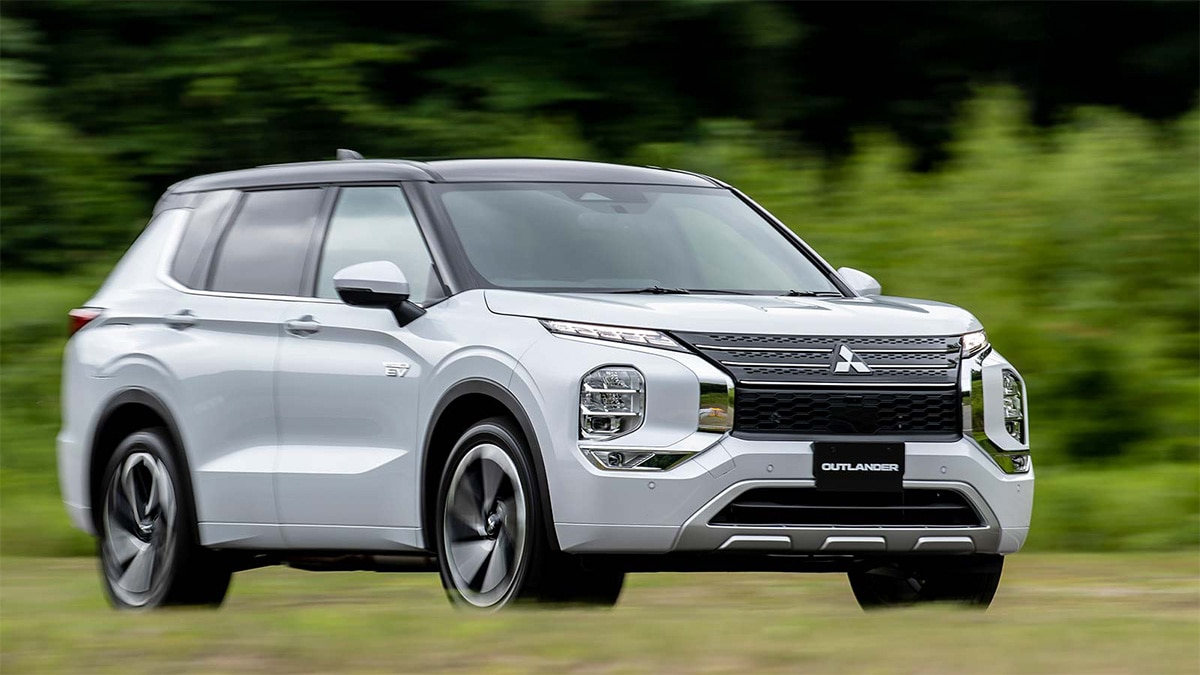
10. Mitsubishi Outlander
The Mitsubishi Outlander is a SUV that deserves attention from buyers focused on affordable ownership.
While it may not receive the same level of attention as some competitors, the Outlander offers several advantages, including practical space, available three-row seating, and relatively manageable maintenance costs. It provides a budget-friendly alternative for families who need SUV versatility.
One reason the Outlander can be affordable to maintain is Mitsubishi’s approach to vehicle ownership. The company has focused on producing practical vehicles with straightforward engineering and reasonable service requirements. This can help owners avoid some of the higher maintenance expenses associated with more complex luxury SUVs or performance-focused models.
The Outlander also benefits from Mitsubishi’s emphasis on value. Buyers often choose this SUV because it provides useful features and passenger space without requiring a large financial investment. Lower ownership costs can make it appealing to drivers who want a capable SUV while keeping long-term expenses under control.
Like any SUV, the Outlander requires regular maintenance to remain dependable. Oil changes, tire care, brake inspections, and scheduled servicing are important for maintaining performance and reliability. Owners who stay consistent with maintenance are more likely to enjoy a smoother ownership experience.
For buyers who prioritize affordability, practicality, and reasonable service costs, the Mitsubishi Outlander can be a strong choice. It may not always receive the same attention as some of the segment leaders, but it offers many qualities that make it a practical and economical SUV option.
