
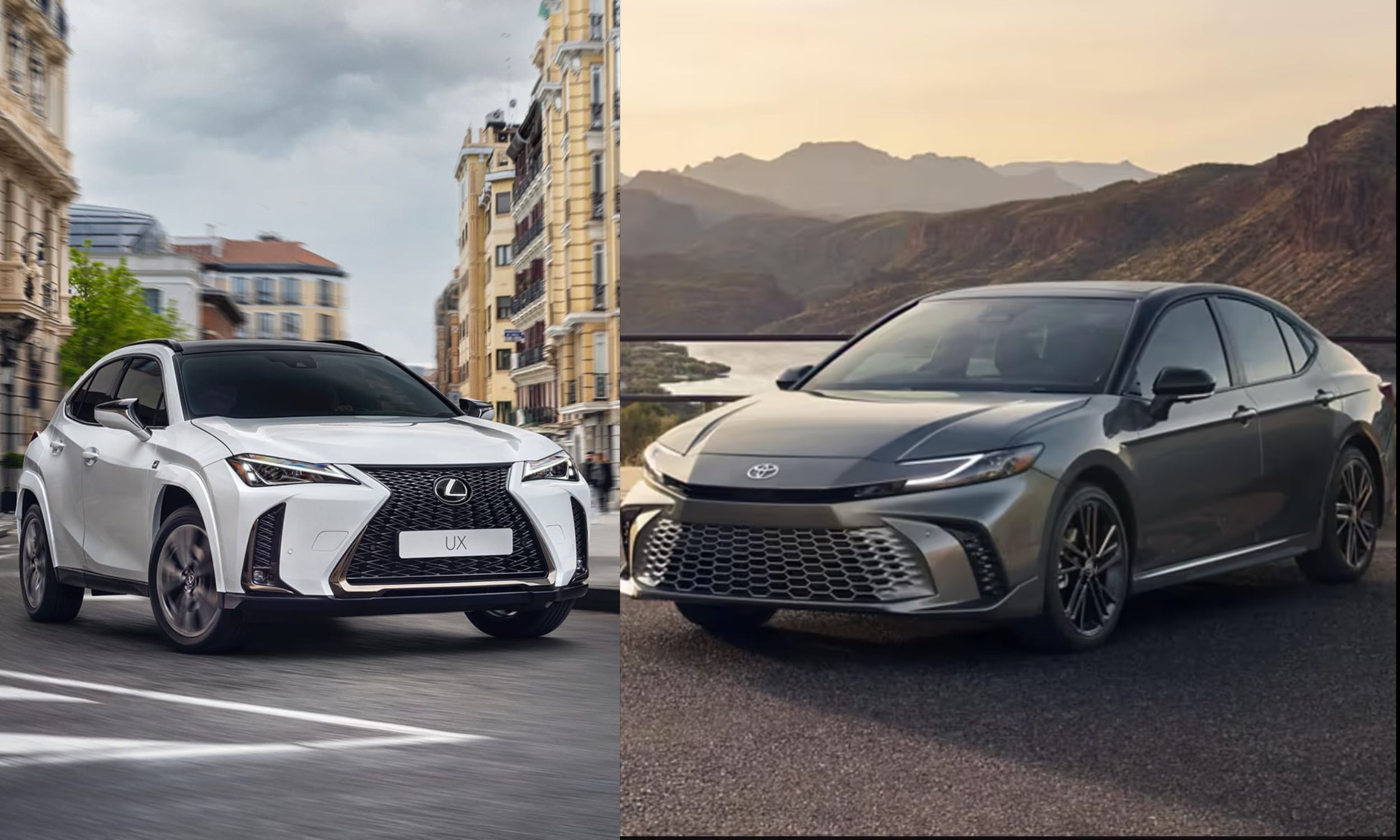
Growing older does not mean losing the freedom to drive. It simply means choosing a vehicle that provides the right support for your changing needs. As people age, certain driving tasks can become more difficult, such as spotting vehicles in blind areas, reacting quickly in unexpected situations, or turning around comfortably to check traffic. These changes do not mean driving must stop. They show why having helpful safety features in a car matters more than ever.
Advanced safety technology is no longer reserved for premium trim levels. Many automakers now equip their standard models with features that were once available only as costly upgrades. Automatic emergency braking, blind-spot monitoring, lane-keeping assistance, and modern LED lighting have become increasingly common, giving buyers access to important safety features without requiring a higher-priced model.
These technologies are designed to provide extra confidence during everyday journeys. A warning system can help identify a vehicle hidden from view, while automatic braking can provide support when a sudden hazard appears. Better lighting also improves visibility during night driving or poor weather conditions.
The vehicles discussed below were selected because their standard versions already include practical safety features that support older drivers. Each model offers useful assistance that can make daily driving easier, safer, and less stressful. From clearer visibility to helpful alerts, these cars show how modern technology can help drivers maintain confidence on the road.
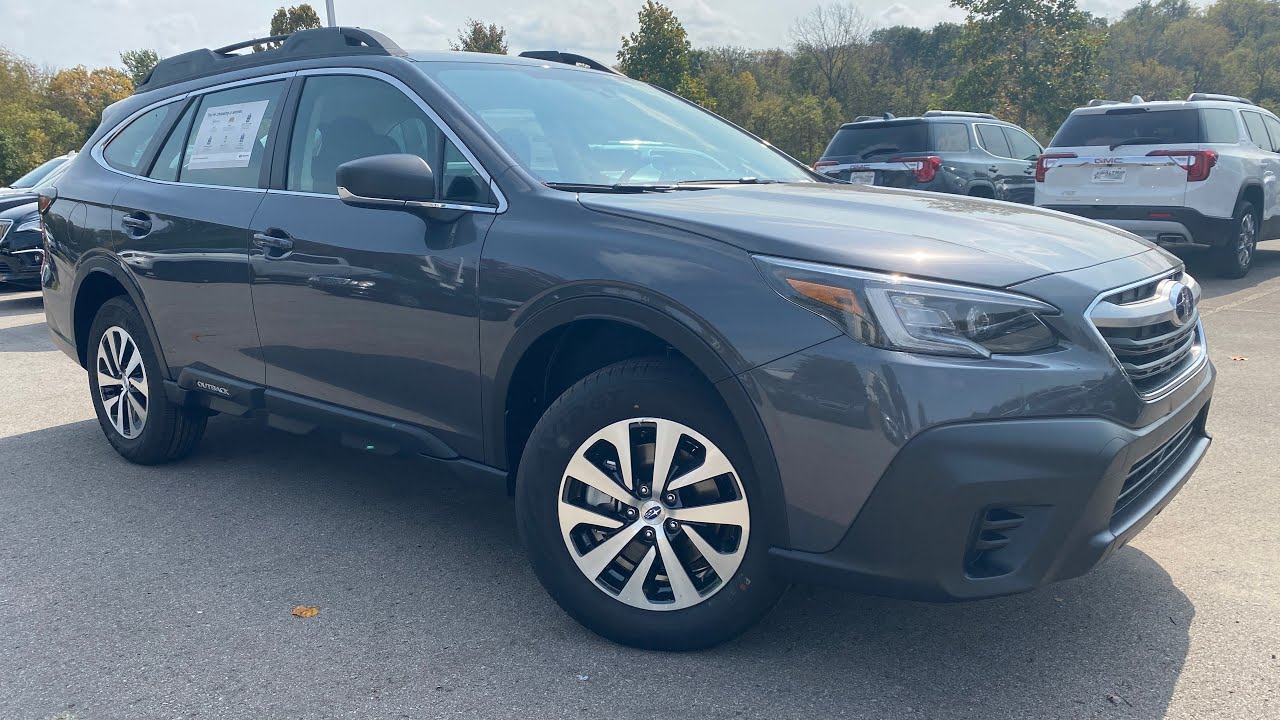
1. Subaru Outback (Base)
- Engine: 2.5L 4-Cylinder Boxer
- Horsepower: 182 hp
- Torque: 176 lb-ft
- Size: 191.9″ L x 73.0″ W x 66.1″ H
Subaru built its reputation on dependability, but the Outback’s real strength for older drivers lies in its standard EyeSight system. Two forward-facing cameras work together to read the road ahead, functioning almost like a second set of eyes that never gets tired or distracted. When the system detects a potential collision, it can manage the throttle automatically and apply gentle lane-centering assistance, catching small drifts before they become real problems.
Seating height matters more than people realize until they’re the ones straining to see over a low hood. The Outback sits higher than a typical sedan, giving drivers a commanding view of the road and cutting down on blind spots that come from sitting low to the ground. Getting in and out is easier too, since you’re not dropping down into a bucket seat or hoisting yourself up out of one.
One of EyeSight’s greatest strengths is its ability to work automatically without adding extra tasks for the driver. The system activates on its own whenever the vehicle is started and continuously monitors the road without requiring manual input. If a dangerous situation develops, it can respond more quickly than most people are able to. For older drivers or anyone who appreciates an extra layer of protection, that capability provides meaningful peace of mind and real-world safety benefits.
Combine that with all-wheel drive as standard equipment, useful for anyone driving through rain, snow, or unpredictable weather, and the Outback earns its spot as one of the more thoughtfully engineered choices for drivers who want confidence without complication.
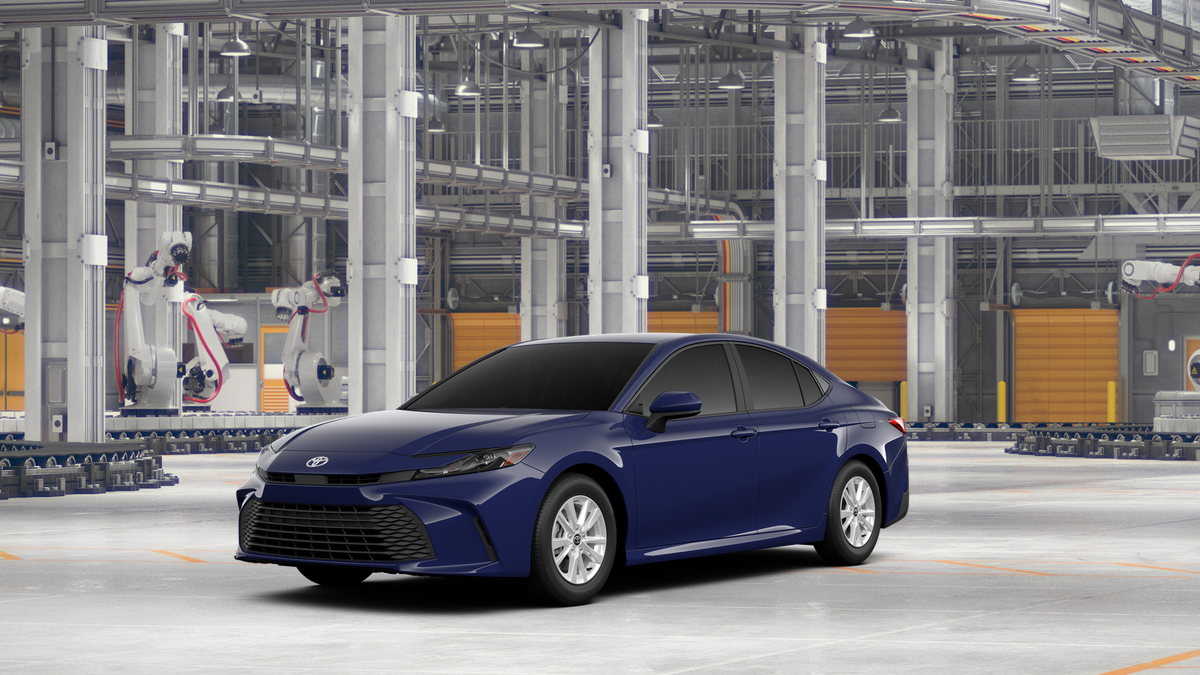
2. Toyota Camry (LE)
- Engine: 2.5L 4-Cylinder Hybrid
- Horsepower: 225 hp
- Torque: 163 lb-ft (gas engine) / 150 lb-ft (electric motor)
- Size: 193.5″ L x 72.4″ W x 57.1″ H
Many motorists in the United States have long treated the Toyota Camry as a dependable everyday sedan, and recent safety upgrades reinforce that position for older drivers. Toyota Safety Sense 3.0 introduces Proactive Driving Assist, a feature designed to support normal driving rather than react only during emergencies. As the car approaches bends in the road or slower vehicles ahead, it gently reduces speed ahead of time, often before the driver feels the need to press the brake.
Long journeys can place real strain on the body, especially for people dealing with joint pain or reduced movement in the legs. Constant use of the accelerator and brake pedals can become tiring. Proactive Driving Assist helps share that effort by easing off speed smoothly when traffic flow changes. The driver stays fully in control, yet the vehicle quietly reduces the physical effort required to maintain a steady pace.
Beyond driver assistance, the Camry hybrid system adds another layer of comfort. With a combined output of 225 horsepower, the car responds confidently when joining fast traffic or overtaking on open roads. The electric motor delivers an immediate response, removing hesitation during moments that require quick action. Predictable acceleration helps drivers maintain calm control, avoiding sudden movements that can increase stress behind the wheel.
City streets also benefit from this safety package. Toyota Safety Sense 3.0 operates at various speeds, supporting driving in town as well as on major highways. This means protection is not limited to long-distance travel alone. For buyers seeking a reliable sedan with strong safety support built in from the start, the Camry LE provides reassurance without demanding careful study of optional equipment lists.
Also Read: 10 Cars That Outrun a New Camry for Under $20,000 Used
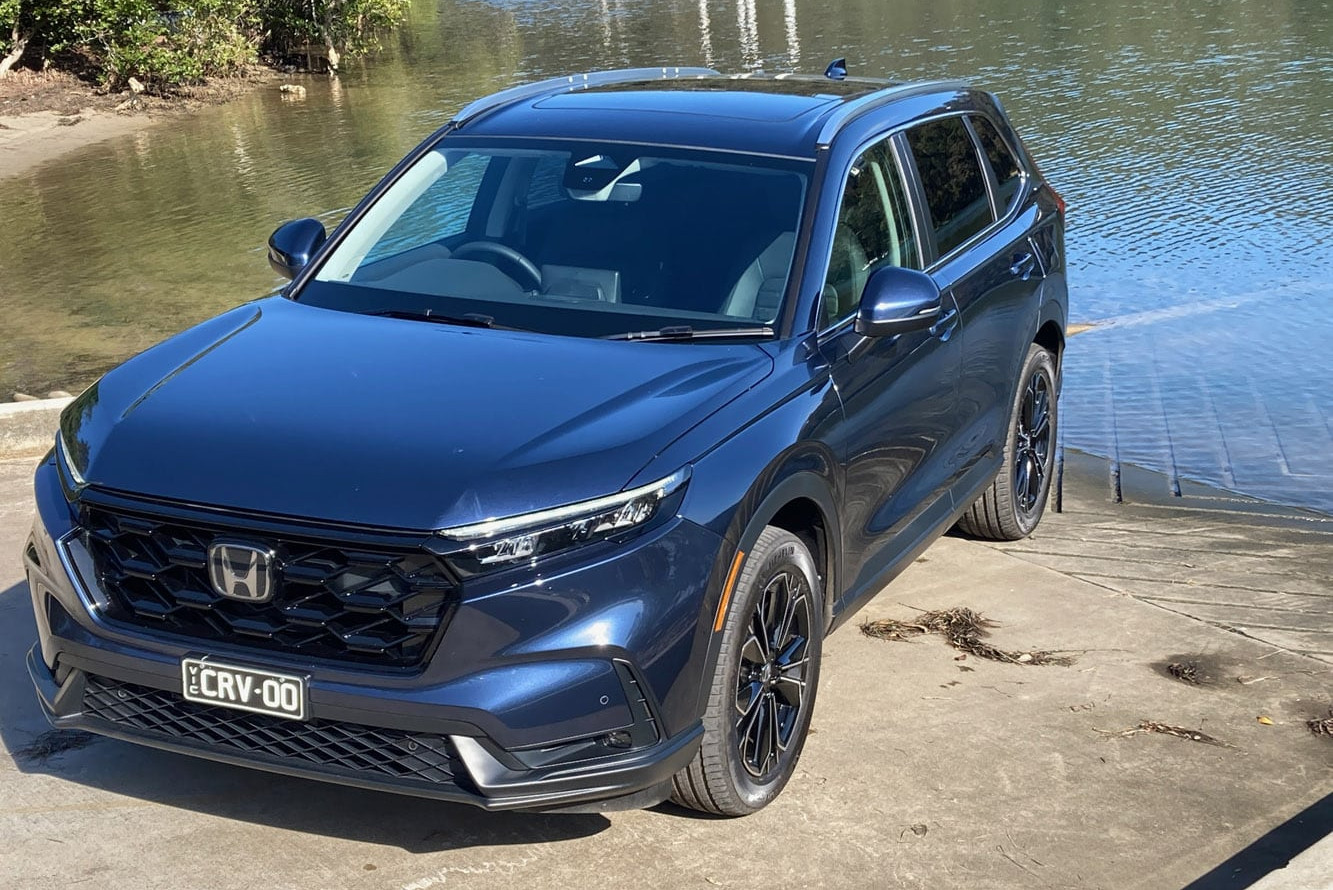
3. Honda CR-V (LX)
- Engine: 1.5L Turbocharged 4-Cylinder
- Horsepower: 190 hp
- Torque: 179 lb-ft
- Size: 184.8″ L x 73.5″ W x 66.2″ H
Missing a speed limit sign happens to everyone eventually, and it happens more easily when a sign is partially blocked, faded, or simply passed at the wrong moment. Honda’s answer to that problem, Traffic Sign Recognition, is built directly into the standard Honda Sensing suite on every CR-V trim, including the base LX.
The system reads posted speed limits and displays them right on the dashboard, so there’s no guessing and no relying purely on memory. Traffic Jam Assist rounds out the package nicely, handling some of the tedious, repetitive parts of stop-and-go driving that tend to wear on concentration over long commutes.
Rather than constantly adjusting speed and steering in slow highway traffic, the system helps maintain a safe following distance and keeps the vehicle centered in its lane, freeing up mental bandwidth for staying alert to what’s happening around you rather than managing every small input yourself.
Honda didn’t reserve these features for higher trims either, which matters for buyers trying to get real safety value without overspending. The LX trim, typically the most affordable CR-V configuration, comes with the full Honda Sensing suite standard, no upsells required to get the protection that matters most.
Under the hood, the turbocharged 1.5L engine delivers enough responsive power for confident merging without feeling twitchy or unpredictable, a balance that suits drivers who want capability without excess. Combined with the CR-V’s well-regarded visibility and comfortable seating position, this is a compact SUV built around genuinely practical safety thinking rather than flashy but less useful gadgets.
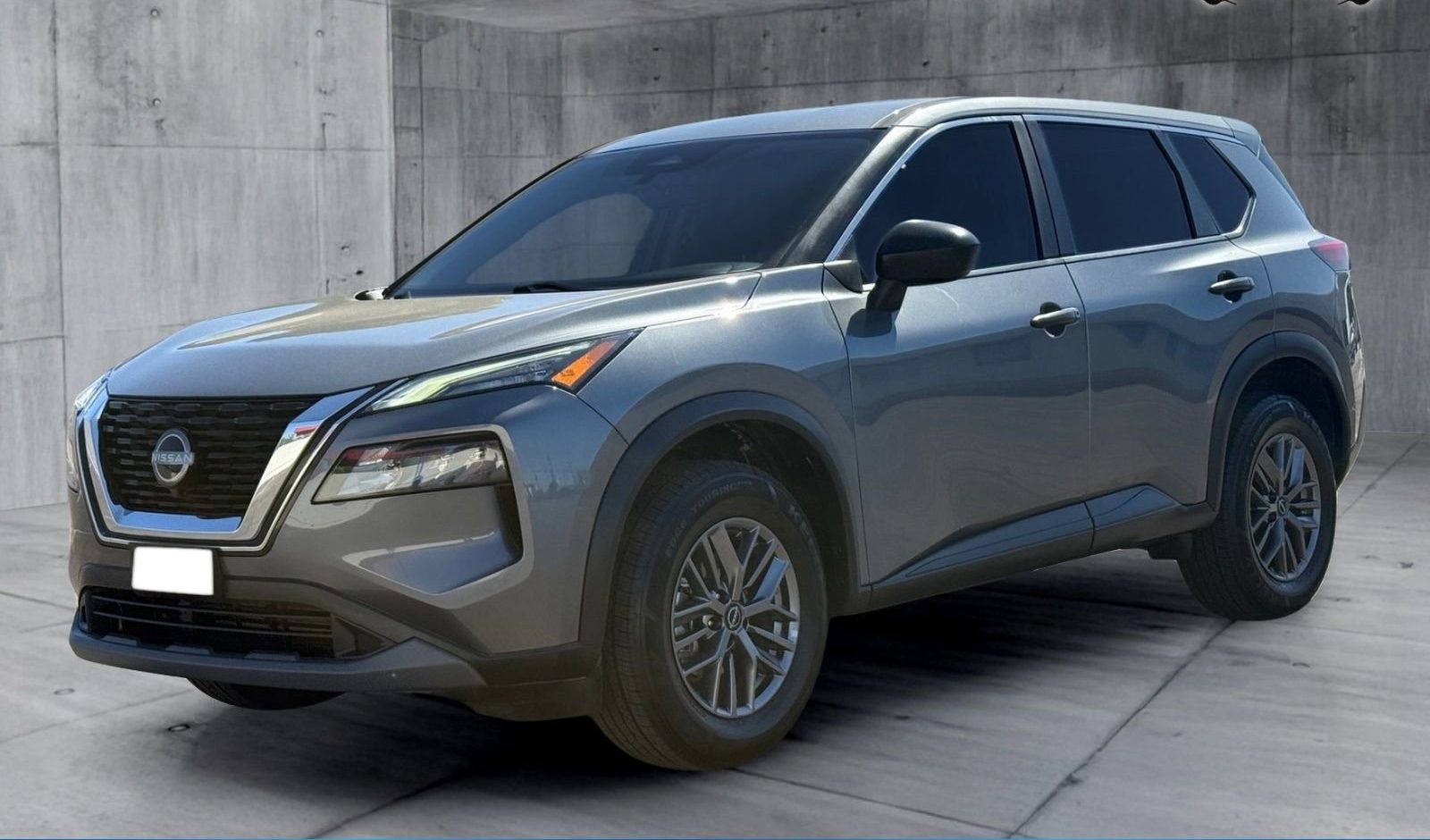
4. Nissan Rogue (S)
- Engine: 1.5L Turbocharged 3-Cylinder VC-Turbo
- Horsepower: 201 hp
- Torque: 225 lb-ft
- Size: 183.0″ L x 72.4″ W x 66.5″ H
Backing out of a driveway shouldn’t feel like a gamble, but low visibility toward the rear of a vehicle makes it one for plenty of drivers. Nissan’s Safety Shield 360 suite tackles this directly with standard Rear Automatic Braking, a feature that stops the Rogue automatically if it detects a pedestrian, pet, or object behind the vehicle while reversing. It’s the kind of safety net most people hope they’ll never need, but feel considerably better knowing it’s there.
This isn’t a feature buried in an expensive trim level either. Every single Rogue, starting with the base S model, includes the full Safety Shield 360 suite as standard, a decision that puts genuine protection within reach regardless of budget. That matters because backing incidents are disproportionately common in parking lots and driveways, exactly the kind of low-speed, high-consequence situations where a half-second delay in reaction time can make a real difference.
Beyond rear braking, the suite includes blind-spot warning and rear cross-traffic alert, both of which compensate directly for reduced neck mobility or difficulty turning to check over your shoulder. Rather than relying entirely on physical range of motion, these systems scan the surrounding area continuously and alert you to anything approaching from angles that mirrors alone can miss.
The turbocharged 1.5L three-cylinder engine might sound unconventional, but it delivers a strong 225 lb-ft of torque, giving the Rogue confident, responsive acceleration for merging and passing. Paired with genuinely comprehensive standard safety equipment, this is a compact SUV that takes real accident prevention seriously rather than treating it as an optional extra.
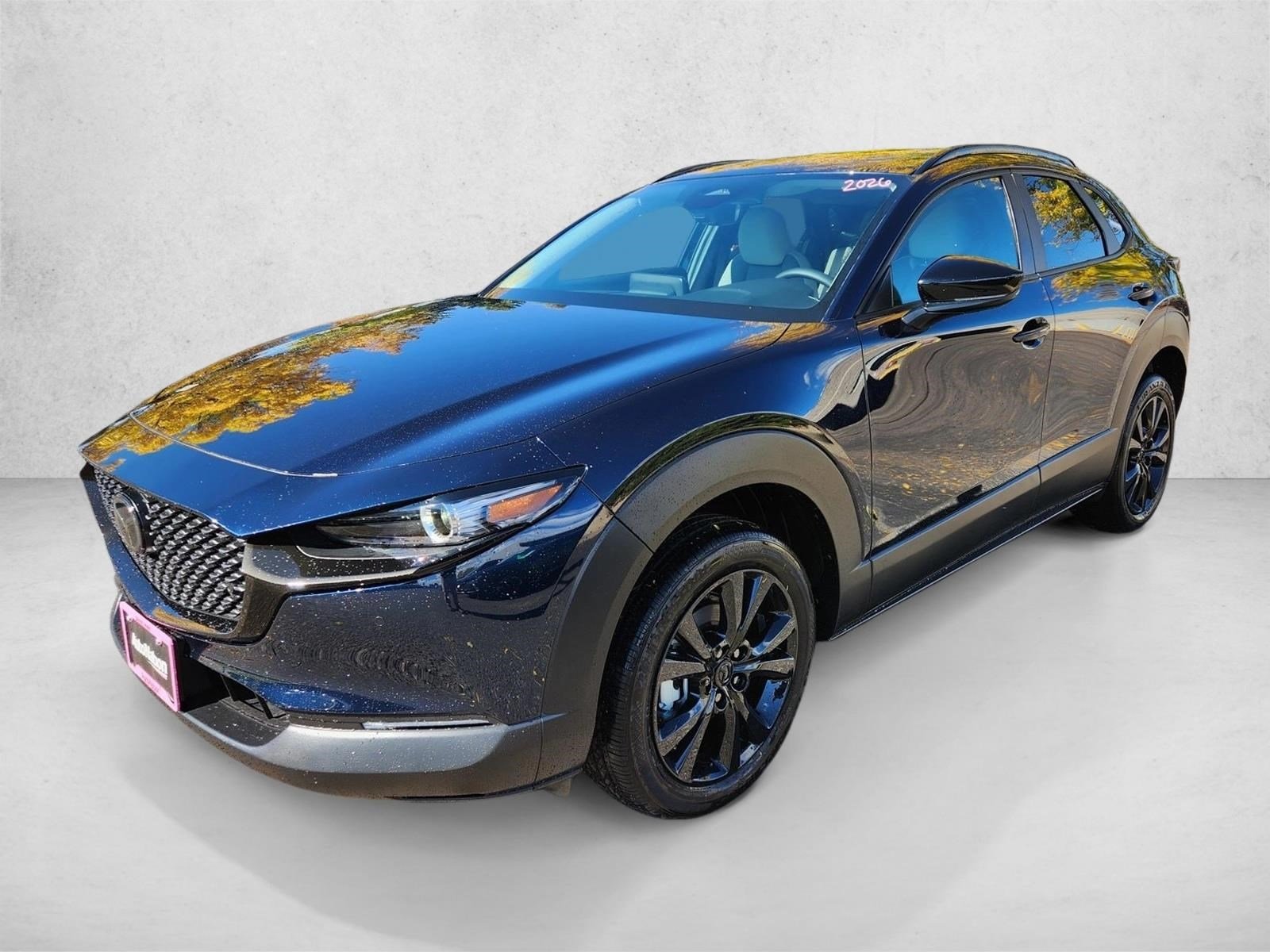
5. Mazda CX-30 (2.5 S)
- Engine: 2.5L 4-Cylinder
- Horsepower: 191 hp
- Torque: 186 lb-ft
- Size: 173.0″ L x 70.7″ W x 61.7″ H
Tiredness often builds quietly, which makes it one of the most underestimated driving risks. You may feel fine one moment, only to realise later that your focus has drifted. This is where the Mazda CX-30 offers helpful support. As part of Mazda’s i-Activsense package, Driver Attention Alert comes standard across the range.
The system studies steering behaviour and looks for the small, uneven corrections that tend to appear when concentration starts to drop. Once those signs show up, an audible warning encourages the driver to pause and rest before fatigue turns into a serious issue.
What makes this feature easy to live with is how subtle it feels. It does not interfere with normal driving or react at random moments. Instead, it behaves like a calm passenger who notices when something feels slightly off and speaks up at the right time. The alert is firm enough to get attention, yet gentle enough not to feel intrusive or distracting.
Safety support in the CX-30 goes beyond fatigue awareness. Forward collision warning and automatic emergency braking are also fitted as standard. These systems provide an extra layer of protection in everyday traffic situations. For drivers whose reaction times may not be as sharp as they once were, having the vehicle ready to intervene can make a meaningful difference during sudden stops or unexpected hazards.
Size also plays a role in reducing daily driving stress. Measuring about 173 inches in length, the CX-30 is easier to manage in tight parking spaces, narrow streets, and busy shopping areas. Less effort is required when manoeuvring, which helps reduce physical strain as time goes on.
A smooth ride and a confident 191 horsepower four-cylinder engine complete the package. The CX-30 balances practical safety features with manageable dimensions, making it a sensible choice for drivers who want modern support without added complication in daily use.
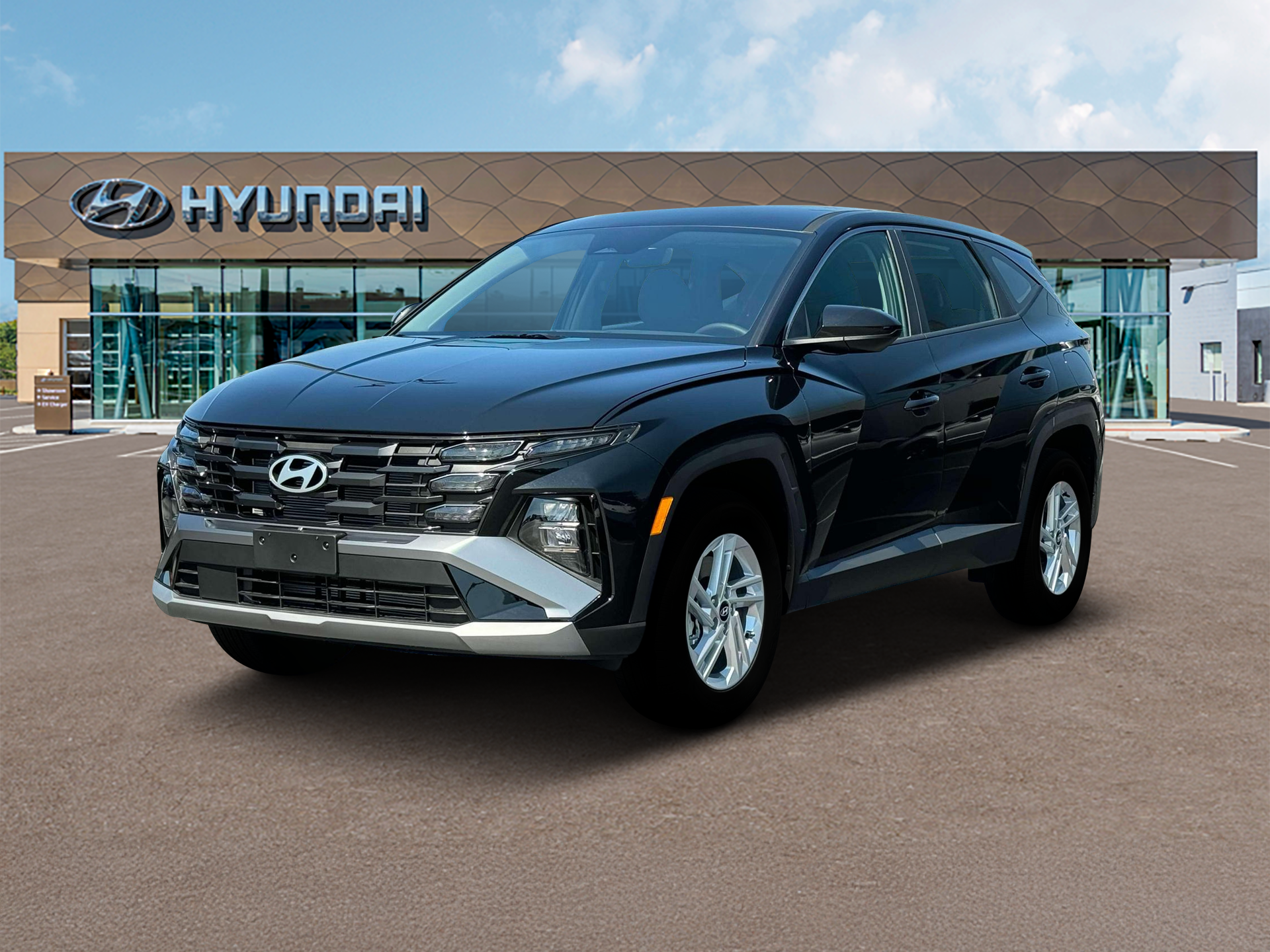
6. Hyundai Tucson (SE)
- Engine: 2.5L 4-Cylinder
- Horsepower: 187 hp
- Torque: 178 lb-ft
- Size: 182.3″ L x 73.4″ W x 65.6″ H
Picture a common city situation. You have just parked by a busy roadside and you are about to open the door. At the same moment, a cyclist or another vehicle is coming up from behind faster than expected. This is exactly the type of everyday risk Hyundai Tucson SE is designed to reduce.
Hyundai equips this model with Safe Exit Warning as standard, a system that monitors approaching traffic from the rear and alerts occupants before a door opens into danger. It addresses a hazard that is easy to miss when attention is divided between seatbelts, bags, and checking the wrong side mirror.
Although the technology behind Safe Exit Warning is simple, its real-world value is clear, especially in crowded urban areas and busy car parks. Many people only realise how risky entering or leaving a vehicle can be after a close call. By making this feature standard rather than optional, Hyundai shows a clear understanding of daily driving realities. Protection is provided without forcing buyers to upgrade to higher trims just to access basic safety support.
The Tucson SE also comes with blind spot collision avoidance assist, which goes beyond visual alerts. If the system detects a possible collision while changing lanes, it can actively guide the vehicle back into position. This added layer of support is reassuring for drivers whose reaction time or neck movement may not be as quick as before.
Powering the vehicle is a 2.5-litre four-cylinder engine that delivers steady performance without unnecessary mechanical complication. It suits the Tucson’s safety-first approach, offering reliability and ease of ownership rather than attention-grabbing tricks. Taken together, these features show that strong safety coverage can be practical, accessible, and thoughtfully applied, even at an entry trim level.
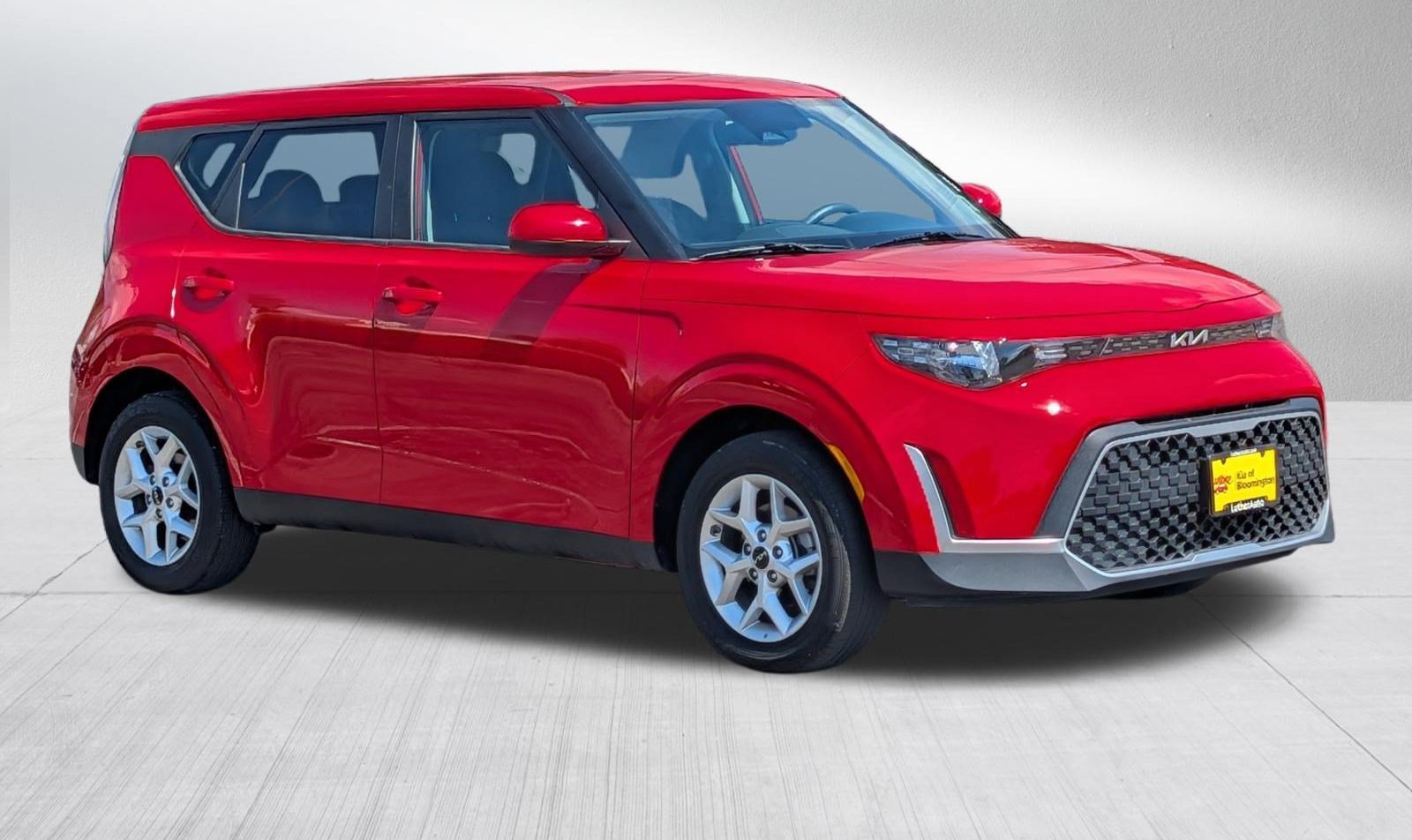
7. Kia Soul (LX)
- Engine: 2.0L 4-Cylinder
- Horsepower: 147 hp
- Torque: 132 lb-ft
- Size: 165.2″ L x 70.9″ W x 63.0″ H
The Kia Soul improves driver confidence through its practical design rather than relying solely on advanced technology. Its upright body style, large windows, and elevated seating position provide an excellent view of the road and surrounding traffic. The higher seat height also makes getting in and out much easier than in a conventional sedan, reducing strain on the hips, knees, and lower back while adding everyday comfort.
That visibility advantage compounds nicely with the Soul’s standard forward-collision warning and automatic emergency braking, giving drivers both a naturally better view of their surroundings and an automated backup in case something still gets missed. Fewer blind spots mean fewer moments of uncertainty when checking for pedestrians near a crosswalk or watching for cyclists at an intersection.
Practicality shows up in smaller details too. At just over 165 inches long, the Soul is easy to park and maneuver, a real benefit for anyone who’s grown less comfortable squeezing into tight spaces or backing into narrow driveway spots. Its compact footprint doesn’t come at the cost of interior space either, since the boxy shape maximizes headroom and shoulder room in a way that a sleeker, lower-profile vehicle simply can’t match.
The 2.0L four-cylinder engine offers modest but entirely adequate power for daily driving, prioritizing predictability over aggressive performance. For drivers who value simplicity, easy entry, and a clear view of the road over raw horsepower figures, the Soul’s straightforward design philosophy delivers exactly the kind of low-stress driving experience that matters most.
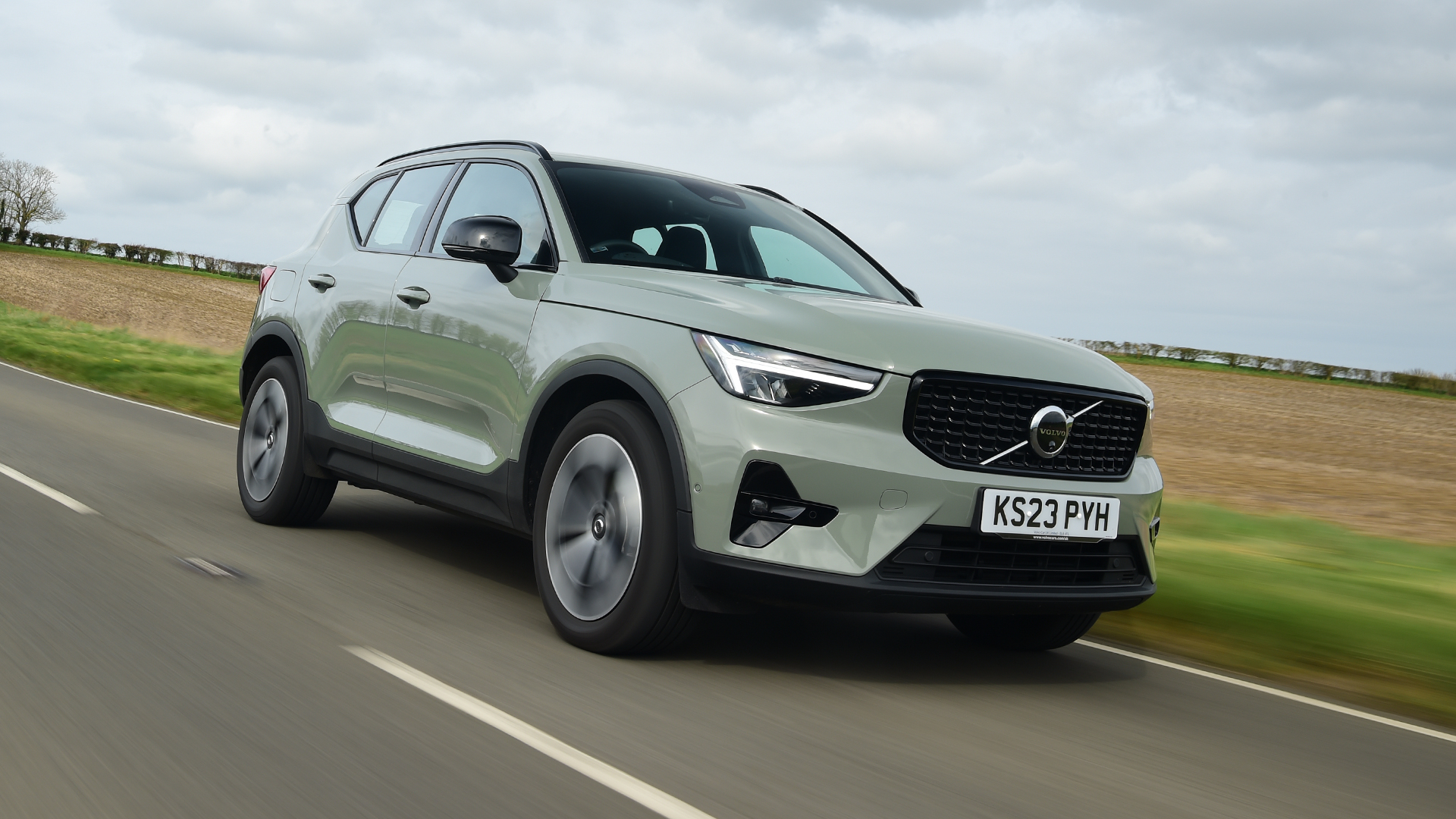
8. Volvo XC40 (Core)
- Engine: 2.0L Turbocharged 4-Cylinder Mild Hybrid (B4)
- Horsepower: 197 hp
- Torque: 221 lb-ft
- Size: 174.8″ L x 75.2″ W x 65.3″ H
Volvo’s identity has always centered on safety, and the XC40 carries that tradition forward with standard equipment that goes beyond the basics most competitors offer. Oncoming lane mitigation actively works to keep the vehicle in its own lane if it detects a risk of drifting toward oncoming traffic, addressing one of the most serious collision types on two-lane roads where reaction time matters most.
Steering support for obstacle avoidance takes that protection a step further, applying corrective input if the system detects something in the vehicle’s path that braking alone might not address quickly enough. This kind of layered approach, multiple systems working together rather than relying on a single safeguard, reflects Volvo’s long-standing engineering philosophy of building redundancy into every part of the safety equation.
Whiplash protection built into the front seats deserves particular attention for older drivers, since neck and spine injuries from rear impacts tend to have longer, more difficult recovery periods later in life. Volvo’s seat design is engineered specifically to absorb energy during a rear collision, reducing the force transferred to the neck and reducing the severity of potential injury in a scenario that’s often unavoidable and impossible to see coming.
Powered by a turbocharged 2.0L mild hybrid engine producing a confident 197 horsepower, the XC40 doesn’t sacrifice everyday drivability in pursuit of its safety credentials. Compact enough to maneuver easily but substantial enough to feel secure on the highway, this is a vehicle built around genuine protection first, with everything else falling naturally into place around that priority.
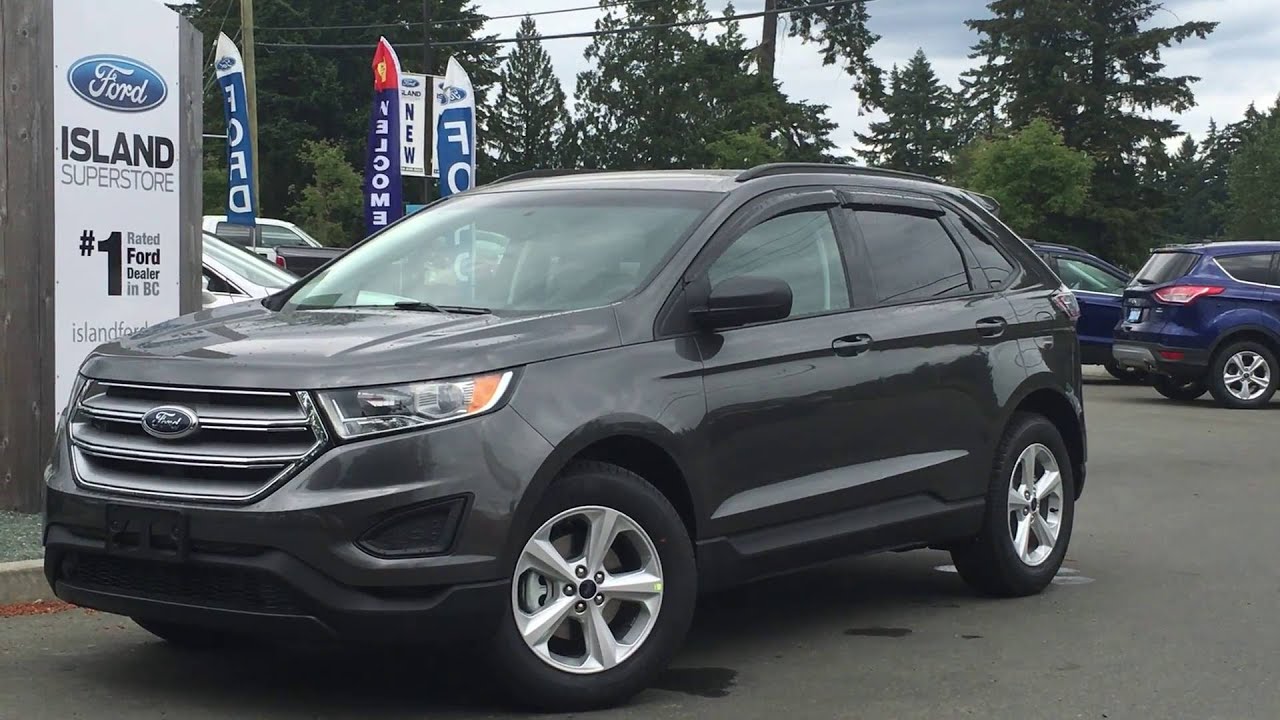
9. Ford Edge (SE)
- Engine: 2.0L Turbocharged EcoBoost 4-Cylinder
- Horsepower: 250 hp
- Torque: 280 lb-ft
- Size: 188.8″ L x 75.9″ W x 68.3″ H
Parking can be challenging for drivers of any age, and it often becomes more difficult as flexibility and depth perception change over time. Every Ford Edge comes standard with the Ford Co-Pilot360 suite, which includes a high-resolution rearview camera and parking sensors. By combining a clear view behind the vehicle with audible proximity alerts, the system gives drivers better awareness of their surroundings and makes reversing into tight spaces easier and more confidence-inspiring.
Parking and maneuvering in confined spaces become much less intimidating with this added assistance. The sensors continuously monitor the area around the vehicle and provide timely alerts when objects are nearby, helping drivers judge distances more accurately. This support is especially useful in busy parking lots and narrow garages where visibility can be limited. For drivers who find it difficult to twist or lean while checking their surroundings, the system offers greater confidence and makes everyday driving more comfortable.
Ford Co-Pilot360 doesn’t stop there either. The suite bundles automatic emergency braking, blind-spot monitoring, and lane-keep assist as standard features across the lineup, meaning the Edge’s parking assistance is just one part of a broader safety commitment rather than an isolated highlight. That comprehensive approach matters because different driving situations call for different kinds of support, and Ford built the Edge to address several of them at once rather than picking just one.
Under the hood, the turbocharged 2.0L EcoBoost engine delivers a strong 250 horsepower and 280 lb-ft of torque, more than enough for confident highway merging and passing. Combined with genuinely useful, driver-focused safety technology as a baseline feature, the Edge SE offers real peace of mind without requiring a step up to a pricier trim level.
Also Read: 8 SUVs That Reach 0-60 Faster Than Muscle Cars From the 2000s
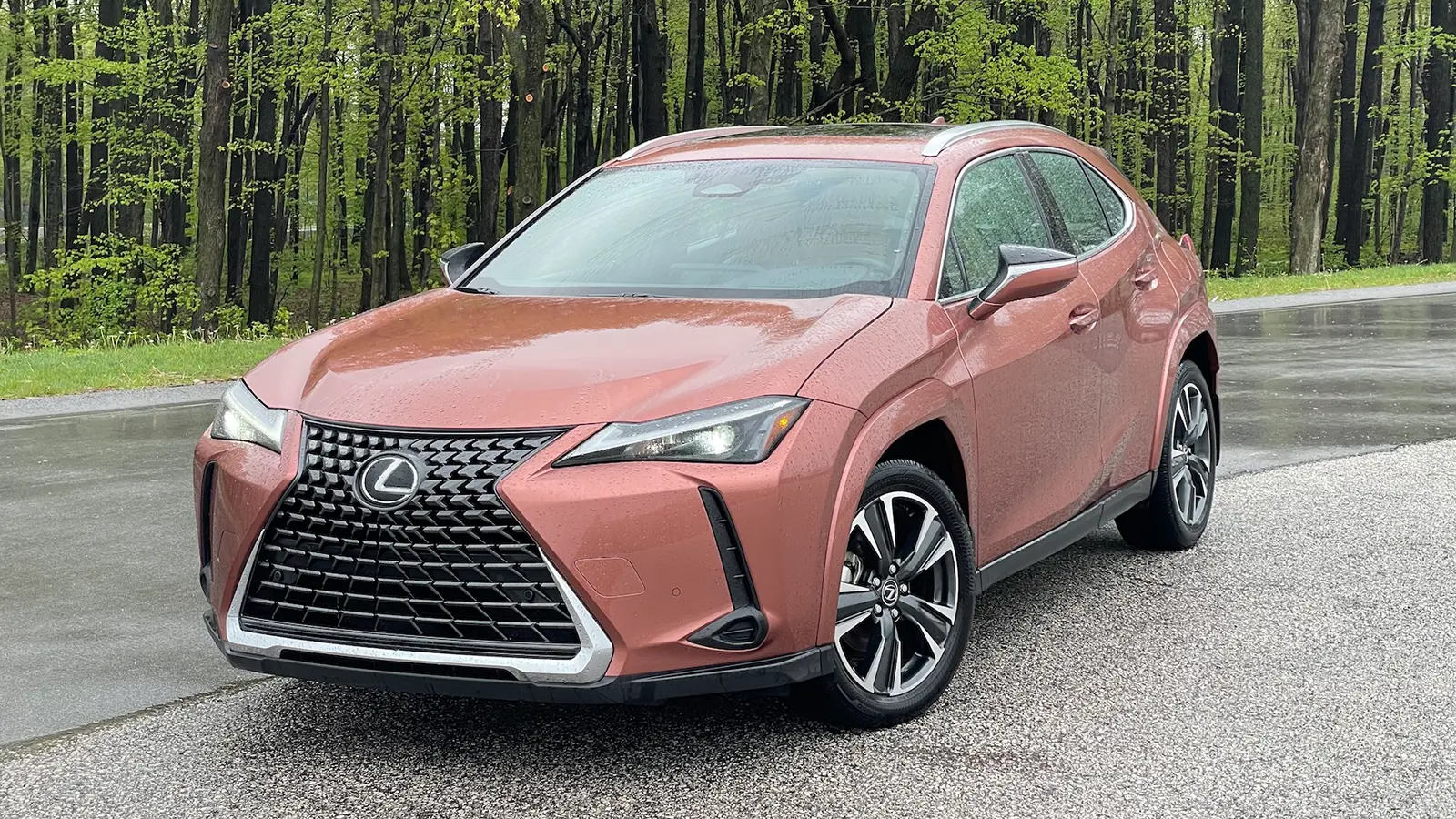
10. Lexus UX (UX 300h)
- Engine: 2.0L 4-Cylinder Hybrid
- Horsepower: 196 hp
- Torque: 139 lb-ft (gas engine) / 152 lb-ft (electric motor)
- Size: 177.0″ L x 72.4″ W x 60.6″ H
Most safety systems brake for you. The Lexus UX 300h does something a little different, and arguably more useful in certain situations. Its standard Lexus Safety System+ 3.0 includes Risk Avoidance Emergency Steering Assist, a feature that applies gentle steering torque to help keep the vehicle in its lane while actively avoiding a pedestrian or bicyclist ahead, rather than relying purely on braking to prevent contact.
That distinction matters more than it might seem at first. In certain emergencies, particularly at higher speeds or in tight spaces, braking alone isn’t always enough to avoid a collision in time. Having a system capable of contributing gentle, corrective steering input, working alongside the driver rather than overriding them, adds a genuine layer of protection specifically calibrated for scenarios involving vulnerable road users like pedestrians and cyclists.
Lexus built this feature into the UX’s most basic configuration, meaning buyers don’t have to seek out a higher trim or option package to access it. That’s a meaningful choice on the automaker’s part, treating advanced steering assistance as a core safety requirement rather than a premium upsell reserved for flagship models.
The hybrid powertrain, combining a 2.0L engine with an electric motor for a smooth 196 horsepower, delivers gentle, predictable acceleration that suits the UX’s safety-first character well. Its compact size, just 177 inches long, makes it easy to maneuver in tight urban spaces and parking structures, while Lexus’s typically excellent build quality adds a further sense of confidence. For drivers who want cutting-edge protection without needing to decode a confusing options list, the UX 300h delivers exactly that.
