
Buying a used motorcycle is only half the battle. The real challenge begins once you get it home and have to keep it running smoothly. Some machines demand specialized tools, dealer-only diagnostics, or rare parts. Others were built with simplicity in mind from day one.
This list focuses on motorcycles that any home mechanic can service with basic tools. They use air-cooled or simply engineered platforms that don’t fight back.
Their parts are widely available and inexpensive. Their online community support is massive, meaning troubleshooting guides exist for almost every possible issue.
We picked bikes with proven long-term reliability records. Each one has a large secondhand market, so parts scavenging is easy and affordable. None of these requires electronic diagnostic scanners for routine work. Most owners can handle oil changes, valve adjustments, and carburetor cleaning in a single afternoon.
Whether you’re a new rider or a seasoned wrench-turner, these bikes reward patience. They won’t punish you for learning as you go. Below, we break down eight used motorcycles that are genuinely easy to maintain at home, with real technical reasoning behind each pick.
1. Honda CB350 (Classic and Modern)
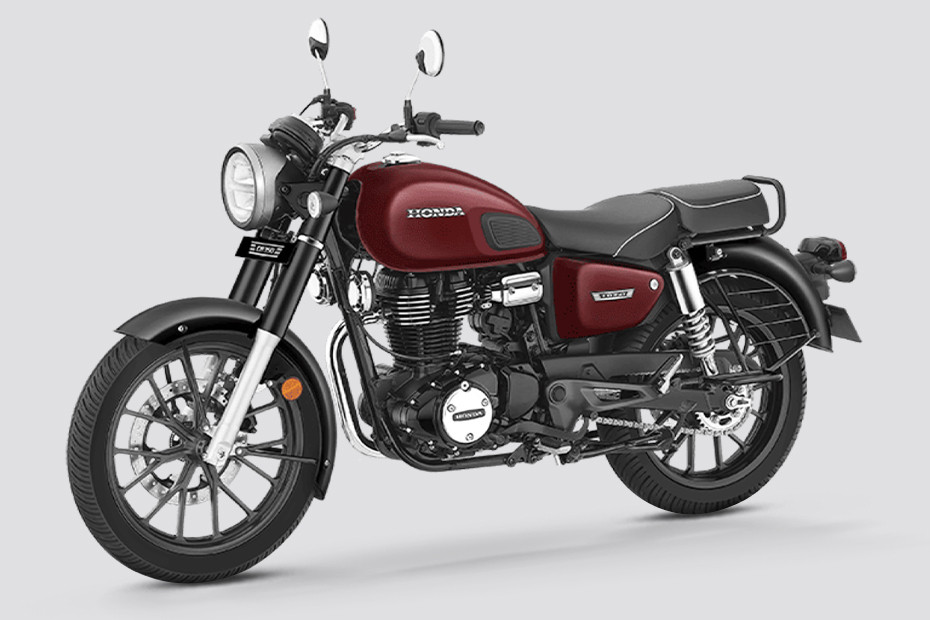
The Honda CB350 nameplate has a legendary reputation for mechanical simplicity. Both the vintage 1968-1973 model and the modern reissue share this same philosophy.
The engine is a straightforward parallel-twin design. It uses conventional valve adjustment methods that don’t require special dealer tools. Honda’s build quality from this era was exceptional for its time.
Tolerances were tight, and components rarely warp or seize even after decades of use. Carburetors on the vintage model are simple slide-type units. Cleaning and rejetting them is a task most beginners can master within a weekend.
Parts availability is outstanding thanks to Honda’s massive production numbers. Aftermarket suppliers still stock gaskets, seals, and electrical components at low cost.
The ignition system on early models is points-based, which sounds old-fashioned but is actually easier to troubleshoot. A simple feeler gauge and screwdriver handle most adjustments.
The modern CB350 retains this ethos while adding fuel injection instead of carburetors. It still uses a single air-cooled cylinder head that’s easy to access from either side.
Its long-stroke engine design keeps internal wear low even at higher mileages. This means top-end rebuilds are needed far less often than on high-revving alternatives.
Online forums for the CB350 are some of the most detailed in the vintage motorcycle world. Wiring diagrams, torque specs, and rebuild walkthroughs are freely shared by enthusiasts.
This bike doesn’t hide anything behind unnecessary plastic fairings. Everything sits in the open, ready for a home mechanic to reach without excessive disassembly.
Even the electrical harness is color-coded clearly and logically laid out. Diagnosing a charging fault rarely takes more than a multimeter and twenty minutes.
2. Royal Enfield Classic 350
Royal Enfield built its reputation on mechanical simplicity long before “retro” became a marketing buzzword. The Classic 350 continues that legacy into the present day.
Its single-cylinder engine has minimal electronics compared to most rivals. This makes fault diagnosis far less intimidating for first-time home mechanics.
The bike uses long service intervals with straightforward oil and filter changes. No proprietary fluids or unusual torque specifications are typically required.
Enfield’s community of independent mechanics is enormous, especially across South Asia and increasingly in Western markets. Spare parts are cheap and sold in nearly every town.
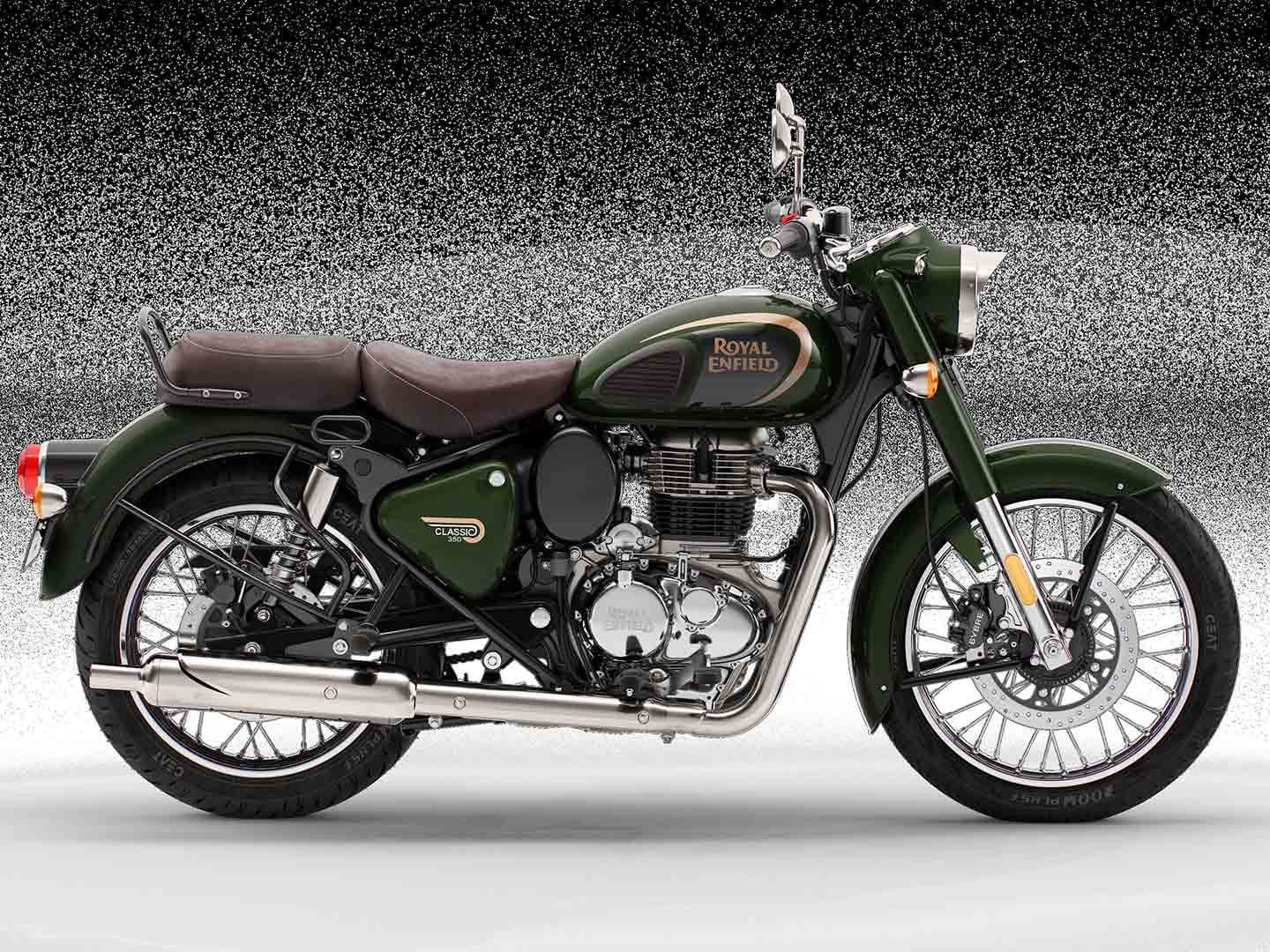
The J-series engine, introduced in 2020, is more refined than older Enfield units. Yet it still retains accessible valve covers and a simple, cable-actuated clutch assembly.
Chain maintenance, brake bleeding, and battery replacement are all beginner-friendly tasks on this platform. The bike’s low seat height also makes working on it physically comfortable.
Royal Enfield sells factory service manuals openly, unlike many manufacturers who restrict this information. This transparency helps owners genuinely understand what each component does and why.
The bike’s spoked wheels use conventional tube tires that are easy to patch or replace at home. No specialized tire machines are strictly necessary for basic repairs.
Because the design changes slowly across model years, older forum advice usually still applies today. That continuity is genuinely rare in modern motorcycling.
The air-cooled engine also means no radiator, coolant flushes, or water pump concerns. One less system to monitor translates directly into less maintenance.
Enfield dealerships, even in smaller cities, are trained on this exact platform. That combination of DIY-friendliness and professional backup makes ownership remarkably low-stress.
3. Suzuki GS500
The Suzuki GS500 is often recommended as a first bike, but its maintenance simplicity deserves separate recognition on its own merits. The air-cooled parallel-twin engine is nearly bulletproof.
Suzuki used this engine platform for decades with only minor changes. That means parts interchangeability across model years is genuinely excellent for owners.
The carburetor setup is simple and doesn’t require synchronization tools beyond a basic vacuum gauge. Many experienced owners even tune them by ear alone.
Valve clearance checks use a simple shim-under-bucket system. It’s slightly more involved than screw adjusters, but the process is well-documented across many online resources.
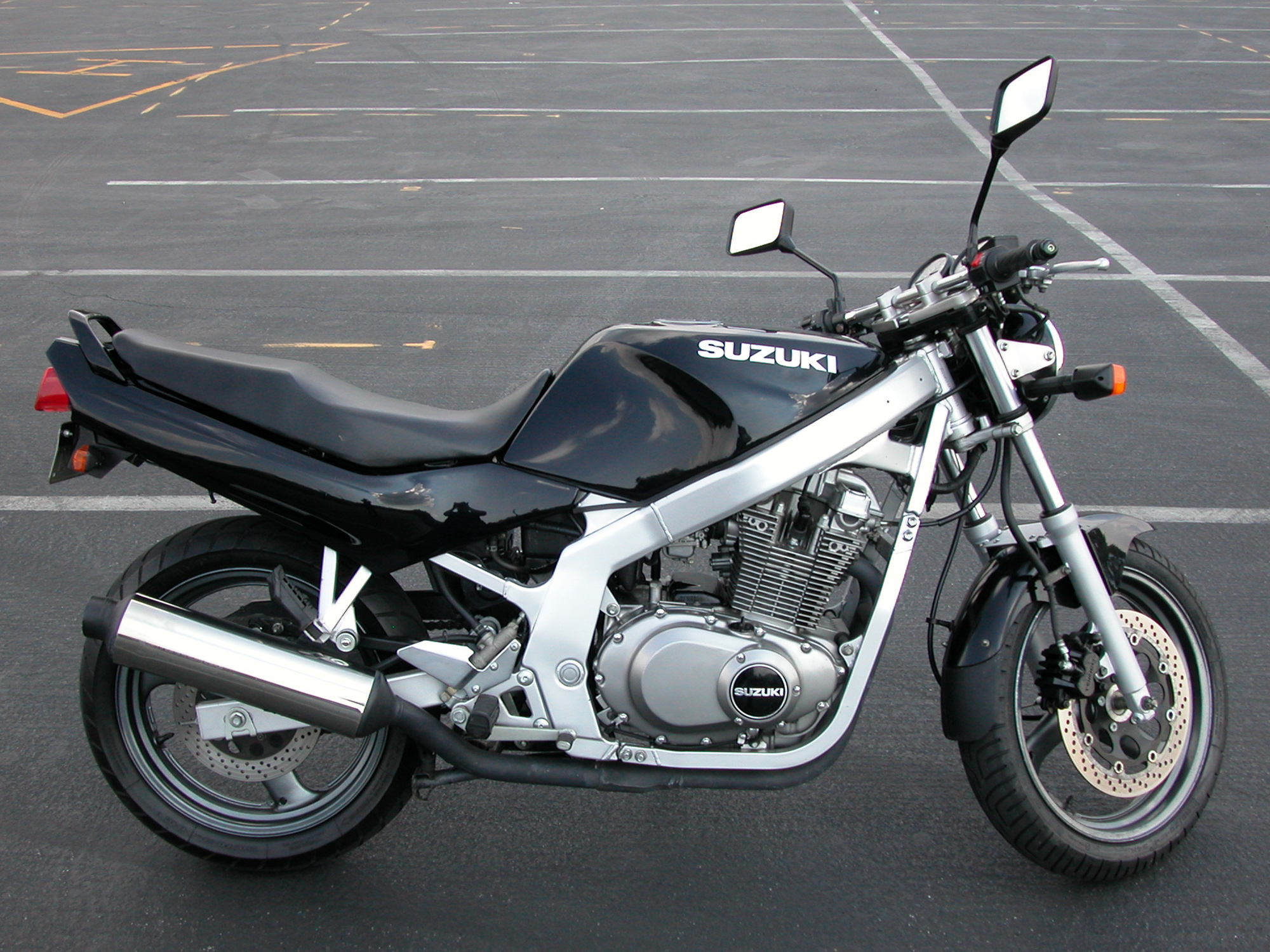
The GS500’s steel frame gives easy access to the entire engine bay. Nothing is buried under unnecessary bodywork or plastic covers. Electrical systems are basic, with no fuel injection computer to trip up amateur diagnostics. A multimeter and some patience solve the majority of issues.
Because it was sold for over twenty years with minimal design changes, junkyards and online marketplaces are full of cheap used parts. This keeps repair costs consistently low.
The clutch and gearbox are conventional wet-clutch designs shared with other Suzuki models. This means replacement plates and springs are inexpensive and easy to source.
Suzuki’s engineering during this era prioritized durability over unnecessary complexity. That makes the GS500 a forgiving platform for anyone learning to wrench.
Cooling relies entirely on airflow, eliminating coolant systems altogether. That single design choice removes an entire category of potential leaks and failures.
Its carbureted simplicity also means the bike starts reliably in cold weather without complex sensor calibration. Home mechanics appreciate predictability more than raw performance in daily ownership.
4. Yamaha SR400
The Yamaha SR400 is practically a masterclass in mechanical minimalism. It uses a single-cylinder, air-cooled engine with a kickstart-only design in many markets.
There’s no electric starter to diagnose or repair on kickstart versions. This alone eliminates an entire category of potential electrical problems. The carburetor is a simple constant-velocity unit. Cleaning it requires no specialized equipment beyond basic hand tools and a clean workspace.
Yamaha kept this engine largely unchanged from 1978 until production finally ended in 2021. Parts compatibility spans over four decades of continuous production.
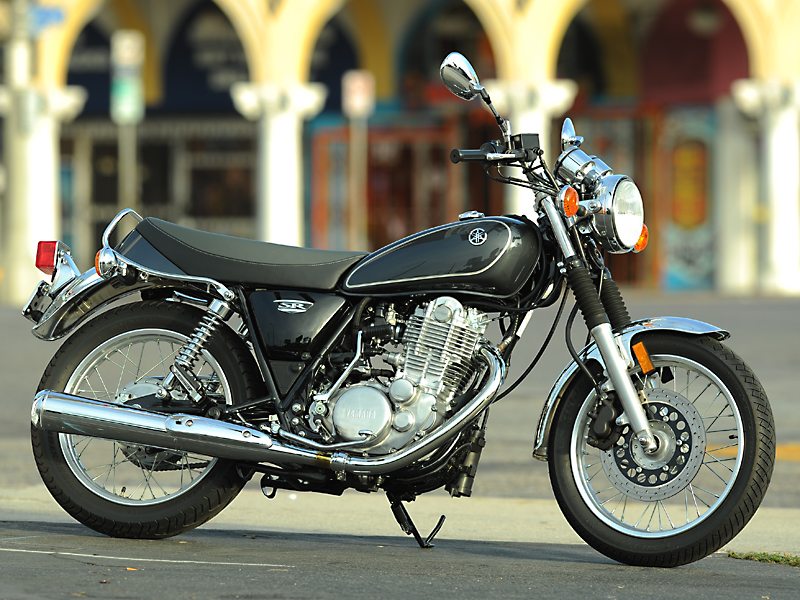
The SR400’s frame and subframe are built for easy access throughout. Removing the fuel tank and side covers takes minutes, not hours of frustration.
Valve adjustments use simple screw-and-locknut rockers rather than shims. No specialty tools are needed for this common and frequent maintenance task.
Because the bike has a devoted cult following worldwide, detailed maintenance guides exist in multiple languages. Community knowledge is deep, well-organized, and constantly updated.
Its lack of modern rider aids might disappoint buyers seeking convenience features. But that same simplicity is exactly what makes it so easy to maintain long-term.
The exposed engine design, with visible fins and minimal shrouding, also helps with heat dissipation. This reduces the likelihood of overheating-related wear on internal components.
Replacement parts, including pistons and rings, remain in production due to steady demand. Even decades-old units can be rebuilt to near-original specifications without hunting for rare parts.
The bike’s low weight also means less strain on brakes, suspension, and drivetrain components. Lighter machines simply generate fewer wear-related repair jobs over their lifespan.
Also Read: 8 Longest Pickups You Can Park in a Standard Garage
5. Honda Rebel 250/500
The Honda Rebel has built a strong reputation as an approachable, low-maintenance cruiser. Both the older 250cc and newer 500cc versions share this same trait.
The engine layouts are simple, with the 250 using a single-cylinder design throughout. The 500 uses a parallel-twin borrowed from Honda’s proven CBR platform.
Both engines were engineered specifically for longevity with minimal fuss. Oil changes and filter replacements follow conventional, well-documented procedures familiar to most riders. The Rebel’s low seat height and open frame design make it physically easy to work on. You don’t need a lift or stand to reach most components.
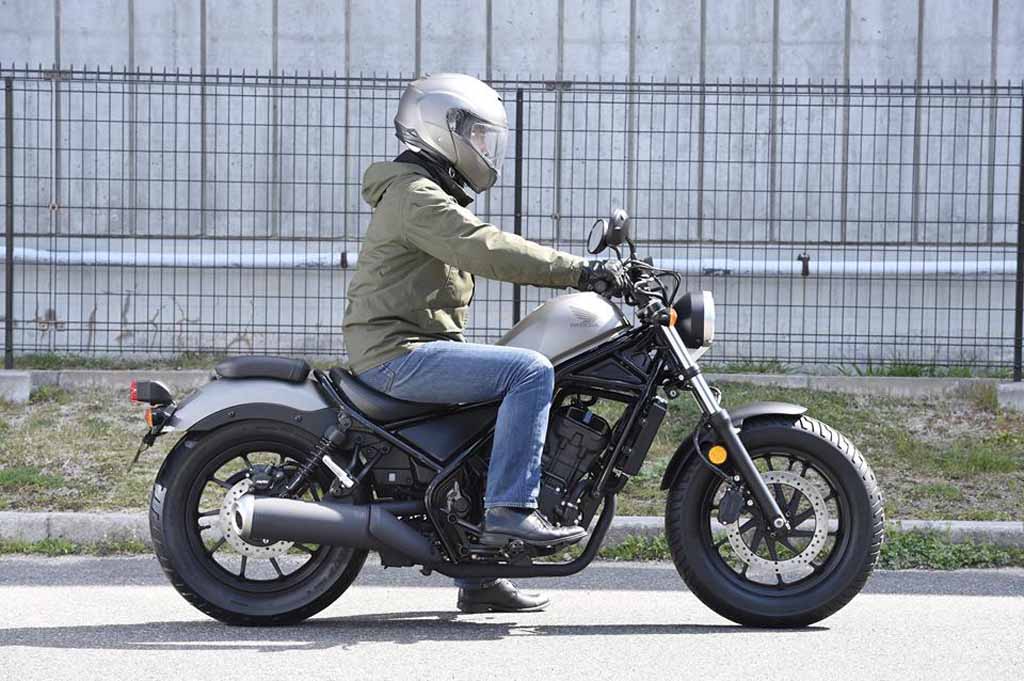
Honda’s reliability engineering shows clearly in the electrical system, too. Wiring is straightforward, and fault codes on the 500 are easy to read and interpret.
Because the Rebel has been continuously popular among new riders, parts supply remains steady and predictable. Both OEM and aftermarket options are consistently plentiful.
Chain and sprocket maintenance is simple thanks to accessible rear wheel components. No special alignment tools are typically required for basic adjustments.
The Rebel’s popularity as a beginner bike also means abundant video tutorials exist online. Visual learners will find this especially helpful when tackling their first repair.
Its fuel injection system, on newer models, is Honda’s mature and well-tested unit. It rarely throws unexpected faults compared to less refined systems from competitors.
The bike’s plastic bodywork is minimal by design, reducing the number of fasteners owners must remove. Fewer panels mean fewer opportunities for stripped screws or broken clips.
Brake components are shared across several Honda models, keeping replacement pad and rotor costs low. This part’s commonality is a quiet but significant advantage for budget-conscious owners.
6. Kawasaki KLR650
The Kawasaki KLR650 earned its reputation among adventure riders partly because of how easy it is to fix in remote locations. That same trait makes home maintenance simple too.
Its single-cylinder engine was designed specifically for durability under harsh riding conditions. Kawasaki kept the core design nearly unchanged from 1987 all the way to 2018.
The carbureted models, in particular, are mechanically simple throughout. Fuel systems can be cleaned and rebuilt without any computer diagnostics whatsoever.
Valve adjustments use a shim-and-bucket system, but service intervals are notably long. Many owners go tens of thousands of kilometers between required checks.
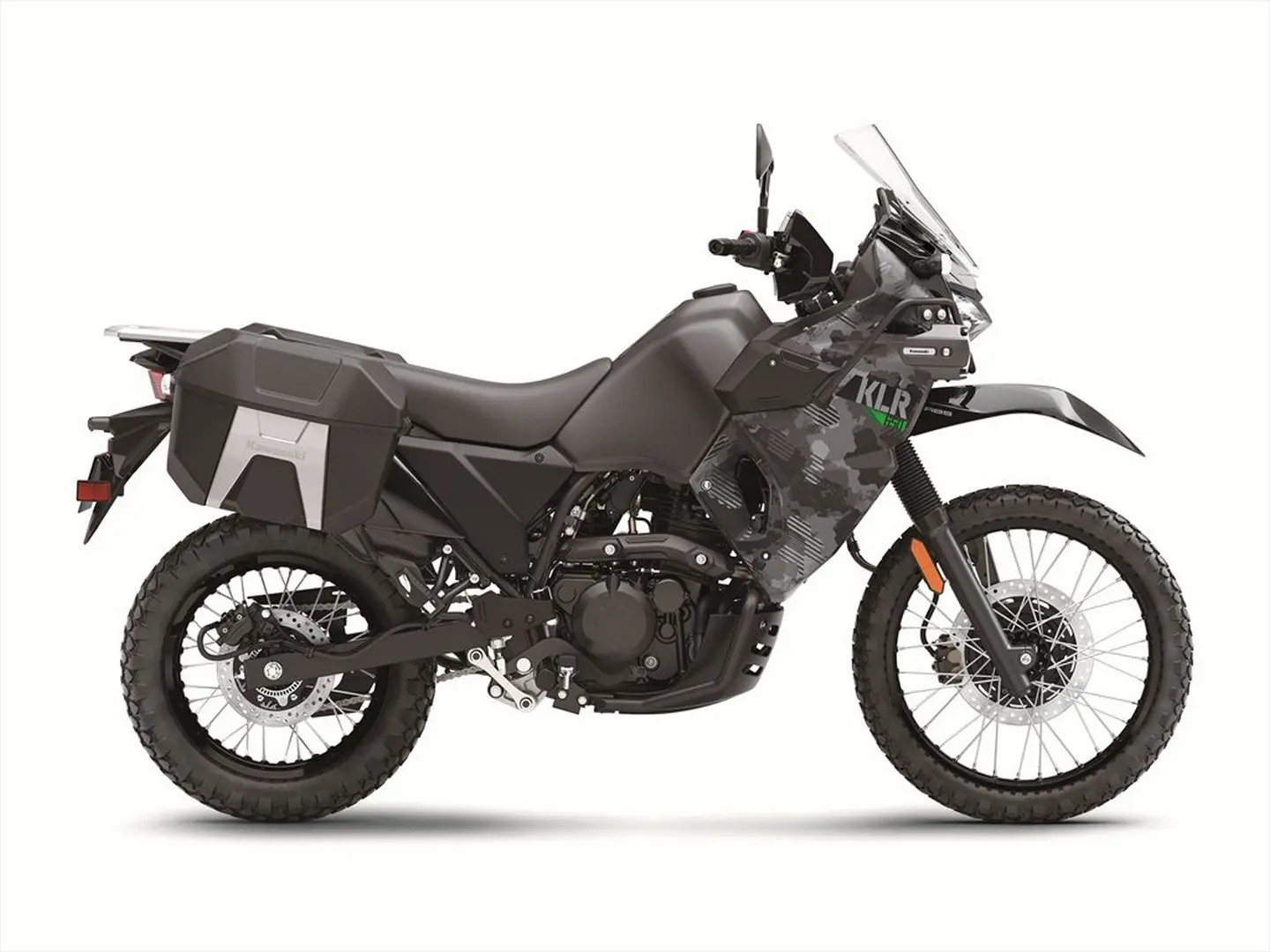
The KLR’s plastic bodywork is deliberately designed for quick removal. Riders can access the engine and electrical components in minutes using only basic tools.
Because it’s a favorite among long-distance and overland riders, the online community is unusually thorough. Detailed rebuild guides cover nearly every conceivable component and failure point.
Aftermarket support is extensive, including upgraded parts that improve baseline reliability even further. This makes long-term ownership even more manageable for dedicated owners.
Its rugged, utilitarian design philosophy prioritizes function over unnecessary complexity. That’s precisely why it remains a favorite for DIY-minded riders and off-road travelers alike.
The doohickey counterbalancer issue, a well-known KLR quirk, has been thoroughly documented by the community. Upgraded replacement parts are cheap and simple to install preventatively.
Its dual-sport nature means suspension components are robust and field-serviceable. Fork seals and shock rebuilds are within reach of most home garages.
The large, well-established KLR owner network has effectively created its own repair ecosystem. Troubleshooting flowcharts exist for nearly every symptom a rider might encounter.
7. Honda Shadow VLX/600
The Honda Shadow series has long been praised for combining cruiser styling with genuine mechanical accessibility. The VLX and 600 variants are particularly beginner-friendly among cruisers.
Their V-twin engines are liquid-cooled but still use conventional maintenance procedures throughout. Nothing about the design requires proprietary Honda-only tools.
Carburetor cleaning and synchronization are common tasks owners handle themselves. Guides for this exact process are widely available across enthusiast forums.
The Shadow’s frame layout provides good access to the engine from multiple angles. Removing side panels and the fuel tank doesn’t require excessive disassembly.
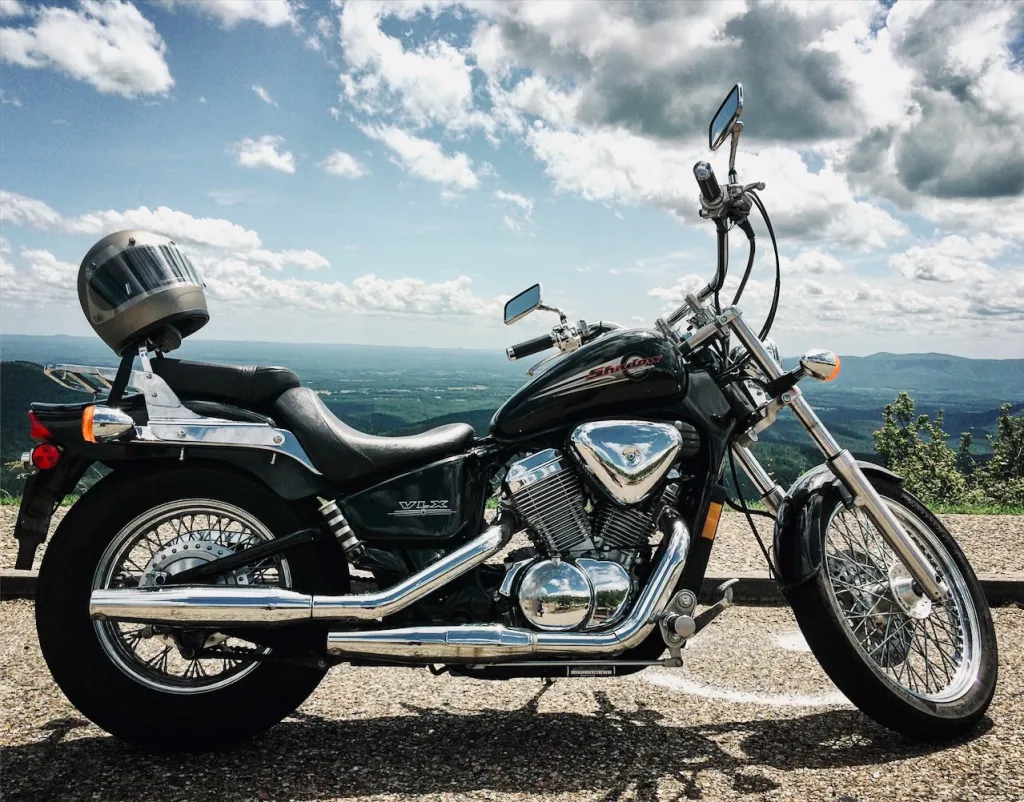
Because Honda produced this platform for many years with few significant changes, parts interchange freely across model years. This significantly reduces sourcing difficulty for owners.
Electrical systems remain relatively basic compared to modern cruisers with complex dashboards. Diagnosing charging or starting issues doesn’t require a diagnostic computer.
Shaft-driven versions eliminate chain maintenance entirely from the ownership equation. This appeals strongly to owners who want fewer recurring service tasks over time.
The Shadow’s cruiser community is large and active, with many forums dedicated specifically to DIY repairs. That support network makes ownership significantly less intimidating for newcomers.
Its liquid cooling system, while adding one more component, uses a conventional radiator and thermostat. Flushes and coolant changes follow standard procedures without unusual specifications.
The V-twin’s firing order and simple two-cylinder layout make compression testing and spark diagnosis straightforward. Most electrical gremlins can be traced with basic tools alone.
Seat and saddlebag hardware, along with other cosmetic parts, remains plentiful due to the bike’s long production run. Even cosmetic restoration work stays affordable and accessible.
8. Suzuki DR650
The Suzuki DR650 is a dual-sport motorcycle beloved for its rugged simplicity. It has remained largely unchanged since 1996, which says a lot about its design maturity.
The air-cooled single-cylinder engine is easy to understand and diagnose. There’s no unnecessary complexity hiding under the bike’s minimal bodywork.
Carburetor maintenance is straightforward, and many owners perform full rebuilds themselves at home. Kits for this purpose are cheap and easy to find online.
Valve adjustments use a simple screw-and-locknut system rather than shims. This makes routine checks faster and more approachable for beginner mechanics.
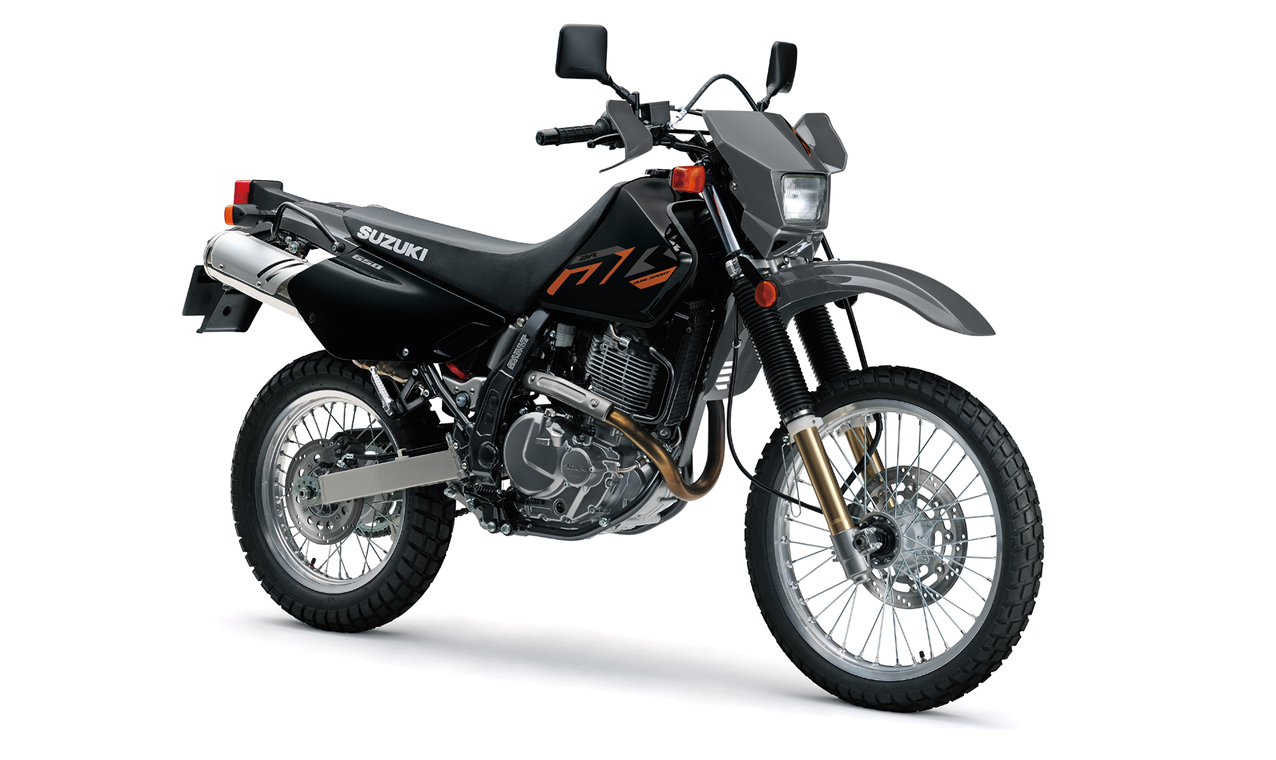
The DR650’s minimal plastic bodywork means fewer fasteners and covers to remove. Reaching the engine takes only a few minutes of work.
Because Suzuki kept this platform stable for decades, parts compatibility spans nearly the entire production run. Used and new parts are both easy to locate.
Its overbuilt frame and suspension components rarely need specialized repair or rare tools. Most issues that arise are wear-related and genuinely simple to address.
The DR650’s dedicated global community shares extensive documentation across forums and video platforms. Detailed maintenance schedules and troubleshooting guides are just a search away.
The bike’s simple drum or basic disc brake setup, depending on model year, avoids complex ABS electronics. Bleeding and pad replacement remain quick, low-cost tasks.
Its high ground clearance and simple bash plate design also protect vulnerable components from trail damage. This reduces the frequency of unplanned repairs after off-road riding.
Because the DR650 has such a strong reputation for longevity, high-mileage examples are common and well-documented. Buyers can trust that a well-maintained unit has years of reliable service ahead.
Also Read: How to Spot Odometer Rollback on a Used Car, Explained
