
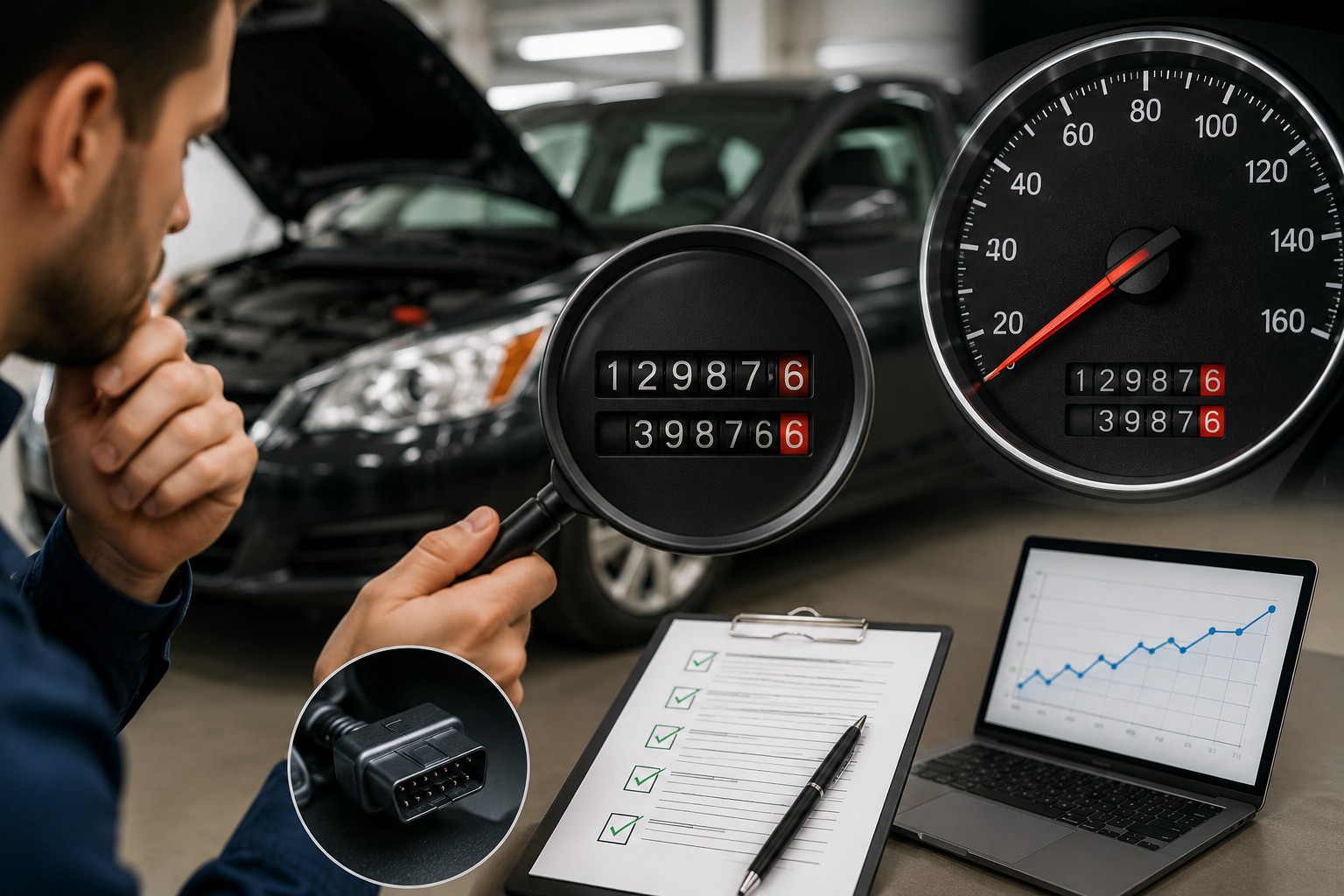
Buying a used car is exciting, but it comes with hidden risks. One of the most common scams is odometer rollback. This happens when sellers manipulate the mileage reading to make a car appear less used. A vehicle that has actually driven 150,000 miles might show only 80,000 on the dashboard.
This deception inflates the car’s value and hides its true condition. It can also mask serious mechanical issues that come with high mileage. Odometer fraud is illegal in most countries, yet it remains surprisingly common. Digital odometers, ironically, made rollback easier before regulations caught up.
Buyers often trust the number on the dashboard without question. This blind trust is exactly what scammers count on. Fortunately, there are practical ways to detect this fraud. From physical wear patterns to digital records, several clues can reveal the truth.
This guide walks you through the most reliable methods to spot odometer rollback. With careful inspection, you can protect yourself from an expensive mistake.
Checking Physical Wear and Tear
The easiest place to start is the car’s interior. The wear should match the mileage shown on the odometer. Look closely at the steering wheel and gear shifter. Excessive shine or wear suggests heavy use over many years.
Pedals are another reliable indicator of true mileage. Worn rubber pads on low-mileage cars are a red flag. Check the driver’s seat for sagging or fabric wear. A supposedly low-mileage car shouldn’t show a deeply worn seat.
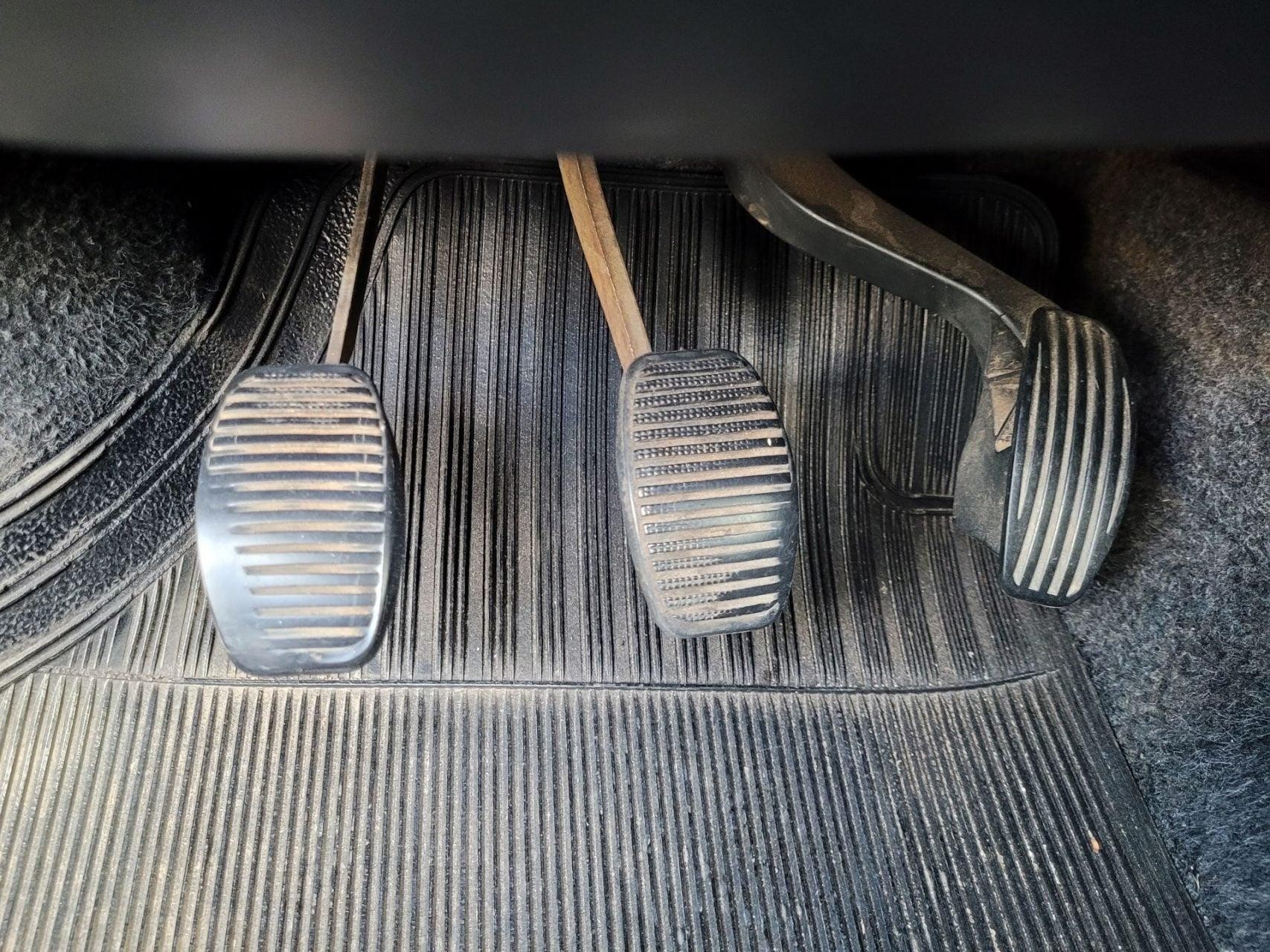
Carpet and floor mats also tell a story. Heavy fading or holes suggest years of frequent use. Don’t ignore the exterior of the vehicle either. Stone chips, faded paint, and rust can hint at higher mileage.
Tires are especially useful for cross-checking claims. If the car supposedly has low mileage, tires shouldn’t show heavy tread wear. However, be cautious, since tires can be replaced. Use this only as one clue among many, not definitive proof.
Under the hood, check belts, hoses, and the engine bay. A tired-looking engine bay rarely matches a “barely driven” car. Rust on suspension components can also indicate age and mileage. Compare this rust level with the claimed vehicle history.
Reviewing Service Records and Documentation
Service history is one of the strongest tools against rollback fraud. Every maintenance visit typically records the mileage at that time. Ask the seller for a complete service booklet. Compare recorded mileage figures against the current odometer reading.
If mileage numbers don’t increase logically over time, that’s suspicious. A drop in mileage between service visits is a major warning sign. Many repair shops and dealerships log mileage electronically. Contacting them directly can help verify accuracy independently.
Check the vehicle’s registration and insurance documents too. These often include mileage details recorded during renewals or claims. Look at old MOT or inspection certificates as well. Government inspection records usually include verified mileage at each test.
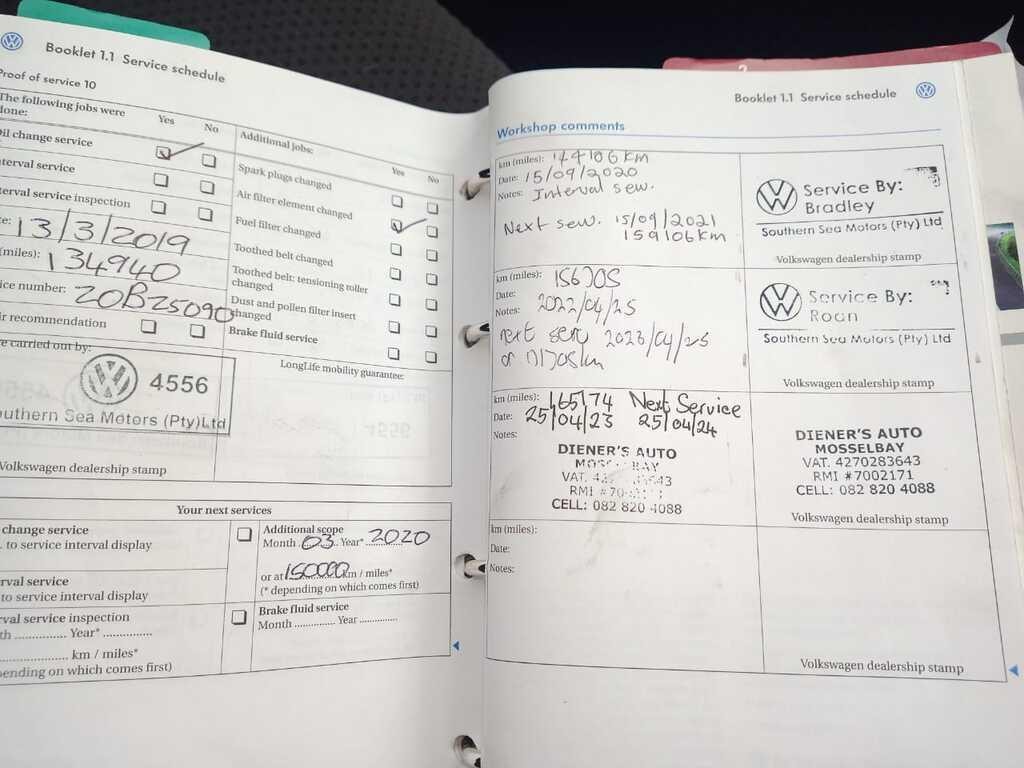
Compare these certificates chronologically to spot inconsistencies. A car showing decreasing mileage over time is clear evidence of tampering. Ask for previous ownership details and contact information if possible. Speaking directly with a prior owner can confirm the real mileage history.
Vehicle history reports are also extremely useful here. These reports compile mileage records from multiple official sources over time. They pull data from inspections, auctions, and insurance claims. Discrepancies flagged in these reports often reveal rollback attempts.
Always cross-reference the vehicle identification number, or VIN, across documents. A mismatch anywhere is an immediate red flag. Sellers who avoid providing paperwork should raise your suspicion instantly. Legitimate sellers usually have no problem sharing documentation. If records seem incomplete or altered, ask direct questions. Vague or evasive answers often indicate something is being hidden.
Inspecting the Odometer and Digital Systems
Modern cars use digital odometers, which complicates traditional rollback methods. However, digital tampering leaves its own unique traces. Check if the numbers on the display are aligned properly. Misaligned or oddly spaced digits can suggest tampering.
Inspect the dashboard for signs of removal or reattachment. Scratches around screws often indicate the panel was opened before. Loose panels or mismatched screws are another common giveaway. Original factory assembly is usually clean and precise.
For older analog odometers, look closely at the digit alignment. Numbers that appear crooked or unevenly spaced suggest manual resetting. A professional inspection can reveal more advanced tampering. Mechanics can access onboard computer modules storing mileage data.
Many vehicles store mileage in multiple electronic control units. Rollback tools sometimes fail to update every single module. A mismatch between these stored values is very telling. This inconsistency is hard to fake convincingly.
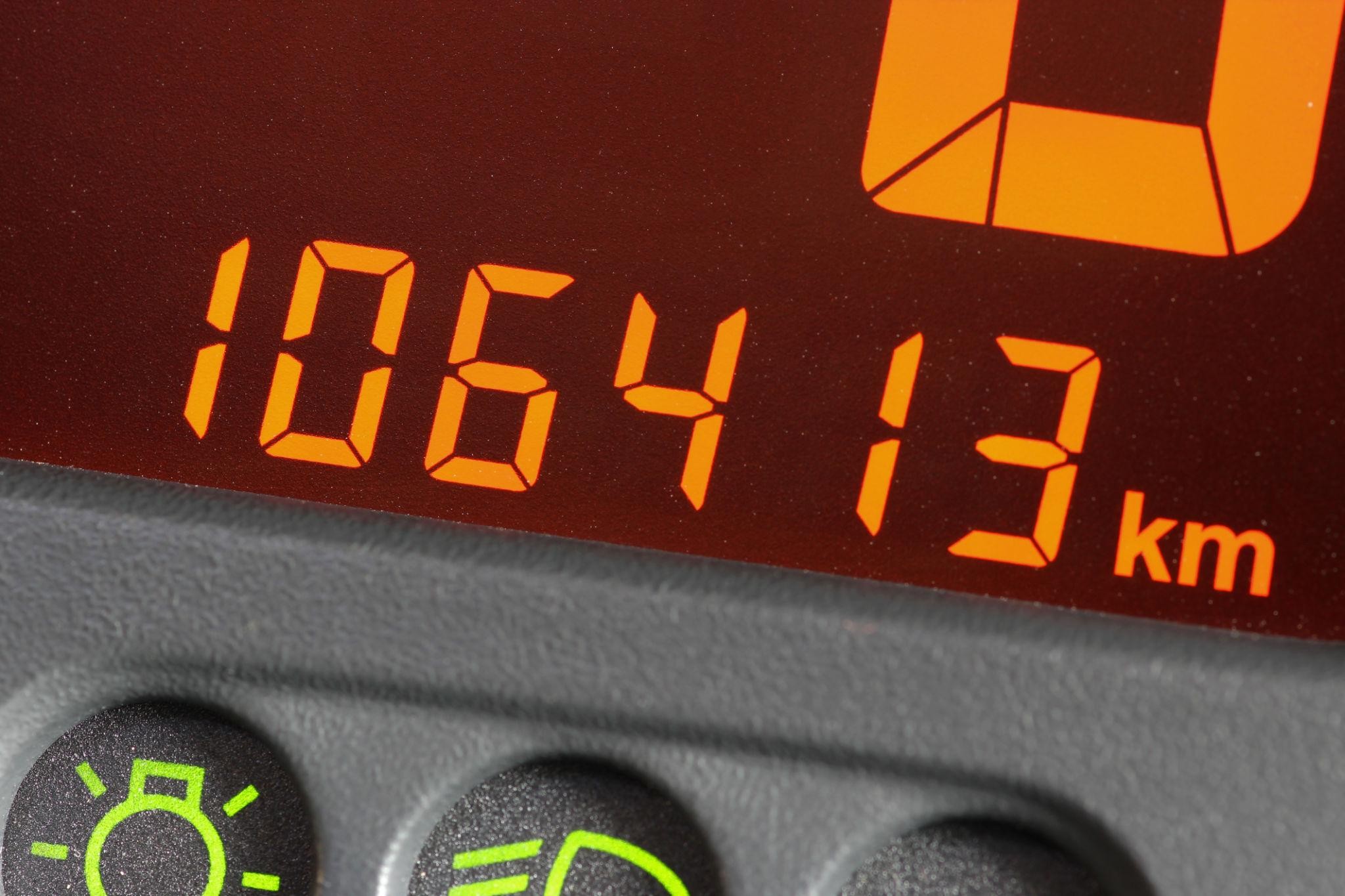
Diagnostic scanning tools can retrieve this hidden information quickly. Independent mechanics often offer this service affordably. It’s worth the investment before finalizing a used car purchase. This step alone can save you from significant fraud.
Also, check the general condition of the dashboard buttons and switches. These wear naturally and should match the claimed mileage. Steering column wear, especially around ignition switches, is revealing, too. Years of key insertion cause visible scratching and fading. If buttons feel new despite high supposed use, be cautious. Everything on the car should tell a consistent story.
Additional Red Flags to Watch For
Beyond wear and paperwork, seller behavior matters greatly. Pressure to close the deal quickly is suspicious. Scammers often avoid detailed questions about vehicle history. They may rush you toward payment before proper inspection.
Price is another useful indicator worth considering. A price far below market value often signals hidden problems. If the deal feels “too good,” investigate further before proceeding. Trust your instincts alongside physical evidence gathered.
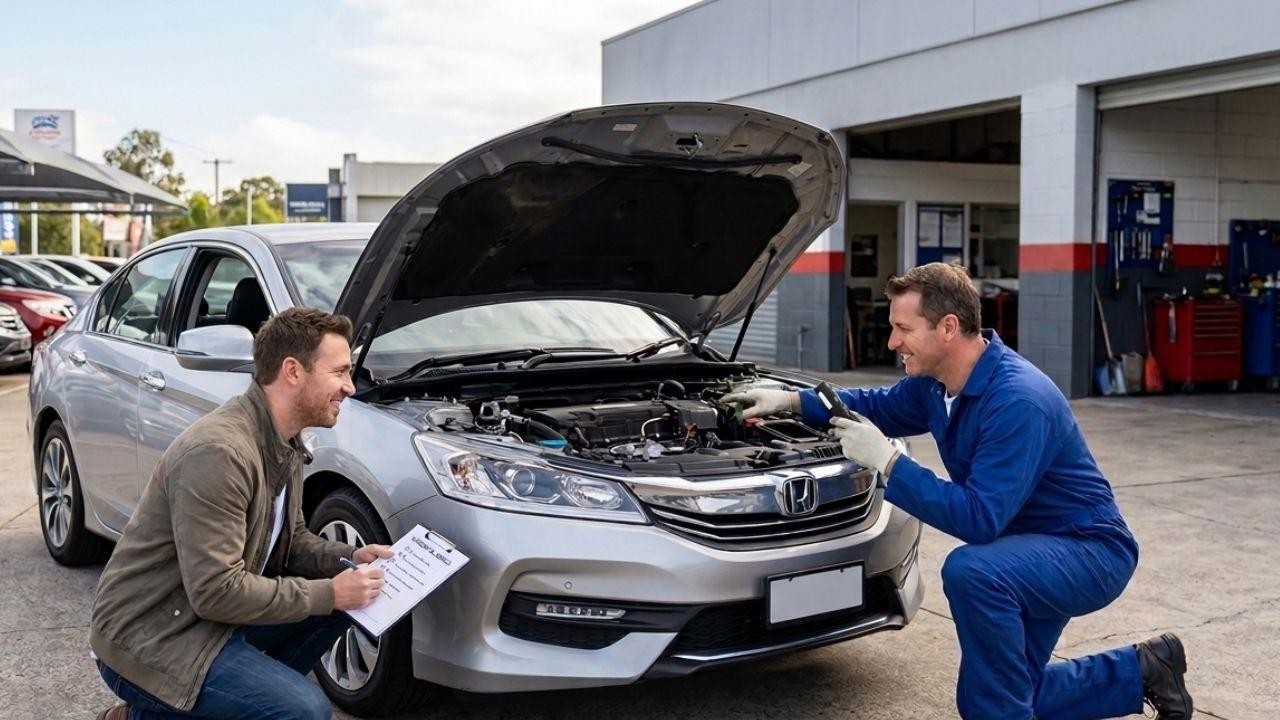
Always request a professional pre-purchase inspection from a trusted mechanic. This adds another layer of protection against fraud. Mechanics can spot inconsistencies you might easily miss. Their trained eye adds real value here.
Compare the car’s condition with similar-aged vehicles online. Marketplaces and dealership listings help establish realistic expectations. If everything about this car seems unusually pristine, question why. Genuine explanations should be clear and verifiable.
Ask for maintenance receipts for oil changes and tire replacements. These often include mileage recorded at each visit. Cross-check these receipts against the current odometer reading carefully. Numbers should increase steadily and logically throughout ownership history.
