
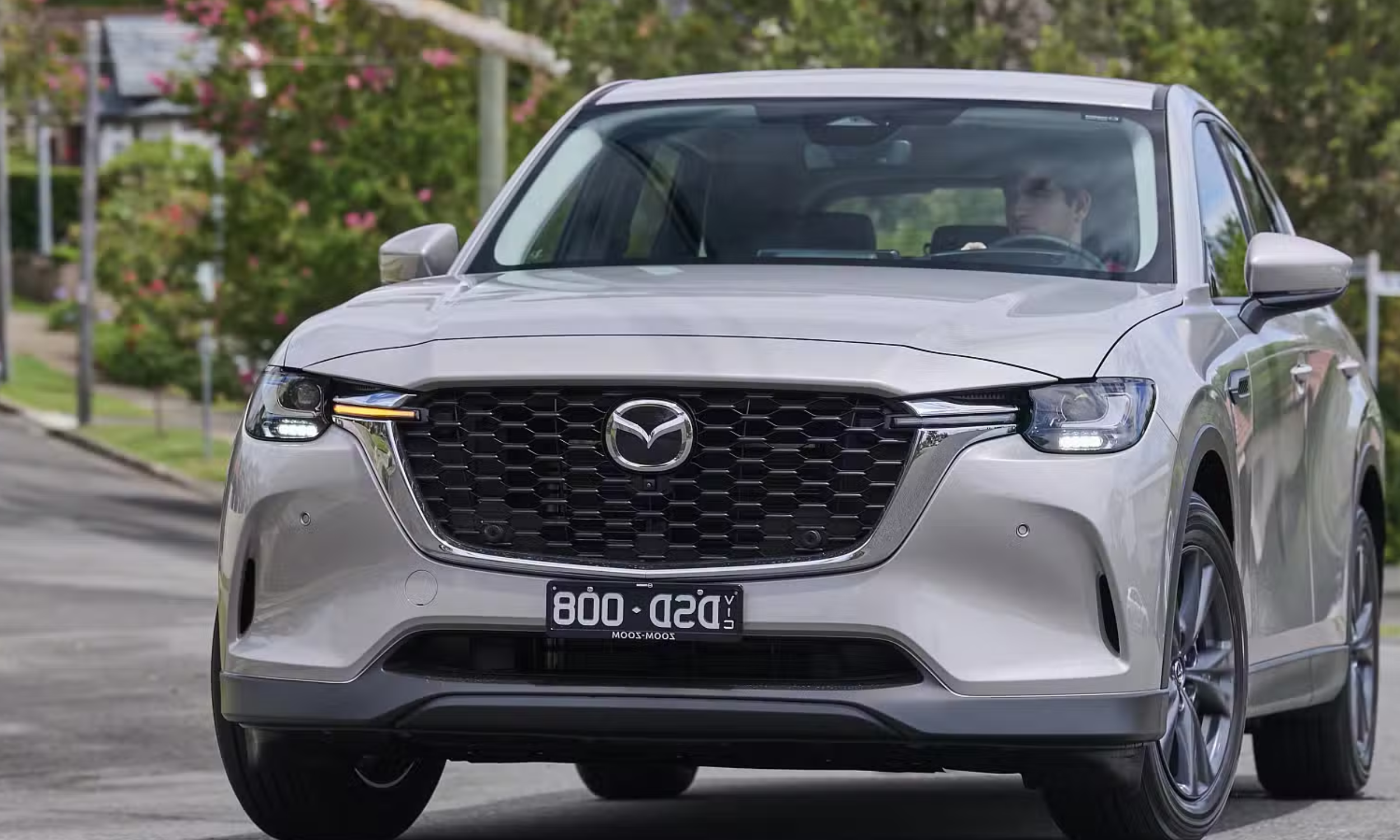
Most people collect the keys to a new vehicle and never give the owner’s manual much attention. Since the booklet is usually packed with pages of information, many useful features remain unnoticed for years. The Mazda CX-90 is a good example, offering several smart functions that many owners only discover by accident while spending time with the infotainment system or vehicle settings.
Many of these hidden touches are designed to make daily driving easier without drawing attention to themselves. You may find simple conveniences that save time, improve comfort, or help protect the vehicle during everyday use. For example, there are settings that can prevent the power liftgate from hitting a low garage ceiling and features that help keep a smartphone cooler during wireless charging. These are the little details that can make a real difference during regular use.
The CX-90 also includes clever technology that adds comfort without making a big display of it. Certain functions allow drivers to personalize the vehicle, improve parking with extra camera views, or make it easier for passengers to access the third row. Many owners never realize these options exist because they are tucked away inside menus or available only after changing a few settings.
If you already own a Mazda CX-90, taking a little time to learn these lesser-known functions could help you get much more from your SUV. If you are planning to buy one, knowing about these features before making your decision gives you a better idea of what the vehicle offers beyond the equipment listed in the sales brochure.
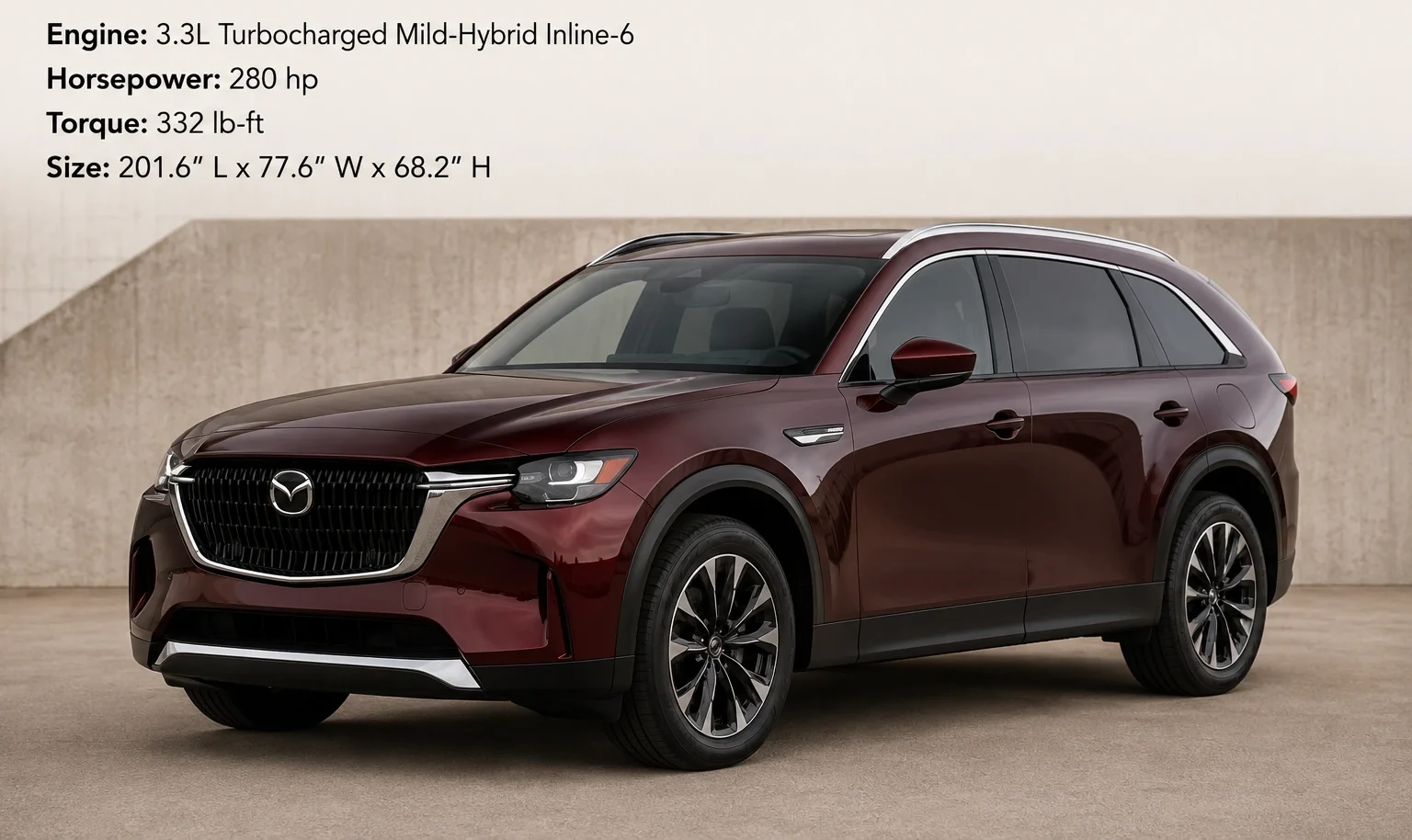
1. Driver Personalization with Facial Recognition
Imagine getting home after a long day at work, feeling tired, and stepping into your driveway without needing to adjust anything before driving again. On selected Mazda CX-90 trims, an interior camera recognises the driver as soon as they enter the vehicle and restores saved personal settings automatically. Everything is ready before the journey begins, making every drive feel familiar and comfortable.
Unlike the regular memory seat feature available in many rival vehicles, this system handles much more than seat adjustment. It restores the driver’s seat position, steering wheel placement, side mirror settings, head-up display location, and climate control preferences through facial recognition.
This makes daily use much easier for families sharing one CX-90, especially when drivers have different heights or driving positions. A parent and a newly licensed teenager can each enjoy their preferred setup without making manual adjustments every time.
Getting everything ready is a simple process. The driver creates a personal profile through the vehicle’s settings menu, where the camera records facial details linked to that profile. After registration, the vehicle identifies that person each time they sit behind the wheel. There is no need to rely on the key fob or spend time adjusting the seat while holding a phone, coffee, or other items before setting off.
Some people may question having a camera inside the cabin, and that concern is understandable. Mazda designed the feature to work within the vehicle for personal comfort only. It is not intended for insurance tracking or sharing personal information. For couples and families who share driving responsibilities, every trip begins with the vehicle already adjusted to their preferences, making daily driving easier and more enjoyable.
2. Customizable Door Unlock Settings
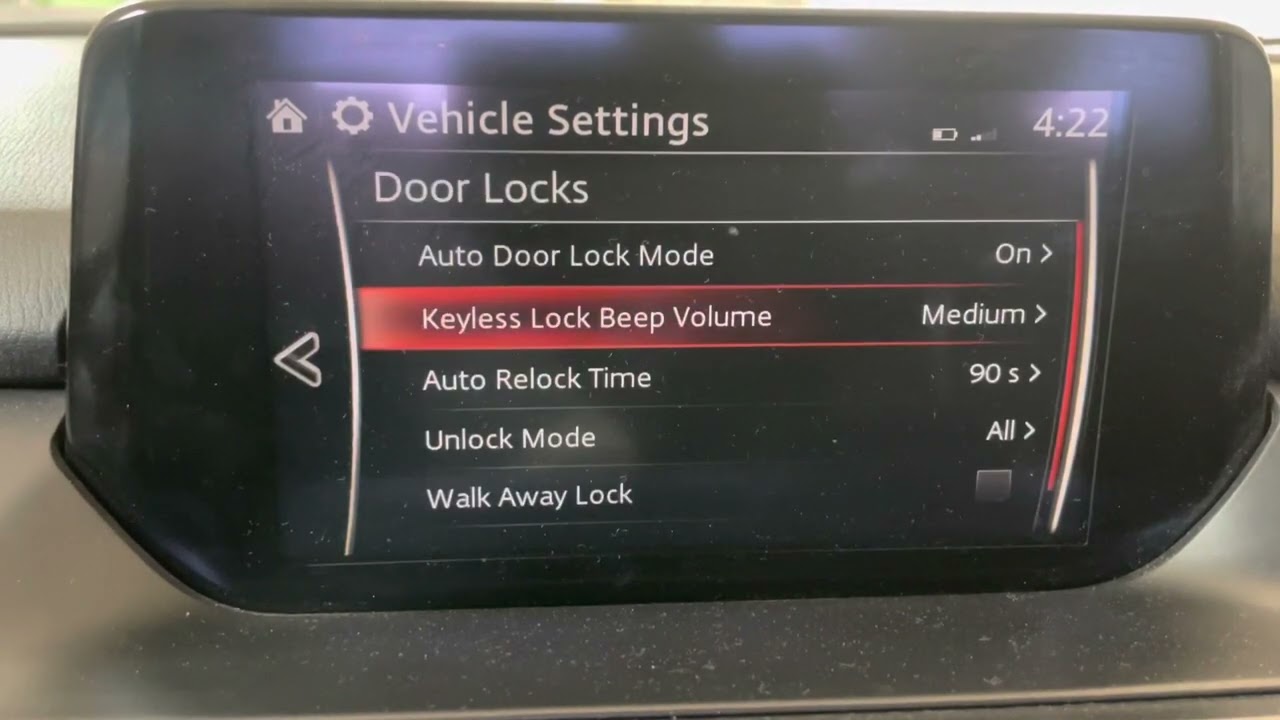
Not every household wants the same thing from a single button press, and Mazda seems to understand that better than most automakers. Buried inside the Mazda Connect infotainment system sits a setting that changes what happens the instant you unlock your CX-90 from outside.
Some drivers prefer unlocking only the driver’s door first, a habit rooted in caution, particularly for anyone who’s ever had a stranger wander uncomfortably close to a parked vehicle in a dark lot. Press the button once, only that door releases; press it again, the rest follow. Families running carpool duty, meanwhile, often prefer the opposite. One press, every door pops open at once, letting three kids pile in simultaneously instead of waiting single file.
Adjusting this preference takes a short trip through the settings menu on the center touchscreen, and once set, it stays that way until manually changed again. There’s no dashboard warning light, no confusing submenu buried five layers deep, just a straightforward toggle most owners could locate within a minute if they knew to look.
What’s interesting is how differently this small setting gets used depending on lifestyle. A rideshare driver might favor the all-doors option for faster passenger turnover. A parent picking up an infant might prefer isolating the driver’s door first, buying a few extra seconds of awareness before the rest of the vehicle opens up in a busy parking lot.
It’s a tiny piece of software, genuinely, barely worth a footnote in most reviews, yet it quietly reflects how much flexibility Mazda built into everyday interactions with this SUV. Comfort and safety, shaped entirely around personal habit.
Also Read: 10 Non-Mazda Cars That Use A Mazda Engine
3. 360-Degree View Monitor Shortcut
Parallel parking a three-row SUV in a cramped city space isn’t anyone’s idea of a good time. Thankfully, Mazda built in a shortcut that turns a stressful maneuver into something almost mundane, provided you know where to look for it.
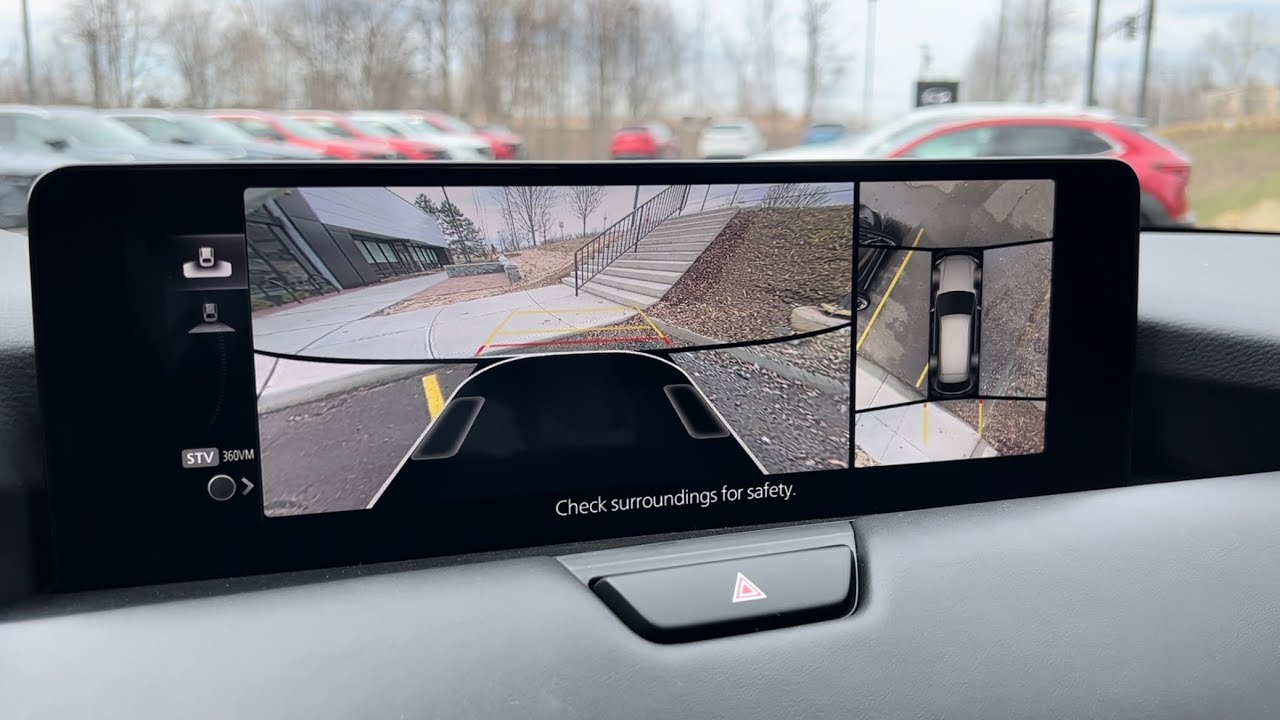
Models equipped with the Around View Monitor include a physical View button positioned within easy reach of the driver. Tap it at low speeds, and the digital instrument cluster instantly switches to a composite overhead perspective, stitched together from cameras mounted around the vehicle’s exterior. Suddenly, that invisible curb you’ve been guessing about becomes perfectly visible.
Multiple camera angles cycle through with repeated presses, letting a driver choose between a bird’s-eye view, a close-up of a specific corner, or a wider perspective depending on the tightness of the space. Backing into a garage, squeezing between two oversized trucks at a grocery store, or driving through a narrow alley behind a restaurant all become noticeably less nerve-wracking with this shortcut active.
What makes this genuinely useful rather than gimmicky is the button’s placement. Rather than burying the function three menus deep inside the touchscreen, Mazda gave it a dedicated physical control, meaning a driver can activate it instantly without taking their eyes off traffic for more than a half-second glance. Anyone who’s fumbled through a submenu while trying to reverse into a tight space understands exactly why that distinction matters.
Owners who skip past this feature often rely purely on side mirrors and rearview cameras, missing out on a genuinely helpful tool sitting right on the dashboard the entire time. Once discovered, it tends to become a permanent habit for tight parking situations.
4. Rear Climate Control Lock
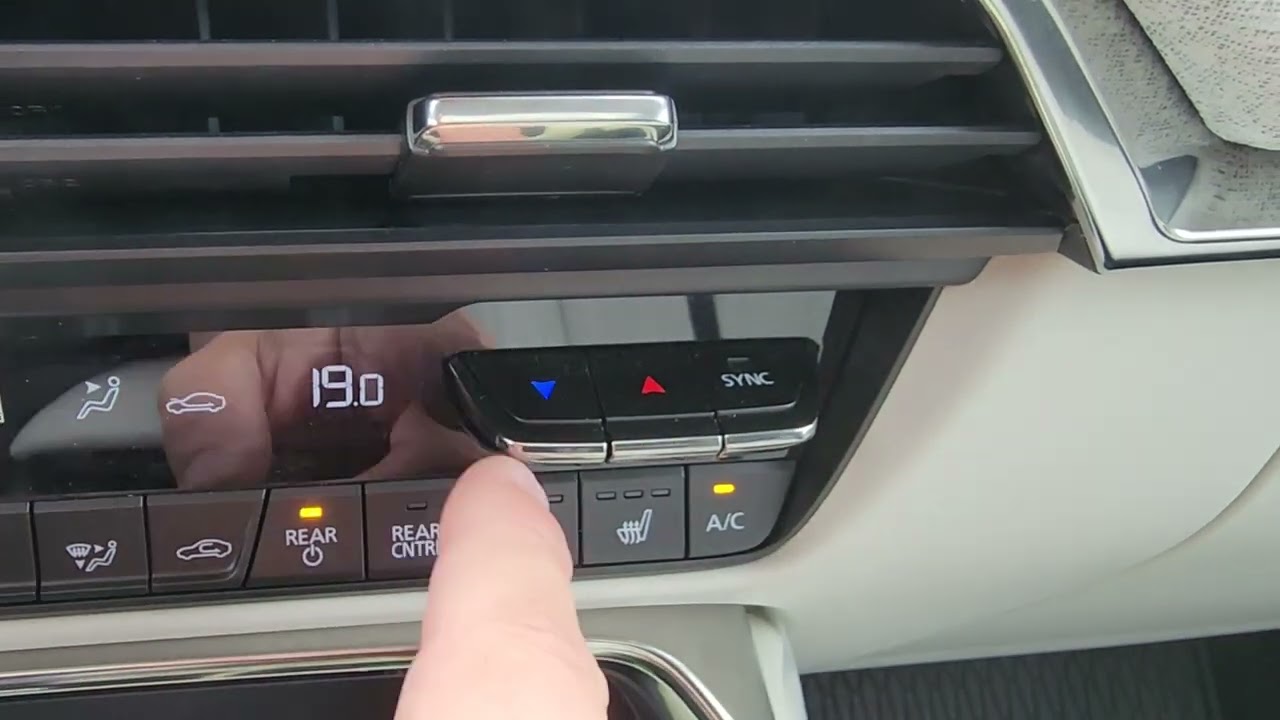
Anyone who’s driven a car full of temperature-sensitive passengers knows the struggle. One person’s comfortable seventy-two degrees is another person’s uncomfortably chilly ride, and constant adjusting from the back seat can turn a peaceful drive into a minor negotiation. Mazda addressed this directly with a setting most owners never realize exists.
Through the infotainment system, drivers can disable rear passenger access to climate controls entirely. Once locked, whoever’s sitting in the back can look, touch, and fiddle all they want, but the temperature stays exactly where the front seat decided it should be. It’s a small piece of authority restored to whoever’s actually driving.
Parents driving children to practice or picking them up from school often find this feature especially useful. When kids adjust the air vents or temperature controls during the trip, it can pull the driver’s attention away from the road. Having to reach back or change the settings again creates an unnecessary distraction. Locking the rear climate controls keeps everything consistent so the driver can choose a comfortable temperature before the trip and focus on driving without interruptions.
The setting isn’t permanent or hidden away irreversibly, either. Toggling it off takes the same handful of screen taps as enabling it, meaning a driver can grant back rear control for longer road trips where adult passengers might reasonably want input on their own comfort. Flexibility, not restriction, seems to be the underlying design philosophy here.
It’s a modest feature, admittedly- nothing flashy or headline-worthy compared to some of Mazda’s more visible technology. Still, for anyone who’s ever driven with a back seat full of opinions about temperature, this quiet little lock might be one of the most genuinely appreciated features on this entire list.
5. Mazda Intelligent Drive Select (Mi-Drive)
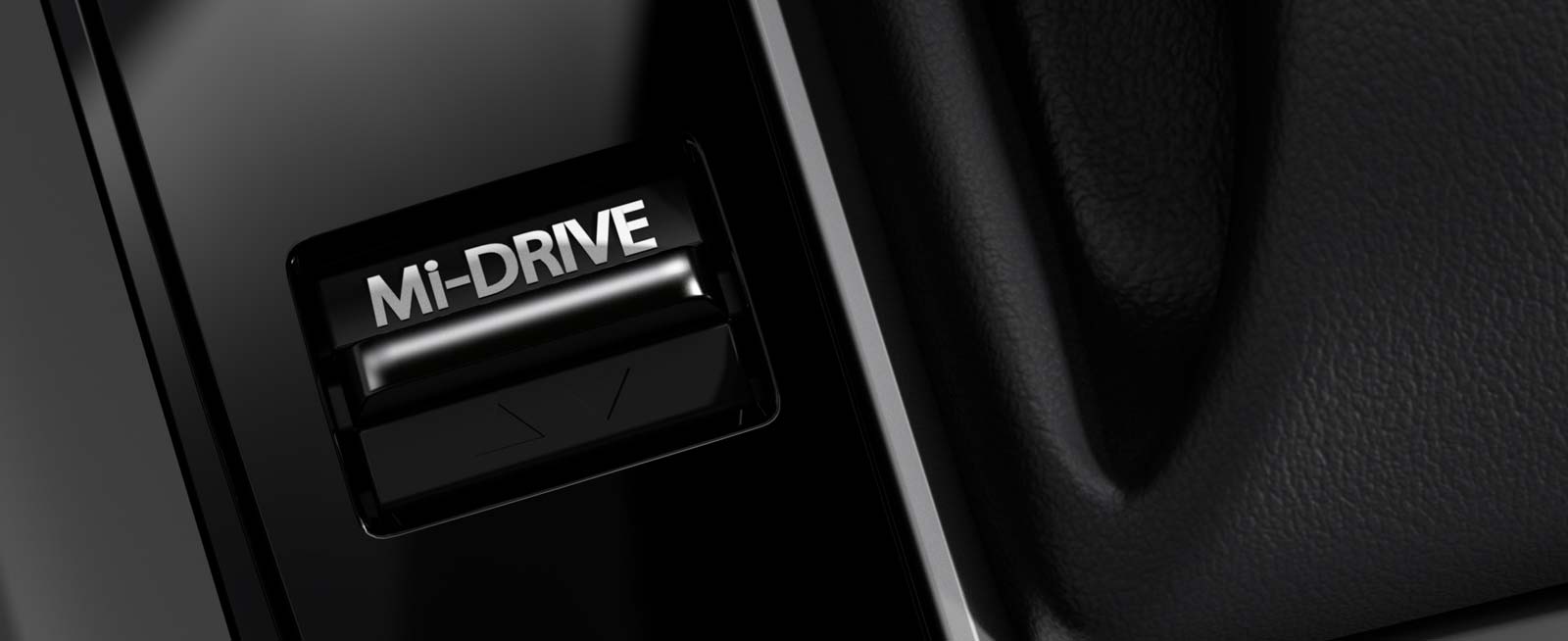
Ask ten different drivers what they want from an SUV, and you’ll probably get ten different answers. One wants sharp throttle response for merging onto a highway. Another wants confident traction crawling over a gravel trail. A third just wants smooth, predictable towing behavior when hauling a boat to the lake. Mazda built a single system to satisfy all three without requiring a different vehicle for each scenario.
Mi-Drive lets a driver toggle between Normal, Sport, Off-Road, Towing, and, where applicable, EV mode, each one reshaping how the CX-90 responds underneath you. Normal mode keeps things balanced for daily commuting, prioritizing comfort and fuel efficiency over aggression. Sport mode sharpens throttle mapping and adjusts transmission behavior, giving the SUV noticeably quicker responses for spirited driving or highway passing.
Off-Road mode changes the equation entirely, adjusting traction control and power delivery to handle loose gravel, mud, or uneven roads with more composure than standard settings would allow. Towing mode, meanwhile, recalibrates the transmission and throttle response specifically for hauling trailers, reducing the hunting and shifting instability that heavier loads often cause in less sophisticated systems.
Where equipped with plug-in hybrid capability, EV mode prioritizes electric-only propulsion for quiet, low-emission short trips around town. What ties this whole system together is the digital instrument cluster, which visually updates depending on which mode is active, giving drivers immediate, glanceable confirmation of how the vehicle is currently configured.
There’s no guessing whether the switch actually took effect. A quick look at the dash tells the whole story instantly. For a three-row family SUV expected to handle daily school runs, occasional trail adventures, and weekend towing duties, this level of adjustability is a genuinely practical, underappreciated asset.
6. One-Touch Second-Row Access
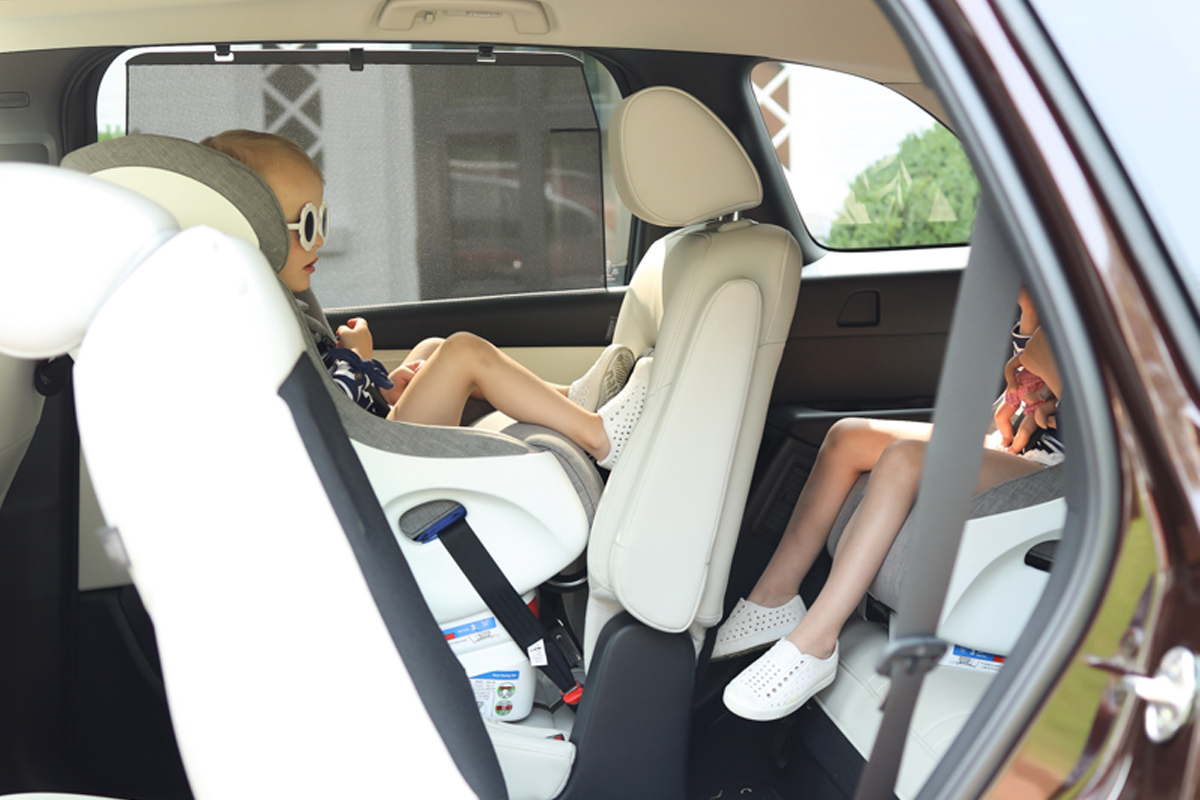
Getting into the third row of most SUVs involves some combination of awkward climbing, seat-wrestling, and quiet apologies to whoever’s stuck squeezing past folded second-row seats. Mazda simplified that entire process with a single, well-placed release button most owners discover only by accident.
A quick press on the second-row seat triggers an automatic slide-and-tilt motion, opening up a surprisingly generous gap for third-row passengers to climb through. There’s no manual wrestling with heavy seat cushions, no awkward crouching to find a hidden lever buried underneath the seat frame. One motion, and the path opens up.
This matters more than it might initially sound. Third-row seating in most midsize SUVs tends to serve kids, occasional passengers, or short trips rather than daily full-time use, meaning the process of getting people back there needs to be quick and painless rather than a production every single time. Grandparents visiting for the holidays, neighborhood carpool duty, or a group heading out for a weekend trip all benefit from not having to think twice about third-row access.
Once passengers are seated, releasing the second row and sliding it back into position takes just as little effort, restoring legroom for whoever’s sitting in the middle row without requiring a full manual reset each time. For families juggling car seats, booster seats, and adult passengers all sharing space across three rows, this small mechanical convenience saves genuine time and frustration on every single outing. It’s the kind of feature nobody notices in a showroom test sit, yet becomes deeply appreciated within the first week of actual ownership.
7. Programmable Power Liftgate Height
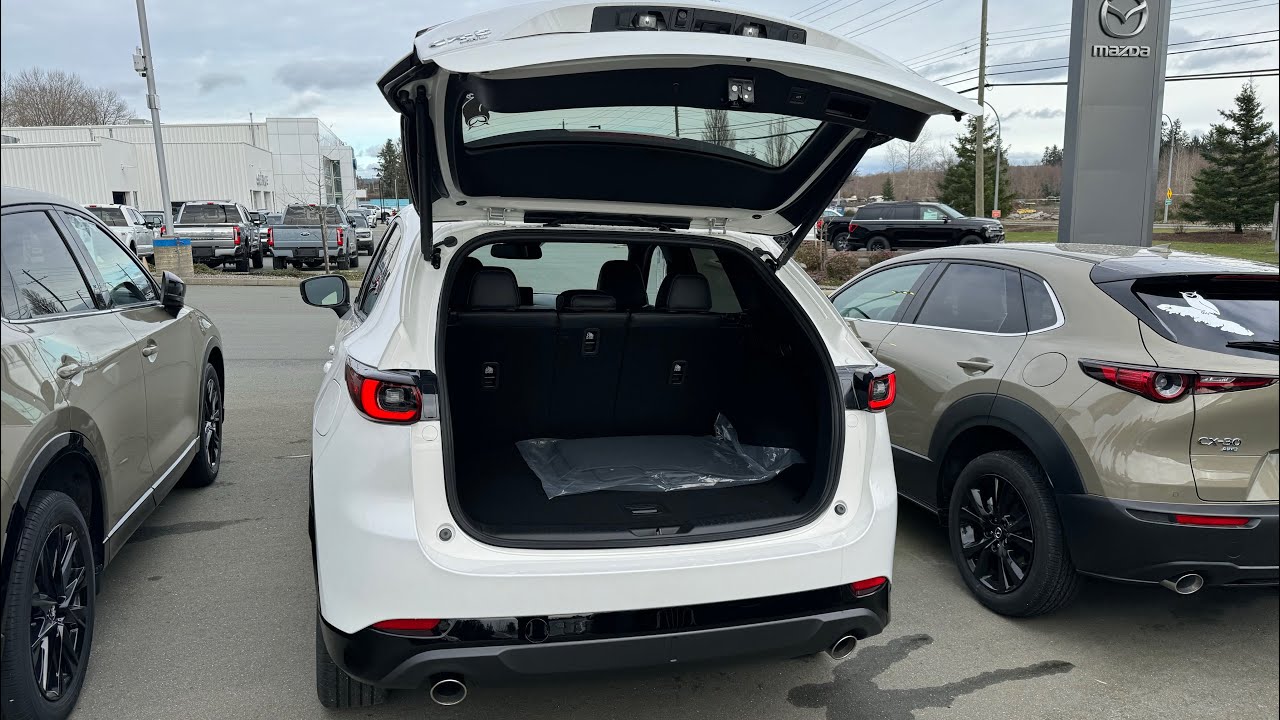
Every homeowner with a garage shorter than expected has experienced this moment: the power liftgate swings open, rises confidently toward the ceiling, and then crunches directly into a support beam or garage door track. Mazda solved this specific headache with a setting that feels almost embarrassingly simple once you know it exists.
Owners can manually stop the liftgate partway through its opening cycle, at whatever height clears their particular garage ceiling, and save that exact position through the vehicle’s settings. From that point forward, every automatic opening respects the saved height rather than rising to its full default extension. No more nervous flinching every time the liftgate swings upward in a tight space.
This solves a problem that’s more common than most manufacturers seem to acknowledge. Garages built decades ago, older homes with lower ceiling clearances, or even certain parking structures with height restrictions all create genuine obstacles for a liftgate designed with generous clearance in mind as its default behavior. Rather than forcing owners to manually stop the gate every single time with a button press, Mazda lets that adjustment become permanent and automatic.
Setting it up takes only a few tries: open the liftgate normally, stop it manually at the desired height using the control switch, then save that position through the settings menu. Once configured, the system remembers indefinitely, requiring no repeated adjustment unless circumstances change, like moving to a home with a taller garage. Small detail, meaningful payoff, particularly for anyone who’s ever paid a body shop to fix ceiling-related liftgate damage on a previous vehicle.
8. Reversible Cargo Floor Panel
Muddy hiking boots, a leaking cooler, wet swim gear fresh from a lake trip, and cargo areas take a beating that carpet was never built to survive gracefully. Mazda’s answer sits quietly beneath your feet in the back of every CX-90, ready to flip over the moment life gets messy.
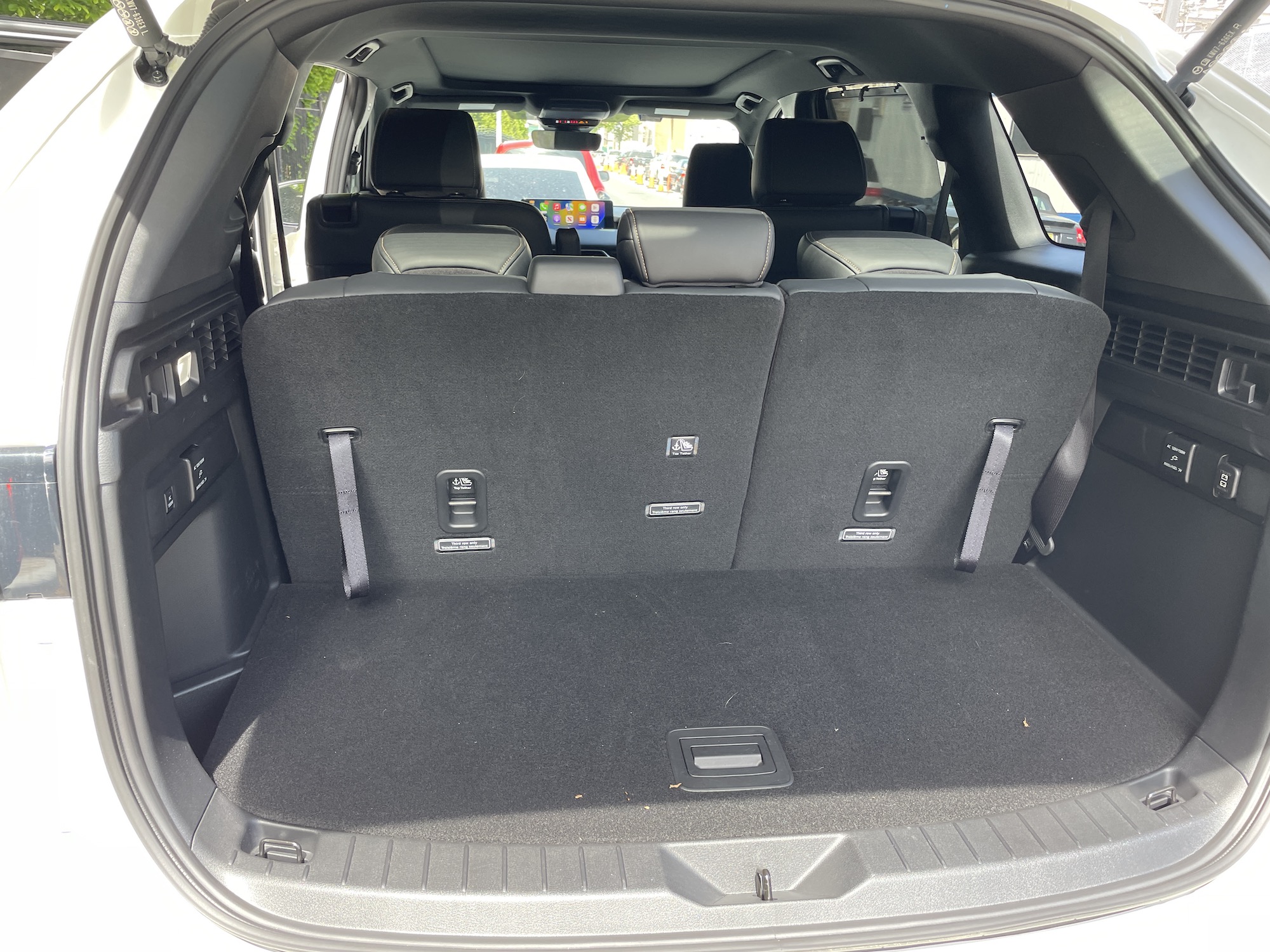
The cargo floor includes a reversible panel, carpeted on one side for typical use and finished with a durable, easy-to-clean surface on the other, ideal for transporting anything wet, dirty, or generally unpleasant to clean out of fabric. Flip it over before a camping trip, a trip to the hardware store, or a soccer practice involving cleats caked in fresh mud, and cleanup afterward becomes a simple wipe-down rather than a full detailing session.
This kind of practical thinking tends to separate genuinely family-friendly SUVs from ones that merely look the part in advertising photos. Anyone who’s tried scrubbing dried mud out of carpet fibers after a weekend outdoors understands exactly how valuable a washable surface becomes in that moment. The reversible design means owners aren’t locked into choosing between practicality and a finished appearance; they simply flip the panel based on whatever the week demands.
Installation and removal require no tools, just a firm grip and a bit of leverage to lift the panel free and rotate it into place. It’s lightweight enough for most adults to manage solo, and it sits flush once reinstalled, without any awkward gaps or rattling during regular driving.
For active families, weekend adventurers, or anyone hauling gear that doesn’t belong anywhere near clean upholstery, this small design choice quietly saves a genuine amount of hassle across the vehicle’s ownership life.
9. Walk-Away Auto Lock
Forgetting to lock a car happens to almost everyone eventually, usually while juggling grocery bags, a fussy toddler, or a phone call that demands immediate attention. Mazda built a quiet safeguard into the CX-90 specifically for these distracted, everyday moments.
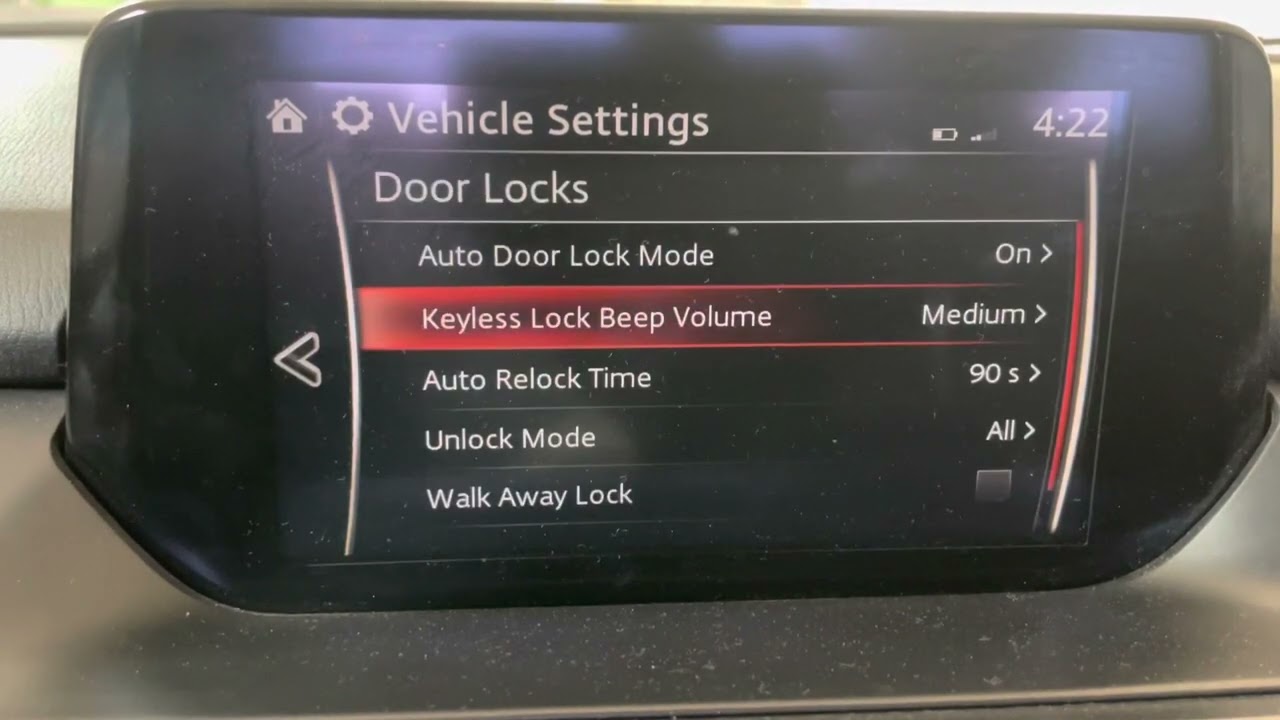
Once enabled through the vehicle’s settings, Walk-Away Auto Lock monitors the distance between the CX-90 and its paired key fob. When the system detects that the fob, and presumably its owner, has moved a sufficient distance away from the vehicle, the doors lock automatically without requiring any button press whatsoever. No fumbling for a key fob buried in a purse or backpack pocket, no doubling back across a parking lot to check.
This kind of automation matters more than it might initially seem. Distracted parents managing multiple children, shoppers with arms full of bags, or anyone simply lost in thought while walking away from their vehicle all benefit from a system that quietly handles security without requiring conscious effort. It removes one small worry from an already busy day.
Enabling the feature takes just a few taps through the settings menu, and once active, it runs continuously in the background without any ongoing interaction required. Drivers who prefer manual control over locking, perhaps out of habit or personal preference, can simply leave the setting disabled and continue locking the traditional way through the fob or door handle sensor.
Nothing about this feature forces a change in behavior; it simply offers a safety net for the moments when human memory inevitably falls short. Given how often minor lapses like this happen, that safety net carries real, everyday value.
Also Read: 10 Little-Known Features in the Mazda CX-5
10. Wireless Phone Charging
Wireless charging pads sound convenient in theory, yet plenty of drivers have experienced the frustrating reality of a phone that overheats mid-charge, slows its charging speed automatically, or occasionally stops charging entirely until it cools back down. Mazda engineered around that exact frustration with a genuinely thoughtful solution.
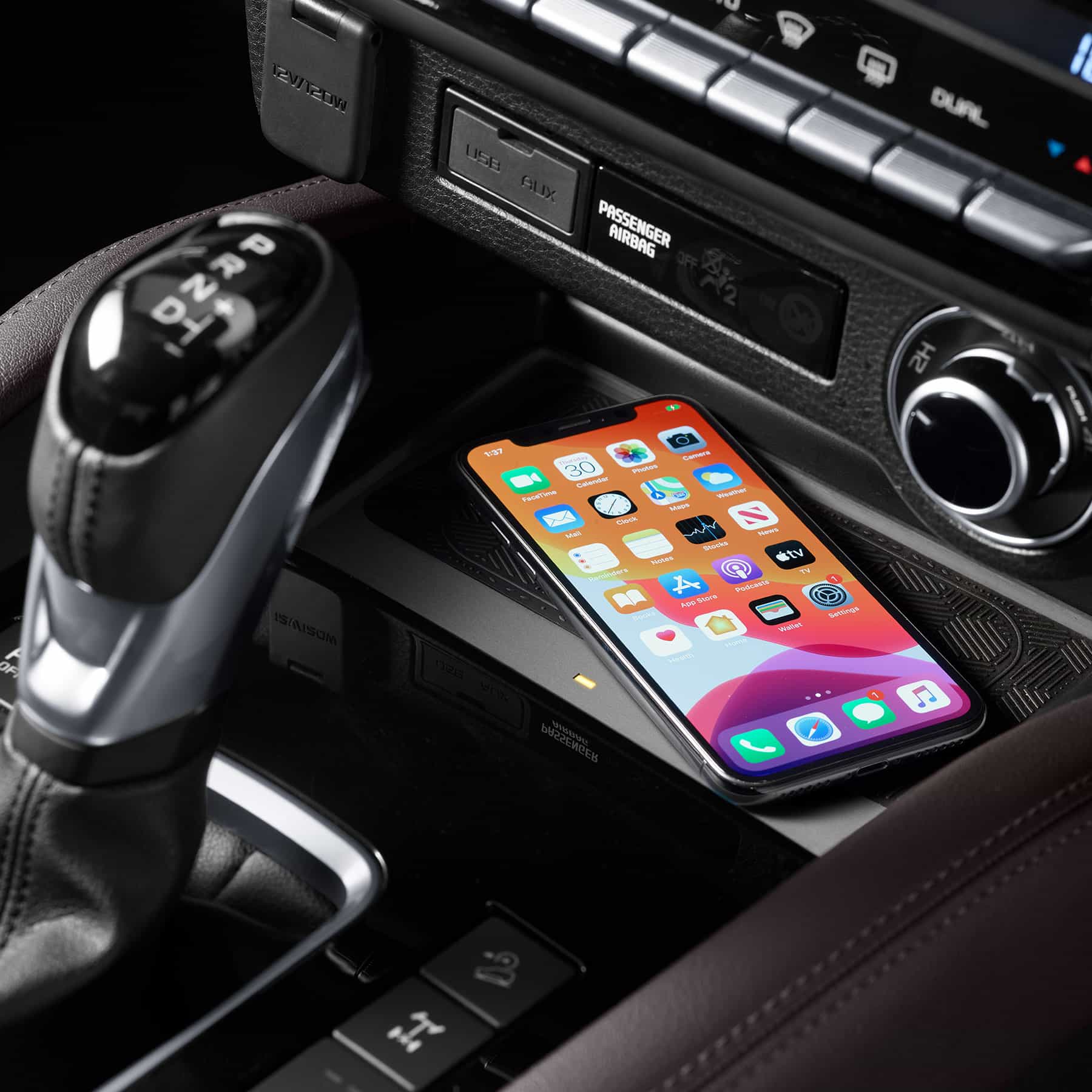
On equipped trims, the wireless charging pad inside the CX-90 includes built-in ventilation designed specifically to manage heat buildup during charging. Rather than letting a phone bake against a warm charging surface during a sunny summer drive, airflow works to keep temperatures more stable, allowing for more consistent charging speeds throughout a trip rather than the frustrating slowdown many wireless pads experience elsewhere.
Anyone who relies heavily on their phone for navigation during longer drives understands how draining constant GPS use can be on a battery. A charging pad that actually keeps pace with that drain, rather than struggling against heat-related throttling, makes a genuine difference on longer road trips where phone battery life often becomes an unexpected point of stress.
The placement itself deserves credit too, positioned within easy reach of the driver without requiring an awkward stretch or distraction while driving, tucked into the center console area where it stays secure rather than sliding around during turns. Combined with the cooling function, it’s a small piece of engineering that quietly outperforms the wireless charging setups found in plenty of competing SUVs.
For daily commuters, road-trippers, and anyone tired of unreliable wireless charging elsewhere, this feature represents exactly the kind of unglamorous, practical thinking that tends to earn genuine owner loyalty over flashier, more headline-grabbing technology found elsewhere in the segment.
