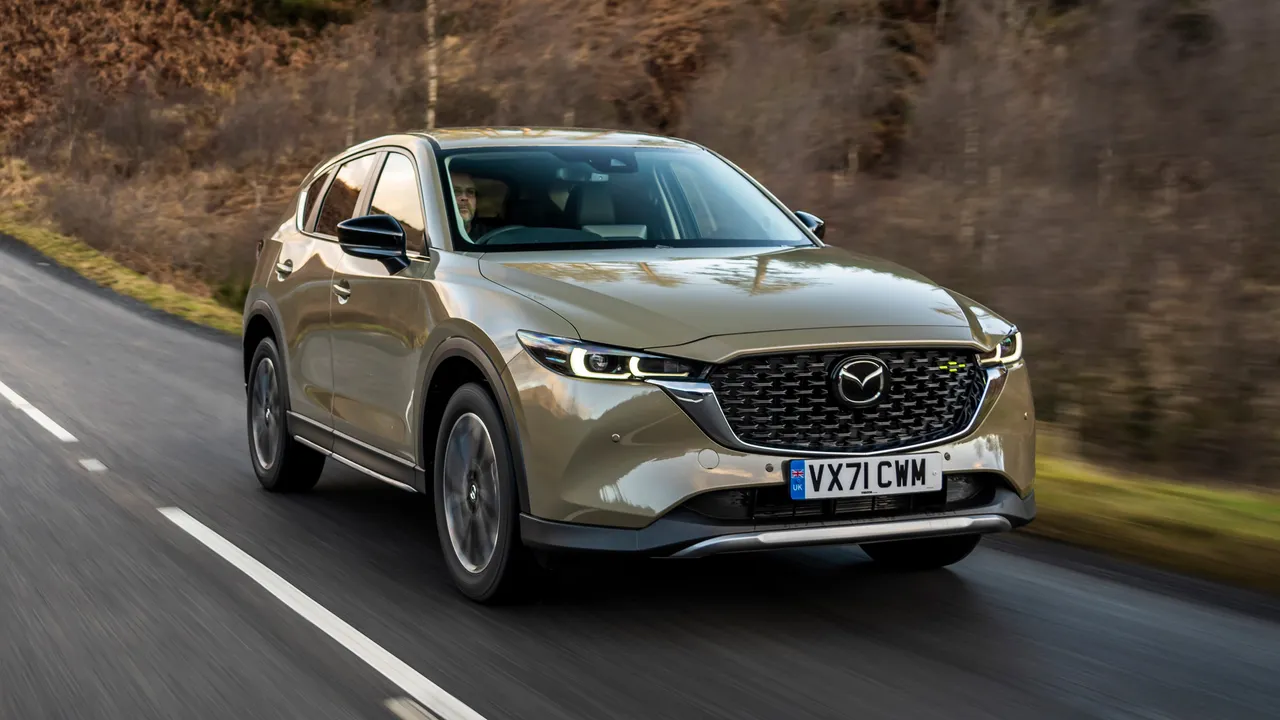
The Mazda CX-5 has earned praise for its attractive styling, premium cabin materials, and engaging driving dynamics. It is often recognized as one of the most refined compact SUVs in its class, blending practicality with a level of sophistication that rivals more expensive vehicles.
While many buyers focus on the obvious strengths such as the comfortable interior, responsive handling, and advanced safety technologies, the CX-5 also hides a surprising number of features that rarely receive much attention.
Mazda’s engineering philosophy has always centered on making the driving experience feel natural and intuitive. Instead of loading vehicles with flashy gimmicks, the company tends to introduce thoughtful technologies that improve comfort, convenience, and confidence behind the wheel.
Some of these features work quietly in the background, while others remain buried within menus or are overlooked during the buying process.
For owners, discovering these lesser-known functions can make daily driving more enjoyable and help them get even more value from their vehicle.
Small details often separate a good SUV from a great one, and the CX-5 contains many examples of clever engineering that enhance the ownership experience without demanding constant attention.
From advanced systems that improve cornering stability to convenience features that simplify everyday errands, these hidden capabilities demonstrate how much consideration Mazda put into the design of the CX-5. Many drivers use them regularly without realizing the technology is even there.
The following features showcase some of the most interesting and underrated aspects of the Mazda CX-5 that deserve far more recognition than they typically receive.
Also Read: 8 Car Brands’ Reliability Rankings In 2016 vs 2026
1. G-Vectoring Control Plus
One of the reasons the Mazda CX-5 feels unusually composed compared to many compact SUVs is a technology called G-Vectoring Control Plus. Unlike traditional handling systems that only react when a vehicle begins losing traction, this feature works proactively and continuously while driving.
The system monitors steering inputs and makes tiny adjustments to engine torque whenever the driver turns the steering wheel. These changes happen in fractions of a second and are virtually impossible to detect directly. What drivers notice instead is smoother cornering behavior and a more connected feel on winding roads.
When entering a curve, the slight reduction in engine torque shifts weight toward the front tires. This increases front-end grip and helps the vehicle respond more naturally to steering commands. As the vehicle exits the corner, the system can apply subtle braking forces to improve stability and assist the return to straight-line travel.
The result is a driving experience that feels polished rather than artificially controlled. Drivers often report needing fewer steering corrections during highway travel, which can reduce fatigue during long trips. Passengers benefit as well because the vehicle experiences less abrupt body movement during directional changes.
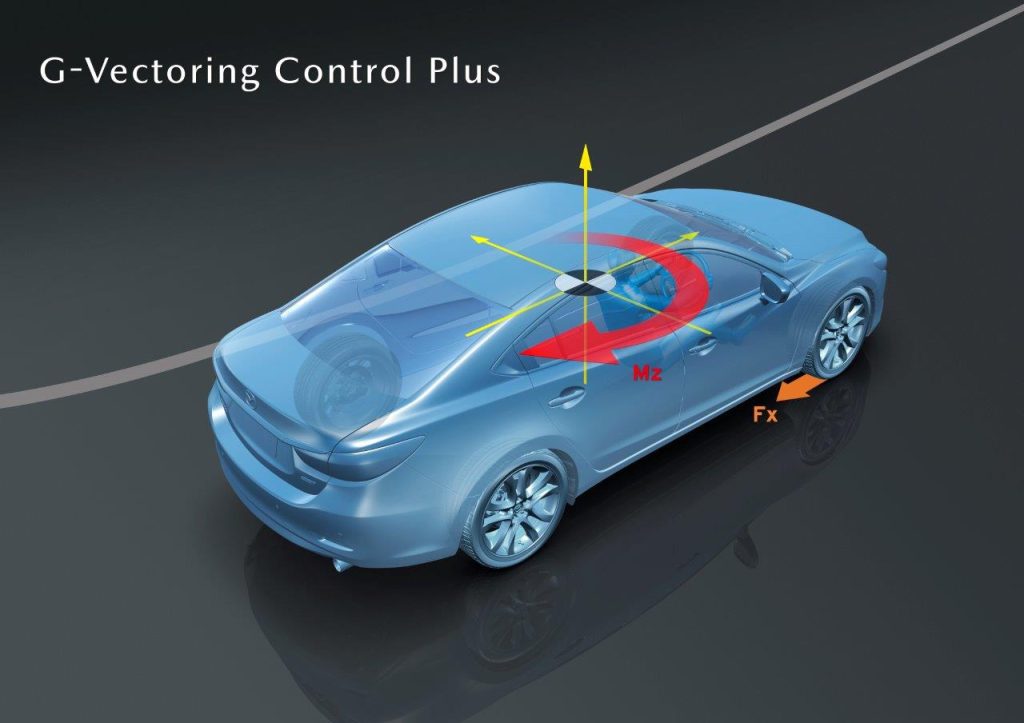
What makes G-Vectoring Control Plus especially impressive is its transparency. There are no warning lights, no noticeable interventions, and no complicated settings to activate. The technology simply works in the background every time the vehicle is driven.
Mazda developed this feature to strengthen the connection between driver and vehicle rather than chase headline performance figures. It represents a thoughtful approach to engineering that prioritizes comfort, precision, and confidence.
Many owners never realize it exists, yet it contributes significantly to the CX-5’s reputation as one of the most enjoyable SUVs to drive in its segment.
2. Traffic Sign Recognition System
Road signs are easy to overlook when traffic is heavy, weather conditions are poor, or drivers are traveling through unfamiliar areas. To help address this challenge, Mazda equipped many CX-5 models with a traffic sign recognition system that quietly assists drivers throughout their journey.
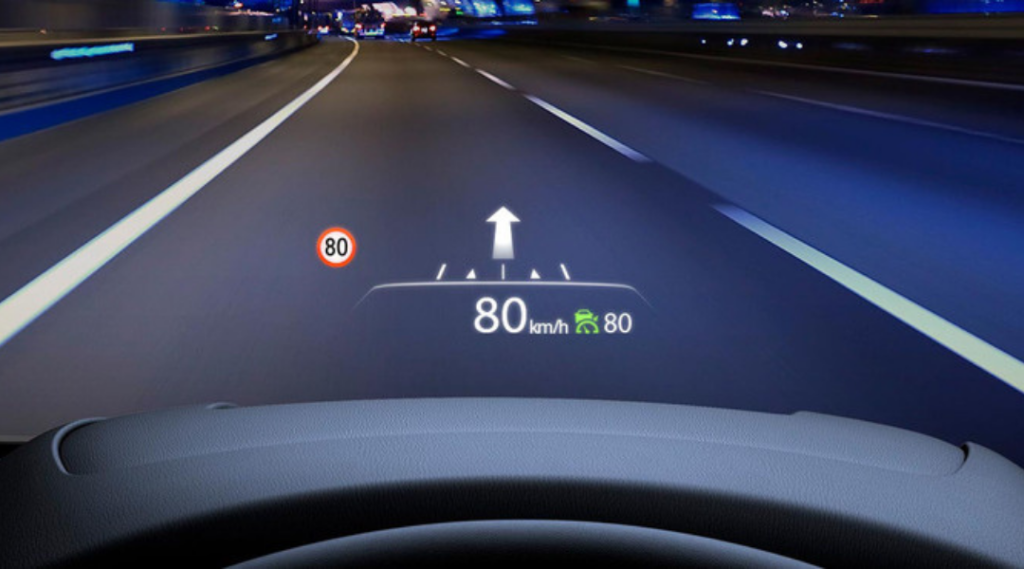
A forward-facing camera continuously scans the roadway for important traffic signs. The system can identify speed limits, stop signs, and selected warning indicators before displaying them within the instrument cluster or available head-up display.
Instead of searching for roadside information, drivers receive a convenient visual reminder directly within their field of view.
This feature becomes particularly valuable during long-distance highway travel. Speed limits can change frequently when crossing city boundaries or entering construction zones. The system helps drivers remain aware of these changes without diverting attention from surrounding traffic.
Another advantage is the integration with other driver-assistance technologies. When the vehicle detects that it has exceeded a recognized speed limit, it can provide a gentle reminder. The feature does not take control away from the driver, but it adds an additional layer of awareness that can be useful during busy commutes.
Many owners forget the system is active because it operates so seamlessly. Unlike intrusive warning systems that constantly demand attention, traffic sign recognition simply provides useful information when needed.
This subtle approach fits perfectly with Mazda’s philosophy of supporting the driver rather than overwhelming them with technology.
The feature demonstrates that innovation does not always need to be dramatic to be effective. By helping drivers stay informed about changing road conditions, traffic sign recognition contributes to a safer and more convenient driving experience every day.
3. Active Driving Display
Most drivers associate advanced technology with large touchscreens and digital dashboards, yet one of the CX-5’s most useful features sits directly in front of the windshield. Mazda’s Active Driving Display helps keep vital information within the driver’s natural line of sight, reducing the need to repeatedly glance away from the road.
In equipped models, important information such as vehicle speed, navigation directions, recognized traffic signs, and safety alerts is projected onto the windshield.
Because the display appears ahead of the driver rather than on the instrument panel, information can be viewed with minimal eye movement. This simple concept makes a noticeable difference during daily driving.
The system proves especially helpful in unfamiliar areas where navigation instructions arrive frequently. Instead of shifting attention between the road and the center display, drivers can see upcoming turns without interrupting their concentration. Highway travel also becomes less stressful because speed information remains constantly visible.
Mazda designed the display to remain clear under varying lighting conditions. Automatic brightness adjustments help maintain visibility whether driving beneath strong sunlight or during nighttime conditions. Drivers can also customize the display position and selected information through vehicle settings.
Unlike some technology features that lose their appeal after a few weeks, the Active Driving Display often becomes more appreciated over time. Owners frequently report that they miss it when driving other vehicles because they have become accustomed to having key information directly ahead.
The feature reflects Mazda’s focus on creating an intuitive driving environment. Rather than overwhelming occupants with unnecessary graphics or distractions, the system presents only the most relevant information.
It is a subtle convenience that contributes to safer and more comfortable driving while remaining largely unnoticed by those unfamiliar with the vehicle.
4. Automatic Power-Folding Side Mirrors
Parking an SUV in crowded urban environments can be frustrating, particularly when spaces are narrow and surrounding vehicles are parked close together. Mazda addressed this everyday challenge with automatic power-folding side mirrors, a feature many owners do not fully appreciate until they begin using it regularly.
When the vehicle is locked, the mirrors automatically fold inward against the body. This reduces the risk of accidental contact from passing pedestrians, bicycles, shopping carts, or nearby vehicles. Upon unlocking the CX-5, the mirrors smoothly return to their normal position, ready for driving.
The convenience extends beyond simple protection. Owners can quickly confirm from a distance whether the vehicle is locked because folded mirrors provide a visual indicator. This eliminates the uncertainty that sometimes occurs when walking away from a parked vehicle in a busy lot.
Winter drivers may find another benefit. Folding mirrors can reduce exposure to snow accumulation and icy conditions when the vehicle is parked outdoors. While they are not completely protected from the elements, the folded position can help minimize buildup on critical surfaces.
Mazda integrated the feature so naturally that many owners stop thinking about it after a short period. Yet each day it quietly helps protect one of the most vulnerable exterior components. Side mirror repairs can be surprisingly expensive, making this feature more valuable than it initially appears.

The automatic operation also contributes to the premium feel of the CX-5. Small details, such as mirrors moving into position when the vehicle is unlocked, create a sense of refinement often associated with luxury brands. It is a practical feature disguised as a convenience feature, delivering benefits that continue throughout the ownership experience.
5. Smart City Brake Support in Reverse
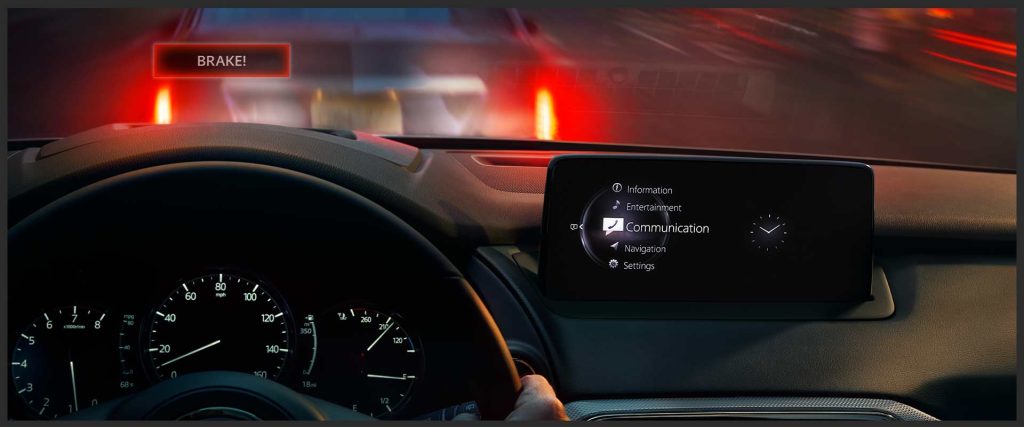
Most drivers are familiar with automatic emergency braking systems that function while moving forward, but the Mazda CX-5 includes a lesser-known capability that can help when backing up as well.
Smart City Brake Support in Reverse is designed to assist drivers in situations where visibility is limited, and obstacles may be difficult to spot.
Backing out of parking spaces often involves numerous distractions. Pedestrians, shopping carts, low walls, poles, and other vehicles can suddenly appear behind the SUV. The system uses sensors to monitor the area and determine whether a collision is likely.
If the driver does not react in time, the CX-5 can automatically apply the brakes to reduce impact severity or potentially avoid contact altogether.
What makes this feature particularly useful is the type of incidents it addresses. Low-speed parking accidents are among the most common forms of vehicle damage, yet many drivers never think about them until they happen.
Repairing a rear bumper, liftgate, or parking sensor system can be surprisingly costly. This technology serves as an additional layer of protection during everyday maneuvers.
The feature works quietly in the background and activates only when necessary. There is no need to enable it every time the vehicle is started. Because of its unobtrusive nature, many owners are unaware of the system until it provides an alert or intervention.
Another advantage is the added confidence it brings when maneuvering in crowded parking structures or busy retail centers. Drivers still maintain full responsibility for vehicle operation, but having an electronic safety net can make stressful situations more manageable.
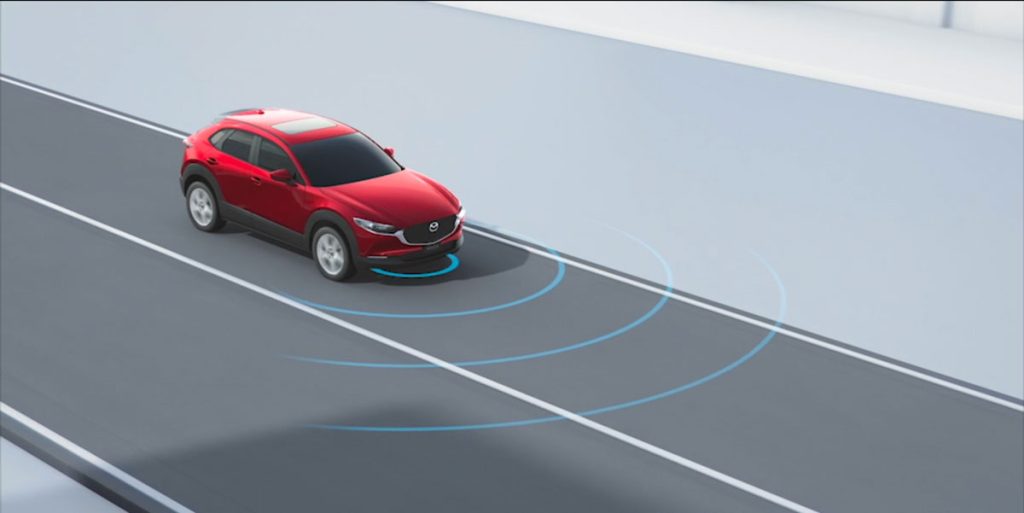
By focusing on real-world scenarios rather than dramatic emergency situations, Smart City Brake Support in Reverse demonstrates Mazda’s practical approach to safety. It protects against common incidents that many drivers encounter during normal daily use, making it one of the CX-5’s most valuable hidden technologies.
6. Rain-Sensing Windshield Wipers
Weather conditions can change rapidly, particularly during long drives. One moment, the windshield is dry, and the next, a light drizzle begins to affect visibility. The Mazda CX-5 addresses this issue with rain-sensing windshield wipers, a feature that often goes unnoticed because of how naturally it operates.
Mounted near the windshield, a sensor continuously monitors moisture levels on the glass. When rain is detected, the system automatically activates the wipers and adjusts their speed according to the intensity of the precipitation. Light mist results in slower operation, while heavier rainfall triggers faster wiping cycles.
This automatic response eliminates the need for drivers to constantly adjust wiper settings as weather conditions change. During busy commutes, that convenience can reduce distractions and allow greater focus on surrounding traffic.
It may seem like a small detail, but removing one more task from the driver’s workload contributes to a more relaxed driving experience.
The feature is particularly useful during variable weather conditions when rain repeatedly starts and stops. Instead of manually switching the wipers on and off, the system handles those adjustments independently. Drivers simply leave the setting activated and let the vehicle manage the rest.
Many CX-5 owners forget the technology exists because it performs its job so effectively. Unlike flashy infotainment functions that demand attention, rain-sensing wipers provide their benefits quietly and consistently.
They are most appreciated when transitioning between different weather conditions, where manual operation would require constant intervention.

Mazda’s commitment to convenience can be seen in features such as this. While rain-sensing wipers may not attract headlines, they enhance everyday usability in a meaningful way. The result is a cleaner windshield, reduced distraction, and improved visibility whenever changing weather arrives unexpectedly.
7. Rear Seat Reclining Function
Compact SUVs are usually designed with a strong focus on front-seat comfort, leaving rear passengers with limited flexibility. The Mazda CX-5 takes a different approach by offering a rear seat reclining function, a feature that many owners discover only after spending time with the vehicle.
At first glance, the rear seating area appears similar to that of many competitors. However, passengers can adjust the angle of the seatbacks to find a more comfortable position during longer journeys. This small capability can make a surprisingly large difference, especially when traveling for several hours at a time.
Families often benefit the most from this feature. Children riding in the second row can settle into a more relaxed position, while adult passengers gain additional comfort during road trips.
Rather than remaining locked into a single upright posture, occupants have the flexibility to customize their seating angle according to personal preference.
The reclining mechanism is simple to operate and does not require any complicated controls. Mazda intentionally kept the design straightforward so passengers could make adjustments quickly. Despite its practicality, many owners are unaware that the feature exists because it receives little attention during vehicle demonstrations.
Comfort enhancements are not always measured by luxurious materials or expensive technology. Sometimes a simple mechanical feature can significantly improve the passenger experience. Rear seat reclining capability falls into that category.
It transforms the second row from a basic passenger area into a more accommodating space suited to extended travel.
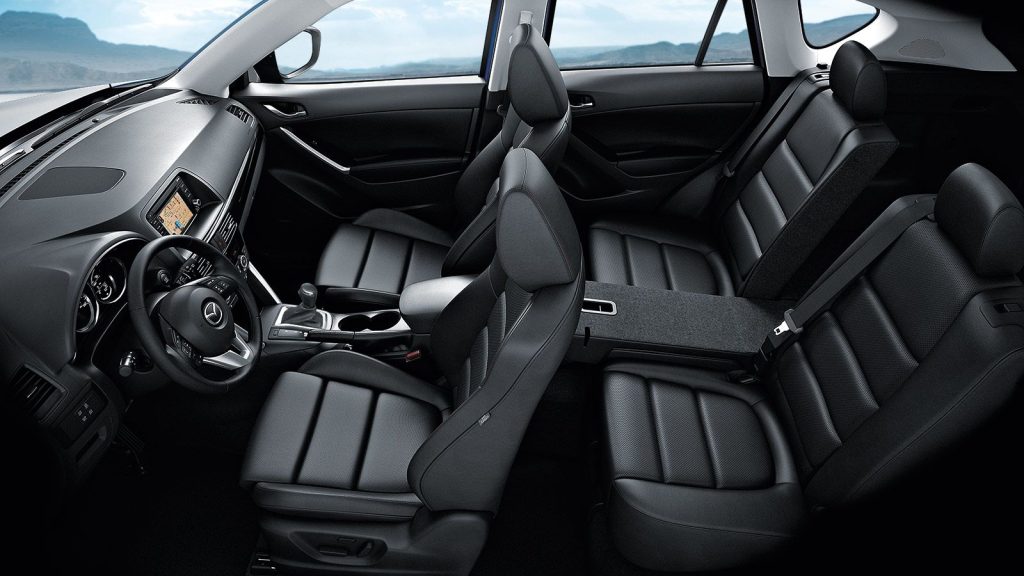
Another advantage is the premium atmosphere it creates. Features commonly associated with larger and more expensive SUVs often help distinguish the CX-5 from mainstream competitors.
By providing rear passengers with greater comfort and flexibility, Mazda adds another layer of refinement to a vehicle already known for exceeding expectations in its class.
8. Adaptive Front-Lighting System
Driving at night presents challenges that daytime travel simply does not. Curves, intersections, and poorly illuminated roads can limit visibility, making it more difficult to identify hazards in time.
The Mazda CX-5 addresses this issue through its Adaptive Front-Lighting System, one of the vehicle’s most sophisticated yet least discussed technologies.
Traditional headlights remain fixed in one direction regardless of steering input. The CX-5’s adaptive system works differently. As the driver turns the steering wheel, the headlights subtly pivot to follow the intended path of travel. This allows more of the roadway ahead to be illuminated before the vehicle actually enters a corner.
The benefit becomes immediately noticeable on winding roads. Instead of waiting until the vehicle rounds a bend to see what lies ahead, drivers receive an earlier view of curves, road edges, and potential obstacles. This additional visibility can improve confidence and reduce nighttime driving stress.
Mazda engineered the system to operate smoothly and naturally. The movement is gradual enough that occupants rarely notice the headlights shifting. What they do notice is a greater sense of awareness when traveling through dark areas.
Rural roads particularly highlight the value of this technology. Limited street lighting means headlights become the primary source of visibility. By directing light where it is needed most, the system helps drivers react more effectively to changing road conditions.
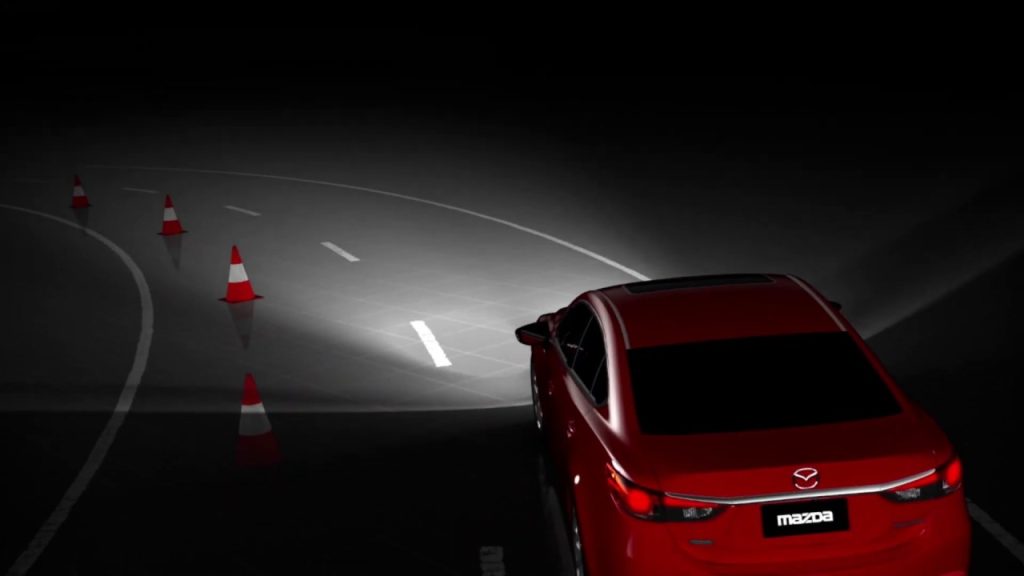
Although adaptive headlights are often associated with luxury vehicles, Mazda incorporated this capability into the CX-5 to enhance both convenience and safety. Many owners remain unaware of the feature’s operation because it functions automatically.
Nevertheless, every nighttime journey benefits from the added illumination and improved visibility it provides.
9. Walk-Away Auto Lock
Forgetting to lock a vehicle is a surprisingly common occurrence. Drivers often become distracted while carrying groceries, managing children, answering phone calls, or simply rushing toward their next destination.
Mazda developed a convenient solution called Walk-Away Auto Lock, a feature that quietly eliminates much of that concern.
When the driver exits the CX-5 with the key fob and moves a certain distance away, the vehicle can automatically lock itself. There is no need to press a button on the key fob or touch the door handle. The system recognizes that the authorized key has left the immediate area and secures the vehicle accordingly.
What makes this feature particularly useful is how naturally it integrates into everyday routines. After a short period of ownership, many drivers stop thinking about vehicle locking entirely because the process happens automatically.
The result is greater peace of mind, especially in busy environments where distractions are common.
Another advantage involves security. An unlocked vehicle can become an easy target for opportunistic theft or unauthorized access. Walk-Away Auto Lock reduces the likelihood of accidental oversight by ensuring the CX-5 is secured when the driver departs.
The technology also contributes to the premium ownership experience Mazda has worked hard to create. Luxury vehicles have long offered convenience features that remove small everyday inconveniences. This system follows that philosophy by simplifying a task drivers perform countless times each year.
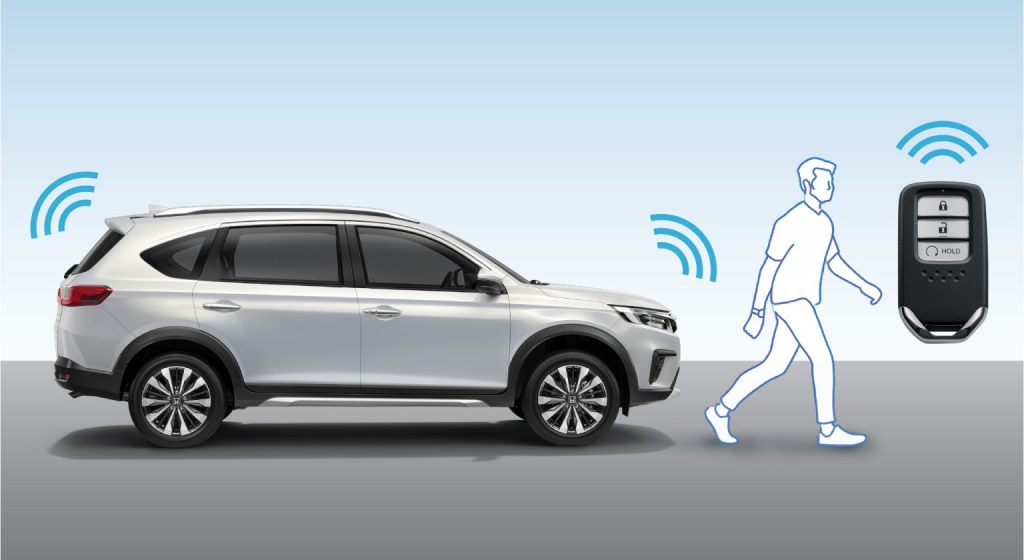
Many owners do not realize the feature exists until they notice the audible confirmation or see the vehicle locking itself from a distance. Once experienced, however, it quickly becomes one of those conveniences that is difficult to give up.
It saves time, reduces worry, and adds another layer of practicality to the CX-5’s impressive collection of hidden features.
10. Remote Window Opening Through the Key Fob
Some of the most useful automotive features are also the simplest. The Mazda CX-5 includes a remote window opening function that many owners never discover because it is rarely highlighted in sales materials or owner demonstrations.
On compatible models, pressing the unlock button on the key fob in a specific sequence allows the windows to lower before entering the vehicle. This capability can be particularly helpful during hot summer months when the cabin has been sitting in direct sunlight for extended periods.
Instead of opening the door and immediately stepping into trapped heat, drivers can ventilate the interior while approaching the vehicle. Hot air begins escaping before anyone enters, helping make the cabin more comfortable.
Although the system does not replace air conditioning, it can significantly reduce the initial blast of heat that often accompanies summer driving.
The feature is also useful when loading cargo or preparing for a trip. Allowing fresh air to circulate through the cabin before departure can improve comfort for both drivers and passengers. Because the function is controlled remotely, it adds convenience without requiring any additional hardware or accessories.
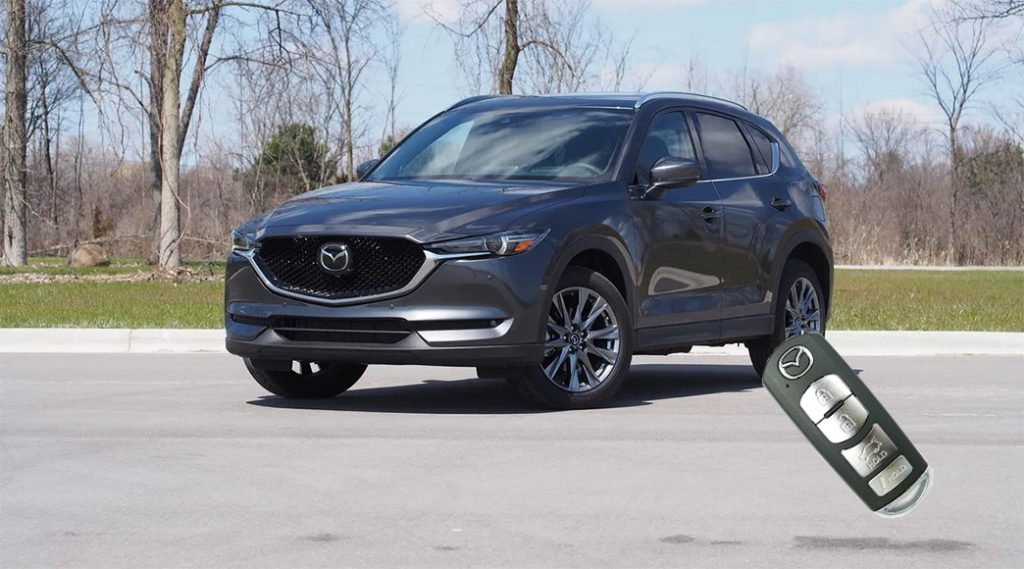
Mazda’s inclusion of this capability reflects the company’s attention to practical details. It addresses a real-world problem that many drivers encounter regularly, particularly in warmer climates. Yet because it remains hidden behind a key fob command sequence, countless owners never realize their vehicle can perform the task.
Sometimes the most appreciated features are not the most advanced or expensive. Remote window opening falls into that category. It is simple, effective, and surprisingly useful in daily life. For owners who discover it, the feature often becomes part of their routine whenever temperatures begin to climb.
Also Read: Air-Bag Sensor Recalls That Hit 8 New Car Models In 2026