
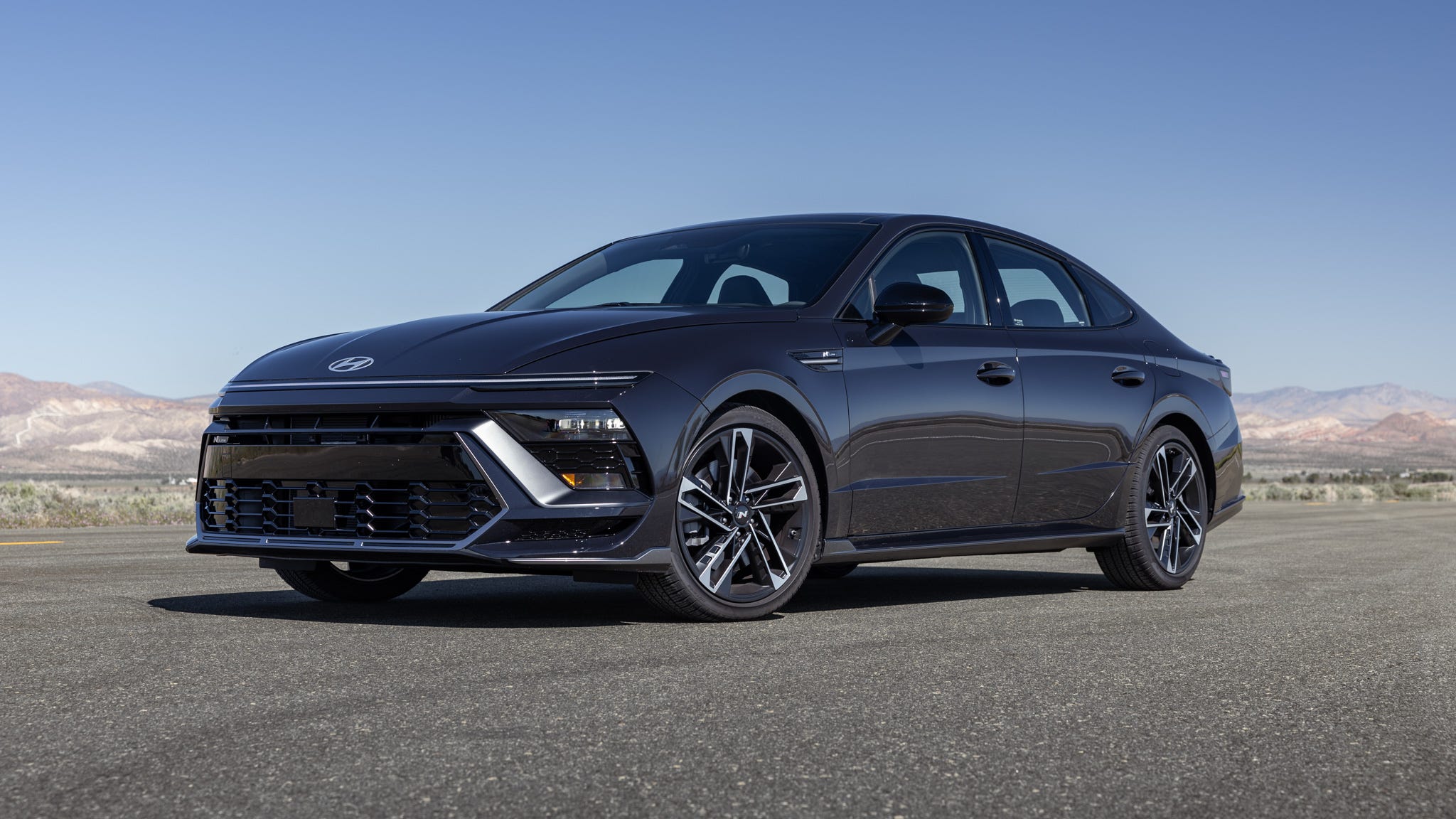
The Hyundai Sonata has transformed dramatically over the past three decades, evolving from an affordable family sedan into one of the most competitive midsize cars on the market.
Throughout its history, the Sonata has gained recognition for offering generous standard equipment, attractive styling, comfortable interiors, and excellent value compared with many of its rivals.
Hyundai has continuously refined the sedan by introducing more efficient engines, advanced safety technologies, improved cabin materials, and modern infotainment systems. As a result, many Sonata model years have become outstanding choices for buyers seeking dependable transportation without paying premium prices.
However, not every Hyundai Sonata has delivered the same ownership experience. Certain production years have earned praise for their reliability and low maintenance costs, while others have developed recurring issues involving engine failures, excessive oil consumption, transmission concerns, electrical faults, or manufacturing defects.
These differences make it important to research individual model years instead of assuming every Sonata offers identical long-term dependability.
Buying a used vehicle involves much more than comparing mileage or purchase price. A slightly older Sonata from one of the strongest production years can often provide a far better ownership experience than a newer model with a history of mechanical problems.
Engineering improvements, updated components, software revisions, and manufacturing refinements all influence how a vehicle performs after years of daily driving.
The first section of this guide highlights the four Hyundai Sonata model years that consistently stand out for their reliability, comfort, safety, and long-term value.
These vehicles have demonstrated fewer reported mechanical issues while offering refined driving characteristics and practical ownership costs. Many continue to receive positive feedback from owners even after accumulating significant mileage.
The second section focuses on four Sonata model years that deserve additional caution. Their inclusion does not mean every vehicle from those years will experience serious problems, but they have generated enough recurring owner complaints and documented reliability concerns to justify a careful inspection before purchase.
Understanding these differences allows buyers to avoid expensive repairs and make a more informed decision.
Whether you are shopping for an affordable commuter sedan, a comfortable family vehicle, or a dependable long-term daily driver, selecting the right Hyundai Sonata model year is one of the most important factors in ensuring a satisfying ownership experience.
Also Read: 5 Best Ford Escape Years vs 5 to Avoid
4 Best Years for the Hyundai Sonata
1. 2022 Hyundai Sonata
The 2022 Hyundai Sonata represents one of the most refined versions of the eighth-generation sedan. By this point, Hyundai had several years to improve software, fine-tune powertrains, and address many of the minor concerns that appeared when the generation first launched.
The result is a midsize sedan that delivers an excellent combination of reliability, efficiency, comfort, and technology.
One of the biggest reasons this model deserves recognition is its diverse engine lineup. Buyers can choose the efficient 2.5-liter naturally aspirated engine for dependable daily transportation, the turbocharged 1.6-liter engine for stronger performance with excellent fuel economy, or the sporty N Line with its powerful 2.5-liter turbocharged engine. Hybrid models also provide exceptional fuel efficiency while maintaining smooth operation.
The interior continues to impress with its premium appearance. High-quality materials, supportive seating, and a clean dashboard layout create an upscale atmosphere rarely found at this price point. The available 12.3-inch digital instrument cluster and large infotainment display add a modern feel without making the controls difficult to operate.
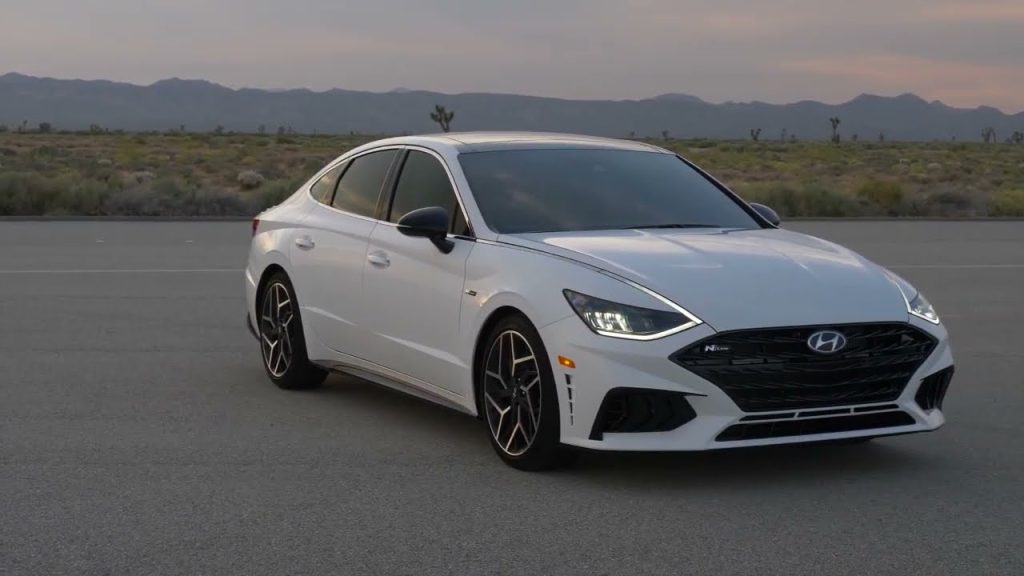
Safety is another important advantage. Hyundai SmartSense includes features such as forward collision avoidance assist, blind spot collision avoidance assist, lane following assist, adaptive cruise control, and driver attention warning. These technologies operate smoothly and contribute to the Sonata’s excellent crash safety reputation.
The 2022 Hyundai Sonata earns its position among the best years because it combines mature engineering, dependable powertrains, modern technology, and a comfortable driving experience. Buyers searching for a used midsize sedan with low ownership costs and strong reliability will find this model year particularly attractive.
Specifications
- Engine: 2.5-liter Naturally Aspirated Inline-4
- Torque: 181 lb-ft
- Horsepower: 191 hp
- Length/Width: 192.9 in / 73.2 in
2. 2019 Hyundai Sonata
The 2019 Hyundai Sonata closes the seventh generation with the benefit of years of continuous refinement. Rather than introducing dramatic mechanical changes, Hyundai concentrated on improving quality, reliability, and everyday comfort. This steady approach helped create one of the strongest used Sonata models available today.
A major reason for recommending the 2019 Sonata is its dependable 2.4-liter naturally aspirated engine, which received updates following earlier concerns in previous model years. Buyers also had the option of a fuel-efficient hybrid or the turbocharged 2.0-liter engine in higher trims.
Routine maintenance remains relatively affordable, and many owners report dependable long-term performance when service schedules are followed.
Comfort is another area where the 2019 Sonata performs exceptionally well. The suspension delivers a smooth ride over uneven roads, while the quiet cabin makes highway driving more relaxing. Front seats provide good support during long trips, and rear passengers enjoy generous legroom that rivals many competitors in the midsize segment.
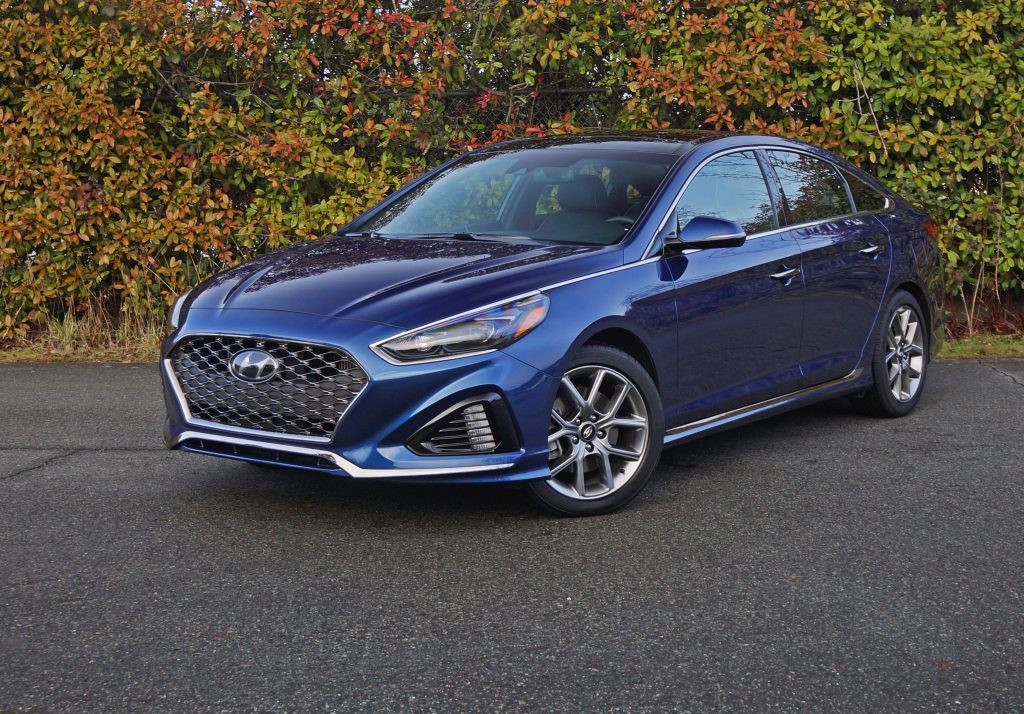
Technology also received meaningful improvements. Apple CarPlay, Android Auto, touchscreen infotainment, and available safety features such as blind spot detection, rear cross traffic alert, and automatic emergency braking help the sedan remain competitive even years after production ended.
The 2019 Hyundai Sonata deserves its place among the best years because it combines proven engineering, comfortable ride quality, practical interior space, and encouraging reliability. Buyers looking for an affordable midsize sedan often consider this one of the smartest choices in Hyundai’s lineup.
Specifications
- Engine: 2.4-liter Naturally Aspirated Inline-4
- Torque: 178 lb-ft
- Horsepower: 185 hp
- Length/Width: 191.1 in / 73.4 in
3. 2023 Hyundai Sonata
The 2023 Hyundai Sonata demonstrates how steady refinement can strengthen a vehicle without requiring a complete redesign. Hyundai continued building on the eighth-generation platform by improving software, enhancing feature availability, and maintaining the solid reliability record established by the previous model year.
Buyers looking for a modern midsize sedan with advanced technology and dependable performance often place the 2023 Sonata near the top of their shortlist.
One of its greatest strengths is the range of available powertrains. The standard 2.5-liter engine offers smooth acceleration and predictable fuel economy for everyday commuting, while the turbocharged 1.6-liter engine provides additional performance without sacrificing efficiency.
The Sonata Hybrid remains one of the segment’s fuel economy leaders, making it especially attractive for drivers covering long daily distances.
The cabin reflects Hyundai’s attention to comfort and usability. High-quality materials, supportive front seats, and generous rear legroom create a welcoming environment for both drivers and passengers.
The infotainment system responds quickly, and available dual-screen displays give the interior a contemporary appearance. Wireless smartphone connectivity on many trims further improves everyday convenience.
Hyundai SmartSense continues to be one of the Sonata’s strongest selling points. Features such as lane-following assist, blind spot collision avoidance assist, forward collision avoidance assist, safe exit warning, and adaptive cruise control contribute to a reassuring driving experience in both urban traffic and highway conditions.
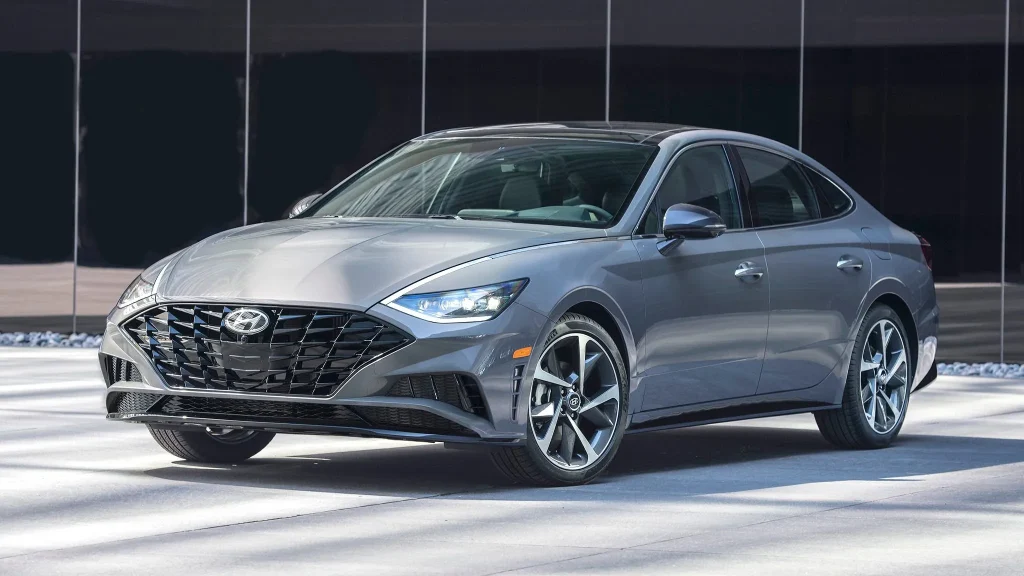
The 2023 Hyundai Sonata deserves recognition because it delivers dependable engineering, impressive efficiency, modern safety equipment, and a refined driving experience. Buyers seeking a nearly new sedan without the cost of a brand-new vehicle will find this model year particularly appealing.
Specifications
- Engine: 2.5-liter Naturally Aspirated Inline-4
- Torque: 181 lb-ft
- Horsepower: 191 hp
- Length/Width: 192.9 in / 73.2 in
4. 2017 Hyundai Sonata
Sometimes the strongest value in the used-car market comes from a model that has quietly matured through years of engineering improvements.
The 2017 Hyundai Sonata is an excellent example. By this stage of the seventh generation, Hyundai had addressed several early production concerns while continuing to improve quality control, making this one of the more dependable Sonatas available at an affordable price.
The naturally aspirated 2.4-liter engine remains the preferred choice for many buyers because of its balanced combination of performance, fuel economy, and straightforward maintenance.
Buyers seeking additional power could also choose the 2.0-liter turbocharged engine, while the hybrid version appealed to those focused on reducing fuel expenses.
Ride comfort remains one of the Sonata’s defining characteristics. The suspension absorbs uneven pavement effectively, creating a smooth driving experience during both city commutes and long highway journeys. Cabin noise is well controlled, allowing passengers to enjoy conversations without excessive wind or road interference.
The interior continues to hold up well after years of ownership. Controls are logically arranged, storage compartments are practical, and rear-seat space comfortably accommodates adult passengers.
Available safety technologies such as blind spot detection, rear cross traffic alert, and lane departure warning further increase the vehicle’s appeal in the used market.
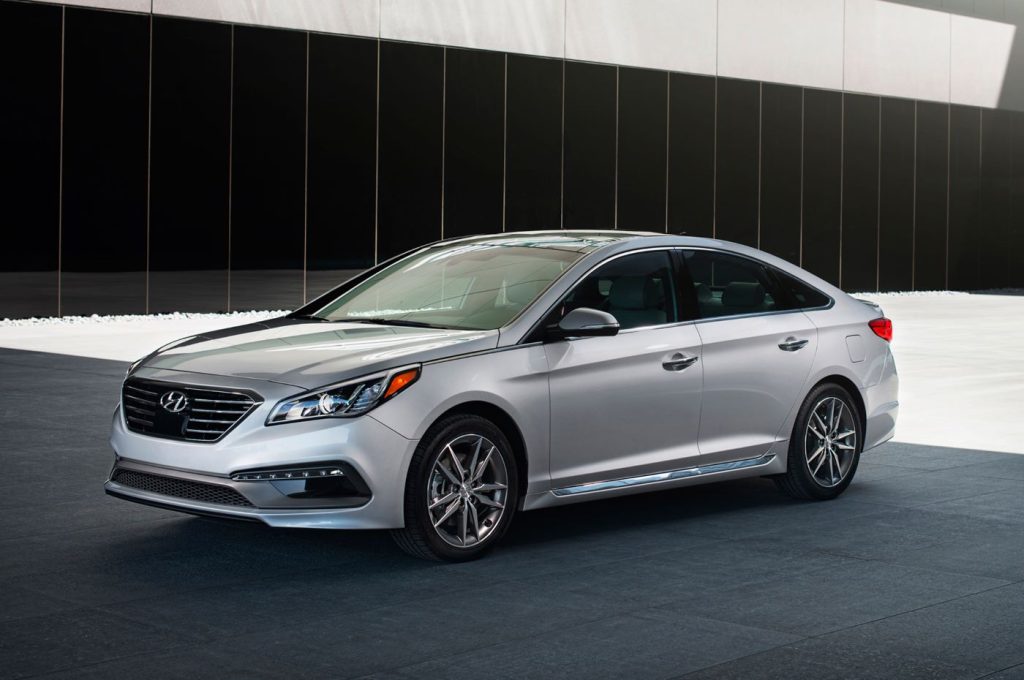
The 2017 Hyundai Sonata earns its place among the best years because it combines affordability, dependable performance, comfortable accommodations, and reasonable maintenance costs.
Buyers looking for a practical midsize sedan can expect a rewarding ownership experience when purchasing a properly maintained example.
Specifications
- Engine: 2.4-liter Naturally Aspirated Inline-4
- Torque: 178 lb-ft
- Horsepower: 185 hp
- Length/Width: 191.1 in / 73.4 in
4 Worst Years for the Hyundai Sonata
1. 2011 Hyundai Sonata
The 2011 Hyundai Sonata introduced the sixth generation with striking new styling, improved fuel economy, and a more premium interior. It quickly became one of Hyundai’s best-selling sedans, but as the years passed, this model also became associated with some of the brand’s most significant reliability concerns.
Although many owners enjoyed years of dependable service, the volume of reported problems makes this one of the Sonata years that deserves careful consideration before purchase.
The largest concern involves the 2.4-liter Theta II engine. Some engines developed excessive bearing wear that could lead to knocking noises, sudden power loss, or complete engine failure.
Hyundai later issued recalls and extended warranties covering many affected vehicles, but buyers should confirm that all recall repairs have been completed and determine whether the engine has already been replaced.
Owners also reported steering issues involving the steering coupler, which could create a clicking sound or increased play in the steering wheel. While the repair is generally not as expensive as engine work, it became a common complaint as vehicles accumulated mileage.
Electrical concerns also appeared over time, including faulty brake light switches, intermittent warning lights, and occasional sensor failures. These problems were usually less severe than the engine concerns but still contributed to additional maintenance visits.
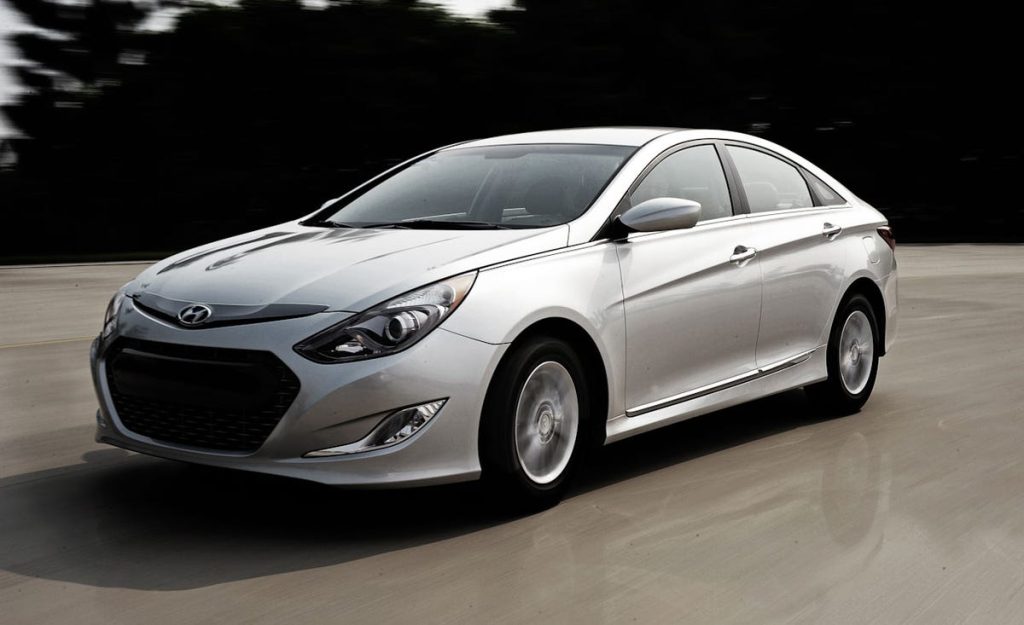
The 2011 Sonata remains comfortable, fuel-efficient, and attractive, but its engine history alone makes it one of the model years buyers should approach cautiously. A complete maintenance history and documentation of recall work are essential before considering a purchase.
Specifications
- Engine: 2.4-liter Naturally Aspirated Inline-4
- Torque: 186 lb-ft
- Horsepower: 198 hp
- Length/Width: 189.8 in / 72.2 in
2. 2013 Hyundai Sonata
Although the 2013 Hyundai Sonata benefited from several improvements introduced after the sixth generation launched, it continued to experience many of the same concerns that affected earlier models.
As a result, this model year accumulated enough owner complaints to remain one of the less desirable choices in the used Sonata market.
The primary issue again involved the Theta II engine. Reports of excessive oil consumption, connecting rod bearing wear, engine knocking, and unexpected engine failure continued to appear.
Hyundai expanded recall campaigns and warranty coverage for many affected vehicles, making it critical for prospective buyers to verify whether all required repairs have been completed.
Another recurring complaint involved steering. Worn steering couplers often produced a noticeable clunking or clicking sound during low-speed turns. While the repair itself is relatively inexpensive, it became common enough to affect the model year’s long-term reputation.
Owners also experienced occasional problems with electrical accessories, including malfunctioning power windows, door locks, and infotainment components. These faults were generally less serious than the engine concerns but still reduced owner satisfaction.
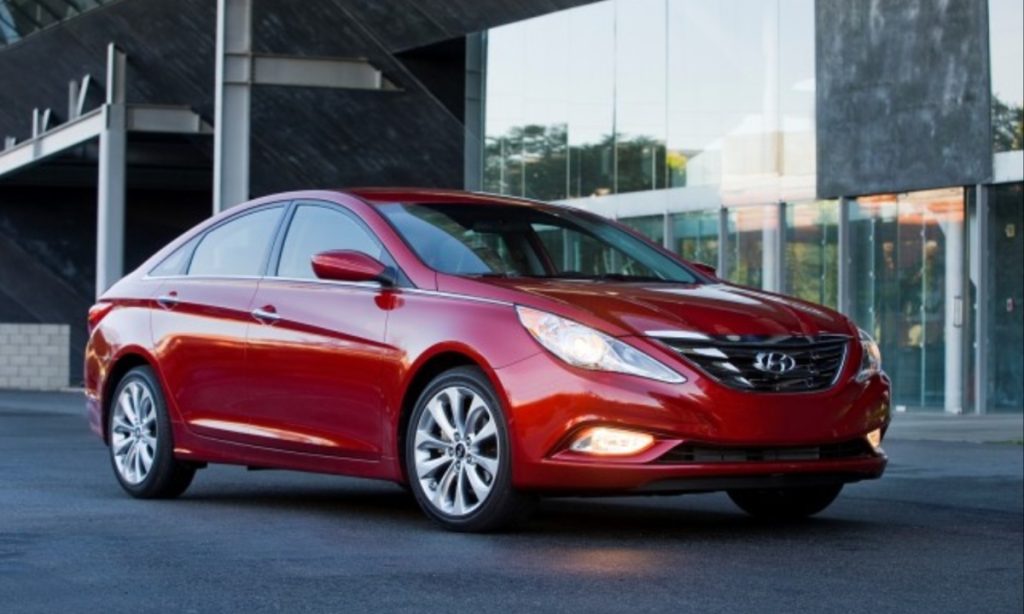
The 2013 Sonata offers an attractive design, spacious cabin, and comfortable ride, yet buyers should weigh these strengths against its documented engine history.
Later Sonata model years benefited from improved manufacturing processes and engineering revisions, making them safer long-term investments for most used-car shoppers.
Specifications
- Engine: 2.4-liter Naturally Aspirated Inline-4
- Torque: 184 lb-ft
- Horsepower: 190 hp
- Length/Width: 189.8 in / 72.2 in
3. 2015 Hyundai Sonata
The 2015 Hyundai Sonata marked the beginning of the seventh generation, introducing a larger body, improved ride quality, and a more upscale interior. It represented a significant step forward in styling and comfort, but like many first-year redesigns, it experienced several issues that affected its long-term reliability.
Although many examples continue to provide dependable transportation, this model year accumulated enough recurring complaints to warrant extra caution when shopping in the used market.
Engine-related concerns remained the biggest factor behind its inclusion on this list. Certain vehicles equipped with the 2.4-liter Theta II engine continued to experience connecting rod bearing wear, excessive oil consumption, knocking noises, and, in some cases, complete engine failure.
Hyundai expanded recall campaigns and warranty coverage for many affected vehicles, making it essential to verify whether recall work has been completed or if the engine has already been replaced.
Transmission performance also generated mixed feedback. Some owners reported hesitation during acceleration, delayed shifting, or rough gear changes from the six-speed automatic transmission. These complaints were not universal, but they appeared frequently enough to affect the model year’s reputation.
A few owners also experienced electrical problems involving the infotainment system, backup camera, and various dashboard warning lights. While software updates corrected some issues, others required replacement of individual components.
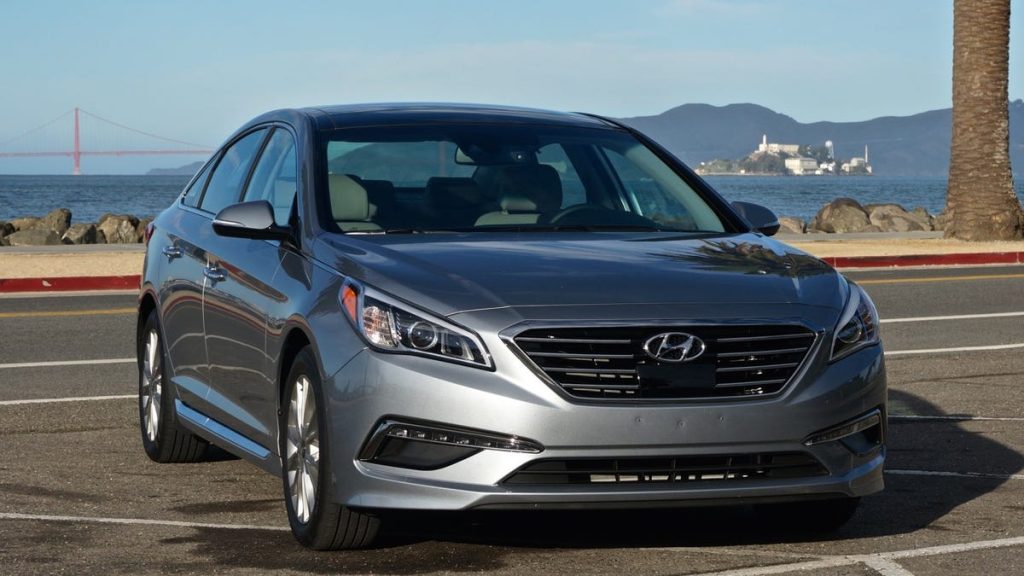
The 2015 Sonata remains comfortable, spacious, and fuel-efficient, but buyers should carefully review maintenance records before making a purchase. Later seventh-generation models benefited from production refinements and generally demonstrated stronger long-term dependability.
Specifications
- Engine: 2.4-liter Naturally Aspirated Inline-4
- Torque: 178 lb-ft
- Horsepower: 185 hp
- Length/Width: 191.1 in / 73.4 in
4. 2012 Hyundai Sonata
The 2012 Hyundai Sonata followed the successful launch of the sixth generation, retaining its sleek styling and efficient powertrain lineup.
However, despite its popularity, this model year continued to experience several of the same reliability concerns that affected the 2011 version. For buyers considering a used Sonata, this year requires particularly careful inspection because many vehicles are now well beyond 100,000 miles.
The most significant issue again involves the 2.4-liter Theta II engine. Reports of premature bearing wear, engine knocking, excessive oil consumption, and sudden engine failure remained widespread enough for Hyundai to expand its recall and warranty programs.
Buyers should confirm whether the vehicle received recall repairs or an engine replacement under Hyundai’s extended coverage.
Steering coupler wear also became a common complaint. Drivers often noticed a clicking or knocking sensation in the steering column, especially when turning at low speeds. While this repair is generally affordable, it has become one of the defining issues associated with this generation.
Electrical problems appeared on some vehicles as well, including faulty brake light switches, malfunctioning door locks, and intermittent warning lights. Although these issues were usually less serious than the engine concerns, they added to long-term ownership costs.
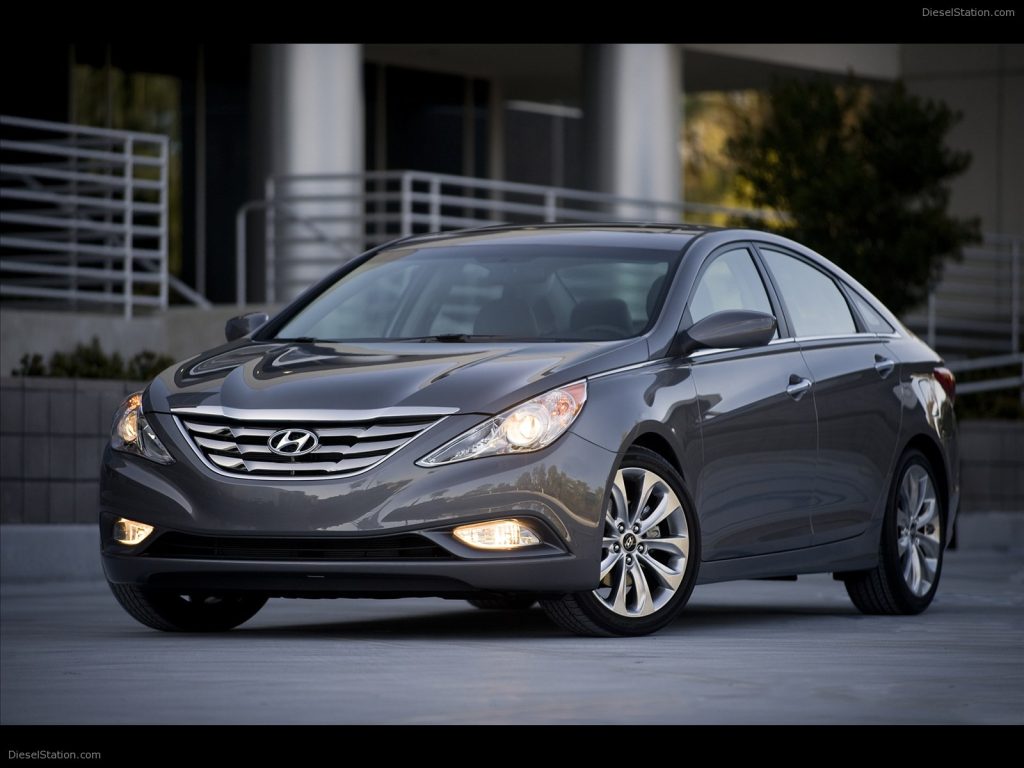
The 2012 Hyundai Sonata still delivers a comfortable ride and attractive fuel economy, but its well-documented engine history makes it one of the model years that deserve extra caution.
Buyers seeking the best long-term value will generally find greater peace of mind by choosing later production years such as the 2017, 2019, 2022, or 2023 models.
Specifications
- Engine: 2.4-liter Naturally Aspirated Inline-4
- Torque: 186 lb-ft
- Horsepower: 198 hp
- Length/Width: 189.8 in / 72.2 in
Also Read: 5 Best Honda Accord Years vs 5 to Avoid
